


Tidal Bass Fishing: Working Saltwater Influence Effectively
Tidal bass fishing effectively leverages saltwater influence by using incoming and outgoing tides to position bass where they actively feed. Reading tide charts to predict movement and understanding salinity levels helps anglers identify optimal fishing windows and adjust lure selection accordingly. Mastering these tidal dynamics significantly increases catch rates by focusing effort on active fish during peak feeding periods.
Understanding how the tide affects bass fishing can make a big difference in your catch. When you learn to read the water and predict bass behavior based on tidal movements, you’re setting yourself up for more success. This knowledge helps you find active fish when others are struggling.
We’ll show you how to get the most out of these dynamic conditions, making your fishing trips more rewarding. Learning about Tidal Bass Fishing: Working Saltwater Influence Effectively means you’ll spend less time guessing and more time reeling in fish. Get ready to improve your angling game by tapping into nature’s rhythm.
Key Takeaways
- Learn how tidal changes create feeding opportunities for bass.
- Discover the best times to fish based on incoming and outgoing tides.
- Understand how water salinity impacts bass location and behavior.
- Identify effective lures and techniques for tidal bass fishing.
- Recognize how weather patterns interact with tidal fishing.
- Improve your overall success rate by reading the tide effectively.
Why Tides Matter for Bass
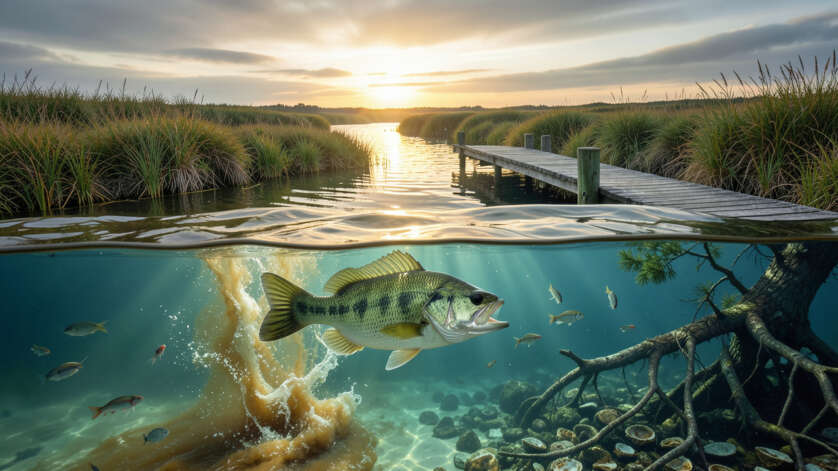
The movement of water is a huge deal for bass. Tides bring fresh oxygen and food to areas that might otherwise be quiet. When the tide is moving, it stirs things up.
This movement can push baitfish into shallow areas. Bass love this because it’s an easy meal. They often position themselves to take advantage of these feeding opportunities.
Position yourself where moving water pushes baitfish into shallows to intercept feeding bass.
When you fish in areas with tidal influence, you’re fishing in a system that’s constantly changing. The water level goes up and down. Salinity levels can also change.
These changes dictate where bass will be and how active they will be. Understanding these basics is the first step in mastering Tidal Bass Fishing: Working Saltwater Influence Effectively.
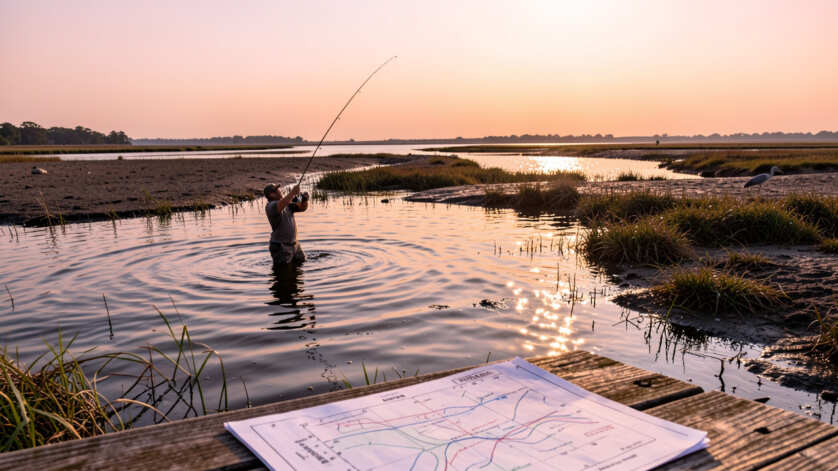
Reading the Tides for Bass Action
Not all tides are created equal when it comes to fishing. Some tides are stronger than others. These stronger tides often create better fishing conditions.
We’re talking about tides that really move a lot of water. They can scour out channels and create current breaks. Bass will use these features to their advantage.
Incoming Tide Advantages
An incoming tide often signals feeding time. As the water level rises, it pushes baitfish into shallower areas. Bass will follow.
They might move into flooded grass lines or along the edges of shorelines. This is a great time to cast your lures towards these newly accessible spots. Look for areas where the water is starting to cover what was previously dry land.
The incoming tide also brings in fresh oxygen. This can make bass more active and willing to feed. You might find them more spread out as they explore new feeding grounds.
The water clarity can also be affected, sometimes becoming a bit stained. This can make bass less wary of your presence.
Outgoing Tide Opportunities
An outgoing tide can also be productive, but in different ways. As the water recedes, it can create a strong current. This current can push baitfish out of shallower areas and into deeper channels.
During slack tide, bass often disperse to explore new areas; adjust your search pattern accordingly.
Bass will often position themselves in these current breaks to ambush prey. Think about points, submerged humps, or drop-offs where the current is strongest.
The outgoing tide can concentrate baitfish. This makes them easier targets for bass. You might find bass holding tighter to structure or in deeper holes.
Fishing the edges of these current lines can be very effective. The falling water can also reveal new feeding areas as it exposes flats or shallow areas.
Slack Tide Considerations
Slack tide is the period between the incoming and outgoing tides when the water movement is minimal. This can sometimes be a slower fishing period. Bass may become less active.
They might hold tight to cover. However, some anglers find success during slack tide by targeting deeper areas or using slower presentations.
Sometimes, slack tide is a good time to target larger, more solitary bass. They might feel more secure and less pressured. If you’re fishing a fast-moving tidal river, slack tide can be a welcome break for the fish.
It allows them to rest and conserve energy before the next tidal push.
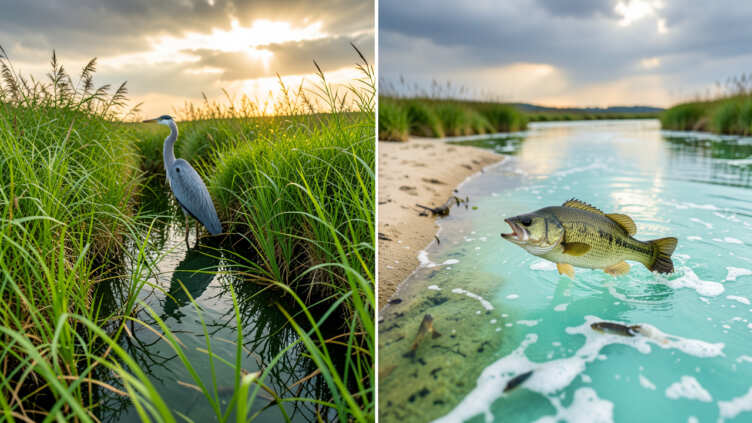
The Impact of Salinity on Bass
Bass are adaptable fish, but they have their preferences. While largemouth bass are freshwater fish, they can tolerate varying levels of salinity. When saltwater pushes into their environment, it changes things.
This is a key factor in Tidal Bass Fishing: Working Saltwater Influence Effectively.
In areas where freshwater meets saltwater, you get brackish water. The salinity level in brackish water can fluctuate significantly with the tides. When the salinity is just right, it can actually trigger feeding behavior in bass.
They seem to thrive in these transitional zones.
Finding the Sweet Spot
The ideal salinity range for bass can vary. Generally, they prefer lower salinity levels. However, they will move into areas with higher salinity if food is abundant.
Salinity shifts with the tide can trigger bass feeding activity—learn to read those changes.
You’ll often find them in areas where the freshwater flow mixes with the incoming tide.
Look for areas with a noticeable difference in water clarity or color. This often indicates where freshwater and saltwater are mixing. These mixing zones are prime locations for baitfish, and therefore, for bass.
When Salinity Gets Too High
If the salinity gets too high, bass might move further upstream to find more freshwater. They need a certain balance to survive. Extremely high salinity can stress them out.
This means they might not be feeding actively.
Pay attention to the conditions after heavy rains. Rain can lower salinity levels, pushing bass further into tidal creeks. Conversely, prolonged dry spells can allow saltwater to push further inland, concentrating bass in the remaining freshwater pockets.
Effective Lures for Tidal Bass
Choosing the right lure is crucial when fishing tidal waters. You need lures that can handle current and attract bass that are actively feeding. The best lures often mimic the baitfish that are common in these environments.
Current-Taming Lures
When the tide is running strong, you need lures that can maintain their depth and action. Spinnerbaits are excellent for this. They have a good profile and create a lot of vibration, which bass can detect even in murky water.
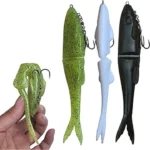
Swimbaits, especially paddle-tail versions, can also be effective. They mimic fleeing baitfish and can be fished at various depths.
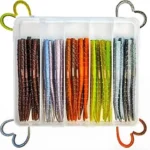
Jigs are another great choice. A jig with a trailer can imitate a crawfish or a baitfish. You can work them along the bottom, where bass often hold to avoid strong currents.
The key is to keep your lure in the strike zone.
Mimicking Tidal Prey
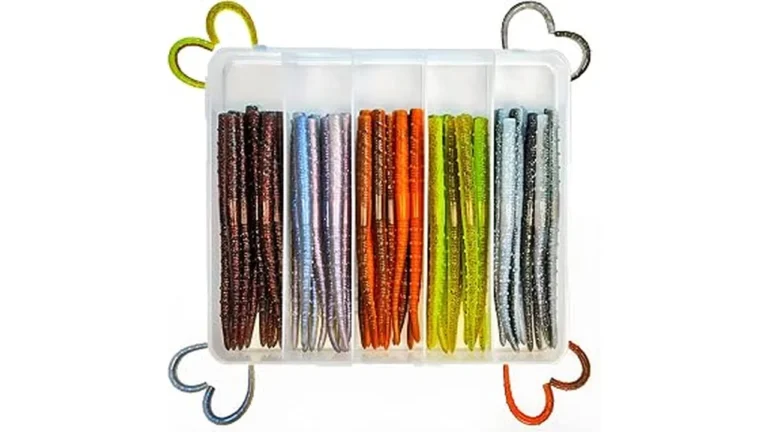
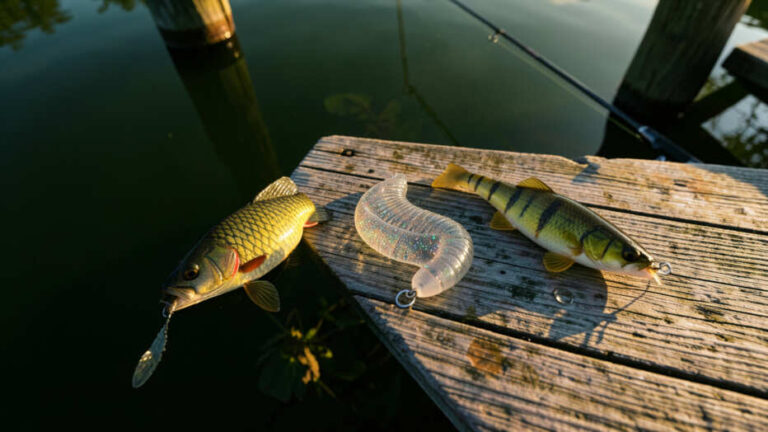
Baitfish are a primary food source for bass in tidal waters. Lures that imitate these baitfish are highly effective. Soft plastic jerkbaits, like the Zoom Fluke, can be deadly.
In strong current, choose lures like spinnerbaits that hold their depth and provide vibration.
They have a natural swimming action. You can twitch them to make them dart like a wounded baitfish. This often triggers a reaction strike.
Topwater lures can also be fantastic, especially during the morning and evening. Walking baits or poppers can create a commotion on the surface. This attracts aggressive bass looking for a meal.
The sound and disturbance can draw strikes from a distance, especially in moving water.
Color Choices for Tidal Waters
Water clarity is a big factor in tidal fishing. When the water is stained or murky, brighter colors or those with a lot of flash can be beneficial. Chartreuse, white, and firetiger are good choices.
These colors stand out and help bass locate your lure.
In clearer tidal waters, more natural colors tend to work best. Think shad patterns, silver, or pearl. These mimic the natural baitfish more closely.
Always observe the water conditions and adjust your lure colors accordingly.
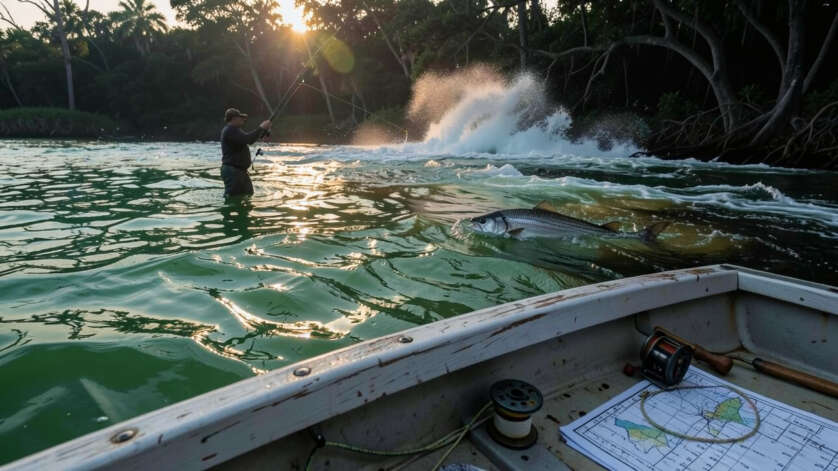
Techniques for Tidal Bass Fishing
Fishing in tidal waters requires a bit of finesse. You need to adapt your casting and retrieval techniques to the current. Understanding how to work your lure with the flow is key to success.
Casting With and Against the Current
When casting with the current, you can often let your lure drift with the flow. This can create a natural presentation. However, be mindful of your line.
Too much slack can make it hard to detect bites. You may need to reel in slack periodically.
Casting against the current can be more challenging. You’ll need to cast further upstream and work your lure back as the current carries it. This can be effective for targeting fish holding in eddies or behind structure.
It allows you to present your lure from the direction the bass are likely facing.
Using Current Breaks
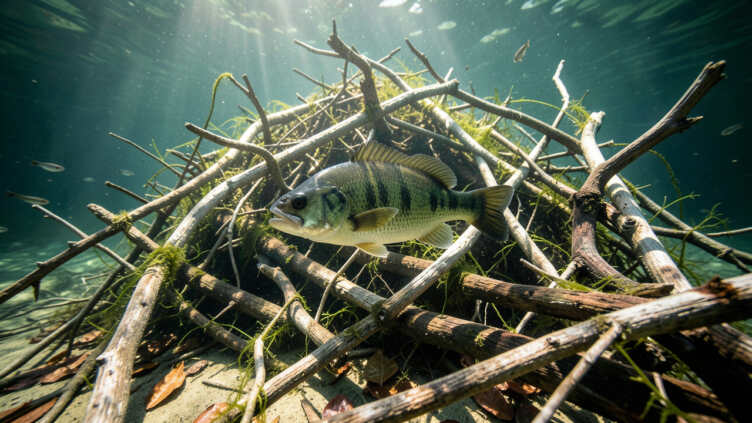
Current breaks are areas where the main flow of water is disrupted. This can be caused by submerged logs, rocks, bridge pilings, or changes in the bottom contour. Bass love to hang out in these calmer areas.
Avoid fishing blindly against the current—read water movement to position your casts for natural drift.
They wait for baitfish to be swept past them by the current.
Cast your lure to the edge of the current break. Let it drift into the calmer water. Work your lure slowly, as bass might be holding tight to cover.
A well-placed cast into a current break can yield great results.
Reading the Water
This is perhaps the most important skill for Tidal Bass Fishing: Working Saltwater Influence Effectively. You need to learn to read the subtle signs of tidal movement. Look for the high-water line on trees and banks.
Observe how the current is moving around different structures.
Pay attention to where baitfish are schooling. They are often a good indicator of where bass will be. If you see birds diving, that’s a sign of baitfish, and likely bass nearby.
The more you fish tidal waters, the better you’ll become at interpreting these signs.
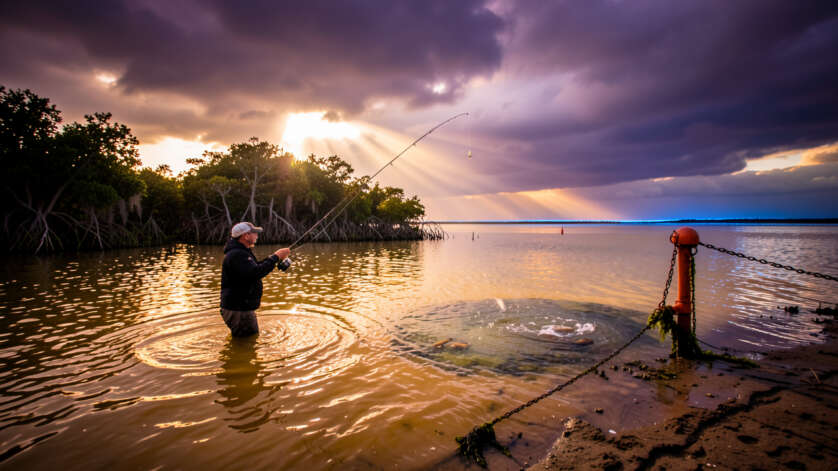
The Influence of Weather on Tidal Bassing
Weather plays a significant role in any fishing, but it’s especially true in tidal environments. Wind, rain, and temperature changes can all affect tidal flow and bass behavior.
Wind and Tides
Wind can actually push water and affect tidal heights. A strong onshore wind can make the tide appear higher than it actually is. Conversely, an offshore wind can lower the water level.
This can influence where bass position themselves.
Wind can also create current. This can be beneficial for fishing, as it can stir up bait and make bass more active. However, strong winds can make casting and boat control difficult.
Try to find protected areas if the wind is too severe.
Wind-driven tides can alter water levels and bass positioning; factor in wind direction when planning your approach.
Rain and Freshwater Inflow
Heavy rains can significantly impact tidal waters. They increase freshwater inflow, which can lower salinity levels. This can push bass further up into tidal creeks, seeking less salty conditions.
It can also stir up the bottom, creating stained water and potentially more feeding opportunities.
After a heavy rain, look for areas where the freshwater is mixing with the tidal water. These transition zones can be hotspots. The increased flow can also wash food sources into the main channels.
Temperature Shifts
Water temperature is always a critical factor for bass. In tidal areas, temperature can fluctuate more due to the constant exchange of water. Warmer water generally means more active bass.
Colder water can slow them down.
Be aware of how the tide might be bringing in warmer or cooler water. For example, an incoming tide from a warmer bay might raise the water temperature. An outgoing tide from a colder river might lower it.
This can influence bass location and feeding patterns.
Comparing Tidal Bass Fishing Methods
When fishing tidal waters, different approaches can be more effective depending on the conditions. Understanding these differences helps you choose the best strategy.
Adapt your strategy to each tide stage—incoming, outgoing, and slack each demand a distinct approach.
Frequently Asked Questions
What is the best time of day for tidal bass fishing?
The best time often corresponds with the strongest tidal movement, typically the first few hours of an incoming tide and the last few hours of an outgoing tide. Dawn and dusk can also be prime feeding times, especially with topwater lures.
Does saltwater directly harm largemouth bass?
Largemouth bass are primarily freshwater fish, but they can tolerate some level of salinity. If the salinity becomes too high for too long, it can stress them and eventually harm them. They will move to find areas with lower salinity.
How does wind affect tidal bass fishing?
Wind can push water, influencing tidal heights and creating current. It can also concentrate baitfish, making them easier for bass to find. However, strong winds can make fishing difficult.
Should I use live bait when tidal bass fishing?
Yes, live bait can be very effective, especially in tidal waters. Shrimp, small baitfish like mullet or croaker, and worms can all attract bass. The natural scent and movement are often irresistible.
How can I tell if the water is too salty for bass?
You can often taste the water, though this isn’t always practical. A more reliable indicator is observing the types of marine life present; if you see many saltwater-specific fish and creatures, the salinity is likely high. Also, look for signs of saltwater intrusion like marsh grass dying back.
What is a “tidal bore” and how does it affect fishing?
A tidal bore is a phenomenon where the leading edge of an incoming tide forms a wave (or waves) that travels up a river or narrow bay against the direction of the river or bay’s current. This can create very strong, localized currents and attract aggressive feeding behavior from bass.
Final Thoughts
Mastering Tidal Bass Fishing: Working Saltwater Influence Effectively means understanding how the tides move bait and bass. By learning to read the water, choosing the right lures, and adapting your techniques to the current, you can significantly improve your catch rates. Embrace the dynamic nature of tidal waters and enjoy more successful fishing trips.

One Comment