





Natural Lake Bass: Different From Reservoirs, Here’S How
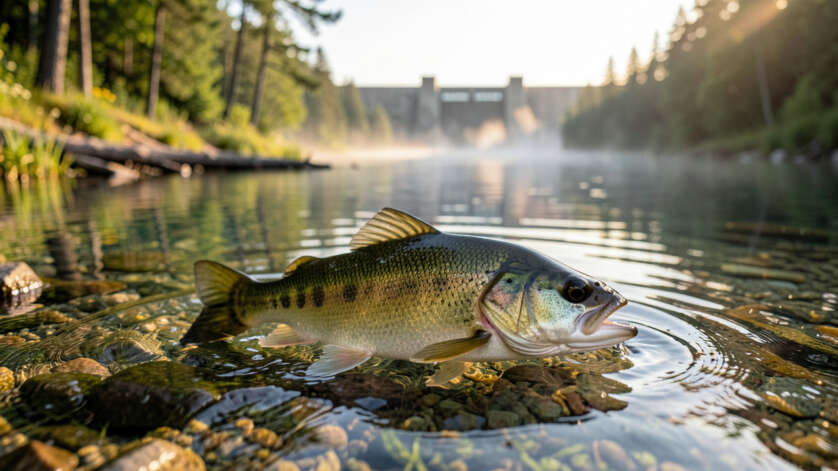
Natural lake bass differ from reservoir bass due to older, more stable habitats and more diverse food sources, which fundamentally shape their behavior and feeding patterns. In natural lakes, bass rely on established weed beds, clear water, and varied prey like crayfish and shiners, while reservoir bass adapt to fluctuating water levels and forage such as shad. Anglers who recognize these differences can more effectively target bass by selecting lures and techniques matched to each environment's unique conditions.
Fishing for bass can be a lot of fun, but knowing where you’re fishing makes a big difference. Bass in natural lakes behave differently than those in reservoirs, and understanding these differences can help you catch more fish. It’s not just about the type of fish; it’s about how their environment shapes their habits and where you should look for them.
We’ll show you Natural Lake Bass: Different from Reservoirs, Here’s How they act and where to find them so you can have a more successful day on the water.
Key Takeaways
- Natural lakes often have older, more established fish populations compared to reservoirs.
- Lake bass tend to have more diverse food sources than reservoir bass.
- Water clarity and depth variations play a significant role in how lake bass behave.
- Reservoir bass often adapt to fluctuating water levels and current from dams.
- Understanding these differences helps anglers target bass more effectively.
Understanding the Core Differences: Natural Lakes vs. Reservoirs
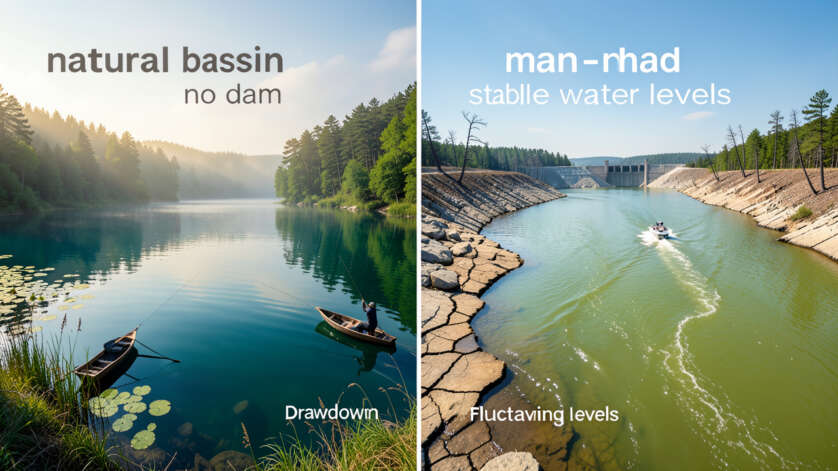
When we talk about bass fishing, the body of water is just as important as the lure. Natural lakes and reservoirs are both homes to bass, but their origins and characteristics create distinct fishing environments. Natural lakes are typically formed by geological processes over thousands of years, like glacial activity or tectonic shifts.
Before planning a trip, research whether you will be fishing a natural lake or a reservoir to set your expectations for water conditions and bass behavior.
They often have complex, established ecosystems. Reservoirs, on the other hand, are man-made lakes created by damming rivers. This means their conditions can change more rapidly due to water management and inflow from the river system.
These fundamental differences in how lakes and reservoirs are formed directly impact the fish living in them. The age of the ecosystem, the types of food available, and the physical structure all contribute to how bass behave. Knowing these distinctions is the first step to understanding Natural Lake Bass: Different from Reservoirs, Here’s How they can be caught.
Habitat and Structure: Where Bass Live
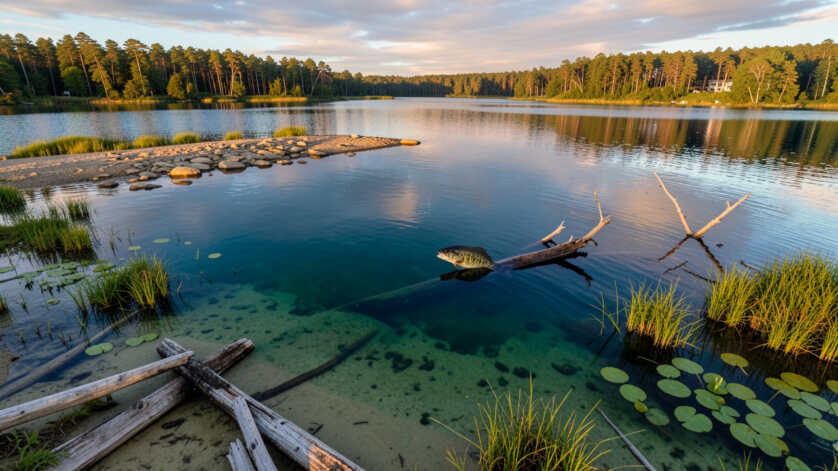
The physical makeup of a lake or reservoir heavily influences where bass find shelter and hunt. Natural lakes often feature a wider variety of permanent structures. Think about fallen trees that have been there for decades, submerged rock piles, dense weed beds that have grown over time, and uneven bottoms that offer constant hiding spots.
These stable features provide consistent ambush points for bass.
Reservoirs, however, can have more dynamic structures. While they can offer great fishing, the water levels often fluctuate significantly. This means shorelines can change, and structures that are underwater one day might be exposed the next.
The submerged trees and brush in reservoirs are often from when the area was flooded, and they might not be as integrated into a long-established ecosystem. Dams also create currents, which can concentrate baitfish and bass in certain areas, especially near the dam itself.
In reservoirs, pay attention to recent water level changes; a submerged point today may be a dry bank tomorrow, altering bass holding spots.
Natural Lake Habitats
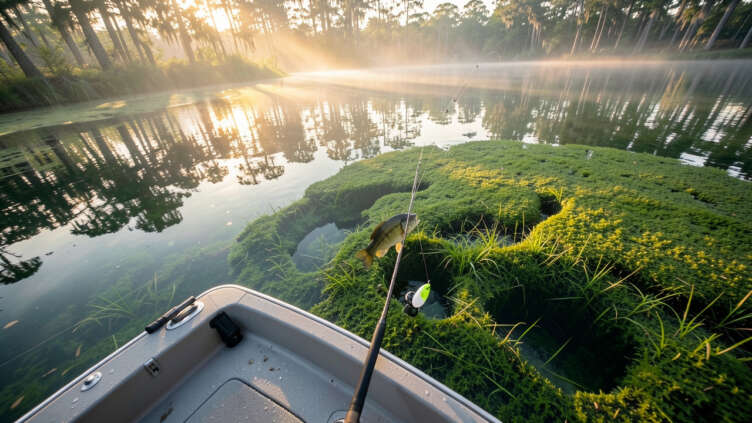
In natural lakes, bass often thrive in areas with a good mix of depths and cover. They might hang out in the shallows around weed lines or fallen logs during warmer months. Deeper, cooler sections of the lake with rocky points or drop-offs are also prime spots, especially during the heat of summer or the cold of winter.
The consistent nature of these habitats means bass can develop predictable patterns.
- Weed Beds: These provide excellent cover and attract baitfish, making them a magnet for bass.
- Submerged Timber: Old logs and fallen trees offer ambush points and shelter.
- Rock Piles and Points: These areas can attract both bass and their prey, especially in cooler water.
- Drop-offs: Bass use these ledges to move between shallow and deep water, following food sources.
Reservoir Habitats
Reservoirs present a different set of challenges and opportunities. The fluctuating water levels can mean that bass relate to the “power line” or “bathtub ring” – the area where the water level has recently dropped. They also often congregate around the main river channel or creek channels that existed before the reservoir was formed.
Bridges, submerged roadbeds, and dam structures themselves can also become significant bass hangouts. The current can be a major factor, pushing bass to find calmer pockets or feeding zones.
- Inundated Structures: Bridges, old buildings, and roadbeds provide artificial reefs for bass.
- Creek Channels: These natural features often act as highways for bass, leading to deeper water.
- Dam Structures: The concrete and rock of the dam can create unique fishing opportunities.
- Drop-offs and Ledges: Similar to natural lakes, these offer transitions between depths.
Food Sources: What Bass Eat
The diet of a bass is a major factor in its behavior and where you’ll find it. Bass are opportunistic feeders, and their menu varies greatly depending on the ecosystem. This is a key part of understanding Natural Lake Bass: Different from Reservoirs, Here’s How they feed.
Natural Lake Diet
Natural lakes tend to have a more diverse and stable food web. This often means a wider variety of baitfish species, along with crayfish, frogs, and insects that have been part of the ecosystem for a long time. The stable environment allows for a rich population of these natural forage items, giving bass plenty of options.
A stable natural lake food web means bass are rarely locked on a single prey species, requiring anglers to adapt presentations more frequently.
This variety means bass might be less reliant on one specific food source, making them sometimes harder to pattern if you don’t know what they’re keyed in on that day.
- Native Baitfish: Various smaller fish species that have always lived in the lake.
- Insects and Larvae: A constant food source, especially for younger bass.
- Frogs and Crayfish: Common in the shallower, more vegetated areas.
- Sunfish and Perch: These are often staple forage for larger bass.
Reservoir Diet
Reservoirs often have a more limited, though sometimes intensely abundant, set of food sources. The dominant forage is often determined by what was introduced or what survived the flooding. Threadfin shad are incredibly common in many reservoirs, becoming a primary food source for bass.
While shad are nutritious, their presence can lead to bass schooling up and following large bait balls, creating exciting but sometimes challenging fishing scenarios. Other common forage includes bluegill and various minnow species. The abundance of a single forage type can make bass predictable when that forage is active.
- Threadfin Shad: A very common and important forage in many reservoirs.
- Bluegill: Another popular baitfish that bass readily consume.
- Minnows: Various smaller fish that are part of the reservoir’s introduced or surviving ecosystem.
- Crawfish: Still a food source, especially in rocky areas.
Behavior and Patterns: How Bass Act
The environment shapes how bass behave, influencing their feeding times, movement, and aggression. Understanding these behavioral patterns is crucial for any angler. The way bass in natural lakes behave can be quite different from their reservoir cousins, and this is a central piece to understanding Natural Lake Bass: Different from Reservoirs, Here’s How they react to fishing pressure and seasons.
Natural Lake Bass Behavior
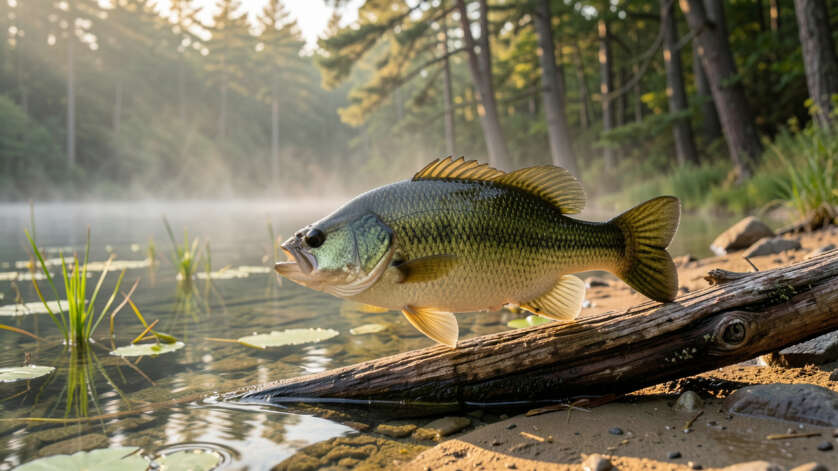
Bass in natural lakes, especially older ones, might be more wary. They have often seen more fishing pressure over the years and have developed a cautious approach. They may feed more during low-light periods like dawn and dusk, retreating to deeper or more secluded cover during midday.
Their patterns can be more tied to seasonal changes, moving shallow to spawn in spring and seeking deeper, cooler water in summer. However, the consistent structure means they often have preferred spots they return to.
When fishing natural lakes, start with finesse presentations as bass there tend to be more pressured and wary than reservoir fish.
- Seasonal Movements: Bass follow predictable routes for spawning, feeding, and comfort.
- Cautious Feeding: Often more sensitive to noise and boat presence.
- Stable Patterns: Tends to stick to established routines and locations.
- Reaction to Weather: Can be influenced by stable weather patterns, feeding more when conditions are consistent.
Reservoir Bass Behavior
Reservoir bass are often more adaptable and aggressive, partly due to the fluctuating environment and abundant forage like shad. They can be more prone to schooling behavior, following large bait balls. This can lead to explosive feeding frenzies.
Their behavior is also heavily influenced by water level changes and dam operations. When water levels drop, bass may concentrate in deeper pools. When water is released, they might position themselves to take advantage of the current and the baitfish it pushes.
This makes them more reactive to environmental changes.
- Schooling Behavior: Often found in groups, especially when following baitfish.
- Adaptability: Quickly adjust to changing water levels and conditions.
- Current Influence: Use current to their advantage for feeding and positioning.
- Aggressive Feeding: More likely to chase bait aggressively, especially when shad are present.
Factors Affecting Bass: Water Quality and Depth
The physical characteristics of the water itself play a massive role in bass fishing success. Water quality and depth can dramatically alter where bass are found and how they behave. This is where the distinction between Natural Lake Bass: Different from Reservoirs, Here’s How they are influenced by their surroundings becomes very clear.
Natural Lake Water Characteristics
Natural lakes can vary widely in clarity and depth. Older, more established lakes might have stained or even tannin-colored water due to decaying vegetation. This can make bass more reliant on sound and vibration, and they might hold tighter to cover.
Be aware that rapid water level drops in reservoirs can push bass deeper and make them less active; adjust your depth accordingly.
Deeper natural lakes offer more thermal refuge in the summer and can be productive year-round. The stable, complex bottom contours of natural lakes provide consistent holding spots for bass.
- Clarity: Varies from clear to stained, affecting lure visibility and bass behavior.
- Depth: Deeper lakes offer more thermal stratification and year-round options.
- Bottom Composition: Often complex with varied contours, providing diverse habitats.
- Aquatic Vegetation: Well-established weed beds are crucial cover and feeding areas.
Reservoir Water Characteristics
Reservoirs often experience more turbidity, especially in the upper reaches near river inlets, due to sediment and runoff. This can make bass more sensitive to fishing pressure and push them to seek clearer water or deeper areas. The depth of reservoirs can also be highly variable, with significant changes in water level affecting where bass can be found.
The constant flow of water through dams can also impact oxygen levels and temperature, forcing bass to seek out optimal conditions. This dynamic nature means anglers must constantly adapt their strategy.
- Turbidity: Can be higher due to sediment and runoff, impacting bass location.
- Variable Depth: Water levels fluctuate, changing the available habitat.
- Water Flow: Dam operations can create currents and affect water quality.
- Temperature Stratification: Similar to natural lakes, but can be more influenced by inflow.
Fishing Strategies: Adapting Your Approach
Knowing the differences between natural lake and reservoir bass is great, but how does that translate into catching more fish? Adapting your fishing strategy based on the environment is key. Understanding Natural Lake Bass: Different from Reservoirs, Here’s How they react to different tactics will boost your success.
Targeting Natural Lake Bass
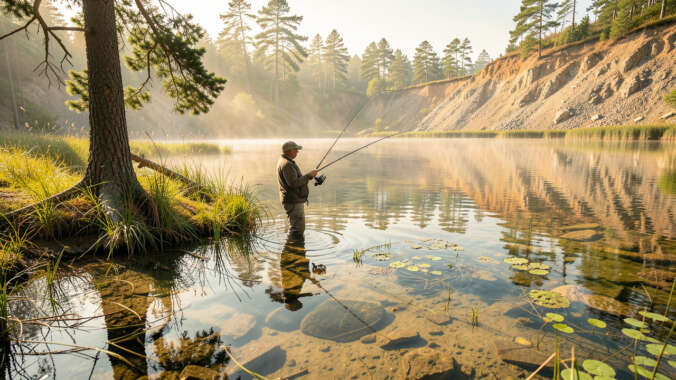
For natural lakes, a more methodical approach often works best. Focus on fishing around established cover like weed lines, submerged timber, and rocky points. When bass are being finicky, try finesse techniques like drop-shotting or shaky heads.
Natural lake bass often respond best to slower, more subtle presentations during midday when sunlight is strongest.
Slower presentations can be very effective, especially in clear water or when bass are less aggressive. Think about fishing baits that imitate the diverse forage found in these lakes, such as crawfish imitations or smaller baitfish profiles.
- Focus on Structure: Target points, humps, weed edges, and wood cover.
- Use Finesse Baits: Drop shots, shaky heads, and small worms excel in clear or pressured lakes.
- Slow Presentations: Let your bait linger near cover to tempt wary fish.
- Imitate Diverse Forage: Use lures that mimic the many food sources available.
Targeting Reservoir Bass
Reservoir fishing often requires a more dynamic and aggressive approach. If you find schooling shad, a fast-moving bait like a lipless crankbait or a topwater lure can trigger explosive strikes. When bass are holding to structure, especially near creek channels or the dam, consider using baits that work well with current, such as football jigs or Texas-rigged worms.
Pay close attention to water level changes; bass will often be found relating to the current shoreline or the points that extend into the water. Power fishing techniques often pay off due to the aggressive nature of reservoir bass and the abundance of bait.
- Search for Schools: Look for baitfish activity and target them with fast lures.
- Use Current-Friendly Baits: Jigs and Texas rigs work well in areas with water flow.
- Adapt to Water Levels: Fish the current shoreline or points created by changing levels.
- Power Fishing: Utilize crankbaits, spinnerbaits, and jigs to cover water quickly.
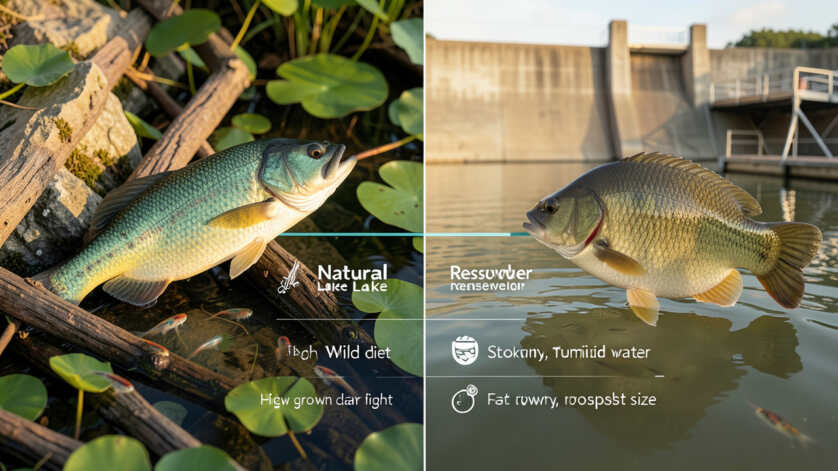
Comparison Table: Natural Lake vs. Reservoir Bass
To make the differences even clearer, let’s look at a direct comparison. This table highlights the key distinctions that impact fishing for bass in these two types of water bodies.
Reservoir bass are accustomed to dynamic conditions and may strike more aggressively, while natural lake bass favor consistent cover and forage.
Understanding the “Why” Behind the Differences
It’s important to grasp why these differences exist. Natural lakes have had millennia to develop complex food webs and stable habitats. Fish populations in these lakes have evolved to exploit these consistent conditions.
They learn where food is, where safety is, and how to navigate their environment over generations. This leads to ingrained behaviors and predictable patterns, at least in the absence of significant human impact.
When fishing a reservoir, capitalize on the aggressive nature of bass by using faster-moving baits like crankbaits and spinnerbaits.
Reservoirs, by contrast, are relatively new environments. The flooding process drastically alters the landscape, and the ongoing management of water levels and flow creates constant change. Bass living in reservoirs must be adaptable.
They learn to exploit new food sources that thrive in these conditions, like shad. They also learn to use the artificial structures and the dynamics of water flow to their advantage. This constant flux fosters a more opportunistic and sometimes more aggressive mindset among reservoir bass.
This fundamental understanding helps explain Natural Lake Bass: Different from Reservoirs, Here’s How they respond to angler tactics.
Tips for Identifying Lake vs. Reservoir Bass
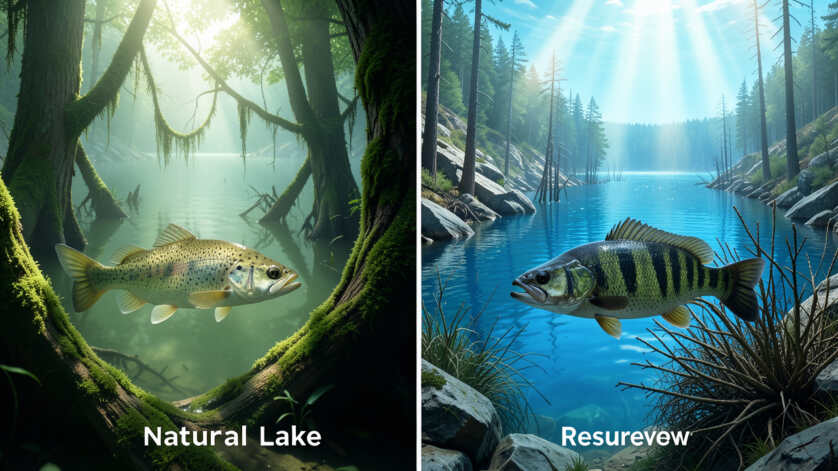
While the core species is often the same (e.g., Largemouth Bass), subtle differences in their physique can sometimes be observed, though this is not always a reliable indicator. Generally, bass from natural lakes might appear more robust and “healthy” due to a consistent, diverse diet. Reservoir bass, especially those in systems with heavy shad populations, might sometimes show signs of rapid growth and can appear more lean, or “wiry,” if they are actively chasing bait constantly.
However, the most reliable way to tell is by understanding the body of water you are fishing.
If you’re fishing a large, natural body of water with established weed beds, complex bottom contours, and a history of being a lake for a very long time, you’re likely fishing for natural lake bass. If you’re on a body of water created by a dam, with fluctuating water levels, a dominant river channel, and often a primary forage like threadfin shad, you’re fishing a reservoir. The behavior and patterns you observe will confirm which type of environment you are in.
Frequently Asked Questions
Question: Are bass in natural lakes typically larger than in reservoirs?
Answer: Not necessarily. While natural lakes can support very large, old bass due to stable environments and diverse food, reservoirs can also produce trophy-sized fish, especially if they have abundant forage like shad and good management practices. Size depends more on food availability and genetics.
Question: Do natural lake bass get used to fishing pressure more easily than reservoir bass?
Answer: Yes, bass in older natural lakes have often been exposed to fishing pressure for many decades. This can make them warier and more challenging to catch. Reservoir bass, in newer systems or those with less pressure, might be more aggressive initially.
Question: How does water clarity affect fishing for Natural Lake Bass: Different from Reservoirs, Here’s How?
Answer: In clear natural lakes, bass might be more sight-oriented and easily spooked, favoring finesse baits and stealthy approaches. In clearer reservoir sections, they might also be more cautious, but turbid reservoir waters can push them to hold tighter to cover or seek out deeper, clearer pockets.
Question: Should I use different lure colors for natural lakes versus reservoirs?
Answer: Yes, it’s often beneficial. Natural lakes with stained water might respond well to darker colors like black or blue. Clearer lakes may favor more natural, translucent colors.
Reservoirs with abundant shad often do well with silver or white lures that mimic shad.
Question: Are bass in reservoirs more likely to school up than natural lake bass?
Answer: Generally, yes. The abundance of schooling baitfish like shad in reservoirs often causes bass to school up as well, leading to exciting fishing opportunities when you find them. Natural lake bass may school, but it’s often less pronounced and more tied to spawning or specific feeding events.
Final Thoughts
Understanding the distinct environments of natural lakes and reservoirs is key to successful bass fishing. Natural lake bass often exhibit more established patterns due to stable habitats and diverse food sources, while reservoir bass are typically more adaptable and aggressive, influenced by fluctuating conditions and concentrated forage. By recognizing these differences and adjusting your tactics, you can significantly improve your chances of catching bass in any body of water.