


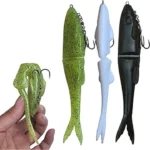


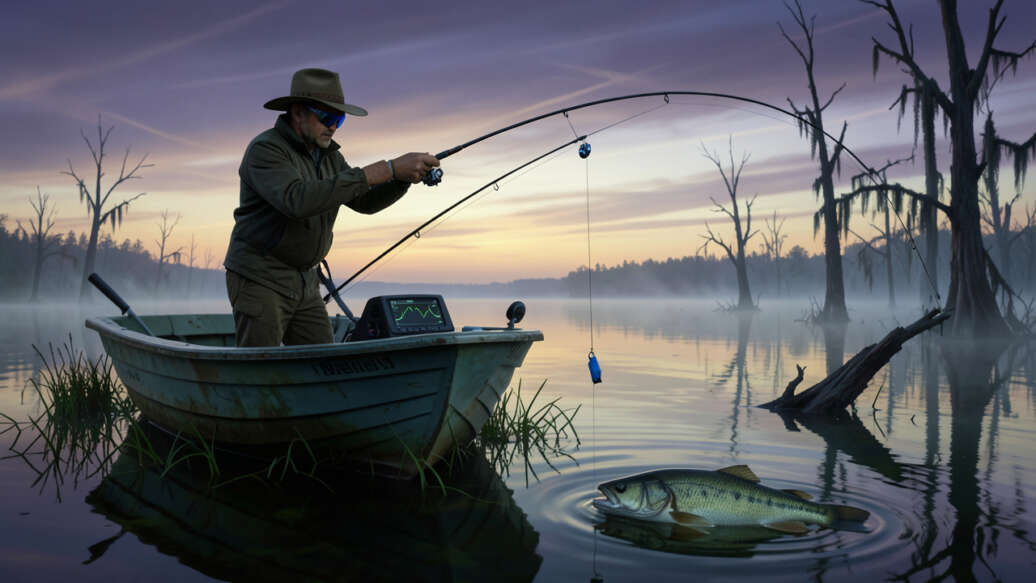
Bass Fishing After A Cold Front: Proven Recovery Tactics
After a cold front, bass move to deeper water and become lethargic, requiring anglers to shift to slow, finesse presentations and precise depth targeting. Success depends on using electronics to locate fish holding near structure or transitions in stable thermal layers. Effective lure choices include small jigs, shaky heads, and drop-shots worked with deliberate, patient retrieves to trigger reaction strikes. The key takeaway is that adjusting your retrieval speed and focusing on deeper, sun-warmed zones directly counteracts the metabolic slowdown caused by the temperature drop.
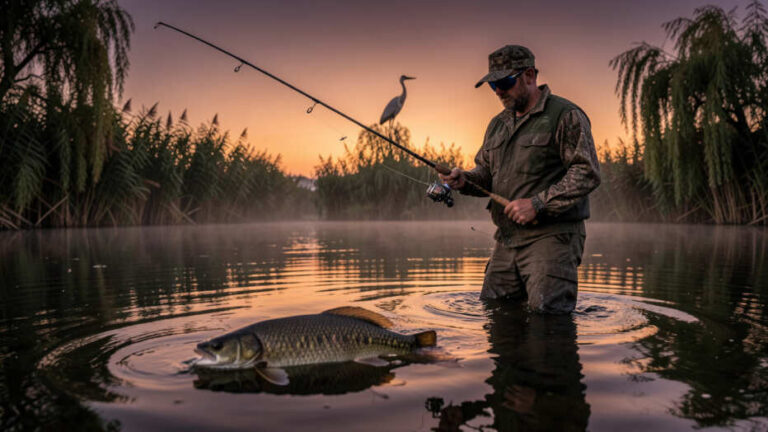
When the weather takes a sudden turn, bass can become a bit tricky to find. A cold front often pushes them deeper and makes them less active, which can leave anglers frustrated. Knowing how to adjust your strategy is key to getting back on track and enjoying your time on the water.
This guide will show you how to adapt your approach for successful Bass Fishing After a Cold Front: Proven Recovery Tactics, helping you understand where the fish go and what lures work best to get them biting again.
Key Takeaways
- Understand how cold fronts impact bass behavior and location.
- Learn to identify the best fishing spots after a cold front.
- Discover effective lure choices and retrieval techniques for tough conditions.
- Master the art of adjusting your fishing strategy for post-cold front success.
- Gain confidence in catching bass even when the weather changes.
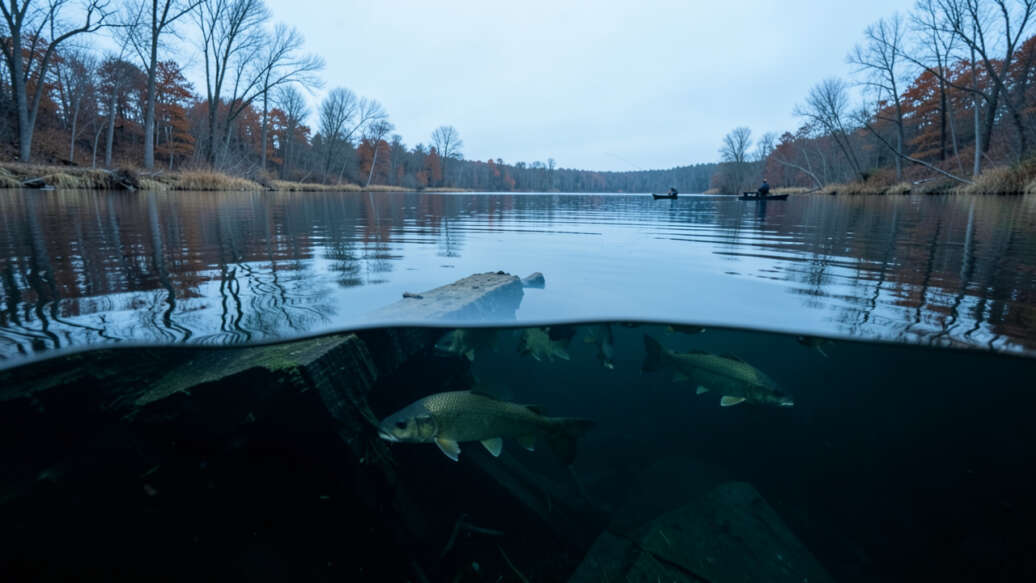
Why Bass Go Deep After a Cold Front
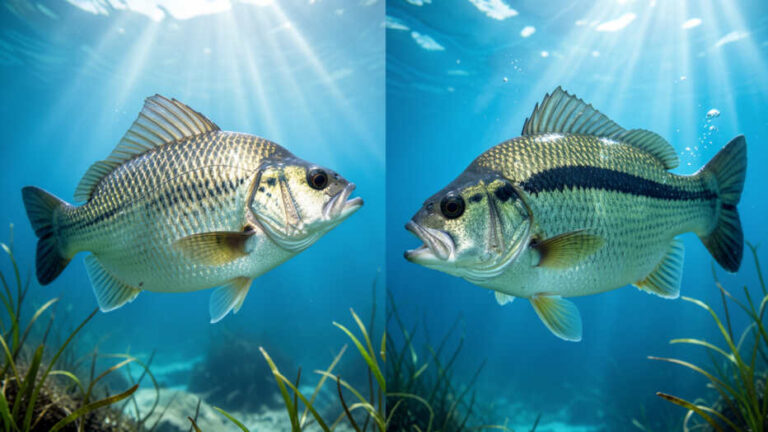
A cold front brings a significant drop in air and water temperature. Bass, being cold-blooded, feel this change keenly. Their metabolism slows down, and they seek more stable, comfortable water conditions.
This usually means moving away from shallow areas that heat up and cool down quickly.
Focus on deeper, stable water where bass conserve energy after a front; they avoid temperature fluctuations in shallow zones.
The pressure change associated with a front also plays a role. Many anglers believe bass become more lethargic and less willing to chase bait when the barometer drops rapidly. They prefer to conserve energy.
Therefore, finding them involves looking for these stable, deeper zones where they can hold and wait for conditions to improve.
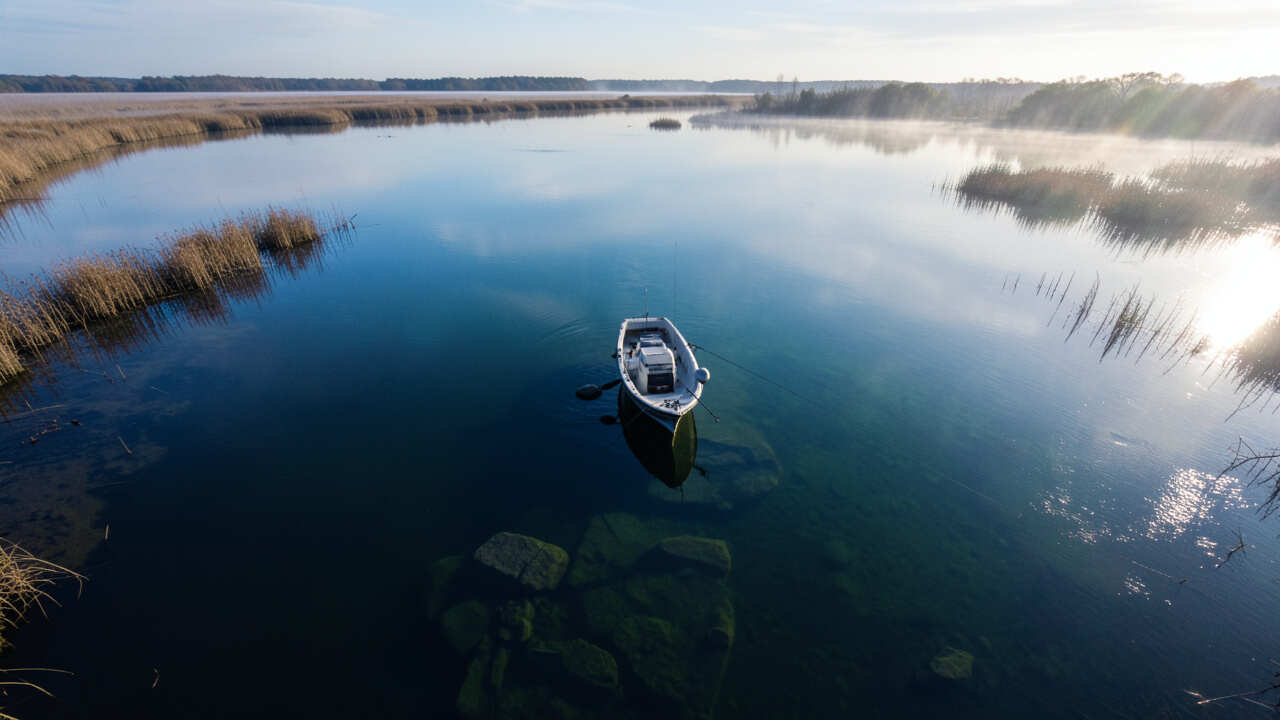
Finding Bass in Deeper Water
When you’re thinking about Bass Fishing After a Cold Front: Proven Recovery Tactics, the first step is locating the fish. Shallow water often becomes unproductive. Instead, focus on areas with structure and cover in deeper sections of the lake or river.
This includes ledges, drop-offs, humps, and submerged timber.
Look for contour lines on your fish finder that indicate a sudden change in depth. Bass will often stage just off these drop-offs, waiting. Submerged vegetation that extends into deeper water can also hold fish.
Look for subtle depth changes and bottom composition shifts like mud to rock, as these create hotspots for post-front bass.
Even a slight change in bottom composition, like moving from mud to rock, can create a hotspot.
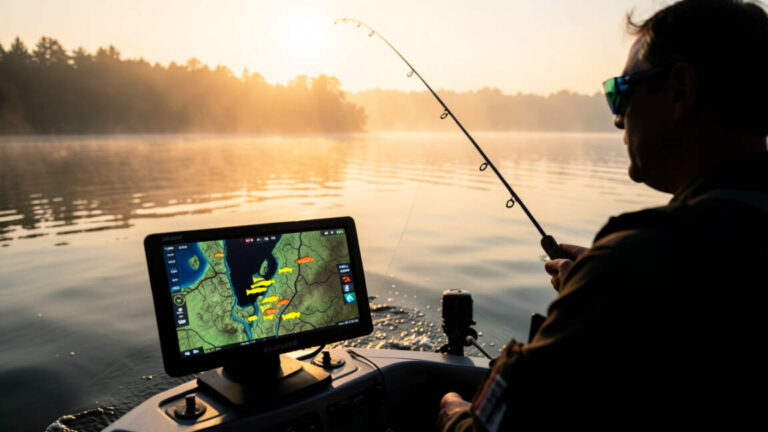
Using Electronics to Your Advantage
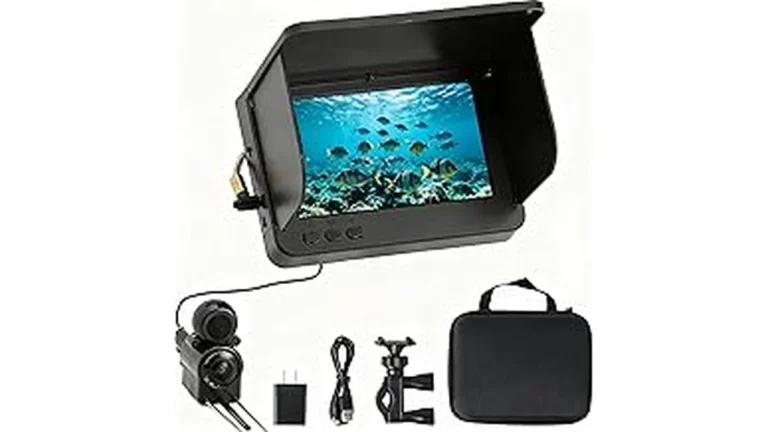
Modern fish finders are invaluable tools for finding bass after a cold front. They help you identify depth changes, structure, and even individual fish. Pay attention to the bottom contour and any significant features like rocks or submerged trees.
Side-imaging sonar is particularly useful. It allows you to scan wide areas to the left and right of your boat. This can help you spot schools of baitfish, which bass will be following, or identify larger bass holding near structure.
Down-imaging provides a clearer picture of what’s directly below your boat.
Effective Lure Choices for Post-Front Bass
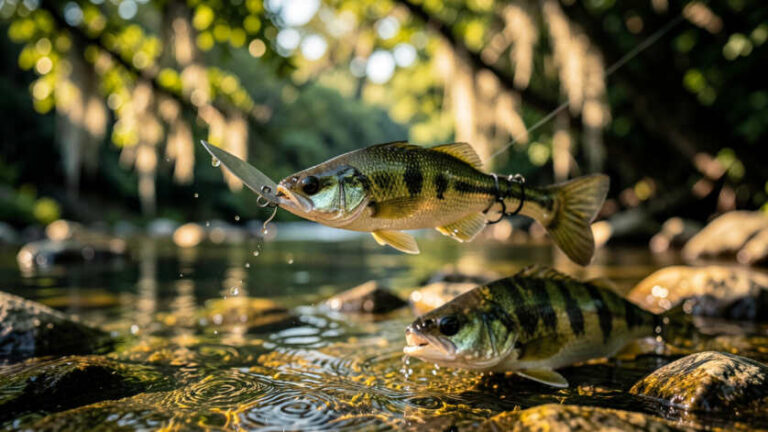
After a cold front, bass are often less aggressive. This means you need to present lures that are subtle, slow-moving, and imitate wounded or easy prey. The goal is to trigger a reaction bite rather than a chase.
Jigs are a classic choice. A football jig or a finesse jig bounced along the bottom can be very effective. The slow, deliberate retrieve mimics a crawfish or a slow-moving baitfish.
Consider darker colors like black, blue, or brown, which can be seen better in deeper, darker water.
A slow, deliberate retrieve mimicking a crawfish is key; darker colors improve visibility in deeper, darker water.
Soft plastic baits are also excellent. Stick baits, grubs, and creature baits rigged on a drop-shot or a shaky head can entice pressured or inactive bass. The key is a slow, erratic retrieve that makes the bait look natural and vulnerable.
Think about subtle twitches and pauses.
The Power of Slow Retrieves
When bass are holding tight to the bottom and conserving energy, a fast retrieve will often spook them. You need to slow down your presentation significantly. This applies to almost any lure you choose.
For crankbaits, consider models that dive deep and have a tight wobble. Instead of burning them back, use a slow, steady retrieve with occasional pauses. For jerkbaits, a very slow cadence with long pauses between twitches can be deadly.
The pause is often when the bass will strike.
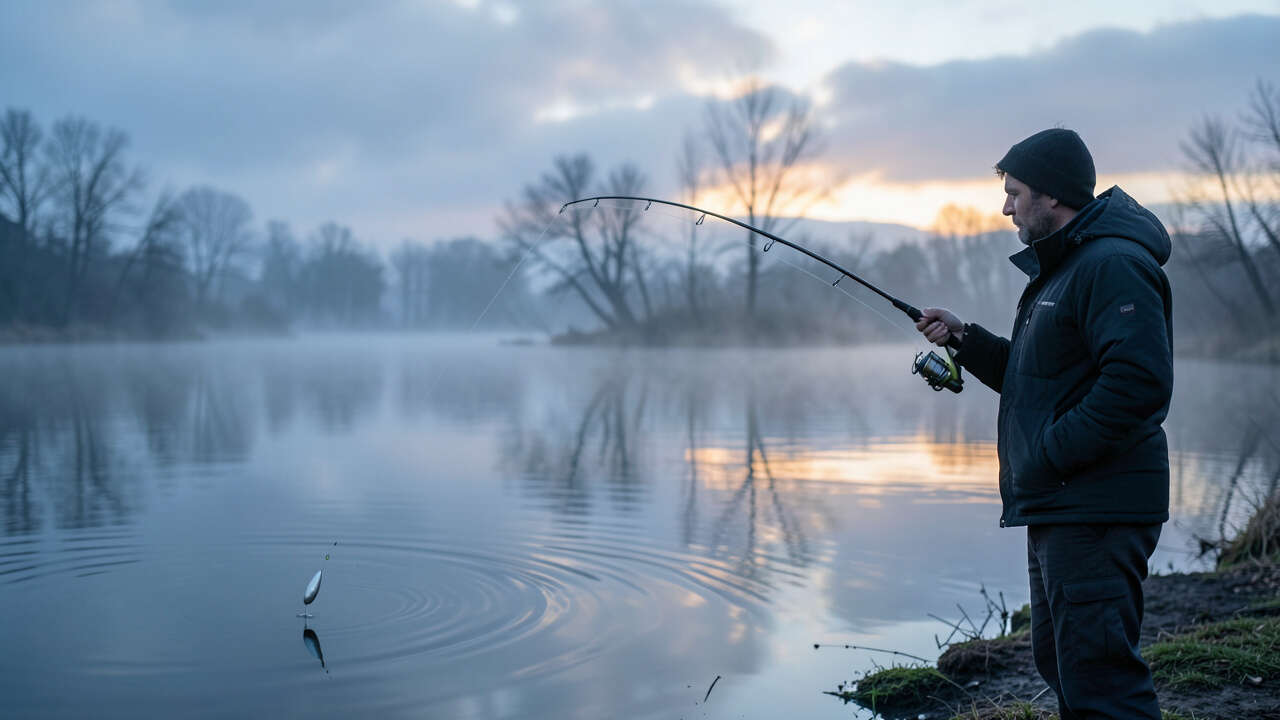
Adjusting Your Retrieval Techniques
Bass Fishing After a Cold Front: Proven Recovery Tactics often hinge on how you work your lures. Simply casting and reeling might not cut it when the bass are in a funk. Experiment with different speeds and actions.
First, try a very slow, steady retrieve. If that doesn’t produce, add pauses. Let the lure sit on the bottom for a few seconds.
This can be the critical moment when a lethargic bass decides to bite.
Pause your retrieve and let the lure sit on the bottom for several seconds to trigger a bite from lethargic bass.
Second, try a “dead stick” presentation. This means casting your bait, letting it sink to the bottom, and then just letting it sit there with minimal movement. A gentle shake of the rod tip can give it just enough action to attract attention without requiring much effort from the bass.
When to Go Finesse
Finesse fishing is a strategy that uses smaller, lighter lures and lighter line. This subtle approach is perfect for bass that are shut down after a cold front. Smaller baits are easier for them to engulf, and lighter line can make the bait appear more natural.
Drop-shotting is a prime example. It allows you to present a small soft plastic bait right in front of a bass’s face, suspended above the bottom. This is a fantastic way to catch bass that are holding tight to cover or structure in deeper water.
The Role of Weather Conditions
While the immediate cold front is the main event, understanding the subsequent weather can help refine your tactics. The days following a cold front can be just as important for successful Bass Fishing After a Cold Front: Proven Recovery Tactics.
Initially, bass might be very deep and inactive. As the sun warms the water, even slightly, they may begin to move shallower again. Look for areas that receive direct sunlight, especially those with darker bottoms that absorb heat.
Don't give up after the front passes; the days following can offer prime recovery fishing as bass gradually become active again.
This could be south-facing banks or shallow flats that warm up faster.
Sunlight and Water Temperature
Even a few degrees of warming can make a big difference. On the first day or two after a front, bass might still be deep. However, by the third or fourth day, if the sun is out and temperatures are moderating, they might start to become more active in shallower, sun-warmed areas.
Keep a close eye on your water temperature gauge. When you see even a slight increase in shallower areas, pay attention. These spots can become prime locations for catching bass that are recovering from the shock of the cold front.
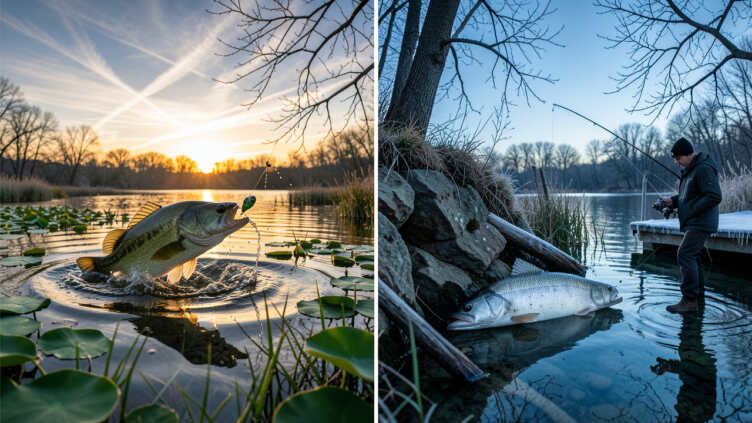
Comparison: Pre-Front vs. Post-Front Bass Behavior
Understanding the contrast between how bass behave before and after a cold front is crucial. Before a front, they are often more active and willing to chase baits in a wider range of depths. After the front, their behavior shifts dramatically.
Adapt your approach from aggressive chases to slow reaction bites to match the shift from pre-front to post-front bass behavior.
This table highlights the fundamental shift in bass behavior. Adapting your approach based on these changes is the core of Bass Fishing After a Cold Front: Proven Recovery Tactics.
When to Target Different Depths
The depth at which you find bass after a cold front can vary. It depends on the severity of the front, the body of water, and how long the cold conditions persist.
First, start by targeting the deepest, most stable water you can find. This is often the primary refuge for bass immediately after a front. Look for structures like humps, ledges, and submerged timber in this deep zone.
The depth where bass hold after a cold front varies by front severity, water body, and time since the front passed.
Next, as the sun begins to warm the water, begin to explore slightly shallower areas. Pay attention to south-facing slopes and areas with dark bottoms that absorb heat. These spots can be productive during the warmer parts of the day.
Then, if the weather moderates over a few days, bass may start to move even shallower, especially in the afternoon. However, they will still likely be associated with some form of structure or cover. Don’t abandon your electronics just yet.
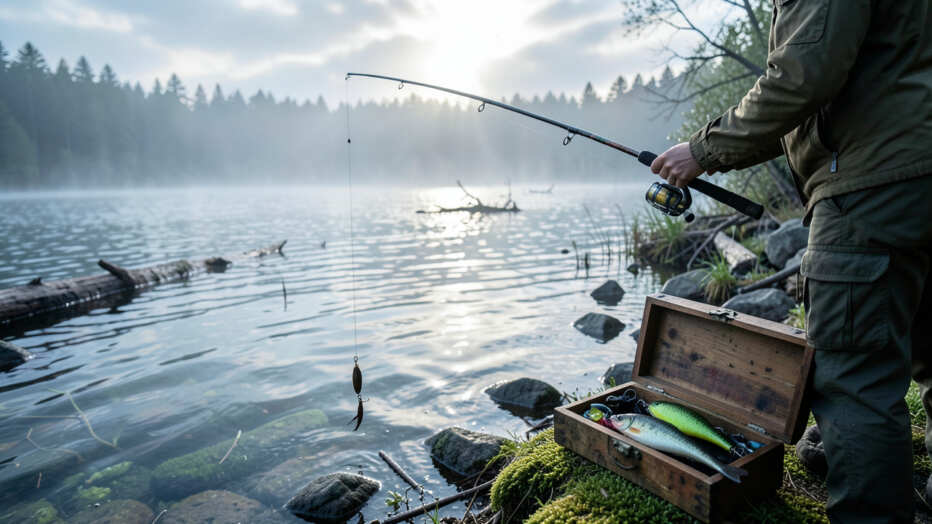
Specific Lures and How to Use Them
Let’s get into some specific lure examples and how to deploy them effectively for Bass Fishing After a Cold Front: Proven Recovery Tactics.
The Drop-Shot Rig
This rig is a lifesaver when bass are finicky. You tie a hook onto your main line with a leader of about 12-18 inches. A weight is attached to the end of the line.
This keeps your bait suspended off the bottom.
Use small, natural-looking soft plastics like small finesse worms, grubs, or minnow imitations. The key is to use a very subtle action. Cast it out, let it sink, and then just gently shake your rod tip or twitch it slightly.
Use a drop-shot rig with small finesse worms suspended off the bottom for finicky post-front bass; subtle action is essential.
Let the bait do the work.
The Ned Rig
The Ned rig is another excellent finesse option. It uses a small, buoyant stick bait on a mushroom-shaped jig head. The buoyancy of the bait makes it stand up off the bottom, looking very natural.
The retrieve for a Ned rig is typically very slow. You often just drag it along the bottom with occasional small hops or pauses. It’s designed to be fished in a manner that requires minimal effort from the bass to bite it.
Football Jigs
A football jig is designed to be dragged along the bottom. Its shape helps it maintain contact with the bottom and offers a subtle action as it’s pulled. This mimics a crawfish moving along.
Use a slow, steady retrieve, and don’t be afraid to let it get snagged on structure – that’s often where the bass will be.
Consider pairing your jig with a soft plastic trailer like a crawfish imitation or a chunk. This adds more bulk and action. Darker colors are generally best for post-front conditions.
Key Indicators to Watch For
Beyond just the temperature drop, other signs can help you predict bass behavior and refine your Bass Fishing After a Cold Front: Proven Recovery Tactics.
Wind direction is important. If the wind has been blowing consistently from one direction for a day or two, it can push baitfish into certain areas. Bass will often congregate where the baitfish are.
Look for windblown banks or points.
Cloud cover can also play a role. On overcast days, bass might be less hesitant to move shallower, even with cooler temperatures. They have more camouflage.
If the sun is out, they might stay deeper or position themselves in the shade of cover.
Baitfish Movement
The behavior of baitfish is a direct indicator of where bass will be. After a cold front, baitfish will also seek more stable conditions, often moving deeper. If you can locate schools of baitfish using your electronics, you’re likely to find bass nearby.
Sometimes, baitfish will group up tightly in deeper water. Other times, they might be scattered. Observe their behavior.
If they are tightly schooled, bass might be actively feeding on them. If they are scattered and inactive, bass might be holding nearby, waiting for an opportunity.
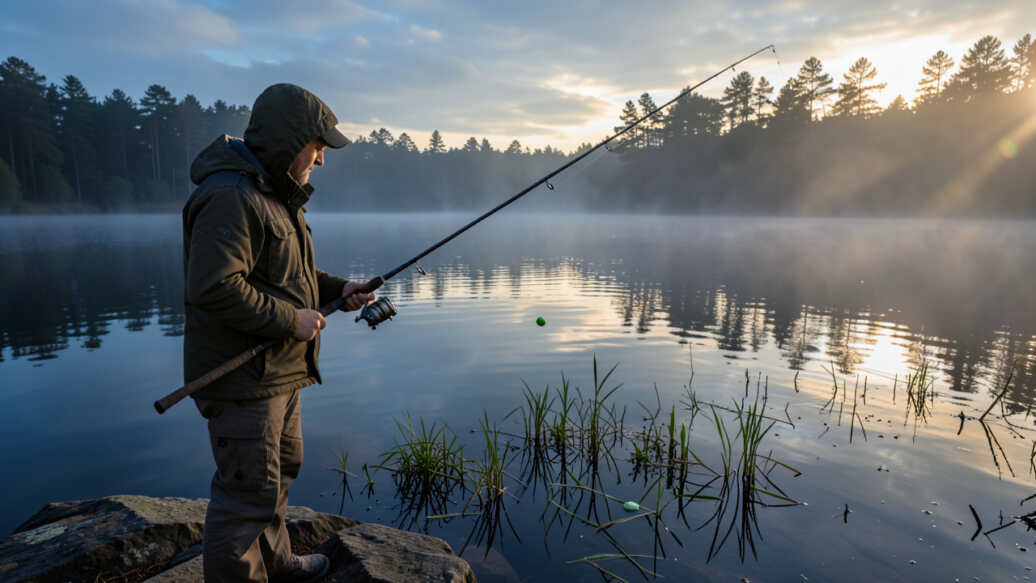
Putting it all Together: A Plan of Action
When you head out after a cold front, have a plan. This structured approach will increase your chances of success. When planning your approach, consider that fishing in deeper water often yields better results after a cold front.
First, check the weather forecast and understand the magnitude of the cold front. Note the temperature drop and any associated wind changes.
Second, start your search in deeper water. Use your electronics to find structure and contour changes. Focus on ledges, humps, and drop-offs.
Third, rig up with finesse baits or slow-moving lures. Think jigs, drop-shot rigs, or Ned rigs. Keep your retrieves slow and deliberate.
Fourth, pay attention to the time of day and any warming trends. As the sun warms the water, look for shallower, sun-exposed areas with structure.
Finally, be patient. Bass fishing after a cold front can be challenging, but by applying these Bass Fishing After a Cold Front: Proven Recovery Tactics, you can significantly improve your odds and enjoy a productive day on the water.
Frequently Asked Questions
What is the biggest mistake anglers make after a cold front?
The biggest mistake is often continuing to fish shallow water or using the same techniques that worked before the front. Bass behavior changes dramatically, and anglers need to adapt their location and lure presentation.
Should I use brighter or darker lures after a cold front?
Generally, darker, more natural colors like black, blue, green pumpkin, and brown are more effective after a cold front. These colors provide better contrast in deeper, often darker, water and mimic natural forage like crawfish and baitfish.
How long do bass typically stay deep after a cold front?
This can vary greatly depending on the intensity of the front and the body of water. It can range from a couple of days to a week or more. Monitoring water temperature and observing baitfish behavior are key indicators.
Is it still possible to catch bass on reaction baits after a cold front?
While less common, it’s not impossible. If you do use reaction baits like crankbaits or spinnerbaits, you’ll need to slow down your retrieve significantly and often incorporate long pauses to trigger a bite from less active bass.
Why are bass less active after a cold front?
Bass are cold-blooded, meaning their body temperature is regulated by their environment. When water temperatures drop rapidly due to a cold front, their metabolism slows down, making them less energetic and less likely to chase prey aggressively.
How does wind affect bass fishing after a cold front?
Wind can be beneficial. It can push baitfish into predictable areas, and bass will follow. It also helps to churn the water, which can sometimes make bass more active and provide cover for them.
Focus on windblown banks and points.
Final Thoughts
Successfully navigating Bass Fishing After a Cold Front: Proven Recovery Tactics means adjusting your approach. Focus on deeper, more stable water, use slower retrieves with finesse baits, and pay attention to subtle environmental cues. Patience and adaptation are your best tools to keep catching bass even when the weather turns cold. Understanding how cold fronts affect baitfish is key to implementing successful cold front bass fishing strategies.