





Spawn Season Bass: Bed Fishing Ethics, Tactics, And Tips
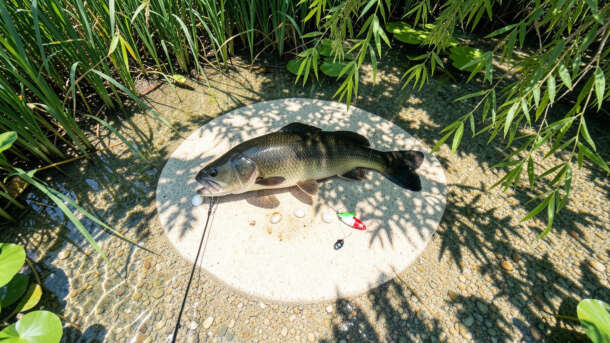
Bed fishing during bass spawn season requires balancing tactical precision with ethical restraint to protect vulnerable nesting fish and sustain future populations. Anglers should focus on calm, clear water in stable weather when bass are most aggressive and easier to locate without prolonged disturbance. Effective presentations include slow-moving soft plastics like craws or creature baits dropped directly into the bed, paired with a patient approach to avoid spooking the guarder. Safely releasing a bedded bass with minimal handling and quick return ensures the survival of the nest and the long-term health of the fishery.
When bass are on their beds, anglers face a unique challenge and a crucial responsibility. Understanding how to approach these fish with care is essential for both their well-being and your success. This guide will walk you through the important aspects of Spawn Season Bass: Bed Fishing Ethics, Tactics, and Tips, helping you become a more mindful angler and improve your chances of catching these aggressive fish without causing harm.
Get ready to learn how to fish responsibly during this delicate time.
Key Takeaways
- Learn why ethical bed fishing is vital for bass populations.
- Discover the best times and conditions for finding bass on their beds.
- Master effective lure choices and retrieve methods for bedded bass.
- Understand how to identify and approach bass nests without disturbing them.
- Gain insights into releasing bedded bass safely to ensure their survival.
- Learn to adapt your tactics based on bass behavior during the spawn.

Why Ethical Bed Fishing Matters for Bass
The spring spawn is a critical time for bass. Female bass build nests, lay eggs, and guard them fiercely. This makes them vulnerable.
Protecting these fish and their nests is key to healthy fish populations for years to come. Responsible fishing during this period helps ensure future generations of bass and enjoyable fishing for everyone.
Focus on conservation when targeting bedded bass to sustain healthy populations for future fishing opportunities.
When we talk about Spawn Season Bass: Bed Fishing Ethics, Tactics, and Tips, the first thing to remember is conservation. Bass on beds are often easier to catch. This can lead to overfishing if anglers aren’t careful.
Ethical practices protect the spawning process. They also help maintain strong bass numbers in your favorite waters.
Finding Bass on Their Beds
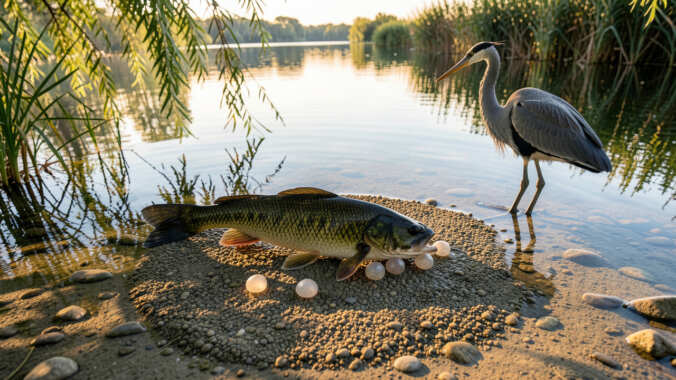
Locating bass nests is the first step. Bass typically build nests in shallow, protected areas. Look for clear water where you can see the bottom.
These areas are often near cover like docks, fallen trees, or weed lines.
Ideal Conditions for Bed Fishing
Several factors make bed fishing more productive. Clear water is essential for spotting nests. Warm water temperatures, usually between 60°F and 70°F, trigger the spawn.
Sunny days often bring bass shallower. Calm conditions are also better than windy days, which can muddy the water.
First, scan shallow bays and coves. Look for flat, sandy, or gravelly areas. Bass prefer these spots to build their nests.
Calm conditions and clear water with temperatures between 60°F and 70°F create ideal conditions for spotting bass on their beds.
The ideal depth can vary, but it’s often between 1 to 5 feet deep. Pay attention to the shoreline structure.
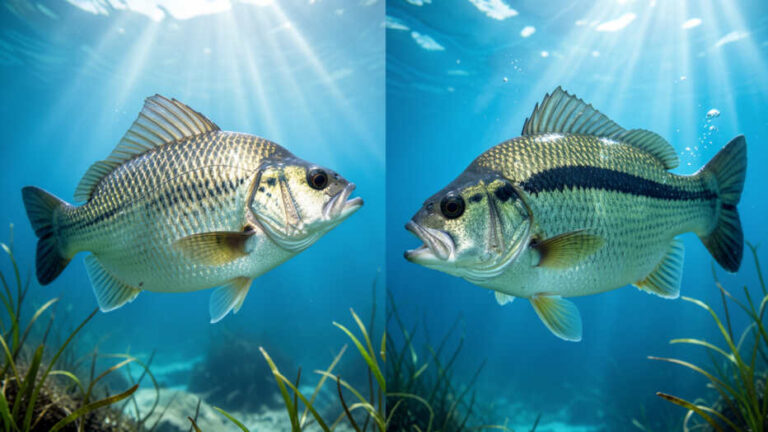
Second, observe the water. Look for the characteristic “halo” effect. This is where a bass has cleared debris to create a clean spot on the bottom.
You might also see the bass itself hovering over the nest.
Next, fish during peak spawning times. This usually occurs in spring. The exact timing depends on your geographic location and local water temperatures.
Early mornings and late afternoons can be very productive.
Ethical Considerations for Bed Fishing
Fishing for bass on their beds requires a mindful approach. The goal is to catch the fish without harming it or its nest. This means being gentle and making quick, clean catches.
When you spot a bass on its bed, resist the urge to cast directly at it immediately. Take a moment to assess the situation. Is the fish actively guarding?
Is it just resting? Understanding its behavior helps you decide the best approach.
One of the most important ethical rules is to avoid excessively harassing the fish. If a bass repeatedly refuses a bait or seems stressed, it’s often best to move on. The health of the fish and the future of the spawn are more important than catching one fish.
Avoid excessively harassing a guarding bass; a quick, clean catch minimizes stress and protects the nest.
Another key ethical tip is to handle the fish minimally. If you do catch a bass from its bed, unhook it quickly and gently. Keep it in the water as much as possible.
Avoid taking lengthy photos that keep the fish out of the water for too long.
Finally, always consider the nest. Try not to cast directly onto the nest itself. Disturbing the eggs can be detrimental.
If your lure lands on the nest, retrieve it slowly and carefully without snagging any eggs.
Effective Lures for Spawn Season Bass
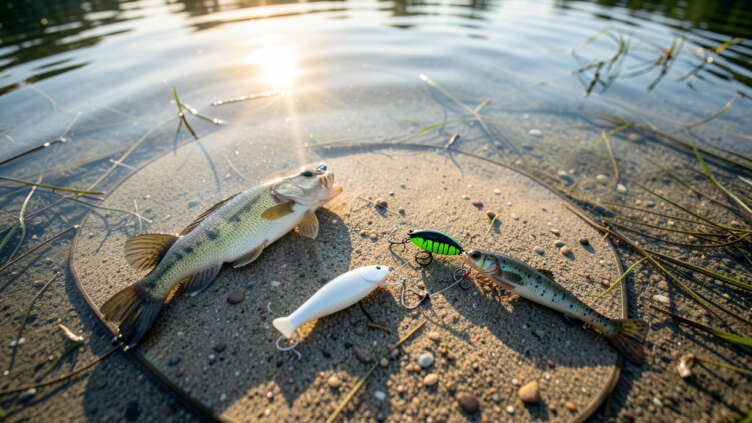
Choosing the right lure can make a big difference. You want something that imitates a threat to the nest or a food source. Many anglers find success with lures that are easy to control and present precisely.
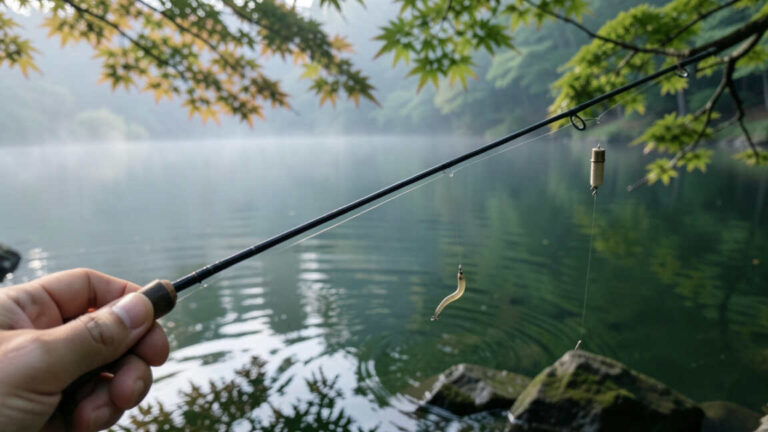
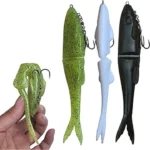
Soft plastic jerkbaits twitched and paused near the nest often trigger a defensive strike from a bedded bass.
- Soft plastic jerkbaits: These can be twitched and paused effectively. They often trigger a defensive reaction.
- Wacky-rigged worms: A slow, enticing fall can draw a strike.
- Tube baits: These can be hopped or dragged along the bottom.
- Small swimbaits: A subtle wobble can attract attention.
- Spinnerbaits: A compact spinnerbait can be a good choice.
- Jigs: A small flipping jig can be very effective.
The key is to present the lure in a way that provokes a reaction. Often, bass on beds are not hungry. They are defending their territory.
Your lure needs to look like a predator or an intruder.
Tactics for Approaching Bedded Bass
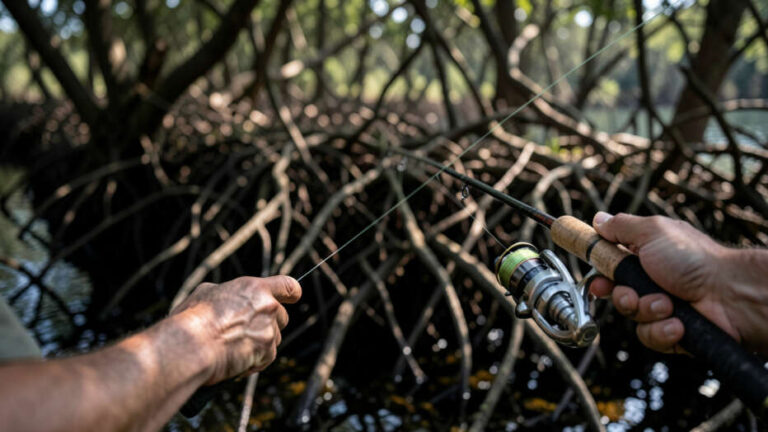
Once you’ve found a bass and its nest, approach with caution. Loud noises and sudden movements can scare the fish away. Stealth is your best friend.
First, approach the area slowly and quietly. If you are in a boat, use your trolling motor on a low setting. Avoid dropping anchor directly next to a nest.
Second, make your first cast count. Place your lure near the nest, but not directly on it. Let it sit for a moment.
Then, give it a slight twitch or drag. The goal is to get the bass to notice your lure.
Sudden movements and loud noises can spook a bass off its bed, so approach slowly and use your trolling motor on low.
Next, if the bass investigates, work the lure slowly. Try to make it appear as a threat. If the bass strikes, set the hook firmly but don’t yank it.
You want to bring the fish in quickly to minimize stress.
Then, if the bass doesn’t bite, try different presentations. Sometimes a faster retrieve works. Other times, a dead-stick presentation is best.
Experiment with different lure colors and sizes.
Finally, if the bass ignores your lure or becomes agitated, consider moving on. Sometimes, a fish just isn’t going to bite. It’s better to let it be than to stress it out for no reason.
Understanding Bass Behavior on the Bed
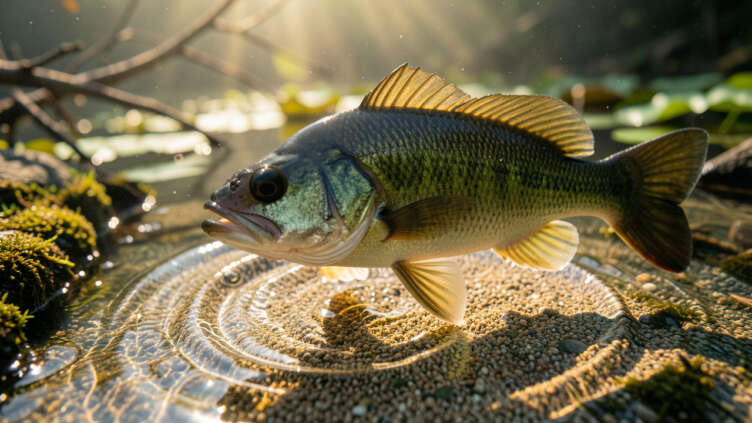
Bass exhibit different behaviors when on their beds. Recognizing these can help you adjust your strategy.
Patience is key; some bass will inspect a lure out of curiosity, requiring a slow presentation to trigger a bite.
- Aggressive Defense: Some bass will immediately strike at anything that comes near. These fish are easy to provoke.
- Curiosity and Investigation: Other bass might just swim up to the lure, inspect it, and swim away. You need to make them commit to a bite.
- Stubborn Refusal: Some bass will simply ignore your lure, no matter what you do. These can be the most frustrating.
- Chasing the Bait: You might see the bass follow your lure. This is a good sign. Try to slow down or change your retrieve to entice a strike.
A key aspect of Spawn Season Bass: Bed Fishing Ethics, Tactics, and Tips involves patience. Not every fish will bite. Learning to read their body language is crucial.
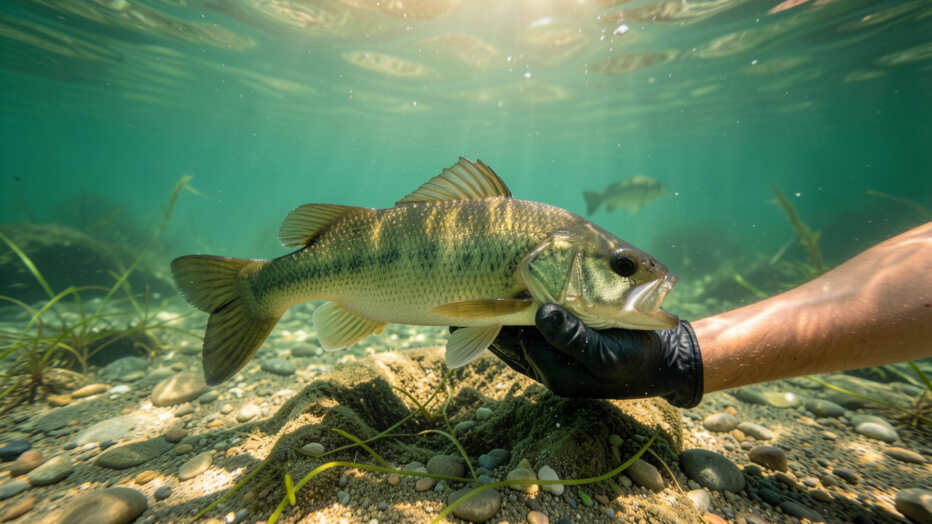
Releasing Bedded Bass Safely
Proper release is vital for the survival of the bass and its eggs. A quick and careful release helps ensure the spawn is successful.
First, handle the fish with wet hands. Dry hands can remove the fish’s protective slime coat. This slime helps protect them from infections.
Second, if possible, revive the fish in the water. Hold the fish gently facing into any current. Move it back and forth to allow water to flow over its gills.
A quick release with wet hands helps preserve the bass's slime coat and ensures it can return to guarding its eggs.
This helps it recover quickly.
Third, if you must remove the fish from the water for a quick photo, be brief. Keep the fish submerged as much as possible. Avoid squeezing the fish tightly.
Fourth, release the bass as close to the nest as possible. This allows it to return to its guarding duties quickly.
Finally, avoid taking fish off the bed if they are actively spawning or guarding eggs. It’s best to release them quickly and let them get back to their important job.
Adapting Your Approach: When Bed Fishing Isn’t Working
Sometimes, bed fishing just doesn’t produce. Bass might be too wary, the water might be too dirty, or the fish might not be actively guarding. In these cases, don’t force it.
Consider other areas where bass might be staging. They often feed in slightly deeper water nearby. You can try targeting these areas with different techniques.
If bed fishing fails, try deeper water nearby where bass may be staging; knowing when to move on is essential.
If bed fishing proves difficult, try fishing the edges of weed lines or around structure in slightly deeper water. Bass will still be present in the general vicinity.
Another option is to wait for conditions to improve. If the water is muddy, give it a day or two to clear. If the bass seem too skittish, try fishing later in the season when they might have finished spawning.
Remember, responsible angling means knowing when to push and when to pull back. The long-term health of the fishery is always the priority. Understanding Spawn Season Bass: Bed Fishing Ethics, Tactics, and Tips means knowing when to move on and try a different approach.

Comparing Lure Types for Bedded Bass
Different lures work best in different situations. Understanding their strengths helps you choose wisely.
This table highlights how different lures offer unique advantages for Spawn Season Bass: Bed Fishing Ethics, Tactics, and Tips. Choosing the right one depends on the bass’s mood and water conditions.
Frequently Asked Questions
Is it okay to catch bass off their beds?
Yes, it is generally acceptable to catch bass off their beds, but it must be done ethically. The focus should be on quick catches and releases to minimize stress on the fish and its nest.
What is the best time of day for bed fishing?
Early mornings and late afternoons are often best. However, sunny, calm days can make bass visible and aggressive on their beds throughout the day.
How do I avoid harming the bass nest?
Cast your lure near the nest, not directly on it. If you catch a fish, release it quickly near its nest so it can return to guard its eggs.
What should I do if a bass keeps bumping my lure but not biting?
Try changing your retrieve speed or lure color. Sometimes, letting the lure sit motionless for a while can trigger a strike from a defensive bass.
When is spawn season bass fishing most successful?
Spawn season bass fishing is most successful when water temperatures reach the 60s Fahrenheit, typically in spring, though this varies by region.
Can I take a picture with a bedded bass?
If you take a picture, do it very quickly. Keep the fish in the water as much as possible and handle it gently to ensure its well-being and ability to return to its nest.
What are the main ethical concerns with Spawn Season Bass: Bed Fishing Ethics, Tactics, and Tips?
The main concerns are stressing the fish, potentially harming eggs or fry, and over-angling which can reduce future bass populations. Ethical practices prioritize the bass’s welfare.
Final Thoughts
Fishing for bass on their beds during spawn season is a special experience. By following ethical practices, using the right tactics, and understanding bass behavior, you can enjoy successful fishing while protecting these important fish. Always prioritize the well-being of the bass and its nest for a healthy fishery.