

Damiki Rig For Suspended Bass: Cold Water Vertical Tactic
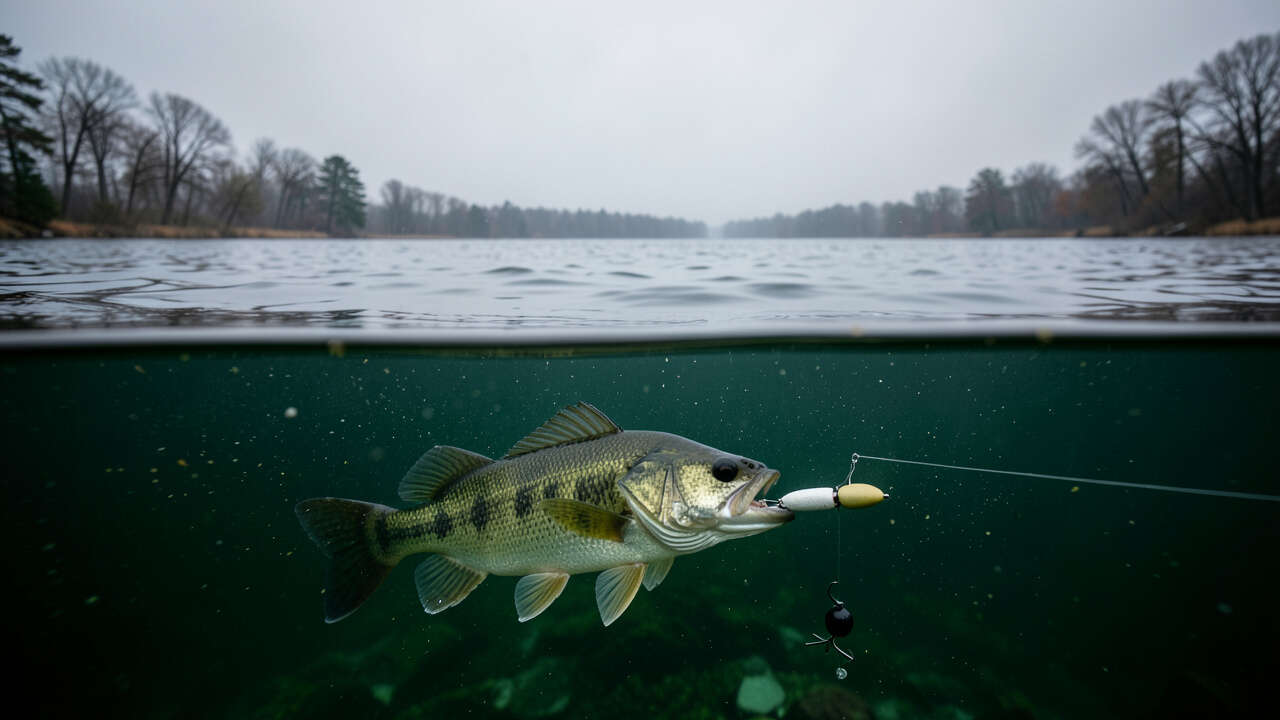
The Damiki Rig is a cold water vertical presentation technique specifically designed to target suspended bass that hold off the bottom when water temperatures drop. This rig consists of a weighted jighead paired with a finesse soft plastic, such as a small swimbait or fluke, which mimics the subtle movement of forage fish at the bass’s depth. The key to success is a steady vertical drop followed by a pause or twitch, which triggers strikes from lethargic bass that are difficult to catch with traditional horizontal retrieves.
When the water gets cold, bass often suspend, meaning they aren’t on the bottom or on the surface. Finding them can be tricky, but a specific technique makes a big difference. This method helps you reach those hard-to-find fish.
Learning about the Damiki Rig for Suspended Bass: Cold Water Vertical Tactic can seriously boost your catch rates when the temperatures drop. You’ll gain a reliable way to target bass that are holding off the bottom, making your fishing trips more successful.
Key Takeaways
- Understand why bass suspend in cold water and how the Damiki Rig for Suspended Bass: Cold Water Vertical Tactic targets them effectively.
- Learn the essential components needed to build a successful Damiki Rig for cold-water fishing.
- Discover the best techniques for rigging and presenting the Damiki Rig to suspended bass.
- Identify optimal locations and conditions for using the Damiki Rig in cold water.
- Troubleshoot common issues and refine your approach for maximum success with this tactic.
Why Bass Suspend in Cold Water
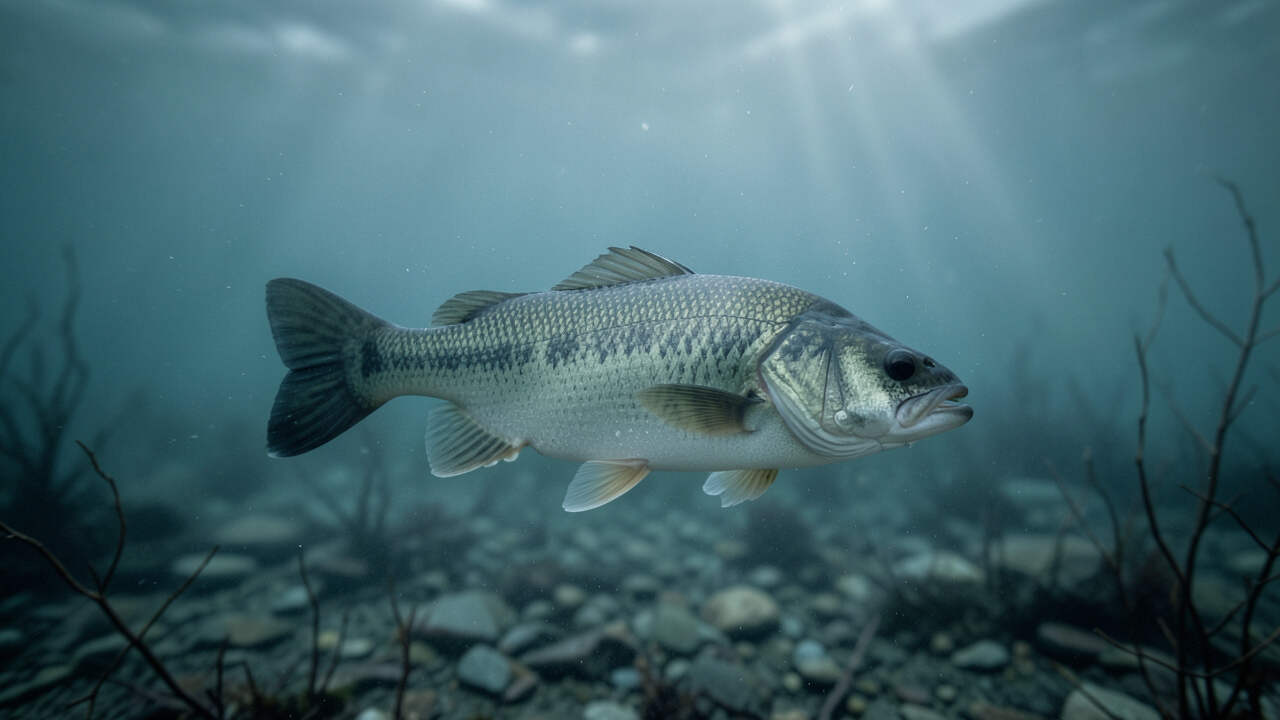
As water temperatures fall, bass metabolism slows down. They don’t need to feed as often. This leads them to find areas where they can conserve energy.
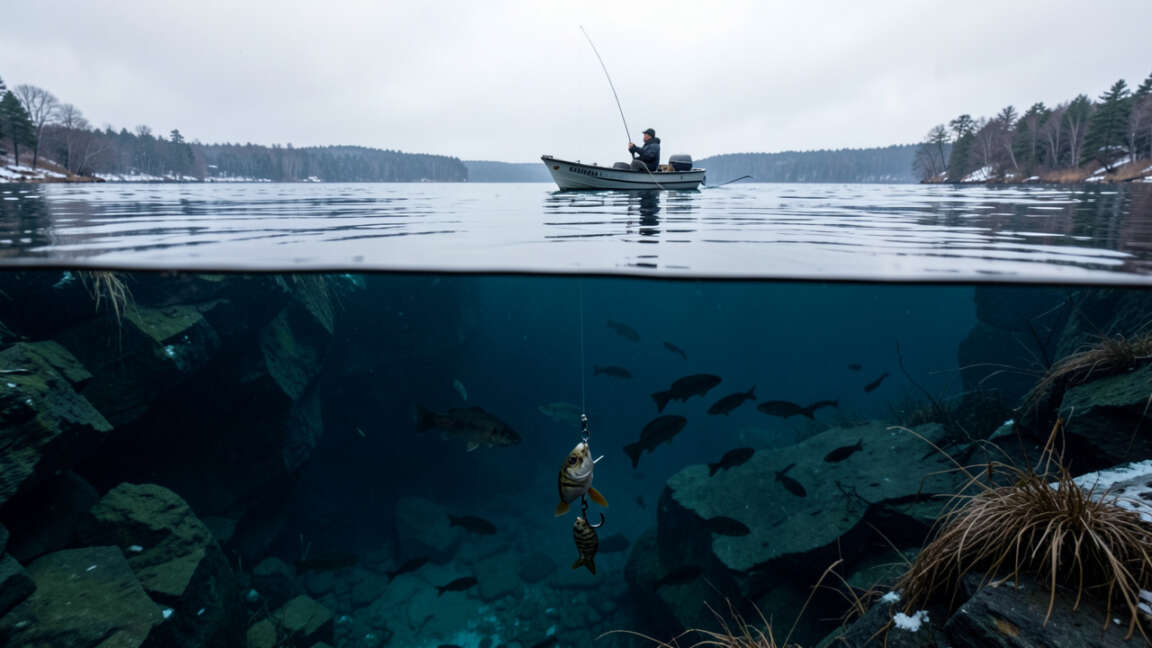
These areas are often suspended in the water column. They might be over deep ledges or near submerged structure. They are looking for a comfortable temperature.
When targeting cold water bass, focus your efforts on suspended fish near deep ledges or submerged structure—they’re conserving energy, not feeding aggressively.
They also want easy access to baitfish. This is where a specialized tactic becomes crucial.
Understanding this behavior is key to catching bass when it’s cold. Instead of searching the bottom, you need to look for fish holding at various depths. This is precisely why the Damiki Rig for Suspended Bass: Cold Water Vertical Tactic is so valuable.
It’s designed to present a bait right where these suspended fish are waiting.
Building Your Cold Water Damiki Rig
Creating an effective Damiki Rig is straightforward. You need a few key items. These components work together to create an enticing presentation.
The right setup makes all the difference when targeting suspended bass.
Essential Rig Components
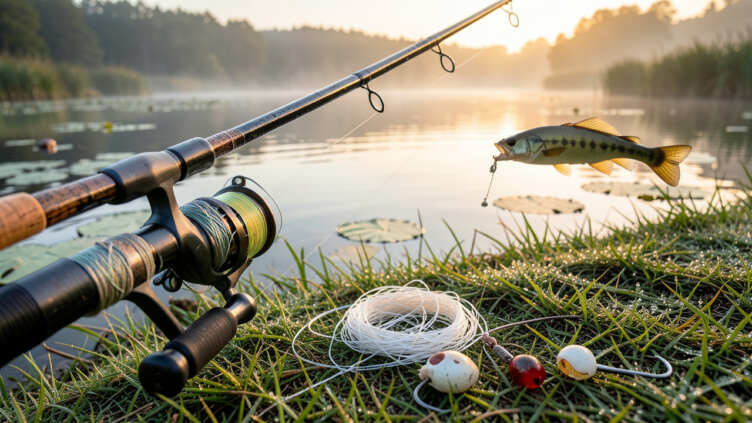
- Jig Head: A small, sharp jig head is vital. Look for one with a weedless or exposed hook. A 1/8 to 1/4 ounce size is usually perfect.
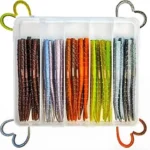
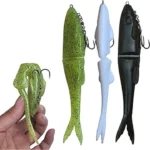
- Soft Plastic Bait: Small, finesse-style soft plastics work best. Minnow imitations or small creature baits with subtle action are ideal.
- Hook Size: Match the hook size to your soft plastic. A 2/0 or 3/0 hook is common for many baits.
- Line: Light fluorocarbon or monofilament line is recommended. 6 to 10-pound test is a good range. This helps with sensitivity and stealth.
The combination of these parts creates a bait that looks natural. It mimics a dying baitfish. This is very appealing to lethargic, suspended bass.
Choosing the Right Soft Plastic
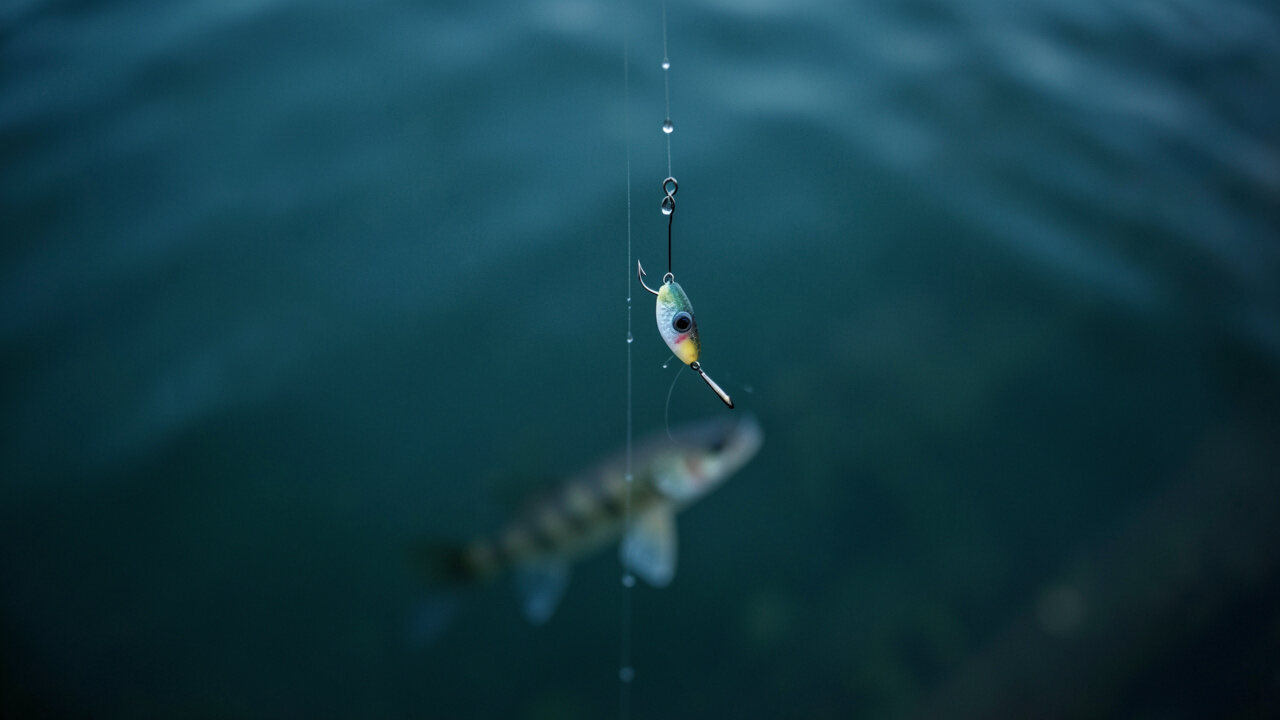
The soft plastic bait is the star of the Damiki Rig for Suspended Bass: Cold Water Vertical Tactic. You want something that moves with even the slightest twitch. Small, slender profiles are best.
They resemble baitfish suspended in the water column. Colors are important too. Natural tones like white, silver, and shad patterns often work well.
Sometimes, a bright color can trigger a strike.
A common mistake is burying the hook point in the plastic; ensure it is slightly exposed to maximize hooksets on subtle bites.
Look for baits with a subtle tail action. A small paddle tail or a split tail can provide the necessary movement. Avoid bulky baits.
They can make the rig too heavy and unnatural for suspended fish. The goal is a subtle, lifelike presentation.
Rigging the Damiki Rig
Rigging the Damiki Rig is simple but requires precision. You want the bait to hang straight. This ensures it falls naturally.
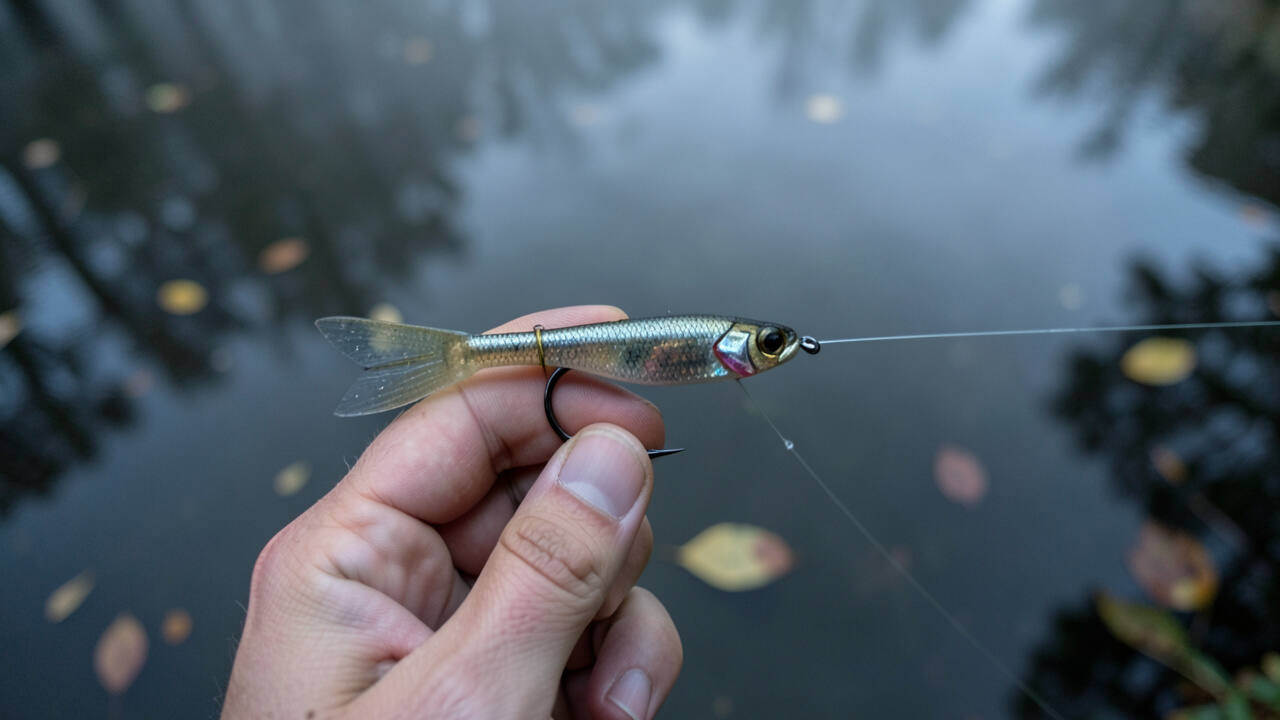
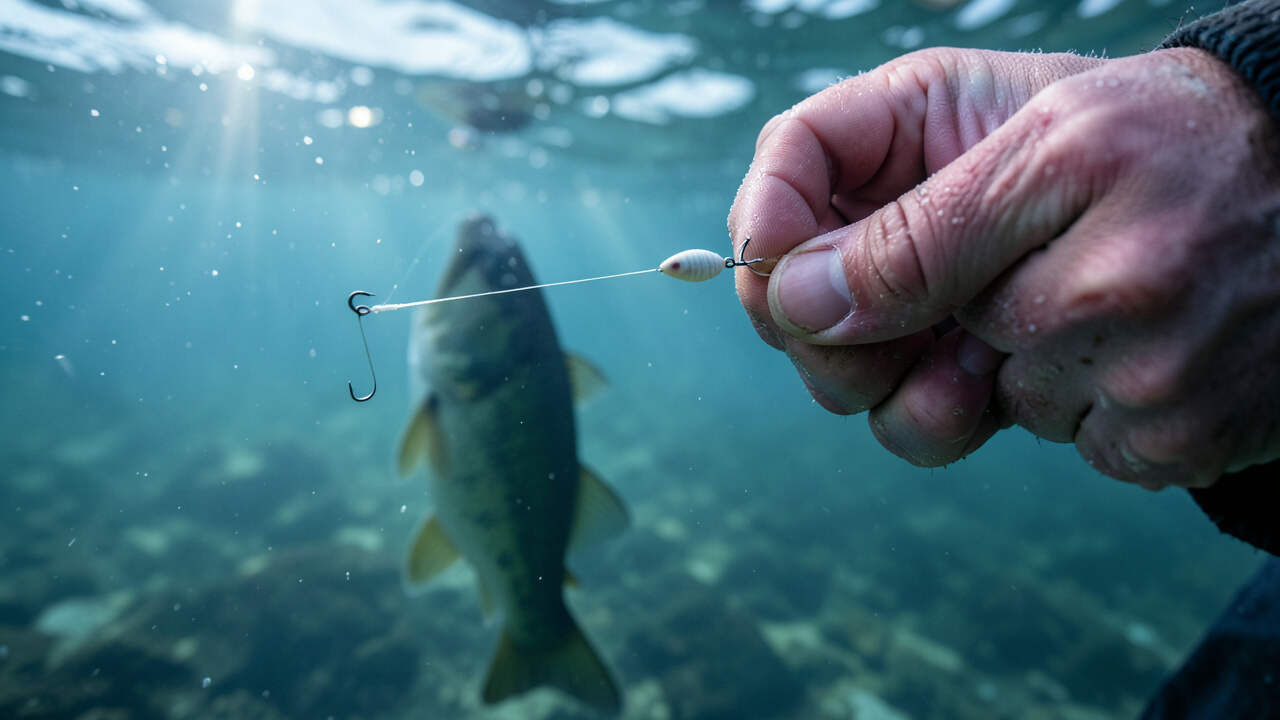
First, thread your soft plastic onto the jig head. Make sure the hook point is exposed for better hooksets. Push the bait all the way up to the jig head.
Ensure it sits flush.
Second, rig the bait so it’s perfectly straight. If it’s crooked, it will spin or fall unnaturally. This can spook wary bass.
Take your time here. A perfectly rigged bait is crucial for success with the Damiki Rig for Suspended Bass: Cold Water Vertical Tactic.
Mastering the Vertical Presentation
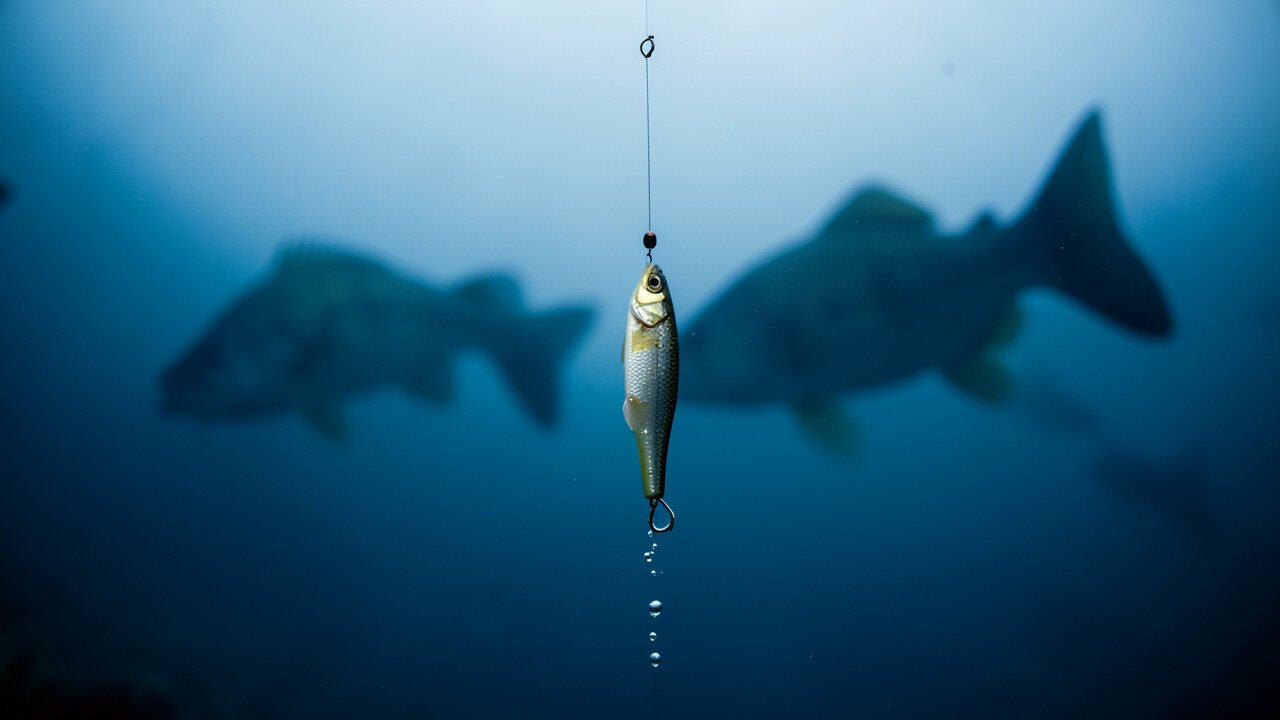
The key to the Damiki Rig for Suspended Bass: Cold Water Vertical Tactic is how you present the bait. It’s all about vertical movement. You’re not casting and retrieving.
You’re dropping the bait to the fish and working it subtly.
Finding Suspended Bass
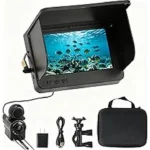
Locating suspended bass is the first step. Use your fish finder to scan the water. Look for schools of baitfish.
Bass are often nearby. They’ll be holding just above or below these bait balls. Also, look for them near submerged structure like brush piles or ledges.
They might be suspended off these features.
Pay attention to depth. Suspended bass can be anywhere from 10 to 50 feet deep. The fish finder will show you their exact location.
This is where you’ll deploy your Damiki Rig.
The Vertical Drop and Twitch
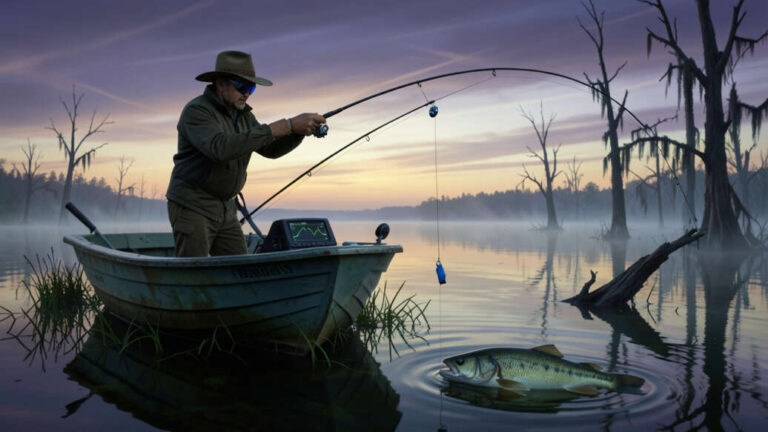
Once you find suspended bass, it’s time to fish vertically. First, lower your bait directly over the fish you see on your graph. Let the bait sink to their depth.
The most subtle twitch of your line at the water’s surface can be the only sign that a suspended bass has taken your bait.
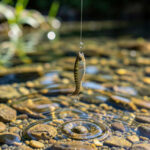
Then, give the bait a very subtle twitch. You want it to dance or flutter slightly. This is mimicking a struggling baitfish.
Next, let the bait fall. Watch your line for any slight movement. This indicates a bite.
If you don’t get a bite, repeat the subtle twitch and fall. The key is to be patient and make the bait look as natural as possible. Aggressive jigging usually won’t work for lethargic cold-water bass.
Detecting Bites
Bites on a suspended bass rig are often very subtle. You won’t always feel a hard thump. Watch your line where it enters the water.
A slight jump, twitch, or sideways movement often means a bass has grabbed your bait. You can also feel a slight “tick” or a sudden heaviness.
Then, when you detect a bite, set the hook with a quick, firm sweep of your rod. Don’t yank too hard. You want to ensure the hook penetrates the bass’s jaw.
The light line and small hook require a precise hookset.
Where and When to Use the Damiki Rig
The Damiki Rig for Suspended Bass: Cold Water Vertical Tactic is most effective during specific times and in certain locations. Knowing these details will greatly increase your chances of success.
Ideal Water Conditions
This technique shines when water temperatures are between 40°F and 55°F. This is when bass tend to get less active. They seek out comfortable depths.
Clear to slightly stained water is often best. This allows the bass to see your bait from a distance. In very muddy water, you might need brighter colors or a slightly larger bait.
Consider the time of day. Early mornings and late afternoons can still produce. However, during the coldest parts of the day, suspended bass might be more willing to bite.
During the coldest hours of the day, target suspended bass near baitfish schools—they may be more willing to bite despite the cold.
Experiment to see what works best on your local waters.
Prime Fishing Locations
Focus on areas where baitfish congregate. Deep lake points, submerged humps, and river channel ledges are prime spots. Look for areas with a good depth change.
Bass will use these drop-offs to position themselves. They can move up or down to find the right temperature and food.
Submerged timber, brush piles, and even bridge pilings can hold suspended bass. The rig can be dropped right next to these structures. This allows you to present the bait to bass hiding there.
The Damiki Rig for Suspended Bass: Cold Water Vertical Tactic excels in these precise scenarios.
Refining Your Damiki Rig Technique
Even with the right gear, technique is paramount. Small adjustments can make a big difference. Keep these tips in mind to improve your success.
Adjusting for Bass Mood
Bass can be finicky in cold water. If they aren’t biting, try different things. First, slow down your retrieve.
Let the bait sit longer between twitches. Sometimes, bass just need time to look at the bait.
Second, try different soft plastic colors. If natural colors aren’t working, experiment with brighter or darker options. A subtle change in color can trigger a bite.
Don’t rush your presentation; in cold water, bass need time to inspect your bait, so let it pause longer between twitches to trigger a strike.
Also, try different soft plastic shapes. A longer, thinner bait might appeal more than a shorter one.
When to Use Other Vertical Baits
While the Damiki Rig for Suspended Bass: Cold Water Vertical Tactic is excellent, other vertical baits have their place. A drop shot rig can also be effective for suspended bass. It offers a similar finesse presentation.
A small spoon can also work for schools of suspended fish. You can jig it vertically.
However, the Damiki Rig offers a unique action. The bait’s head-down, tail-up posture on the fall is very enticing. It looks like a wounded baitfish.
This often draws strikes when other lures won’t.
Troubleshooting Common Issues
Even experienced anglers face challenges. Here are some common problems and how to solve them.
Not Getting Bites
If you’re not getting bites, check your presentation. Are you fishing too fast? Try slowing down.
Are you getting bites but not hooking fish? Your hookset might be too slow or too aggressive. Ensure your hook is sharp and properly rigged.
If you’re not getting bites, first verify your bait is at the correct depth and that you are moving it slowly enough for lethargic cold water bass.
Sometimes, the bass just aren’t active. Try different times of day. You might also need to move to a different location.
Not every spot will hold biting fish.
Bait Not Falling Correctly
If your bait is spinning or falling weirdly, it’s usually due to how it’s rigged. Ensure the soft plastic is perfectly straight on the jig head. The line tie on the jig head should also be centered.
Another issue can be too much line twist. Use a swivel if needed. Make sure your line is fresh.
Old or damaged line can cause problems with bait presentation.
Frequently Asked Questions
What is the best time of year for the Damiki Rig for Suspended Bass: Cold Water Vertical Tactic?
This tactic is most effective when water temperatures are between 40°F and 55°F, typically in late fall, winter, and early spring.
What kind of rod and reel should I use for the Damiki Rig?
A medium-light or light-action spinning rod with a fast tip is ideal. Pair it with a 2000-3000 size spinning reel spooled with 6-10 pound test fluorocarbon or monofilament line.
How deep can I fish with a Damiki Rig?
You can fish the Damiki Rig at virtually any depth where bass are suspended, often ranging from 10 to 50 feet or more, depending on the body of water and conditions.
Are there any specific soft plastic baits that work best for the Damiki Rig?
Small, slender minnow imitations or small creature baits with subtle tail action are generally best. Colors like white, silver, shad, and sometimes chartreuse can be very effective.
Why is the Damiki Rig for Suspended Bass: Cold Water Vertical Tactic so effective?
It mimics a dying baitfish with a subtle, natural fall and flutter, which is highly appealing to lethargic bass that are holding off the bottom in cold water.
Final Thoughts
Mastering the Damiki Rig for Suspended Bass: Cold Water Vertical Tactic gives you a powerful advantage when bass go deep and inactive. By understanding where they hold and presenting your bait with subtle vertical movements, you can significantly increase your catches during the colder months. Keep your rig simple, your presentation patient, and you’ll be rewarded.