Telescopic Rods Explained: When They Actually Make Sense Now
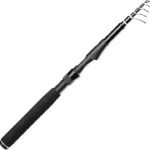
Telescopic rods make sense now primarily for anglers who prioritize extreme portability and convenience without sacrificing adequate performance for specific fishing scenarios. Their collapsible design excels in backpacking, airline travel, and storage in tight spaces where a one-piece rod is impractical. However, these rods involve trade-offs in sensitivity and power, making them best suited for light to medium-duty applications rather than heavy fighting or finesse presentations. Understanding the right type—spinning, casting, fly, or surf—and matching it to your target species ensures you gain the portability benefit without compromising your catch rate.
Finding the right fishing rod can feel like a puzzle, especially when you’re trying to pack light or travel. You want something that works well but doesn’t take up too much space. That’s where a good telescopic rod comes in handy.
Knowing when these rods actually make sense for your fishing trips can save you a lot of hassle and help you catch more fish. This guide will help you understand the real benefits and situations where Telescopic Rods Explained: When They Actually Make Sense Now is the best choice for your needs.
Key Takeaways
- Telescopic rods offer unparalleled portability for travel and storage.
- They are ideal for specific fishing situations like backpacking or tight spaces.
- Understanding their limitations, such as sensitivity and power, is crucial.
- Choosing the right type of telescopic rod depends on your target species and fishing style.
- Proper care ensures the longevity and performance of your telescopic rod.
The Big Advantage: Portability and Convenience
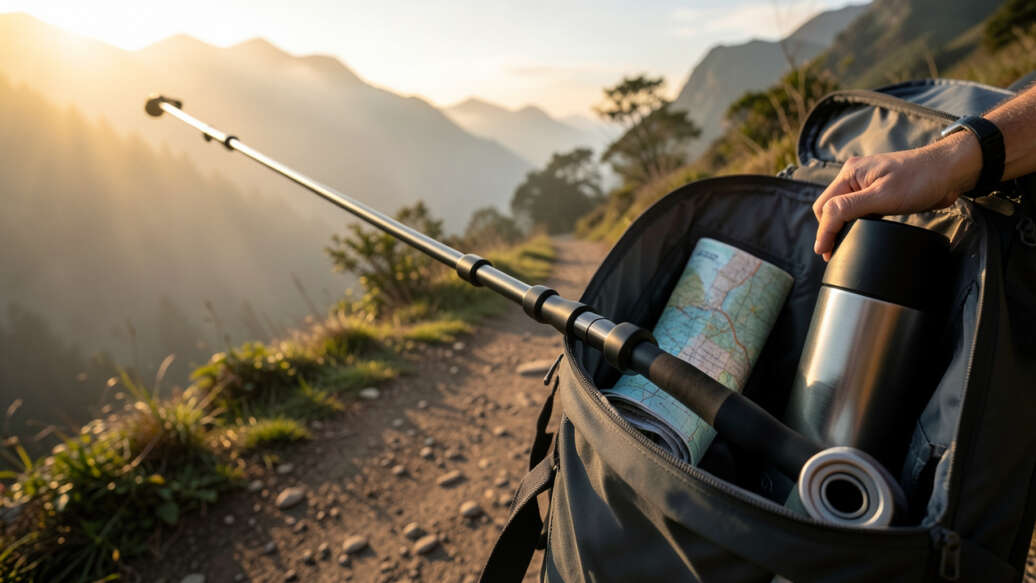
One of the biggest reasons people consider telescopic rods is their amazing portability. Imagine being able to fit your fishing rod into a backpack or a small suitcase. This is a game-changer for anyone who loves to fish but doesn’t want to haul around bulky gear.
For travelers, campers, or even just those with limited storage space at home, a telescopic rod offers unmatched convenience.
Pack a telescopic rod in your backpack for spontaneous fishing opportunities at remote mountain streams or hidden lakes where carrying a traditional rod would be impractical.
When you’re hiking to a remote fishing spot, every ounce and inch counts. A rod that collapses down to a compact size means you can carry more essential gear without feeling weighed down. This makes accessing those hard-to-reach, pristine fishing locations much more feasible.
This is a key part of why Telescopic Rods Explained: When They Actually Make Sense Now is so important for active anglers.
When Telescopic Rods Shine Brightest
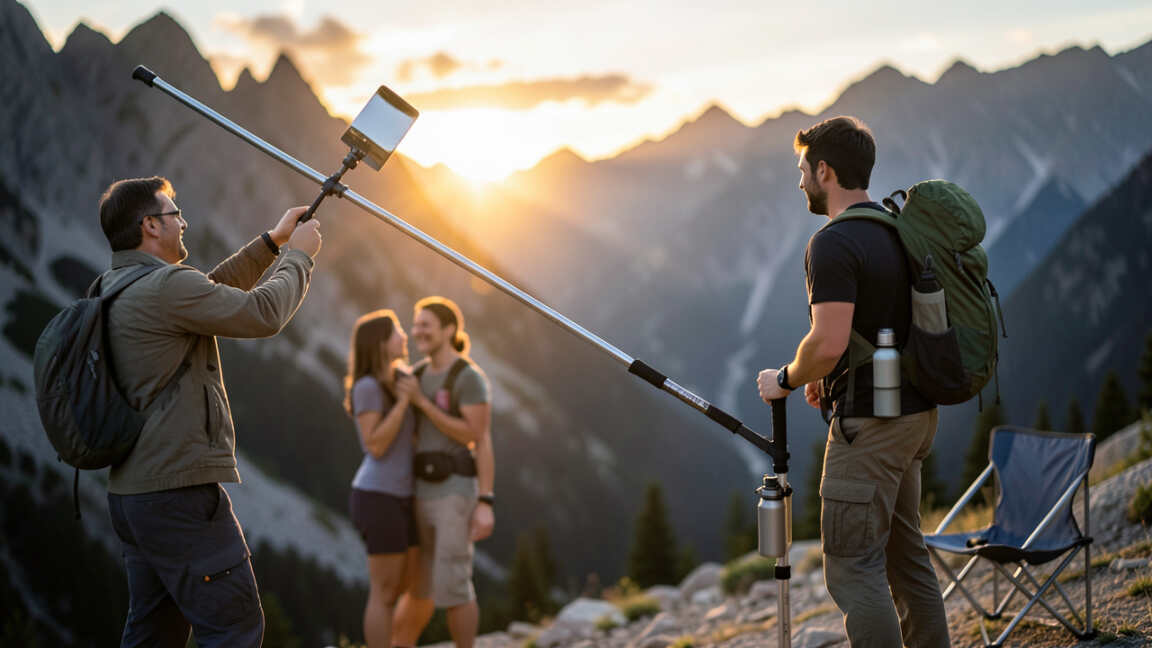
So, when is a telescopic rod your best friend? They excel in situations where you need to be discreet or have limited room to maneuver. Think about fishing from a kayak, a canoe, or a crowded pier.
A long, multi-piece rod can be awkward in these tight quarters. A telescopic rod, however, extends and retracts quickly, making it easy to cast and manage your line without snagging others or your surroundings.
Another scenario is when you’re targeting smaller to medium-sized fish. For species like panfish, trout, or smaller bass, the slightly reduced sensitivity of some telescopic rods isn’t a major issue. You can still feel those subtle bites and enjoy a fun fight.
Experienced anglers know that a telescopic rod's instant extension allows you to capitalize on a feeding frenzy without missing a beat, especially from a crowded pier or a kayak.
This makes them a great option for casual anglers or those just starting out who prioritize ease of use and transport.
The sheer convenience of not having to assemble multiple pieces before you can start fishing is a huge plus. When you arrive at your spot, you can be ready to cast in seconds. This speed can be critical when fish are actively feeding.
This is a prime example of Telescopic Rods Explained: When They Actually Make Sense Now for maximizing fishing time.
Understanding the Trade-offs: Sensitivity and Power
It’s important to be realistic about what telescopic rods can and cannot do. Historically, the main drawback has been a slight reduction in sensitivity and power compared to traditional one-piece or two-piece rods. Because the rod is made of several nested sections, there can be a bit more flex and less direct transfer of vibrations from the line to your hand.
This doesn’t mean they are bad rods, just that they perform differently. For very subtle bites, especially from wary fish in clear water, a high-end conventional rod might give you an edge. Similarly, if you’re planning to battle very large, powerful fish, a more robust, one-piece rod might offer superior backbone and control.
Telescopic rods offer unmatched portability, but serious anglers must accept a slight compromise in sensitivity compared to one-piece rods for detecting subtle bites.
However, advancements in materials and design have significantly improved the performance of modern telescopic rods.
The gap in performance is narrowing. Many newer telescopic rods use advanced graphite composites that offer excellent strength and responsiveness. The key is to choose a telescopic rod designed for your specific fishing needs.
This is a crucial part of Telescopic Rods Explained: When They Actually Make Sense Now – matching the tool to the task.
Types of Telescopic Rods and What They’re Best For
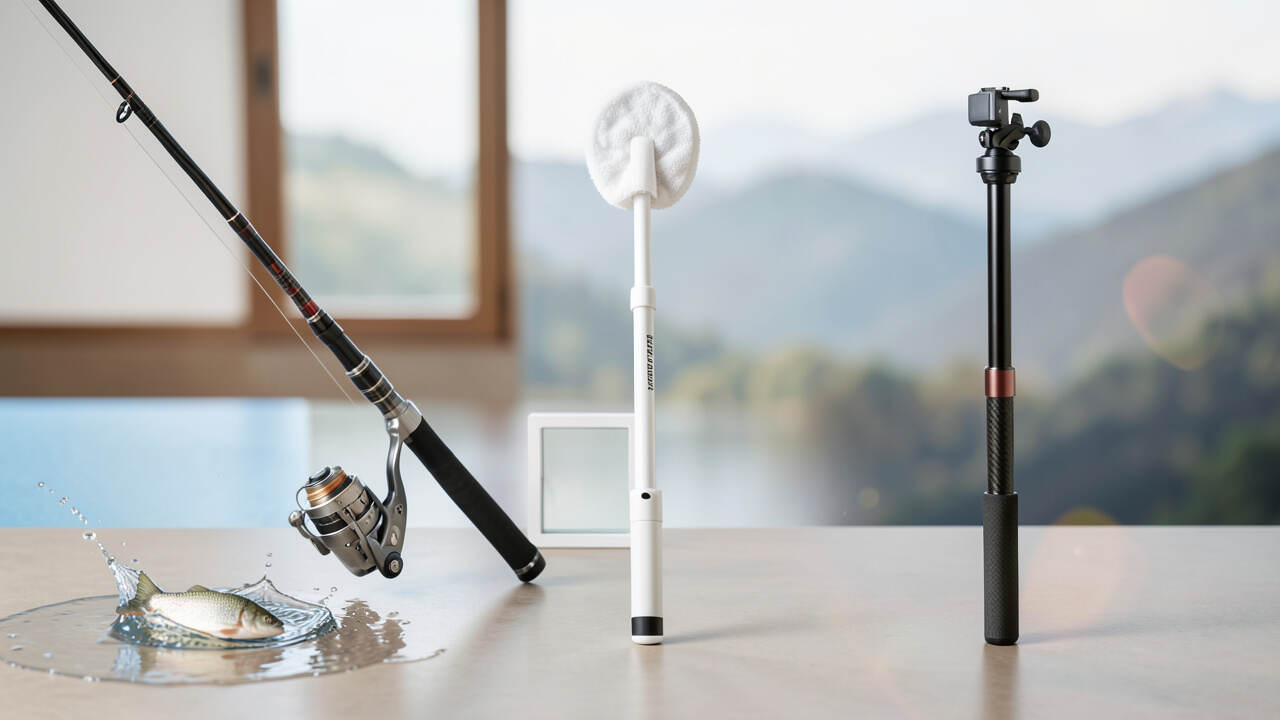
Telescopic rods come in various lengths and actions, just like their conventional counterparts. Understanding these differences helps you pick the right one.
Spinning Rods
These are the most common type. They are great for casting lures and bait. You’ll find them in various lengths, from short, stubby ones for tight spaces to longer ones for casting distance.
Look for actions like fast, moderate, or slow, depending on how the rod bends.
Casting Rods
Less common in telescopic form, but they do exist. Casting rods are designed for baitcasting reels. They are typically shorter and have more backbone, making them suitable for heavier lures and techniques like flipping or pitching.
For car camping trips where portability is less extreme, choose a longer telescopic spinning rod around 7 feet to balance casting distance with convenient storage.
Fly Rods
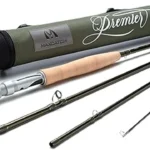
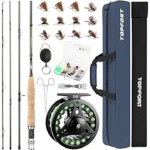
Telescopic fly rods are a fantastic innovation for fly anglers who travel. They collapse into a compact tube, making them ideal for backpacking into remote trout streams or for taking on international trips. While they might not have the perfect flex of a high-end multi-piece fly rod, they are incredibly practical.
Surf Rods
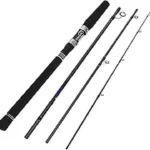
Some telescopic surf rods are available, offering convenience for beach anglers. They can extend to significant lengths for long-distance casting into the surf zone.
The choice here really depends on what you plan to do. If you are backpacking, a telescopic fly rod or a shorter spinning rod makes sense. If you are car camping and want a quick setup, a slightly longer spinning rod might be perfect.
This highlights why Telescopic Rods Explained: When They Actually Make Sense Now involves considering your specific angling goals.
Materials and Construction: What to Look For
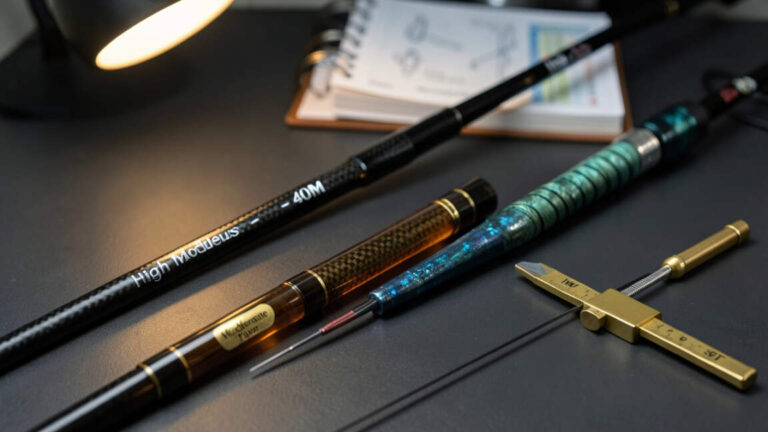
The materials used in a telescopic rod significantly impact its performance. Higher-quality rods use advanced graphite or carbon fiber composites. These materials are strong, lightweight, and offer good sensitivity.
Avoid budget fiberglass telescopic rods if you need sensitivity; they tend to be heavier and less responsive, making them suitable only for coarse fishing or beginners.
- Graphite/Carbon Fiber: These are the preferred materials for good quality telescopic rods. They offer a good balance of strength, sensitivity, and lightness.
- Fiberglass: Some entry-level or budget telescopic rods might use fiberglass. Fiberglass is more durable and flexible but heavier and less sensitive than graphite.
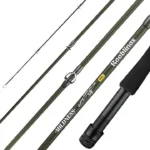
- Sections: The number of sections can affect the rod’s action. More sections mean a more compact collapsed size but can sometimes lead to a slightly less smooth bend.
- Guides: Look for durable, smooth guides that won’t fray your fishing line. Stainless steel or ceramic inserts are common and good options.
- Reel Seat: Ensure the reel seat is sturdy and holds your reel securely.
When you’re looking at Telescopic Rods Explained: When They Actually Make Sense Now, paying attention to these construction details will help you find a rod that performs well for its intended purpose. Don’t shy away from telescopic rods just because of past perceptions; modern designs are impressive.
Comparing Telescopic Rods to Other Types
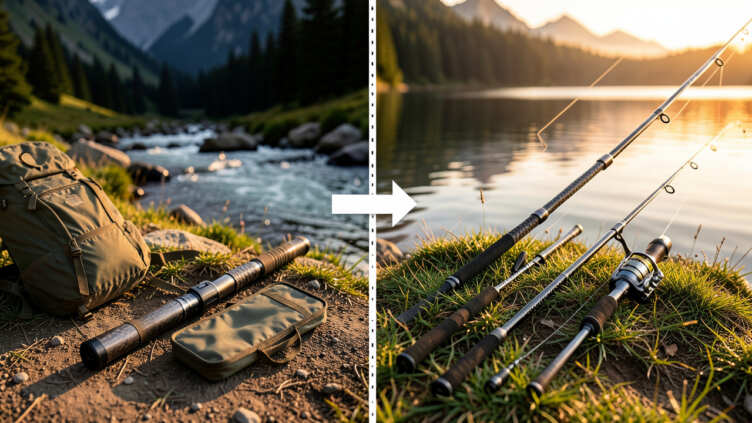
To truly understand when telescopic rods make sense, it helps to compare them to other common rod types.
One-piece rods remain the gold standard for sensitivity and backbone, but telescopic rods have closed the gap significantly and now offer very good performance for most fishing scenarios.
As you can see from the table, Telescopic Rods Explained: When They Actually Make Sense Now really comes down to prioritizing portability and quick setup. While one-piece rods often offer the absolute best in sensitivity and power, they are impractical for many travel and storage situations. Multi-piece rods are a good compromise, but telescopic rods take convenience to the next level.
Maintaining Your Telescopic Rod for Longevity
To get the most out of your telescopic rod, proper maintenance is key. These rods have moving parts, so a little care goes a long way.
Consistent fresh-water rinsing and silicone lubrication after each trip prevent the telescoping sections from sticking and keep your rod performing like new.
- Cleanliness: After each use, especially in saltwater or muddy conditions, rinse your rod with fresh water. Pay attention to the telescoping sections.
- Drying: Allow the rod to dry completely before collapsing it. Water or dirt trapped inside can cause corrosion or make the sections stick.
- Lubrication: Occasionally, a tiny bit of silicone-based lubricant can help the sections slide smoothly. Apply sparingly to the extending parts.
- Avoid Force: Never force the sections. If they are stuck, try gently twisting them or using a little warm water to expand the outer section slightly.
- Storage: Store the rod collapsed and protected. A rod tube or sleeve can prevent scratches and damage.
Taking these simple steps will ensure your telescopic rod remains functional and enjoyable to use for many fishing trips. This is a vital part of understanding Telescopic Rods Explained: When They Actually Make Sense Now; a well-maintained rod performs better.
When to Stick with Traditional Rods
While telescopic rods are fantastic for certain situations, they aren’t always the best choice for everyone or every type of fishing. If you are a serious angler who fishes regularly from a dedicated spot, like a boat or a well-equipped shore spot, and portability isn’t a primary concern, a traditional one-piece or high-quality multi-piece rod will likely offer superior performance.
When targeting trophy-sized fish or competing in tournaments, stick with a one-piece rod; the slight loss in power and feel from a telescopic design can cost you the catch.
For competitive anglers, tournament fishermen, or those targeting very large, powerful species where every ounce of sensitivity and backbone is crucial, traditional rods usually hold the advantage. The subtle nuances in bite detection and the raw power needed to control a big fish are often better served by designs without telescoping sections.
However, even in these scenarios, a telescopic rod can serve as an excellent backup or travel rod. The key is knowing the strengths and weaknesses of each type. This nuanced understanding is what makes Telescopic Rods Explained: When They Actually Make Sense Now so valuable.
Addressing Common Concerns About Telescopic Rods
People often have specific worries about telescopic rods. Let’s address them.
Are they less durable?
Modern telescopic rods are quite durable. The main point of failure can be the sections sticking if not maintained, or accidental damage to the telescoping joints. However, with proper care, they can last for years.
A one-piece rod might be inherently stronger in its single structure, but a well-made telescopic rod is robust for its intended use.
Do they break easily?
Not more than any other rod if treated with respect. Overextending, forcing sections, or stepping on them will break any rod. The telescoping mechanism itself is generally reliable in quality rods.
Are they really sensitive enough?
For most casual and even many serious anglers, yes. The sensitivity gap has closed significantly. If you are fishing for very subtle bites in challenging conditions, you might notice a difference, but for general fishing, they are more than adequate.
These concerns are valid, but often stem from older, lower-quality designs. Today’s market offers excellent telescopic options that perform very well. Understanding these points helps in making an informed decision about Telescopic Rods Explained: When They Actually Make Sense Now for your personal needs.
Choosing Your First Telescopic Rod
If you’ve decided a telescopic rod is right for you, here’s how to pick one.
- Identify Your Target Fish and Location: Are you fishing for small trout in a creek, or bass in a pond from a kayak? This dictates length and action.
- Consider the Length: Shorter rods (5-6 feet) are great for tight spaces and smaller fish. Longer rods (7-9 feet) offer better casting distance.
- Action is Key: Fast action rods are good for accuracy and hook setting. Moderate action is more forgiving and better for casting lighter lures.
- Read Reviews: See what other anglers say about specific models.
- Budget: You can find decent telescopic rods at various price points. Start with a mid-range option if you’re unsure.
Making the right choice ensures you get a tool that enhances your fishing experience. This is the practical application of Telescopic Rods Explained: When They Actually Make Sense Now.
Frequently Asked Questions
Are telescopic rods good for beginners?
Yes, telescopic rods can be excellent for beginners because they are easy to set up and transport, making fishing more accessible and less intimidating.
Can I use a telescopic rod for saltwater fishing?
You can, but it’s crucial to choose a rod specifically designed for saltwater and to rinse it thoroughly with fresh water after each use to prevent corrosion.
How do I prevent the sections of my telescopic rod from sticking?
Keep the rod clean and dry. If sections become stuck, try gently twisting them or using a little warm water to help them slide apart.
Is a telescopic rod as strong as a regular fishing rod?
Modern telescopic rods are very strong, but a one-piece rod often has a slight edge in raw power and sensitivity due to its continuous construction.
When is a telescopic rod the best choice over a multi-piece rod?
A telescopic rod is usually better when maximum compactness and the absolute fastest setup time are your top priorities, like for backpacking or fitting into small luggage.
Do telescopic rods come in different power ratings?
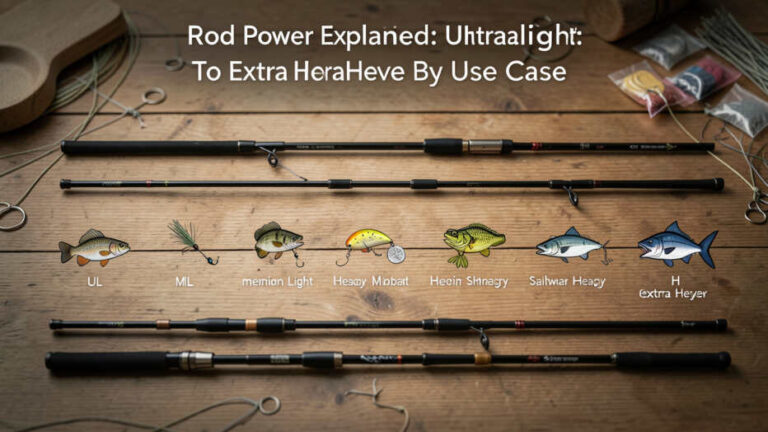
Yes, like traditional rods, telescopic rods are available in various power ratings, from ultralight to heavy, to suit different fish species and fishing techniques.
Final Thoughts
Telescopic rods offer a fantastic blend of portability and performance for many anglers. They truly shine when you need to pack light, travel, or fish in tight spaces. By understanding their strengths and limitations, you can confidently choose a telescopic rod that fits your fishing adventures perfectly.