

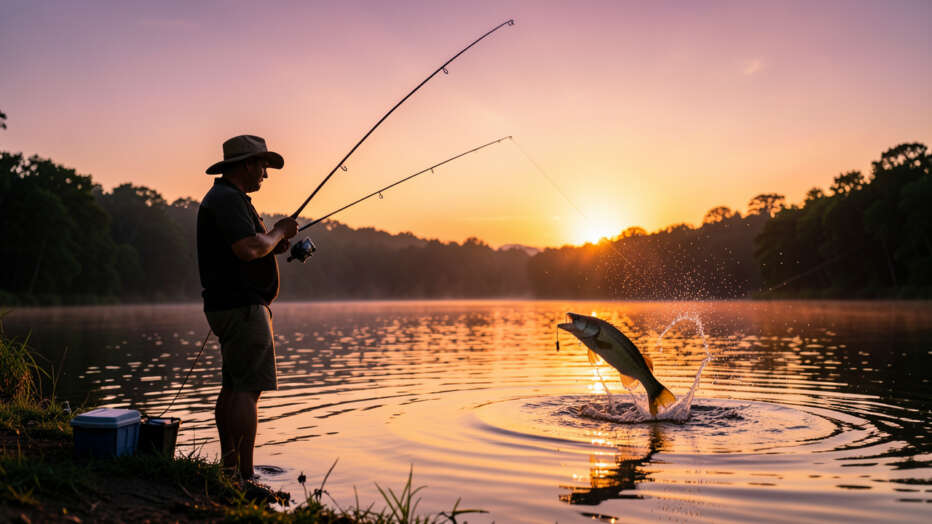
Evening Bass Bite: How To Capitalize On The Golden Hour
The evening golden hour is the prime time to capitalize on the bass bite because dropping light levels and cooler water temperatures trigger a aggressive feeding window. Success depends on reading water clarity and temperature to select the correct lure profile, with darker, natural colors often outperforming bright patterns in low light. Stealth becomes critical as bass move into shallow feeding zones, making a quiet approach and precise casts essential for hooking active fish. Different bass species, from largemouth to smallmouth, exhibit distinct evening habits—largemouth target shallow cover while smallmouth patrol rocky points—so adjusting tactics to the specific bass type and moon phase increases catch rates during this short but productive period.
When the sun starts to dip below the horizon, a special kind of magic happens on the water. Many anglers know this time is prime for catching bass, but figuring out exactly how to make the most of it can be tricky. Understanding the “Evening Bass Bite: How to Capitalize on the Golden Hour” is key to turning those twilight hours into a successful fishing trip.
You’ll learn the best techniques and spots to find active bass when they are most likely to feed, leading to more exciting catches and rewarding outings.
Key Takeaways
- The golden hour before sunset is a prime feeding time for bass.
- Water clarity and temperature play a big role in evening bass activity.
- Adjusting lure colors and profiles can significantly improve your success.
- Understanding bass behavior during this time helps you choose the right fishing spots.
- Different bass species have unique feeding patterns during the evening bite.
- Using stealth and quiet approaches can make a big difference.
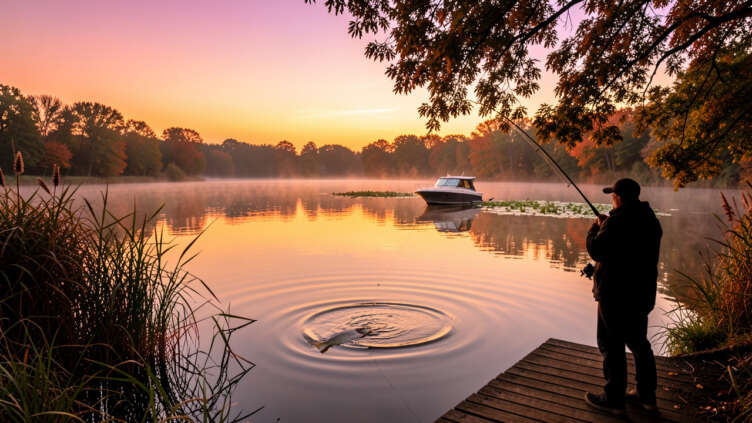
Why the Evening Golden Hour is Prime Time for Bass
As the day winds down, bass often become more active. The lowering sun brings cooler temperatures and less intense light. This makes bass feel more comfortable moving from deeper, cooler water into shallower areas.
They start looking for food before the night truly sets in. This is why the “Evening Bass Bite: How to Capitalize on the Golden Hour” is such a popular topic among anglers. It’s a predictable window of opportunity to catch some great fish.
The change in light is a major factor. Bright sunlight can make bass wary and push them into cover. As the light softens, they gain confidence to hunt in more open areas.
Look for wind-affected areas that concentrate baitfish, as this predictable condition often concentrates feeding bass.
Focus on transition zones as bass move from deeper water to shallow feeding areas during the golden hour.
This shift allows anglers to target them more effectively. The “Evening Bass Bite: How to Capitalize on the Golden Hour” is your chance to exploit this natural behavior. You can often find bass more willing to strike lures during this period.
Water temperature also plays a significant role. Bass are cold-blooded, meaning their activity level is tied to water temperature. During hot summer days, they might retreat to cooler, deeper water.
As the evening cools things down, shallower waters become more inviting. This makes the “Evening Bass Bite: How to Capitalize on the Golden Hour” especially productive in warmer months.
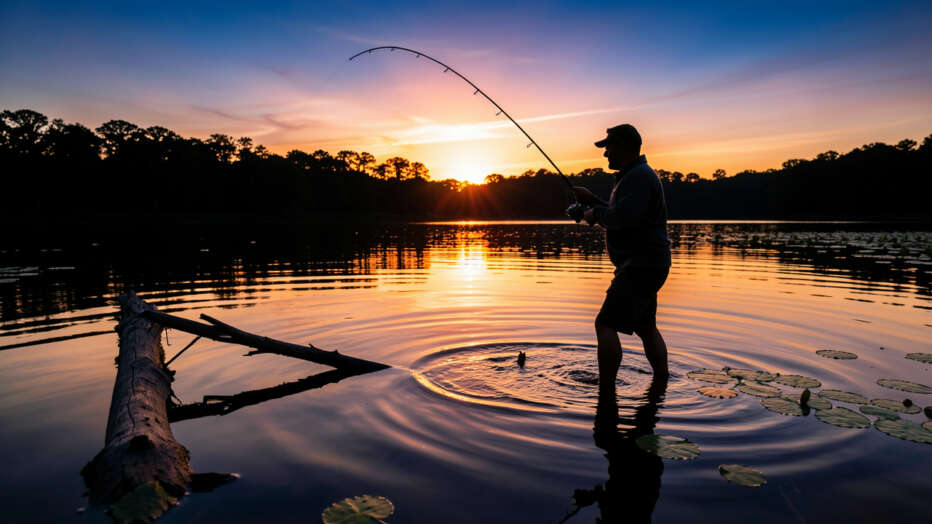
Reading the Water for Evening Bass
To truly capitalize on the “Evening Bass Bite: How to Capitalize on the Golden Hour,” you need to know where to look. Bass will move into shallower feeding zones as the light fades. Look for areas with structure and cover.
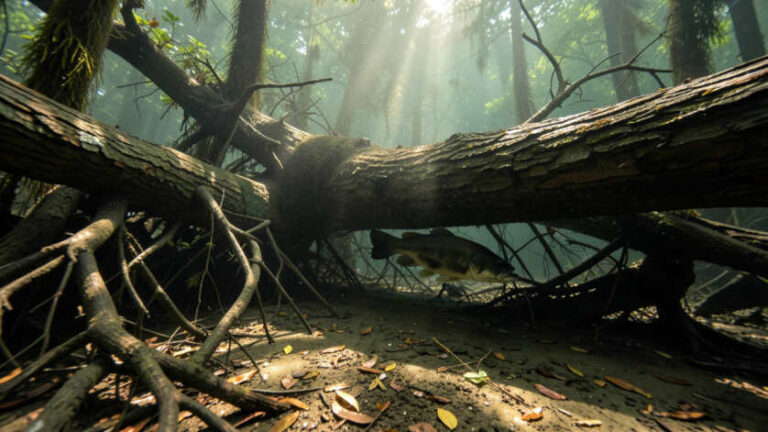
These include weed lines, fallen trees, docks, and rocky points. Bass use these features to ambush prey.
The transition from day to night is crucial. Bass often move from deeper water to shallower areas. This transition zone is a hot spot.
Lures that create a clear silhouette against a fading sky are effective because bass rely on visual cues and vibration as light dims.
Pay attention to drop-offs that lead into shallower flats. These areas provide a highway for bass to travel and hunt.
Consider the wind. A light breeze can stir up baitfish, making them easier for bass to find. Areas with slight wind action can concentrate bait, and therefore, bass.
This makes the “Evening Bass Bite: How to Capitalize on the Golden Hour” more predictable in certain conditions.
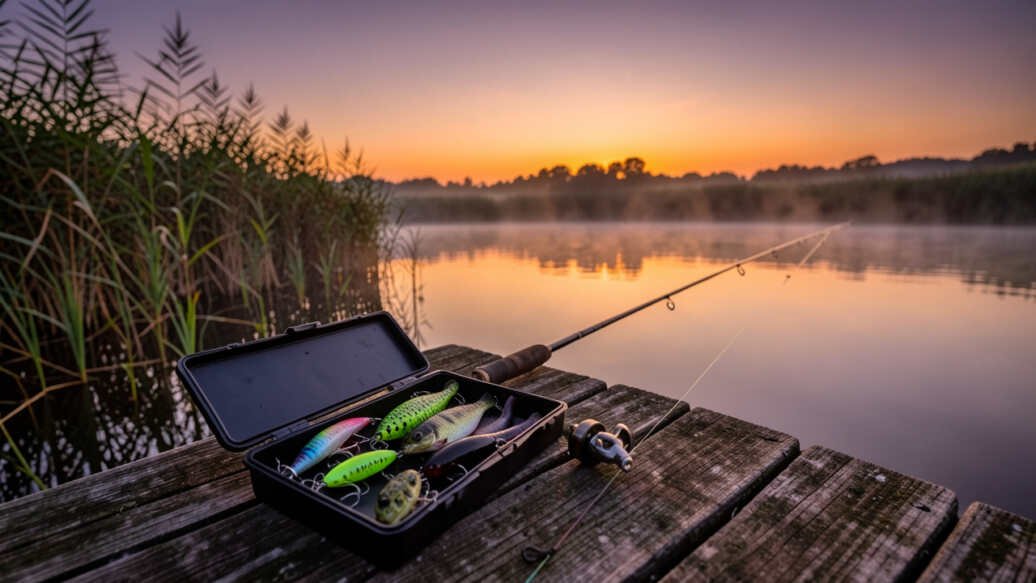
Choosing the Right Lures for the Golden Hour
The type of lure you use can make or break your evening fishing trip. As light levels decrease, bass often rely more on their lateral lines and vibration to find prey. This means lures that create more disturbance can be very effective.
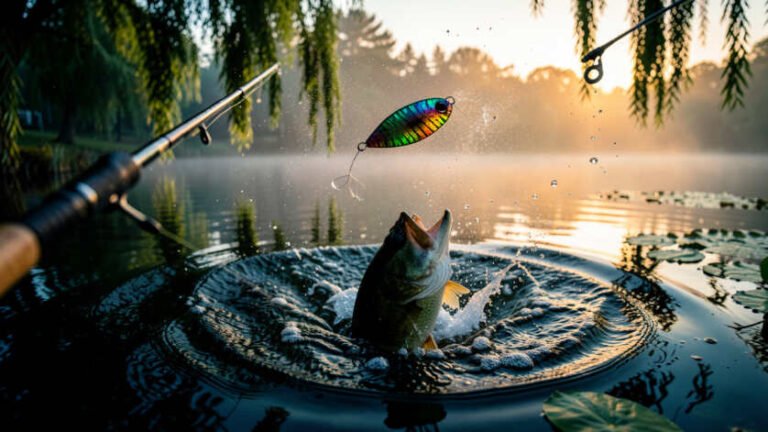
Topwater lures are fantastic for the “Evening Bass Bite: How to Capitalize on the Golden Hour.” Think poppers, walkers, and prop baits. The commotion they create on the surface mimics struggling baitfish. This is irresistible to bass looking for an easy meal as darkness approaches.
If bass are a bit deeper or more hesitant, consider soft plastics. Worms, creature baits, and craws can be fished slowly. They mimic natural forage and can be deadly.
Especially when Texas-rigged or weightless, they can be presented subtly.
Target largemouth bass in shallow weed beds and around docks during the evening, as they aggressively feed on topwater lures and reaction baits.
Spinnerbaits and chatterbaits are also excellent choices. Their flash and vibration cut through low light conditions. They imitate baitfish and crawfish effectively.
These lures can cover water quickly, helping you find active fish.
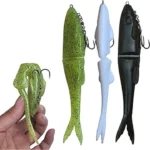
Color selection is important. In lower light, darker colors like black, blue, and purple often work best. They create a better silhouette against the fading sky.
Chartreuse and white can also be effective, especially if there’s some moonlight. Experimenting with different colors is part of mastering the “Evening Bass Bite: How to Capitalize on the Golden Hour.”
Bass Species and Their Evening Habits
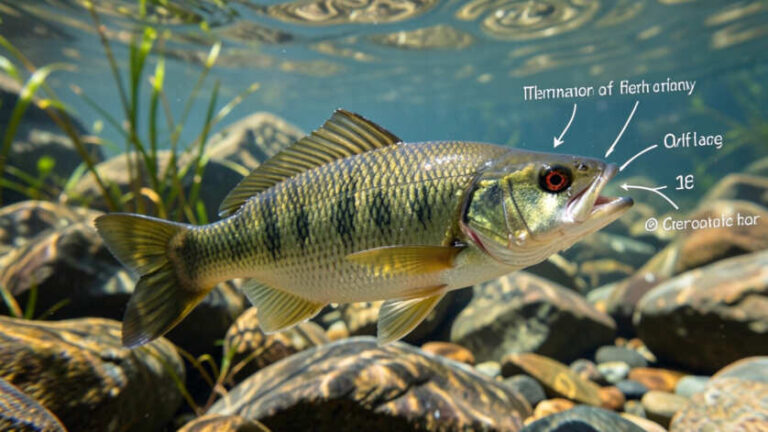
Different species of bass have slightly different preferences when it comes to the evening bite. Understanding these nuances can help you refine your strategy for the “Evening Bass Bite: How to Capitalize on the Golden Hour.”
Largemouth Bass
Largemouth bass are perhaps the most common target. They are aggressive feeders. They often move into shallow areas like weed beds and around docks.
They will readily hit topwater lures and reaction baits during the evening. Look for them in vegetated areas or around any structure that offers shade and cover.
Smallmouth Bass
Smallmouth bass tend to prefer slightly cooler, clearer water than largemouth. They often inhabit rocky areas, gravel bars, and current breaks. During the evening, they might move from deeper water to feed on crayfish and baitfish in these transitional zones.
Be aware that full moons can extend the evening feeding window, but also adjust your timing accordingly as bass may start earlier.
Tubes, grubs, and small crankbaits can be very effective for smallmouth.
Spotted Bass
Spotted bass, also known as Kentucky bass, are often found in similar habitats to smallmouth. They are known for being active feeders. They will chase lures aggressively.
Smaller crankbaits, jigs, and soft plastics often do well for spots. They are often found around points and submerged structure.
Knowing which species you are targeting helps tailor your approach. Each has its preferred food and habitat. The “Evening Bass Bite: How to Capitalize on the Golden Hour” can be optimized by understanding these species-specific behaviors.
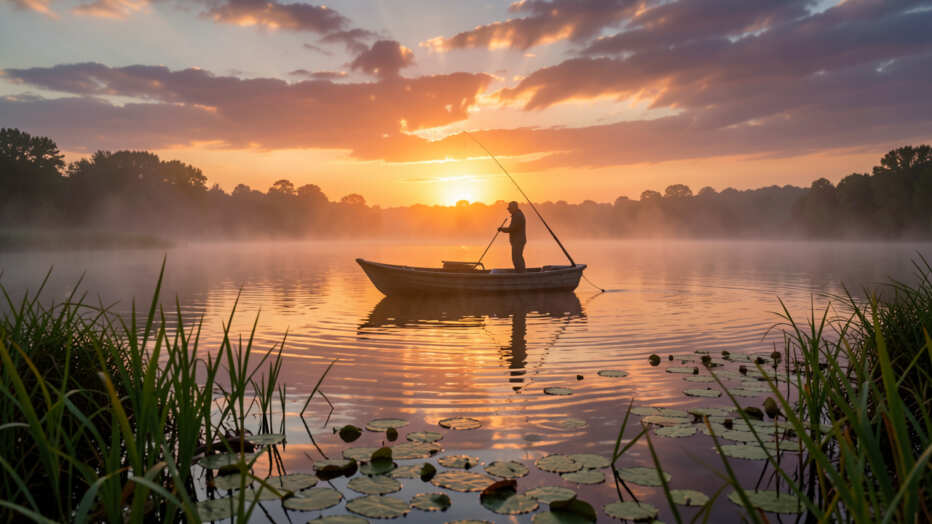
Timing and Conditions for the Golden Hour Bass Bite
The “Evening Bass Bite: How to Capitalize on the Golden Hour” is not just about the time of day. Several other factors can influence its intensity. Paying attention to these conditions will greatly improve your chances.
Moon Phases
While not the only factor, moon phases can influence bass activity. Full moons and new moons are often associated with increased feeding. During a full moon, bass might feed a bit earlier and continue later into the night.
This can extend the “Evening Bass Bite: How to Capitalize on the Golden Hour.”
Water Temperature
As mentioned, water temperature is critical. Optimal temperatures for bass feeding activity are typically between 65-75°F (18-24°C). If the water is still very warm, they might feed a bit earlier.
Approach quietly and vary your retrieve speed and pauses to trigger strikes from bass that are more cautious in low light.
If it’s cooler, they might wait closer to sunset. Understanding the water temperature helps predict when the bite will start.
Weather Patterns
Incoming weather systems can sometimes trigger a feeding frenzy. Bass can sense changes in barometric pressure. A slow-moving front approaching can make bass more active.
Conversely, a high-pressure system after a front might slow them down. Cloudy days can also extend the low-light period, prolonging the “Evening Bass Bite: How to Capitalize on the Golden Hour.”
Here’s a quick look at how some conditions can affect the bite:
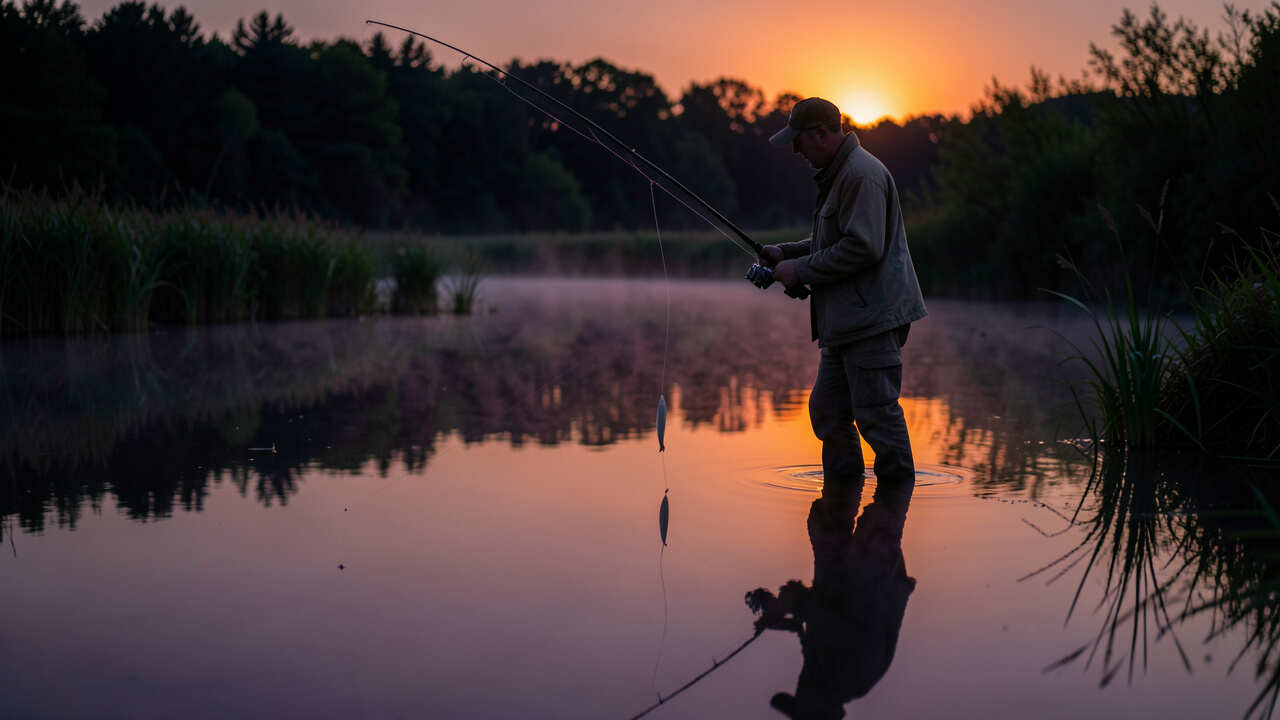
Stealth and Presentation for the Evening Bite
Bass can be more cautious as light fades. They rely more on sound and vibration. Therefore, your presentation becomes even more important for the “Evening Bass Bite: How to Capitalize on the Golden Hour.”
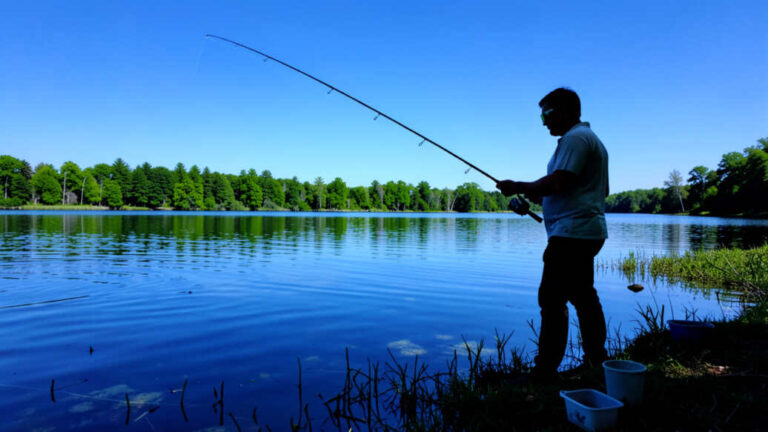
Stealth is key. Approach fishing spots quietly. Avoid making excessive noise with your boat or footsteps. If wading or fishing from the bank, move slowly and deliberately.
Bass have keen senses and will spook easily.
Vary your retrieve. Don’t just cast and reel. Experiment with different speeds and pauses. A slow, methodical retrieve can be very effective, especially with soft plastics or jigs.
Keeping a detailed fishing log allows you to identify patterns in weather, lures, and conditions, ultimately improving your evening bite success.
Sometimes, a sudden twitch or a pause can trigger a strike.
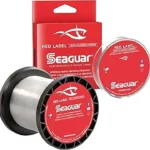
Consider your line. Thinner lines are less visible in the water, especially as light diminishes. Fluorocarbon line can be a good choice as it sinks and has low visibility. This can make a difference when bass are being finicky during the “Evening Bass Bite: How to Capitalize on the Golden Hour.”
Listen to your lure. If you’re using a lure that makes noise or vibration, pay attention to how it sounds. This feedback can tell you if it’s working correctly. A lure that’s not performing as expected may not attract bass.
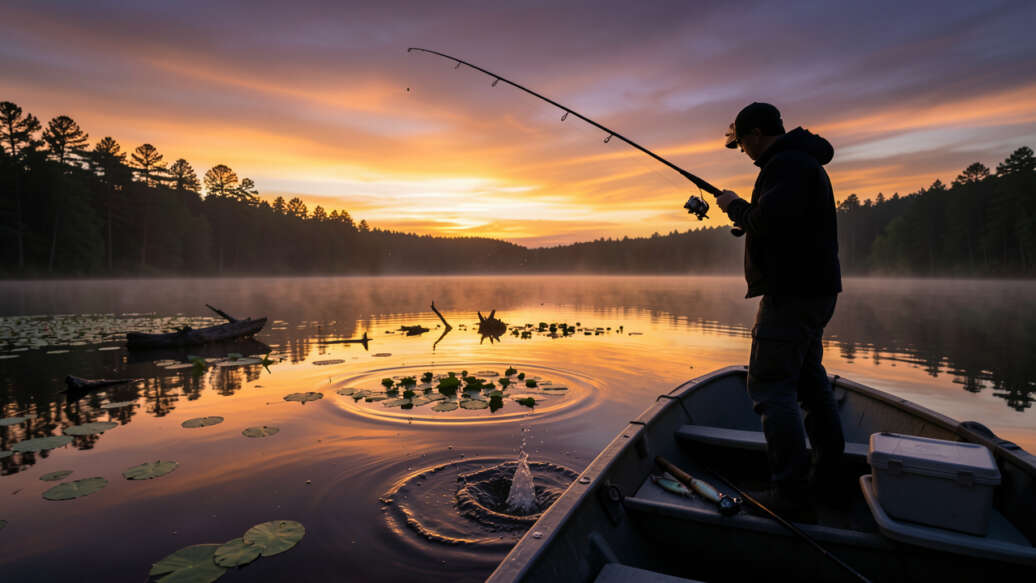
Maximizing Your Success with the “Evening Bass Bite: How to Capitalize on the Golden Hour”
To truly master the “Evening Bass Bite: How to Capitalize on the Golden Hour,” you need a combination of knowledge and practice. It’s about understanding bass behavior and adapting your fishing strategy accordingly. Don’t be afraid to experiment with different lures, colors, and retrieve methods.
Each outing is a learning opportunity.
Keep a fishing log. Note down the conditions, what lures you used, and what worked. This data will help you identify patterns.
Over time, you’ll become much better at predicting and capitalizing on the evening bite. The “Evening Bass Bite: How to Capitalize on the Golden Hour” is a skill that develops with experience.
Remember to be patient. Not every evening will be a banner day. However, by applying these strategies, you significantly increase your odds of success.
Enjoy the peaceful time on the water and the thrill of a bass striking as the sun sets.
Frequently Asked Questions
What is the best time of day for bass fishing?
The best times for bass fishing are often early morning and late evening, especially during the “golden hour” just before sunset. These periods offer lower light and more comfortable temperatures for bass to feed.
Why do bass bite more during the evening?
Bass tend to bite more in the evening because the cooling temperatures and fading light make them feel more secure to move into shallower feeding areas. It’s a prime time for them to hunt for food before nightfall.
What lures are best for the Evening Bass Bite: How to Capitalize on the Golden Hour?
Topwater lures like poppers and walkers, as well as spinnerbaits and chatterbaits, are excellent for the evening bite due to their noise and vibration. Soft plastics can also be very effective when fished slowly.
Does the moon phase affect the Evening Bass Bite?
Yes, moon phases can influence bass activity. Full moons and new moons are often associated with increased feeding, which can extend the “Evening Bass Bite: How to Capitalize on the Golden Hour.”
Should I be quiet when fishing for bass in the evening?
Absolutely. Bass have sensitive senses and can be easily spooked by noise and sudden movements, especially in the calmer evening conditions. Stealthy approaches are crucial for success.
How does water temperature affect the evening bass bite?
Bass are more active in water temperatures between 65-75°F. During hot weather, they may feed earlier in the evening as the water cools, while in cooler weather, they might wait until closer to sunset.
Final Thoughts
Making the most of the “Evening Bass Bite: How to Capitalize on the Golden Hour” means understanding when and where bass are most active. By choosing the right lures, paying attention to conditions, and using stealth, you can turn those magical twilight hours into your most successful fishing moments.