





Dog Days Summer Bass: Beating The Midday Heat Effectively
To effectively beat the midday heat during dog days bass fishing, anglers must target deeper, cooler water where bass retreat when surface temperatures spike. The most productive approach involves fishing early or late in low-light periods, but when forced to fish midday, focusing on shaded structure and using slow-moving bottom lures in natural colors becomes essential. Bass metabolism slows significantly in hot water, reducing their feeding activity and making them more likely to strike a slow, finesse presentation placed directly in their strike zone. By adapting timing, location, and lure selection to these conditions, anglers can consistently catch bass even when others struggle in the oppressive heat.
When the sun beats down hard, those big bass can get tough to find. You want to keep catching fish even when it’s super hot outside. This guide will show you how to handle those challenging summer days.
We’ll cover smart ways to adjust your fishing for the best results. Learning these tips for Dog Days Summer Bass: Beating the Midday Heat Effectively means more action and bigger catches when others are struggling. Get ready to make the most of your time on the water, no matter how high the temperature climbs.
Key Takeaways
- Understand how high temperatures affect bass behavior.
- Learn the best times of day to fish during hot weather.
- Discover effective lure choices and colors for summer heat.
- Master techniques for fishing deeper, cooler water.
- Adapt your strategy for low-light conditions and specific weather patterns.
- Stay safe and comfortable while fishing in the heat.
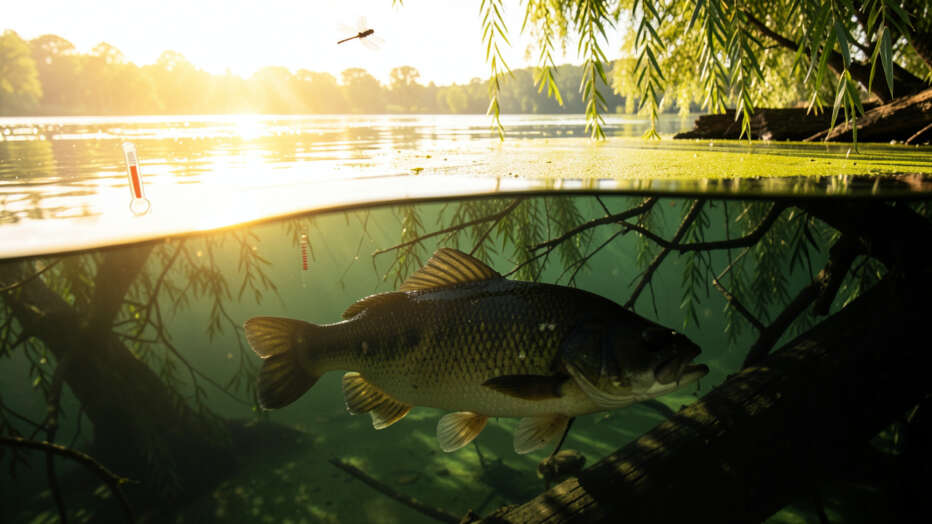
Why Bass Hide in the Heat
During the hottest parts of summer, known as the “dog days,” bass don’t just disappear. They change their habits to survive the intense heat. Water temperatures rise, and this makes bass seek out cooler, more comfortable spots.
They need to conserve energy. Finding these cool refuges is key to successful fishing.
Bass are cold-blooded. This means their body temperature matches their surroundings. When the water gets too warm, their metabolism slows down.
Focus on deeper, cooler water where bass conserve energy; a slow presentation can trigger a reaction strike even in lethargic fish.
They become less active and might not feed as aggressively. This is why catching them during the peak of a hot summer day can feel impossible.
The main goal for bass in the heat is to find water that is 10-15 degrees cooler than the surface. This often means moving deeper. They also look for areas with good oxygen levels and plenty of shade.
Understanding this behavior is the first step in Dog Days Summer Bass: Beating the Midday Heat Effectively.

Finding Bass When It’s Hot: Timing is Everything
The midday sun is often the biggest challenge for anglers. Bass move to avoid the direct heat and bright light. This makes them harder to locate.
Fortunately, there are specific times when they are more accessible.
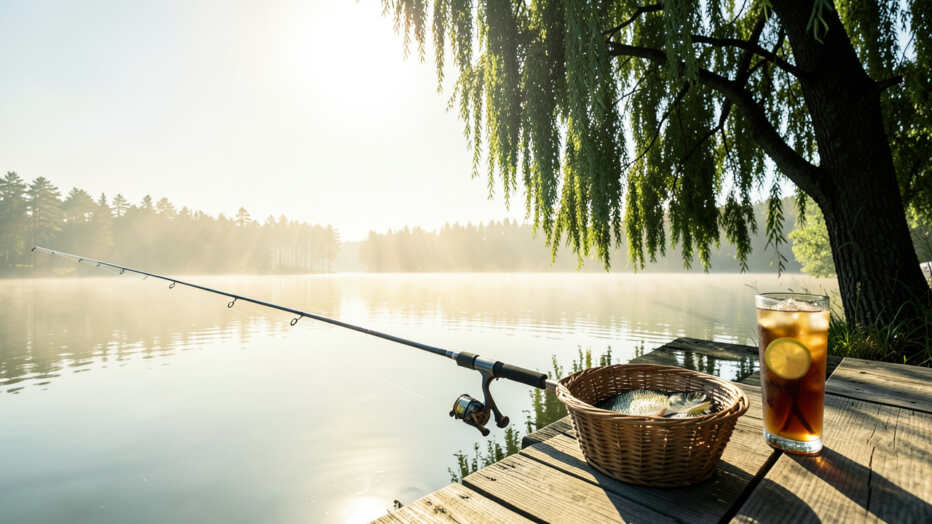
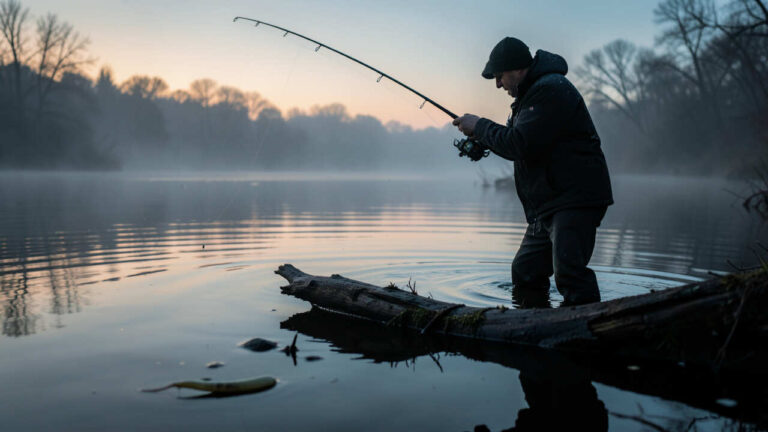
First, focus on the early morning. As the sun rises, the water is still cool. Bass are often more active and willing to feed near the surface or in shallower areas.
This is a prime time to catch them before the heat really sets in.
Second, the late evening is another excellent window. As the sun begins to set, the water temperature drops slightly. Bass will often move back into shallower feeding zones.
This twilight period can offer some of the best fishing of the day.
The early morning window is critical for surface action; bass feed aggressively in the cool shallows before the sun climbs high.
Next, consider overcast or cloudy days. On these days, the sun’s intensity is reduced. Bass may remain more active throughout the day.
You might not need to wait for the early morning or late evening.
Then, look for low-light conditions. Even during the day, if there’s heavy cloud cover or fog, bass might stay active. They are less stressed by the heat and light.
This offers a chance for successful midday fishing.
Finally, think about the days following a cold front. Even if the air temperature is still warm, the water temperature might have dropped a bit. This can trigger a feeding frenzy.
These windows of opportunity are crucial for Dog Days Summer Bass: Beating the Midday Heat Effectively.
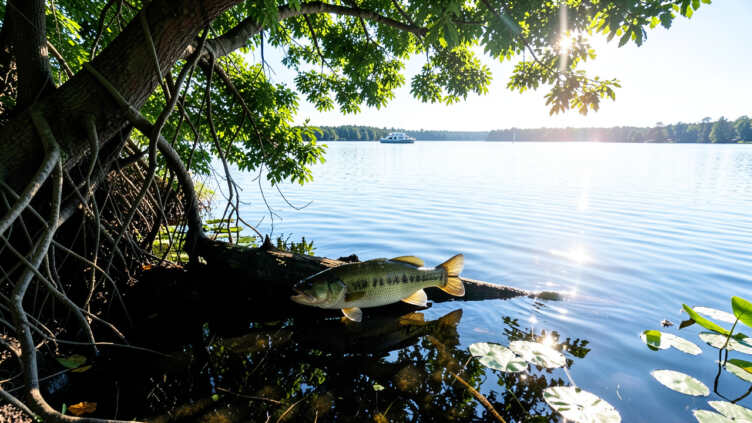
Where to Find Bass in the Summer Heat
When the sun is high and hot, bass will retreat to cooler, deeper waters. They also seek out areas with ample cover and structure that provide shade and oxygen. Identifying these spots is vital for success.
Deeper water is a bass’s best friend during the dog days. Look for drop-offs, ledges, and submerged humps. These areas offer a more stable, cooler temperature.
Bass will often school up in these locations, waiting for cooler periods to feed.
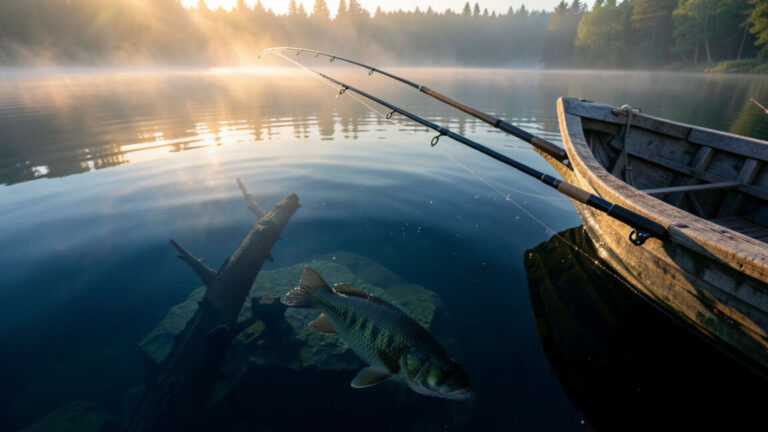
Structure also plays a huge role. Think about submerged logs, fallen trees, and rock piles. These provide shade and ambush points.
They also attract baitfish, which bass will feed on. Weed lines, especially dense ones, offer both shade and oxygen.
Water stratification creates distinct temperature layers; bass will suspend just above the thermocline to maximize oxygen and comfort.
Shaded areas are paramount. This includes the undersides of docks, overhanging trees, and bridges. Bass will position themselves in these cool, dark spots.
Casting into the shade can often yield a bite when the open water is too hot.
Oxygen levels are also important. Areas with current, like river mouths or points where two bodies of water meet, tend to have better oxygenation. This can make bass more active even in warm water.
Consider the thermocline. This is a layer in the water where temperature changes rapidly. Bass will often stay just above or below this layer, seeking the optimal temperature and oxygen.
Understanding water stratification helps with Dog Days Summer Bass: Beating the Midday Heat Effectively.
Lure and Color Choices for Hot Weather Bass
The heat of summer changes how bass react to lures. You need to present baits in ways that trigger their interest without them expending too much energy.
Slower presentations are often more effective. Bass are less likely to chase fast-moving baits when it’s hot. Think about lures that can be worked slowly and deliberately.
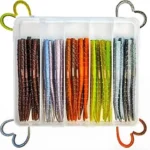
This includes Texas-rigged worms, shaky heads, and jigs.
Drop-shotting can be a deadly technique. It allows you to present a bait in the strike zone for extended periods. The bait stays relatively still, making it easy for a bass to strike.
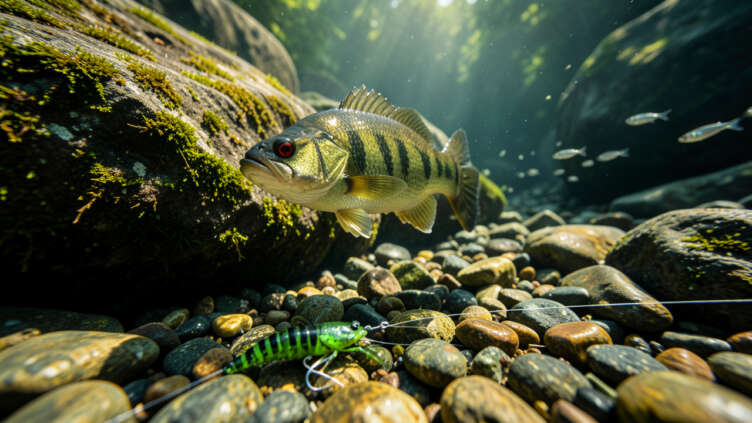
Opt for slow-falling lures like shaky heads and Texas-rigged worms to keep your bait in the strike zone longer without spooking lazy bass.
Color selection is also critical. In clear, bright conditions, natural colors often work best. Think watermelon, green pumpkin, and shades of brown.
These blend in and mimic natural forage.
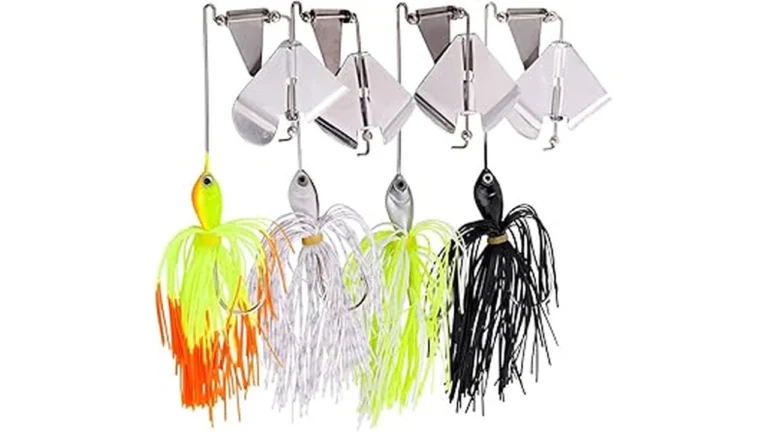
When the water is stained or the light is low, brighter colors can be more effective. Chartreuse, bubble gum, and even some firetiger patterns can attract attention. These colors stand out in murky water.
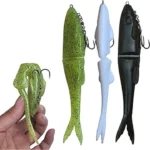
Topwater lures can still work, but usually during the low-light periods. Think about walking baits or poppers. Work them slowly and erratically to mimic injured prey.
This can entice a reaction bite, even when bass are lethargic. Mastering lure selection is key to Dog Days Summer Bass: Beating the Midday Heat Effectively.
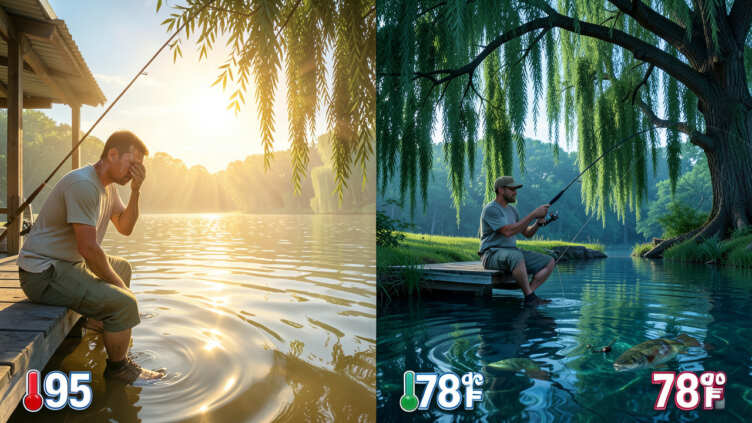
Effective Techniques for Beating the Heat
Adapting your fishing techniques is crucial for summer success. The usual aggressive tactics might not work when the mercury rises.
First, slow down your retrieve. As mentioned, bass are less energetic. A slow, methodical retrieve allows them to easily strike the lure without chasing it far.
This is especially important with soft plastics and jigs.
Second, focus on precise casting. Instead of covering a lot of water quickly, make accurate casts to likely holding spots. Docks, laydowns, and weed edges all deserve careful attention.
Avoid fast-moving lures during midday heat; a slow, methodical retrieve is crucial to trigger strikes from energy-conscious bass.
Get your lure right into the strike zone.
Next, experiment with different depths. Bass will move throughout the water column during the day. Start shallow in the morning and evening.
As the sun gets higher, move to deeper structures. Don’t be afraid to fish straight down over deep ledges.
Then, utilize finesse techniques. Drop-shot rigs, Texas rigs with minimal weight, and Neko rigs can be very effective. These presentations are subtle and require less effort from the bass to strike.
Finally, pay attention to baitfish. Where the baitfish are, the bass will likely be. Use electronics to find schools of baitfish, and then target those areas with your lures.
This is a smart approach for Dog Days Summer Bass: Beating the Midday Heat Effectively.
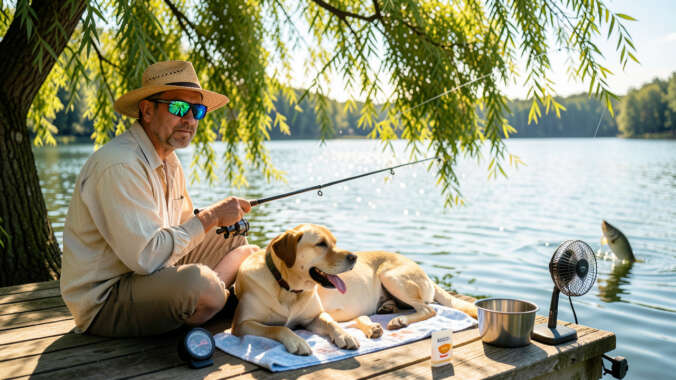
Staying Safe and Comfortable in the Summer Sun
Fishing in the heat can be dangerous if you’re not prepared. Staying safe and comfortable ensures you can enjoy your time on the water and fish effectively.
Hydration is paramount. Drink plenty of water throughout the day. Avoid sugary drinks and excessive caffeine, which can dehydrate you.
Consider sports drinks to replenish electrolytes.
Sun protection is essential. Wear a wide-brimmed hat, sunglasses with UV protection, and long-sleeved, lightweight clothing. Sunscreen with a high SPF should be applied liberally and reapplied often.
Hydrate consistently with water and electrolytes to maintain focus and avoid heat exhaustion, which directly impacts your fishing performance.
Seek shade whenever possible. If you’re fishing from a boat, take breaks in shaded areas. If fishing from shore, find cover under trees or structures.
Know your limits. If you start to feel overheated or unwell, it’s time to call it a day. Heatstroke is a serious condition.
Listen to your body.
Consider fishing during cooler parts of the day. This means focusing on dawn, dusk, and potentially cooler, overcast periods. This strategy helps with both catching fish and staying safe.
Prioritizing your well-being is key to Dog Days Summer Bass: Beating the Midday Heat Effectively.
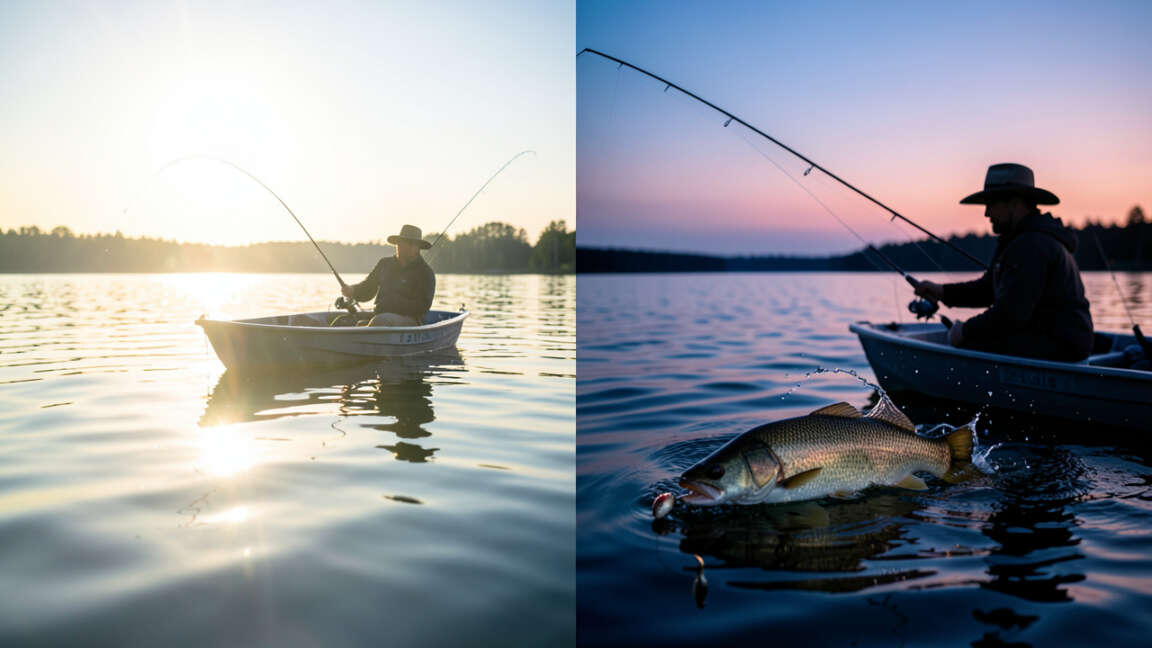
Comparison: Midday vs. Low-Light Bass Feeding
Understanding the difference in bass behavior between peak midday heat and low-light conditions can dramatically improve your success. Bass are creatures of habit, but heat forces them to adapt. Here’s a look at how their feeding patterns change.
The shift from midday lethargy to low-light aggression is dramatic; adapting your tactics to the light conditions is the secret to consistent summer success.
This table highlights why adjusting your strategy is so important. Trying to fish a fast topwater bait at noon on a blazing hot day is usually a losing battle. Conversely, throwing a tiny finesse worm in shallow weeds at dusk might also miss opportunities.
Effective Dog Days Summer Bass: Beating the Midday Heat Effectively means recognizing these behavioral shifts.
Frequently Asked Questions
When is the best time to fish for bass during the dog days of summer?
The best times are typically early morning and late evening when the sun is not at its strongest. Overcast days also offer good fishing opportunities throughout the day.
Where do bass go when the water gets really hot?
Bass move to deeper, cooler water and seek out shaded areas. They will also find structure like submerged logs or weed beds that provide refuge from the heat.
Are topwater lures effective for Dog Days Summer Bass: Beating the Midday Heat Effectively?
Topwater lures can be effective, but usually only during low-light periods like dawn and dusk. During the peak heat of midday, slower presentations are generally more productive.
What colors are best for bass fishing in hot, bright conditions?
Natural, subtle colors like watermelon, green pumpkin, and brown are often best in clear, bright water. They mimic natural forage and blend in well.
How important is staying hydrated when fishing in the summer heat?
Staying hydrated is critically important. You must drink plenty of water to avoid dehydration and heat-related illnesses, which can affect your ability to fish effectively and safely.
Should I change my retrieve speed in the summer heat?
Yes, you should definitely slow down your retrieve. Bass are less energetic when it’s hot and won’t chase fast-moving baits as readily. Slower, more deliberate presentations are key.
Final Thoughts
Catching bass during the hottest summer days is achievable with the right approach. By understanding bass behavior, timing your outings, finding cooler waters, and adjusting your lures and techniques, you can keep the action going. Stay safe, stay hydrated, and enjoy the challenge of successful summer bass fishing.


One Comment