



How To Find Bass On A New Lake You’Ve Never Fished Before
To find bass on a new lake you have never fished before, begin by reading the water's physical structure and depth to identify ambush points and movement corridors. Bass location is heavily influenced by seasonal changes, baitfish activity, and water temperature, making GPS lake maps and electronics like sonar essential for revealing underwater features that hold fish. Success depends on integrating these observations with a strategic approach to lure presentation and adapting to real-time weather conditions.
Heading to a lake you’ve never fished before can feel like a big challenge. You want to make the most of your time on the water and catch some great bass. Learning How to Find Bass on a New Lake You’ve Never Fished Before is key to turning a potentially frustrating trip into a successful outing.
By understanding where bass like to hide and how to read the water, you’ll boost your chances of landing those prized fish and have a much more enjoyable experience. Let’s get started on making your next fishing adventure a memorable one.
Key Takeaways
- Understand how water depth and structure influence bass location.
- Learn to use maps and electronics to identify promising fishing spots.
- Discover the importance of seasonal changes in bass behavior.
- Master techniques for reading the water surface and surroundings.
- Develop strategies for experimenting with different lures and presentations.
- Recognize how weather conditions affect where bass will be.
Reading the Water: Your First Step
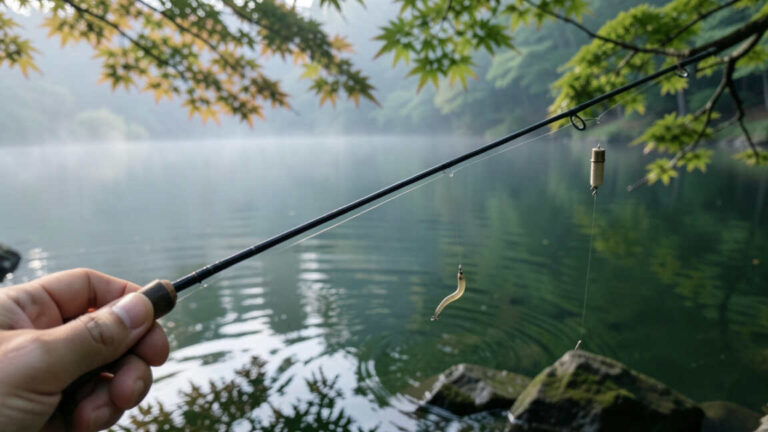
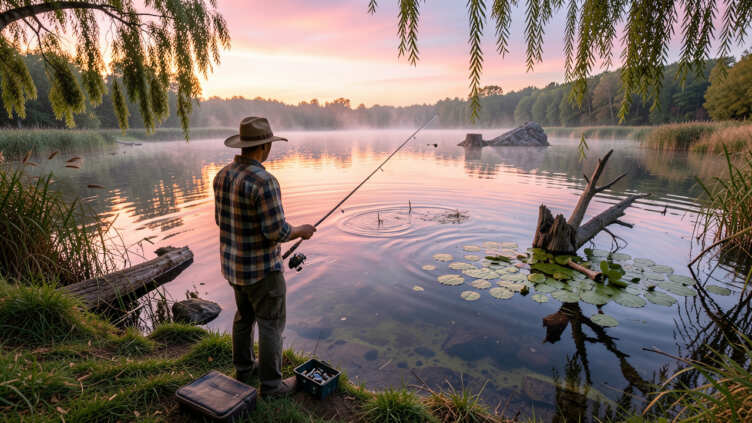
When you arrive at a new lake, the first thing to do is simply look around. Bass, like all fish, need certain things to survive and thrive. They look for places to eat, places to hide, and places to rest.
Understanding these basic needs will help you figure out How to Find Bass on a New Lake You’ve Never Fished Before. Pay attention to anything that breaks up the water’s surface or offers cover. These are often the first clues to where bass might be holding.
Understanding Bass Habits
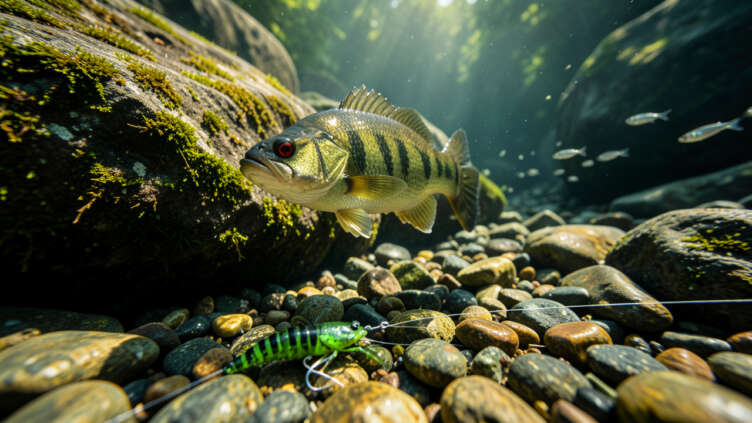
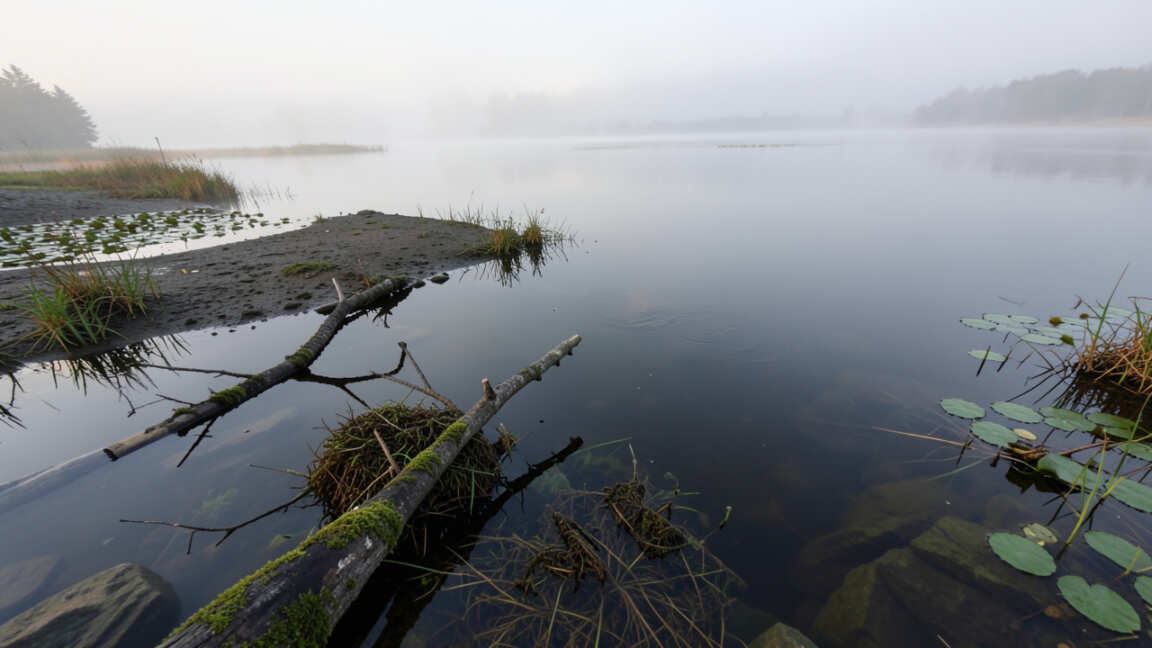
Bass are predators, and they like to ambush their prey. This means they often hang out near something that gives them an advantage. Think of fallen trees, lily pads, docks, or even just a sudden drop-off in the lakebed.
These spots offer both concealment for the bass and a place for smaller baitfish to gather. If you see these features, there’s a good chance bass are nearby.
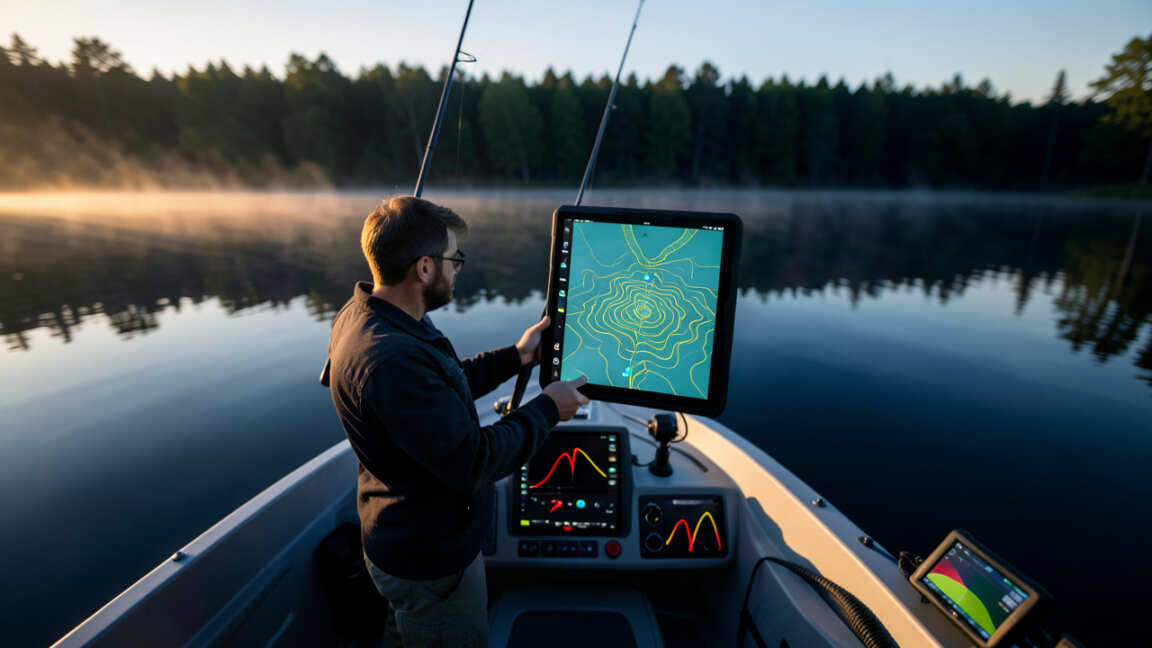
Modern fish finders with GPS let you identify underwater structure and depth changes, which are prime ambush points for bass.
Scan the lake for any irregularities on the surface, such as weed lines, stumps, or docks, as these indicate potential bass hideouts.
Cover is Key
Cover refers to anything that a bass can hide behind or underneath. This is crucial for them because it helps them avoid being seen by bigger fish and allows them to surprise their own meals. When you’re looking for bass, always look for types of cover.
The more cover you find, the higher the probability of locating bass.
Structure Matters
Structure is about the underwater terrain. This includes things like drop-offs, humps, points, and creek channels. Bass use these changes in the lakebed to their advantage.
They might position themselves on the edge of a drop-off, waiting for baitfish to swim by. Understanding structure is a big part of How to Find Bass on a New Lake You’ve Never Fished Before.
Using Technology to Your Advantage
Today’s fishing technology can be a game-changer, especially on unfamiliar waters. Having the right tools can significantly improve your success rate. They help you see what’s happening below the surface, making it easier to pinpoint where bass might be.
This is a huge help when you’re learning How to Find Bass on a New Lake You’ve Never Fished Before.
GPS and Lake Maps
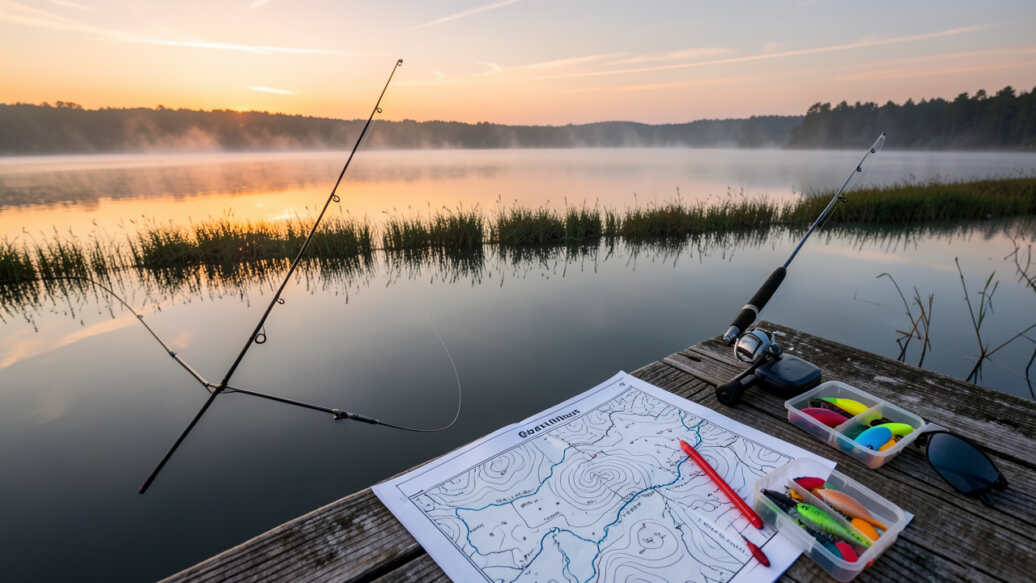
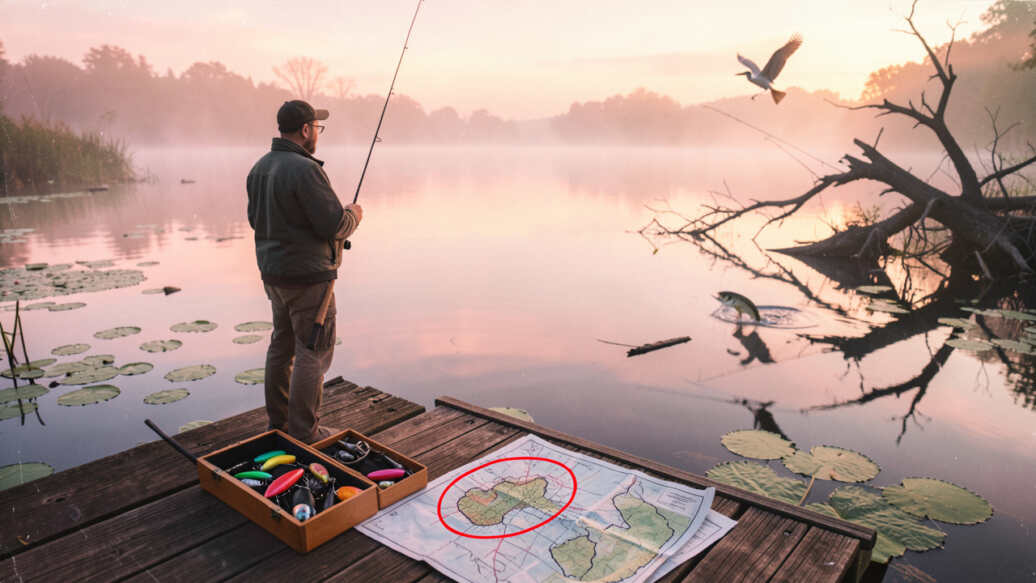
Most modern fish finders come with GPS capabilities. You can use these to study the lake before you even get on the water. Look for contour lines on the map that show changes in depth.
Areas where shallow water quickly drops off into deep water are often prime bass locations. Also, look for points that jut out into the lake, as these can attract baitfish and bass.
Understanding Sonar
Your fish finder’s sonar screen shows you the bottom contour and can often identify submerged structures like rocks, logs, or even schools of baitfish. Bass tend to hang around these features. Learning to interpret what you see on the sonar is a vital skill for How to Find Bass on a New Lake You’ve Never Fished Before.
During bright days, shade from overhanging trees or boat docks becomes a bass magnet, offering cooler water and cover.
Look for arches that might indicate fish or bait. Sometimes, you’ll see a larger arch that could be a bass itself.
Understanding Water Temperature
Water temperature plays a huge role in bass behavior. Bass are cold-blooded, meaning their activity level changes with the water temperature. In cooler water, they tend to be more sluggish and might be found deeper.
As the water warms up, they become more active and move into shallower areas to feed.
Seasonal Movements
Bass move throughout the year based on the seasons and water temperature. In the spring, they move shallow to spawn. In the summer, they often seek cooler, deeper water or shade during the hottest parts of the day.
Fall sees them becoming more active as they feed up for winter. Knowing these seasonal patterns is fundamental to How to Find Bass on a New Lake You’ve Never Fished Before.
Reading the Signs: What to Look For
Beyond just looking at maps, you need to observe what’s happening around you on the lake. The environment can give you direct clues about where the bass are. This is where your observational skills come into play when trying to figure out How to Find Bass on a New Lake You’ve Never Fished Before.
Baitfish Activity
Bass are always looking for their next meal. If you see baitfish schooling near the surface, or splashing around, it’s a strong indicator that bass are likely in the area, feeding on them. Look for birds diving into the water, as they often target the same baitfish that bass are after.
Vary your retrieve speed and pause your lure frequently to mimic injured prey, which can trigger a strike even from inactive bass.
This is a clear sign of a feeding frenzy.
Water Clarity
The clarity of the water affects how bass hunt. In clear water, bass can see well from a distance and might be found in slightly deeper areas or near visible cover. In stained or muddy water, they rely more on their lateral line to detect vibrations and may be found closer to cover or in shallower areas where they can ambush prey more effectively.
Shoreline Clues
Don’t forget to look at the shoreline. Overhanging trees, docks, submerged vegetation, and even rocks can all provide excellent bass habitat. Pay attention to areas where there’s a lot of shade, as bass will often retreat to these cooler spots during sunny days.
These are often overlooked spots when learning How to Find Bass on a New Lake You’ve Never Fished Before.
Putting it all Together: Strategy and Tactics
Once you have a good idea of where bass might be, you need a strategy for catching them. This involves choosing the right lures and how to present them. Experimentation is key when you’re figuring out How to Find Bass on a New Lake You’ve Never Fished Before.
Lure Selection
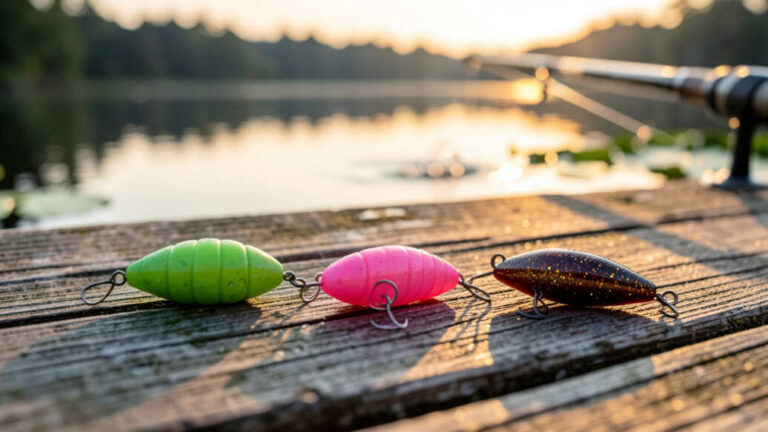
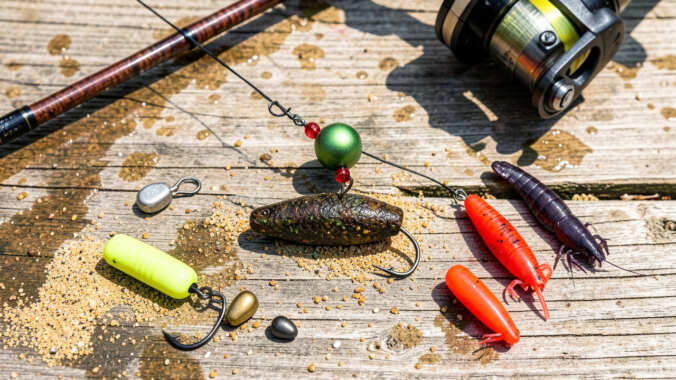
Your lure choice should match the conditions and the type of cover you’re fishing. For example, in thick weeds, a weedless jig or a topwater bait might work best. If you’re fishing near a rocky drop-off, a Texas-rigged worm or a crankbait could be effective.
Don’t be afraid to try different things until you get a bite.
Be aware that a sudden drop in barometric pressure often triggers a feeding frenzy, while rising pressure may push bass to deeper, more stable water.
Presentation is Crucial
How you work your lure is just as important as the lure itself. Sometimes bass want a lure moved slowly and deliberately. Other times, they prefer something fast and erratic.
For example, a shaky head worm might be best fished with a subtle hop and pause, while a spinnerbait might need a steady retrieve.
The Power of Experimentation
On a new lake, you won’t always know what’s going to work right away. The best approach is to be willing to try different techniques and lures. If one thing isn’t producing, change it up.
Move to a different spot, try a different lure, or alter your retrieve. This trial-and-error process is a fundamental part of How to Find Bass on a New Lake You’ve Never Fished Before.
Weather’s Influence on Bass Location
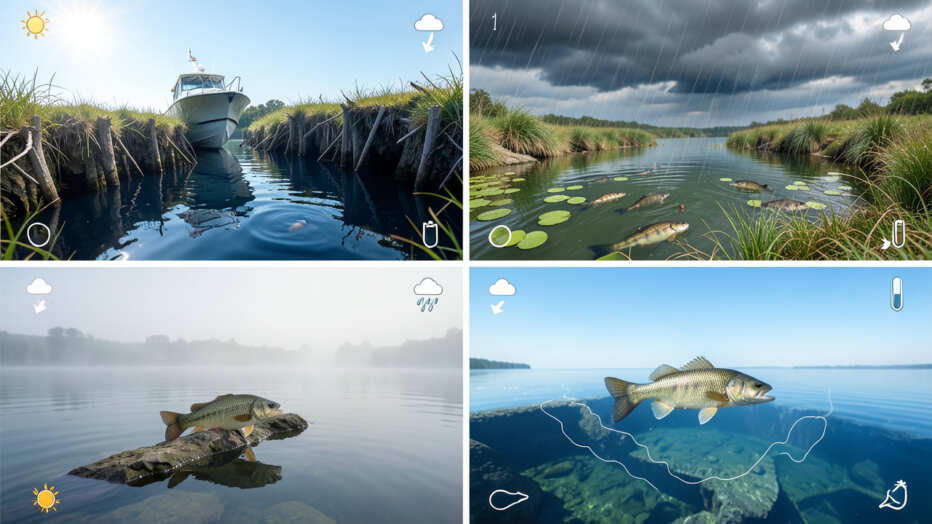
Weather is a significant factor that can drastically change where bass are found. Even on a lake you know well, changing weather patterns can move fish. For a new lake, understanding these shifts is even more important for learning How to Find Bass on a New Lake You’ve Never Fished Before.
Wind and Pressure
Wind can push baitfish into certain areas, and bass will follow. Look for the downwind sides of points or coves, as these areas can concentrate bait and, therefore, bass. Barometric pressure also plays a role.
Falling pressure often means fish will become more active and feed aggressively. Rising pressure can make them a bit more finicky.
Sun vs. Clouds
On sunny days, bass often seek shade. This means they might be under docks, overhanging trees, or in thick vegetation. On cloudy days, they may become more active and move into shallower areas or open water, as the lack of direct sun makes them feel more secure.
Frequently Asked Questions
Question: What is the most important factor in How to Find Bass on a New Lake You’ve Never Fished Before?
Answer: The most important factor is understanding that bass seek cover, food, and comfortable temperatures. Identifying these elements on a new lake is your primary goal.
Question: How can I quickly learn about a new lake’s structure without prior knowledge?
Answer: Use detailed lake maps and GPS. Look for contour lines indicating drop-offs, humps, and creek channels, which are key structural elements.
Question: Should I use the same lures on a new lake as I do on my home lake?
Answer: It’s a good starting point, but be prepared to experiment. Water clarity, baitfish, and local forage can influence which lures work best for How to Find Bass on a New Lake You’ve Never Fished Before.
Question: How does water clarity affect where I should look for bass on a new lake?
Answer: In clear water, bass may be deeper or near visible cover. In stained or muddy water, they will likely be closer to cover and rely on sound and vibration.
Question: What is the best way to find bass if I only have a few hours on a new lake?
Answer: Focus on areas with the most obvious cover and structure, like points, docks, or weed lines. Use a faster-moving lure initially to cover water, then switch to slower presentations if needed.
Final Thoughts
Successfully finding bass on a new lake boils down to observing the environment, understanding bass behavior, and using your tools wisely. Don’t be afraid to experiment with different spots and lures. With practice, you’ll get better at deciphering How to Find Bass on a New Lake You’ve Never Fished Before, making every fishing trip more rewarding.