Spinning Reel Size Explained: 1000 To 10000 By Use Case Today
Spinning reel sizes from 1000 to 10000 indicate line capacity, drag power, and suitability for different fishing scenarios, from light freshwater to heavy saltwater. Small reels (1000–3000) are ideal for delicate presentations targeting panfish, trout, and small bass with light line. Medium reels (4000–5000) are versatile all-rounders that handle a wide range of species and techniques, matching well with medium-power rods. Large reels (6000–10000) provide the heavy drag and line capacity required for big game fishing, ensuring anglers have the power to land large fish.
Picking the right fishing reel can make a big difference in how much fun you have on the water. If you’re wondering about the different sizes and what they’re good for, you’re in the right place. Understanding Spinning Reel Size Explained: 1000 to 10000 by Use Case Today helps you match your reel to the fish you want to catch and the type of fishing you do.
It means less frustration and more successful fishing trips. We’ll break down what those numbers mean and how to pick the perfect size for your needs so you can cast with confidence.
Key Takeaways
- Spinning reel sizes range from 1000 to 10000, with smaller numbers indicating smaller reels and larger numbers indicating larger reels.
- Reel size affects line capacity, drag power, and overall balance with the fishing rod, influencing its suitability for different fish species and techniques.
- Smaller reels (1000-3000) are best for light freshwater fishing, targeting panfish, trout, and smaller bass.
- Medium reels (4000-5000) are versatile and work well for a variety of freshwater and light saltwater applications, including bass, walleye, and inshore fishing.
- Larger reels (6000-10000) are designed for heavy freshwater and offshore saltwater fishing, handling larger species like catfish, salmon, tuna, and sharks.
- Matching reel size to rod length and type is crucial for optimal casting performance and fighting fish.
Understanding Spinning Reel Size Numbers
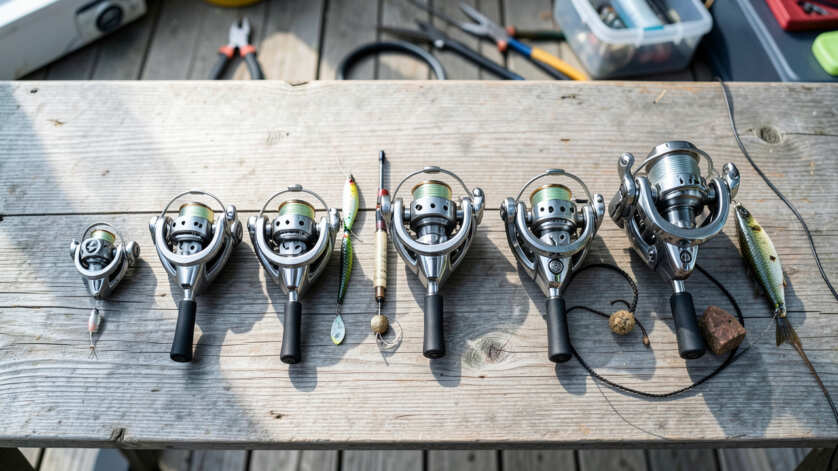
Fishing reels come in many different sizes. You’ll see numbers like 1000, 2000, 2500, 3000, 4000, 5000, 6000, 8000, and 10000. These numbers aren’t random.
They tell you how big the reel is. Generally, a smaller number means a smaller reel. A larger number means a bigger reel.
This Spinning Reel Size Explained: 1000 to 10000 by Use Case Today is important because reel size affects several key things.
Small reels in the 1000 to 2500 range are designed for precision and finesse, making them ideal for light lures and species like trout and panfish.
Use the reel number as a direct indicator of size; the higher the number, the larger the reel and the more line it can hold.
The size of a spinning reel directly impacts how much fishing line it can hold. Bigger reels can hold more line. They also have more powerful drag systems.
The drag is what helps you tire out a fish. A larger reel is usually built to handle stronger fish. It’s also designed to be balanced with a specific type of fishing rod.
Choosing the right size ensures your setup feels good in your hands and works effectively when you hook a fish.
Small Spinning Reels: For Delicate Freshwater Adventures
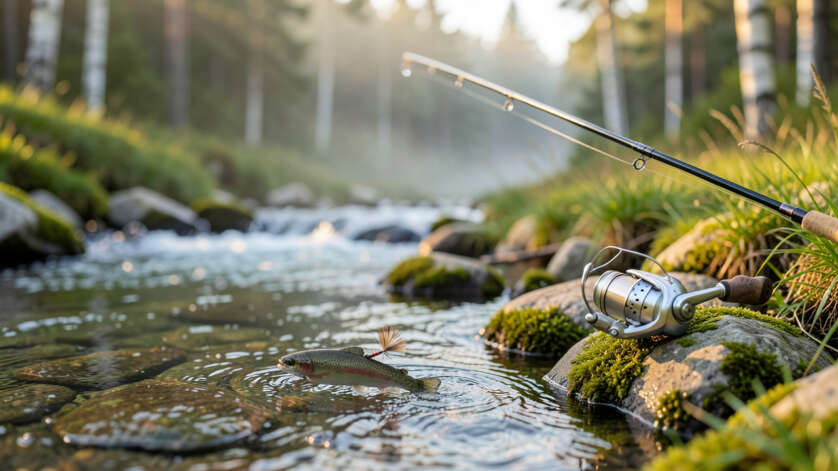
When you’re fishing in freshwater for smaller species, you don’t need a huge reel. Small spinning reels are perfect for these situations. These are typically the reels in the 1000, 2000, and 2500 size range.
They are lightweight and designed for finesse. Using a small reel makes it easier to cast light lures accurately. It also feels better on lighter fishing rods.
Medium spinning reels are the true all-rounders, offering the balance of power and feel needed for both freshwater bass and light saltwater inshore species.
These small reels are ideal for targeting fish like trout, panfish (bluegill, crappie), and smaller bass. They offer enough drag power to handle these fish without overpowering them. The line capacity is sufficient for most freshwater fishing scenarios where fish rarely run for extremely long distances.
A Spinning Reel Size Explained: 1000 to 10000 by Use Case Today shows that these sizes are about precision and finesse.
Best Use Cases for Small Reels
- Trout fishing in streams and small rivers.
- Panfish (bluegill, crappie, perch) fishing in lakes and ponds.
- Finesse bass fishing techniques like drop-shotting or shaky heads.
- Light tackle ultralight fishing for very small species.
Medium Spinning Reels: The Versatile All-Rounders
Moving up in size, we find the medium spinning reels. These often fall into the 3000 and 4000 size categories. They are the workhorses for many anglers.
Medium reels offer a good balance of line capacity, drag power, and weight. They are versatile enough for a wide range of fishing conditions.
When targeting large pelagic species like tuna or wahoo, a reel in the 5000 to 10000 range provides the line capacity and drag needed for long runs.
These reels are excellent for many freshwater applications. Think about targeting larger bass, walleye, pike, or even salmon when they’re not running in huge numbers. They also perform well in many light saltwater inshore situations.
You can use them for redfish, speckled trout, or flounder. The increased line capacity and stronger drag compared to small reels are beneficial here. This middle ground is where many anglers find their go-to reel.
Why Medium Reels Excel
- Versatility for both freshwater and light saltwater.
- Good balance with medium-action rods.
- Sufficient line capacity for longer casts and fish runs.
- Adequate drag power for a variety of game fish.
A Spinning Reel Size Explained: 1000 to 10000 by Use Case Today highlights that the 4000 size is often considered a sweet spot for many anglers. It bridges the gap between lighter freshwater and more demanding inshore saltwater fishing. You can spool it with heavier line if needed, giving you more options on the water.
Large Spinning Reels: For Power and Big Game
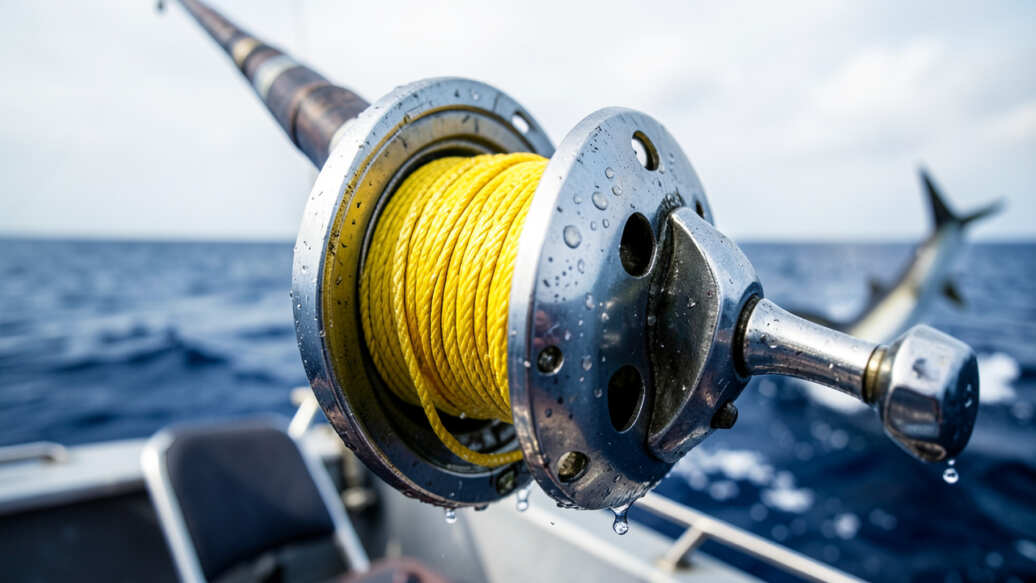
When you’re dealing with bigger fish or tougher conditions, you need a larger spinning reel. Reels in the 5000, 6000, 8000, and 10000 sizes are built for power. They are designed to handle strong runs and the demands of fighting large fish.
These reels have significantly more line capacity and much stronger drag systems than their smaller counterparts.
Avoid pairing a large reel with an ultralight rod; the imbalance will hinder casting and reduce control.
These large reels are essential for heavy freshwater fishing. If you’re targeting giant catfish or large lake trout, a big reel is a must. In saltwater, they are crucial for offshore fishing.
You’ll use them for species like tuna, wahoo, dorado, and even sharks. The robust construction and powerful drag are what allow you to control these powerful ocean dwellers. This is where the Spinning Reel Size Explained: 1000 to 10000 by Use Case Today really shows its importance for serious anglers.
When to Choose a Large Reel
- Heavy freshwater species like large catfish or musky.
- Inshore saltwater fishing for larger species like bull redfish.
- Offshore saltwater fishing for tuna, marlin, and other pelagics.
- Surf fishing where long casts and strong line capacity are needed.
The larger the reel, the more leverage you have when fighting a strong fish. This reduces angler fatigue and increases your chances of landing your target. A 10000-size reel, for instance, is a true powerhouse ready for the toughest challenges the ocean can offer.
Matching Reel Size to Rod and Line
It’s not just about the reel size itself. You also need to consider how it matches your fishing rod and the type of line you use. A reel that is too big for your rod will feel front-heavy and awkward.
This can make casting difficult and less enjoyable. Conversely, a reel that is too small might not have the power or line capacity for the rod’s intended use.
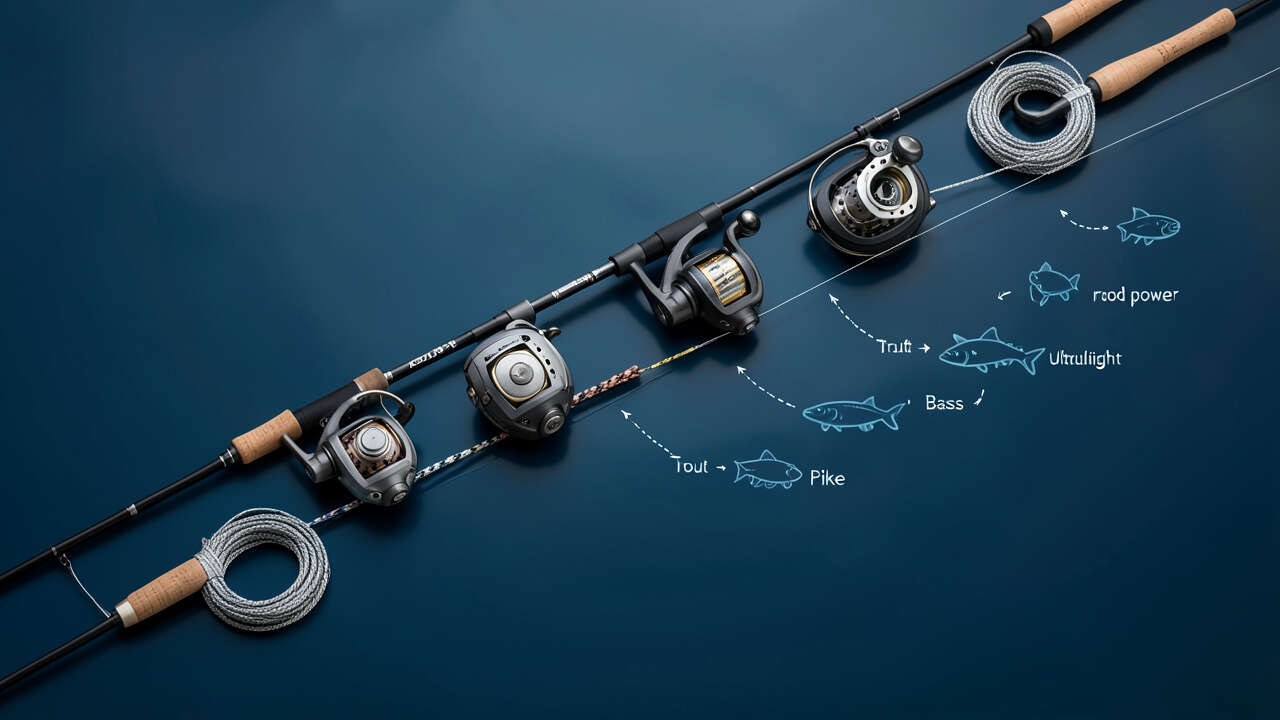
Generally, reel manufacturers provide recommendations for rod compatibility. A small reel (1000-3000) is best paired with lighter rods, often in the ultralight to medium-light power range. Medium reels (4000-5000) work well with medium to medium-heavy rods.
Larger reels (6000+) are designed for heavy or extra-heavy power rods. The goal is to create a balanced setup that feels comfortable and performs optimally.
Drag power scales directly with reel size; large reels can deliver 40 pounds or more, which is necessary to stop fast-running ocean game fish.
Line Capacity Considerations
Line capacity is also tied to reel size. A 1000-size reel might hold 100 yards of 4lb test monofilament. A 10000-size reel could hold 300 yards of 20lb test monofilament or even more of lighter braided line.
The amount of line you need depends on the fish you’re targeting. For fish that make long runs, like tuna or large salmon, you need plenty of line.
Here’s a look at typical line capacities. Remember these are estimates and can vary by manufacturer and line type (monofilament vs. braid):
This comparison helps illustrate the difference in line capabilities across the range. Understanding Spinning Reel Size Explained: 1000 to 10000 by Use Case Today means seeing how these capacities directly support different fishing styles.
Drag Power: The Unsung Hero of Reel Size
Drag power is a critical feature of any spinning reel, and it directly correlates with reel size. Drag is the system within the reel that allows line to be pulled out under tension, preventing your line from breaking when a fish pulls hard. The larger the reel, generally, the more powerful its drag system will be.
Smaller reels might have a maximum drag of 5-10 pounds. This is perfectly adequate for the fish they are designed to catch. Medium reels can offer drag power from 15-25 pounds.
Large reels, especially those designed for offshore saltwater fishing, can have drag capabilities exceeding 30, 40, or even 50 pounds. This immense stopping power is essential when battling large, powerful ocean predators.
Matching reel size to your specific fishing scenario—like using a 1000 reel for trout or a 5000 for inshore redfish—ensures optimal performance.
Matching Drag to Your Target Fish
The amount of drag you need depends on the size and fighting ability of the fish you intend to catch. For small panfish, you might only need 3-5 pounds of drag. For a large tuna or shark, you’ll need significantly more.
The drag system also needs to be smooth and consistent. A jerky or inconsistent drag can cause your line to snap or your knots to fail.
It’s also important to note that the stated maximum drag is often a theoretical limit. For optimal performance and to protect your line and leader, it’s usually best to fish with your drag set at about one-third to one-half of its maximum capacity. This ensures you have plenty of reserve power if needed.
Specific Fishing Scenarios and Reel Sizes
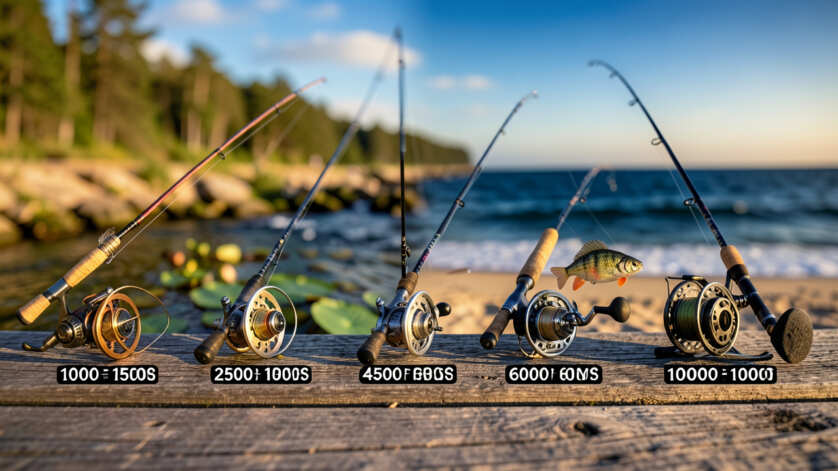
To really nail down the right reel, let’s look at some common fishing scenarios. This is where the Spinning Reel Size Explained: 1000 to 10000 by Use Case Today becomes practical advice.
Scenario 1: Light Freshwater Trout Fishing
You’re casting small spinners or flies into a clear mountain stream. The fish are trout, usually weighing 1-3 pounds. You need a light, sensitive setup for accurate casting and delicate presentations.
A 1000 or 2000 size spinning reel is ideal. Pair it with a 5’6″ to 6’6″ ultralight or light-action rod.
Scenario 2: Bass Fishing on a Lake
You’re targeting largemouth bass in a local lake. You might be using soft plastics, crankbaits, or topwater lures. Bass can range from 1 to 5 pounds, sometimes more.
A versatile 2500 or 3000 size reel is a great choice. This size offers a good balance for casting, line capacity, and drag power for most bass fishing situations. A 6’6″ to 7′ medium-action rod would complement this reel well.
Rinsing your reel with freshwater after saltwater use removes corrosive salt and debris, significantly extending its lifespan.
Scenario 3: Inshore Saltwater Fishing
You’re fishing the flats or nearshore waters for species like redfish, speckled trout, or snook. These fish can be strong and make powerful runs. A 4000 or 5000 size reel is often recommended.
It provides the necessary line capacity and drag to handle these saltwater fighters. A 7′ to 7’6″ medium-heavy action rod is a good match.
Scenario 4: Offshore Saltwater Big Game Fishing
You’re heading out into the ocean to target tuna, dorado, or even smaller sharks. These fish are strong and can pull hard for long periods. You need a reel built for serious power and endurance.
A 6000, 8000, or even a 10000 size spinning reel is essential. These reels have the line capacity, heavy-duty drag, and robust construction required. Pair them with a heavy-action rod, often 7′ to 8′ in length, designed for offshore duty.
This breakdown of common fishing scenarios demonstrates why understanding Spinning Reel Size Explained: 1000 to 10000 by Use Case Today is so important for making the right gear choices.
Maintenance for Longevity
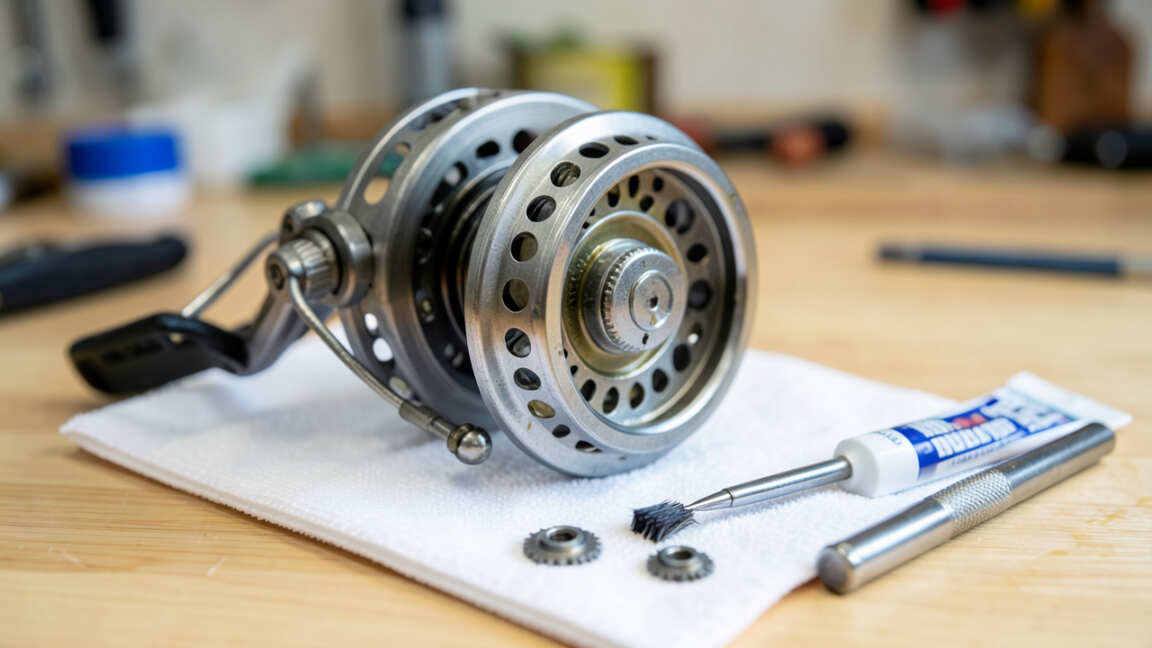
No matter what size spinning reel you choose, proper maintenance is key to its longevity and performance. After each use, especially in saltwater, it’s important to rinse your reel with freshwater. This helps remove salt and debris that can cause corrosion and wear.
Periodically, you’ll need to clean and lubricate your reel. This involves disassembling it (if you’re comfortable doing so, or taking it to a professional), cleaning out old grease and dirt, and applying fresh reel grease and oil. Pay attention to the drag washers; they should be kept clean and lightly greased with a drag-specific lubricant.
Regular maintenance ensures your reel continues to perform smoothly and reliably for years to come.
Frequently Asked Questions
What is the most common spinning reel size for beginners?
For beginners, a 2500 or 3000 size spinning reel is often the most versatile. It handles a wide range of freshwater fishing and some light saltwater applications, making it a great all-around choice.
Can I use a large spinning reel for small fish?
While you can, it’s generally not recommended. A large reel can be too heavy and unbalanced on a light rod, making casting and fishing less enjoyable. It can also overpower small fish, making the fight less exciting.
How does braided line affect spinning reel size choice?
Braided line is thinner than monofilament for the same strength. This means you can often fit more braided line on a reel of a certain size, or you can use a smaller reel than you would with monofilament for the same line capacity. This can be a factor in Spinning Reel Size Explained: 1000 to 10000 by Use Case Today when you want to maximize line capacity.
Is a 4000 spinning reel good for surf fishing?
A 4000 size reel can be used for some lighter surf fishing, especially from piers or jetties. However, for casting long distances from the beach and targeting larger surf species, a 6000 to 10000 size reel is usually more appropriate due to its greater line capacity and drag power.
Do I need a different reel size for saltwater than freshwater?
Not necessarily a different size, but often a different type and construction. Saltwater reels are built to withstand corrosion and are generally more robust. A 4000 size reel for freshwater might be comparable in physical size to a 4000 size reel for saltwater, but the saltwater version will have better sealing and materials.
How do I know when to use a 6000 vs an 8000 reel?
The choice between a 6000 and an 8000 reel often comes down to the size of the fish you expect to catch and how much line you anticipate needing. An 8000 reel offers more line capacity and typically more drag power, making it suitable for larger offshore species or situations where fish are known to make very long runs.
Final Thoughts
Choosing the right spinning reel size is about matching your gear to your target fish and fishing style. From the delicate 1000s for trout to the mighty 10000s for offshore giants, each size has its purpose. By understanding how reel size impacts line capacity, drag, and balance, you can select the perfect reel for more enjoyable and successful fishing adventures.

One Comment