Tokyo Rig Vs Carolina Rig: Which Bass Rig Performs Better
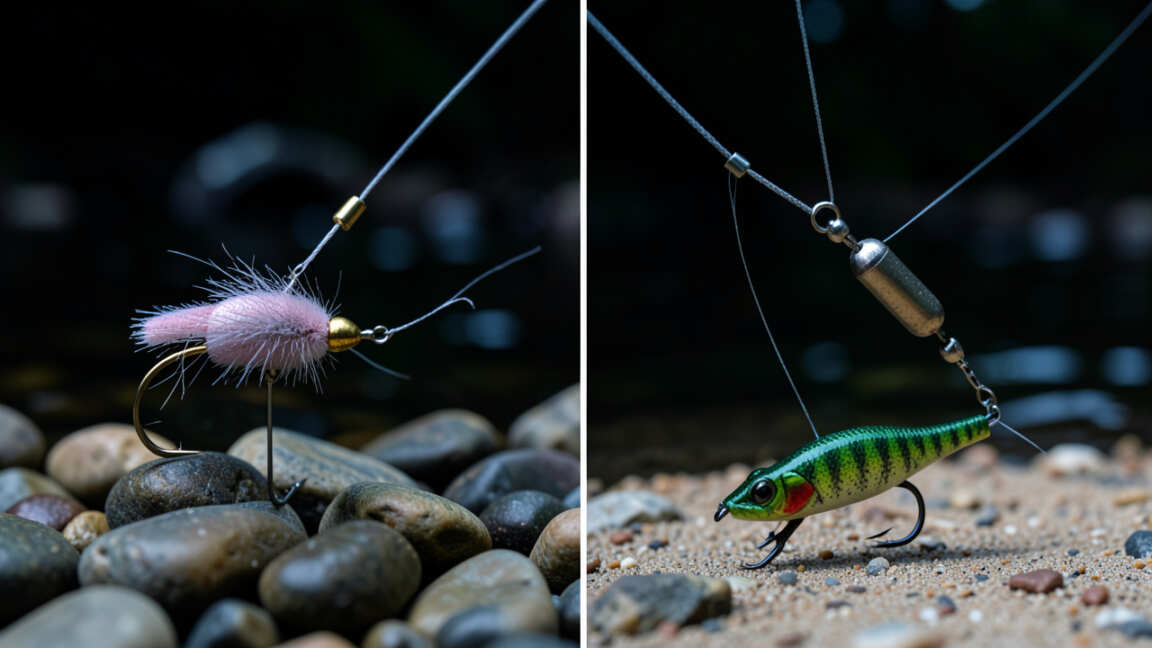
The Tokyo rig performs better than the Carolina rig when fishing requires precise bait presentation above cover or structure, while the Carolina rig excels at covering expansive water and dragging baits along the bottom. The Tokyo rig keeps the bait elevated with a weighted head and swivel, making it ideal for finicky bass in heavy vegetation or around docks. For scattered bass over open flats or deep channels, the Carolina rig’s sliding weight and long leader deliver efficient bottom contact and natural action.
When you’re out on the water, trying to catch more bass, you want your bait to work just right. Sometimes, the way you rig your bait makes all the difference. You might be wondering about the Tokyo Rig vs Carolina Rig: Which Bass Rig Performs Better.
Choosing the right setup helps your lure move naturally, getting the attention of those hungry fish. This guide will show you how each rig works, when to use it, and how to pick the best one for your fishing trip so you can bring home more bass.
Key Takeaways
- Understand the basic setup and advantages of the Tokyo Rig for presenting bait higher in the water column.
- Learn how the Carolina Rig excels at dragging baits along the bottom and covering large areas.
- Discover the key differences in bait presentation and action between the Tokyo Rig and the Carolina Rig.
- Identify specific fishing conditions and bass behaviors that favor one rig over the other.
- Gain practical tips on how to effectively tie and fish both the Tokyo Rig and the Carolina Rig.
- Make informed decisions to improve your bass fishing success by choosing the right rig for the job.
Making Your Bait Stand Out: The Tokyo Rig Advantage
The Tokyo Rig is a relatively newer setup that has gained popularity for its unique way of presenting soft plastic baits. Its main feature is a wire arm that holds the hook, keeping the bait elevated above the weight. This design is fantastic for getting your bait to stand out.
It lifts the bait off the bottom, making it more visible to bass lurking nearby. This rig is especially good when bass are a bit suspended or not actively feeding on the bottom.
One of the biggest benefits of the Tokyo Rig is its weedless nature. Because the hook is often hidden within the bait, it slides through cover like grass and wood much easier. This means fewer snags and more time fishing.
You can rig a variety of soft plastics on it, from creature baits to craws and fluke-style lures. The wire arm also allows for excellent hook-up ratios because the hook is free to move. When you get a bite, the hook sets cleanly.
How the Tokyo Rig Works
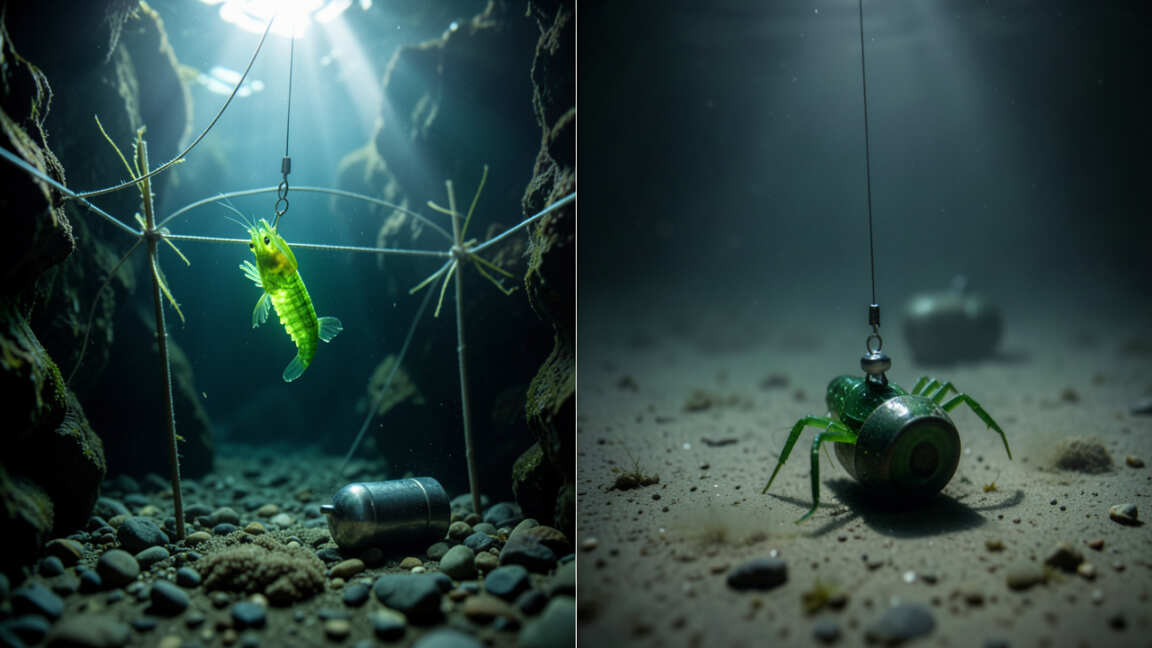
The core of the Tokyo Rig is a metal arm with a loop on one end and a hook attached to the other. A weight, often a bullet-shaped sinker or a specialized weight designed for the rig, slides onto the wire arm. The soft plastic bait is then threaded onto the hook.
The weight sits below the bait, and the wire keeps the bait at a consistent distance above it. This separation is key to its effectiveness.
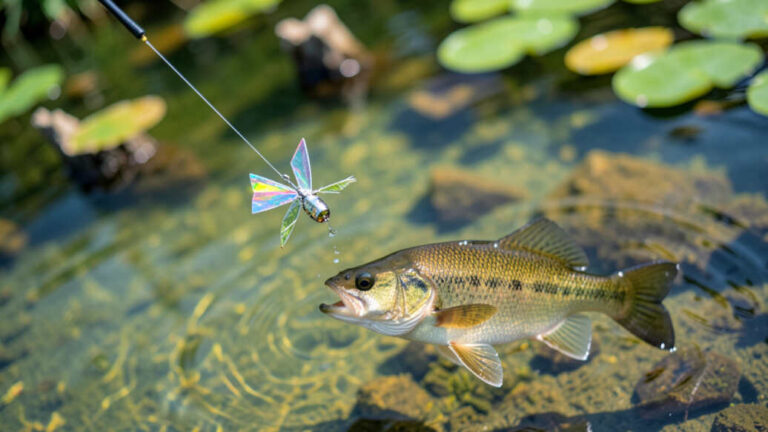
When bass are suspending a few feet off the bottom, the Tokyo Rig’s elevated bait presentation can trigger strikes from fish that ignore bottom-dragged offerings.
When you cast a Tokyo Rig, the weight hits the bottom first. However, your bait stays suspended above it. This creates a natural, almost floating presentation.
It’s like the bait is trying to swim away or is being blown by the current. This is very different from rigs where the bait sits directly on the bottom. It can trigger strikes from bass that might ignore a bait sitting on the substrate.
When to Choose the Tokyo Rig
This rig shines in situations where you need to present your bait just off the bottom. Think about fishing over submerged grass beds, around docks, or near laydown logs. If you notice bass are holding a few feet off the bottom, or if they are showing interest but not committing to bottom-baited offerings, the Tokyo Rig can be your secret weapon.
It’s also great in current, as the bait will dance and move enticingly.
Another great time to use the Tokyo Rig is when you want a more weedless setup. If you’re fishing in thick vegetation or areas with a lot of debris, the rig’s ability to slide through cover is invaluable. It allows you to target areas that might be too difficult for other rigs to navigate without constant hang-ups.
This leads to more productive fishing and less frustration.
Covering Ground and Finding Bass: The Carolina Rig Strategy
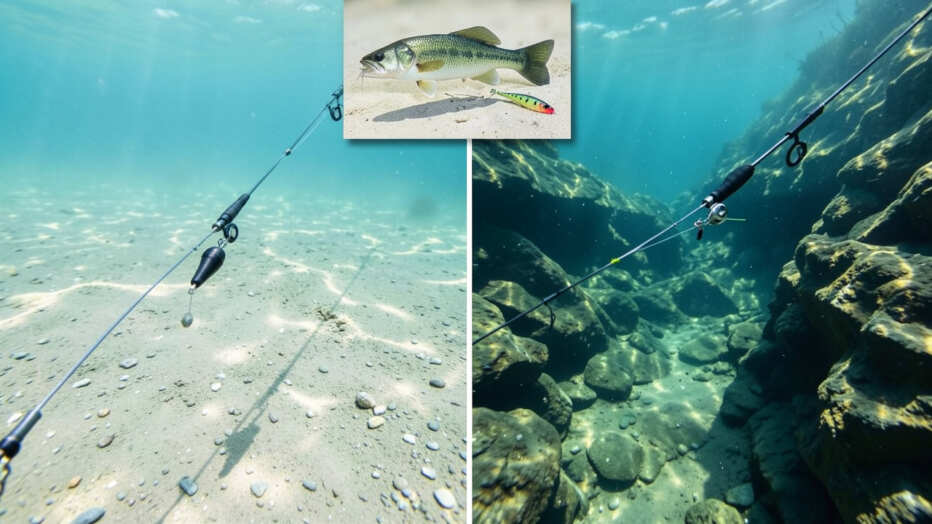
The Carolina Rig has been a bass fishing staple for decades. It’s a classic setup known for its ability to cover a lot of water and effectively fish along the bottom. The rig consists of a weight, usually a bullet or egg sinker, followed by a bead, a swivel, and then a leader line with your hook and bait.
This arrangement allows the weight to drag along the bottom while the bait trails behind, presenting a natural, free-swimming lure.
This setup is incredibly versatile. You can use a wide variety of soft plastics on a Carolina Rig, including lizards, worms, craws, and grubs. The long leader line gives the bait a lot of freedom to move.
This natural action is often irresistible to bass, especially those that are staging or actively feeding on the bottom. It’s a go-to rig for searching for active fish or working large, productive areas.
How the Carolina Rig Works
The weight of the Carolina Rig is placed on the main line, ahead of a bead and swivel. The bead protects the knot from the weight. The swivel connects the main line to a leader line, which is typically 18 to 36 inches long.
The hook and bait are tied to the end of the leader. When you drag the rig, the weight slides along the bottom, kicking up sediment and attracting attention. The bait follows, creating a lifelike presentation.
For locating scattered bass across a wide area, slowly dragging a Carolina Rig is an efficient way to cover water and pinpoint active fish.
The key to the Carolina Rig is the separation between the weight and the bait. This separation allows the bait to float and move more naturally, imitating prey that is trying to escape or is being moved by subtle water currents. Bass often see the weight first, and then the natural-looking bait trailing behind can trigger a predatory response.
This is especially effective when bass are looking for an easy meal.
When to Choose the Carolina Rig
The Carolina Rig is an excellent choice when you need to cover a lot of water and find active bass. It’s perfect for fishing large flats, points, humps, and drop-offs. If you’re unsure of where the bass are holding, or if they are scattered across a wide area, casting and slowly dragging a Carolina Rig is a great way to locate them.
It’s also very effective during warmer months when bass tend to spread out.
This rig is also ideal for fishing in areas with less cover, such as sand, gravel, or mud bottoms. While it can be fished through some weeds, it’s not as weedless as the Tokyo Rig. However, its ability to detect bottom changes and subtleties is superb.
You can feel the weight tick over rocks or drag through softer substrate, giving you valuable information about the underwater terrain and potentially leading you to bass holding spots.
Tokyo Rig vs Carolina Rig: Which Bass Rig Performs Better? A Direct Comparison
Deciding between the Tokyo Rig vs Carolina Rig: Which Bass Rig Performs Better depends heavily on the conditions you’re facing and the behavior of the bass. Both rigs are designed to catch bass, but they do so in different ways. Understanding these differences is crucial for maximizing your success on the water.
It’s not about which rig is universally superior, but rather which rig is superior for a specific situation.
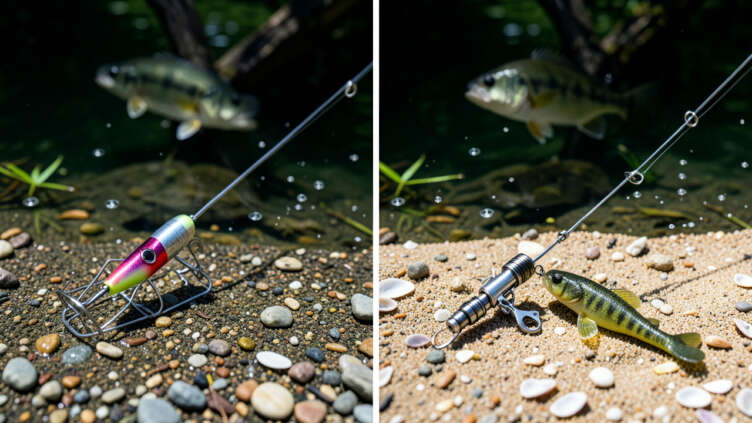
The primary distinction lies in how they present the bait. The Tokyo Rig lifts the bait off the bottom, creating a suspended presentation that is highly visible and weedless. The Carolina Rig drags the bait along the bottom, relying on its natural movement and the disturbance created by the weight to attract fish.
This fundamental difference dictates where and when each rig is most effective. Mastering both allows you to adapt to various bass fishing scenarios.
Factors Influencing Your Choice
When you’re thinking about the Tokyo Rig vs Carolina Rig: Which Bass Rig Performs Better, consider these key factors. The type of structure you’re fishing is a big one. If you’re in thick grass or around a lot of wood, the Tokyo Rig’s weedless design is a huge advantage.
It lets you get into places where a Carolina Rig might get stuck. This means you can fish more effectively in those challenging spots.
The Carolina Rig drags bait along the bottom, relying on natural movement and weight disturbance, while the Tokyo Rig lifts the bait above the bottom for a more visible, dynamic presentation.
Water clarity also plays a role. In clearer water, the subtle, natural movement of a Carolina Rig can be very effective. Bass have more time to see and react to the bait.
In stained or muddy water, the elevated presentation and visibility of the Tokyo Rig can make a big difference. The bait stands out more, and the weight kicking up a little silt can draw attention.
Bait Selection and Action
The type of soft plastic you choose will also influence which rig works best. The Tokyo Rig works well with baits that have a lot of action when stationary or moved slightly, like creature baits or finesse worms. The elevated position allows these baits to flutter and wiggle enticingly.
You want baits that have a natural look and movement when suspended.
For the Carolina Rig, longer, more natural-looking baits like ribbon tail worms or lizards are traditional choices. These baits have a lifelike action when dragged along the bottom. Their movement imitates escaping prey, which is a strong trigger for bass.
The longer leader allows these baits to move freely and naturally, making them very appealing to bottom-dwelling fish.
Mastering the Techniques: How to Tie and Fish Each Rig
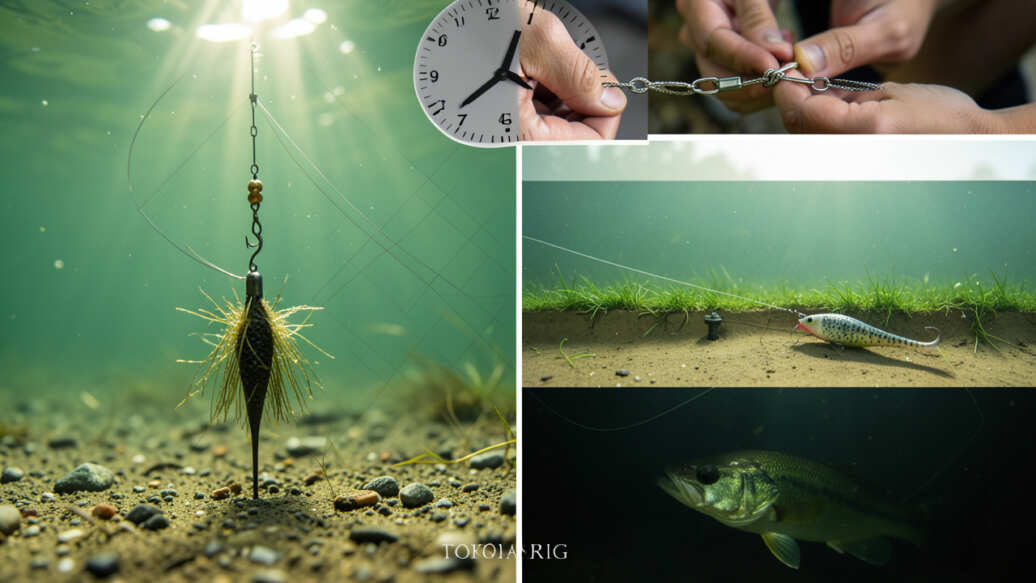
Knowing how to properly tie and fish each rig is just as important as choosing the right one. A well-tied rig performs better and lasts longer. Taking a few moments to perfect your knot and bait rigging will pay off in more fish caught.
Tying and Fishing the Tokyo Rig
To tie a Tokyo Rig, you’ll start with a specialized wire arm. Slide your chosen weight onto the wire. Then, thread your hook onto the wire arm, ensuring the hook eye is snug against the weight or a stopper on the wire.
Finally, thread your soft plastic bait onto the hook. Make sure the hook is buried cleanly for maximum weedlessness.
When fishing the Tokyo Rig, cast it to your target area and let the weight hit the bottom. Then, use a slow retrieve, a hop-and-stop technique, or even a slight jigging motion. The goal is to keep the bait slightly above the bottom, showing off its action.
Investing time in perfecting your knot and bait rigging for each setup directly improves hook-up ratios and extends the life of your tackle.
You want to feel the weight dragging gently, but keep the bait dancing in the water column. Pay close attention to subtle bites, as bass often inhale the bait with the Tokyo Rig.
Tying and Fishing the Carolina Rig
For the Carolina Rig, you’ll start by tying a strong knot, like a Palomar knot, to your main line. Slide on your weight, followed by a bead, and then tie on your swivel. The length of your leader line can vary, but 18 to 36 inches is common.
Tie your hook to the other end of the leader line. Thread your soft plastic bait onto the hook, ensuring it’s rigged straight and weedless.
Fishing the Carolina Rig involves a slow, steady retrieve. Cast your rig out and let the weight settle on the bottom. Then, drag the rig along the bottom using your reel.
Lift your rod tip slightly, reel a short distance, and let the weight settle again. This process covers ground effectively. Feel for the weight ticking over structure or any subtle taps that indicate a bite.
Set the hook firmly when you feel a fish.
When One Rig Outperforms the Other
There are specific scenarios where one rig clearly has an edge over the other. Understanding these situations helps you make quick, effective decisions on the water. This knowledge is what separates good anglers from great ones when it comes to rig selection.
Situations Favoring the Tokyo Rig
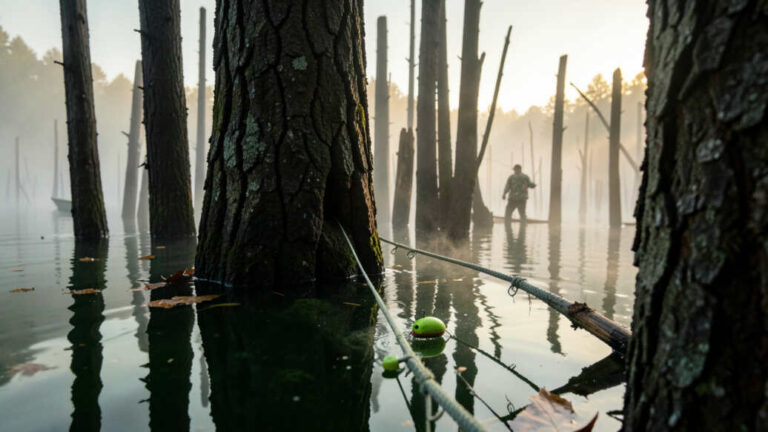
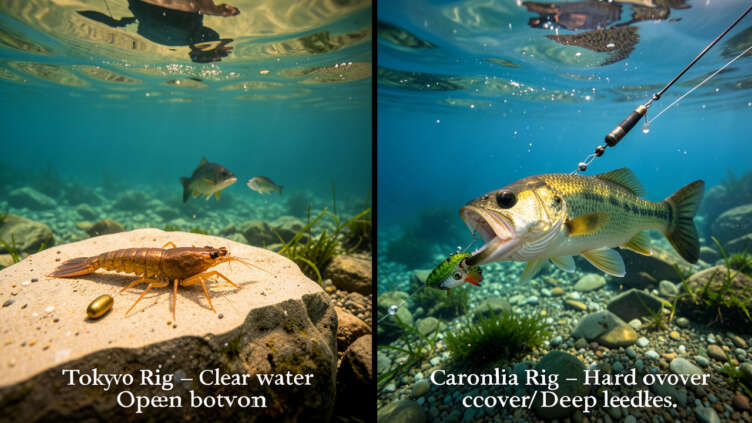
The Tokyo Rig excels when fishing around heavy cover like submerged trees, brush piles, or thick vegetation. Its weedless design allows you to probe these areas without constant snagging. If you see bass suspended over structure or holding tight to cover, the Tokyo Rig’s ability to keep your bait just above them is a game-changer.
It’s also great in current, where the bait can be presented in a more dynamic way.
If bass are being finicky or have seen a lot of pressure, the unique presentation of the Tokyo Rig can fool them. The elevated bait might look like an easy meal that isn’t trying to escape too hard. This rig is often a good choice when other methods aren’t producing, suggesting the bass might be looking for something different.
Avoid using a Carolina Rig in heavy cover like submerged trees; the Tokyo Rig’s weedless design prevents constant snagging and allows precise bait placement near structure.
It’s a specialized tool for specific, challenging conditions.
Situations Favoring the Carolina Rig
The Carolina Rig is your best friend when you need to cover large areas of open water or find scattered bass. It’s perfect for working expansive flats, humps, or ledges. If you’re in a new lake or an area where you don’t know the exact fish locations, the Carolina Rig allows you to systematically search.
Its ability to detect bottom changes is also invaluable for finding key bass holding spots.
When bass are actively feeding on the bottom and moving around, the Carolina Rig is highly effective. This often happens during warmer months or when bass are staging before or after spawning. The long leader allows for a very natural bait presentation that can entice even cautious biters.
It’s a proven search bait that consistently puts fish in the boat when used correctly.
Frequently Asked Questions
Question: Is the Tokyo Rig better than the Carolina Rig for fishing in deep water?
Answer: The Tokyo Rig can be effective in deeper water if bass are suspended off the bottom. However, the Carolina Rig is generally better for covering large areas of deep bottom structure because its weight helps it stay down and drag effectively.
Question: Can I use the same bait on both the Tokyo Rig and the Carolina Rig?
Answer: Yes, you can use similar baits like worms or craws on both rigs, but their effectiveness may vary. The Tokyo Rig often shines with baits that have a lot of action when stationary, while the Carolina Rig works well with baits that have a lifelike, dragging action.
Question: Which rig is easier for beginners to tie and fish?
Answer: The Carolina Rig is generally considered easier for beginners to tie and master the casting and retrieving technique. The Tokyo Rig requires a bit more familiarity with specialized components.
Question: When should I consider the Tokyo Rig vs Carolina Rig: Which Bass Rig Performs Better for shallow water?
Answer: For shallow water with a lot of cover, the Tokyo Rig is often better due to its weedless nature. For shallow, open flats, the Carolina Rig can be effective for covering ground.
Question: Does the weight of the rig matter for the Tokyo Rig vs Carolina Rig comparison?
Answer: Yes, weight selection is important for both. A heavier weight on a Carolina Rig helps it stay down and feel the bottom better. For a Tokyo Rig, the weight affects how high the bait is suspended and how it moves in the water.
Question: How does the hook-up ratio compare between the Tokyo Rig and Carolina Rig?
Answer: Both rigs generally offer good hook-up ratios. The Tokyo Rig often has a slight edge because the hook is more freely exposed and can be set easily. The Carolina Rig relies on the hook on the leader, which also sets well.
Final Thoughts
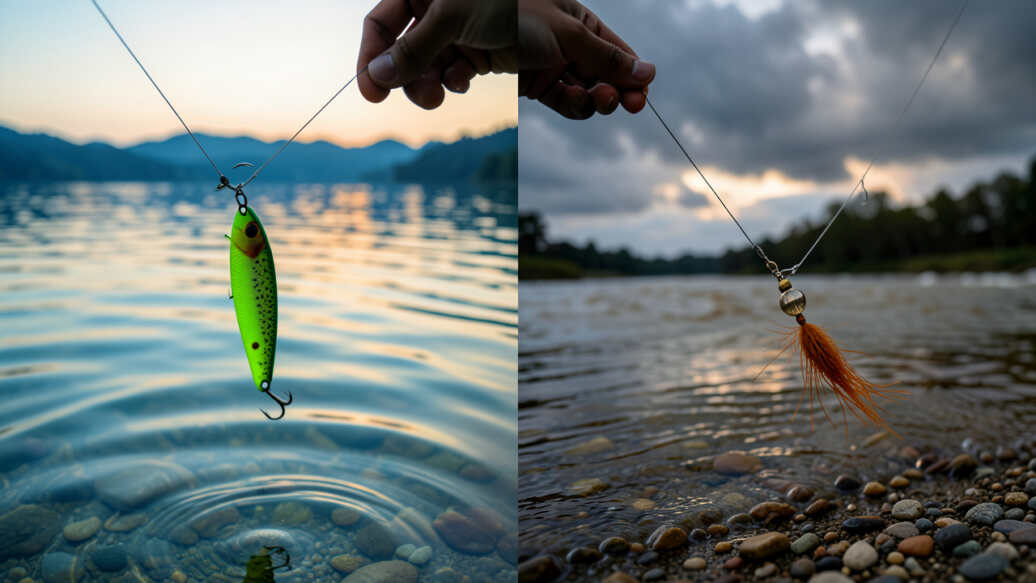
Choosing between the Tokyo Rig and the Carolina Rig depends on where the bass are and how they’re behaving. The Tokyo Rig lifts your bait for visibility and weedlessness, while the Carolina Rig drags along the bottom to cover ground. Understanding these differences helps you pick the right setup to catch more bass.