
Bass Fishing Basics Every New Angler Should Master First
Mastering bass fishing basics every new angler should master first starts with understanding essential gear, locating bass, and practicing fundamental casting and retrieval techniques. Choosing the right rod and reel combo, suitable fishing line, and basic tackle box essentials provides a reliable foundation without requiring a large investment. Finding bass relies on recognizing their habitats, such as cover and structure, and adapting to seasonal movements that influence where fish hold throughout the year. Developing accurate casts and simple retrieves builds confidence on the water and directly increases the likelihood of landing more bass.
Getting started with bass fishing can seem a little overwhelming. You want to catch some fish, but where do you begin? Focusing on a few core techniques will make a big difference in your success and enjoyment on the water.
Mastering these Bass Fishing Basics Every New Angler Should Master First will build your confidence and help you land more fish, turning frustrating trips into rewarding ones. You’ll learn what gear to use, how to find bass, and the best ways to present your bait to get those exciting bites.
Key Takeaways
- Understanding essential bass fishing gear will help you start on the right foot.
- Learning how to locate bass is crucial for increasing your catch rates.
- Basic casting and retrieval techniques are fundamental for presenting lures effectively.
- Knowing different bait types and when to use them opens up more fishing opportunities.
- Understanding bass behavior helps you predict where they might be and how to catch them.
- Practicing these core skills will build confidence and make fishing more enjoyable.
Choosing Your First Bass Fishing Gear
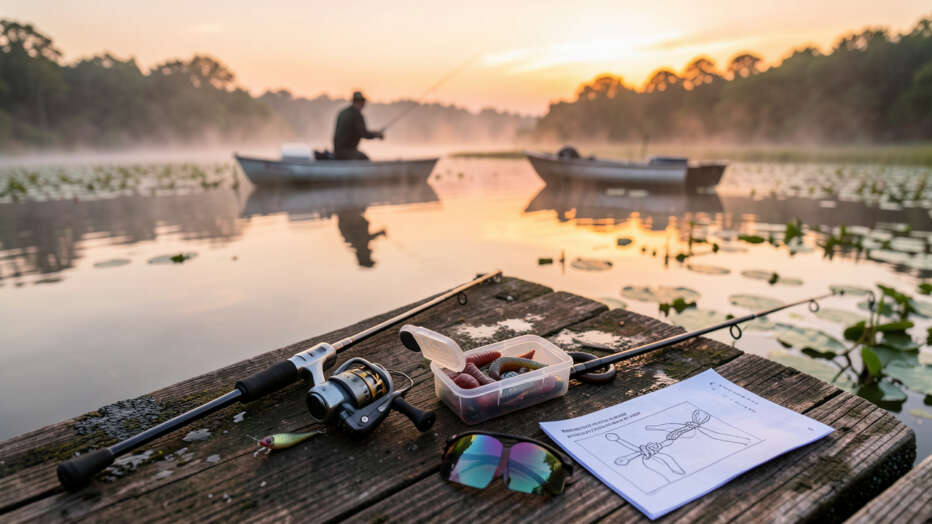
Starting out in bass fishing doesn’t require a huge investment. You need a few key pieces of equipment that will serve you well. Think of it as building a solid foundation for your fishing adventures.
Getting the right gear makes a big difference in how much fun you have and how successful you are.
The Right Rod and Reel Combo
For beginners, a spinning rod and reel combo is usually the best choice. These are easier to cast and manage than baitcasting setups. Look for a medium-action rod, about 6 to 7 feet long.
This length offers a good balance for casting distance and fighting fish. The reel should be a matching spinning reel with a smooth drag system. A smooth drag is vital for preventing fish from breaking your line when they make a strong run.
This setup is versatile for many bass fishing techniques.
The action of the rod refers to how much it bends when you put pressure on it. A medium action bends in the middle of the rod. This provides a good compromise between casting distance and the ability to set the hook effectively.
A faster action rod bends more towards the tip, good for quick hook sets, while a slower action rod bends more towards the handle, offering more flex for lighter lures.
A medium-action rod's stretch helps absorb shock, preventing you from pulling the hook out of a fish's mouth.
Essential Fishing Line
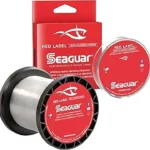
Monofilament line is a great starting point for new bass anglers. It’s affordable, floats well, and has a good amount of stretch. This stretch can help absorb the shock of a fish hitting your lure, preventing you from pulling the hook out of its mouth.
A line strength of 8 to 12-pound test is generally good for most bass fishing situations. This range is strong enough for many bass but light enough to cast smaller lures effectively.
Other line types like fluorocarbon and braided line have their uses, but monofilament is the most forgiving for beginners. Fluorocarbon sinks and has less stretch, offering better sensitivity. Braided line is very strong and has no stretch, great for fishing in heavy cover, but requires a different approach to hook sets.
Stick with monofilament until you get comfortable.
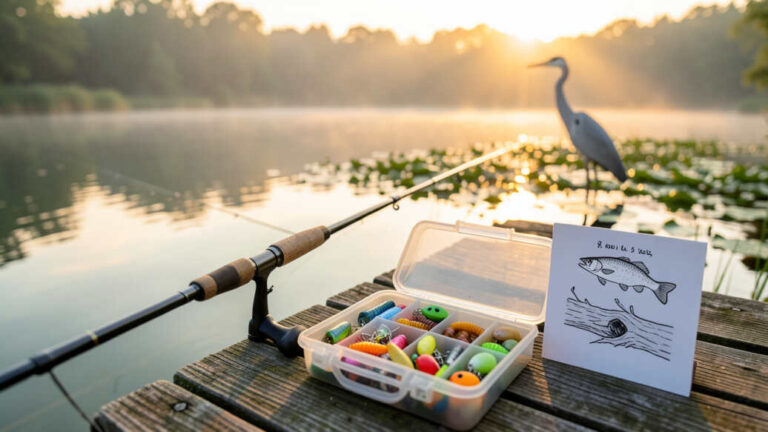
Basic Tackle Box Essentials
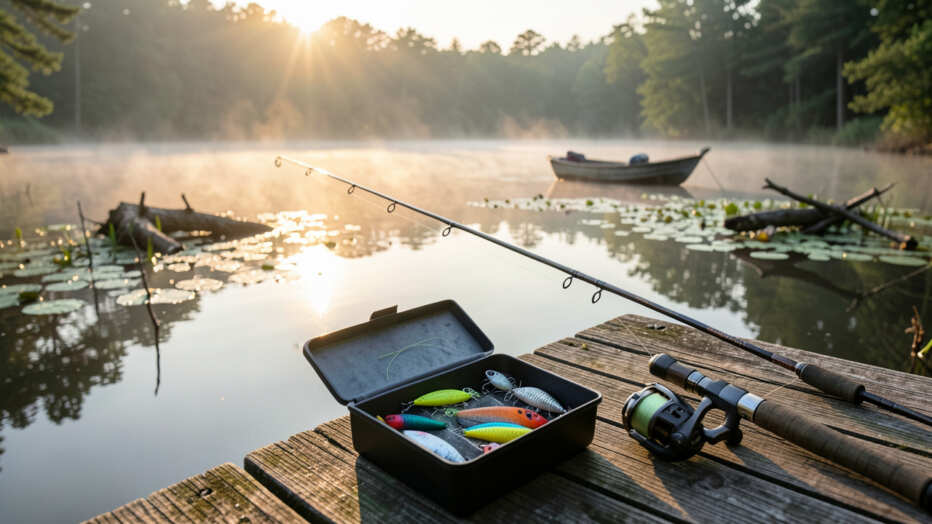
Your tackle box needs a few key items to get you started. You’ll want a variety of hooks, especially worm hooks in sizes 1/0 to 4/0. These are perfect for rigging soft plastic baits.
Also, include some bullet-shaped sinkers, around 1/8 to 1/4 ounce. These are used for Texas-rigging soft plastics. A few swivels can be helpful for attaching lures, though not always necessary.
Don’t forget a pair of fishing pliers. These are indispensable for removing hooks from fish safely and for cutting line. A small fishing license holder and a tape measure to check fish size are also good additions.
Keep your tackle organized so you can find what you need quickly on the water.

Finding Bass: Where to Look
Bass are found in many types of water, from small ponds to large lakes. Knowing where they like to hang out will dramatically increase your chances of success. Bass are predators, so they often position themselves where they can ambush their prey.
Understanding this helps you target the right spots.
Understanding Bass Habitats
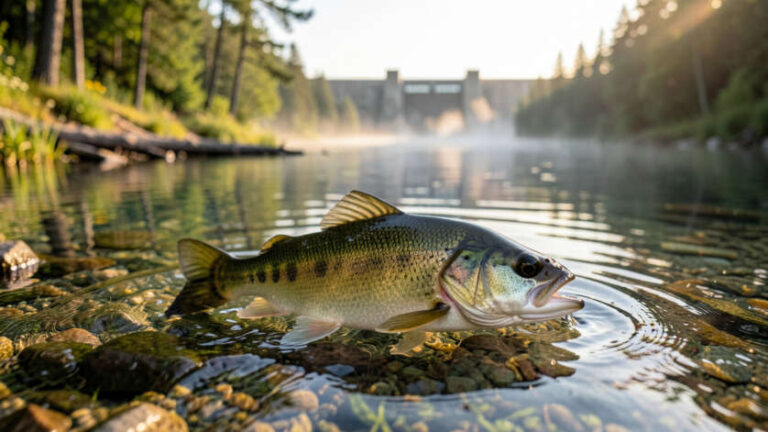
Bass are structure-oriented fish. This means they like to be near something they can hide in or around. Common types of structure include submerged logs, fallen trees, rocks, docks, and weed beds.
These areas provide cover from predators and also attract baitfish, which bass feed on. In clear water, they may be found in deeper areas. In stained or murky water, they often move closer to the bank.
Look for points that jut out into the water. These are natural funnels where baitfish might travel. Also, check out creek channels or drop-offs.
Understanding that bass position themselves to ambush prey is key to targeting the right fishing spots.
Bass will often patrol these areas, especially during different times of the year. Consider the time of day and the weather conditions, as these can influence where bass are located.
Seasonal Bass Movements
Bass behavior changes with the seasons. In the spring, as water temperatures warm, bass move shallower to spawn. This is a great time to catch them near the bank.
During the summer, they often move to deeper, cooler water, especially during the hottest parts of the day. Look for them around underwater structure or in the shade of overhanging trees.
In the fall, bass become more active as they feed up for winter. They will often school up and chase baitfish in shallower areas. Winter usually sees bass moving to deeper, more stable water.
They become less active, but can still be caught with slow-moving baits. Learning these seasonal patterns is a key part of mastering Bass Fishing Basics Every New Angler Should Master First.
Casting and Retrieval Techniques
Once you’ve found a promising spot, you need to get your lure to the fish. Proper casting and retrieval are fundamental skills. They allow you to present your bait naturally and effectively.
Making Accurate Casts
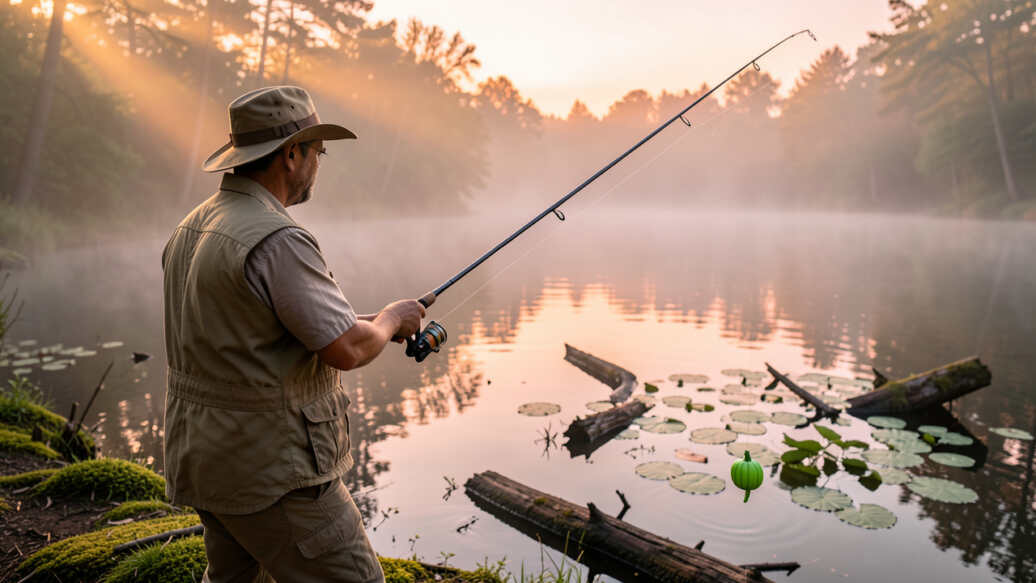
Accuracy is often more important than distance. You want to be able to place your lure precisely where you think the bass are hiding. For spinning gear, open the bail, hold the line with your index finger, swing the rod back, and then forward, releasing the line as the rod tip passes the 10 o’clock position.
Practice this motion to get a feel for it. Aim for the target, not just the general area.
Try to avoid backlashes or tangles. These can ruin your fishing trip. Keep your lure weight appropriate for your rod and reel.
Accuracy is often more important than distance when casting.
A lure that’s too light won’t cast well, and one that’s too heavy can damage your gear. Consistent practice will improve your casting accuracy significantly.
Effective Retrieval Methods
How you reel in your lure is just as important as casting it. Different lures require different retrieves. For a simple soft plastic worm on a Texas rig, a slow, steady retrieve with occasional pauses is often effective.
This mimics a worm or other small creature moving along the bottom.
For lures like crankbaits or jerkbaits, you’ll use a more varied retrieve. This might involve a steady crank followed by a pause, or a series of short, sharp pulls (jerks) followed by a pause. The key is to make your lure look alive and enticing.
Watch how professional anglers retrieve their lures and try to mimic them. Experimenting with different speeds and pauses is a great way to figure out what the bass want on any given day.
Choosing the Right Bass Lures
The world of bass lures can seem endless, but a few types will cover most situations. Understanding what each lure imitates and how it works is a big step in learning Bass Fishing Basics Every New Angler Should Master First.
Soft Plastic Baits
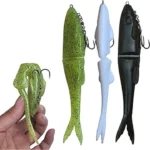
Soft plastics are incredibly versatile and effective for bass fishing. Worms, lizards, crawfish, and swimbaits are popular choices. They can be rigged in many ways, such as the Texas rig, Carolina rig, or wacky rig.
The Texas rig is a favorite for fishing around cover because the hook point is buried in the plastic, making it weedless.
These baits are often best fished slowly. The subtle movements and action of the plastic can entice even a hesitant bass to bite. They are also very forgiving for beginners and can be fished effectively in a variety of water conditions.
Learning to rig them correctly is a fundamental skill.
Hard Baits: Crankbaits and Jerkbaits
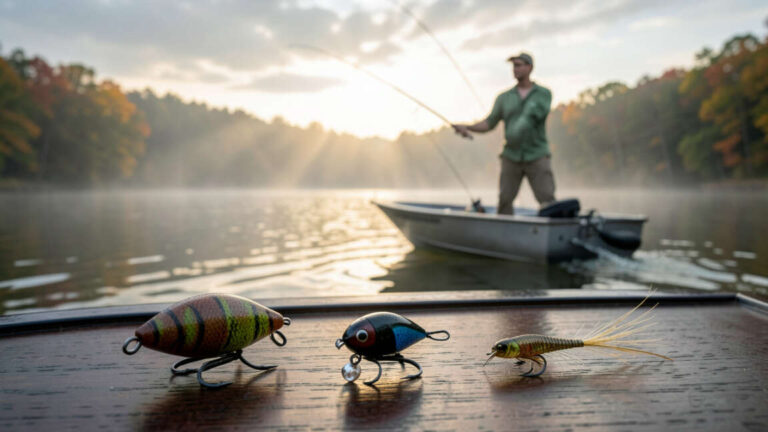
Hard baits like crankbaits and jerkbaits mimic baitfish. Crankbaits have a lip that causes them to dive and wobble through the water. They come in various depths and actions.
Use the Texas rig for fishing around cover because the hook point is buried, making it weedless.
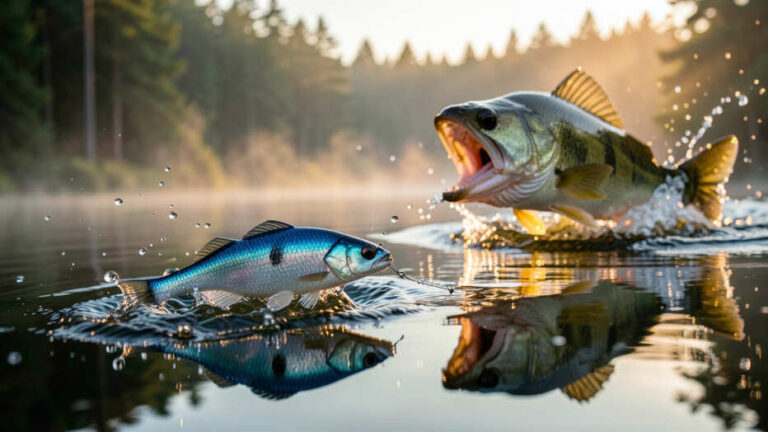
Jerkbaits are typically fished with a twitch-and-pause retrieve, mimicking a wounded baitfish. These lures can be very effective when bass are actively feeding on schooling baitfish.
When using crankbaits, pay attention to the depth they are designed to run at. You want the lure to bump along the bottom or tick submerged structure. For jerkbaits, the pause is often when the fish bite, so don’t be too quick to reel in after a twitch.
These lures can cover a lot of water quickly.
Spinnerbaits and Buzzbaits
Spinnerbaits and buzzbaits are excellent search baits. They create a lot of vibration and flash, which can attract bass from a distance. Spinnerbaits have one or more blades that spin, while buzzbaits have a propeller that churns the surface of the water.
Both are great for fishing in stained water or around vegetation.
These lures can be retrieved at a steady pace. You can also vary the retrieve speed or add a pause to trigger strikes. They are particularly effective in shallower water and can be a good choice when you’re not sure where the bass are.
Mastering these lures is part of the Bass Fishing Basics Every New Angler Should Master First.
Understanding Bass Behavior
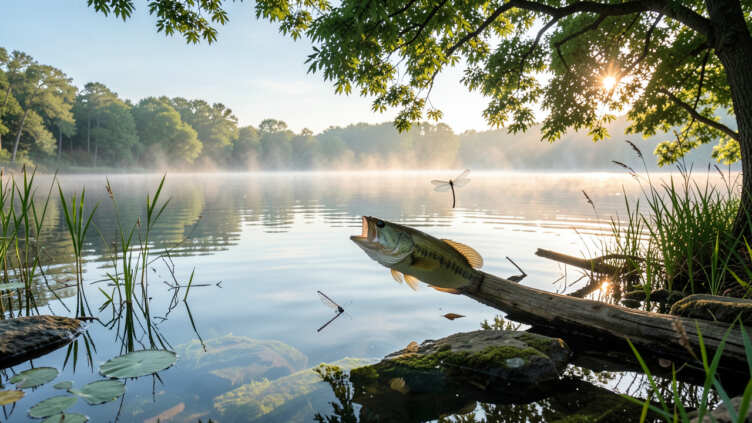
Bass are not just passive targets; they are intelligent predators with specific behaviors. Understanding why they do what they do will make you a much more successful angler.
Feeding Triggers
Bass feed for several reasons. They need to eat to survive, but they also feed aggressively when they are trying to grow or when conditions are optimal. Factors like water temperature, light levels, and the availability of prey all influence their feeding habits.
When baitfish are present, bass will often feed actively.
They are also opportunistic feeders. If something looks easy to catch and is moving near them, they might strike. This is why lures that mimic injured prey can be so effective.
Don't discount fishing midday; bass may be waiting for the right lure even in bright conditions.
Paying attention to what the bass are keyed in on, whether it’s small minnows or larger crawfish, will help you choose the right lure and retrieve.
When to Fish
The best time to fish for bass often depends on the season and the time of day. Early mornings and late evenings are typically prime times, especially during the warmer months. This is when bass are often most active and moving up from deeper water to feed.
Overcast days can also be excellent, as the lower light levels allow bass to feed closer to the surface for longer periods.
During the midday sun of summer, bass may retreat to deeper water or the shade of cover. If you are fishing during these times, focusing on structure and deeper areas can be more productive. However, don’t discount fishing in the middle of the day; sometimes the bass are just waiting for the right lure to come by.
Learning these nuances is a vital part of the Bass Fishing Basics Every New Angler Should Master First.
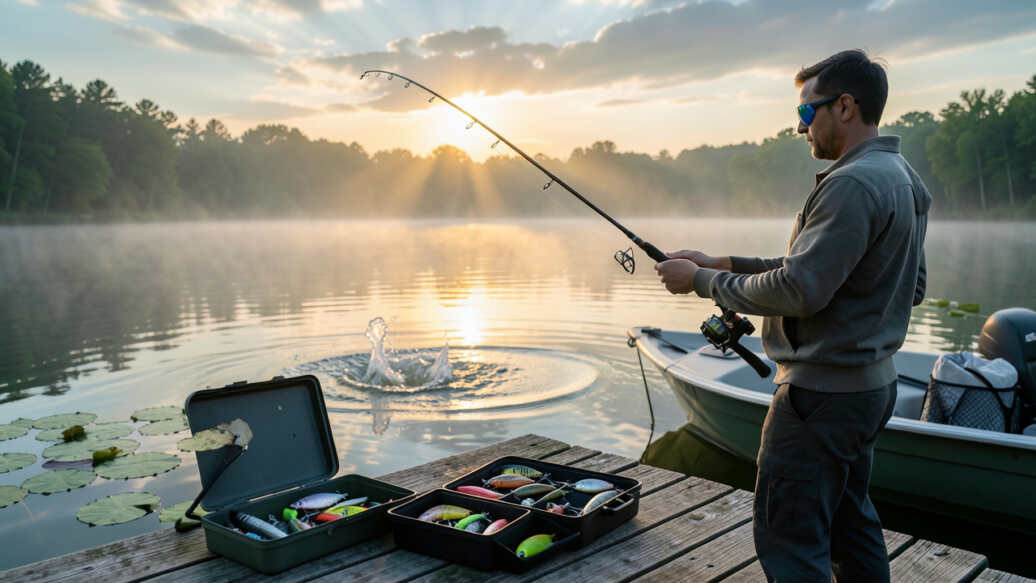
Putting It All Together: A Typical Day
Imagine you’re heading out on a lake for the first time with your new gear. Here’s how you might approach it, applying the Bass Fishing Basics Every New Angler Should Master First. The U.S. Fish and Wildlife Service provides authoritative information on largemouth bass fishing.
Start by rigging a Texas-rigged soft plastic worm and casting near cover like fallen trees or docks.
- First, rig up your spinning rod with a medium-action rod, 8-pound monofilament line, and a Texas-rigged soft plastic worm.
- Next, find a likely spot near the bank with some visible cover, like a fallen tree or a dock.
- Then, make an accurate cast to place your worm near the cover. Let it sink to the bottom.
- After it hits the bottom, slowly drag the worm along, pausing occasionally. Feel for any subtle taps or weight changes.
- If you don’t get a bite, try a different type of soft plastic or a different lure like a spinnerbait, and work a different part of the lake.
- Finally, remember to be patient and enjoy the process. Learning takes time, and every fishing trip is a learning opportunity.
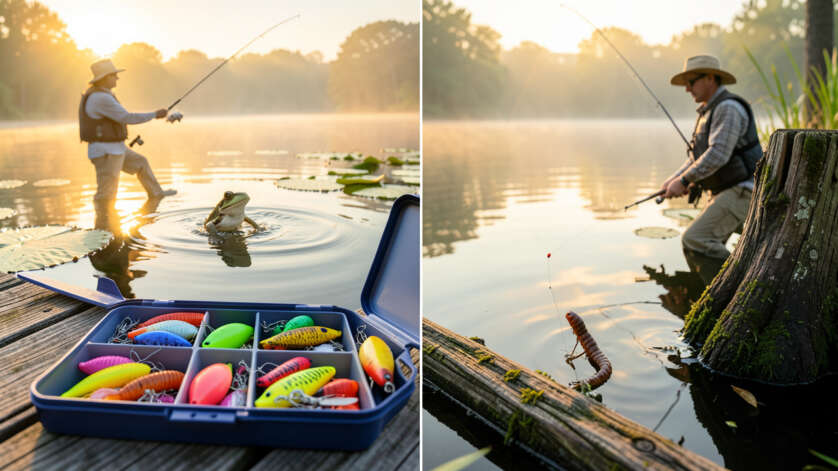
Bass Fishing Basics Every New Angler Should Master First: A Comparison
To solidify your understanding of the core elements, let’s compare some key aspects of bass fishing for beginners.
Master the basics: spinning combo, monofilament line, and soft plastics before moving to advanced gear and techniques.
The table highlights how focusing on the basics first sets you up for success. As you gain experience, you can explore more advanced gear and techniques. Mastering the Bass Fishing Basics Every New Angler Should Master First provides a strong foundation. Understanding basic fishing techniques is essential for any new angler.
Frequently Asked Questions
What is the most important of the Bass Fishing Basics Every New Angler Should Master First?
The most important basic is learning how to present your lure effectively. This includes accurate casting and a retrieve that makes the lure look natural to the fish.
How do I choose the right hook size for soft plastics?
For most soft plastic worms and creature baits, a 1/0 to 4/0 worm hook is a good starting point. The size depends on the size of your bait and the size of the bass you are targeting.
Should I use live bait or artificial lures when I’m starting out?
Artificial lures are generally recommended for learning Bass Fishing Basics Every New Angler Should Master First because they teach you about lure action and retrieval. However, live bait like worms or shiners can be very effective and are easier to use for immediate success.
How can I tell if a fish has bitten my lure?
You’ll feel a subtle tap, a tick, or a sudden weight on your line. Sometimes, the line will just start moving. It’s important to set your hook quickly when you feel any of these signs.
What should I do if I’m not getting any bites?
Try changing your lure color, size, or type. Experiment with different retrieval speeds or pauses. Also, try moving to a different spot on the water.
Bass behavior can change quickly.
Final Thoughts
Focusing on these core Bass Fishing Basics Every New Angler Should Master First will make your time on the water more enjoyable and productive. Start with simple gear, learn where bass hide, and practice your casting and retrieves. Every trip is a chance to learn and improve, so keep at it!

One Comment