


Creek Channels Bass: Following The Highway Below Surface
Creek channels function as submerged highways that guide bass movement and feeding behavior throughout the year. Anglers who learn to read subtle depth changes and structural features in these channels can consistently locate bass even in heavily pressured waters. Adapting lure selection and presentation to seasonal patterns—from pre-spawn shallows to winter deep havens—maximizes success in creek channel fishing.
Finding bass in creeks can feel like a treasure hunt, especially when you’re not sure where to look. Many anglers overlook the incredible fishing opportunities hidden within these smaller waterways. Understanding the structure and flow of these areas is key to success.
It’s about recognizing that Creek Channels Bass: Following the Highway Below Surface offers a unique and often less crowded fishing experience. By learning to read these underwater pathways, you can significantly improve your catch rates and discover new hotspots that other anglers miss.
Key Takeaways
- Creek channels act as highways for bass, guiding their movement and feeding patterns.
- Understanding the subtle changes in creek channel depth and structure is vital for locating bass.
- Seasonal shifts greatly influence bass behavior within creek channels.
- Different lure types are effective for targeting bass in various creek channel conditions.
- Reading the water and observing natural signs can reveal prime bass locations in creek channels.
Why Creek Channels Are Bass Superhighways
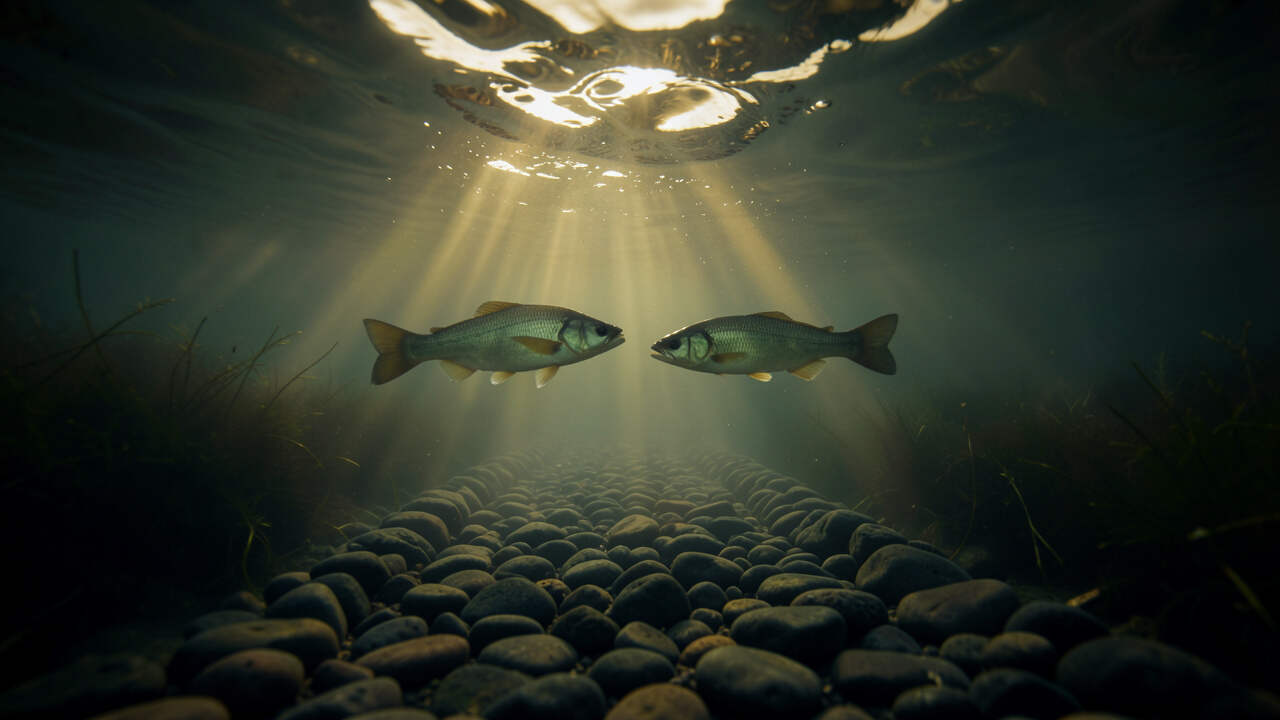
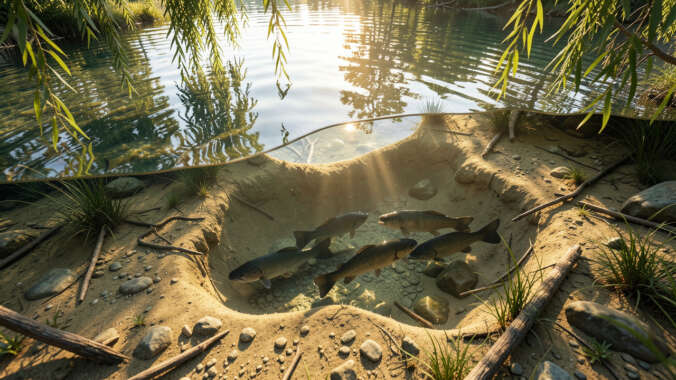
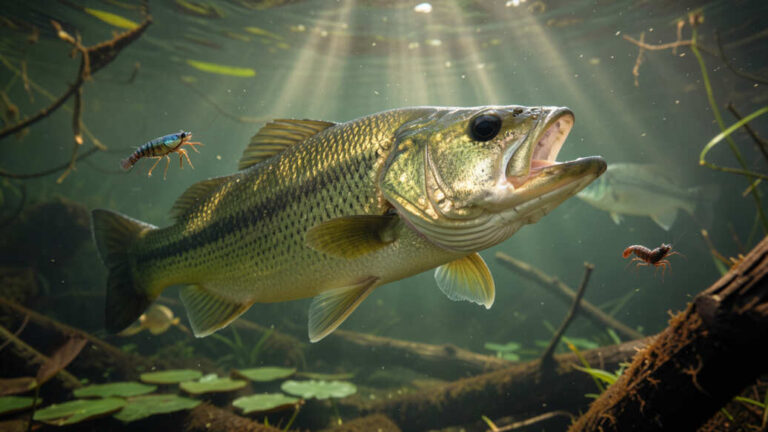
Think of creek channels as the arteries of a lake or river system. Bass, like many predatory fish, use these natural conduits for several important reasons. They provide a clear path for navigation, especially during certain times of the year.
These channels also concentrate baitfish, which naturally draws bass to hunt. Following the structure of these underwater highways is a fundamental strategy for consistently finding bass. It’s not just about random casting; it’s about understanding the bass’s natural behavior and where they are most likely to be found.
Focus on the main channel bends and intersections where baitfish concentrate, as bass use these natural highways to ambush prey.
The concept of Creek Channels Bass: Following the Highway Below Surface highlights how bass utilize these features for efficiency. They can travel long distances with minimal energy expenditure. Baitfish often school in these deeper, more defined areas, offering a reliable food source.
This makes the creek channel a prime location for bass to ambush their next meal. Recognizing these patterns is the first step to unlocking better fishing trips.
Reading the Underwater Landscape
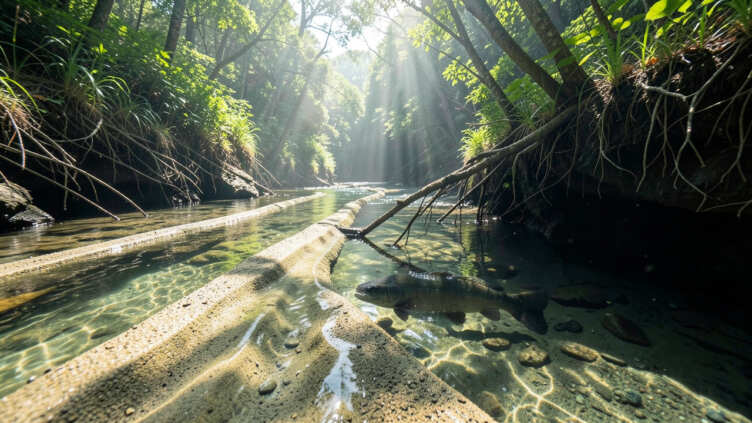
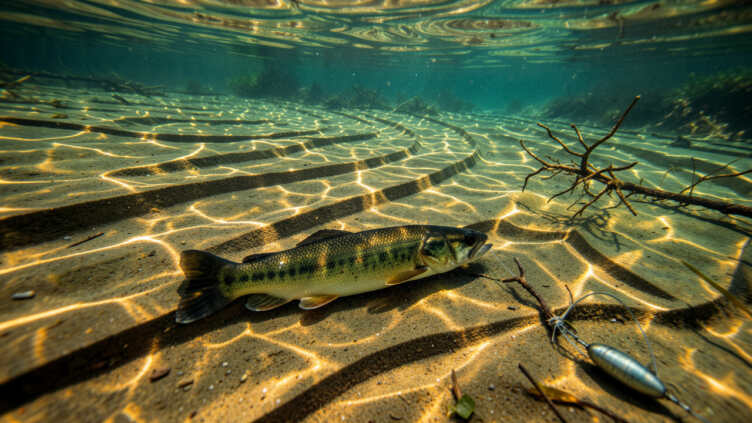
To effectively fish creek channels, you need to understand what you’re looking for beneath the surface. This involves paying attention to changes in depth, the presence of cover, and the overall shape of the channel. Even subtle bends or humps can create ambush points for bass.
The bottom composition also plays a role, with gravel, rock, and submerged wood often attracting baitfish and, consequently, bass.
Depth is a critical factor. While creek channels are generally shallower than the main lake, they still offer varying depths. Deeper holes within the channel can serve as refuge during hot weather or provide a staging area for bass.
Identify deeper holes and adjacent shallow flats on your map; bass use deeper areas as refuge in heat and shallow flats as feeding zones during low light.
Conversely, shallower flats adjacent to the channel can be excellent feeding grounds during low-light conditions or when baitfish move shallow.
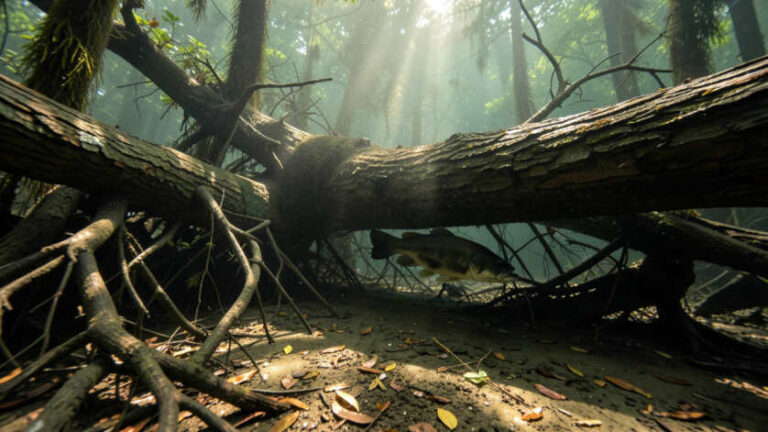
Cover is another essential element. Look for submerged logs, brush piles, rock outcroppings, or even dense aquatic vegetation that grows along the channel edges. These provide protection and ambush opportunities for bass.
The more varied the cover and structure within the creek channel, the more likely it is to hold a good population of bass.
Seasonal Strategies for Creek Channel Bass
Bass behavior in creek channels changes significantly with the seasons. Understanding these shifts is crucial for adapting your fishing approach. Each season presents unique opportunities and challenges when targeting bass along these underwater highways.
Spring: The Pre-Spawn and Spawn Rush
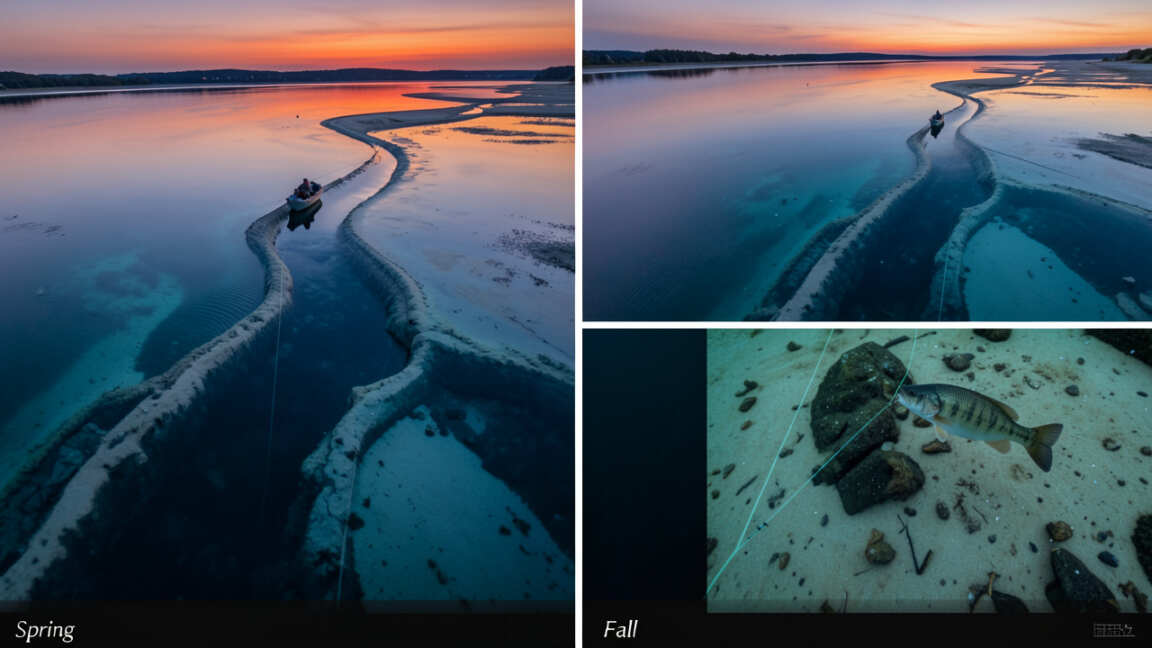
As water temperatures begin to rise in the spring, bass move into the shallows of creek channels to prepare for spawning. They often stage in deeper holes or along the channel edges before moving onto spawning flats. Look for bass holding near structure that offers protection and proximity to spawning areas.
The backs of creeks and smaller, warmer tributaries can be particularly productive during this time.
During the spawn, bass will move onto shallow flats within the creek system. They will guard their nests, making them susceptible to certain presentations. Focus on areas with firm, sandy bottoms or gravel.
Post-spawn, bass will often retreat to slightly deeper water, still using the creek channel as a travel route back to their summer haunts.
Summer: Deeper and Cooler Havens
When summer heat sets in, bass tend to seek cooler, deeper water. Creek channels often provide this relief. Look for the deepest parts of the channel, especially those with good cover and current.
Bass will often position themselves in the shade of submerged trees or rock ledges, waiting for baitfish to pass by.
During pre-spawn, bass stage near channel edges with structure close to spawning flats, making these transition zones prime targets.
Current can be a significant factor in summer. Bass will often position themselves facing into the current, waiting for food to drift to them. Areas where the creek channel narrows or bends can create more current and attract bass.
Fishing early mornings and late evenings, or during cloudy days, can also be highly productive during the summer months.
Fall: The Pre-Winter Feeding Frenzy
Fall is a prime time for bass to feed aggressively as they prepare for winter. Baitfish begin to school up and move towards the main lake, often using creek channels as their migration routes. Bass will follow these baitfish, creating excellent feeding opportunities.
Targeting the mouths of creek channels where they enter the main body of water can be very effective. Also, look for bass actively feeding on baitfish schools within the channel itself. The transition zones between shallow and deep water are often hotspots.
As the water cools further, bass will often move deeper into the creek channels, seeking slightly warmer water and concentrated bait.
Winter: Seeking Solace in Deeper Water
During the winter months, bass become less active and seek out the deepest, most stable water available. Creek channels that lead to deep holes or connect to the main lake’s deeper sections can hold winter bass. They will often be found in a more lethargic state, so slower presentations are usually more effective.
Focus on the bottom of the channel and any deep pockets or drop-offs. While they may not be as aggressive as in other seasons, bass still need to feed. Finding the baitfish will lead you to the bass.
Patience and slow, methodical retrieves are key during winter fishing in creek channels.
Effective Lures for Creek Channel Bass
The type of lure you use can make a big difference when fishing creek channels. The best choice often depends on the season, water clarity, and the specific structure you are targeting. Having a versatile tackle box is essential for success.
Jigs and Soft Plastics
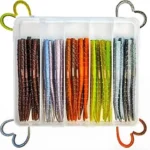
Jigs, especially football jigs or Arkie-style jigs, are excellent for crawling along the bottom of creek channels. They mimic crawfish and other bottom-dwelling prey. Pair them with a craw trailer for added attraction.
Soft plastics like creature baits, worms, and fluke-style baits can also be very effective when Texas-rigged or Carolina-rigged, allowing them to be worked through cover and along the channel floor.
These lures are particularly good for targeting bass that are holding tight to cover or sitting on the bottom in deeper sections of the channel. They allow for a slower presentation, which is often needed when bass are less active.
Texas-rig or Carolina-rig soft plastics to work them through cover along the channel floor without snagging.
Crankbaits and Spinnerbaits
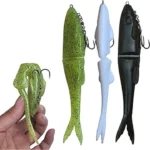
Crankbaits that dive to the appropriate depth can be fantastic for covering water and triggering reaction strikes. Choose models that mimic local baitfish. Lipless crankbaits are great for ripping through grass or covering flats.
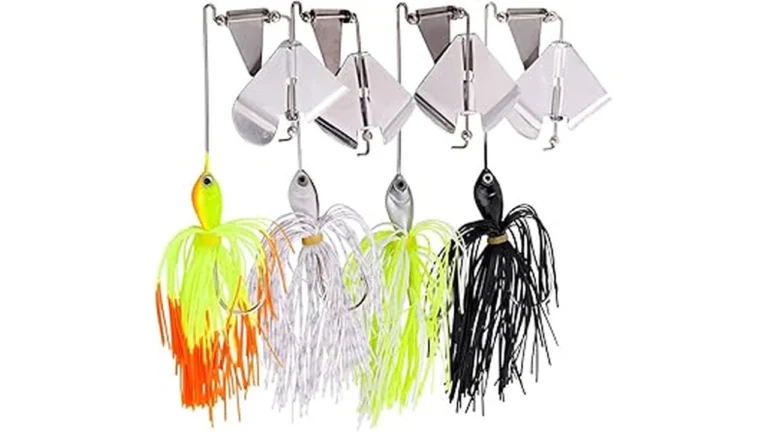
For spinnerbaits, varying the blade type and color can help match forage and water conditions. They are excellent for covering larger areas of the creek channel and are particularly effective in stained or murky water.
These lures are ideal for covering more water and finding active bass. They can be particularly effective during spring and fall when bass are more mobile and aggressive. The vibration and flash can draw strikes from a distance.
Topwater Lures
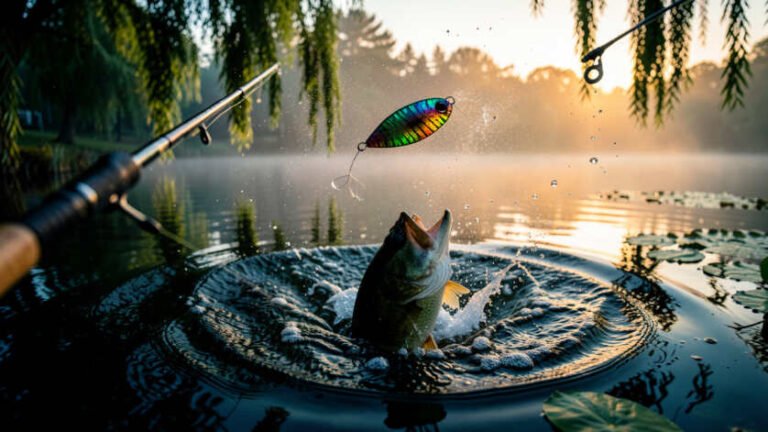
In warmer months, particularly during low-light conditions or when bass are feeding on the surface, topwater lures can be incredibly exciting. Poppers, walk-the-dog style baits, and prop baits can all produce explosive strikes in creek channels, especially along the edges or over shallower flats.
The visual aspect of a topwater strike is thrilling. It’s best used when you can see baitfish activity or when bass are known to be feeding shallow. The aggressive nature of the strike can be a great indicator of bass presence.
Reading the Water: Signs of Bass Presence
Beyond just understanding the structure, learning to read the signs of bass presence is key to fishing creek channels effectively. This involves observing the environment and looking for subtle clues that indicate bass activity.
Do not overlook subtle signs like nervous water or baitfish activity; bass are often nearby but may be holding tight to cover.
- Baitfish Activity: Look for signs of baitfish being pushed to the surface, bait balls on your electronics, or nervous water. Where baitfish are, bass will often follow.
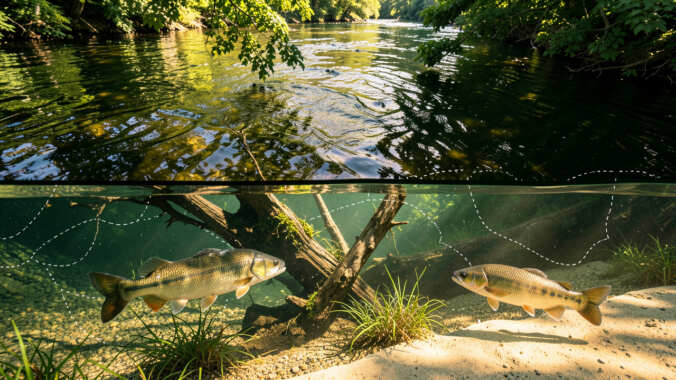
- Current Breaks: Bass will often position themselves behind or near current breaks, such as submerged logs, rocks, or changes in the channel shape. These areas offer a resting spot and an ambush point.
- Water Temperature Changes: Notice areas where water temperature might be slightly different, such as near springs or inflows. Bass will often congregate in these more comfortable zones.
- Visible Cover: Keep an eye out for any visible cover along the banks or just below the surface. Submerged trees, overhanging bushes, and rock piles are prime bass hangouts.
- Bird and Animal Activity: Sometimes, birds diving or other animals feeding on baitfish can indicate a feeding frenzy is occurring, often involving bass.
Successfully fishing creek channels requires a slightly different approach than fishing larger bodies of water. It’s about finesse, precision, and understanding the limitations and advantages of these smaller systems.
First, always have a good map or GPS with detailed bathymetry of the area. This will help you identify the main channel and any significant drop-offs or holes. Understanding the contour of the creek bed is paramount.
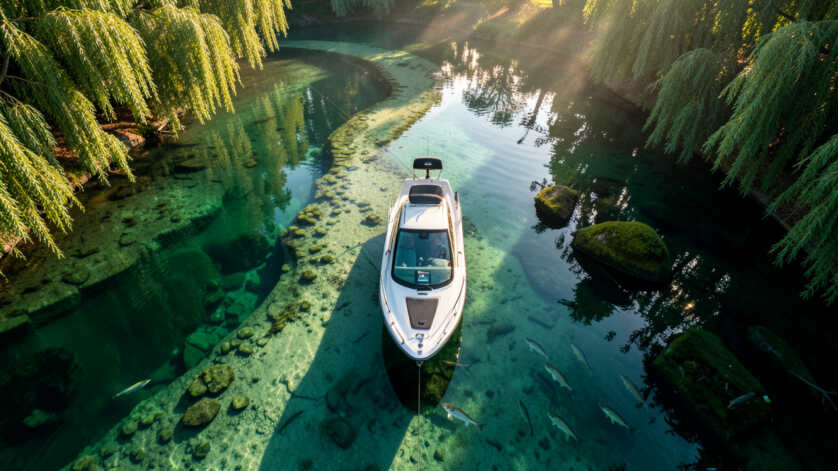
Second, consider using a trolling motor to slowly and quietly work your way down the channel. This allows you to cover areas thoroughly without spooking the bass. Stealth is often key in these confined waterways.
Carry a versatile lure selection including jigs, soft plastics, and crankbaits to adapt to varying depths and cover types in creek channels.
Next, pay attention to the current. Bass will often position themselves facing into the current. If there is a strong current, focus on the downstream side of any structure that might break the current.
Then, don’t overlook the edges of the creek channel. Sometimes bass will suspend or hold just off the main channel in slightly shallower water, especially if there is cover present.
Finally, be prepared for a variety of conditions. Water clarity can change rapidly in creeks, and the bottom composition can vary greatly. Having a selection of lures that can handle different situations will greatly increase your success rate when fishing Creek Channels Bass: Following the Highway Below Surface.
Common Mistakes to Avoid
Even experienced anglers can make mistakes when fishing creek channels. Being aware of these common pitfalls can help you avoid them and improve your results.
Small feeder creeks often hold surprising numbers of bass, especially during seasonal transitions, so don't skip them.
- Running and Gunning: In creek channels, especially smaller ones, being too loud or moving too quickly can spook bass. Slow down and be stealthy.
- Ignoring Cover: Bass in creek channels often relate heavily to cover. Don’t just cast to open water; make sure you are targeting submerged wood, rocks, and vegetation.
- Not Adapting to Current: Current is a major factor in creek channels. Failing to consider how current affects bass positioning can lead to missed opportunities.
- Using the Wrong Lures: Using lures that are too large or too flashy for the confined space can be counterproductive. Match your lure to the size of the baitfish and the water conditions.
- Overlooking Small Tributaries: Smaller creeks and drainages that feed into the main creek channel can hold significant numbers of bass, especially during certain times of the year.
Frequently Asked Questions
Question: What is the best time of day to fish for creek channel bass?
Answer: Early mornings and late evenings are often the best times, especially during warmer months when bass may move shallower. However, during cooler periods, midday fishing can also be very productive as bass seek out slightly warmer water.
Question: How do I find the deepest part of a creek channel?
Answer: Using a good quality fish finder or a detailed lake map with bathymetry is the best way. Look for the lowest contour lines within the creek system. You can also sometimes identify deeper areas by observing the overall shape of the creek bed.
Question: Are creek channels good for catching largemouth or smallmouth bass?
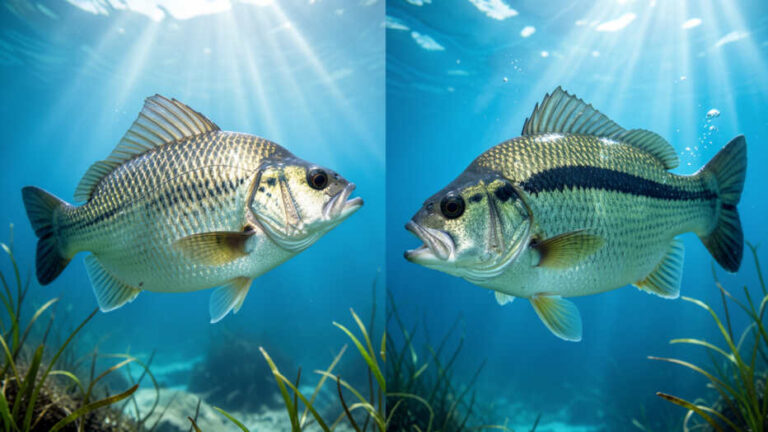
Answer: Creek channels can hold both largemouth and smallmouth bass. Smallmouth tend to prefer the slightly cooler, more current-swept areas with rocky bottoms, while largemouth will utilize the cover and structure found throughout the channel.
Question: What is the most important factor when fishing Creek Channels Bass: Following the Highway Below Surface?
Answer: The most important factor is understanding how bass use the channel for travel, feeding, and shelter. Recognizing the structure, cover, and current within the channel will guide you to productive spots.
Question: Should I use braided line or monofilament line in creek channels?
Answer: Both can be effective. Braided line offers sensitivity and strength for pulling bass out of cover. Monofilament offers more stretch, which can be good for treble-hooked lures like crankbaits.
Fluorocarbon line is also excellent for its low visibility and sensitivity.
Question: How do I deal with shallow, overgrown creek channels?
Answer: In overgrown channels, focus on lures that can be fished above or through the vegetation, such as spinnerbaits, buzzbaits, or weedless jigs and soft plastics. Look for any openings or deeper pockets within the weeds.
Final Thoughts
Mastering the art of fishing creek channels can unlock a new level of bass fishing success. By understanding how bass utilize these underwater highways and adapting your strategies to the seasonal changes and specific structures, you can consistently find more fish. Remember to be patient, observant, and ready to adjust your approach to make the most of these productive waterways.

One Comment