


Rocky Bottom Bass: Smallmouth Tactics For Boulder Fields
Smallmouth bass in boulder fields demand precise tactics that exploit the rocks for cover and ambush, with successful anglers prioritizing snag-resistant lures like jigs and soft plastics alongside accurate casting and retrieval techniques. Reading water depth and current flow around boulders reveals the specific sweet spots where smallmouth hold, making this skill critical for consistent bites. Effective line management and hook-setting angles prevent breakoffs on structure, allowing anglers to land fish from rocky cover and turn boulder fields into reliable year-round hotspots, especially during summer.
When you’re fishing for smallmouth bass, hitting those rocky areas can be incredibly rewarding. These fish love to hang out in and around boulders, using them for cover and ambush points. Understanding how to target them in these tough spots is key to catching more fish and having a better day on the water.
This guide will show you the best ways to approach Rocky Bottom Bass: Smallmouth Tactics for Boulder Fields, helping you get more bites and land those feisty smallmouth. Get ready to learn how to make boulder fields your new favorite fishing grounds.
Key Takeaways
- Identifying the best types of rocky habitats for smallmouth bass.
- Choosing the right lures and baits for smallmouth in boulder fields.
- Mastering casting and retrieval techniques for rocky terrain.
- Understanding how water depth and current affect smallmouth behavior around rocks.
- Tips for reading the water and predicting where bass will hold.
- Strategies for landing fish without them breaking you off on the rocks.
Why Smallmouth Love Boulder Fields
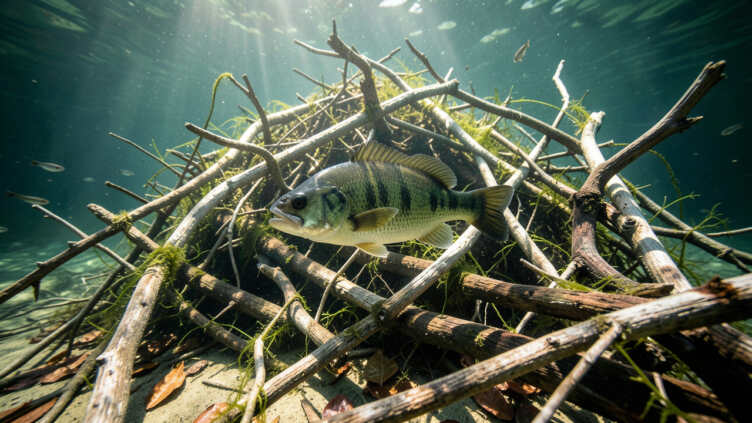
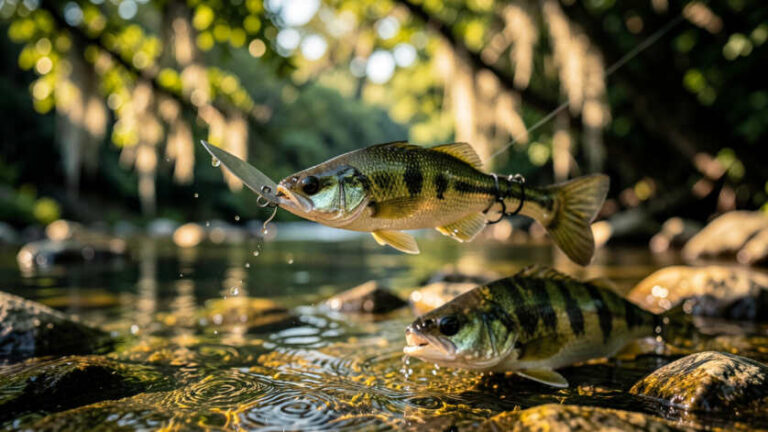
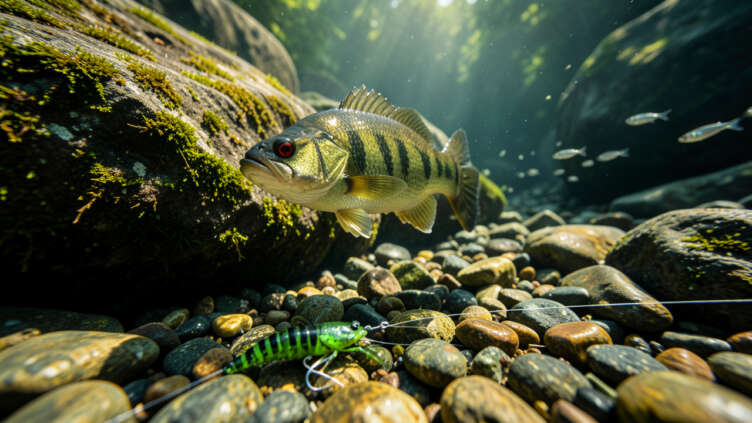
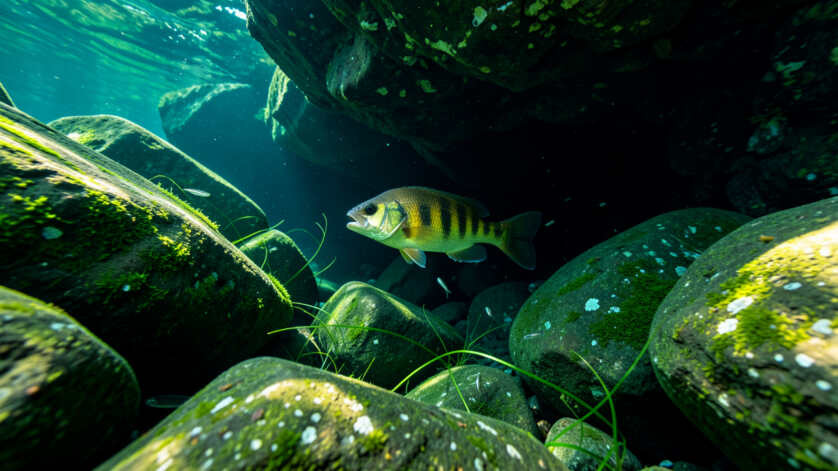
Boulder fields are like underwater castles for smallmouth bass. These areas offer perfect hiding spots. Bass use the rocks to shield themselves from predators and strong currents.
They also wait behind boulders for unsuspecting baitfish to swim by. This makes rocky bottoms prime real estate for these aggressive fish. Learning to fish these spots means you’re fishing where the biggest and healthiest smallmouth often live.
It’s a critical skill for any serious smallmouth angler.
Focus on boulder fields because they consistently hold the largest and healthiest smallmouth bass. Mastering these areas is essential for serious anglers.
The structure provided by large rocks is a major draw. Smallmouth bass are opportunistic feeders. They thrive in environments that allow them to ambush their prey.
Boulder fields provide countless such ambush points. The varied depths and pockets within a boulder field also create micro-habitats. These can hold different sizes of bass.
Understanding this helps you target specific fish more effectively.
Reading the Water: Finding the Sweet Spots
Success in boulder fields starts with reading the water. Look for areas where rocks are concentrated. Pay attention to the current.
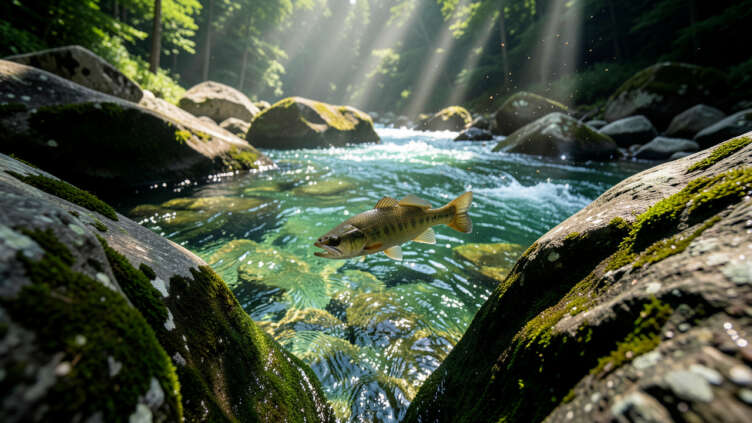
Smallmouth will often position themselves on the downstream side of rocks. This is where they can watch for food being swept their way. Deeper holes adjacent to boulder fields are also excellent holding areas.
These offer refuge during warmer periods or when the current is too strong.
Deeper holes next to boulder fields provide critical refuge for smallmouth during hot weather or heavy current. Always check these adjacent deeper zones.
Observe the water surface. Subtle boils or swirls can indicate fish activity. Even small changes in water color can suggest a drop-off or a different bottom composition.
Look for areas where the current breaks or eddies form around the rocks. These calmer pockets are where smallmouth can rest and conserve energy while still being ready to feed. Understanding these subtle cues is a huge part of effective Rocky Bottom Bass: Smallmouth Tactics for Boulder Fields.
Subtle Signs of Bass Presence
Sometimes, the best spots aren’t obvious. Watch for baitfish activity. A sudden scattering of minnows can mean a bass is nearby.
Look for areas with visible weed growth mixed with rocks. This combination often holds both baitfish and bass. Even a slight change in the riverbed’s texture can be a clue.
Lure Selection for Rocky Environments
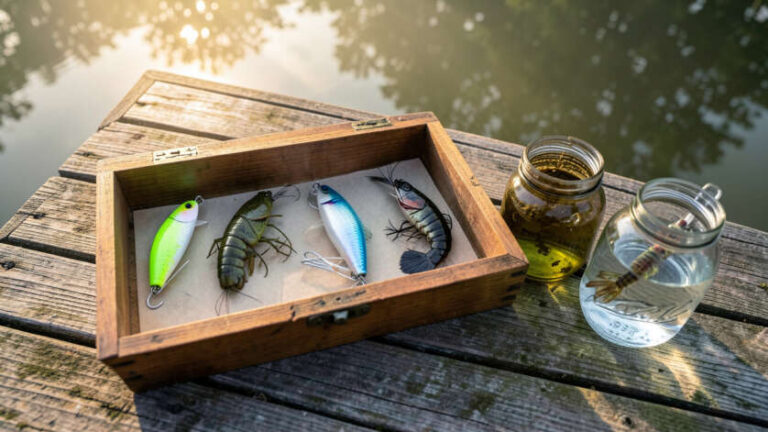
Choosing the right lure is crucial when fishing boulder fields. You need lures that can get down to the fish without getting snagged constantly. Tubes, jigs, and soft plastic crawfish imitations are fantastic choices.
These can be hopped or dragged along the bottom, mimicking the natural forage of smallmouth bass.
Tube baits are incredibly versatile. They can be rigged weedless or with a jig head. Their natural action in the water fools many bass.
When bounced over rocks, they look like a fleeing crawfish. This action is irresistible to smallmouth. Try different colors to see what works best on a given day.
In clear water bright lures trigger strikes, but in stained conditions natural or darker colors almost always outperform.
Bright colors can work in clearer water, while darker or natural tones are often better in stained conditions.
Jigs, especially football jigs or swim jigs, are another top choice. A football jig is designed to be dragged along the bottom. Its shape helps it rock over rocks rather than getting stuck.
Adding a soft plastic trailer, like a craw or a grub, increases its appeal. Swim jigs can be retrieved steadily through the rocks, offering a different presentation.
Soft plastic crawfish imitations are a direct match for a common smallmouth food source. They have a natural look and feel. Rigging them Texas-style with a worm hook can help make them weedless.
This allows you to get into tight spots without constant snags. The action of the plastic claws can also entice strikes.
Casting and Retrieval Techniques
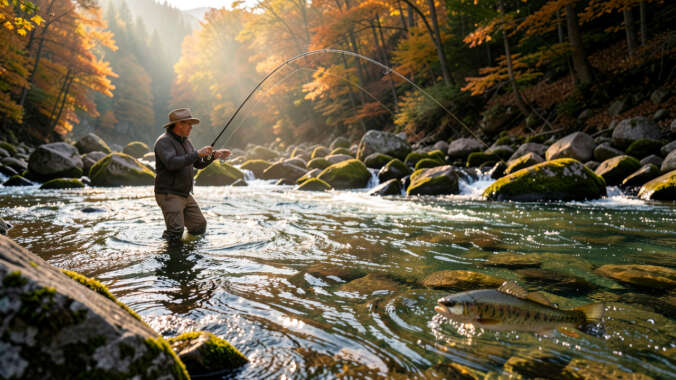
When fishing Rocky Bottom Bass: Smallmouth Tactics for Boulder Fields, your cast and retrieve matter greatly. Aim to cast your lure past the target rock or boulder. Then, retrieve it slowly, allowing it to bounce and tumble over the rocks.
This natural presentation is what attracts the bass.
First, cast your lure slightly upstream or to the side of the boulder you are targeting. This allows the current to carry your bait naturally towards the fish. Let it sink to the bottom.
Gently lift and drop your rod tip to make the lure hop. This mimics a crawfish trying to escape. If you are using a jig, a slow, steady retrieve with occasional pauses can also be effective.
Allow your lure to sink fully to the bottom, then use a gentle lift-and-drop rod action to create a natural hopping presentation.
Second, pay close attention to your line. Any slight tap or change in tension could be a bite. Smallmouth often hit lures with a subtle nudge in these rocky environments.
Don’t be afraid to work your lure right into the nooks and crannies of the boulder field. That’s often where the biggest fish are hiding.
Next, when you feel a strike, set the hook firmly. Smallmouth bass have tough mouths. You want to ensure your hook is set well.
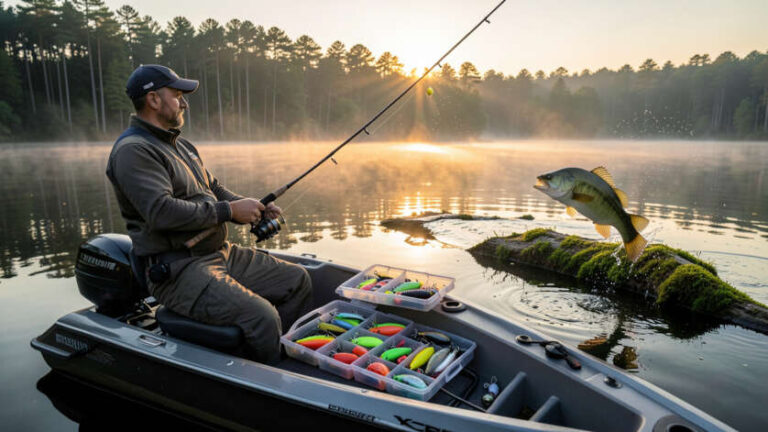
Be prepared for a fight. They are known for their strong runs and acrobatic jumps, especially in cover.
Line Management and Gear Considerations
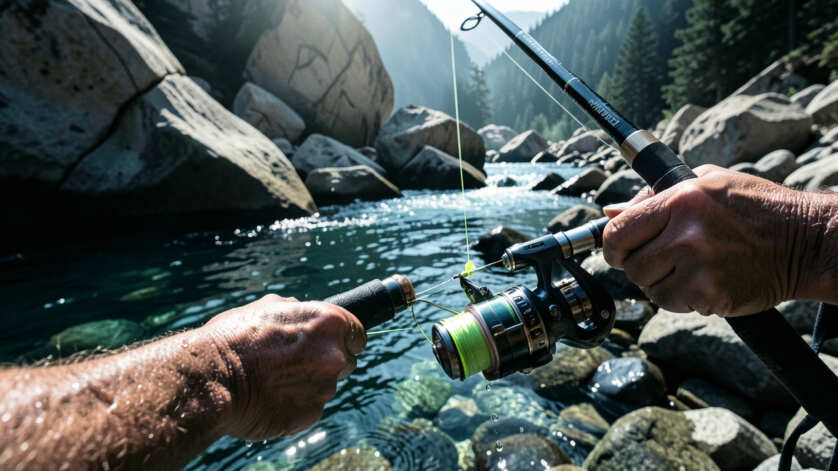
Fishing around rocks means dealing with abrasive line and potential break-offs. Using a good quality fishing line is essential. Braided line is a popular choice for many anglers targeting rocky areas.
It offers excellent sensitivity and strength. However, braided line can sometimes cut into itself if not managed properly.
Consider using a fluorocarbon leader. This is a clear, abrasion-resistant line that ties directly to your braid. It’s less visible to fish and provides an extra layer of protection against sharp rocks.
Use a stout rod and reel with a smooth drag to quickly steer fish away from sharp rocks and prevent break-offs.
A leader of 12-24 inches is usually sufficient. The strength of your leader should match the size of the bass you expect to catch.
Your rod and reel setup should also be robust. A medium-heavy power rod with a fast action tip offers a good balance. It has enough backbone to pull a fish away from cover.
A strong spinning reel or baitcasting reel with a smooth drag system is also important. This helps prevent line breakage during a fight.
When to Target Smallmouth in Boulder Fields
Smallmouth bass are generally more active in cooler water. This means spring and fall are prime times for targeting them in boulder fields. During these seasons, the water temperature is ideal for their metabolism.
They will actively hunt and feed in these rocky structures.
In the spring, as the water warms, smallmouth move into shallower rocky areas to feed. They are recovering from spawning and are hungry. This is a great time for aggressive presentations.
In the fall, they feed heavily to prepare for winter. They will often congregate in larger numbers around these rocky structures.
Early morning and late evening trips are most productive in boulder fields, especially where current oxygenates the water.
Summer can present a challenge. On hot days, smallmouth may move to deeper sections of the boulder field or seek out cooler, shaded areas. Targeting them during early morning or late evening can be more productive.
Look for areas with good current flow, as this oxygenates the water and keeps it cooler. Understanding these seasonal shifts is key to success with Rocky Bottom Bass: Smallmouth Tactics for Boulder Fields.
Summer Strategies
During the heat of summer, focus on deeper rocks and shaded areas. Mornings and evenings offer the best chances. If you can find moving water through a boulder field, that’s a great spot.
The current keeps the water cooler and brings food to the bass.
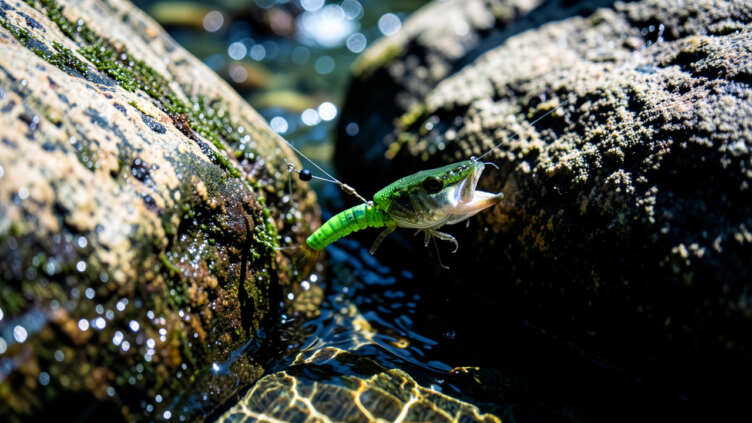
Hooking and Landing Fish from Cover
One of the biggest challenges when fishing boulder fields is landing a fish without it getting snagged or breaking your line. The moment you set the hook, you need to act decisively. Your goal is to steer the fish away from the rocks.
First, when you feel that solid hookset, immediately try to turn the fish’s head away from the nearest structure. Use your rod to apply steady pressure. Don’t just reel frantically; use your rod to guide the fish.
If the fish tries to run into a rock, gently steer it in the opposite direction.
The moment a smallmouth is hooked, instantly apply side pressure to turn its head away from the rocks and avoid snags.
Second, keep your rod tip up. This helps maintain tension on the line and allows your rod to absorb the fish’s runs. If the fish dives, let it run a bit, but keep that pressure on.
A good drag system on your reel is crucial here. It will do some of the work for you, preventing your line from snapping.
Finally, if the fish gets close to the rocks, try to keep it in the water column above them. Don’t let it drag along the bottom. Once you have the fish away from the immediate danger of the rocks, you can begin to reel it in more steadily.
Be patient. A smallmouth bass fighting in a boulder field is a tough battle, but with the right tactics, you can win.
Lure Presentation for Maximum Effectiveness
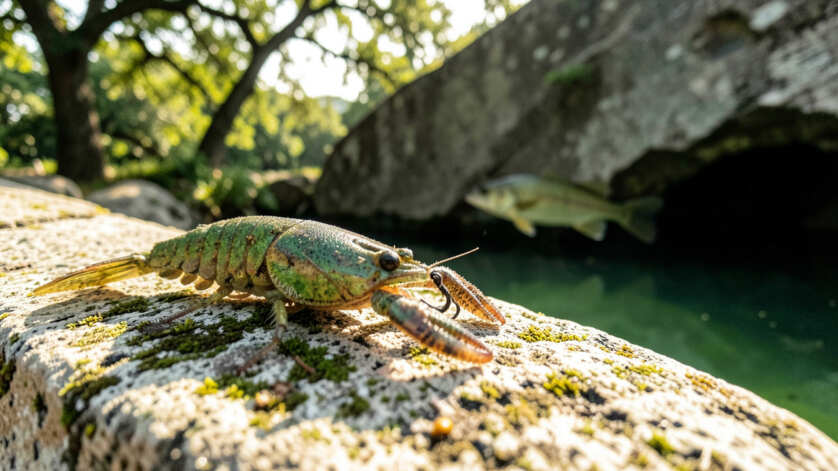
How you present your lure can make all the difference. In boulder fields, it’s all about mimicking natural prey. Smallmouth bass feed on crawfish, minnows, and other small baitfish.
Your lure should look and act like these natural food sources.
When using a tube bait or craw imitation, a hopping retrieve is often best. Cast to your target. Let the lure sink to the bottom.
Lift your rod tip sharply, then let it drop. Repeat this process. The lure will bounce and tumble, looking like a crawfish trying to escape.
Vary the speed and intensity of your hops.
With a jig, you can either drag it slowly along the bottom or use a swim-and-pause retrieve. Dragging allows the jig to bump over rocks. A swim-and-pause involves a steady retrieve, then stopping the lure for a few seconds before resuming.
In stained water, switch to brighter lures and a more aggressive retrieve to help bass find your bait.
This pause can trigger strikes from following fish.
Consider the water clarity. In clear water, more natural colors and subtle retrieves work well. In stained or murky water, brighter colors and more aggressive actions can help the bass locate your lure.
Understanding these nuances is part of mastering Rocky Bottom Bass: Smallmouth Tactics for Boulder Fields.
The Importance of Patience
Don’t rush your retrieve. Smallmouth bass in rocky areas are often waiting for an easy meal. A slow, deliberate presentation gives them time to see your lure and decide to strike.
Sometimes, just letting your lure sit on the bottom after a hop can draw a bite.
Frequently Asked Questions
Question: What is the best time of year for Rocky Bottom Bass: Smallmouth Tactics for Boulder Fields?
Answer: Spring and fall are generally the best times. Water temperatures are ideal, and smallmouth are actively feeding. Summer can still be productive, especially in the early mornings and late evenings, or in deeper, cooler sections.
Question: How do I avoid getting my lures snagged in boulder fields?
Answer: Use weedless-rigged soft plastics like tubes or craws. Football jigs with trailers are also designed to tumble over rocks. Using a fluorocarbon leader can also help with abrasion resistance and less snagging.
Question: What is the most effective lure for smallmouth bass in rocky areas?
Answer: Soft plastic crawfish imitations, tube baits, and jigs are highly effective. These lures can be hopped or dragged along the bottom, mimicking natural forage and enticing strikes.
Question: Should I use braided line or monofilament for Rocky Bottom Bass: Smallmouth Tactics for Boulder Fields?
Answer: Braided line is often preferred for its strength and sensitivity, especially with a fluorocarbon leader. It helps detect subtle bites and offers backbone to pull fish from cover. Monofilament can be more forgiving but lacks sensitivity.
Question: How deep should I fish for smallmouth in boulder fields?
Answer: Smallmouth can be found at various depths. Look for them near the edges of boulder fields, in deeper holes adjacent to them, or in current breaks. Depth often depends on the season and time of day.
Question: What should I do if a smallmouth bass runs into the rocks after I hook it?
Answer: Immediately try to turn the fish’s head away from the rocks. Keep steady pressure and maintain a tight line. Use your rod to guide the fish and your reel’s drag to absorb runs.
Keeping the fish off the bottom is key.
Final Thoughts
Fishing boulder fields for smallmouth bass is a rewarding challenge. By understanding where they hide, choosing the right lures, and employing smart casting and retrieval techniques, you can significantly improve your success. Remember to manage your line and be ready for strong fights when targeting Rocky Bottom Bass: Smallmouth Tactics for Boulder Fields.