


Highland Reservoir Bass: Bluff Walls And Channel Swings
Highland reservoir bass heavily rely on bluff walls and channel swings as primary feeding and migration corridors. Bluff walls create steep vertical structure where bass ambush prey, while channel swings act as highways connecting deep-water haunts to shallow flats. Anglers who identify these features and match seasonal patterns—such as spring prespawn movements along channel swings or summer depth adjustments on bluff walls—can consistently locate and catch larger bass.
Finding bass in a large lake can sometimes feel like searching for a needle in a haystack. Many anglers struggle to pinpoint where the fish are hiding, especially when dealing with varied underwater terrain. Understanding how bass use structures like steep drop-offs and deep channels can make a huge difference in your catch rate.
Mastering the techniques for locating and catching bass in these spots is key to a successful fishing trip. This guide will help you understand the dynamics of Highland Reservoir Bass: Bluff Walls and Channel Swings and what you’ll gain from knowing these patterns.
Key Takeaways
- Learn how bass relate to bluff walls and how to fish them effectively.
- Understand the importance of channel swings for bass location.
- Discover specific lure choices that work best in these environments.
- Gain insights into seasonal changes affecting bass behavior on bluff walls and in channels.
- Improve your casting and retrieval techniques for success.
- Maximize your chances of catching more bass by understanding these key habitat types.
Why Bluff Walls Draw Bass
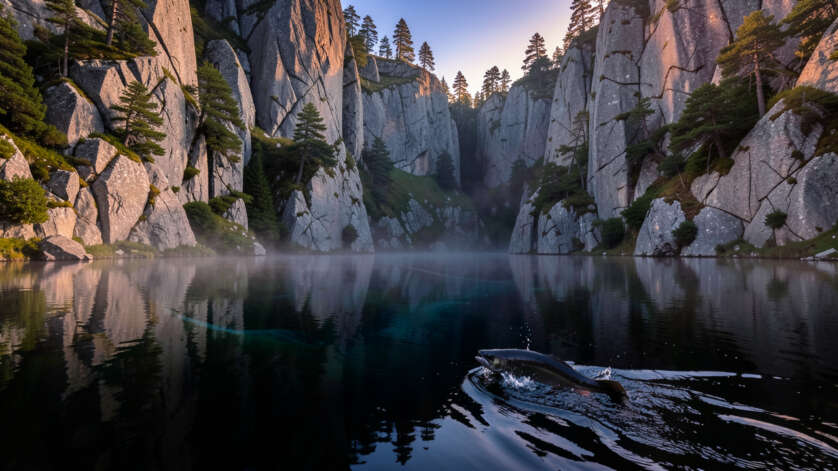
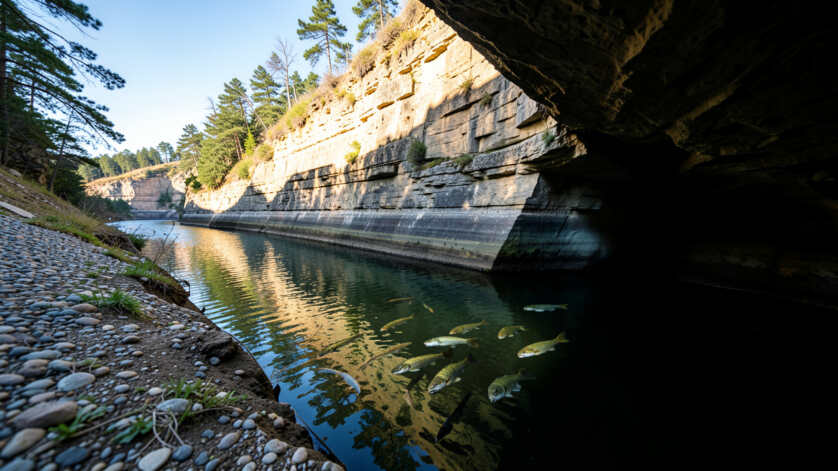
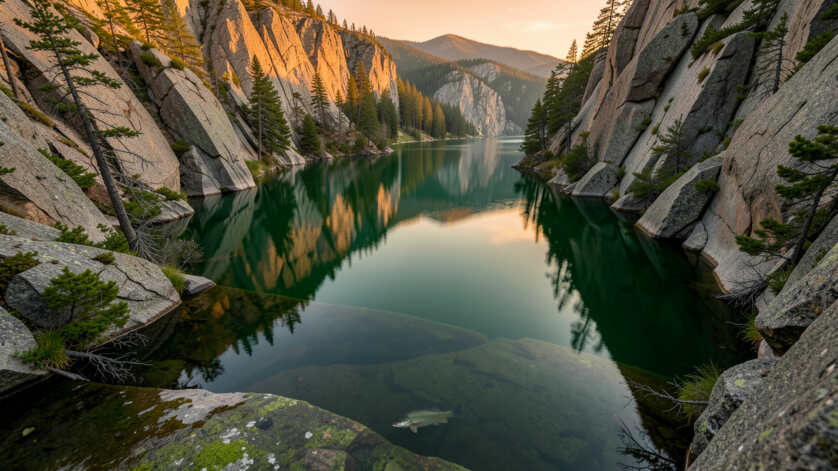
Bluff walls are vertical or near-vertical drop-offs found in many reservoirs. These structures offer several advantages for bass. They provide quick access to deep water, which is crucial for bass seeking cooler temperatures or escaping predators.
The sheer face of a bluff wall also creates a current break. This means baitfish often gather nearby, and bass wait in ambush.
Fishing bluff walls requires a different approach than shallow water fishing. You need to think about vertical presentations. The bass might be hugging the wall or suspended slightly off it.
Key considerations include the depth of the water and the presence of any cover, such as submerged timber or rock piles, along the wall. These features become magnets for bass.
The transition from shallow to deep water along a bluff wall is often a prime spot. Bass will patrol these edges. They use the wall as a highway to move between feeding areas and deeper water.
Anglers who can identify these transition zones often have the most success.
Lures for Bluff Wall Bass
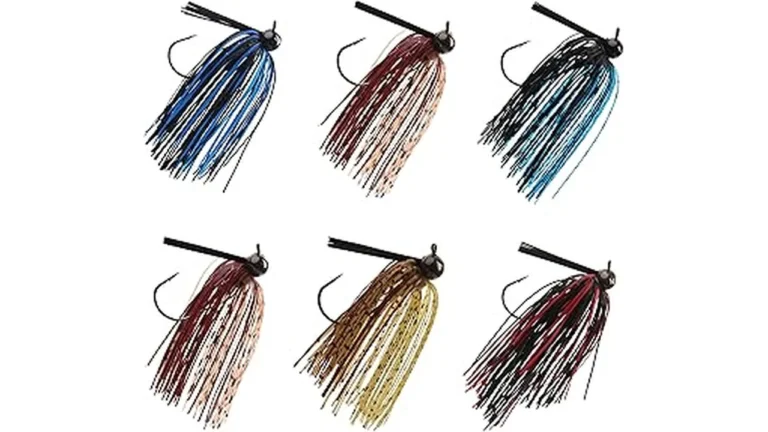
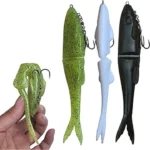
When targeting bass along bluff walls, certain lures shine. A jig is a classic choice. It can be worked right down the face of the wall, mimicking a crawfish or a baitfish.
Use vertical presentations like drop-shot rigs or jigs to target bass hugging the wall or suspended slightly off it.
Vary your jigging action. Sometimes a slow, hopping retrieve works best. Other times, a faster, more erratic action will trigger a strike.
Another effective lure is a soft plastic worm or a grub. Rigged Texas-style or on a drop-shot, these can be presented precisely along the structure. The key is to get the bait as close to the wall as possible.
Let it fall naturally into the strike zone.
For suspended bass, a lipless crankbait or a spoon can be deadly. Cast parallel to the bluff wall and reel it in. Experiment with different retrieve speeds.
You want to find the depth and speed that triggers a bite. The flash and vibration of these lures can attract bass from a distance.
Reading the Bluff Wall
Not all bluff walls are created equal. Look for changes in the rock composition. Harder rock faces often hold more bass than softer, more eroded ones.
Also, pay attention to the angle of the wall. A steeper wall offers a more direct drop into deep water, which bass prefer.
Look for any points, ledges, or pockets in the wall. These subtle changes in contour can create ambush points. Even small indentations can hold baitfish.
Bass will position themselves behind these features to feed. Using a good quality fish finder can help you identify these subtle changes.
Channel Swings: Bass Highways
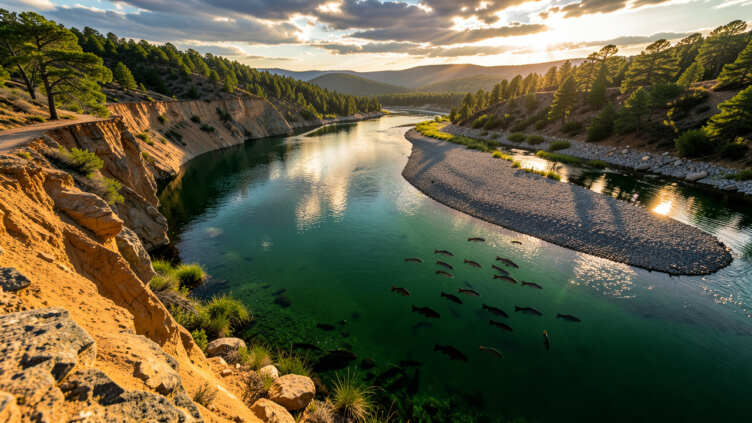
Channel swings are one of the most important features in any reservoir. These are bends or curves in the main river channel or a significant creek channel. They create a natural current break on the outside bend and a slack water area on the inside bend.
Bass use these areas heavily, especially during certain times of the year.
The outside bend of a channel swing is often a prime feeding location. The current funnels baitfish towards the bass holding there. This is a high-energy feeding zone.
Bass position themselves to intercept prey as it drifts by. The deeper the water on the outside bend, the more attractive it is.
The inside bend of a channel swing offers a different kind of advantage. It’s often a more relaxed area. Bass can rest here, conserve energy, and still be close to potential food sources.
It’s also a good place for them to stage when moving between shallower and deeper water.
Seasonal Patterns on Channel Swings
The effectiveness of channel swings changes with the seasons. In spring, as water temperatures rise, bass will move towards shallower sections of the channels. They will feed actively on the outside bends as they prepare to spawn.
This is a great time to target them with moving baits.
On current-swept outside bends of channel swings, choose baits like heavy jigs or Carolina rigs that can hold bottom and resist being swept away.
During summer, when the water gets hot, bass will retreat to deeper parts of the channel swings. They will use the deeper water for comfort and ambush prey. The outside bends remain productive, but they might be much deeper.
Drop-shotting or fishing deep-diving crankbaits can be effective.
In the fall, bass become very active again. They feed aggressively to build up reserves for winter. Channel swings are key staging areas.
They funnel baitfish as the bait moves towards deeper water. Look for areas where the channel swings near shallow flats or points. This creates excellent feeding opportunities.
Lures for Channel Swing Bass
For the current-swept outside bends of channel swings, baits that can withstand current are essential. A spinnerbait is a fantastic choice. It creates vibration and flash that attracts bass from a distance.
Retrieve it at a steady pace, allowing it to deflect off any submerged cover.
A football jig is another excellent lure for channel swings. Its shape allows it to maintain contact with the bottom, even in current. Crawl it slowly along the bottom, paying close attention to your line for any subtle ticks that indicate a bite.
The slow presentation can entice bass that are not actively chasing.
When bass are holding tighter to the bottom or in slack water areas of the inside bend, a plastic bait like a crawfish imitation or a creature bait can be very effective. Rig it weedless and drag it along the bottom. The natural movement of the plastic can trigger strikes from less aggressive fish.
The Synergy of Bluff Walls and Channel Swings
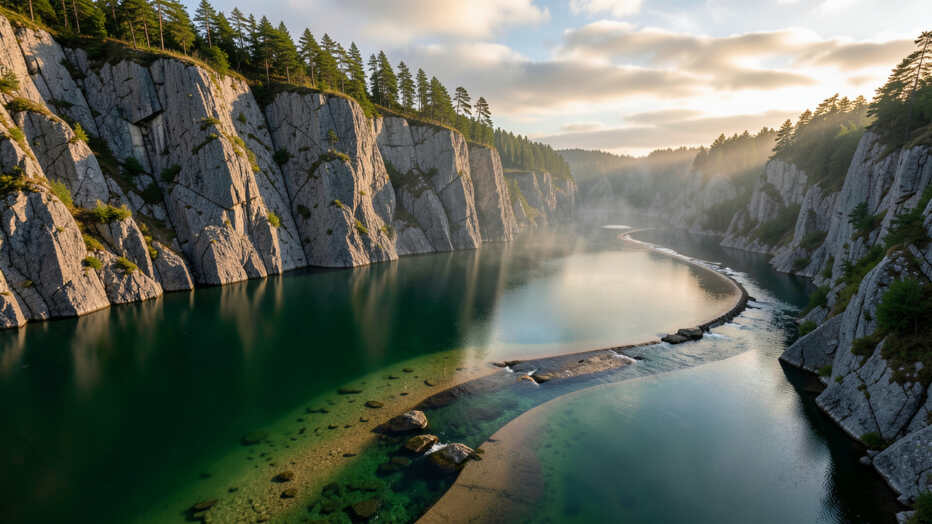
The real magic happens when bluff walls and channel swings intersect. These points are often prime bass magnets. Imagine a deep channel swing that runs right up to a steep bluff wall.
This creates a complex underwater structure with multiple ambush points and escape routes.
Bass will use the channel swing to move into the area. Then they can use the bluff wall for depth and current breaks. Baitfish will be drawn to both features.
This concentration of food and structure makes these intersections incredibly productive fishing spots. Understanding Highland Reservoir Bass: Bluff Walls and Channel Swings together is crucial.
When you find such a confluence, focus your efforts. Work the edges where the channel meets the bluff. Cast your lures at different angles to cover all potential hiding spots.
A good fish finder is invaluable here. It can help you spot the subtle contour changes and the baitfish that are drawn to them.
The real magic happens when bluff walls and channel swings intersect, creating multiple ambush points and escape routes that concentrate bass and baitfish.
When to Target These Spots
The best time to fish these areas often depends on the season and time of day. Early mornings and late evenings are typically prime feeding times for bass. During these periods, they are more likely to move up from deeper water to feed.
This is especially true near bluff walls and channel swings.
Overcast days can also extend the feeding window. Bass feel more secure in lower light conditions. They may feed throughout the day.
On bright, sunny days, they tend to retreat to deeper, shaded areas. This makes the deeper sections of bluff walls and channel swings more productive.
Pay attention to weather fronts. A passing front can often trigger a feeding frenzy. Bass may become more aggressive as they react to changes in barometric pressure.
This is a great opportunity to catch them on your preferred lures.
Advanced Techniques for Bluff Walls and Channel Swings
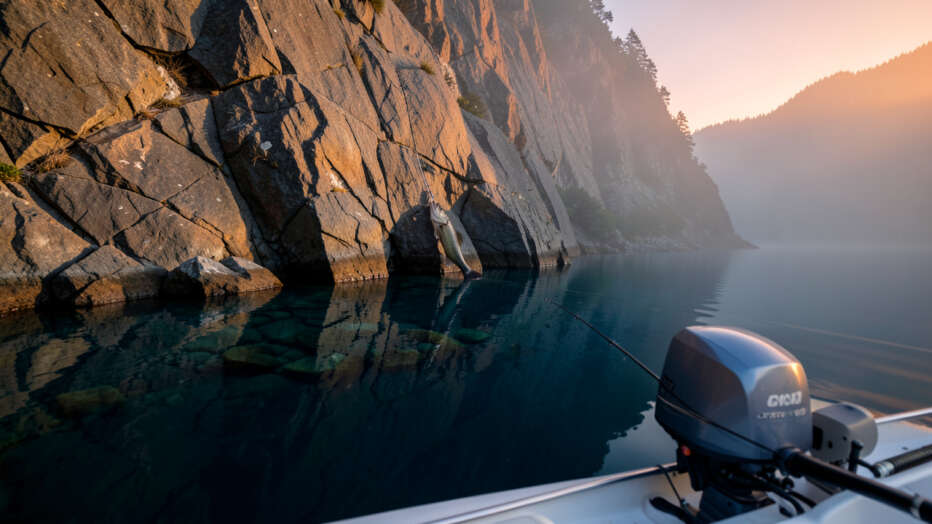
Beyond basic lure presentations, advanced anglers employ specific techniques to maximize their success. One such technique is side-imaging sonar. This technology allows you to see structures and fish off to the sides of your boat.
It’s incredibly useful for identifying bass holding tight to bluff walls or in the nooks and crannies of channel swings.
Another advanced tactic is strolling. This involves slowly dragging a bait along the bottom of a bluff wall or channel swing. It’s particularly effective with finesse baits like drop-shot rigs or small worms.
The slow, deliberate presentation can fool even the most wary bass.
For vertical presentations, mastering a drop-shot rig is key. This allows you to present a bait precisely at a specific depth. You can keep your bait in the strike zone for longer periods.
Use the strolling technique to slowly drag your bait along the bottom, keeping it in the strike zone longer when bass are suspended off a bluff wall or holding just above the bottom.
This is invaluable when bass are suspended off a bluff wall or holding just above the bottom in a channel swing.
Gear Up for the Challenge
Fishing these structured environments requires the right gear. A medium-heavy action rod is a good all-around choice. It provides enough backbone to pull bass out of cover.
Pair it with a reliable baitcasting or spinning reel spooled with strong line, such as 10-20 pound test monofilament or fluorocarbon.
Fluorocarbon line is often preferred for its low stretch and sensitivity. It allows you to feel subtle bites even when fishing deep. It also has less visibility in the water, which can be a big advantage when bass are spooky.
Having a variety of lures is essential. Be prepared to switch between reaction baits like crankbaits and spinnerbaits, and more subtle finesse baits like jigs and worms. The ability to adapt your lure choice based on the bass’s mood is crucial for success.
Understanding Highland Reservoir Bass: Bluff Walls and Channel Swings
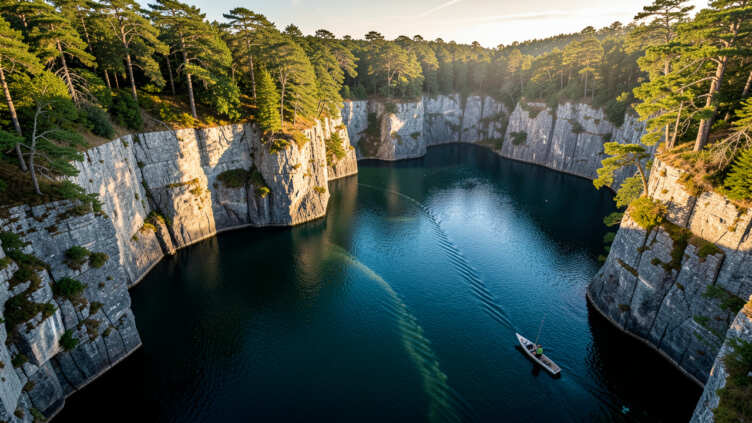
The combination of Highland Reservoir Bass: Bluff Walls and Channel Swings presents a unique challenge and opportunity for anglers. These features create distinct habitats that bass utilize for feeding, resting, and ambushing prey. By understanding the dynamics of these underwater landscapes, you can significantly improve your catch rates.
Bluff walls offer vertical structure and access to deep water. Channel swings provide current breaks and highway-like pathways for bass movement. When these two features overlap, they create incredibly potent fishing zones.
Don’t overlook the overlap zones where bluff walls and channel swings meet; bass concentrate there, and ignoring these intersections means missing prime fishing opportunities.
Anglers who can read the water and employ the right techniques in these areas will find consistent success.
The key is to be observant and adaptable. Learn to identify these features on your fish finder. Experiment with different lures and retrieve speeds.
Pay attention to seasonal changes and weather patterns. By consistently applying these principles, you’ll become much more effective at catching bass in any reservoir.
Frequently Asked Questions
What is the best time of year for Highland Reservoir Bass: Bluff Walls and Channel Swings?
Spring and fall are generally the most productive times for targeting Highland Reservoir Bass: Bluff Walls and Channel Swings. Bass are more active in these seasons, moving into these areas to feed and stage.
How deep should I fish bluff walls?
Depth is critical. Bass can be anywhere from the shallowest part of the drop-off to the deepest water. Start by fishing the transition zone and then experiment with deeper presentations if you aren’t getting bites.
Are channel swings always good fishing spots?
Channel swings are generally excellent, but their effectiveness can vary. Look for bends that have good depth, especially on the outside where current is present. They are particularly good during transitional seasons.
What is the most important factor when fishing bluff walls for bass?
The most important factor is getting your bait close to the wall and presenting it in a way that mimics natural forage. Understanding the depth and any subtle contour changes is also vital.
Can I use the same lures for bluff walls and channel swings?
While some lures overlap, it’s best to have a variety. Spinnerbaits and jigs are great for current in channel swings, while finesse baits and deep-diving crankbaits can be better for precise presentations on bluff walls.
How does current affect bass behavior on channel swings?
Current pushes baitfish towards the outside bends of channel swings, making them prime feeding areas. Bass will use the current break to their advantage, waiting for food to come to them.
Final Thoughts
Mastering Highland Reservoir Bass: Bluff Walls and Channel Swings can transform your fishing trips. Focus on understanding how bass use these key structures for feeding and shelter. By applying the right lures and techniques, you’ll find more bass and enjoy greater success on the water.