Bass On Humps And Saddles: Offshore Structure Fishing Tips
Humps and saddles are offshore structures where bass congregate due to the abrupt changes in lakebed that create feeding opportunities. Seasonal transitions dictate bass depth, with spring pre-spawn fish on shallow humps and summer bass holding deeper along saddles near channels. Effective fishing requires using sonar to pinpoint these features and presenting lures like jigs or swimbaits at the exact depth to trigger strikes from wary bass.
When you’re out on the water, finding where the bass are hiding can be tough. Many anglers focus on the shore, but the real action often happens further out. Learning how to fish offshore structures like humps and saddles can make a huge difference in your catch.
This guide will give you practical Bass on Humps and Saddles: Offshore Structure Fishing Tips to help you locate and catch more fish, turning those frustrating days into successful outings by showing you exactly what to look for and how to present your bait effectively.
Key Takeaways
- You’ll learn to identify prime offshore structure spots like humps and saddles that attract bass.
- Discover the best fishing techniques and lure choices for targeting bass on these structures.
- Understand how water depth and seasonal changes affect bass behavior on offshore humps.
- Gain insights into using electronics to find and analyze underwater structure.
- Learn how to present your bait naturally to trigger strikes from wary bass.
Why Humps and Saddles Are Bass Magnets
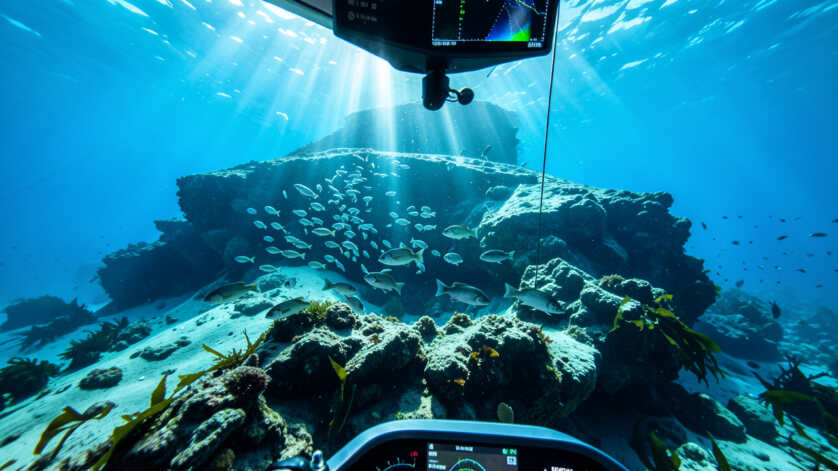
Bass love humps and saddles for several good reasons. These underwater features create changes in the lakebed. They offer structure and depth variations that baitfish also find attractive.
Bass use these areas as ambush points. They can patrol the edges or hold on top, waiting for a meal. Understanding this basic behavior is the first step to successful Bass on Humps and Saddles: Offshore Structure Fishing Tips.
Focus on the edges of humps and saddles where bass stage to ambush baitfish moving along depth changes.
Humps are essentially underwater hills or mounds. They rise from the lake bottom, often breaking the surface during low water conditions. Saddles are lower areas connecting two higher points, like a ridge or a pair of humps.
Both create current breaks. They also provide a contrast in depth. This contrast is a big deal for bass looking for comfort and food.
Finding Your Offshore Bass Hotspots
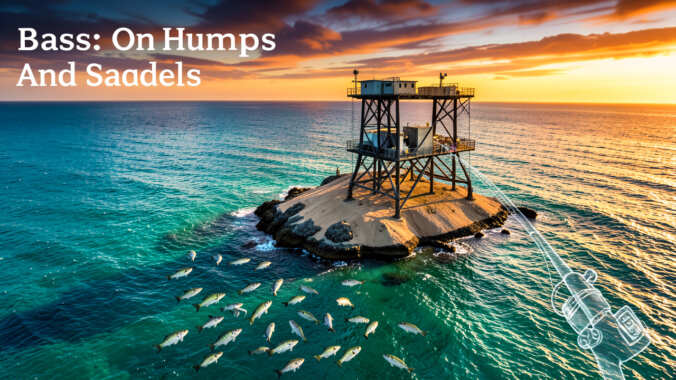
Locating these underwater structures is key. Modern fishing technology makes this much easier. A good fish finder or GPS unit is your best friend.
Look for changes in depth on your sonar. Humps will appear as raised areas. Saddles will show up as dips between higher spots.
Don’t just rely on depth alone. Look for changes in bottom composition too.
Hard bottoms like rock or gravel are often present on these structures. Softer mud bottoms are usually found in the surrounding flats. Most bass prefer to hang around harder bottom areas.
Using a quality fish finder to identify depth changes is the most reliable way to locate offshore humps and saddles.
They offer better footing and attract more bait. Mapping out these spots before you go can save you a lot of time. Many online resources and lake maps also show known structure.
Using Electronics for Structure Detection
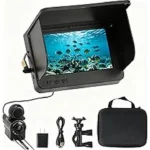
Your fish finder is more than just a depth finder. It can show you the shape of the bottom. Look for contour lines that indicate humps and saddles.
Side-imaging sonar is particularly helpful. It gives you a clear picture of what’s around your boat. You can see the shape and size of the structure.
You can also spot baitfish and bass.
First, learn to read your sonar screen. Understand what different colors and lines represent. Practice on known structures to get a feel for it.
Next, mark promising spots on your GPS. This allows you to return to them later. Don’t be afraid to explore new areas.
Sometimes the best spots aren’t on any map.
Seasonal Strategies for Bass on Humps and Saddles
Bass behavior changes with the seasons. This directly impacts how they use offshore structures. Understanding these shifts is crucial for consistent success with Bass on Humps and Saddles: Offshore Structure Fishing Tips.
Spring: Pre-Spawn and Spawn
As the water warms in spring, bass begin to move shallower. However, many will stage on offshore humps and saddles before heading to the spawning flats. These structures offer a transition zone.
They are typically warmer than the deeper water. They also provide access to shallower spawning areas.
Look for humps and saddles near known spawning grounds. These areas will hold pre-spawn bass. They are often actively feeding.
During the spawn, some bass might still be around these structures. They might be guarding fry or recovering. Focus on the edges and the tops of the humps.
Summer: Deep Water Havens
In summer, bass often move to deeper, cooler water. Offshore humps and saddles become prime real estate. They offer depth and shade.
They also attract baitfish seeking cooler temperatures. Bass will position themselves on the sides or on top of these structures.
The deeper the hump, the more likely it is to hold bass during the hottest months. Look for humps that have a good amount of cover. This could be rocks, ledges, or vegetation.
The best humps are those positioned along the seasonal migration routes between summer and wintering grounds.
The cooler water temperatures create a comfortable environment for bass. They can feed and rest without overheating.
Fall: Feeding Frenzy
Fall is a fantastic time for bass fishing. As water temperatures begin to drop, bass become very active. They are aggressively feeding to build up reserves for winter.
Offshore humps and saddles are again magnets for bass. They concentrate baitfish, and the bass follow.
Focus on humps that have a good drop-off on at least one side. This allows bass to ambush baitfish pushed by the current. Look for humps that are in transition areas between summer and wintering grounds.
This is where you can find large schools of actively feeding bass. It’s a great time for Bass on Humps and Saddles: Offshore Structure Fishing Tips.
Winter: Holding Patterns
In winter, bass become less active. They seek out the deepest, most comfortable water available. Larger, more gradual humps and saddles can still hold bass.
These structures offer a slight break from the main deep basin. They might have a bit more current flow or a slightly warmer micro-environment.
Bass will often suspend over the top or sides of these structures. They are not as actively feeding. You need to present your bait slowly and directly in their face.
Think about vertical presentations. Slow-moving baits are best. Finding these wintering spots is a key aspect of Bass on Humps and Saddles: Offshore Structure Fishing Tips.
Best Lures for Offshore Structure Bass
Choosing the right lure is critical. It needs to imitate the baitfish. It also needs to be presented effectively on the structure.
Different lures work better in different situations and seasons.
Jigs and Trailers
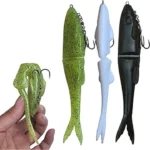
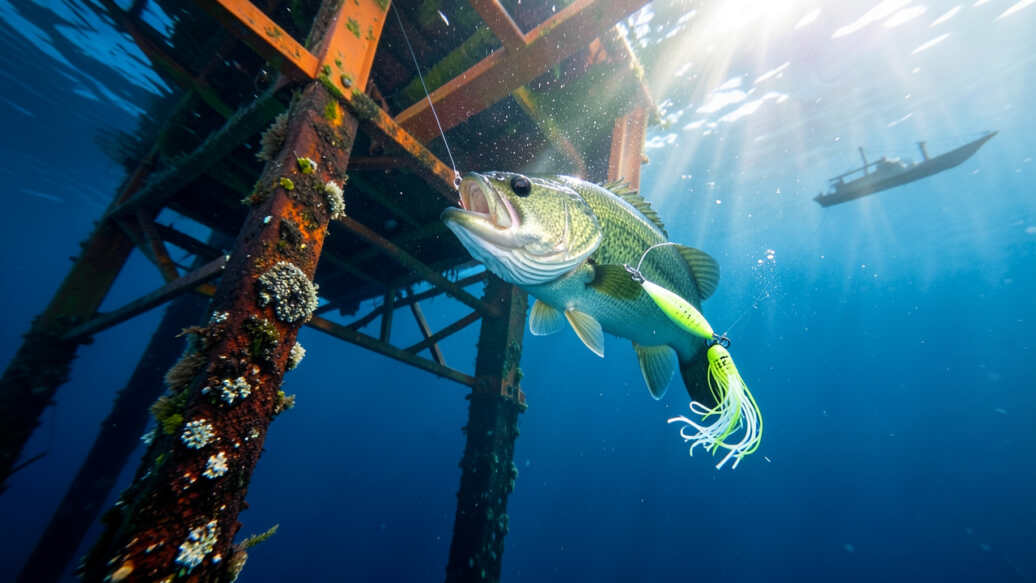
Jigs are a classic choice for offshore structure. A football jig is excellent for dragging across humps and saddles. It keeps the bait on the bottom.
Add a crawfish-colored trailer. This makes it look like a natural meal. You can also use flipping jigs or swim jigs.
Soft Plastics
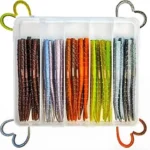
Creature baits, crawfish imitations, and stick baits work well. Texas-rigged or Carolina-rigged soft plastics are great for covering water. They can also be fished slowly.
When bass suspend over deep humps, a drop-shot rig fished slowly can be far more effective than a bottom-bouncing lure.
Drop-shot rigs are effective for suspended bass. They allow for a very natural presentation.
Spoons and Blade Baits
Spoons, especially lipless crankbaits, can be very effective. You can rip them through the water. This mimics a fleeing baitfish.
Blade baits are also good for vertical jigging. They create a lot of vibration. This attracts bass from a distance.
Crankbaits
Deep-diving crankbaits can be used to probe deeper humps. Choose models that can reach the bottom. They should be able to bounce off rocks and cover.
This action often triggers strikes. Match the crankbait color to the forage in the lake.
Techniques for Presenting Your Bait
It’s not just about the lure. How you fish it matters just as much. You need to make your bait look natural and appealing to bass holding on structure.
Dragging and Crawling
For jigs and Carolina rigs, dragging is key. Slowly pull your bait along the bottom. Let it bump and grind over rocks and gravel.
This imitates a crawfish or other bottom-dwelling prey. This technique is excellent for Bass on Humps and Saddles: Offshore Structure Fishing Tips.
Avoid fast retrieves on offshore structure; a slow, natural presentation that mimics crawfish or baitfish is critical to trigger strikes.
Vertical Jigging
When bass are suspended or holding tight to the structure, vertical jigging is best. Drop your bait straight down. Work it up and down.
Keep it near the structure. This is effective for blade baits and spoons. It’s also great for drop-shot rigs.
Casting and Winding
For crankbaits and lipless crankbaits, cast to the structure. Wind your reel. Let the lure dive.
Vary your retrieve speed. Sometimes a fast retrieve works. Other times, a slow, steady retrieve is better.
Experiment to see what the bass want.
Understanding Depth and Water Clarity
Depth is a major factor when fishing offshore structure. Bass will position themselves at depths where they feel comfortable. They also seek out areas with available food.
In clear water, bass might hold on shallower humps. They can see well and might be more willing to chase. In stained or muddy water, bass will often move deeper.
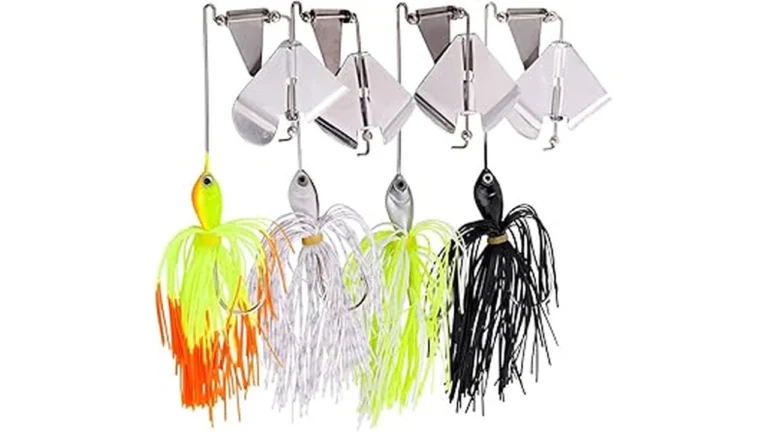
In stained water, bass rely on vibration and contrast; choose darker or more vibrant lure colors to help them locate your bait in low visibility.
They rely more on sound and vibration. They will hold closer to the bottom where they can ambush prey.
Water clarity also influences lure color choice. Brighter, more natural colors work in clear water. In stained water, opt for darker or more vibrant colors that create contrast.
This helps bass find your lure in low visibility. This is a key part of Bass on Humps and Saddles: Offshore Structure Fishing Tips.
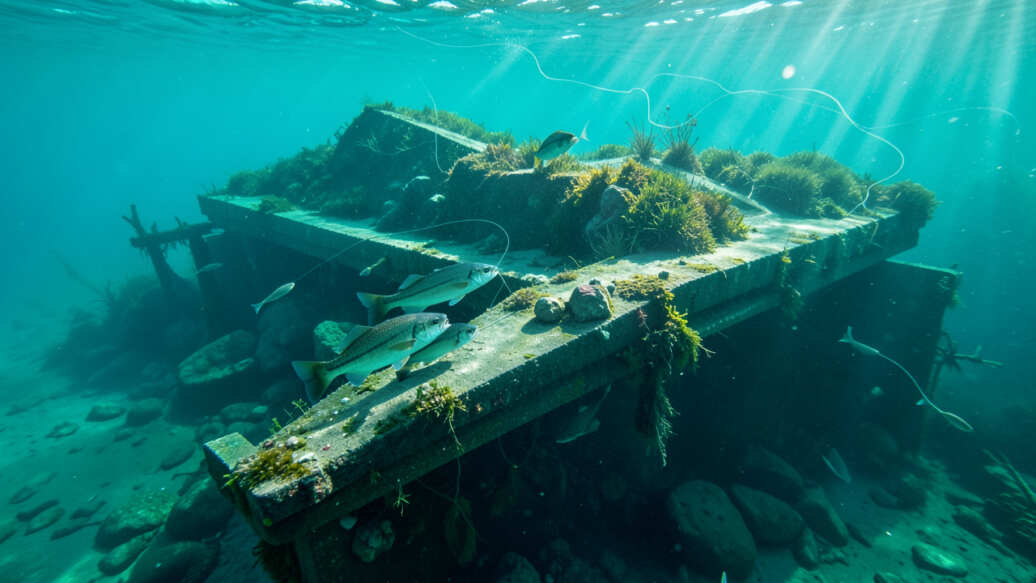
Reading the Structure for Bass Behavior
Not all humps and saddles are created equal. The details of the structure can tell you a lot. Look for key features that attract bass.
Edges and Drop-offs
The edges of humps and saddles are prime ambush points. Bass will often patrol these areas. They wait for baitfish to move along the contour.
Drop-offs offer a quick escape to deeper water. They also provide a vertical element for bass to hold against.
The presence of rocks, logs, or vegetation on a hump or saddle dramatically increases its likelihood of holding bass.
Cover and Concealment
Rocks, boulders, laydown logs, and vegetation all provide cover. Bass use these features to hide. They also use them to ambush prey.
Structures with ample cover are more likely to hold bass. Especially larger bass.
Current Breaks
Humps and saddles can create current breaks. This is where bass can rest. It’s also where baitfish can be found.
Look for areas where the current seems to swirl or eddy. Bass will often be positioned just behind these breaks.
When to Use Specific Offshore Structure Techniques
The best technique often depends on the conditions and the bass’s mood. Don’t be afraid to switch it up.
Match your technique to the bass's mood: vertical jig for suspended fish, dragging for bottom-oriented bass, and casting for active chasers.
Using a table like this helps visualize the best approaches. It’s a good way to apply Bass on Humps and Saddles: Offshore Structure Fishing Tips.
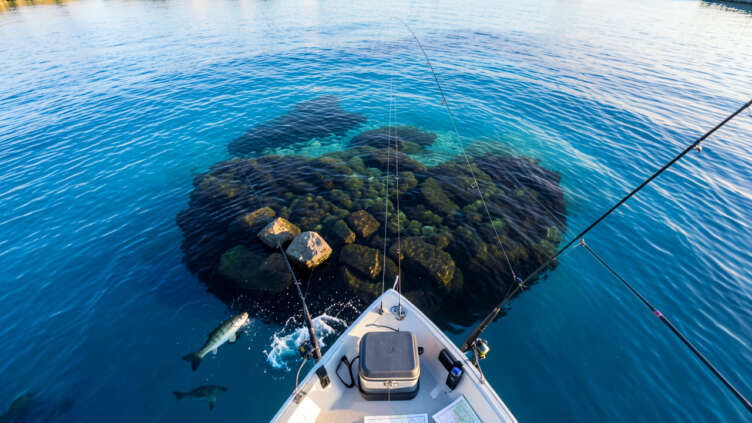
Bass on Humps and Saddles: Offshore Structure Fishing Tips – Putting It All Together
Successfully targeting bass on offshore humps and saddles requires a combination of knowledge and skill. You need to know where to look. You need to know what lures to use.
And you need to know how to present them effectively. By understanding how bass use these underwater features, you can significantly improve your chances of success.
First, use your electronics to find potential humps and saddles. Look for changes in depth and bottom composition. Next, consider the season.
This will guide your depth choice and lure selection. Then, choose a lure that imitates the local forage. Present it in a way that appeals to the bass’s feeding instincts.
Finally, be patient and persistent. Offshore fishing can take time, but the rewards are well worth the effort.
Remember that bass behavior can change rapidly. What works one day might not work the next. Stay adaptable.
Pay attention to subtle cues. This will help you refine your approach. Mastering Bass on Humps and Saddles: Offshore Structure Fishing Tips will turn you into a more consistent angler.
Frequently Asked Questions
Question: How do I find humps and saddles if I don’t have a fancy fish finder?
Answer: You can still find them by looking at lake contour maps. Many lakes have these maps available online or at bait shops. You can also use a basic depth finder and observe changes in depth as you move.
Feel for changes in bottom composition with your lure.
Question: What is the best time of year for bass on humps and saddles?
Answer: While bass can be found on these structures year-round, fall and summer are often considered prime times. Fall offers aggressive feeding, and summer provides deep water refuge. Spring also sees staging bass on these areas.
Question: Should I always use heavy jigs for offshore bass fishing?
Answer: Not necessarily. While football jigs are great for dragging, lighter lures like drop-shot rigs or Ned rigs can be more effective when bass are less aggressive or in clearer water. The weight depends on depth and wind conditions.
Question: How can I tell if a hump has bass on it?
Answer: Your fish finder can help by showing baitfish. You might also see suspended fish marks above the structure. Sometimes, a sudden bite is your first indication.
Observing the structure for any signs of baitfish activity is a good start.
Question: Is it better to fish the top or the sides of a hump?
Answer: It depends on the bass’s mood and the conditions. Bass often patrol the edges and drop-offs, ambushing prey. They might hold on the top if baitfish are present or for comfort.
Experiment with both areas to see where the bites are coming from.
Question: How important is water clarity for Bass on Humps and Saddles: Offshore Structure Fishing Tips?
Answer: Water clarity is very important. In clear water, bass might be more spread out or wary, preferring subtler presentations. In stained or muddy water, they’ll often hold tighter to structure and rely more on vibration and scent, making them easier to locate with the right lures.
Final Thoughts
Catching bass on offshore humps and saddles is a rewarding skill. By using your electronics, understanding seasonal patterns, and employing the right lures and techniques, you can consistently find and catch fish. These underwater structures offer excellent opportunities for anglers willing to explore beyond the shoreline.