

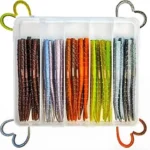



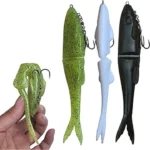


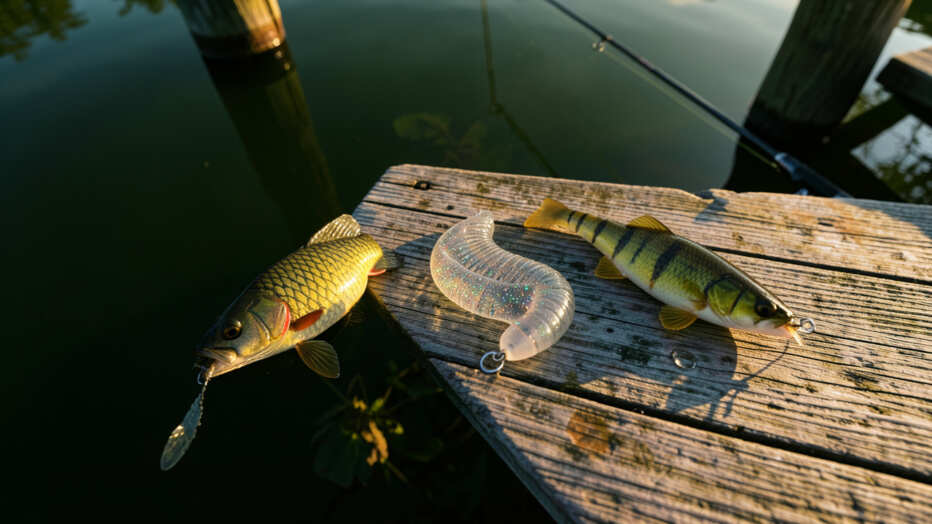
Swimbait Bass Fishing: Hard, Soft, And Glide Bait Tactics
Swimbait bass fishing with hard, soft, and glide baits gives anglers distinct tactics for matching bass forage and triggering strikes under varying conditions. Hard body swimbaits excel in open water with a tight wobble, soft plastics offer a lifelike feel for finesse presentations, and glide baits draw reaction strikes with their erratic side-to-side motion. Mastering the retrieve speed, depth control, and rigging for each type is the key to converting hesitant bass into aggressive bites.
Catching more bass can feel like a puzzle, and sometimes you need the right tools to solve it. If you’re looking to improve your fishing game, especially when bass are being picky, learning about swimbaits is a smart move. This guide will walk you through the basics of Swimbait Bass Fishing: Hard, Soft, and Glide Bait Tactics, showing you how these lures can make a big difference in your success on the water.
You’ll learn what makes each type of swimbait work and how to use them effectively to attract those wary bass.
Key Takeaways
- Understand the different types of swimbaits: hard, soft, and glide baits.
- Learn how to choose the right swimbait for various water conditions and fish behavior.
- Discover effective retrieve techniques for each swimbait type to trigger strikes.
- Identify the best times and places to use swimbaits for bass fishing.
- Gain insights into rigging and presentation tips for maximizing your success.
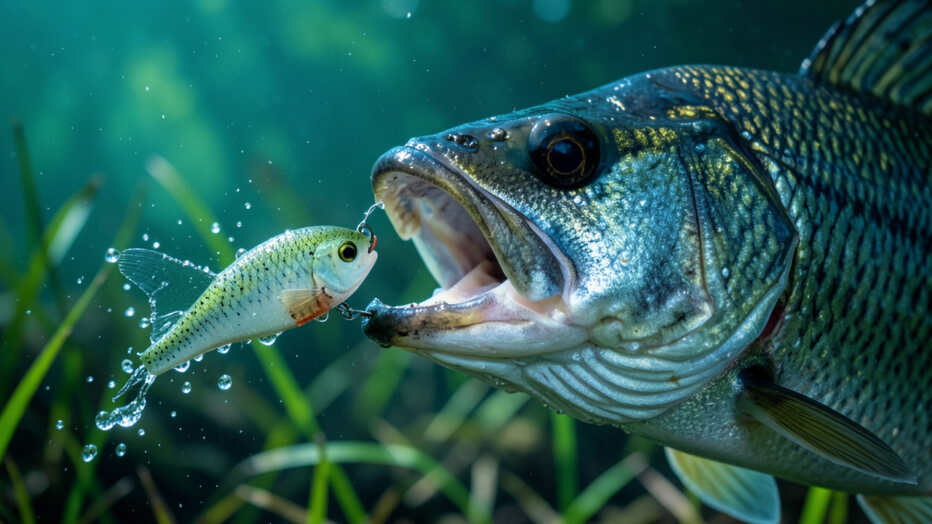
Why Swimbaits Work So Well for Bass
Bass are predators, and they often feed on baitfish. Swimbaits are designed to mimic these natural food sources, making them incredibly appealing to bass. Their lifelike action and profile can draw strikes from even the most hesitant fish.
The variety available means you can match the hatch, or the prevalent forage, in almost any body of water. Effective Swimbait Bass Fishing: Hard, Soft, and Glide Bait Tactics can significantly boost your catch rates.
Match the prevalent forage in your lake by selecting a swimbait that mimics the local baitfish size and color for maximum appeal.
The reason swimbaits are so effective is their ability to present a realistic meal to bass. They move through the water in a way that closely resembles fleeing or injured baitfish. This triggers a bass’s predatory instinct.
When you master Swimbait Bass Fishing: Hard, Soft, and Glide Bait Tactics, you’re essentially speaking the bass’s language.
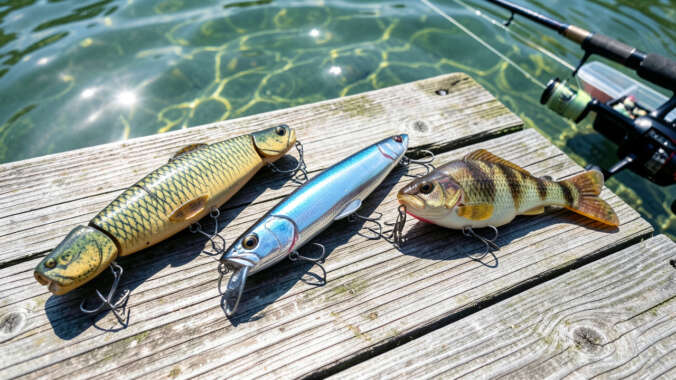
Exploring Hard Body Swimbaits
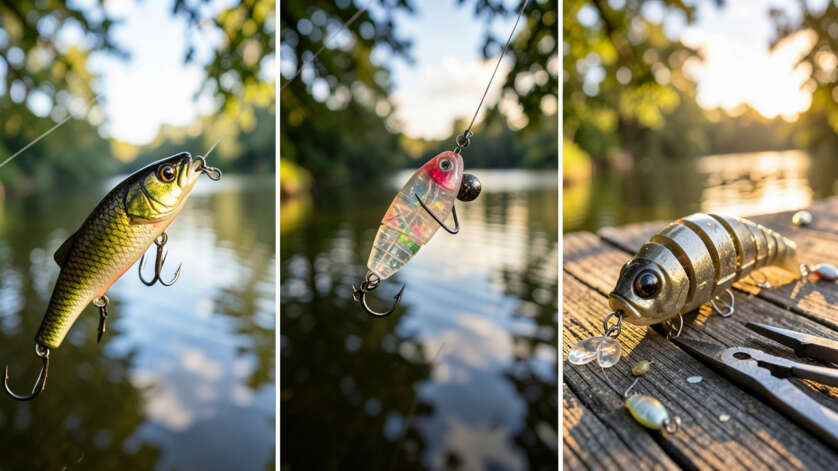
Hard body swimbaits are often the go-to for anglers seeking a realistic baitfish imitation. They come in a wide range of shapes, sizes, and actions. Some are designed to wobble, others to dart, and some even have jointed bodies for a more natural swimming motion.
The material is usually plastic or wood, offering durability and buoyancy.
When you’re using hard body swimbaits, think about the type of action you want to create. A steady retrieve often works well for many models, especially those with a natural wobble. For jointed baits, a slower, more deliberate retrieve can be very effective.
Experimenting with speed is key to finding what the bass want on any given day.
Choosing the Right Hard Swimbait
Consider the forage in your local waters. Are the bass eating shad, bluegill, or minnows? Match the size and color of your hard swimbait to these natural prey items.
For instance, if shad are common, a shad-shaped, silver or white swimbait is a good choice. If the bass are targeting bluegill, a wider-bodied bait in a bluegill pattern might be more effective.
The depth you want to fish also plays a role. Some hard swimbaits float, others suspend, and some sink. A lipless crankbait style hard swimbait can be retrieved to dive to a specific depth.
Adding a subtle rod twitch during the retrieve makes a hard body swimbait dart erratically, effectively imitating a wounded baitfish and triggering strikes.
Floating models are great for targeting shallow areas or working over weed beds. Suspending baits are excellent for pausing and letting the lure hang in the strike zone.
Retrieving Hard Swimbaits
First, start with a steady retrieve. Many hard swimbaits have an inherent action that will work for you. Crank the reel at a consistent speed and feel the lure’s vibration.
If you’re not getting bites, try varying your retrieve speed. Speeding up can sometimes trigger a reaction strike from a bass that’s following but not committing.
Next, incorporate pauses. Stopping the retrieve for a few seconds can make the swimbait look like an easy meal. This is especially effective for suspending or slow-sinking hard baits.
Watch your line closely during pauses, as many strikes happen when the lure is stationary.
Then, try a “stop-and-go” retrieve. This involves a few cranks, a pause, and then a few more cranks. You can also add a subtle twitch of the rod tip to make the lure dart erratically, mimicking a wounded baitfish.
Mastering these retrieves is a core part of successful Swimbait Bass Fishing: Hard, Soft, and Glide Bait Tactics.
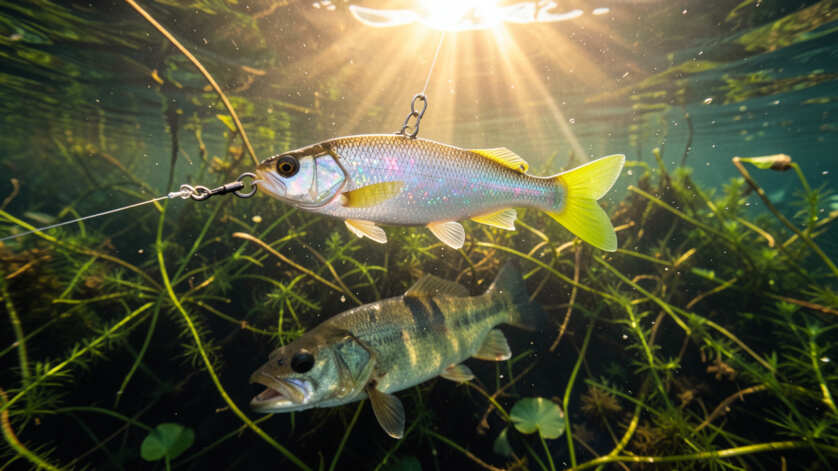
Mastering Soft Plastic Swimbaits
Soft plastic swimbaits offer incredible versatility. They can be rigged in numerous ways to fish at different depths and imitate various baitfish actions. Their flexibility allows for subtle, lifelike movements that can fool even the most educated bass.
From paddle tails to segmented bodies, the options are vast.
One of the biggest advantages of soft swimbaits is their ability to be rigged weedless. This allows you to cast them into heavy cover where big bass often hide, without getting snagged. This is a crucial aspect of effective Swimbait Bass Fishing: Hard, Soft, and Glide Bait Tactics, especially in overgrown lakes and rivers.
Rigging Soft Plastic Swimbaits
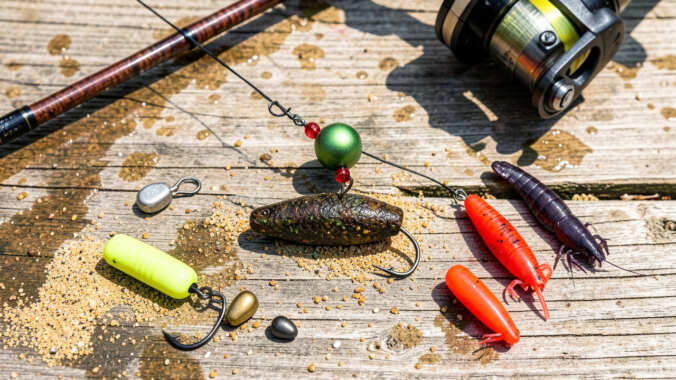
A popular rigging method is the Texas rig. Use a worm hook with a screw lock or a bullet weight. This setup is great for fishing through grass and brush.
The weedless nature of this rig means you can confidently present your bait in structure-filled areas.
Another effective rig is the Jika rig or a freedom trailer hook setup. These are often used with larger soft swimbaits to ensure a better hook-up ratio. Adding a trailer hook can prevent short strikes from turning into missed fish.
This is particularly important when using larger, more expensive soft swimbaits.
A slight lift and drop of the rod tip transforms a soft plastic swimbait into an erratic, wounded baitfish that big bass can’t resist.
For a more natural swimming action, consider a jig head. You can match the jig head’s weight to the depth you’re fishing. A swim jig head with a screw lock will hold the bait securely.
The jig head also provides a point for the bass to attack, increasing your hook-up percentage.
Retrieving Soft Plastic Swimbaits
When using a paddle tail soft swimbait on a jig head, a steady retrieve is often best. The paddle tail will create its own action. You can vary the speed to see what works.
A slow, steady retrieve can be deadly for bass lurking near the bottom.
For segmented or more realistic soft swimbaits, try a combination of reeling and pausing. You might reel for a few seconds, then pause, then reel again. Adding a slight lift and drop of the rod tip can give the bait a more erratic, wounded appearance.
This dynamic retrieve is a cornerstone of advanced Swimbait Bass Fishing: Hard, Soft, and Glide Bait Tactics.
Don’t forget about the subtle twitch. Even with a steady retrieve, a small twitch of the rod can make a soft swimbait dart or change direction, enticing a bass to strike. This small movement can be the difference between a follow and a bite.
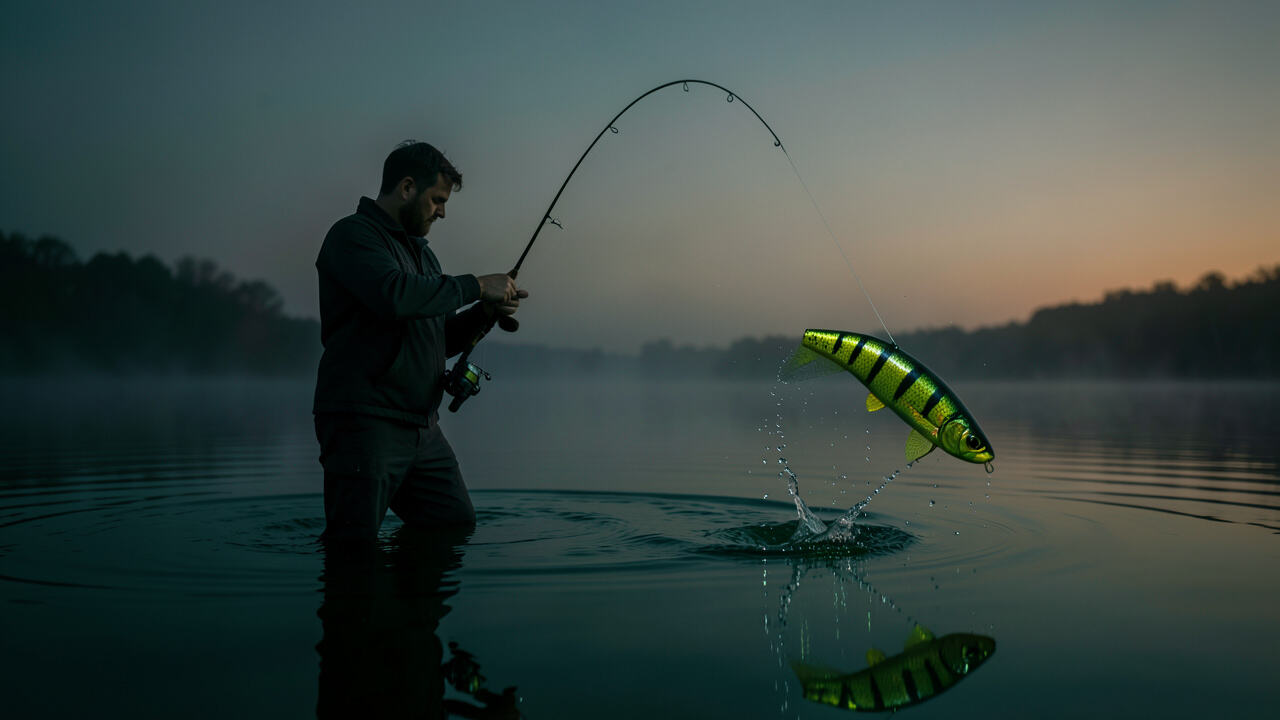
The Allure of Glide Baits
Glide baits are a type of hard swimbait characterized by their wide, sweeping side-to-side action. They typically have a segmented body that makes them look very lifelike in the water. Glide baits are known for their ability to cover a lot of water and attract aggressive strikes from large bass.
The key to fishing glide baits is the retrieve. They don’t have a built-in action like some other swimbaits. Instead, the angler imparts the action through rod movements.
This allows for a high degree of control over the lure’s presentation.
Working a Glide Bait
First, cast your glide bait to your target area. Then, give the rod tip a sharp twitch. This will make the glide bait swing wide to one side.
Follow this with a slow, steady retrieve to bring the bait back to its center position. This “twitch-and-retrieve” cadence is fundamental to working a glide bait.
Use a rod tip sweep to make a glide bait sashay side-to-side erratically, mimicking a fleeing baitfish to trigger aggressive strikes.
Next, experiment with different twitch durations and reel speeds. A longer twitch might create a wider sweep, while a shorter twitch will result in a subtler movement. The pause between twitches is also critical.
Some days, bass want the bait moving almost constantly. Other days, they want it to sit still for a moment after a sweep.
Then, try a “walk-the-dog” style retrieve. This involves a series of short, sharp twitches with a steady retrieve in between. This can make the glide bait sashay back and forth erratically, mimicking a fleeing baitfish.
This technique is a powerful component of effective Swimbait Bass Fishing: Hard, Soft, and Glide Bait Tactics.
When to Throw Glide Baits
Glide baits are particularly effective when bass are actively feeding on larger baitfish. They excel in clear to slightly stained water where bass can easily see the lure’s wide sweep. This type of bait is also a favorite for targeting big, mature bass that are looking for a substantial meal.
Consider using glide baits during the pre-spawn and post-spawn periods when bass are often more aggressive and looking to fatten up. They can also be dynamite during the fall when baitfish are schooling and bass are actively hunting.
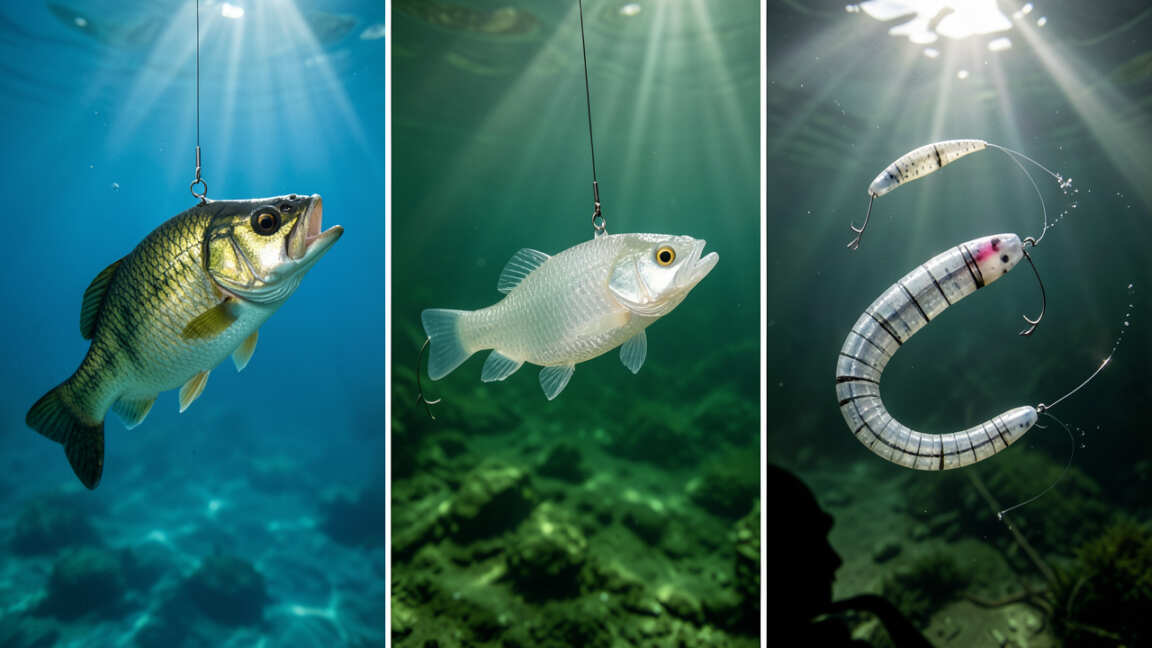
Comparing Swimbait Types
Each type of swimbait has its strengths and weaknesses. Understanding these differences will help you choose the right lure for the situation. This comparison is vital for mastering Swimbait Bass Fishing: Hard, Soft, and Glide Bait Tactics.
Choosing the wrong swimbait type for the conditions can significantly reduce your catch rate; always match the action to the bass’s mood and cover.
Rigging and Presentation Tips
Regardless of the swimbait type, proper rigging is crucial. Ensure your hooks are sharp and positioned correctly for a good hook-set. For soft plastics, a weedless setup is often preferred to avoid snags.
For hard baits, consider upgrading stock treble hooks to sharper, stronger ones.
Color selection is also important. Always try to match the natural forage in the body of water you’re fishing. If you’re unsure, natural baitfish colors like silver, white, and various shad patterns are usually a safe bet.
When in doubt, start with natural baitfish colors like silver or shad patterns; reserve bright colors for murky water or reaction strikes.
Bright colors can be effective in murky water or when bass are looking for a reaction strike.
Finally, pay attention to the retrieve. Bass fishing with swimbaits is often about finding the right cadence. Don’t be afraid to experiment.
Vary your speed, add pauses, and use rod twitches to make your lure look as natural as possible. This attention to detail is what separates good anglers from great ones in Swimbait Bass Fishing: Hard, Soft, and Glide Bait Tactics.
Frequently Asked Questions
What is the best time of year for swimbait bass fishing?
Swimbaits can be effective year-round, but they often shine during spring and fall when bass are actively feeding on baitfish. They can also be great in the summer when bass are chasing larger meals.
How do I choose the right size swimbait?
Match the size of your swimbait to the prevalent baitfish in your area. If bass are eating small shad, use a smaller swimbait. If they are targeting larger baitfish, a bigger swimbait is more appropriate.
Can I use swimbaits in dirty water?
Yes, swimbaits can work in dirty water, especially those with a strong tail kick or a bright, contrasting color. Paddle tail soft plastics and lipless hard baits with rattles are often good choices.
What kind of rod and reel should I use for swimbaits?
For larger swimbaits, a medium-heavy to heavy power casting rod with a fast action is recommended. A baitcasting reel with a moderate gear ratio (6.x:1 or 7.x:1) is ideal for controlling retrieves.
Are glide baits difficult to fish?
Glide baits require a bit of practice to master the retrieve. Once you understand how to impart the action with your rod, they become a very effective tool for catching big bass.
When should I use a hard swimbait versus a soft swimbait?
Use a hard swimbait when you want a consistent action and can fish around less cover. Opt for soft swimbaits when you need to fish through heavy cover, want more rigging options, or prefer a more subtle presentation.
Final Thoughts
Mastering Swimbait Bass Fishing: Hard, Soft, and Glide Bait Tactics opens up a world of opportunity for catching more bass. By understanding the unique advantages of hard, soft, and glide baits, and practicing effective rigging and retrieval methods, you can significantly improve your success on the water. Keep experimenting and have fun out there!




2 Comments