Bass Fishing Vocabulary: 50 Terms Every Angler Should Know
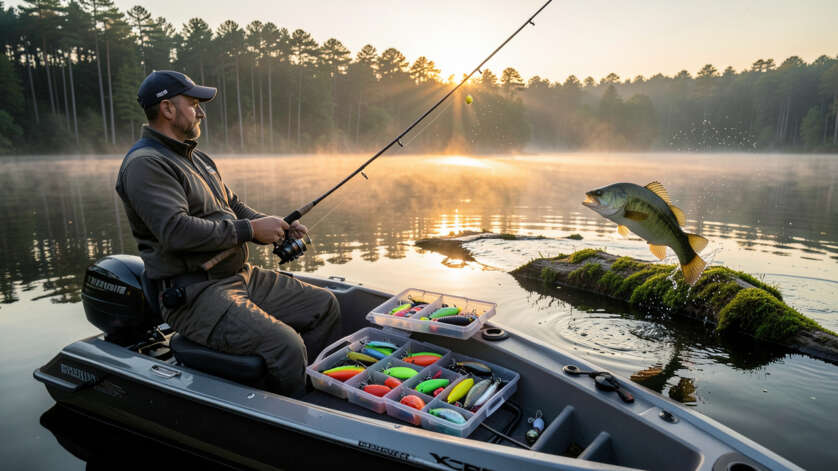
Mastering the 50 terms in bass fishing vocabulary gives anglers a precise language to interpret techniques, select appropriate lures, and discuss fish behavior with confidence. Terms covering bass habitat such as points, ledges, and creek channels allow fishermen to consistently locate productive spots. Knot terminology like Palomar and improved clinch ensures secure line connections that prevent losing fish during the fight. Understanding these foundational terms translates directly into more effective presentations and a higher catch rate on the water.
Knowing the right words can really help you catch more bass. When you understand the terms anglers use, you can follow advice better, talk with other fishermen, and even pick out the best gear. This guide to Bass Fishing Vocabulary: 50 Terms Every Angler Should Know will give you the confidence to talk the talk and walk the walk on the water.
You’ll learn what different knots, lures, and techniques mean, making your fishing trips more successful and enjoyable.
Key Takeaways
- Grasping common bass fishing terms improves communication with fellow anglers and understanding of techniques.
- Learning about lure types and their applications helps in choosing the right bait for different conditions.
- Understanding knot terminology is essential for secure line connections and preventing lost fish.
- Familiarity with bass behavior and habitat terms aids in locating and targeting fish effectively.
- Knowing equipment terms ensures better selection and use of rods, reels, and other gear.
- A solid vocabulary empowers anglers to learn faster and enjoy the sport more.
Mastering the Lingo: Essential Bass Fishing Vocabulary
Why Knowing the Terms Matters
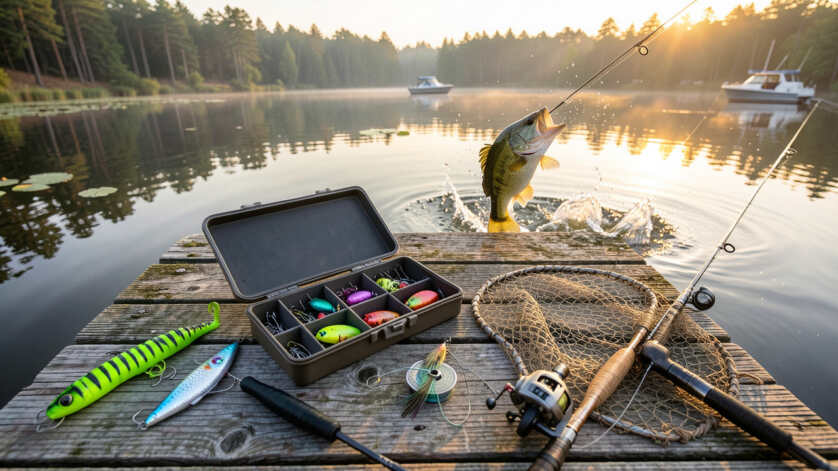
Getting a handle on the language of bass fishing is more than just knowing fancy words; it’s about becoming a more effective angler. When you hear someone talk about a “Carolina rig” or a “drop shot,” you’ll know exactly what they mean and how to use it. This knowledge helps you learn new techniques faster from books, videos, or experienced friends.
It also means you can ask for specific advice at your local tackle shop and get exactly what you need. Plus, sharing these terms with other fishermen builds a sense of community on the water. It’s like speaking the same language, which makes everything smoother and more fun.
Make it a habit to ask experienced anglers to explain unfamiliar terms you hear on the water and then apply them during your next outing.
The Building Blocks of Bass Fishing
Every angler, from beginner to pro, relies on a core set of terms to describe the gear, techniques, and fish they encounter. These words are the foundation of effective communication in the sport. Without them, trying to learn new strategies or even just discussing a recent trip can be confusing.
Think of it like learning a new skill; you need to know the basic tools and actions involved. This guide aims to equip you with exactly that knowledge, so you can move beyond just casting and reeling to truly understanding the nuances of bass fishing.
Understanding Bass Behavior and Habitat
Where Bass Like to Hang Out
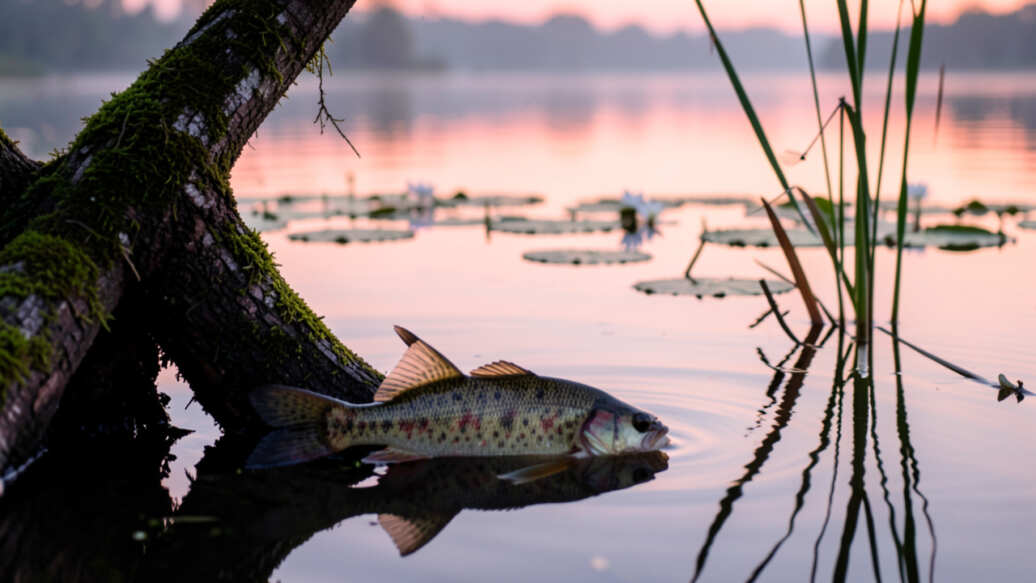
Bass fishing is all about finding where the fish are. This means understanding their preferred spots, which are often influenced by factors like water temperature, clarity, and the presence of food. Knowing these details helps you predict where you’re most likely to find a bite.
For instance, bass often seek out shade and cover to ambush prey or escape the sun. They also need oxygen, so areas with good water movement are usually productive. This section covers terms related to the places bass live and why they choose those spots.
Key Terms for Bass Locations
When you’re out on the water, you’ll hear anglers talking about specific areas. Terms like Structure and Cover are fundamental. Structure refers to underwater formations like drop-offs, points, or humps that create changes in depth.
Bass will hold near structure that provides both shade and access to prey; focus on areas with a mix of cover and current for consistent action.
Cover is anything that offers the fish a place to hide, such as submerged logs, lily pads, or boat docks. Understanding these differences is crucial for locating bass. For example, bass might hold on a rocky point (structure) that also has submerged trees (cover).
- Structure: Refers to underwater changes in the lakebed, like points, drop-offs, ledges, and humps. These features can attract baitfish, which in turn attract bass.
- Cover: Anything that provides a bass with a place to hide or ambush prey. This includes visible items like lily pads, reeds, and docks, as well as submerged objects like logs, brush piles, and vegetation.
- Drop-off: An area where the lakebed suddenly slopes from shallow to deep water. Bass often patrol the edges of drop-offs, waiting for food.
- Point: A finger of land that juts out into the water. Underwater points can be excellent ambush spots for bass, especially when they extend into deeper water.
- Hump/Mound: An underwater hill or elevation. These can be magnets for baitfish and bass, particularly in deeper lakes.
- Channel Swing: A bend in a river or creek channel. The outside bend of a channel swing often features deeper water and current, attracting bass.
- Weedline: The edge of aquatic vegetation. Bass often use the weedline as cover and an ambush point for feeding.
- Stained Water: Water that is not clear, often due to sediment or algae. This can affect lure choice and presentation, as bass rely more on sound and vibration.
- Trophy Bass: A term used to describe a particularly large or mature bass, often sought after by anglers.
- Schooling Bass: When bass gather together in large numbers, often to feed on baitfish. This can lead to explosive fishing action.
Understanding Bass Moods and Actions
Bass aren’t always biting. Their behavior changes based on feeding patterns, weather, and time of year. Learning terms that describe these states helps you adjust your approach.
For instance, if bass are in a “frenzy,” they are actively feeding and easier to catch. If they are “neutral” or “negative,” they might be harder to entice, requiring different tactics. Recognizing these moods is key to a successful day on the water.
- Frenzy: A period when bass are actively feeding and aggressive, often chasing baitfish. This is typically the best time to catch them.
- Neutral: Bass that are not actively feeding but are not necessarily avoiding bait either. They may respond to presentations that are more subtle or presented directly in front of them.
- Negative: Bass that are actively avoiding bait or are not interested in feeding. This can happen during certain weather conditions or after heavy fishing pressure.
- Spooked: When a bass is frightened by a lure, boat noise, or shadow and swims away. This indicates the presentation was too aggressive or intrusive.
- Follower: A bass that trails a lure without striking. This often means the lure is too slow, too fast, or not enticing enough.
- Baitfish: Small fish that bass feed on. Identifying what baitfish are present in a body of water helps anglers choose lures that imitate them.
Essential Bass Fishing Lures and Baits
The Art of Lure Selection
Choosing the right lure is perhaps the most critical decision an angler makes. Different lures are designed to mimic different types of prey and work best in specific conditions. Understanding the purpose and action of each lure type is fundamental to success.
This section breaks down the most common lure categories and what makes them effective for catching bass. You’ll learn why a tiny jig might work one day, and a large crankbait might be the ticket the next.
Topwater Lures: Making a Splash
Topwater lures are exciting because you see the strike happen right on the surface. They are often used when bass are actively feeding near the surface, especially during low-light conditions like dawn and dusk, or during overcast days. The commotion they create can trigger aggressive strikes from curious or hungry bass.
Different topwater lures create different actions, from a subtle “walk-the-dog” wobble to a loud “popping” sound.
- Popper: A topwater lure with a cupped face that creates a popping or chugging sound when twitched. This mimics a struggling baitfish or insect.
- Walk-the-Dog Lure: A slender topwater bait that moves side-to-side in a zigzag pattern when retrieved with a series of sharp twitches. This action is very effective for triggering strikes.
- Prop Bait: A topwater lure with one or more propellers that spin and create a commotion on the surface. This can imitate fleeing baitfish.
- Hollow Body Frog: A soft, hollow plastic frog designed to be fished over vegetation or submerged cover. It’s weedless and mimics frogs or other surface-dwelling prey.
- Buzzbait: A lure with a rotating blade that creates a lot of surface disturbance and noise as it’s retrieved. This is great for covering water and attracting aggressive bass.
- Wakebait: A topwater lure that creates a “wake” or ripple on the surface as it’s retrieved. This subtle disturbance can entice bites from cautious fish.
Subsurface Lures: Working Below the Surface
When bass aren’t hitting topwater, subsurface lures become essential. These lures are designed to be fished at various depths, from just below the surface to deep down on the bottom. Each type has a specific action and target depth, making it important to choose the right one for the conditions.
When bass refuse topwater offerings, switching to a subsurface lure that mimics a wounded baitfish can turn a slow day into a productive one.
From the wobbling action of a crankbait to the subtle flutter of a spoon, these lures present enticing targets to bass.
- Crankbait: A hard-bodied lure with a lip that causes it to dive and wobble when retrieved. Different crankbaits have different diving depths and actions.
- Jerkbait: A slender, minnow-shaped lure that is fished with a series of sharp twitches and pauses. This erratic action can trigger strikes from bass.
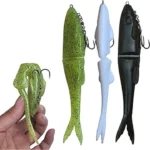
- Swimbait: A soft or hard plastic lure designed to mimic a baitfish. They come in various sizes and profiles and can be fished at different depths.
- Spinnerbait: A lure with a wire frame, a spinning blade, and a skirt. The blade creates flash and vibration, while the skirt imitates a baitfish or crawfish.
- Chatterbait (Bladed Jig): A jig with a metal blade attached to the head, which creates a unique vibrating action when retrieved. This is very effective in stained water.
- Lipless Crankbait: A hard-bodied lure without a lip that sinks. It’s often retrieved with a ripping or yo-yoing motion to imitate fleeing baitfish.
Soft Plastics: Versatility and Realism
Soft plastic baits are incredibly versatile and can be rigged in countless ways to target bass at any depth. Their lifelike texture and action can fool even wary fish. From worms and grubs to creature baits and crawfish imitations, soft plastics offer a realistic presentation that bass find hard to resist.
Their ability to be rigged weedless also makes them ideal for fishing in heavy cover.
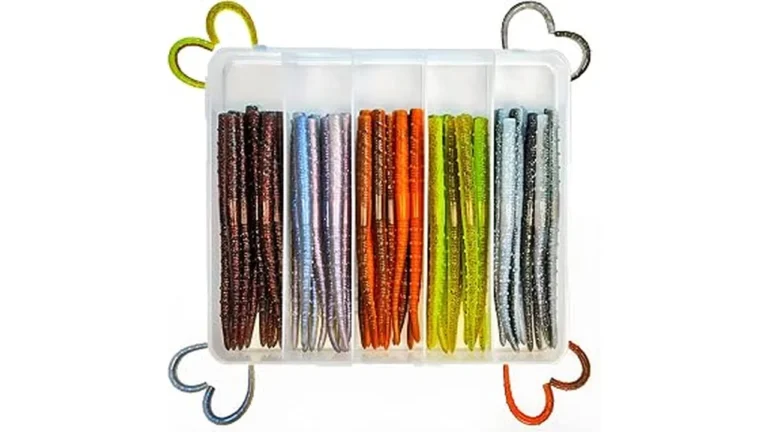
- Worm: A classic soft plastic bait, often long and slender, designed to be rigged in various ways. They are highly effective for their natural, subtle action.
- Grub: A soft plastic bait with a curled or paddle tail that creates action when retrieved or twitched. They are often used on jig heads or as trailers.
- Creature Bait: A soft plastic bait designed to imitate various aquatic creatures like crawfish, lizards, or bugs. They often have multiple appendages for added action.
- Crawfish Imitation: A soft plastic bait shaped like a crawfish, a primary food source for bass. These are often fished on the bottom.
- Senko: A popular stick bait known for its subtle, natural action and ability to catch bass when other lures fail. It can be rigged weightless or with weight.
- Fluke: A soft plastic bait designed to imitate a dying baitfish. It’s often rigged weightless and twitched to create a natural, erratic action.
Jigs and Other Bottom Baits
Jigs are incredibly effective for targeting bass that are holding close to the bottom. They are often paired with soft plastic trailers to enhance their appeal. The jig’s ability to be hopped, dragged, or swam along the bottom makes it a versatile tool for enticing bass in various situations.
Other bottom baits, like drop-shot rigs, allow for precise presentations in specific spots.
- Football Jig: A jig with a football-shaped head, designed to be dragged along the bottom. It has excellent contact and is great for rocky areas.
- Arkie Jig: A jig with a pointed head, designed to deflect off cover. It’s a good all-around jig for various applications.
- Flipping Jig: A compact, heavy jig designed for flipping and pitching into tight cover. It usually has a stout hook and a weedguard.
- Jig Trailer: A soft plastic bait (like a crawfish or grub) attached to the hook of a jig to add bulk, action, and scent.
- Drop Shot Rig: A finesse fishing technique where a weight is tied to the end of the line, and a hook with a bait is tied several inches above it. This allows for precise bait presentation.
- Carolina Rig: A rig consisting of a weight, a bead, a swivel, and a hook with a soft plastic bait. It’s designed to be dragged slowly along the bottom.
Essential Bass Fishing Knots
The Importance of Reliable Knots
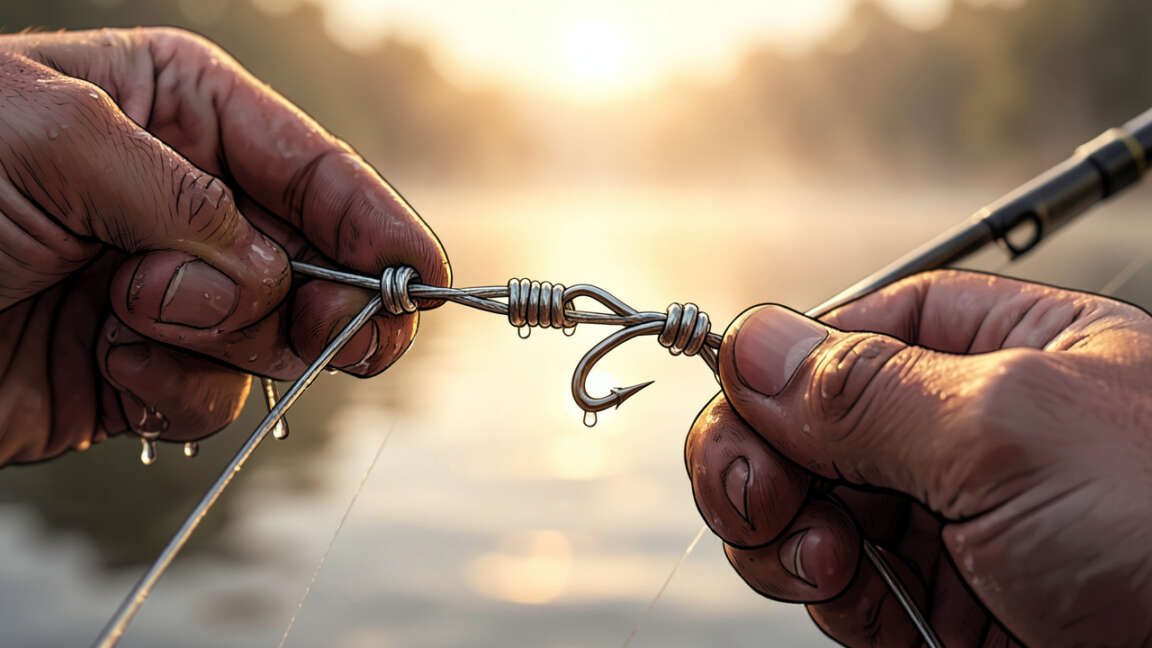
A strong knot is the direct link between you and the fish. A poorly tied knot can lead to lost fish, lost lures, and immense frustration. Learning to tie a few key knots correctly is essential for any angler.
Practice tying the improved clinch knot and Palomar knot until you can do them blindfolded; they are the most reliable connections for bass fishing.
These knots need to be strong, easy to tie, and suitable for different types of fishing line, such as monofilament, fluorocarbon, and braided line. This section will introduce you to the most important knots every bass angler should master.
Key Knots for Every Angler
Mastering a few fundamental knots will serve you well in almost any bass fishing scenario. These knots are chosen for their strength, ease of tying, and reliability with various line types. Knowing when to use each knot can make a significant difference in your success rate and confidence on the water.
- Palomar Knot: A very strong and easy-to-tie knot, excellent for braided line and for attaching lures or swivels. It’s known for its reliability.
- Improved Clinch Knot: One of the most common and versatile fishing knots, suitable for monofilament and fluorocarbon lines. It’s relatively easy to tie and very strong.
- San Diego Jam Knot: A knot that is very strong, especially with fluorocarbon line. It’s a bit more complex than the clinch knot but offers superior holding power.
- Uni Knot: A versatile knot that can be used to tie your line to a reel, join two lines together, or attach a lure. It’s strong and relatively easy to learn.
- Blood Knot: Primarily used for joining two lines of similar diameter, particularly monofilament. It’s a strong and streamlined knot for this purpose.
- Snell Knot: Often used to tie hooks directly to the line, particularly for Texas rigs or when using circle hooks. It helps keep the hook aligned with the bait.
Understanding Rods, Reels, and Line
Choosing the Right Gear
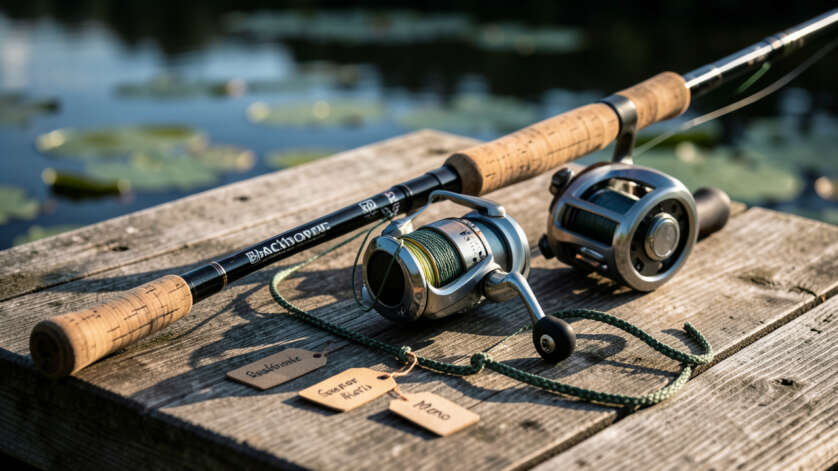
The equipment you use plays a huge role in how effectively you can present your bait and fight a fish. Rods, reels, and lines are the core components of your fishing setup. Understanding their characteristics helps you choose the best combination for your fishing style and the conditions you’ll be facing.
A good setup not only makes fishing more enjoyable but also increases your chances of landing that trophy bass.
Rod Anatomy and Action
A fishing rod isn’t just a stick; it has specific features that affect its performance. The power of the rod refers to how much force it takes to bend it, while the action describes where along the rod the bend occurs. These elements are crucial for casting, setting hooks, and fighting fish.
Knowing these terms helps you select a rod that matches the lures you’ll be throwing and the size of the fish you expect to catch.
Avoid using a high gear ratio reel when finesse fishing; a slower retrieve gives you better control over subtle presentations and reduces spooking fish.
- Rod Power: Describes the strength of the rod. Common terms include Ultra-Light, Light, Medium-Light, Medium, Medium-Heavy, Heavy, and Extra-Heavy. A heavier power rod is needed for larger lures and heavier fish.
- Rod Action: Refers to the flexibility of the rod and where it bends. Fast action rods bend mostly at the tip, providing sensitivity and quick hook sets. Moderate action rods bend in the upper half, offering better casting distance and absorbing shock. Slow action rods bend throughout the entire blank, offering maximum shock absorption.
- Casting Rod: Designed to be used with a baitcasting reel. These rods typically have a trigger grip and are available in various powers and actions.
- Spinning Rod: Designed to be used with a spinning reel. They typically have a longer handle and are often preferred for lighter lures and finesse techniques.
- Guides: The rings along the rod that the fishing line passes through. High-quality guides reduce friction and protect the line.
- Handle: The part of the rod you hold. It can be made of cork or EVA foam and often includes a trigger grip for casting rods.
Reel Types and Features
Reels are responsible for storing your line and retrieving it. There are two main types of reels used in bass fishing: baitcasting reels and spinning reels. Each has its advantages and is suited for different techniques and preferences.
Understanding features like gear ratio and drag system is also important for optimal performance.
- Baitcasting Reel: Mounted on top of the rod, these reels offer more casting accuracy and control, especially for heavier lures. They are excellent for power fishing techniques.
- Spinning Reel: Mounted underneath the rod, these reels are generally easier for beginners to use and are excellent for lighter lures and finesse fishing.
- Gear Ratio: This number indicates how many times the spool turns for each full turn of the reel handle. A higher gear ratio means faster line retrieval, useful for techniques like burning a buzzbait. A lower gear ratio offers more torque for fighting fish.
- Drag System: The mechanism that allows line to be released under pressure, preventing the line from breaking when a fish pulls hard. A smooth and adjustable drag is crucial for landing larger fish.
- Spool Capacity: The amount of line a reel can hold. This is important for ensuring you have enough line for long casts or fighting strong fish.
- Braking System (Baitcasting Reels): Controls the speed of the spool to prevent backlashes. This can be magnetic, centrifugal, or a combination.
Fishing Line: The Unsung Hero
The fishing line is your direct connection to the lure and the fish. The type of line you choose can significantly impact your success. Different lines have different properties like strength, stretch, visibility, and abrasion resistance.
Knowing these differences helps you select the best line for your setup and fishing conditions.
- Monofilament Line: A traditional fishing line that is affordable, floats, and has some stretch, which can help absorb shock. It’s good for topwater lures and general-purpose fishing.
- Fluorocarbon Line: Nearly invisible in water, very strong, and sinks. It has very little stretch, offering excellent sensitivity for detecting bites and setting hooks. It’s ideal for finesse techniques and clear water.
- Braided Line: Extremely strong for its diameter, has no stretch, and floats. It’s excellent for power fishing, fishing in heavy cover, and for its sensitivity, but can be more visible and prone to wind knots.
- Abrasion Resistance: The line’s ability to withstand rubbing against rough surfaces like rocks, logs, or boat hulls without breaking. This is crucial when fishing in cover.
- Diameter: The thickness of the line. Thinner lines generally cast better and are less visible, while thicker lines are stronger.
- Tensile Strength (Pound Test): The maximum weight the line can hold before breaking. This is a key factor in choosing line for the size of fish you are targeting.
Bass Fishing Techniques Explained
Power Fishing vs. Finesse Fishing
Bass fishing often boils down to two main approaches: power fishing and finesse fishing. Power fishing involves using heavier tackle and lures to cover water quickly and elicit aggressive strikes. Finesse fishing, on the other hand, uses lighter tackle and more subtle presentations to entice bites from more cautious or pressured fish.
Understanding when to use each is a vital skill.
Power Fishing Techniques
Power fishing is about efficiency and aggression. It’s designed to find active bass quickly by covering large areas of water with lures that generate a lot of attraction through vibration, flash, or commotion. This approach is particularly effective when bass are feeding actively, often in warmer water temperatures or during prime feeding times.
The goal is to get a reaction strike from a bass that sees your lure as a meal or a threat.
Power fishing with spinnerbaits is most productive when water temperatures exceed 60°F, as bass metabolism increases their willingness to chase.
- Burn: To retrieve a lure very quickly. This is often done with buzzbaits or spinnerbaits to trigger reaction strikes from active bass.
- Ripping: A rapid retrieve with sharp twitches of the rod, often used with lipless crankbaits or jerkbaits to imitate fleeing baitfish.
- Pitching: A casting technique where the lure is swung underhand from the side, allowing for accurate placement into tight cover with minimal splash.
- Flipping: Similar to pitching but typically done at closer range, often directly over the side of the boat. It involves holding the line and releasing the lure into the target zone.
- Jigging: The act of imparting an up-and-down motion to a lure, often by twitching the rod tip. This can be done with jigs, spoons, or even soft plastics.
- Blasting: A term sometimes used to describe a very aggressive retrieve of a topwater lure, designed to create maximum commotion and attract attention from a distance.
Finesse Fishing Techniques
Finesse fishing is about subtlety and precision. It uses lighter line, smaller lures, and more delicate presentations to fool bass that might be hesitant to strike. This approach is particularly effective in clear water, cold conditions, or when bass have been heavily pressured.
The goal is to present a bait that looks natural and easy to eat, often with a slow, deliberate retrieve or a dead-stick presentation.
- Drop Shotting: A technique using a specialized rig with the weight at the bottom and the hook several inches above it. This allows for precise bait placement and subtle movements.
- Texas Rigging: A method of rigging soft plastic baits where the hook is buried into the plastic to create a weedless presentation. It’s versatile and effective for many soft plastics.
- Wacky Rigging: A method of rigging a soft plastic bait (like a Senko) horizontally through the middle. This creates a unique, enticing wobble as it falls.
- Shaky Head: A jig head with a screw lock to hold a soft plastic worm or bait. It’s designed for a subtle, quivering action when dragged or hopped along the bottom.
- Dead-sticking: Allowing a lure or bait to remain motionless in the water for an extended period. This can be effective when bass are lethargic.
- Slow Rolling: A very slow retrieve of a spinnerbait or other lure, designed to keep it in the strike zone longer and appeal to less aggressive fish.
Understanding Current and Water Flow
Current plays a significant role in bass behavior, especially in rivers and tidal areas. Bass often position themselves to take advantage of current to ambush prey. Understanding how current affects fish location and behavior is crucial for successful fishing in moving water.
Terms related to current help anglers identify prime spots and choose appropriate lures.
- Eddy: A calm area of water found behind an obstruction (like a rock or log) in a current. Bass often hold in eddies to rest and ambush baitfish swept by the current.
- Current Seam: The visible line where fast-moving water meets slower-moving water. Bass often position themselves along these seams, waiting for food to drift by.
- Bank Fishing: Fishing from the shore. In rivers, anglers often look for current breaks and deep pools near the bank.
- Tidal Flats: Shallow areas that are submerged at high tide and exposed at low tide. Bass often feed on these flats during incoming tides.
- Backwater: A calmer, slower-moving section of water off the main current, often found in rivers or creeks. These areas can hold bass, especially when the main current is strong.
- Pool: A deep, slow-moving section of a river, often found below rapids or riffles. Bass frequently inhabit these deeper, calmer areas.
Advanced Bass Fishing Concepts
Seasonal Patterns and Their Impact
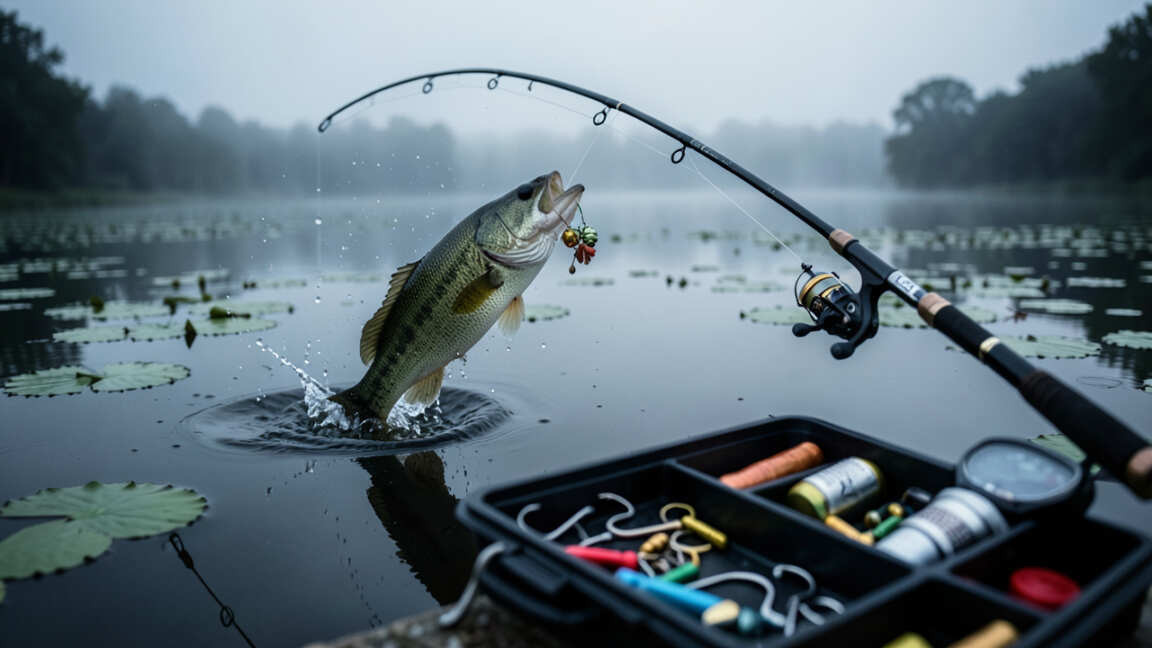
Bass behavior and location change dramatically throughout the year due to seasonal shifts in water temperature, weather, and spawning cycles. Understanding these seasonal patterns is key to consistently finding and catching bass. For example, bass behavior in spring is very different from their behavior in the heat of summer or the cold of winter.
- Spring: Bass move into shallower water to feed and prepare for spawning. This is often a prime time for topwater fishing and targeting prespawn and spawning bass.
- Pre-spawn: The period before bass spawn, when they feed aggressively to build energy reserves. They are often found in transition areas between wintering grounds and spawning flats.
- Spawn: The period when bass lay and fertilize eggs. During this time, they are often found in shallow, protected areas with firm bottoms.
- Post-spawn: After spawning, bass can be lethargic for a short period but then begin feeding heavily again, often in slightly deeper water than during the spawn.
- Summer: Bass often move to deeper, cooler water during the heat of summer, seeking out shade and structure. They may become more active during low-light periods.
- Fall: As water temperatures cool, bass become very active, feeding aggressively to build reserves for winter. They often school up and chase baitfish.
- Winter: Bass become lethargic and move to deeper, stable water temperatures. They feed less frequently and require slower presentations.
Understanding Water Clarity
The clarity of the water significantly influences how bass feed and how anglers should present their lures. In clear water, bass can see baits from a distance, making them more selective. In stained or dirty water, they rely more on sound, vibration, and scent.
In stained or murky water, trust your lure's scent and vibration over your eyesight – bass rely on their lateral line to detect prey.
Adjusting your lure choice and presentation based on water clarity is a mark of an experienced angler.
- Clear Water: Bass have excellent vision and can see baits from far away. This often means they are more selective, and anglers may need to use smaller, more natural-colored lures with subtle actions.
- Stained Water: Water with some murkiness, often due to sediment or tannins. Bass can still see to some extent, but scent and vibration become more important. Brighter colors or lures with more flash can be effective.
- Dirty Water: Water with very low visibility, where bass primarily rely on their lateral line (for vibration) and sense of smell. Lures with strong scent, loud rattles, or significant vibration are often best. Chartreuse and bright colors can help bass locate the bait.
- Visibility: The distance one can see into the water. This is a direct measure of water clarity.
- Contrast: The difference between the lure color and the water color. In clear water, natural colors provide good contrast. In stained water, brighter colors can stand out better.
- Scent: Adding scent attractants to lures can significantly improve their effectiveness, especially in stained or dirty water, or when bass are not actively feeding.
Reading the Water and Environmental Factors
Skilled anglers can “read” the water, looking for subtle clues that indicate the presence of fish. This involves understanding how factors like wind, sunlight, and water temperature influence bass behavior. Being able to interpret these environmental cues can put you on fish when others are struggling.
- Wind: Wind can push baitfish towards shorelines, creating feeding opportunities for bass. It can also create current and churn up the water, making it harder for bass to see, thus favoring vibration and scent.
- Sunlight: Bright sunlight can drive bass into deeper water or into shady areas for protection. Overcast days often lead to more active feeding in shallower waters.
- Water Temperature: A critical factor influencing bass metabolism and behavior. Bass are generally most active in water temperatures between 60-75°F (15-24°C).
- Thermocline: A distinct layer in a body of water where the temperature changes rapidly. Bass often group at or below the thermocline in summer to find cooler water.
- Oxygen Levels: Bass need oxygen to survive and thrive. Areas with good water flow or aquatic vegetation often have higher oxygen levels, attracting bass.
- Baitfish Activity: Observing where baitfish are schooling or feeding is a strong indicator of where bass will be.

Common Bass Fishing Terminology Wrap-up
Putting It All Together
By now, you’ve been introduced to a wide range of terms used in bass fishing. This knowledge is your key to unlocking more successful fishing trips. When you understand what terms like structure, cover, power fishing, and finesse mean, you can better interpret advice and make informed decisions on the water.
It’s about building a solid foundation of understanding that supports every aspect of your angling adventure.
Create a personal glossary of bass fishing terms with brief definitions and refer to it before each trip to reinforce your knowledge on the water.
The Advantage of a Strong Vocabulary
Having a good grasp of Bass Fishing Vocabulary: 50 Terms Every Angler Should Know gives you a distinct advantage. You can communicate more effectively with other anglers, learn from their experiences, and even share your own insights. This shared language fosters a stronger connection to the sport and enhances your overall enjoyment.
It’s about speaking the language of the water, making you a more confident and capable angler.
Understanding Bass Behavior and Physiology
Beyond the lures and techniques, a deeper understanding of bass themselves can significantly elevate your fishing game. Knowing how bass react to their environment, their feeding habits, and even their internal workings allows you to predict their movements and anticipate their strikes. This section delves into the biological and behavioral aspects that underpin successful bass fishing, introducing terms that describe the fish’s life cycle, sensory perception, and predatory instincts. Mastering these concepts will help you think like a bass, putting you one step ahead on the water.
Key Biological and Behavioral Terms
- Apex Predator: A predator at the top of the food chain, with no natural predators of its own. Largemouth and smallmouth bass are apex predators in many freshwater ecosystems, meaning they are the primary hunters and are not typically preyed upon by other fish.
- Diurnal: Active during the daytime. Many bass species exhibit diurnal feeding patterns, meaning they are most active and hunt during daylight hours, though their peak activity can shift depending on water temperature, light penetration, and food availability.
- Nocturnal: Active during the nighttime. While often considered diurnal, bass can also become nocturnal or crepuscular (active at dawn and dusk) under certain conditions, such as during hot summer months when they seek cooler water or in heavily pressured fisheries.
- Crepuscular: Active during twilight hours (dawn and dusk). Bass often feed aggressively during these transitional periods of low light, as baitfish are also often more active and vulnerable.
- Thermoregulation: The ability of an organism to keep its body temperature within certain boundaries, even when the surrounding environment changes. Bass are cold-blooded and rely on external temperatures to regulate their body heat, influencing their activity levels and preferred habitats.
- Metabolism: The chemical processes that occur within a living organism in order to maintain life. A bass’s metabolic rate is directly influenced by water temperature. Higher temperatures generally lead to higher metabolic rates and increased feeding activity, while lower temperatures slow them down.
- Olfactory System: The sense of smell. Bass possess a highly developed olfactory system, using their nostrils to detect chemical cues in the water. This allows them to locate prey, identify potential mates, and detect danger even when they cannot see it.
- Lateral Line: A sensory organ in fish that detects water movement and vibrations. This line runs along each side of the fish and is crucial for detecting prey, avoiding predators, and navigating in murky water or low light conditions.
- Predatory Instinct: The innate drive of an animal to hunt and kill prey. Bass have strong predatory instincts, triggered by visual cues, vibrations, and chemical signals, making them susceptible to a wide variety of artificial lures that mimic natural forage.
- Territoriality: The behavior of defending a particular area against intruders. During spawning season and at other times, bass can become territorial, aggressively defending their chosen spots from other bass or perceived threats.
- Fry: Very young fish, especially those that have recently hatched from eggs. Male bass often guard their fry diligently, becoming highly aggressive and protective, which can be exploited by anglers using specific lures.
- Smolt: A young salmon or trout that has undergone physiological changes to adapt to saltwater. While not directly applicable to freshwater bass, the concept of a developmental stage is relevant, as young bass exhibit different behaviors and feeding patterns than adult fish.
- Spawning: The process of reproduction in fish, involving the release of eggs and sperm. Bass spawning behavior is highly influenced by water temperature and daylight hours, leading to specific locations and aggressive feeding patterns.
- Buck Bass: A term sometimes used to refer to a male bass, particularly during the spawning season when they are guarding nests and can be more aggressive.
- Hen Bass: A term sometimes used to refer to a female bass, particularly during the spawning season when they are focused on egg production and can be less aggressive than the males.
Advanced Lure and Presentation Techniques
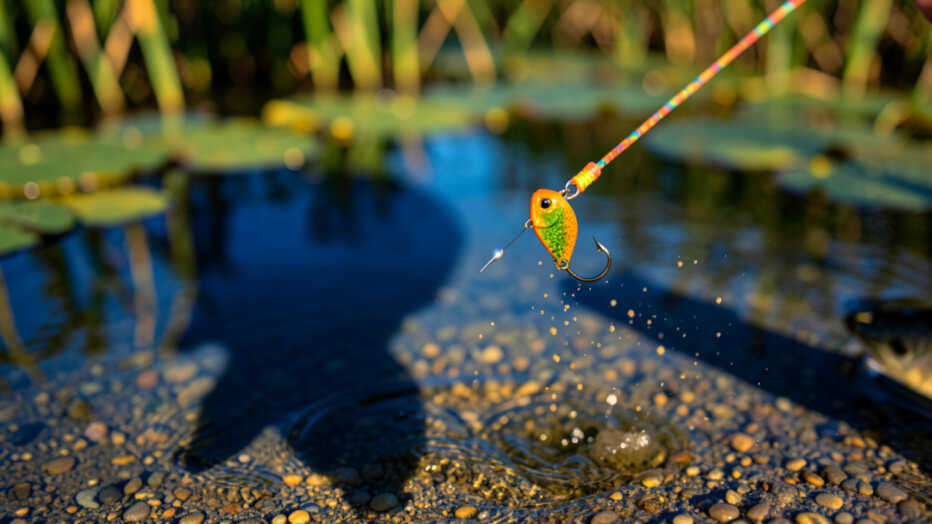
Once you have a solid grasp of the basics and understand bass behavior, the next frontier is mastering the nuances of lure selection and presentation. This isn’t just about choosing the right lure; it’s about understanding how and why a particular lure works in specific conditions and how to make it irresistible to a bass. This section introduces advanced terminology related to lure design, action, and the subtle adjustments anglers make to trick wary fish. These terms will help you refine your approach and unlock the potential of your tackle box.
Delving Deeper into Lure Dynamics
- Action: The movement or vibration a lure imparts to the water. Different lures have distinct actions – a crankbait might have a wide wobble, a jerkbait a tight shimmy, and a soft plastic a subtle tail kick. Understanding and controlling a lure’s action is paramount.
- Wobble: A side-to-side rocking motion, often characteristic of crankbaits and some swimbaits. A pronounced wobble can attract bass from a distance, while a tighter wobble might be more effective in clear water or with wary fish.
- Roll: A rotational movement around the lure’s longitudinal axis. Some lures, like certain topwater baits or swimbaits, exhibit a distinct roll, which can mimic the struggling movement of baitfish.
- Pulse: A subtle, rhythmic pulsation or throb created by a lure, often from a paddle tail on a soft plastic or a spinning blade. This vibration can be a powerful attractant, especially in stained or murky water.
- Drag: The resistance a lure creates as it moves through the water. Lures with more surface area or a unique profile will have more drag, affecting casting distance and retrieval speed.
- Sink Rate: The speed at which a lure descends in the water column. This is critical for targeting specific depths and for presenting lures at the correct depth where bass are holding.
- Buoyancy: The ability of a lure to float or suspend in the water. Different buoyancy ratings (e.g., floating, suspending, slow-sinking) are essential for presenting lures at precise depths and for triggering strikes with pauses.
- Tunable: A lure that can be adjusted or modified to alter its action or performance. Some crankbaits, for instance, have adjustable bills or lip angles that can be tweaked to change their diving depth or wobble.
- Rattles: Small beads or weights inside a lure that create sound when the lure is moved. The sound can attract bass from a distance, especially in low-visibility conditions.
- Thump: A low-frequency vibration or sound produced by a lure, often associated with larger paddle tails on soft plastics or the tail of a swimbait. This can be particularly effective for triggering reaction strikes from big bass.
- Tail Kick: The movement of a lure’s tail, typically on soft plastics like worms or swimbaits. A pronounced tail kick can mimic the action of fleeing baitfish and entice bites.
- Body Roll: The side-to-side rocking motion of a lure’s body, distinct from a wobble, where the entire body of the lure rotates. This can be a very natural-looking action.
- Deflection: The act of a lure bouncing off submerged cover or structure. Skilled anglers use deflection to make lures appear to be escaping predators, triggering aggressive strikes.
- Skittering: A rapid, erratic movement across the surface of the water, often achieved with topwater lures like poppers or walk-the-dog baits. This mimics a wounded baitfish or an insect struggling on the surface.
- Subtle Action: A minimal, understated movement from a lure. This is often employed with finesse techniques when bass are neutral or heavily pressured and spooked by aggressive presentations.
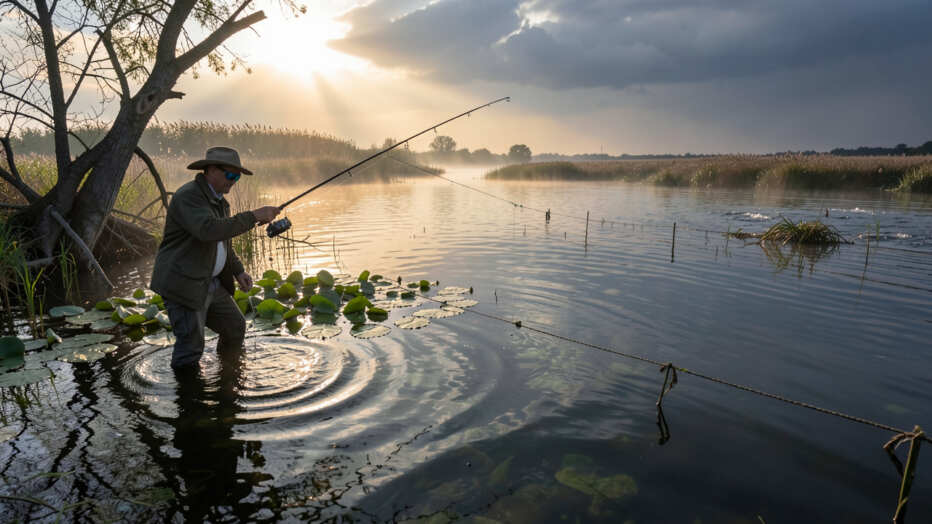
The success of any bass fishing trip is heavily influenced by the environment. Water clarity, temperature, wind, and even the phase of the moon can dramatically affect bass behavior and where they choose to feed. Understanding these environmental factors allows you to make educated decisions about where to fish, what lures to use, and when to expect the most action. This section introduces terms that describe these crucial external influences and how they impact bass fishing strategies. A glossary of fishing terms helps anglers quickly reference specialized vocabulary.
Key Environmental and Condition-Related Terms
- Water Clarity: The degree to which water is transparent or opaque. Clarity ranges from gin-clear to muddy and significantly impacts lure choice, presentation depth, and bass visibility.
- Stained Water: Water that has a moderate amount of suspended sediment or algae, reducing visibility but not to the point of being muddy. Bass in stained water often rely more on sound and vibration.
- Murky Water: Water with a high concentration of suspended particles, severely limiting visibility. In murky conditions, anglers often switch to lures with strong scent, vibration, or bright colors.
- Gin-Clear Water: Extremely transparent water with excellent visibility. In such conditions, bass can be more easily spooked, often requiring more subtle presentations and natural-looking lures.
- Thermocline: A distinct layer in a body of water where the temperature changes rapidly with depth. Bass often congregate at or near the thermocline, seeking optimal temperature ranges.
- Stratification: The layering of water in a lake or pond based on temperature and density. Understanding stratification helps anglers target specific depth zones where bass are likely to be found.
- Barometric Pressure: The atmospheric pressure exerted by the weight of the air. Changes in barometric pressure, especially rapid drops, can influence bass feeding activity, sometimes leading to increased aggression.
- Stable Pressure: When barometric pressure remains consistent over a period of time. Bass may feed more consistently under stable pressure conditions.
- Falling Pressure: A decrease in barometric pressure, often associated with approaching storms. This can sometimes trigger a feeding frenzy in bass.
- Rising Pressure: An increase in barometric pressure, often following a storm. Bass activity can sometimes decrease as pressure rises.
- Wind Direction: The direction from which the wind is blowing. Wind can push baitfish and debris to certain areas, concentrating bass and making them easier to locate.
- Wind-Induced Current: The movement of water caused by wind blowing across its surface. This current can create feeding opportunities for bass by concentrating food.
- Surface Temperature: The temperature of the water at the very top layer. This is a primary indicator of where bass will be comfortable and active.
- Bottom Temperature: The temperature of the water at the deepest part of the body of water. This can be important in warmer months when bass seek cooler depths.
- Tritrophic Cascade: A chain of effects that moves from the top of a food web down to lower levels. Changes at the top predator level (bass) can have ripple effects throughout the ecosystem.
- Dissolved Oxygen (DO): The amount of gaseous oxygen dissolved in water. Low DO levels can stress fish and concentrate them in areas with higher oxygen, such as near inflows or in cooler water.
- Secchi Disk: A tool used to measure water clarity by determining the depth at which a black and white disk is no longer visible.
- Moon Phase: The different stages of the moon as seen from Earth. While debated, many anglers believe moon phases can influence bass feeding patterns, with full and new moons often cited as prime times.
- Overcast: When the sky is covered with clouds. Overcast conditions can diffuse sunlight, making bass less wary and encouraging them to feed more actively throughout the water column.
- Sunken Timber: Submerged trees or logs that have fallen into a body of water. This is a prime example of submerged structure and cover that bass often utilize for ambush points.
Frequently Asked Questions
What is the most important term to know for a beginner?
For a beginner, understanding terms like structure and cover is very important. Knowing where bass like to hang out will help you find them more easily.
Which knot is best for tying lures?
The Palomar Knot is a great choice for tying lures, especially with braided line, because it’s very strong and easy to tie correctly.
When should I use a baitcasting reel instead of a spinning reel?
You should consider a baitcasting reel when using heavier lures, fishing in cover, or when you need more casting accuracy and control. Spinning reels are often better for lighter lures and beginners.
What does it mean if bass are in a “frenzy”?
A “frenzy” means the bass are actively and aggressively feeding, often chasing baitfish. This is usually the best time to catch them.
How does water clarity affect my lure choice?
In clear water, use more natural colors and subtle lures. In stained or dirty water, brighter colors, lures with more vibration, or added scent can be more effective to help bass find your bait.
Final Thoughts
Mastering the vocabulary of bass fishing opens up a world of understanding and success on the water. By learning these terms, you gain the ability to communicate effectively, choose the right gear, and apply proven techniques. This knowledge directly translates into more bites and more fish caught, making every outing more rewarding. Mastering bass fishing terms is essential for effective communication and technique selection.
The largemouth bass species profile provides official scientific and ecological details.


2 Comments