How To Maintain A Spinning Reel: Clean And Lube Tutorial Today
Maintaining a spinning reel involves regularly disassembling it to remove grit and salt, then applying the correct lubricants to gears and bearings for smooth performance. Proper cleaning prevents corrosion and wear, while targeted lubrication reduces friction for longer casts and easier retrieves. Using the right tools and products, such as light oil for bearings and grease for gears, protects the reel’s components without attracting debris. Consistent care according to a step-by-step tutorial extends the reel’s lifespan and reduces the need for costly repairs, ensuring reliable function on the water.
Your fishing reel works hard to help you land those big catches. Keeping it in good shape means it will perform better and last longer. If you’re wondering How to Maintain a Spinning Reel: Clean and Lube Tutorial Today, you’re in the right place.
Taking care of your reel prevents rust and keeps the gears running smoothly, so you have more fun on the water and fewer problems. We’ll walk you through simple steps to make your reel feel like new.
Key Takeaways
- Regular cleaning prevents grit and salt from damaging your reel’s internal parts.
- Proper lubrication reduces friction, making your reel cast further and retrieve smoother.
- Disassembling your reel carefully is key to accessing all necessary parts for cleaning.
- Using the right cleaning agents and lubricants protects your reel’s materials.
- Consistent maintenance extends the lifespan of your spinning reel significantly.
- Knowing how to maintain a spinning reel means fewer costly repairs and more fishing time.
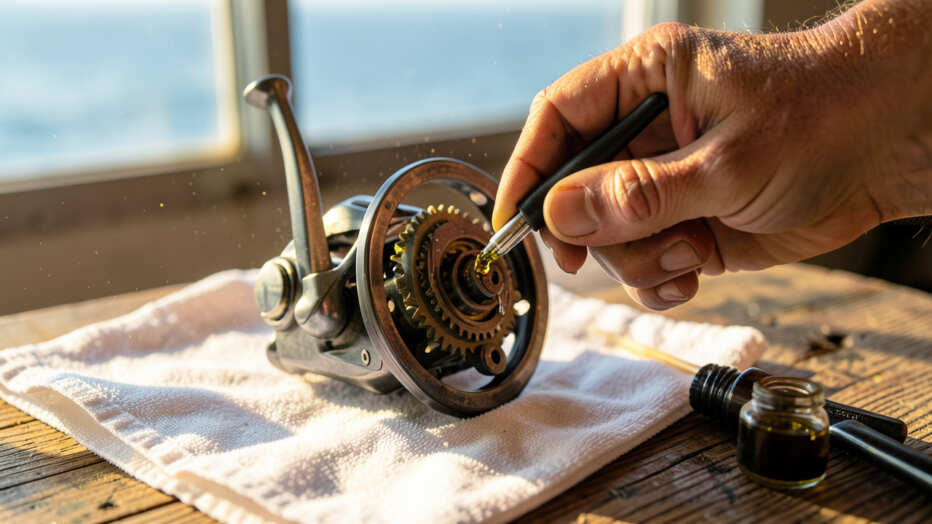
Why Reel Maintenance Matters for Better Fishing
A clean and well-lubricated spinning reel is your best friend on the water. It means smoother casts, more accurate retrieves, and the confidence that your gear won’t fail when you need it most. Neglecting your reel can lead to corrosion, stiff operation, and even complete breakdown.
This guide will show you exactly How to Maintain a Spinning Reel: Clean and Lube Tutorial Today to keep it performing at its peak.
After every fishing trip, a quick freshwater rinse can dramatically extend your reel's lifespan and prevent corrosion from taking hold.
Think of your reel as an engine. Just like a car needs oil changes, your reel needs regular attention. Saltwater is especially harsh, causing rust and seizing up delicate parts.
Freshwater can carry dirt and debris that grind away at gears. By following this How to Maintain a Spinning Reel: Clean and Lube Tutorial Today, you’ll protect your investment and ensure every fishing trip is more enjoyable.
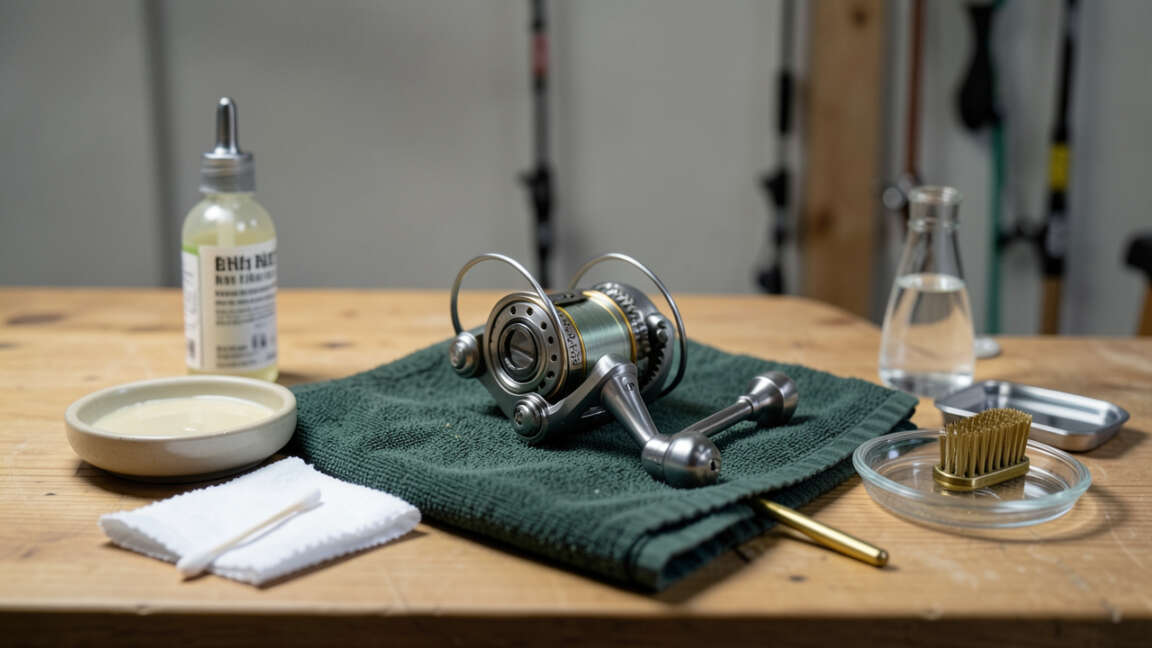
Gathering Your Reel Cleaning Supplies
Before you start, make sure you have the right tools. This makes the process much easier and more effective. Having everything ready means you can focus on the task without interruption.
Using the correct tools not only simplifies the process but also prevents accidental damage to your reel's sensitive parts.
This is a crucial step for anyone wanting to learn How to Maintain a Spinning Reel: Clean and Lube Tutorial Today.
You’ll need a few key items to get started. These are not expensive and will last for many cleaning sessions. Having good supplies ensures you do the job right the first time.
- Soft cloths: For wiping down surfaces and drying parts. Microfiber cloths work well.
- Cotton swabs: Excellent for cleaning small nooks and crannies.
- Soft-bristled brush: Like a toothbrush, for gently scrubbing away grime.
- Reel cleaning spray or mild soap: A specialized reel cleaner is best. If not, a very mild dish soap diluted with water can work for external cleaning.
- Reel lubricant: Use a specific reel grease for gears and oil for bearings and moving parts.
- Small container or tray: To hold parts as you disassemble the reel.
- Pliers (needle-nose): Helpful for removing small clips or pins.
- Small screwdriver set: For removing screws.
- Owner’s manual: If you have it, it can be very helpful for specific disassembly instructions.
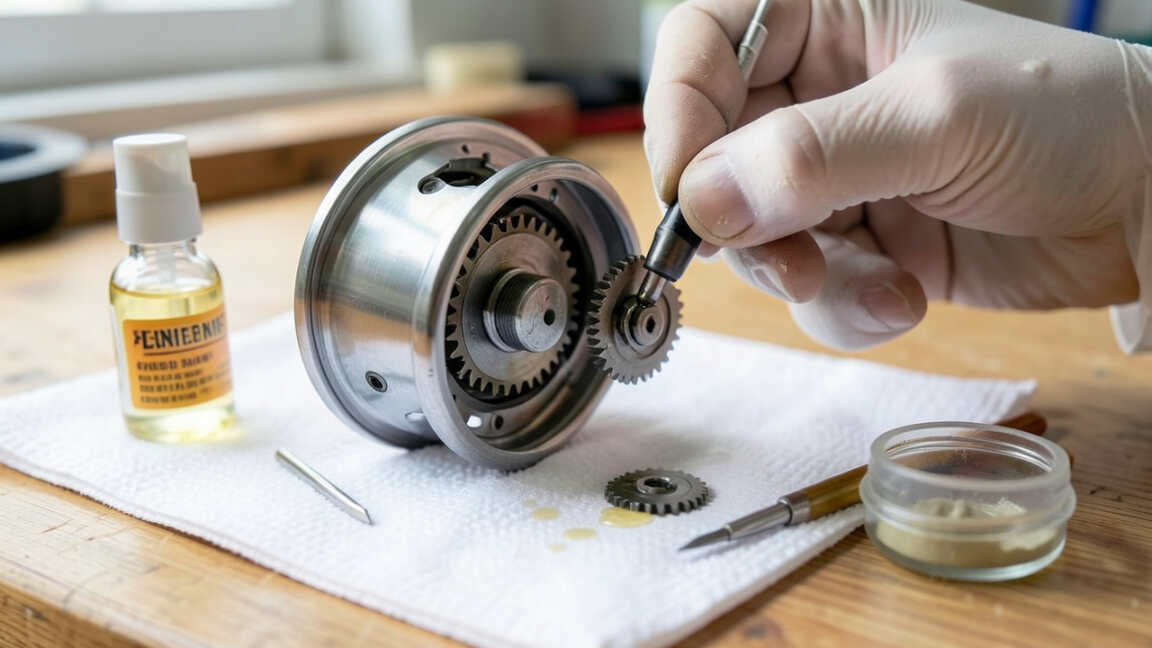
Step-by-Step Guide to Cleaning Your Spinning Reel
The first part of knowing How to Maintain a Spinning Reel: Clean and Lube Tutorial Today is the cleaning process. This involves taking your reel apart safely and cleaning each component. It might seem intimidating, but it’s straightforward if you go slowly.
It’s important to work in a clean, well-lit area. This helps you keep track of all the small parts. Lay out your supplies and a clean towel or mat to work on.
This prevents parts from rolling away.
Disassembling the Reel
First, remove the handle. Most spinning reels have a small screw or knob that loosens the handle. Turn it counter-clockwise until the handle comes off.
Place it in your tray.
Next, take off the spool. This usually involves pressing a button or unscrewing a small cap on top of the spool. Lift the spool off the reel stem.
Set the spool aside.
Then, carefully remove any side plates or covers. These are typically held on by small screws. Use the appropriate screwdriver and keep track of which screw came from where.
Some reels have a specific order for screws.
If your reel is complex, consult its manual. Some reels have more parts than others. The goal is to get to the main gears and bearings.
A clean, well-lit workspace is the unsung hero of successful reel disassembly, ensuring no tiny parts go missing.
Cleaning the Reel Components
Once disassembled, it’s time to clean. Use your soft cloth to wipe down the exterior of the reel body. Pay attention to areas where dirt might accumulate.
For internal parts, use cotton swabs dipped lightly in reel cleaner or a mild soap solution. Gently wipe away old grease, dirt, and any salt residue. For gears, use the soft-bristled brush to loosen grime.
You want to remove all traces of old lubricant and debris.
The spool is also important. Wipe it down thoroughly. If there’s any line on it, remove it before cleaning.
A clean spool helps with line lay and casting.
Finally, dry all parts completely with a clean, dry cloth. Moisture left on metal parts can lead to rust, even if you plan to lubricate them soon. Ensure every nook and cranny is dry.
Lubricating Your Spinning Reel for Optimal Performance
Lubrication is just as important as cleaning for How to Maintain a Spinning Reel: Clean and Lube Tutorial Today. It reduces friction, prevents wear, and makes your reel feel smooth and responsive. Using the correct type of lubricant in the right places is key.
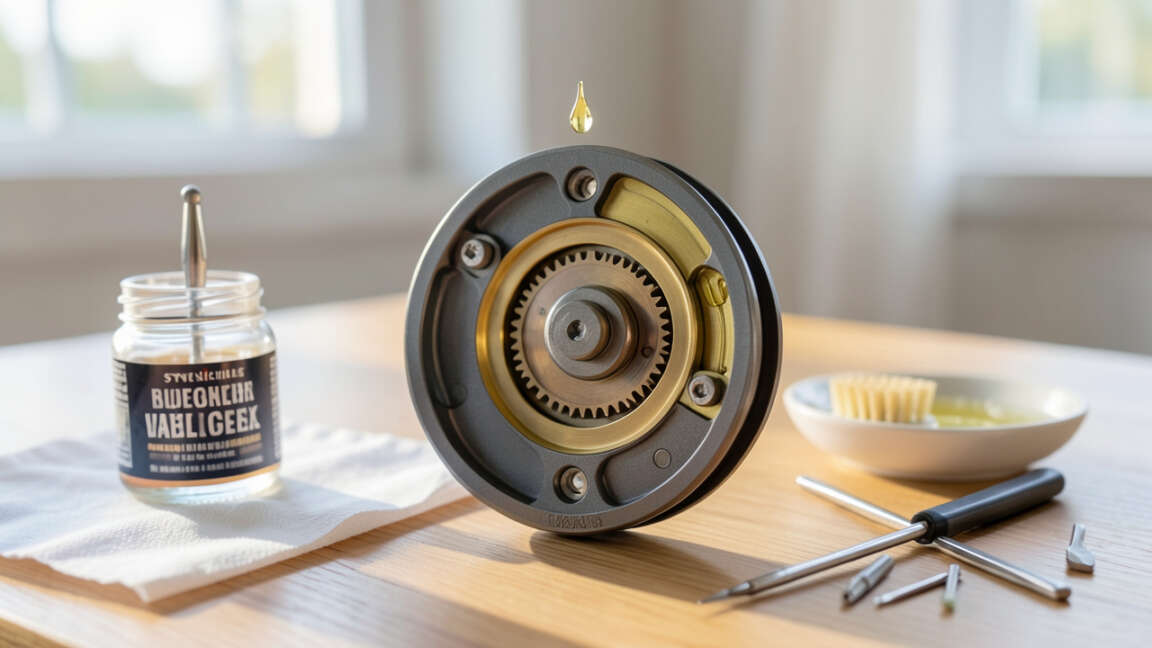
There are two main types of reel lubricants: oil and grease. Oil is thinner and good for smaller, faster-moving parts like bearings. Grease is thicker and better for gears and drag systems where it needs to stay in place.
Lubricating the Gears
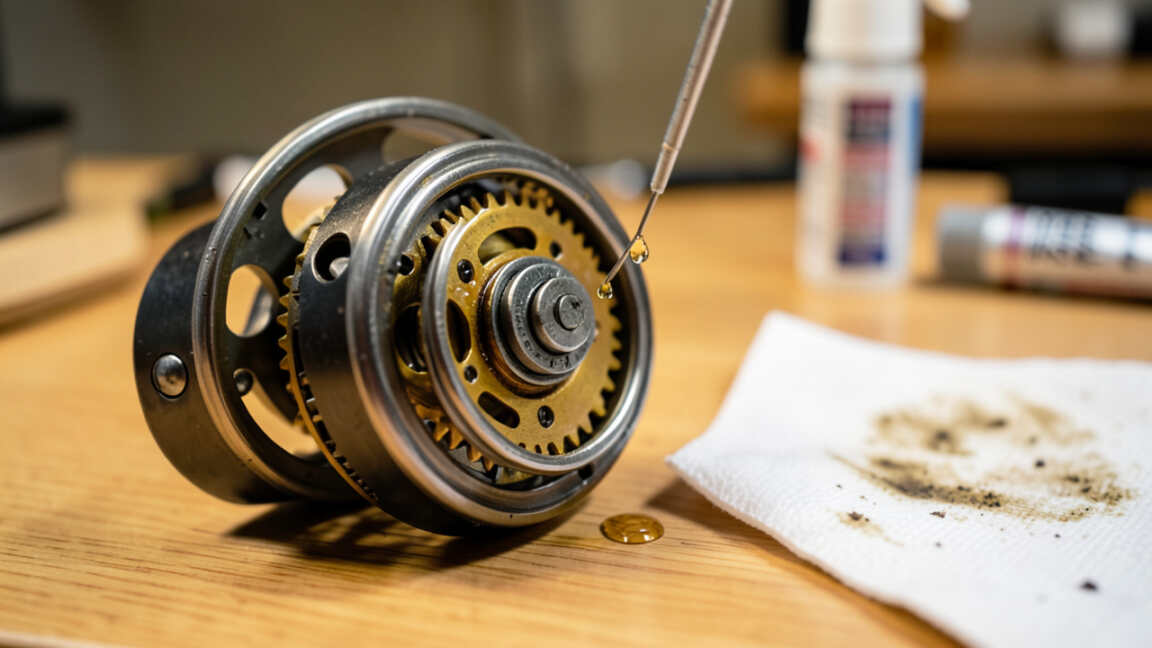
First, apply a small amount of reel grease to the main drive gear and the pinion gear. These are the largest gears inside the reel. Use a cotton swab or a small brush to apply the grease evenly.
You don’t need a lot; too much can make the reel feel sluggish.
Next, apply a thin layer of grease to the teeth of other visible gears. Ensure all gear surfaces have a light coating. This protects them and ensures smooth meshing.
Always use reel-specific oil for bearings and grease for gears to reduce friction without attracting dirt.
Lubricating Bearings and Moving Parts
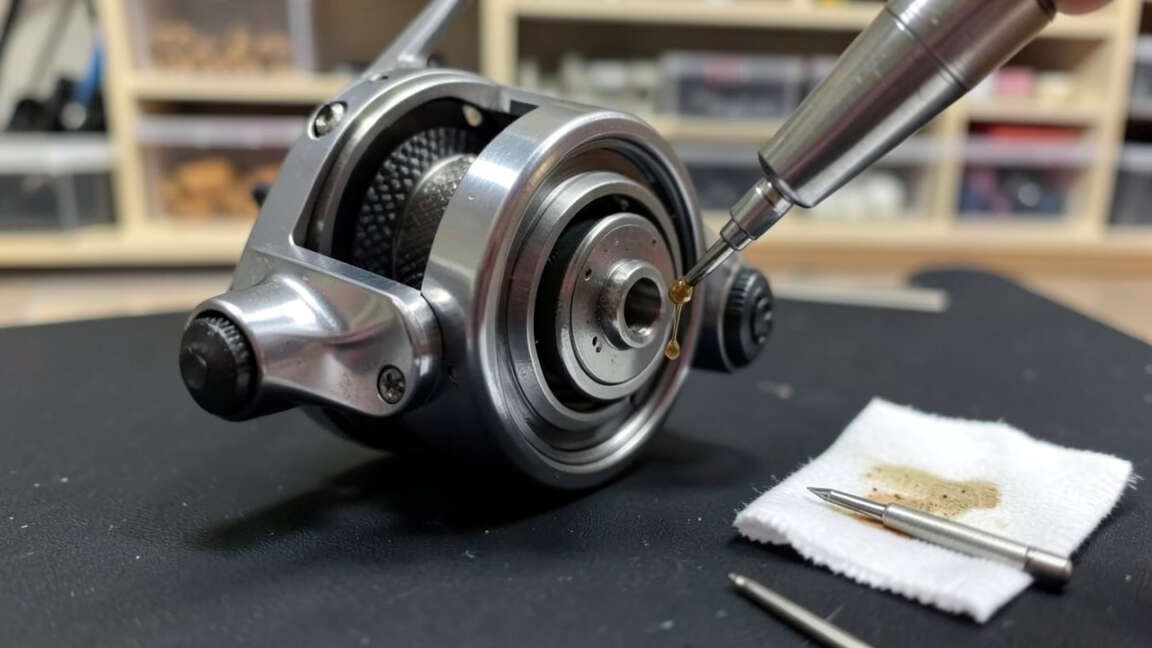
For bearings, a drop or two of reel oil is usually sufficient. Apply oil to the spool bearings and any other small bearings you find. Some reels have bushings instead of bearings; these can often be oiled lightly.
Then, put a drop of oil on the stem where the handle attaches and any other pivot points. These areas benefit from a little lubrication to ensure smooth rotation. Wipe away any excess oil that drips.
Reassembling the Reel
Now it’s time to put it all back together. Finally, reverse the disassembly process. Carefully reattach the side plates and screws, ensuring they are snug but not overtightened.
Reattach the spool and then the handle. Give the handle a few test spins. It should feel smooth and free of any grinding or stiffness.
If it feels tight, you might have overtightened a screw or missed a lubrication point.
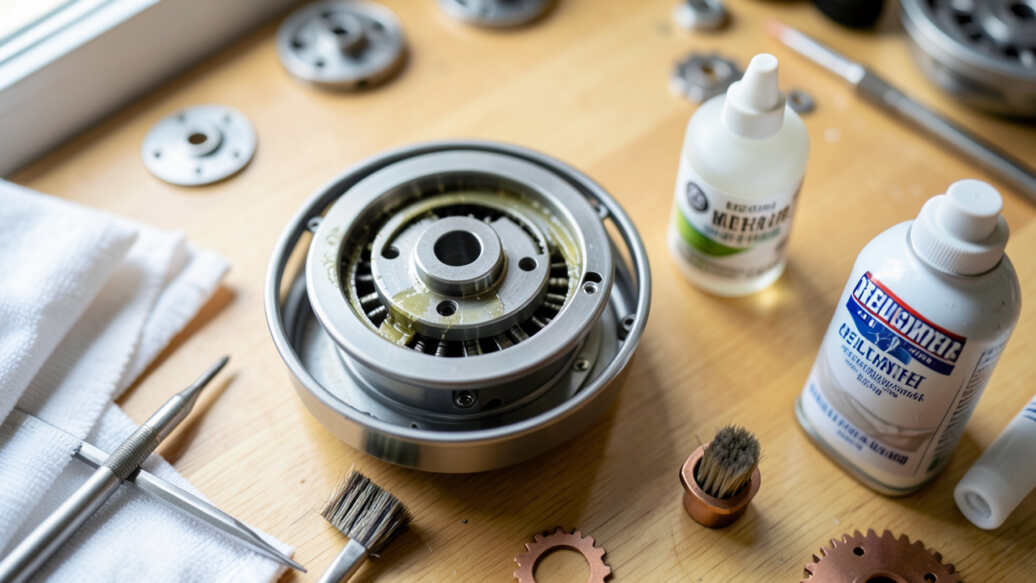
Choosing the Right Lubricants and Cleaners
Using the correct products is vital for effective How to Maintain a Spinning Reel: Clean and Lube Tutorial Today. Not all lubricants are created equal, and the wrong ones can actually damage your reel.
Avoid using WD-40 as a long-term lubricant; it can strip away essential grease and damage your reel's performance.
Always opt for products specifically designed for fishing reels. These are formulated to withstand water, salt, and extreme temperatures. They also won’t harm the plastics and seals common in modern reels.
Avoid using household lubricants like WD-40 for regular maintenance. While WD-40 can displace water and temporarily loosen a stuck part, it’s not a long-term lubricant and can actually strip away necessary grease. Stick to specialized reel products for the best results when you learn How to Maintain a Spinning Reel: Clean and Lube Tutorial Today.
How Often Should You Clean and Lube Your Reel?
The frequency of maintenance depends on how and where you fish. This is a key part of understanding How to Maintain a Spinning Reel: Clean and Lube Tutorial Today for long-term performance.
For saltwater anglers, a thorough cleaning after every trip is non-negotiable to prevent corrosion and ensure reliability.
For casual anglers who fish in freshwater a few times a year, a thorough cleaning and lubrication once a year might be enough. However, if you fish often or in saltwater, you need to be more diligent.
- After Every Saltwater Trip: Rinse your reel with freshwater. If you notice any stiffness or hear grinding, a quick wipe-down and a drop of oil on exposed moving parts can help. A full clean and lube might be needed every few months.
- After Every Few Freshwater Trips: If you fish in dirty or muddy water, you might need to clean and lubricate more often. Check for any grit or stiffness.
- Before Storing for Extended Periods: Always clean and lubricate your reel before putting it away for the off-season. This prevents corrosion and ensures it’s ready to go when you need it.
A good rule of thumb is to listen to your reel. If it starts to feel rough, noisy, or stiff, it’s telling you it needs attention. Consistent care is the best way to ensure your gear lasts a long time.
Troubleshooting Common Spinning Reel Issues
Even with regular maintenance, you might encounter minor issues. Knowing how to fix them can save your fishing trip. This knowledge complements your understanding of How to Maintain a Spinning Reel: Clean and Lube Tutorial Today.
Stiff Handle or Retrieve
This is usually due to old grease drying out or dirt buildup. First, perform a full cleaning and lubrication as described above. Pay close attention to the main gears and bearings.
If the problem persists after cleaning and lubricating, check for any bent parts or debris caught in the gears. Sometimes, a slightly bent handle can cause stiffness.
Line Twisting or Knotting
This can happen if the line roller is dirty or not spinning freely. Next, clean the line roller thoroughly. Apply a drop of oil to its bearing or bushing.
Persistent stiffness after cleaning is often a sign of bent parts or hidden debris, not just old grease.
Ensure it spins easily.
Also, check the bail wire. If it’s bent or not closing smoothly, it can affect line lay. Make sure your spool is packed evenly with line, as overfilling or underfilling can also cause issues.
Grinding Noises
Grinding usually means there’s grit or corrosion inside the reel. Then, a thorough disassembly and cleaning are necessary. Look for any signs of rust on metal parts.
If rust is present, you might need to use a very fine steel wool or a rust remover specifically for metal. After cleaning, re-lube thoroughly. If the grinding is severe and doesn’t go away, a gear might be damaged and need replacement.
Reel Feels Loose or Wobbly
This often points to loose screws or worn parts. Finally, check all external screws and tighten them gently. Ensure the handle is secured properly.
If the wobble is internal, it might indicate worn bearings or bushings. These parts may need to be
Frequently Asked Questions
How to Maintain a Spinning Reel: Clean and Lube Tutorial Today – What is the most important part to clean?
The most important part to clean is the internal gearing and bearings. These are the parts that move constantly and are most susceptible to wear from dirt and lack of lubrication.
What kind of oil should I use for my spinning reel?
You should use a specific reel oil designed for fishing reels. These oils are formulated to withstand water and provide smooth lubrication for bearings and fast-moving parts.
Can I use any grease on my spinning reel?
No, it’s best to use reel grease specifically made for fishing reels. Household greases may not hold up well in water or extreme temperatures and could damage your reel’s components.
How often should I replace the line on my spinning reel?
Line replacement frequency depends on the type of line and how often you fish. For monofilament and fluorocarbon, consider replacing it every few months of regular use. Braided line can last longer but should still be inspected for wear.
What if I lose a small part during disassembly?
If you lose a small part, try to identify it from your reel’s schematic or parts diagram if available. You can often order replacement parts from the manufacturer or a specialized reel repair shop.
Is it okay to wash my spinning reel in the sink with soap and water?
A quick rinse with freshwater is good, but submerging your reel in soapy water is generally not recommended. It can force water into areas it shouldn’t be. Use specialized reel cleaners and damp cloths for cleaning.
Final Thoughts
Taking time to clean and lube your spinning reel regularly will make a big difference. You’ll enjoy smoother casts, better performance, and a reel that lasts for many fishing seasons. Following this guide on How to Maintain a Spinning Reel: Clean and Lube Tutorial Today ensures your gear is always ready for your next adventure.