
Chatterbait For Bass: The Bladed Jig That Catches Anywhere
The Chatterbait is a bladed jig that combines a lead head with a vibrating blade to produce a thumping action and flash that triggers reaction strikes from bass in any water condition. Its design works effectively across varied cover and depths, and choosing the right blade size, color, and trailer allows anglers to adapt to different seasons and environments. Mastering retrieves such as steady, stop-and-go, and yo-yo is essential for consistently triggering bites with this lure.
Fishing for bass can sometimes feel like a puzzle, especially when you’re trying to figure out what lure will work best in different spots. If you’ve ever felt stuck, wondering how to increase your catches no matter the water conditions, you’re in the right place. This guide will show you why a particular lure is a favorite for so many anglers.
We’ll cover how to use it effectively and why it’s become a go-to for bass anglers everywhere, helping you catch more fish with less guesswork. Get ready to learn about the Chatterbait for Bass: The Bladed Jig That Catches Anywhere.
Key Takeaways
- Understand why the Chatterbait for Bass: The Bladed Jig That Catches Anywhere is so effective.
- Learn how to choose the right Chatterbait for different fishing situations.
- Discover the best techniques for retrieving a Chatterbait to trigger strikes.
- Know where and when to best use this versatile bladed jig.
- Explore how to rig and customize your Chatterbait for maximum results.
Why the Chatterbait is a Bass Fishing Essential
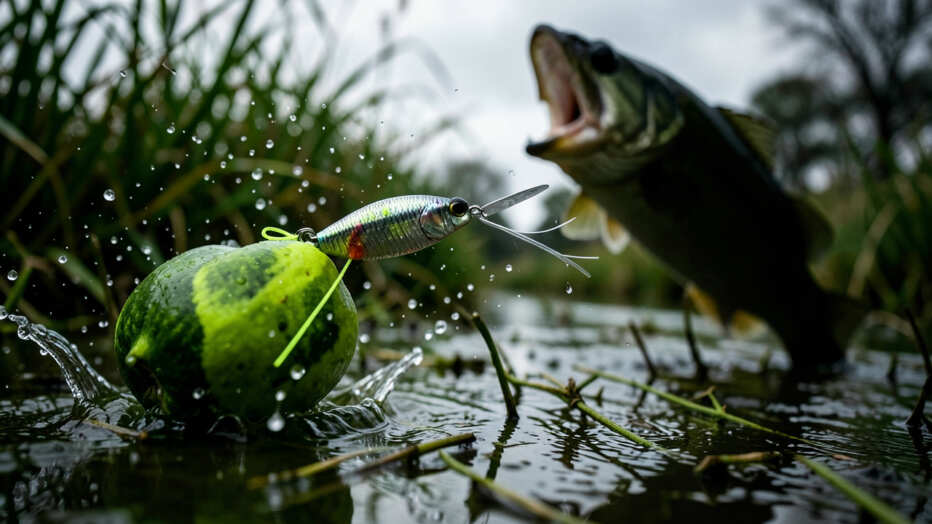
The Chatterbait for Bass: The Bladed Jig That Catches Anywhere is more than just another lure. It’s a unique design that creates a loud vibration and erratic action. This flash and noise grab the attention of bass, even in murky water or when they’re not actively feeding.
Its versatility means you can cast it almost anywhere you find bass. This makes it a reliable tool for anglers looking to consistently put fish in the boat.
Use the chatterbait’s vibration and flash to trigger strikes from inactive bass, especially in stained water. Its versatility allows you to fish it in nearly any bass habitat.
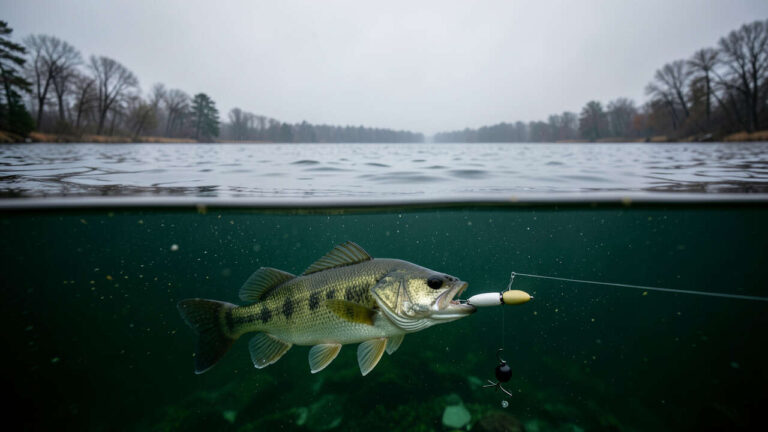
The core of its appeal lies in its ability to imitate a wounded baitfish. The blade attached to the line tie makes the lure wobble and vibrate intensely. This action is hard for bass to ignore.
It triggers a reaction strike, meaning the bass hits it out of instinct rather than hunger. This is a key reason why the Chatterbait for Bass: The Bladed Jig That Catches Anywhere is so successful.
Choosing the Right Chatterbait
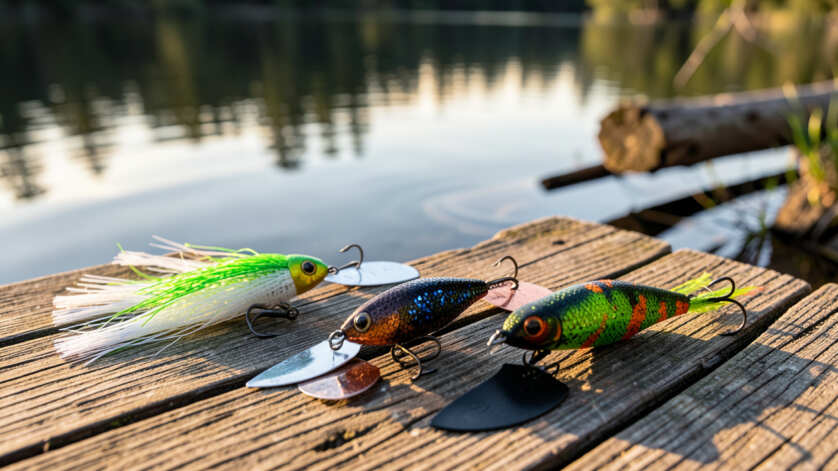
Selecting the correct Chatterbait depends on a few factors. Water clarity, depth, and the forage base are important. Understanding these elements helps you pick the best color, blade size, and trailer.
This ensures your lure looks and acts like natural prey.
Color Selection
Color is crucial for matching the hatch. In clear water, natural baitfish colors like white, silver, or shad patterns work well. These mimic the natural forage bass are used to seeing.
In stained or muddy water, brighter colors are often more effective. Think chartreuse, black, or even a firetiger pattern. These stand out and create a strong visual or vibration cue for the bass.
A good rule of thumb is to observe the water conditions and the local baitfish. If you see small shad, try a silver or white Chatterbait. If the water is dirty and you know crawfish are present, a natural crawfish color might be the ticket.
The Chatterbait for Bass: The Bladed Jig That Catches Anywhere comes in a huge array of colors for this very reason.
Blade Size and Shape
The blade on a Chatterbait is what creates its signature vibration. Larger blades produce a wider wobble and more vibration. These are great for covering more water or fishing in low visibility.
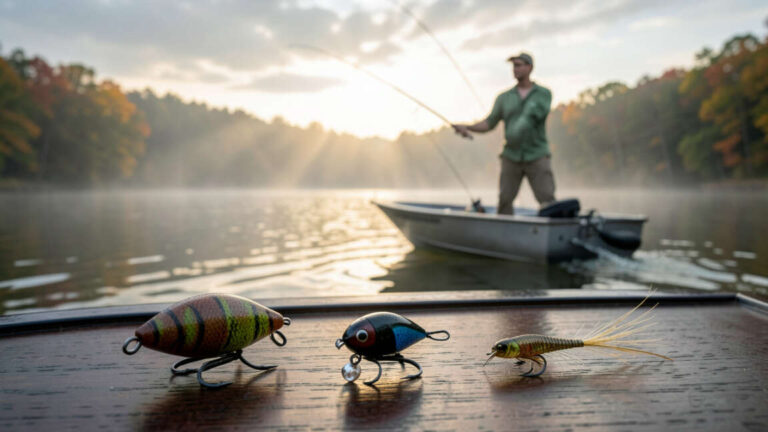
Match your chatterbait color and blade size to the water clarity and local forage; clear water calls for natural hues while dark water favors bright patterns.
Smaller blades offer a tighter action. They can be more effective in clear water or when bass are finicky.
Some blades are round, while others are more oval or diamond-shaped. Each shape can produce a slightly different vibration. Experimenting with different blade types can help you find what works best in your local waters.
The goal is to create a sound and feel that bass can’t resist.
Trailer Selection
The trailer is the soft plastic bait that you attach to the hook of your Chatterbait. This is where you can really customize your lure. Trailers add bulk, color, and extra action.
They can also help the lure swim straighter. A common choice is a paddle-tail grub or a swim bait.
For a subtle action, a simple grub works well. For more erratic movement, a bait with a kicking tail is ideal. Matching the trailer color to the Chatterbait body is a good starting point.
You can also use contrasting colors to create a more dynamic look. The Chatterbait for Bass: The Bladed Jig That Catches Anywhere is designed to work with a variety of trailers.
Mastering Chatterbait Retrieval Techniques
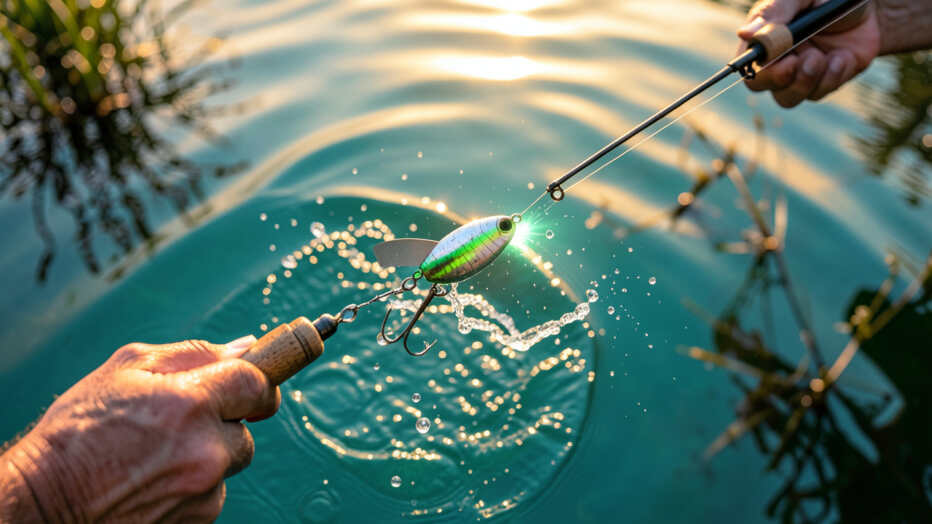
How you retrieve your Chatterbait is just as important as how you choose it. The vibration and movement are key, but the speed and cadence of your retrieve can make or break your success. Different situations call for different approaches.
The Steady Retrieve
This is the most basic and often most effective retrieve. Simply cast your Chatterbait out and reel it in at a steady pace. Pay attention to the vibration you feel in your rod.
If you don’t feel it, you’re likely reeling too fast or too slow. Adjust your speed until you feel that strong thrumming.
The steady retrieve works well in many conditions. It allows the lure to consistently put out its enticing vibration. It’s a great way to cover flats, weed edges, and open water.
This is a solid go-to for anyone using the Chatterbait for Bass: The Bladed Jig That Catches Anywhere.
The Stop-and-Go Retrieve
Bass can be unpredictable. Sometimes, a steady retrieve isn’t enough. That’s where the stop-and-go technique comes in.
The way you work the lure often matters more than the lure itself—adjust speed and rhythm to match bass activity.
Reel your Chatterbait for a few seconds, then pause. Let it flutter down for a moment, then resume reeling. This erratic movement can trigger strikes from bass that are following but not biting.
The pause is critical. It mimics a struggling baitfish. When the Chatterbait falls, it can create a secondary trigger.
Bass might strike when it’s falling. This is a fantastic way to catch those hesitant fish. The vibration of the Chatterbait for Bass: The Bladed Jig That Catches Anywhere is still present when you start reeling again.
The Yo-Yo Retrieve
This retrieve involves a more aggressive up-and-down motion. Cast your Chatterbait out. Reel it in quickly for a few feet, then snap your rod tip up sharply.
This makes the lure dart upwards. Then, let it fall back down. Repeat this process.
This technique is excellent for covering water quickly and for situations where bass are aggressive. It creates a lot of flash and movement. It can be particularly effective when bass are holding near the bottom or around structure.
The sudden changes in direction are a strong attractant.
Where and When to Throw a Chatterbait
The beauty of the Chatterbait for Bass: The Bladed Jig That Catches Anywhere is its adaptability. You can use it in almost any freshwater environment where bass live. Knowing the best times and places will increase your success rate dramatically.
Seasonal Effectiveness
The Chatterbait shines in the spring and fall. During spring, as bass move shallow to spawn, the Chatterbait’s vibration can attract them from a distance. It’s also great for post-spawn bass that are recovering and feeding aggressively.
In the fall, as bass feed up for winter, they become very active. The Chatterbait is a perfect lure to find these feeding fish.
In the summer, when bass might be deeper or more lethargic, the Chatterbait can still be effective, especially with a stop-and-go retrieve. In winter, when bass are less active, a slower retrieve with a more subtle trailer might be needed. However, even in colder months, the vibration can sometimes draw a strike.
Rig your chatterbait weedless to work it through heavy cover and vegetation without snagging, using the blade’s vibration to draw bass out.
Habitat and Structure
You can effectively fish a Chatterbait around a variety of structures. This includes weed lines, lily pads, laydowns, docks, and riprap. The vibration helps cut through vegetation and attract bass hiding within it.
When fishing around cover, make sure your Chatterbait is rigged weedless to avoid snags.
The Chatterbait for Bass: The Bladed Jig That Catches Anywhere is also excellent for covering large areas of open water or flats. It can locate scattered bass that are patrolling for food. Don’t be afraid to cast it to any area that looks promising.
Bass are opportunistic feeders and will often investigate the commotion.
Rigging and Customizing Your Chatterbait
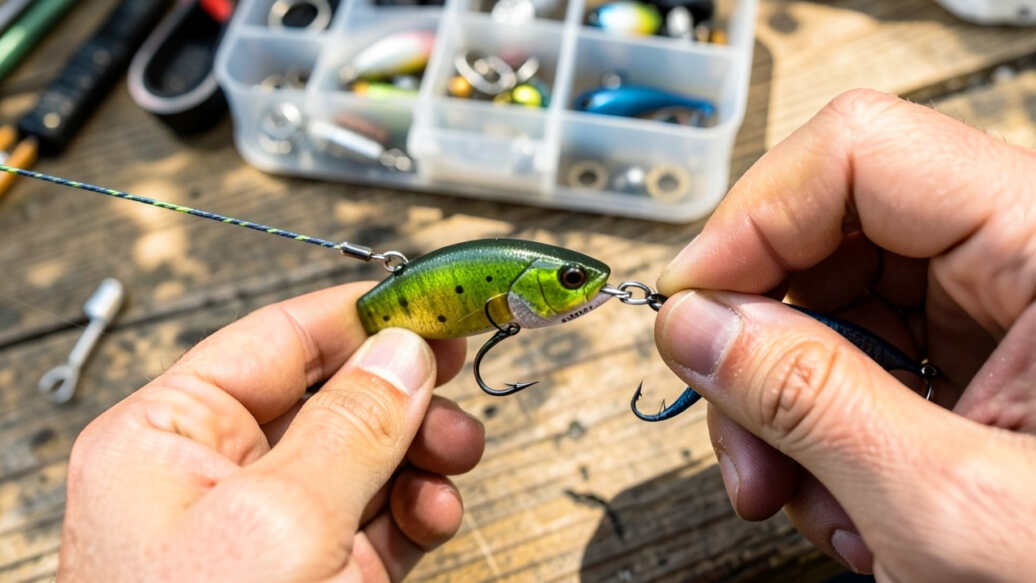
Proper rigging ensures your Chatterbait performs at its best. It also helps prevent frustration from tangles and lost fish. Customizing your Chatterbait with the right trailer and hook is key.
Choosing the Right Hook
Most Chatterbaits come with a good quality hook. However, sometimes you might want to upgrade. A slightly longer or stronger hook can be beneficial.
Consider the size of your Chatterbait and trailer. You want a hook that is adequately sized to ensure a good hookset.
For weedless rigging, a hook with a weedguard is essential. This prevents the hook from getting caught on grass or other underwater debris. Many anglers prefer to use a screw-lock keeper on their hook.
This helps keep the trailer securely in place, even after multiple strikes.
Trailer Attachment
Attaching your trailer correctly is important for balance and action. Slide the trailer onto the hook shank. Make sure it’s centered.
Upgrading to a slightly longer or stronger hook can greatly improve your hook‑up ratio, a common modification among experienced anglers.
The nose of the trailer should butt up against the head of the Chatterbait. This creates a streamlined profile. A trailer that is crooked can cause the lure to spin.
For paddle-tail trailers, ensure the tail is free to move. It should not be pinched by the Chatterbait body. A free-moving tail creates more vibration and attracts more attention.
This small detail can make a big difference in your success with the Chatterbait for Bass: The Bladed Jig That Catches Anywhere.
Adding a Trailer Hook
Sometimes, bass will short strike a Chatterbait, meaning they bite the tail end without getting hooked. To combat this, you can add a trailer hook. This is a smaller, sharp hook that you attach to the main hook.
It increases your chances of hooking those short-biting fish.
Attach the trailer hook to the eye of your main hook using a split ring or a small loop of fishing line. Make sure it’s positioned so it doesn’t interfere with the trailer’s action. This simple addition can significantly improve your hook-up ratio.
It’s a common modification for serious Chatterbait anglers.
Chatterbait vs. Other Jigs
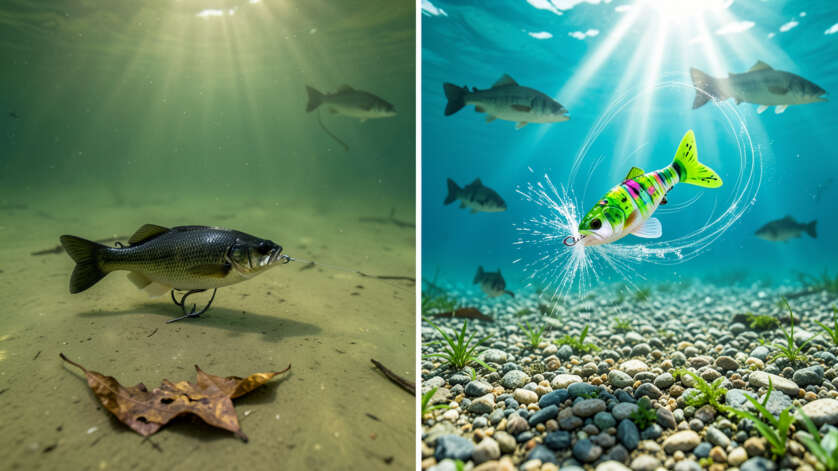
It’s helpful to understand how the Chatterbait compares to other popular bass jigs. While other jigs have their place, the Chatterbait offers a unique combination of vibration and action that sets it apart.
When bass are lethargic or need extra persuasion, the chatterbait’s high vibration and flash outperform other jigs like football or arky jigs.
The key difference lies in the blade. While a football jig or an Arky jig relies on its shape and trailer action to entice bass, the Chatterbait adds a significant vibrational component. This makes the Chatterbait for Bass: The Bladed Jig That Catches Anywhere a top choice when bass need an extra push to strike.
It’s a fantastic tool for anglers who want a lure that consistently produces.
Troubleshooting Common Chatterbait Issues
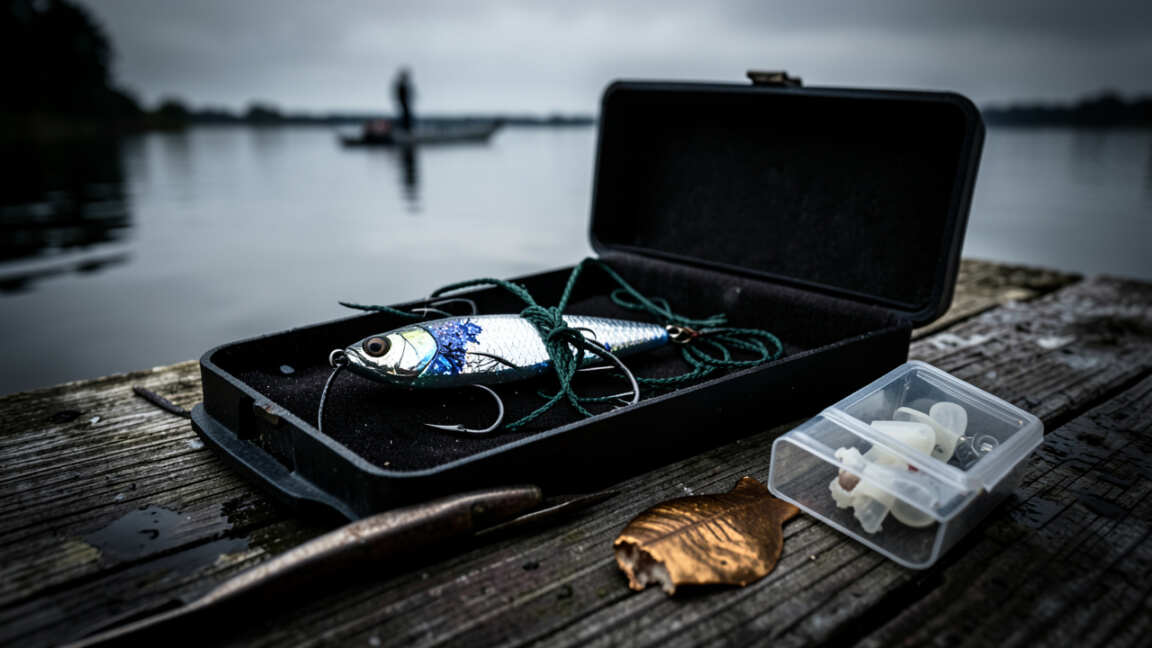
Even with a great lure like the Chatterbait, you might run into some problems. Knowing how to fix them will save you time and frustration on the water.
Lure Spinning or Wobbling Incorrectly
This often happens if the trailer is not attached correctly. Ensure the trailer is centered on the hook and its nose is tight against the Chatterbait head. A crooked trailer will cause the lure to spin.
Also, check that the blade is securely attached and not bent. If the blade is bent, it can alter the vibration.
Short Strikes
As mentioned before, short strikes are common. This means bass are hitting the back of the lure but not getting hooked. Adding a trailer hook is the best solution.
A brief pause in your retrieve can allow bass to fully inhale the lure, leading to a more secure hookset.
You can also try a different trailer that has more action or a different profile. Sometimes, changing your retrieve speed can help. A slight pause can also lead to a better hookset.
Getting Snagged
If you’re fishing in heavy cover, snags are inevitable. Using a Chatterbait with a good weedguard is the first step. Ensure your hook point is properly aligned with the weedguard.
If you’re still getting snagged, try a Chatterbait with a more compact profile or a softer trailer that might fold over the hook better.
Sometimes, a simple change in retrieve can help. Try making your retrieves a bit faster or slower. Varying your retrieve can help the lure navigate through cover more easily.
The Chatterbait for Bass: The Bladed Jig That Catches Anywhere can be fished through a surprising amount of cover with the right setup.
Frequently Asked Questions
What is the best color Chatterbait for muddy water?
For muddy or stained water, bright, high-contrast colors are best. Chartreuse, black, firetiger, or even a white with a chartreuse trailer often work well. These colors create a strong visual cue that bass can detect even in low visibility.
How fast should I reel a Chatterbait?
There’s no single speed, but you should feel a consistent vibration in your rod tip. Generally, a moderate, steady retrieve is a good starting point. Adjust your speed until you feel that telltale thrumming.
Experiment with stop-and-go retrieves for hesitant fish.
Can I use a Chatterbait in clear water?
Yes, absolutely. In clear water, opt for more natural colors like white, silver, or shad patterns. Use a trailer that mimics local forage.
A slightly tighter vibration from a smaller blade might also be more effective than a wide wobble.
What kind of rod and reel is best for a Chatterbait?
A medium-heavy power rod with a fast action is ideal. This provides enough backbone to cast the lure and set the hook, while the fast action allows for good vibration feedback. A baitcasting reel with a moderate gear ratio (6.4:1 to 7.1:1) is generally recommended for controlling retrieve speed.
What is the main advantage of using the Chatterbait for Bass: The Bladed Jig That Catches Anywhere?
Its primary advantage is its ability to create strong vibration and erratic action that attracts bass in a wide variety of conditions. This makes it incredibly versatile and effective for triggering reaction strikes from both active and less active fish, making it a reliable choice for anglers.
How do I prevent my Chatterbait from snagging?
Use a Chatterbait with a good weedguard and ensure your hook point is properly aligned. Fishing slightly above the cover or along its edges can also help. Experimenting with retrieve speed and cadence can also help the lure navigate through snags more effectively.
Final Thoughts
The Chatterbait is a powerful tool for any bass angler. Its unique bladed design creates irresistible vibration and action. By understanding how to choose the right lure, retrieve it effectively, and rig it properly, you can significantly increase your success.
This lure truly lives up to its reputation as a consistent fish-catcher.