Rod Action Explained: Fast, Moderate, Slow Differences Today
Rod action defines where a fishing rod bends along its length, with fast, moderate, and slow actions each offering distinct mechanical properties for different fishing scenarios. Fast action rods flex in the top third, delivering exceptional sensitivity for detecting subtle strikes and enabling powerful hook sets for techniques like jigging or worm fishing. Moderate action rods bend through the upper half, providing a versatile balance of casting accuracy and fish-fighting control that works well with crankbaits and spinnerbaits. Slow action rods bend deeply into the lower third, maximizing casting distance with light lures and protecting fragile tippets, making them the best choice for trout or panfish presentations.
Choosing the right fishing rod can make a big difference in how much fun you have and how successful you are. It’s not just about length; the way a rod bends is super important. Understanding Rod Action Explained: Fast, Moderate, Slow Differences Today helps you pick a rod that’s perfect for the type of fishing you do.
This knowledge means you’ll cast better, feel bites more clearly, and land more fish. Let’s break down what these actions mean and why they matter for your next fishing trip.
Key Takeaways
- You will learn how a fishing rod’s bend (action) affects casting and fighting fish.
- We will explain the differences between fast, moderate, and slow rod actions.
- You’ll understand why choosing the right action improves your fishing success.
- We will cover how different fishing styles benefit from specific rod actions.
- You will gain confidence in selecting the best rod for your needs.
- The impact of rod action on lure presentation and hook sets will be clear.
What is Rod Action Anyway?
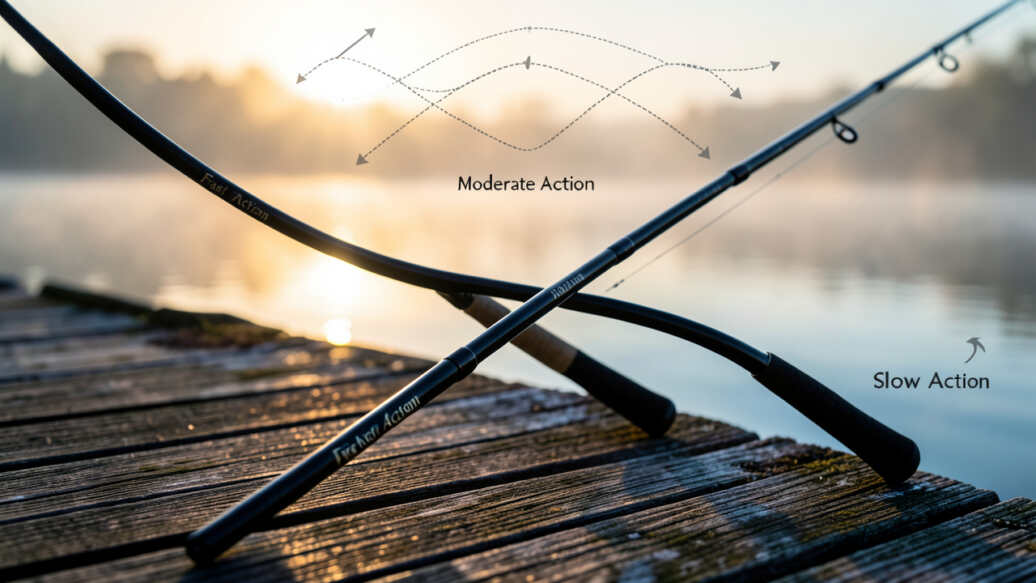
Rod action refers to how much a fishing rod bends and where it bends along its length when pressure is applied. This bending is a key characteristic that influences how the rod performs. It’s not about how strong the rod is, but rather how it flexes.
Think of it like a spring; some are stiff and only bend a little, while others are more flexible and bend a lot. This difference in bending is what we call rod action, and it’s a crucial factor for anglers.
Understanding rod action is key to selecting the right rod; pay attention to how the rod flexes, not just its power rating.
The amount of bend a rod has is determined by the materials used, the taper of the blank, and its overall design. A rod’s action is typically categorized into three main types: fast, moderate, and slow. Each of these actions offers unique advantages for different fishing techniques.
Knowing these differences is vital for anglers looking to optimize their performance on the water. Understanding Rod Action Explained: Fast, Moderate, Slow Differences Today empowers you to make informed decisions.
Fast Action Rods: Precision and Sensitivity
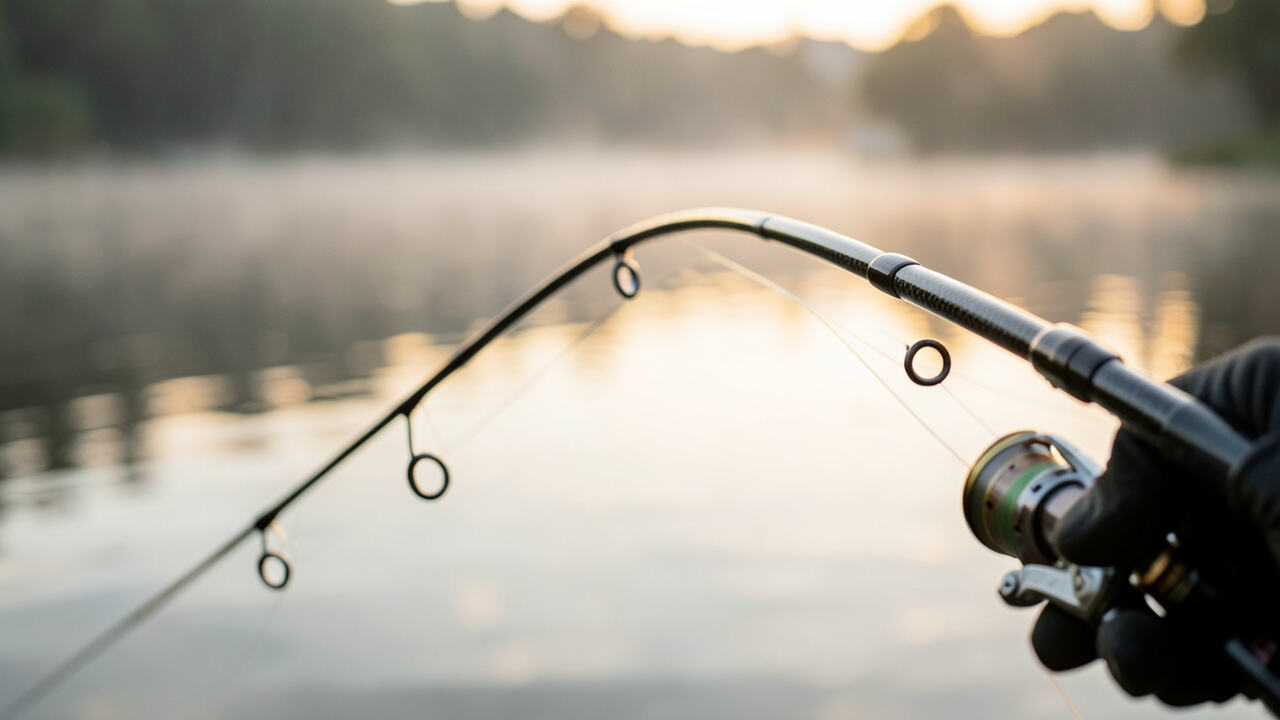
Fast action rods bend primarily in the top quarter of the rod blank. This means the tip section is very sensitive and responsive. When you apply pressure, only the very end of the rod flexes significantly.
This design makes them excellent for detecting subtle bites, especially when fishing for wary species. The quick tip also allows for faster hook sets, which is beneficial when you need to react instantly to a fish taking the bait.
The primary benefit of a fast action rod is its increased sensitivity. You can feel even the slightest nibble from a fish, which is crucial for techniques like Texas rigging or drop-shotting. Furthermore, the stiff tip provides excellent casting accuracy.
Fast action rods allow pinpoint casting accuracy, making them ideal for targeting specific cover or structure.
You can make precise casts to target specific spots, like openings in lily pads or structure along the bottom. This control is invaluable for anglers who need to place their lures with pinpoint precision. We’ll explore more about Rod Action Explained: Fast, Moderate, Slow Differences Today.
Benefits of Fast Action
- Enhanced Sensitivity: Quickly feel light bites and subtle takes.
- Rapid Hook Sets: The stiff tip allows for immediate reaction.
- Casting Accuracy: Precise lure placement for targeting specific spots.
- Better Lure Control: Ideal for techniques requiring precise lure movement.
- Detecting Structure: Feel the bottom contour and underwater obstacles.
Fast action rods are often preferred by anglers who fish with soft plastics, jigs, and Texas rigs. They excel in situations where feeling the bite is paramount and a quick reaction is needed. The concentrated bend means that most of the rod remains relatively stiff, providing leverage for setting the hook firmly and controlling larger fish.
Mastering the use of these rods can significantly boost your catch rates.
Moderate Action Rods: Versatility and Balance
Moderate action rods bend in the top half of the rod blank. This means they offer a more balanced flex than fast action rods. The bend is distributed more evenly along the rod, providing a good combination of sensitivity and casting performance.
These rods are often considered the “all-around” choice for many anglers because of their versatility. They can handle a wide range of techniques and lure types effectively.
The advantage of a moderate action rod lies in its ability to handle various fishing situations. They offer a good compromise between the sensitivity of fast action rods and the casting distance of slow action rods. The more gradual bend makes them forgiving with lighter lures and less prone to pulling hooks from a fish’s mouth.
Moderate action rods offer a balanced flex that makes them the versatile all-around choice for many anglers.
This makes them ideal for anglers who enjoy using crankbaits, spinnerbaits, and topwater lures.
Why Choose Moderate Action?
- All-Around Performance: Suitable for many different fishing styles.
- Forgiving Hook Sets: Less likely to pull hooks out of soft mouths.
- Good for Treble Hooks: Helps absorb shock from fish shaking lures with treble hooks.
- Versatile Casting: Handles a range of lure weights well.
- Comfortable to Use: Offers a balanced feel for extended fishing sessions.
A moderate action rod is a great choice for anglers who don’t specialize in one particular technique. If you enjoy switching between different lures and target species throughout the day, this action provides the flexibility you need. It’s a solid option for beginners and experienced anglers alike who want a reliable and adaptable tool.
The nuanced flex of these rods is a key part of Rod Action Explained: Fast, Moderate, Slow Differences Today.
Slow Action Rods: Casting Distance and Fish Comfort
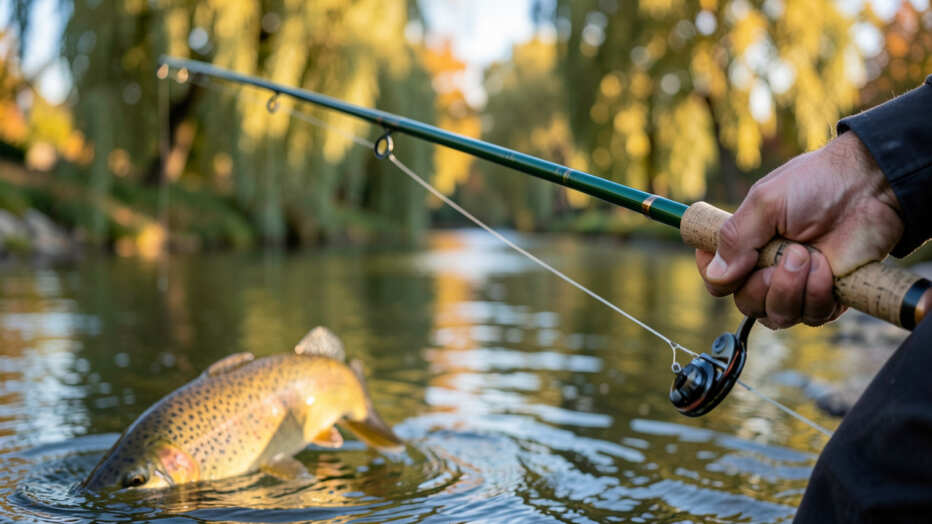
Slow action rods bend throughout their entire length, from the tip all the way to the handle. This means the entire rod flexes deeply when pressure is applied. This deep bend makes them excellent for casting lighter lures a long distance.
The rod loads up gradually, storing energy that is then released for a powerful, smooth cast. This can be a significant advantage when trying to reach fish that are far from the boat or shore.
For casting lightweight lures long distances, a slow action rod loads effectively and provides smooth, powerful casts.
One of the biggest benefits of a slow action rod is how it handles fish once hooked. The deep bend acts like a shock absorber, cushioning the fight and preventing fish from throwing the hook. This is particularly useful when fishing with live bait or when targeting fish with soft mouths that are easily injured.
The continuous flex also makes them very comfortable to cast for long periods, reducing angler fatigue. Understanding Rod Action Explained: Fast, Moderate, Slow Differences Today is key here.
Advantages of Slow Action
- Maximum Casting Distance: Ideal for reaching distant targets.
- Superior Shock Absorption: Prevents hook-pulls during the fight.
- Excellent for Light Lures: Loads up effectively with small baits.
- Comfortable for Long Casts: Reduces strain on the angler.
- Gentle on Fish Mouths: Ideal for species with soft bites.
Slow action rods are often the go-to choice for anglers targeting panfish, trout, and other smaller species where finesse and casting distance are important. They can also be used for certain types of live bait fishing or when employing delicate presentations. The smooth, deep bend makes for a very enjoyable fishing experience, especially for those who appreciate the feel of a rod working with the fish.
Comparing Rod Actions: A Quick Look
To better understand the differences, let’s look at how these actions perform in key areas. Each type of rod action has its strengths and weaknesses, making it more suitable for certain fishing scenarios. The choice often comes down to the specific technique and the type of fish you are targeting.
This comparison helps clarify why Rod Action Explained: Fast, Moderate, Slow Differences Today is so important.
Choosing the wrong rod action can impact your fishing success; always match the action to your technique and target species.
As you can see from the table, each action excels in different areas. A fast action rod gives you the most control and feedback, while a slow action rod offers the longest casts and best fish-holding ability. Moderate action rods provide a great balance, making them versatile for a wide range of applications.
This comparison simplifies the nuances of Rod Action Explained: Fast, Moderate, Slow Differences Today.
How Rod Action Affects Your Fishing
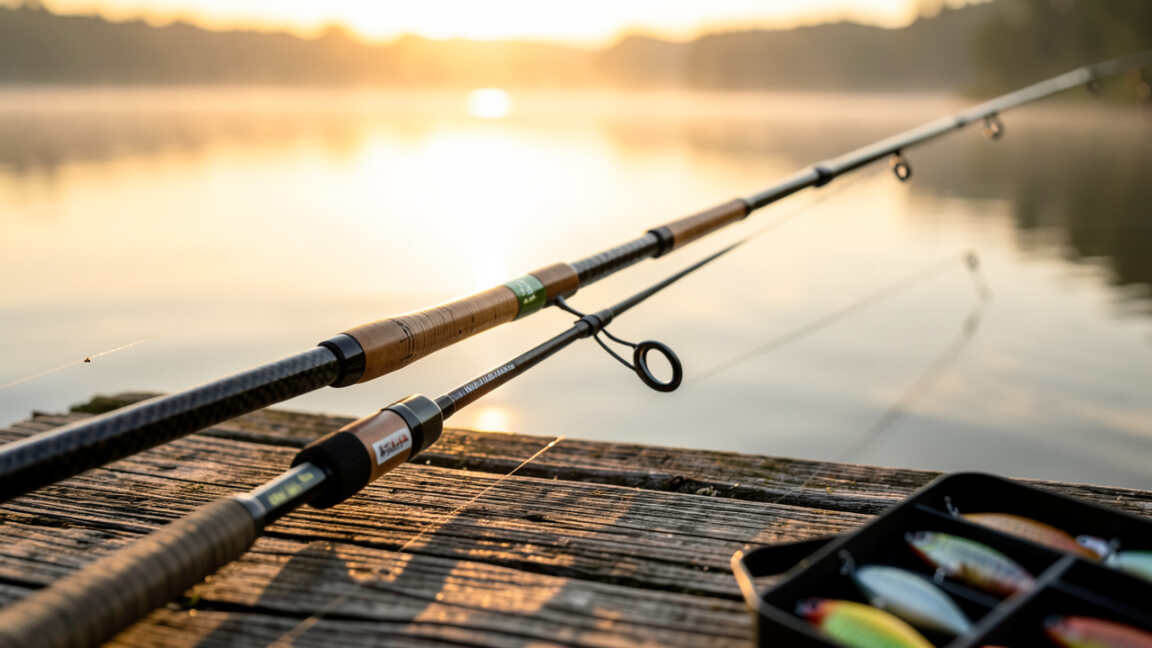
The action of your rod directly impacts several key aspects of your fishing experience. It influences how well you can present your lure, detect bites, and ultimately land the fish. Understanding these connections is crucial for making the best rod choice for your specific needs.
The way a rod bends is not just a technical detail; it’s a functional characteristic that shapes your success on the water.
Lure Presentation
Different lure types perform best with specific rod actions. For example, finesse baits often require the sensitivity and quick hook set of a fast action rod to ensure they are presented properly and hooked effectively. On the other hand, crankbaits and spinnerbaits, which have inherent action, benefit from the moderate flex of a medium action rod.
This flex helps to impart a more natural wobble to the lure and also absorbs the shock of the fish striking. Slow action rods are excellent for casting very light lures, such as small jigs or flies, that might not load up a stiffer rod sufficiently.
Bite Detection
Sensitivity is a major factor. Fast action rods transmit vibrations from the lure and any bites directly to your hand with minimal delay. This allows you to feel subtle taps or the difference between a bite and simply dragging your lure over a rock.
Rod action directly influences hook set effectiveness; moderate action offers a balanced compromise between speed and forgiveness.
Moderate action rods offer good sensitivity, enough for most common fishing situations. Slow action rods are the least sensitive, as the deep bend absorbs some of the vibrations, making them less ideal for detecting very light bites, but excellent for feeling the tug of a fish that has fully committed to the bait.
Hook Setting
The speed and power of your hook set are significantly influenced by rod action. With a fast action rod, the stiff tip allows for a quick, strong hook set, driving the hook home efficiently. This is especially important when fishing with single hooks or when a fish is short-striking.
Moderate action rods provide a balanced hook set; they are quick enough for most situations but also offer a bit more forgiveness. Slow action rods require a more deliberate hook set, and their deep flex helps to prevent the hook from tearing out of a fish’s mouth once it’s set. This aspect of Rod Action Explained: Fast, Moderate, Slow Differences Today is vital for landing fish.
Fighting Fish
When it comes to fighting a fish, rod action plays a critical role in keeping the fish hooked and bringing it to the net. The deep bend of a slow action rod acts like a natural shock absorber, absorbing the powerful runs and head shakes of a fighting fish. This reduces stress on the line and prevents hooks from pulling free.
Moderate action rods offer a good balance of control and shock absorption. Fast action rods, while offering great leverage for controlling a fish, can be more prone to pulling hooks if not handled carefully, as the tip is less forgiving.
Choosing the Right Action for Your Fishing Style
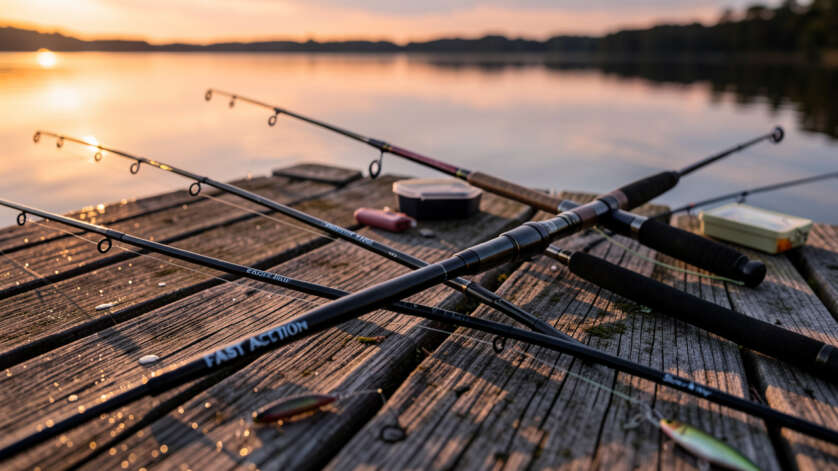
The best rod action for you depends heavily on the type of fishing you do most often. Consider the species you target, the lures you use, and your preferred fishing environment. Making the right choice ensures your gear works with you, not against you.
For Bass Fishing
Bass anglers often use a variety of techniques. For techniques like Texas rigging, shaky heads, and jigging, a fast action rod is usually preferred due to the need for sensitivity and quick hook sets. When fishing with crankbaits, spinnerbaits, or topwater lures that have treble hooks, a moderate action rod is a better choice.
It helps to keep those treble hooks pinned and absorbs the fish’s head shakes. For finesse techniques like drop-shotting or Neko rigging where subtle bites are common, a fast or extra-fast action rod is highly recommended for maximum feedback.
For Inshore Saltwater Fishing
Inshore saltwater fishing often involves targeting species that can make powerful runs. For casting lures like topwater plugs or jigging spoons, a moderate-fast action rod can provide a good balance of casting ability and hook-setting power. If you’re using techniques that require detecting subtle bites from wary fish, such as fishing with artificial shrimp or small jigs, a fast action rod will offer the necessary sensitivity.
For treble hook lures like crankbaits, a moderate action rod helps keep hooks pinned and absorbs head shakes.
For live bait fishing where a fish might take the bait slowly, a moderate or even slow action rod can be beneficial to prevent spooking the fish and ensure a good hook-up.
For Freshwater Panfish and Trout
Anglers targeting panfish like bluegill and crappie, or trout, often benefit from lighter lures and the need for casting distance. A slow action rod is excellent for casting small jigs, flies, or tiny bait presentations a long way. The deep flex also makes fighting these smaller fish a lot of fun and helps prevent them from tearing free.
A moderate action rod can also be a good choice, offering a bit more versatility if you switch between different types of lures or target slightly larger species like perch.
For Fly Fishing
Fly fishing has its own specific terminology for rod action, often described as slow, medium, and fast, but it relates to how the rod loads and unloads during the casting stroke. A slow action fly rod is more forgiving and helps beginners develop a smooth casting motion. Medium action fly rods are versatile and suitable for a wide range of casting situations.
Fast action fly rods are designed for maximum distance and wind-cutting ability, often favored by experienced casters for specific techniques.
Understanding Rod Power vs. Action
It’s important not to confuse rod action with rod power. While both are critical characteristics, they describe different aspects of a rod’s performance. Action refers to where the rod bends, whereas power refers to how much force it takes to bend the rod.
Understanding Rod Action Explained: Fast, Moderate, Slow Differences Today is only half the story; power is the other.
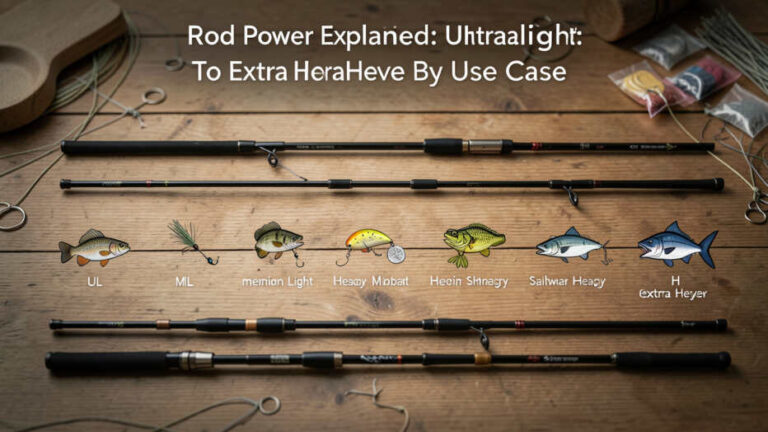
Rod power is typically categorized as ultralight, light, medium-light, medium, medium-heavy, heavy, and extra-heavy. A rod’s power dictates the weight of lures it can effectively cast and the size of fish it can handle. For example, a heavy power rod is designed for casting large, heavy lures and for battling powerful fish like large bass or pike.
Always check both the power and action specifications when selecting a rod, as they serve different functions.
An ultralight power rod is for very small lures and light lines, often used for trout or panfish.
You can have a fast action rod in a medium power, or a slow action rod in a heavy power. For instance, a medium-heavy power, fast action rod is a very common setup for bass fishing, offering both casting capability for heavier lures and sensitivity for detecting bites. Conversely, a medium power, moderate action rod might be ideal for casting crankbaits for walleye.
The combination of power and action is what truly defines a rod’s performance characteristics.
Tips for Choosing Your Next Rod
When you’re out shopping for a new fishing rod, keep these tips in mind to make sure you get the right one for your needs. Don’t just grab the first rod you see; take a moment to consider how you’ll be using it.
- Identify Your Primary Fishing Style: What kind of fishing do you do most? Are you casting lures, using live bait, or fly fishing? This is the most important question.
- Consider the Species You Target: Different fish require different approaches. Smaller fish might need lighter power and slower actions, while larger, aggressive fish need more power and faster actions for control.
- Think About Your Lures: Do you use light, finesse baits or heavy, bulky lures? The lure weight will guide your choice of rod power, and the lure type will influence the best action.
- Feel the Rod in Your Hand: If possible, hold the rod. Bend it slightly to get a feel for its action and balance. Does it feel comfortable?
- Don’t Be Afraid to Ask for Help: Talk to experienced anglers or staff at your local tackle shop. They can offer valuable advice based on your specific needs.
- Read Reviews: Online reviews from other anglers can provide real-world insights into how a rod performs.
By considering these factors, you can move beyond just guessing and make an informed decision about your next rod. Understanding Rod Action Explained: Fast, Moderate, Slow Differences Today means you can match your gear to your technique for better results.
Frequently Asked Questions
What is the main difference between fast and slow rod action?
The main difference is where the rod bends. A fast action rod bends mostly in the tip (top quarter), while a slow action rod bends throughout its entire length.
Which rod action is best for beginners?
A moderate action rod is often best for beginners because it’s versatile and forgiving, handling many techniques well without being too specialized.
Does rod action affect casting distance?
Yes, slow action rods generally provide the longest casting distance, especially with lighter lures, because the entire rod loads up to store energy.
Can I use a fast action rod for crankbaits?
While possible, it’s not ideal. A fast action rod’s stiff tip can cause crankbaits to wobble erratically and can pull treble hooks out of a fish’s mouth during the fight. A moderate action rod is usually preferred.
How does rod action relate to hook sets?
Fast action rods allow for quick, strong hook sets due to their stiff tips. Slow action rods require a more deliberate set and their deep flex helps absorb shock to prevent hook pulls.
Should I choose rod action based on the fish species?
Yes, the species you’re targeting is a major factor. Fast action is great for sensitive bites and quick sets on bass, while slow action is excellent for the delicate mouths of panfish or the long casts needed for trout.
What does it mean when a rod is described as “moderate-fast”?
A moderate-fast action rod bends in the top half, but more towards the tip than a true moderate action. It offers a good balance of sensitivity and casting performance.
Final Thoughts
Understanding rod action is key to improving your fishing success. Whether you need the sensitivity of a fast action rod for detecting subtle bites, the versatility of a moderate action rod for various lures, or the casting distance of a slow action rod, the right choice makes a difference. Match the action to your technique and enjoy catching more fish.

One Comment