Rod Handle Materials: Cork, Eva, Carbon Fiber Compared Today
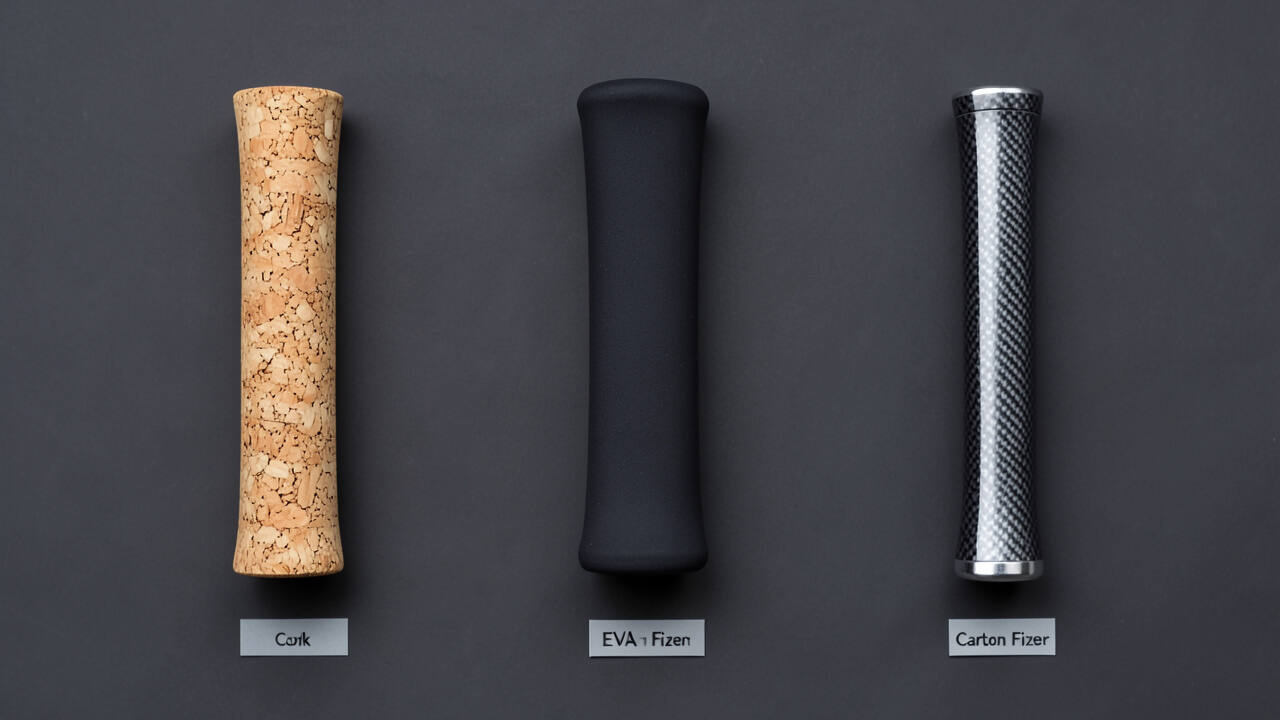
Cork, EVA foam, and carbon fiber are the three primary rod handle materials, each offering distinct trade-offs in comfort, grip, durability, and sensitivity. Cork provides a classic, lightweight feel with excellent natural grip but requires careful maintenance to avoid chipping and dirt absorption. EVA foam is a durable, easy-to-clean synthetic that performs well in wet conditions and delivers consistent comfort with less upkeep. Carbon fiber handles deliver maximum sensitivity and strength for direct bite feedback but can feel less forgiving during long casting sessions, making material choice dependent on your fishing style, budget, and personal preference.
Choosing the right fishing rod handle can really change how your day goes. It affects how comfortable you are, how well you can feel what’s happening with your lure, and how much control you have when fighting a fish. Understanding the differences between popular rod handle materials helps you pick the best one for your needs.
We’ll look at Rod Handle Materials: Cork, EVA, Carbon Fiber Compared Today so you can make a smarter choice for your next rod.
Key Takeaways
- Cork offers a classic feel, good grip, and is lightweight.
- EVA foam is durable, easy to clean, and provides a comfortable grip.
- Carbon fiber handles are very strong, lightweight, and offer excellent sensitivity.
- The best material depends on your fishing style, budget, and personal preference.
- Each material has unique benefits for comfort, grip, and feeling bites.
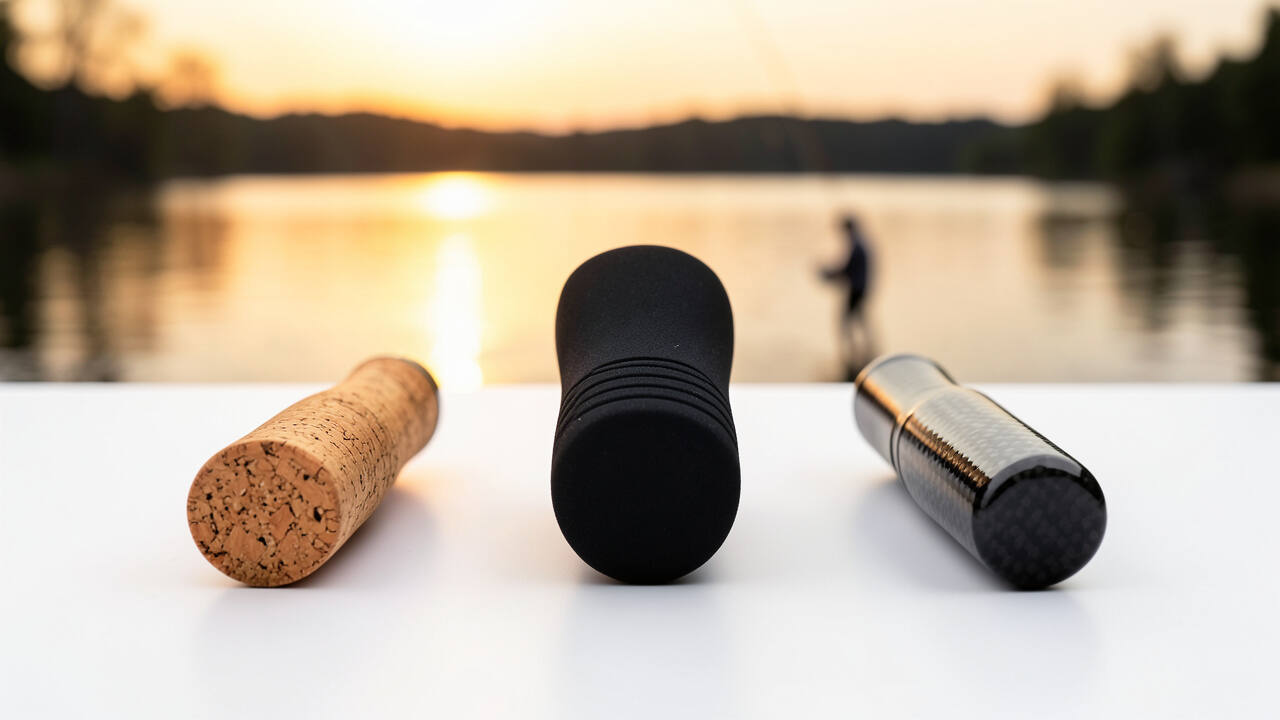
Why Rod Handle Material Matters for Your Fishing
Your fishing rod handle is the main point of contact you have with your gear. It’s not just a place to hold the rod; it’s how you connect with the water and the fish. A good handle makes long days on the water more enjoyable.
It also helps you feel the slightest nibble or the strongest strike. Bad handles can cause fatigue and make it harder to control your rod. This is why looking at Rod Handle Materials: Cork, EVA, Carbon Fiber Compared Today is so important for any angler.
Choosing the right handle material can reduce fatigue and improve bite detection, directly affecting your success on the water.
Think about how much you rely on your hands when fishing. You’re casting, retrieving, setting the hook, and reeling in a fish. All of these actions go through your hands and the rod handle.
The material of that handle can make a big difference in how well you perform these tasks. It can also affect how much you enjoy the whole experience. Let’s see how the top options stack up.
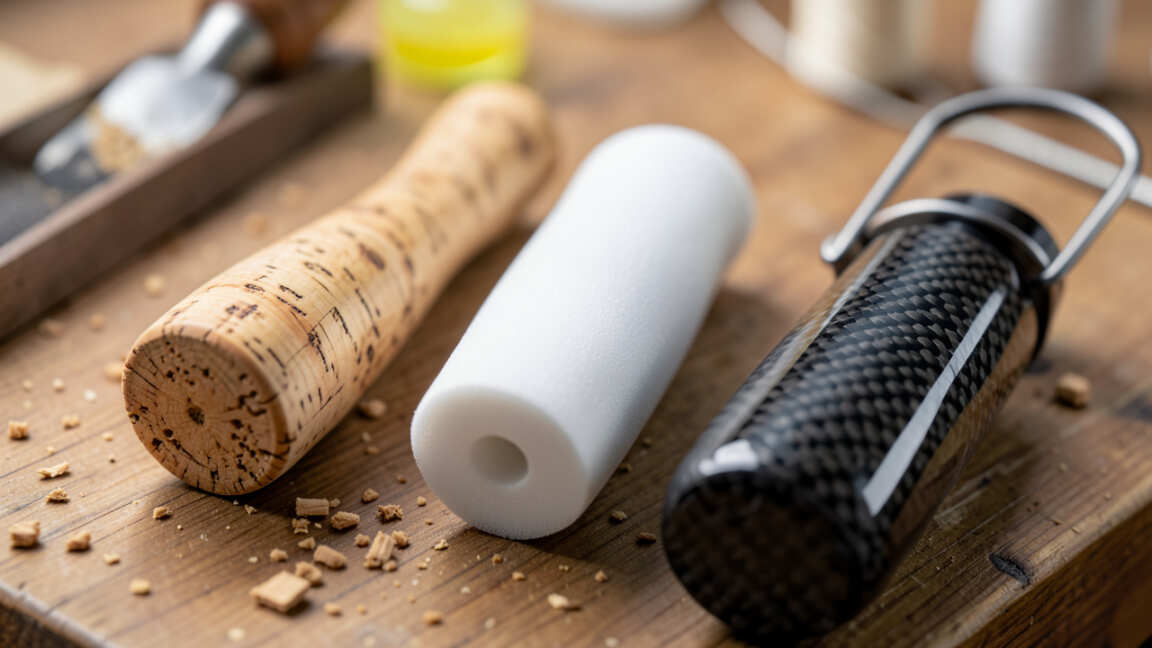
The Classic Choice: Exploring Cork Rod Handles
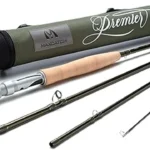
Cork has been a favorite for rod handles for a very long time. It’s a natural material that many anglers love. One of the biggest benefits of cork is its light weight.
This can make your rod feel more balanced and less tiring to hold for hours.
Cork also offers a good grip, especially when it gets wet. This is great for those damp fishing conditions. It has a certain feel that many people find comfortable and natural.
Cork’s natural texture offers a comfortable grip that actually improves when wet, making it ideal for damp conditions without sacrificing sensitivity.
Cork handles tend to absorb some shock, which can add to overall comfort during a long fishing trip.
However, cork isn’t perfect. It can be more prone to damage than other materials. Small dents or scratches can happen if you’re not careful.
It can also absorb water and odors over time, which might lead to it breaking down faster. But for many, the feel and performance of cork are worth the trade-offs.
When comparing Rod Handle Materials: Cork, EVA, Carbon Fiber Compared Today, cork stands out for its traditional appeal and comfort. It’s a material that has stood the test of time for good reason. Many high-end rods still feature cork handles because of their proven benefits.
The Versatile Performer: Understanding EVA Foam Handles
EVA, or Ethylene-Vinyl Acetate, is a synthetic foam that has become very popular for rod handles. It’s a common choice because it’s very durable and forgiving. EVA foam is resistant to water, dirt, and even many chemicals, making it easy to clean and maintain.
This material provides a soft, cushioned grip. This can be a huge comfort booster, especially for anglers who experience hand fatigue. It’s also less likely to get damaged by impacts compared to cork.
If you tend to be a bit rough with your gear, EVA might be a better fit.
EVA foam provides a soft, cushioned grip that absorbs shock, but some anglers find it less sensitive than cork or carbon fiber.
EVA foam offers a consistent grip in various weather conditions. It doesn’t absorb water like cork can. This means it maintains its grip even when wet.
Some anglers find EVA less sensitive than cork or carbon fiber, meaning they might not feel subtle bites as easily. But its overall practicality and comfort make it a top contender.
In our look at Rod Handle Materials: Cork, EVA, Carbon Fiber Compared Today, EVA offers a great balance of durability, comfort, and ease of use. It’s a practical choice for a wide range of fishing situations and anglers of all skill levels. Many manufacturers choose EVA for its reliability and cost-effectiveness.
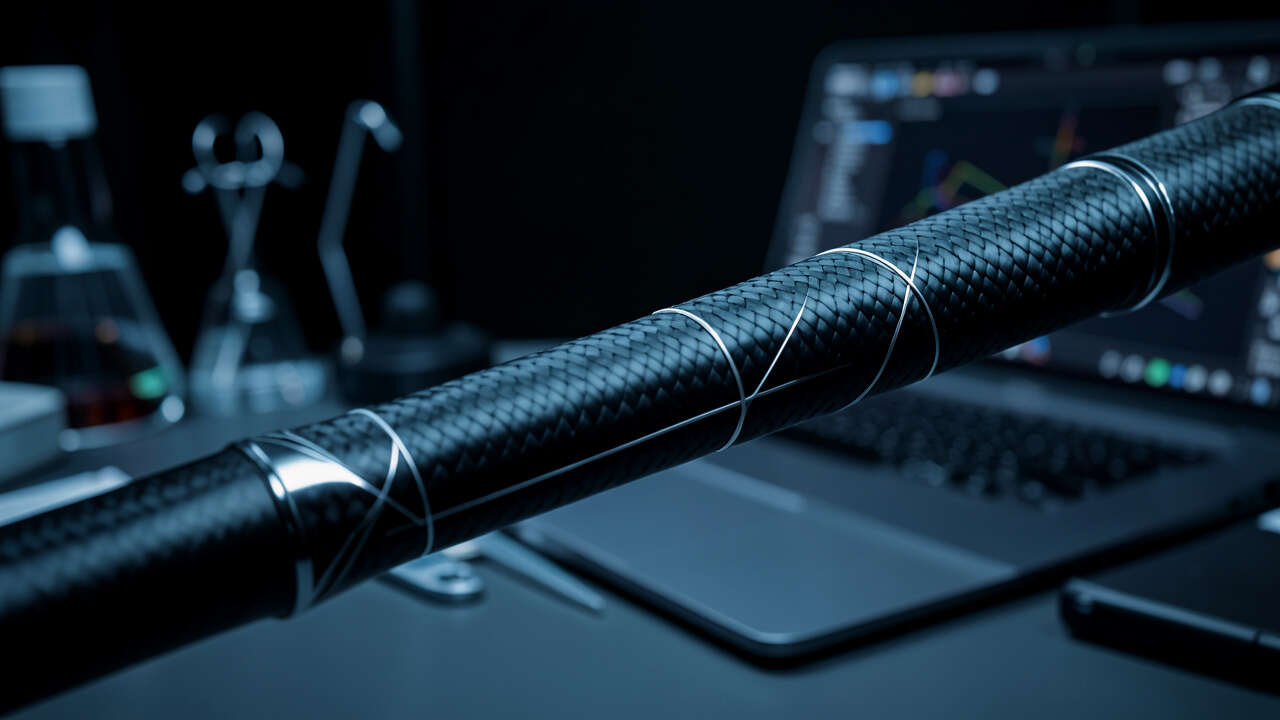
The High-Tech Option: Examining Carbon Fiber Rod Handles
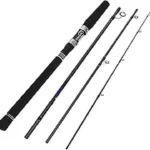
Carbon fiber represents the cutting edge in rod handle technology. It’s known for being incredibly strong yet remarkably lightweight. This makes rods equipped with carbon fiber handles feel very nimble and responsive.
One of the biggest advantages of carbon fiber is its sensitivity. Because it’s so rigid and dense, it transmits vibrations from the line and lure directly to your hand. This means you can feel even the slightest tap or strike from a fish, which can be crucial for successful fishing.
If you prioritize feeling subtle bites, carbon fiber handles transmit vibrations exceptionally well, giving you a distinct edge in finesse fishing.
Carbon fiber is also extremely durable and resistant to damage. It won’t absorb water, rot, or get easily scratched. This makes it a long-lasting option that can withstand tough fishing environments.
However, carbon fiber handles can sometimes be more expensive than cork or EVA options.
When considering Rod Handle Materials: Cork, EVA, Carbon Fiber Compared Today, carbon fiber stands out for anglers who prioritize sensitivity and performance. It’s often found on higher-end rods designed for serious anglers who want the best feedback from their fishing line.
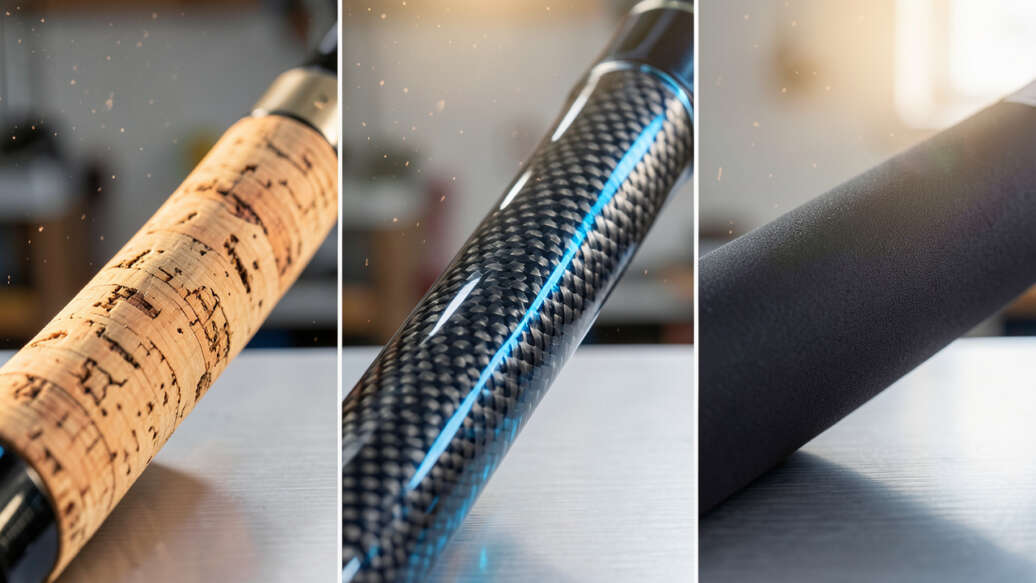
Comparing the Materials: A Side-by-Side Look
To make the choice clearer, let’s put these materials head-to-head. Each has its own strengths that cater to different fishing needs and preferences.
Comfort and Feel
Cork offers a warm, natural feel that many anglers prefer. It can be very comfortable for long periods. EVA foam provides a soft, cushioned feel that absorbs shock well.
Carbon fiber is more rigid, offering a direct feel but can be less forgiving on the hands for some.
Carbon fiber’s rigidity offers direct feel but can be less forgiving on hands during long fishing sessions, potentially causing discomfort.
Grip and Handling
Cork’s grip can improve when wet, offering a natural texture. EVA foam provides a consistent, non-slip grip that is easy to hold onto. Carbon fiber’s grip can vary depending on its finish, but its lightness and rigidity allow for precise handling.
Durability and Maintenance
EVA foam is generally the most durable and easiest to clean. Cork can be prone to dents and absorbs odors over time. Carbon fiber is highly durable and resistant to most forms of damage.
Sensitivity and Feedback
Carbon fiber excels in sensitivity, allowing anglers to feel subtle bites. Cork offers good feedback, though slightly less than carbon fiber. EVA foam typically offers the least direct feedback, as its cushioning can dampen vibrations.
Here is a table summarizing the key differences when looking at Rod Handle Materials: Cork, EVA, Carbon Fiber Compared Today.
Choosing the Right Handle for Your Fishing Style
Your personal fishing habits should guide your choice of rod handle. Are you a freshwater angler who enjoys finesse techniques? Or perhaps a saltwater angler battling big, powerful fish?
For anglers who focus on feeling every subtle bite, especially in freshwater for species like bass or trout, carbon fiber might be the best choice. Its sensitivity can give you an edge. If you spend long hours casting and retrieving, the lightweight feel and comfort of cork or EVA could be more appealing.
For freshwater finesse techniques like bass or trout fishing, carbon fiber’s sensitivity can give you a critical advantage in detecting light strikes.
Saltwater anglers who need a durable, easy-to-clean handle that can withstand harsh conditions might lean towards EVA or carbon fiber. Both offer excellent grip and resilience. If you’re on a budget but still want a comfortable and reliable handle, EVA foam is often a fantastic option.
When considering Rod Handle Materials: Cork, EVA, Carbon Fiber Compared Today, think about what matters most to you. Is it the traditional feel of cork, the practical comfort of EVA, or the ultimate sensitivity of carbon fiber? Your answer will lead you to the right handle.
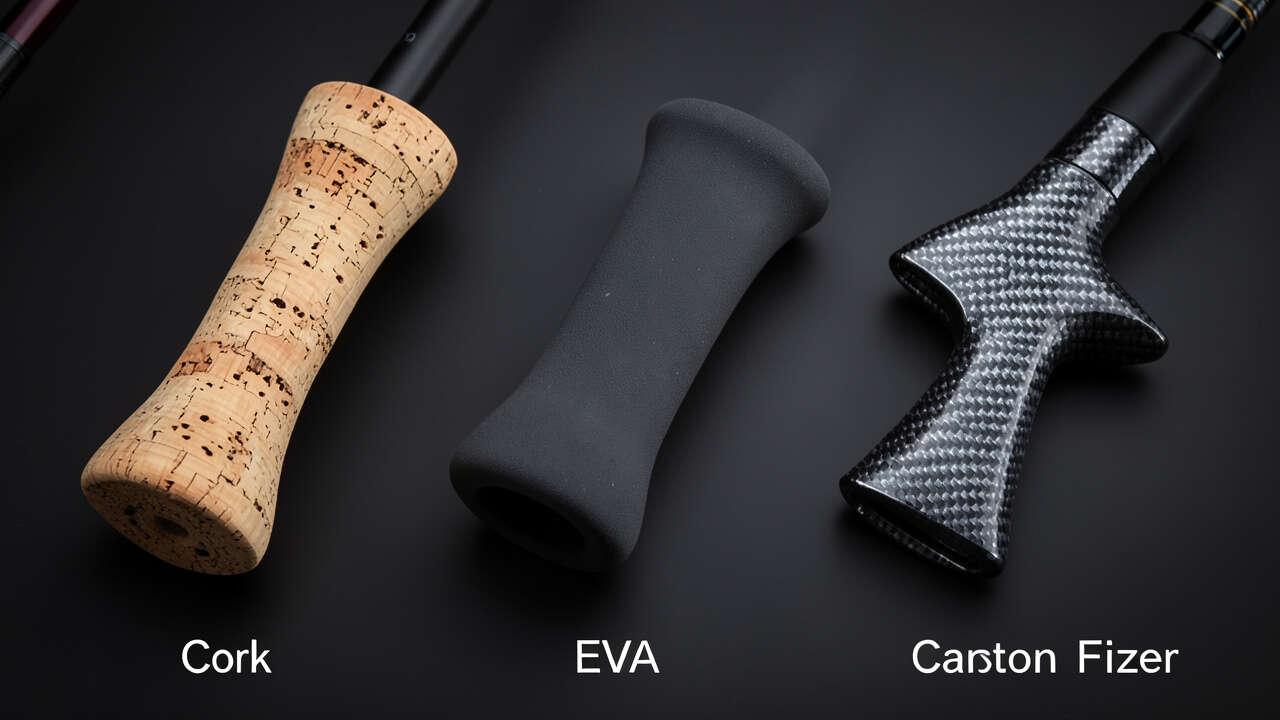
The Role of Handle Shape and Design
Beyond the material itself, the shape and design of a rod handle play a big role. Handles come in various forms, like full grips, split grips, or pistol grips. These designs affect how you hold the rod and can complement the properties of the handle material.
For example, a split grip design, often paired with cork or EVA, can make a rod lighter and offer a different feel in the hand. A full grip, common with cork or EVA, can offer more comfort and support for long battles. Carbon fiber handles are often designed for ergonomic precision, fitting the hand comfortably for maximum control.
Handle design, such as split grips, can complement material properties to enhance overall rod balance and feel in the hand.
The combination of material and design works together. A sensitive carbon fiber handle in a perfectly shaped grip can provide an unparalleled fishing experience. Likewise, a comfortable cork handle on a well-designed grip can make a day of casting much more enjoyable.
Always consider both aspects when making your selection.
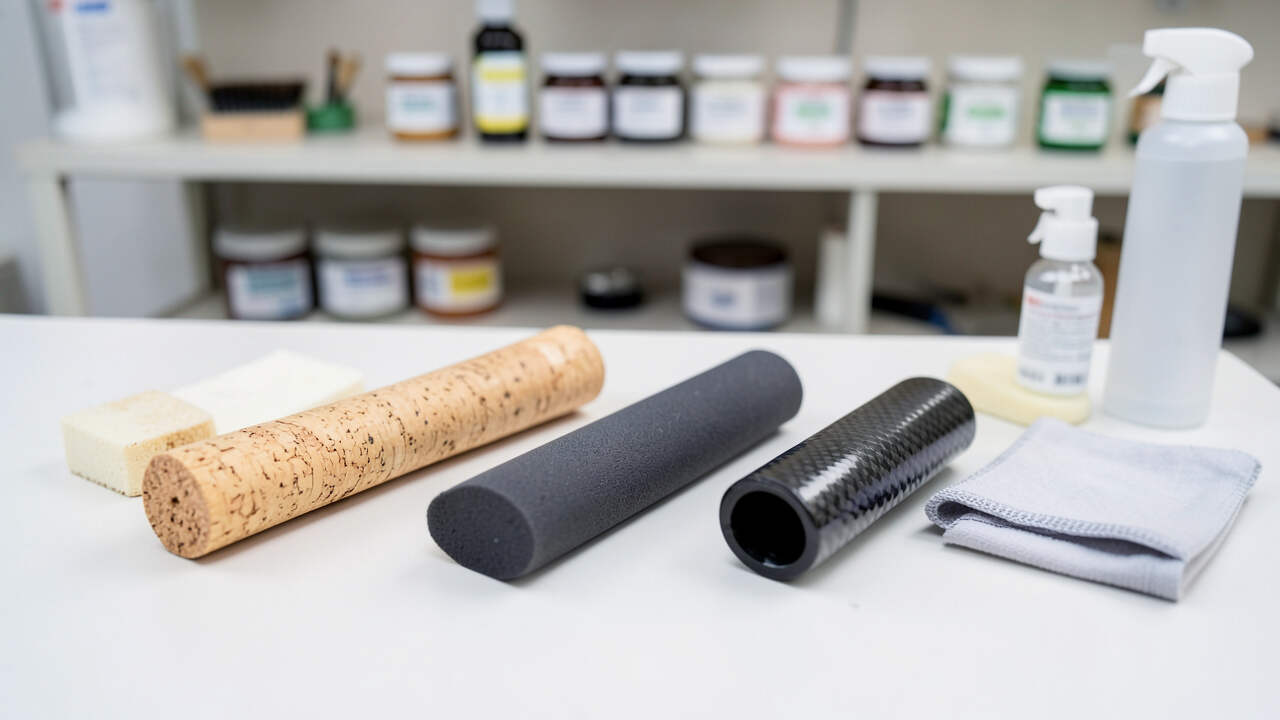
Maintenance Tips for Different Handle Materials
To get the most out of your rod handle, proper care is important. Each material has its own needs.
First, for cork handles, it’s good to clean them periodically with mild soap and water. Avoid harsh chemicals. You can also apply a cork sealant once a year to help protect it from moisture and wear.
Store your rods out of direct sunlight and extreme temperatures.
Clean cork handles with mild soap and water, avoiding harsh chemicals, to preserve their natural texture and extend their lifespan.
Second, EVA foam handles are very easy to maintain. A quick wipe-down with a damp cloth after fishing is usually enough. They resist stains and odors well, but if any do appear, mild soap should do the trick.
Ensure they are dry before storing.
Next, carbon fiber handles are also low maintenance. A simple wipe with a damp cloth will keep them clean. They are very resistant to damage, but avoid dropping the rod on the handle tip, as this can cause cracks.
Taking care of your rod handle will ensure it performs well and feels good for years to come. This is a key part of enjoying your gear, no matter which of the Rod Handle Materials: Cork, EVA, Carbon Fiber Compared Today you choose.
Frequently Asked Questions
Which rod handle material is best for beginners?
For beginners, EVA foam is often recommended because it’s durable, comfortable, and easy to clean. It offers a good balance of features without being too expensive.
Can cork handles be repaired if damaged?
Yes, minor dents or chips in cork handles can often be repaired with cork filler or epoxy. Deep damage might require professional attention or replacement.
Is carbon fiber too sensitive for beginners?
While carbon fiber is very sensitive, it’s not necessarily too sensitive for beginners. It can actually help new anglers learn to feel bites better, but it might require a bit more practice to distinguish between a bite and structure.
Which material offers the best grip in wet conditions?
Both EVA foam and cork generally offer good grip in wet conditions. Cork’s natural texture can improve when wet, while EVA’s synthetic material is designed for consistent traction.
Are there other rod handle materials besides cork, EVA, and carbon fiber?
Yes, some rods use materials like rubber, specialized composites, or even wood. However, cork, EVA, and carbon fiber are the most common and widely used options for modern fishing rods.
How does the weight of the handle affect rod balance?
The weight and distribution of the handle material significantly impact the rod’s balance point. Lighter materials like carbon fiber can make a rod feel more tip-heavy or balanced depending on the design, while heavier handles can make it feel more butt-heavy.
Final Thoughts
Choosing between cork, EVA, and carbon fiber rod handles depends on what you value most in your fishing experience. Each material offers distinct advantages for comfort, grip, durability, and sensitivity. Consider your fishing style and budget to make the best choice for your next rod.