Rod Reel Seat Types: Skeleton, Trigger, And Cork Explained Tip
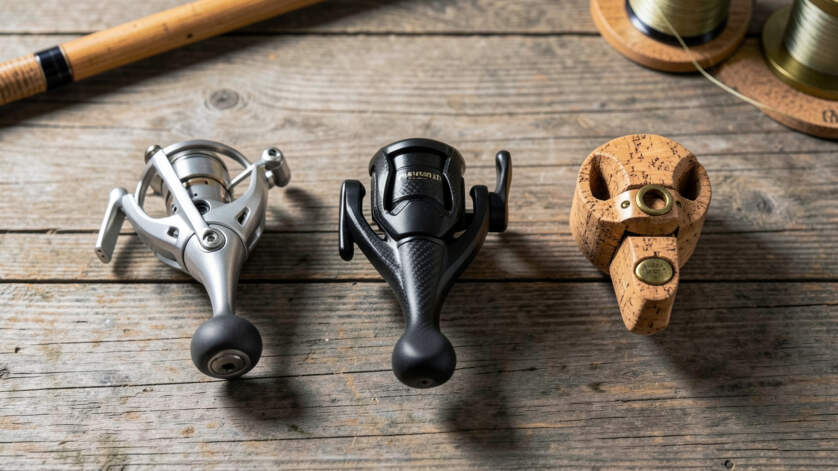
Rod reel seat types—skeleton, trigger, and cork—each serve distinct fishing needs by affecting weight, grip, and casting control. Skeleton seats are lightweight and sensitive, making them ideal for anglers prioritizing feel, while trigger seats improve casting control with an extended finger support. Cork reel seats offer classic comfort and a secure grip, particularly beneficial in wet conditions or for all-day fishing. Choosing the right reel seat depends on matching the material and design to your fishing style for optimal performance and durability.
Choosing the right reel seat for your fishing rod makes a big difference in how you fish. It affects how your reel sits, how comfortable it feels in your hand, and how secure it stays. Understanding the different Rod Reel Seat Types: Skeleton, Trigger, and Cork Explained Tip helps you pick gear that makes every cast and retrieve more enjoyable and effective.
This guide will break down the common options so you can feel confident about your next rod purchase or upgrade, leading to better fishing experiences on the water.
Key Takeaways
- You will learn about the main types of rod reel seats: skeleton, trigger, and cork.
- You’ll discover how each type affects your grip and casting comfort.
- The benefits of choosing the right reel seat for specific fishing styles will be clear.
- You will understand why reel seat material matters for durability and feel.
- This information helps you make smarter choices for better fishing performance.
Understanding Rod Reel Seat Basics
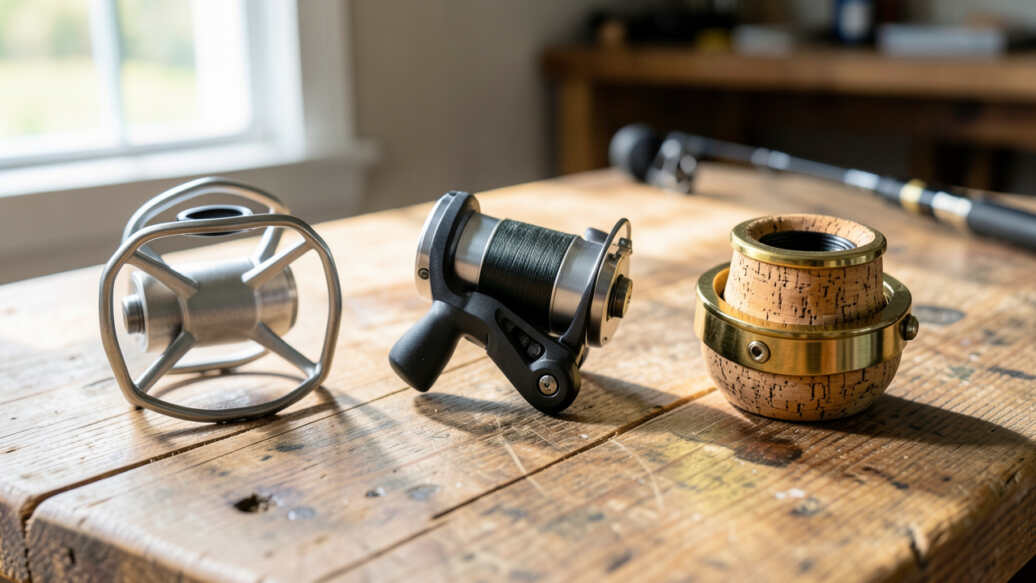
A rod reel seat is the part of your fishing rod where the reel attaches. It’s a critical component for a few reasons. First, it needs to hold your reel securely so it doesn’t loosen up while you’re casting or fighting a fish.
Second, its design and material directly impact how the rod feels in your hands. A comfortable reel seat means you can fish for longer periods without fatigue. This seemingly small detail is actually a big part of your overall fishing setup.
Always check that the reel seat fits your reel's foot size before purchasing a rod to avoid instability during casts.
Getting this right can seriously improve your time on the water.
There are many variations, but the most common types people talk about are skeleton, trigger, and cork reel seats. Each offers a different feel and function. Knowing the differences helps you choose what works best for your fishing needs.
Let’s explore what makes each one unique and why it might be the right choice for you. We will cover the main Rod Reel Seat Types: Skeleton, Trigger, and Cork Explained Tip.
Skeleton Reel Seats: Lightweight and Sensitive
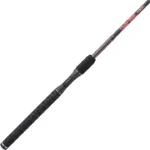
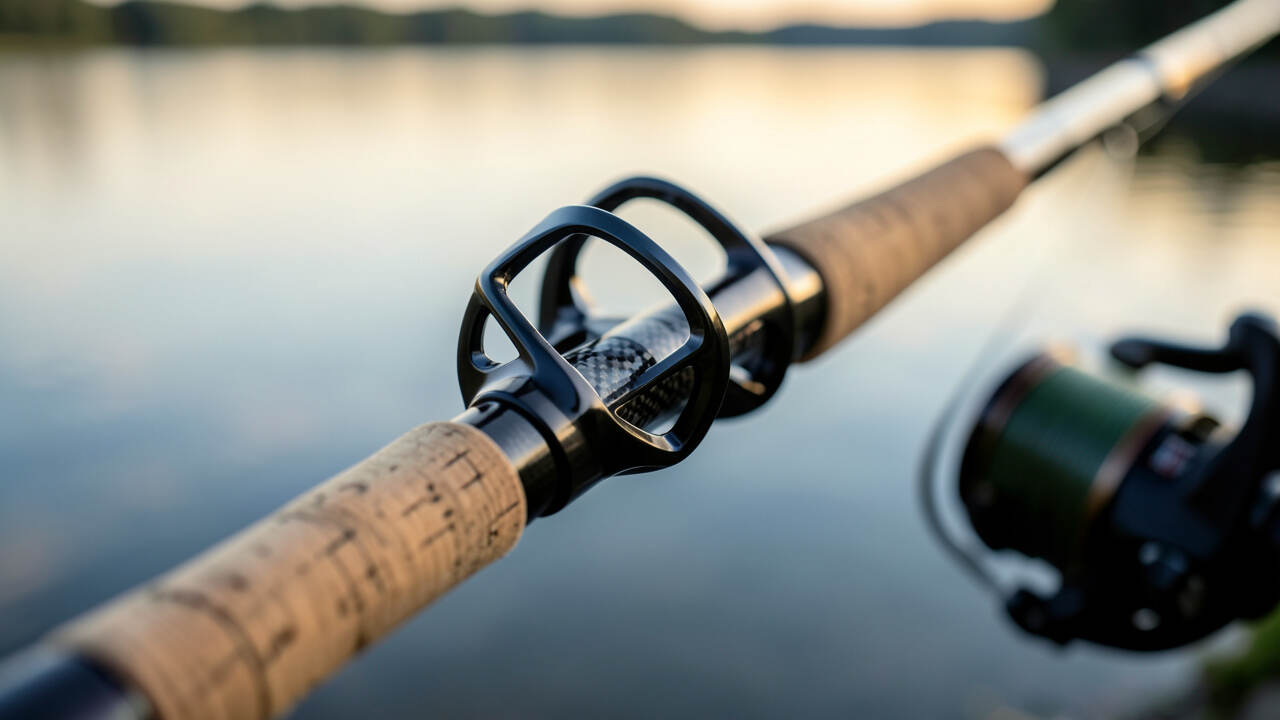
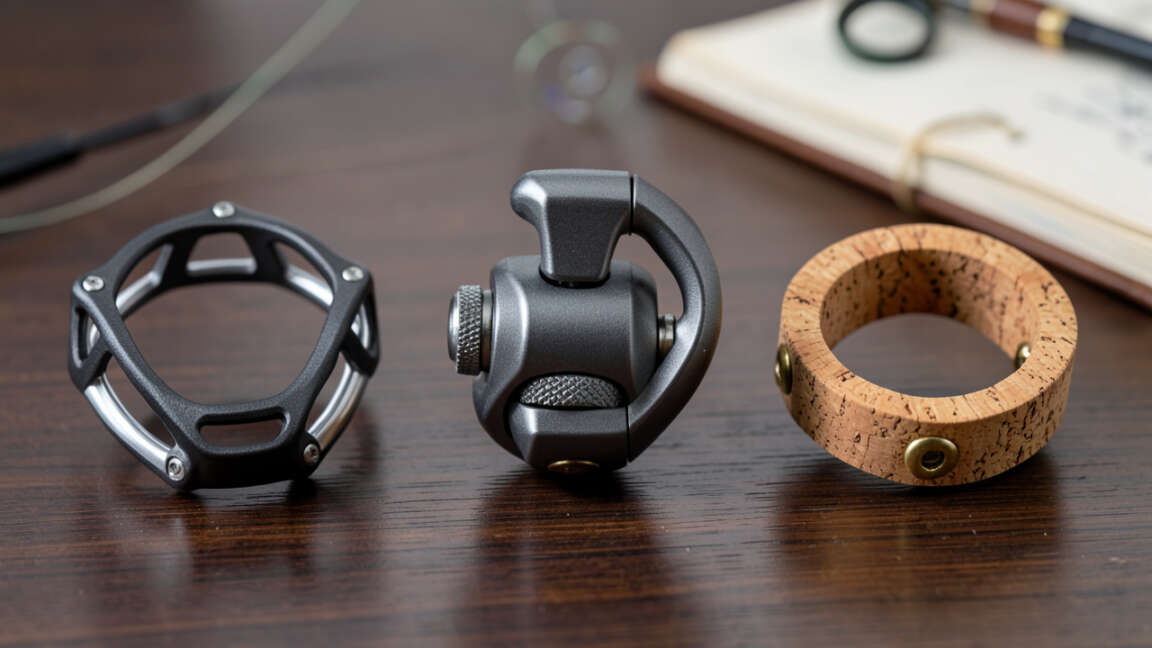
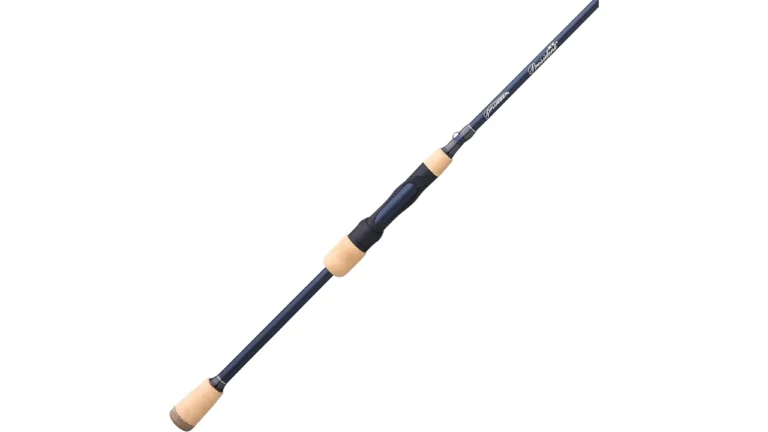
Skeleton reel seats are known for their minimalist design. They often feature cut-out sections, giving them a “skeleton” appearance. This design isn’t just for looks; it serves a practical purpose.
By removing material, manufacturers make these seats lighter. This can help reduce the overall weight of your fishing rod. A lighter rod can mean less fatigue during long fishing days.
Another key benefit of skeleton reel seats is enhanced sensitivity. The open design allows more of the rod blank to be in direct contact with your hand. This means you can feel subtle vibrations and bites more easily.
The open design of skeleton reel seats allows for better blank exposure, which can significantly enhance sensitivity—ideal for anglers who need to feel subtle bites.
This is especially valuable for techniques where detecting light strikes is crucial, like finesse fishing or detecting subtle nibbles. The grip area might be made from durable plastic or graphite composites.
The reel is typically secured using locking rings. These rings screw down onto the reel foot, holding it firmly in place. While they offer great sensitivity, some anglers find the exposed blank sections less comfortable for extended periods.
However, for those who prioritize feeling every tiny movement of their lure, a skeleton reel seat is a top choice. It’s a great example of one of the key Rod Reel Seat Types: Skeleton, Trigger, and Cork Explained Tip.
Trigger Reel Seats: For Improved Casting Control
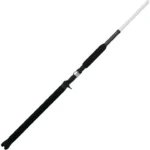
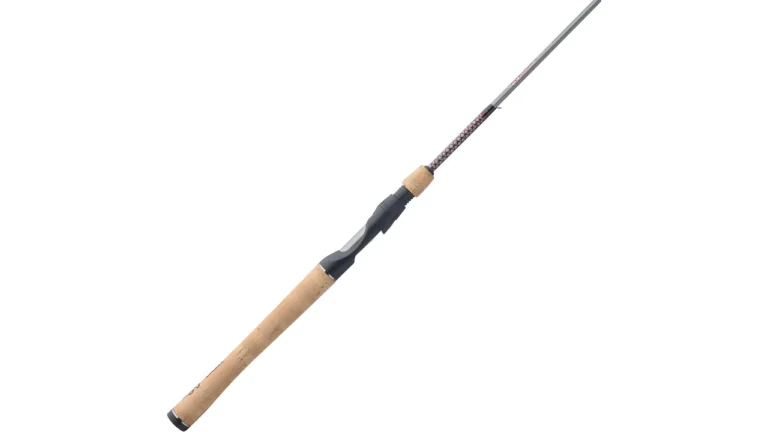
Trigger reel seats are easily recognizable by the small, finger-like extension or “trigger” that juts out below the main grip area. This trigger is designed to provide a more natural resting place for your index finger. This placement offers significantly improved control and stability during casting.
Many anglers find that using a trigger reel seat allows for more accurate casts, especially when targeting specific spots.
The primary advantage of a trigger reel seat is its contribution to casting performance. By allowing your index finger to rest on the trigger, you gain better leverage and a more consistent grip. This can help prevent the rod from twisting during your cast, leading to straighter, more accurate presentations.
A trigger reel seat transforms casting accuracy by giving your index finger a natural fulcrum point.
This is a major benefit for anglers who rely on pinpoint accuracy.
Trigger reel seats are most commonly found on baitcasting and some spinning rods. For baitcasting setups, the trigger is almost standard, helping anglers manage the line and cast effectively. They are usually made from durable graphite or composite materials.
While they excel in casting control, some anglers might find the trigger adds a slight bulk to the handle. Nevertheless, for those seeking enhanced casting accuracy and a comfortable grip, trigger reel seats are an excellent option among the Rod Reel Seat Types: Skeleton, Trigger, and Cork Explained Tip.
Cork Reel Seats: Classic Comfort and Grip
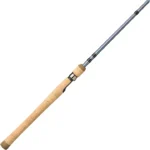
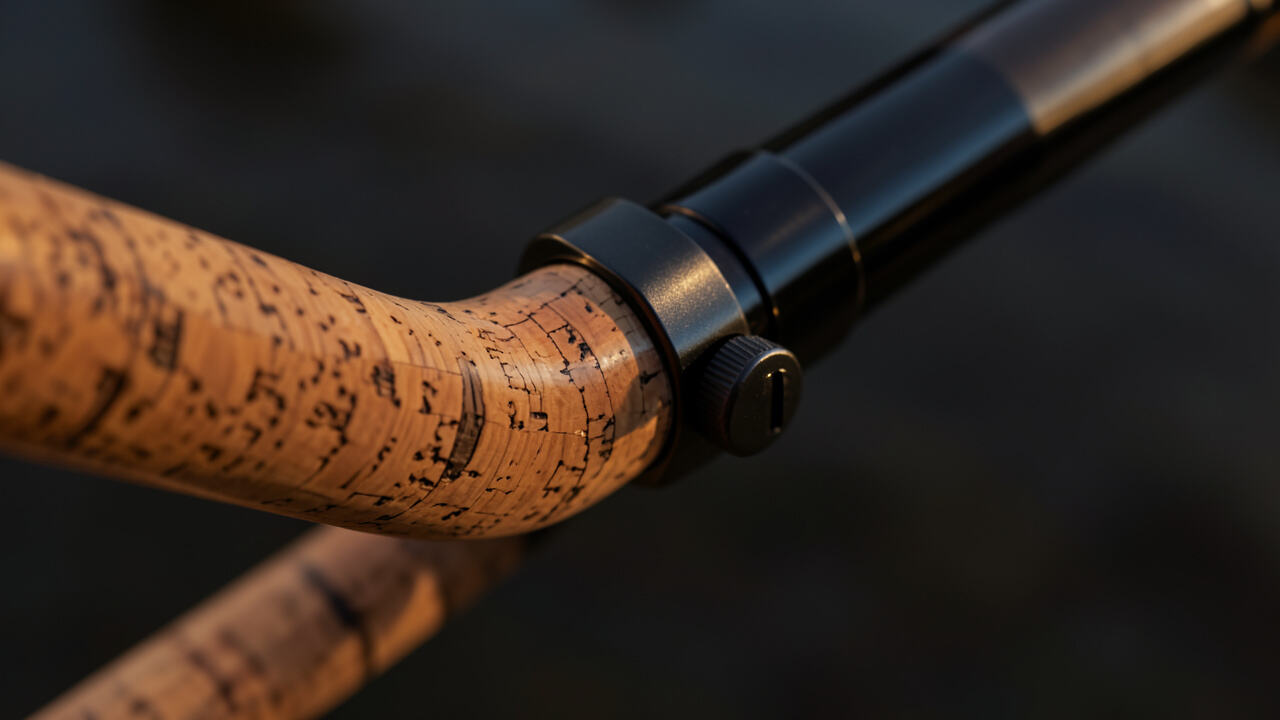
Cork reel seats represent a more traditional approach to rod building. They are known for their natural feel, excellent grip, and comfortable texture. Cork is a material that many anglers find very pleasing to hold, especially during long fishing sessions.
It offers a warm, non-slip surface that feels good in the hand, even when wet.
One of the main benefits of cork is its natural cushioning. This can absorb some of the shock and vibration from casting and retrieving, making the rod feel more comfortable to hold. Cork also provides a good grip, which is important when your hands might be wet or slimy from handling fish.
To prolong the life of a cork reel seat, gently clean it with mild soap and water after fishing to remove dirt and salt.
It doesn’t get as slick as some synthetic materials can.
Cork reel seats are often paired with traditional spinning or fly rods. They offer a classic aesthetic that many anglers appreciate. The reel is typically secured using locking rings, similar to skeleton seats.
While cork is comfortable and provides good grip, it can be more susceptible to wear and tear over time compared to some synthetic materials. It can also absorb water and odors if not properly cared for. Despite this, the timeless comfort and feel make cork a popular choice for many.
It’s a staple in understanding Rod Reel Seat Types: Skeleton, Trigger, and Cork Explained Tip.
Comparing Rod Reel Seat Types
When choosing a fishing rod, the type of reel seat is a significant factor. Each type offers distinct advantages suited to different fishing styles and preferences. Understanding these differences helps you make an informed decision.
Let’s look at how these common Rod Reel Seat Types: Skeleton, Trigger, and Cork Explained Tip stack up against each other.
Choosing a reel seat solely based on appearance can lead to discomfort and reduced performance; always consider your fishing style first.
The choice often comes down to personal preference and the type of fishing you do most. Anglers who want to feel every nibble might lean towards skeleton seats. Those who focus on precise casting will likely prefer trigger seats.
For a comfortable, all-around feel, cork remains a strong contender. The materials used in the construction also play a role in performance and longevity.
Materials Matter: Beyond Type
While the type of reel seat is important, the materials used in its construction also greatly influence its performance, feel, and durability. Understanding these materials can help you appreciate the nuances of each reel seat design. This is a key aspect of our Rod Reel Seat Types: Skeleton, Trigger, and Cork Explained Tip.
Common Reel Seat Materials
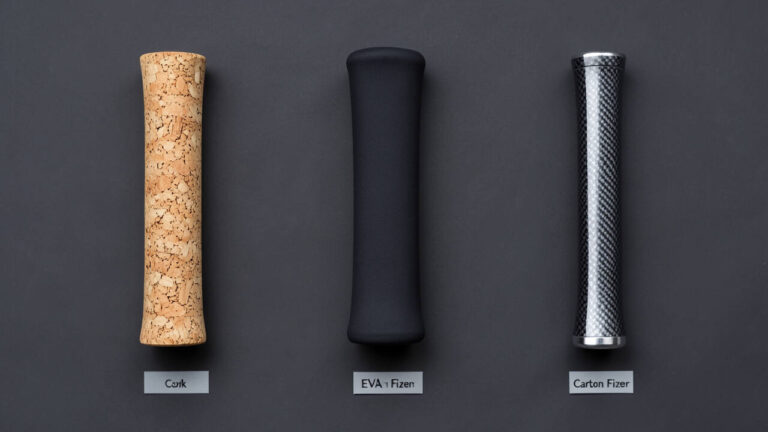
Graphite and Composite Materials: These are very common for skeleton and trigger reel seats. They are lightweight, strong, and durable. Graphite is known for its sensitivity, allowing vibrations to travel up the rod blank to your hand.
Composites offer a good balance of strength, weight, and cost.
Plastic and Polymer: Used in many entry-level rods and some spinning reel seats. These materials are generally affordable and durable. They might not offer the same level of sensitivity or premium feel as graphite, but they get the job done reliably.
Cork: As discussed, cork is a natural material harvested from cork oak trees. It’s favored for its warmth, comfort, and grip. High-quality cork can be very dense and durable, while lower-quality cork might be more prone to compression and wear.
Graphite reel seats offer an excellent strength-to-weight ratio, making them a popular choice for modern rods without sacrificing sensitivity.
Aluminum: Sometimes used for locking rings on reel seats. Aluminum is strong and provides a secure grip on the reel foot. It adds a bit of weight but is very durable.
Impact of Material on Performance
The material directly affects how the rod feels. A graphite reel seat will transmit more subtle vibrations than a plastic one. Cork offers a softer, more insulated feel, which some prefer for comfort.
The weight of the material also contributes to the overall balance of the rod. Lighter materials can make a rod feel more nimble, while heavier materials might add stability.
Durability is another factor. Graphite and high-quality composites tend to be very robust. Cork, while comfortable, can compress over time with heavy use or if it gets soaked repeatedly.
Knowing the material helps you understand the trade-offs and choose a rod that fits your expectations for longevity and performance.
Choosing the Right Reel Seat for Your Fishing Style
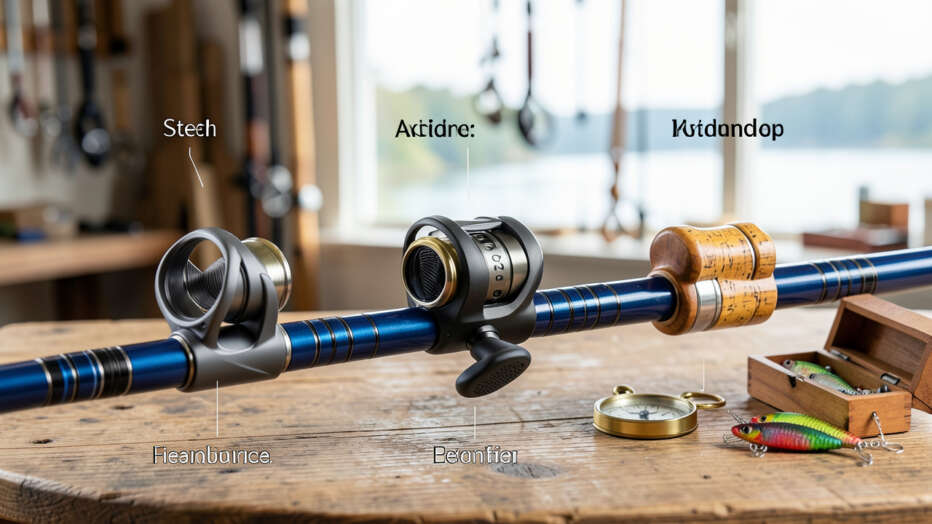
Your fishing style should be the main driver when deciding on a reel seat. Different techniques demand different features from your rod and reel setup. The reel seat plays a crucial role in optimizing your performance for those specific situations.
This is where understanding the Rod Reel Seat Types: Skeleton, Trigger, and Cork Explained Tip truly benefits you.
Baitcasting and Bass Fishing
For bass fishing, especially using baitcasting reels, accuracy and control are paramount. This is why trigger reel seats are so popular. The ergonomic design with the index finger trigger allows for precise casting, essential for targeting structure or pockets of cover.
The secure grip also helps manage the power needed for casting heavier lures or setting hooks with authority. Skeleton seats can also be used, but the trigger often provides that extra edge in control.
Matching your reel seat to your fishing technique is not just a preference—it directly impacts your casting accuracy and overall control.
Spinning and General Freshwater Fishing
On spinning rods, you’ll find a variety of reel seats, including skeleton and cork designs. If you’re doing a lot of casting and retrieving, like for trout or panfish, a comfortable grip is key. Cork reel seats offer excellent comfort for long days on the water.
If you’re fishing for species where detecting very subtle bites is important, like walleye or finesse bass fishing, a skeleton reel seat might provide the sensitivity you need to feel those light taps.
Fly Fishing
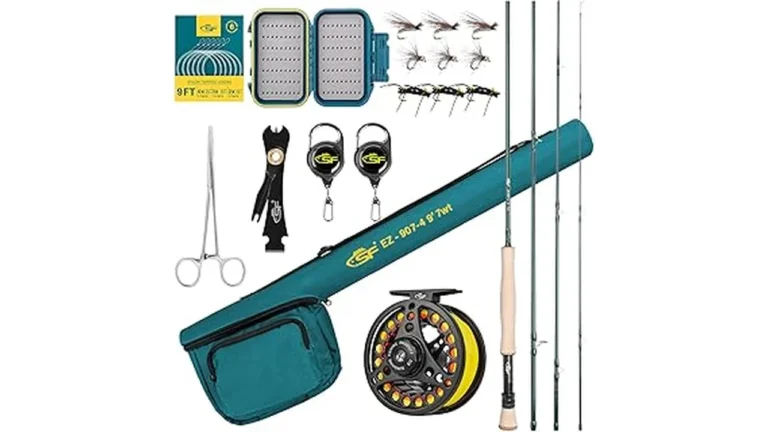
Fly fishing rods typically feature reel seats made from durable materials like anodized aluminum, often combined with a cork grip. While not strictly one of the three main types we’ve discussed, the reel seat on a fly rod is designed to be robust and hold a fly reel securely. The focus is on balance and durability, as fly anglers often cast for extended periods and need a reliable setup.
Inshore and Offshore Saltwater Fishing
Saltwater environments demand robust gear that can withstand harsh conditions. Reel seats here need to be corrosion-resistant and provide a strong hold for larger reels. While specific types like skeleton or trigger exist, the materials are often more heavy-duty.
Anodized aluminum components are common to prevent rust. Comfort is still important for long battles with powerful fish, so a good grip, whether from cork or a well-designed composite, is beneficial.
Maintaining Your Rod Reel Seat
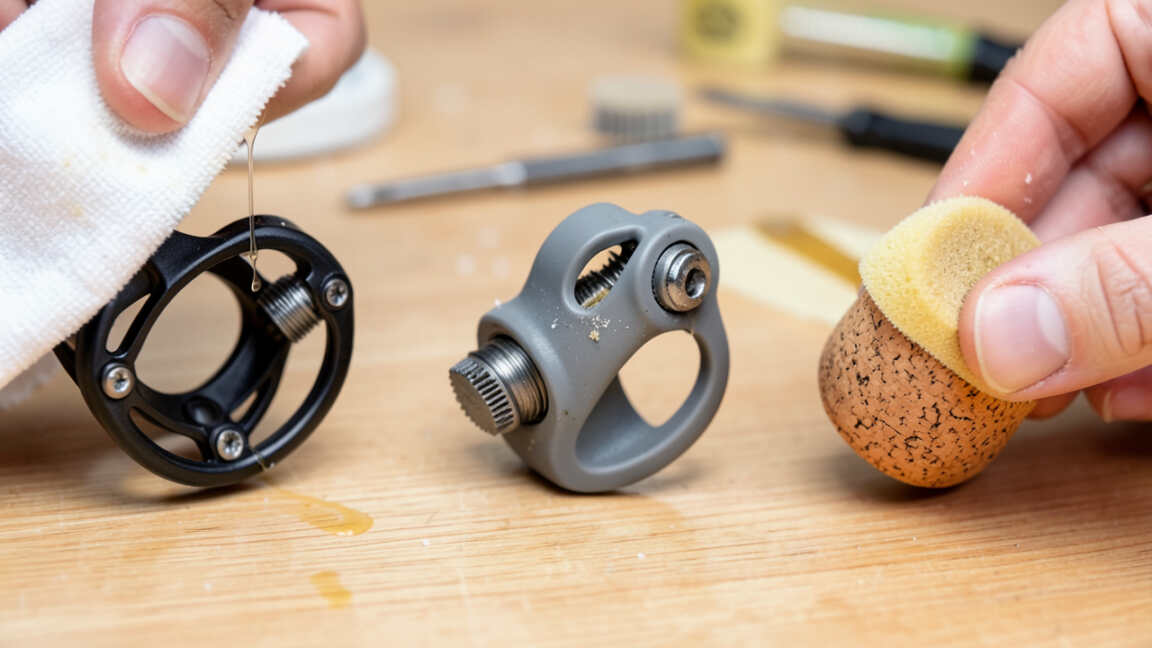
Proper care of your rod reel seat ensures its longevity and continued performance. Whether you have a skeleton, trigger, or cork seat, a little maintenance goes a long way. This helps preserve the integrity of one of the key Rod Reel Seat Types: Skeleton, Trigger, and Cork Explained Tip.
Rinsing: After each use, especially in saltwater, rinse your rod thoroughly with fresh water. Pay attention to the reel seat, making sure to flush out any salt or sand. This is crucial for preventing corrosion, particularly on metal components like locking rings.
Cleaning: Periodically, you can clean the reel seat with mild soap and water. For cork seats, avoid harsh chemicals. A soft brush can help remove grime without damaging the material.
After rinsing, dry the reel seat thoroughly and apply a light coat of protectant to prevent corrosion and maintain grip.
Ensure the seat is completely dry afterwards.
Lubrication: The locking rings on your reel seat might benefit from a light application of reel grease or a silicone-based lubricant. This helps them move smoothly and prevents them from seizing up. Do this sparingly to avoid attracting dirt.
Inspection: Regularly check the reel seat for any signs of wear, cracks, or loose parts. Ensure the locking rings are functioning correctly and holding your reel securely. If you notice any damage, it’s best to get it repaired or replaced before it causes a problem on the water.
Frequently Asked Questions
What is the main difference between skeleton and trigger reel seats?
Skeleton reel seats have an open design for maximum sensitivity, while trigger reel seats have a finger extension for better casting control and accuracy.
Is a cork reel seat good for long fishing trips?
Yes, cork reel seats are often preferred for long fishing trips because they offer a warm, comfortable, and non-slip grip that reduces fatigue.
Can I use a trigger reel seat on a spinning rod?
While trigger reel seats are most common on baitcasting rods, some spinning rods are designed with them, especially those aimed at bass fishing where casting accuracy is key.
Which rod reel seat type offers the best sensitivity?
Skeleton reel seats generally offer the best sensitivity because their open design allows more direct contact with the rod blank, transmitting vibrations more effectively.
How do I clean a cork reel seat?
Clean a cork reel seat with mild soap and water, using a soft brush to remove dirt. Avoid harsh chemicals and ensure it dries completely.
Are aluminum reel seats common for saltwater fishing?
Yes, anodized aluminum reel seats are common in saltwater fishing due to their corrosion resistance and durability, helping to secure reels against powerful fish.
Final Thoughts
Choosing the right reel seat-be it skeleton, trigger, or cork-significantly impacts your fishing comfort and performance. Each type offers unique benefits for different techniques and angler preferences. Understanding these Rod Reel Seat Types: Skeleton, Trigger, and Cork Explained Tip empowers you to select gear that enhances your experience on the water.
Make your next rod choice with confidence, knowing what best suits your fishing style.

One Comment