Graphite Vs Fiberglass Rods: Sensitivity Vs Durability Today
Graphite rods deliver superior sensitivity for detecting every subtle bite and bottom texture in today’s finesse fishing, making them the top choice for anglers seeking maximum feel and fast hook sets. Fiberglass rods provide exceptional durability, with the toughness to withstand heavy cover, large fish, and rough handling without breaking, while their slower action absorbs shock during fights. Graphite’s lighter weight and faster action improve casting accuracy and control, whereas fiberglass’s flex offers more forgiveness for powerful fish. Understanding these core differences helps anglers match rod material to fishing style, prioritizing sensitivity with graphite or durability with fiberglass for today’s fishing scenarios.
When you’re out fishing, the rod in your hand makes a big difference. You want to feel every little nibble on your line, but you also need a rod that can handle the rough stuff. Deciding between graphite and fiberglass can feel tricky.
This guide will help you understand the key differences so you can pick the best rod for your fishing trips. We’ll break down the Graphite vs Fiberglass Rods: Sensitivity vs Durability Today debate to help you make a smart choice.
Feel Every Bite: Maximizing Sensitivity
Feeling a fish tug on your line is the exciting part of fishing. Some rods are much better at letting you feel these small movements. This is often called sensitivity.
A sensitive rod helps you know when a fish is interested even if it’s just checking out your bait. It also helps you set the hook faster.
Graphite rods are known for being very sensitive. They are lighter and stiffer than fiberglass. This means vibrations from your line travel up the rod easily.
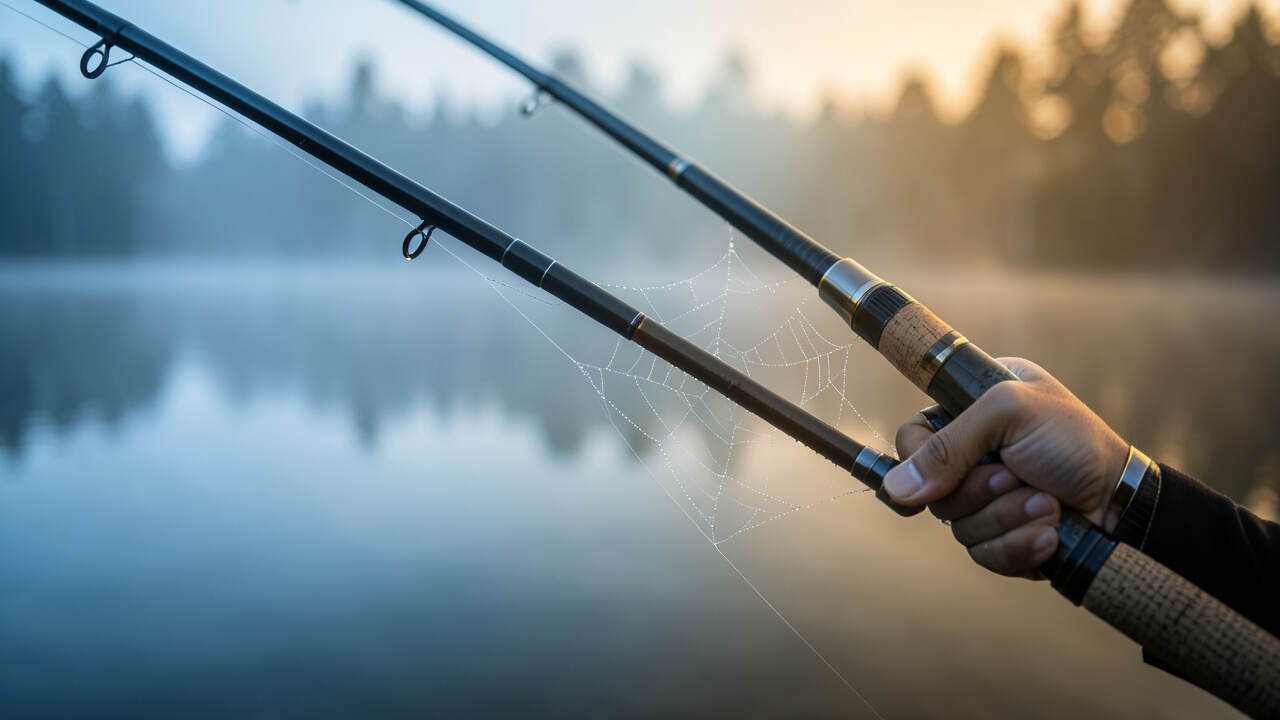
For finesse fishing or jigging, a graphite rod transmits subtle vibrations from line to hand, allowing you to detect light bites and structure changes.
You can feel subtle taps and even the bottom structure. This makes them great for techniques where feeling is important, like finesse fishing or jigging.
Fiberglass rods are generally less sensitive. They tend to absorb more vibrations. This can be a good thing sometimes, but it means you might miss those tiny bites.
If feeling every single detail is your top priority, graphite usually wins here.
Built Tough: Choosing Rods for Durability
Your fishing rod needs to last. It has to handle casting, fighting fish, and maybe even a bump or two. Durability is a big factor for many anglers.
Some materials are simply tougher and can take more abuse.
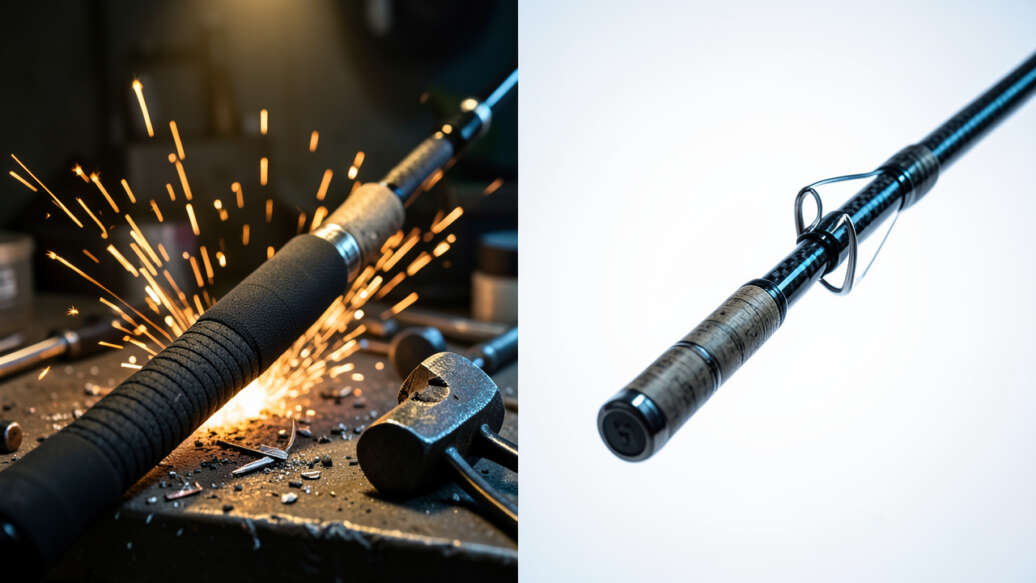
Fiberglass rods are very durable. They are more flexible and less likely to break if bent too far. They can also withstand impacts better than graphite.
Fiberglass rods are a strong contender for anglers who fish in rough environments or are tough on gear because they withstand impacts better than graphite.
If you tend to be a bit rough with your gear, or if you fish in places where your rod might get knocked around, fiberglass is a strong contender.
Graphite rods are strong, but they can be more brittle. If you bend a graphite rod too far or hit it hard, it might snap. This doesn’t mean they are weak, but they require a bit more care.
For pure toughness and resistance to breakage, fiberglass often has the edge.
Weight and Balance: How They Feel in Your Hand
How a rod feels when you hold it matters a lot. A lighter rod is easier to cast and less tiring to use for long periods. The balance of the rod also affects how it feels.
This is where graphite and fiberglass differ noticeably.
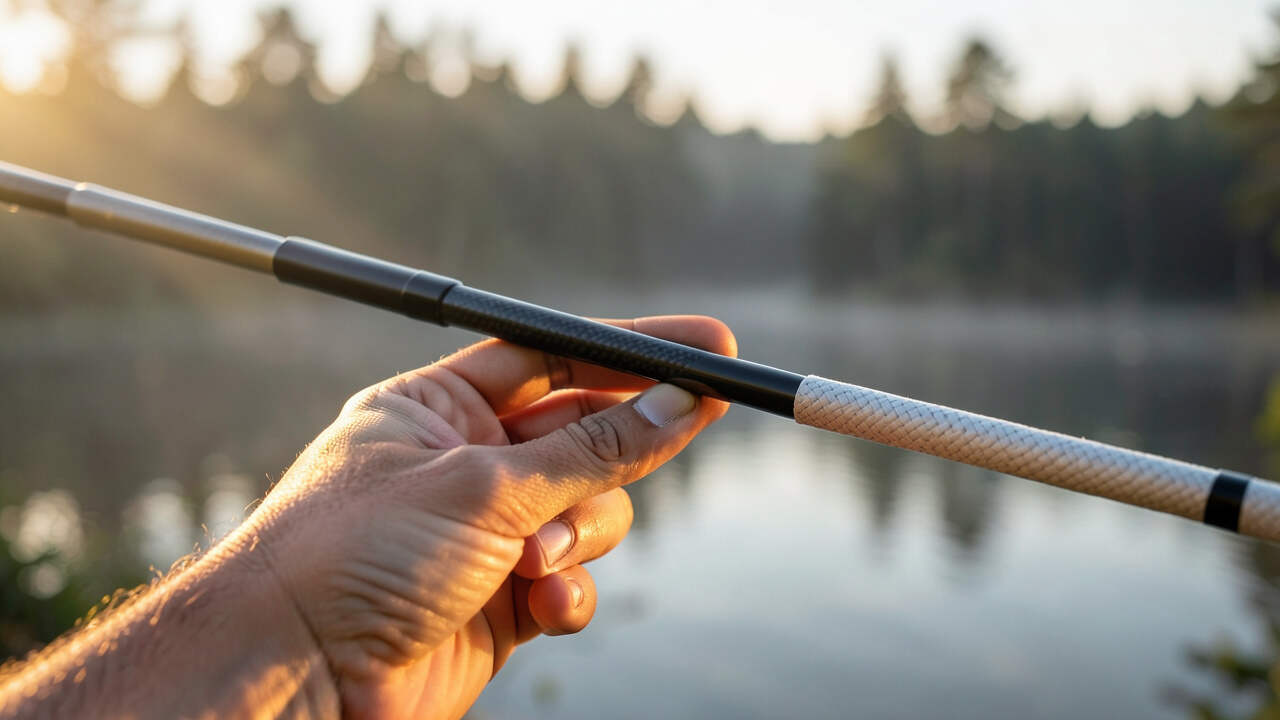
Graphite rods are significantly lighter than fiberglass rods of the same size. This makes them feel more nimble and responsive. Anglers often prefer lighter rods for long days on the water.
For anglers who prioritize a lightweight feel during long days on the water, graphite rods are the clear choice.
The lighter weight can also help with casting accuracy and distance.
Fiberglass rods are heavier. This extra weight can sometimes make them feel a bit more cumbersome. However, the weight can also provide a different kind of balance that some anglers find comfortable.
For those who prioritize a lightweight feel, graphite is the clear choice.
Flex and Action: How Rods Bend
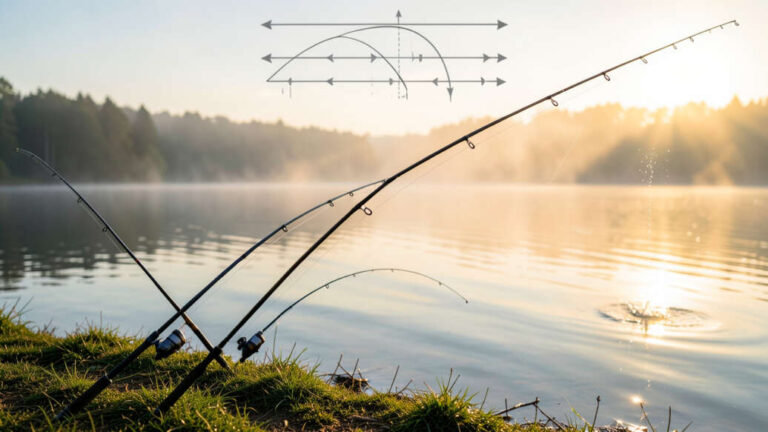
The way a fishing rod bends, called its flex or action, is crucial. It affects how you cast, how well you can fight a fish, and what types of lures work best. This bending behavior is a key difference between graphite and fiberglass.
Graphite rods tend to have a faster action. This means they bend more towards the tip. A fast action rod is great for quick hook sets and precise casting.
A fiberglass rod's slow parabolic bend absorbs shock from fighting fish, reducing the chance of them pulling free.
It also allows you to feel subtle changes in your lure’s movement.
Fiberglass rods usually have a slower action. They bend further down the rod, closer to the handle. This parabolic bend is forgiving and can absorb the shock of a fighting fish, reducing the chance of it pulling free.
The slower action also helps load the rod more gradually for casting lighter lures.
Cost Considerations: What You’ll Pay
Budget is often a major factor when buying new fishing gear. The materials used in a rod can significantly impact its price. Understanding these cost differences can help you make a choice that fits your wallet.
Generally, graphite rods are more expensive than fiberglass rods. This is due to the cost of graphite materials and the manufacturing processes involved. Higher-end graphite rods can be quite pricey, especially those made with advanced carbon fiber composites.
Avoid assuming that higher price always means better performance; fiberglass rods offer capable performance at a fraction of the cost of graphite.
Fiberglass rods are typically more affordable. They are made from less costly materials. This makes them a great option for beginners or anglers on a tight budget.
You can often find very capable fiberglass rods at a fraction of the cost of their graphite counterparts.
Matching Rods to Fishing Styles
The best rod for you depends heavily on how you like to fish. Different techniques require different rod characteristics. Knowing this helps you decide whether Graphite vs Fiberglass Rods: Sensitivity vs Durability Today truly matters for your specific needs.
In situations requiring toughness and a forgiving bend, fiberglass rods outperform graphite by absorbing abuse and protecting lighter lines.
Graphite rods are excellent for techniques where feeling is key. This includes:
- Finesse fishing: Using light lures and subtle presentations.
- Jigging: Feeling the bottom and detecting bites.
- Drop shotting: Detecting light bites on a suspended bait.
- Casting small, lightweight lures: Graphite’s sensitivity helps you control them.
Fiberglass rods shine in situations where toughness and a forgiving bend are more important. These include:
- Trolling: The rod’s bend absorbs lure action and fish strikes.
- Casting larger plugs and crankbaits: The slower action loads the rod well.
- Fishing for hard-fighting fish: The flexibility helps prevent hooks from pulling out.
- Anglers who are new to fishing: They are more forgiving of mistakes.
When to Choose Graphite
If you’re aiming for the highest level of sensitivity, graphite is your go-to material. You’ll feel everything from the smallest nibble to the texture of the lakebed. This is invaluable for techniques that require precise lure control and quick reactions.
First, consider graphite if you fish for species that are notorious for light bites. Many saltwater species or smaller freshwater fish can be very subtle when they bite. Graphite helps you detect these bites reliably.
Second, graphite rods are lighter. This means less fatigue during long fishing sessions. If you spend hours casting and retrieving, the reduced weight can make a big difference in your comfort and endurance.
The instant reaction speed of graphite rods is critical in competitive fishing scenarios where every bite counts.
Next, graphite offers a faster action. This allows for more accurate casting and quicker hook sets. When a fish strikes, you can react instantly.
This speed is critical in many competitive fishing scenarios.
Then, if you use a wide variety of lures, especially smaller or lighter ones, graphite’s sensitivity and lighter weight will help you work them effectively. You’ll get better feedback on how your lure is behaving underwater.
Finally, graphite rods are often preferred by experienced anglers who want the most information from their line. They offer a superior connection to what’s happening below the surface.
When to Choose Fiberglass
Durability and a more forgiving bend are the main strengths of fiberglass. If your fishing style involves a lot of action, or if you need a rod that can take some punishment, fiberglass is a wise choice.
First, if you are a beginner angler, fiberglass is often recommended. Its forgiving nature means it’s harder to break, and the slower action can help you learn casting techniques without as many errors.
Second, for techniques like trolling or using large crankbaits, fiberglass excels. The rod’s ability to bend deeply helps to keep the lure working correctly and absorbs the shock of a strike. This reduces the chance of losing fish.
Choosing fiberglass for techniques requiring high sensitivity may lead to missed bites; it is best for situations prioritizing durability and forgiveness.
Next, if you fish in rough conditions, or if your gear gets banged around in a boat or truck, fiberglass offers superior resilience. It’s less prone to cracking or snapping from accidental impacts.
Then, for fighting powerful fish, the flexibility of fiberglass can be a real advantage. It acts like a shock absorber, protecting your line and preventing hooks from tearing out of a fish’s mouth.
Finally, if you are on a tighter budget, fiberglass rods are usually more affordable. You can get a reliable and effective rod without spending a lot of money, making them a great value.
The Hybrid Approach: The Best of Both Worlds?
Some rods combine both graphite and fiberglass. These are often called composite or blend rods. They aim to offer a balance of the best qualities from each material.
This can be a great option for anglers who can’t quite decide between sensitivity and durability.
A composite rod might have a fiberglass outer layer for toughness and a graphite core for sensitivity. Or, it might use graphite in the tip for feel and fiberglass in the backbone for strength. The exact construction varies by manufacturer.
These rods can offer a good compromise. They might not be as sensitive as a pure graphite rod, nor as indestructible as a pure fiberglass rod. However, they can provide a versatile performance that suits many fishing situations.
If you’re looking for a rod that can do a little bit of everything well, a composite might be worth considering.
Understanding Rod Action: Fast, Medium, Slow
The action of a fishing rod describes how much and where it bends when pressure is applied. This is a critical factor that influences casting, hook setting, and fighting fish. Understanding rod action helps you choose the right tool for the job, whether you’re leaning towards graphite or fiberglass.
Fast Action Rods
Fast action rods bend mostly in the top quarter of the rod. This responsiveness is a hallmark of many graphite rods. They allow for quick, precise casting and very fast hook sets.
Because they are so sensitive, you can feel subtle bites and changes in your lure’s movement. Fast action is great for jigging, Texas rigging, and other techniques where a quick response is needed.
Medium Action Rods
Medium action rods bend in the top half of the rod. They offer a good balance between casting ability and hook-setting power. These rods are often found in both graphite and fiberglass constructions, and some composite rods also fall into this category.
A medium action rod can be a good all-around choice for many types of fishing.
Slow Action Rods
Slow action rods bend throughout their entire length, all the way down to the handle. These are typically fiberglass rods. Their deep bend acts like a shock absorber.
This is excellent for casting lighter lures accurately and for keeping fish hooked, especially when fighting strong, hard-pulling species. The slower bend also helps load the rod more gradually for casting.
Power Ratings: How Much Strength Does Your Rod Have?
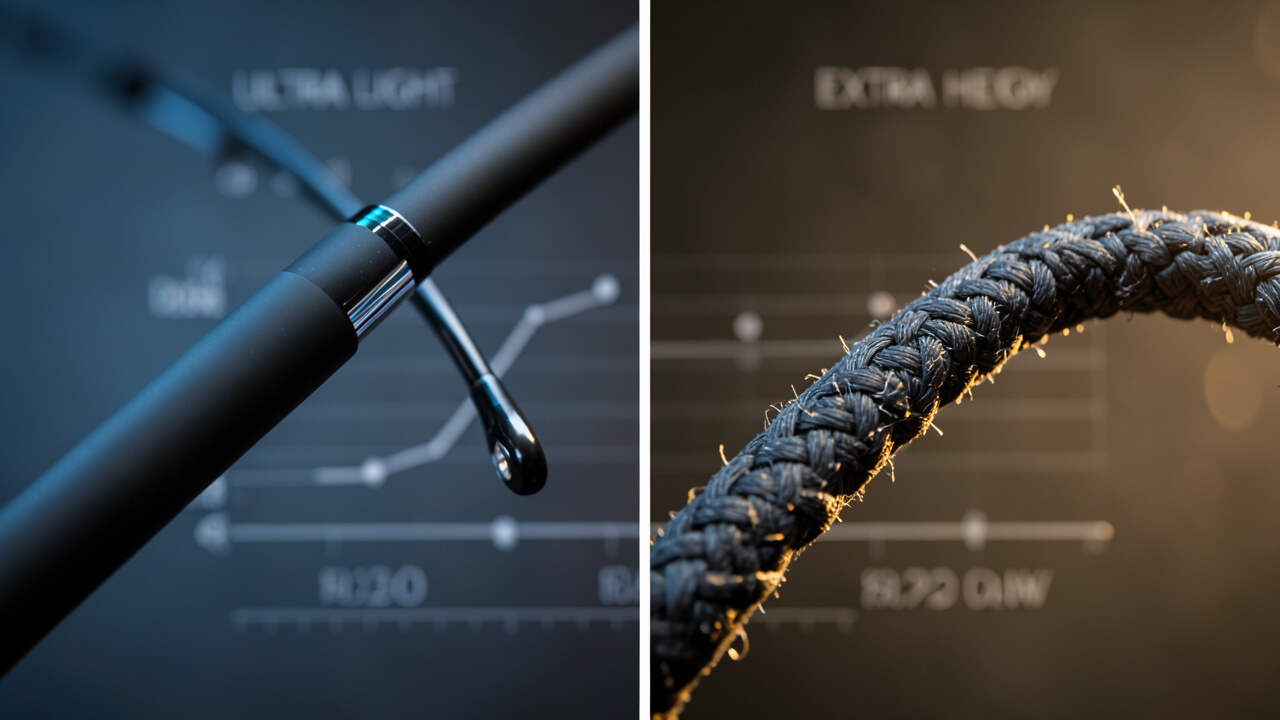
Beyond action, rods have a power rating. This indicates how much force it takes to bend the rod. It’s related to the rod’s backbone and its ability to handle different line strengths and fish sizes.
Extra-Light to Medium-Light Power
These rods are for smaller fish and lighter lines. They offer great sensitivity and are often found in graphite. You’ll use these for panfish, trout, or finesse bass fishing.
The lighter power allows for delicate presentations and makes fighting small fish feel more engaging.
Medium to Medium-Heavy Power
This is a very common range, suitable for a wide variety of freshwater and light saltwater fishing. You can cast a good range of lures and handle decent-sized fish. Both graphite and fiberglass rods are common in these power ratings.
They offer a good blend of casting control and fighting ability.
Heavy to Extra-Heavy Power
These rods are built for big fish and heavy lines. They have a powerful backbone that allows you to cast heavy lures and pull strong fish out of cover. You’ll find these in both materials, but fiberglass or heavy-duty graphite composites are common for the toughest jobs.
They provide the leverage needed to control large predators.
Frequently Asked Questions
Which is better for beginners, graphite or fiberglass rods?
Fiberglass rods are often better for beginners because they are more durable and forgiving if mistakes are made. They are also typically less expensive.
Can a graphite rod be durable enough for everyday fishing?
Yes, graphite rods are strong, but they require more careful handling than fiberglass to avoid breakage. With proper care, they are perfectly suitable for everyday use.
Do I need a sensitive rod for all types of fishing?
Sensitivity is very important for some fishing styles, like finesse fishing, but less critical for others, like trolling. The type of fishing you do will determine how crucial sensitivity is.
What does “action” mean on a fishing rod, and how does it relate to Graphite vs Fiberglass Rods: Sensitivity vs Durability Today?
Rod action refers to where the rod bends. Fast action (more sensitive, often graphite) bends at the tip, while slow action (more durable, often fiberglass) bends further down.
Are composite rods a good compromise between graphite and fiberglass?
Yes, composite rods aim to combine the sensitivity of graphite with the durability of fiberglass, offering a balanced performance for many anglers.
Which material is better for fighting large, strong fish?
Fiberglass rods are often preferred for fighting large, strong fish due to their flexibility and shock-absorbing qualities, which help prevent hooks from pulling out.
Final Thoughts
Choosing between graphite and fiberglass rods comes down to what you value most: sensitivity or durability. Graphite offers superior feel for subtle bites, while fiberglass provides toughness for rough use. Consider your fishing style and budget to make the best choice.

One Comment