Spinning Rod Vs Baitcasting Rod: Which Should You Buy First
For a beginner angler deciding between a spinning rod and a baitcasting rod, the spinning rod is the recommended first purchase due to its straightforward casting and minimal line tangles. Spinning reels are designed for easy operation with lighter lures and work well in both freshwater and saltwater settings. Baitcasting rods provide superior accuracy and power for heavier lures and larger fish, but they require more practice to avoid backlash. Starting with a spinning rod builds foundational skills and confidence, making future transition to baitcasting gear smoother and more effective.
Picking your first fishing rod can feel like a big decision, especially when you see all the different types out there. Many new anglers wonder about the Spinning Rod vs Baitcasting Rod: Which Should You Buy First question because getting the right gear makes a huge difference in how much fun you have and how successful you are. Choosing wisely means you’ll cast with ease, have better control over your line, and feel more confident on the water.
This guide will help you understand the basics so you can make the best choice for your fishing adventures.
Key Takeaways
- Spinning rods are generally easier for beginners to learn with, offering simpler casting and less chance of line tangles.
- Baitcasting rods provide more casting accuracy and power, making them ideal for heavier lures and larger fish once mastered.
- The type of fishing you plan to do, such as freshwater versus saltwater or specific species, influences which rod is a better starting point.
- Understanding the differences in reel design is crucial for deciding between a spinning and a baitcasting setup.
- Learning to cast a baitcaster takes practice, but the benefits in control and distance can be significant for experienced anglers.
- Your budget and personal preference also play a role in determining which rod is the right first purchase.
Getting Started: What Makes These Rods Different
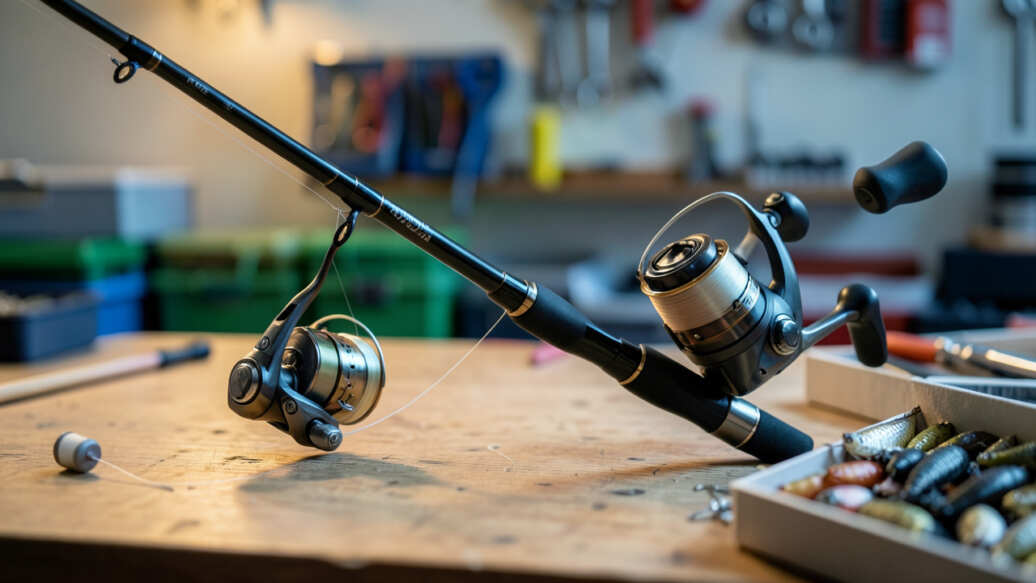
When you look at fishing gear, two main types of rods stand out: spinning rods and baitcasting rods. They look different and work a bit differently too. Understanding these basic differences is the first step in deciding which one is right for you.
The main difference is how the reel attaches to the rod and how the line comes off the reel when you cast.
Spinning rods have reels that hang below the rod. The spool on the reel is open and faces outward. When you cast, the line comes off the spool in loops.
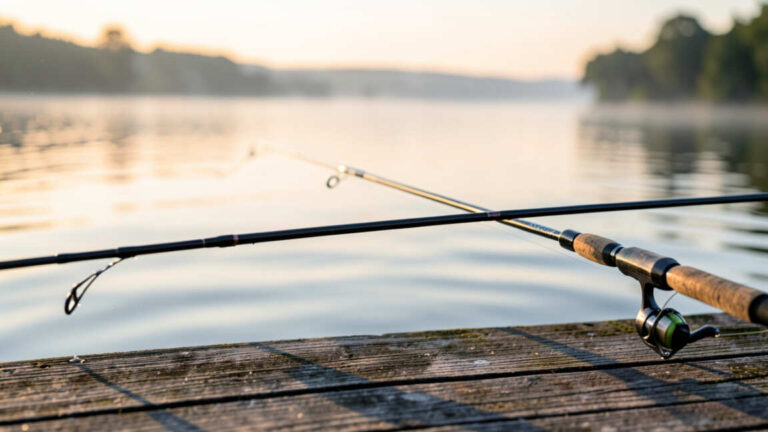
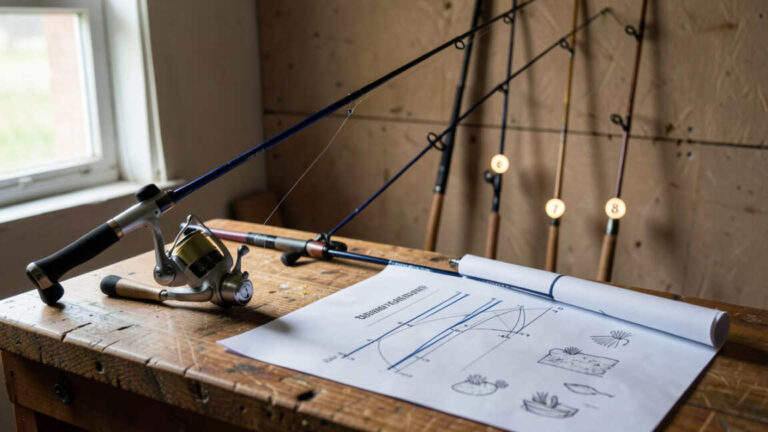
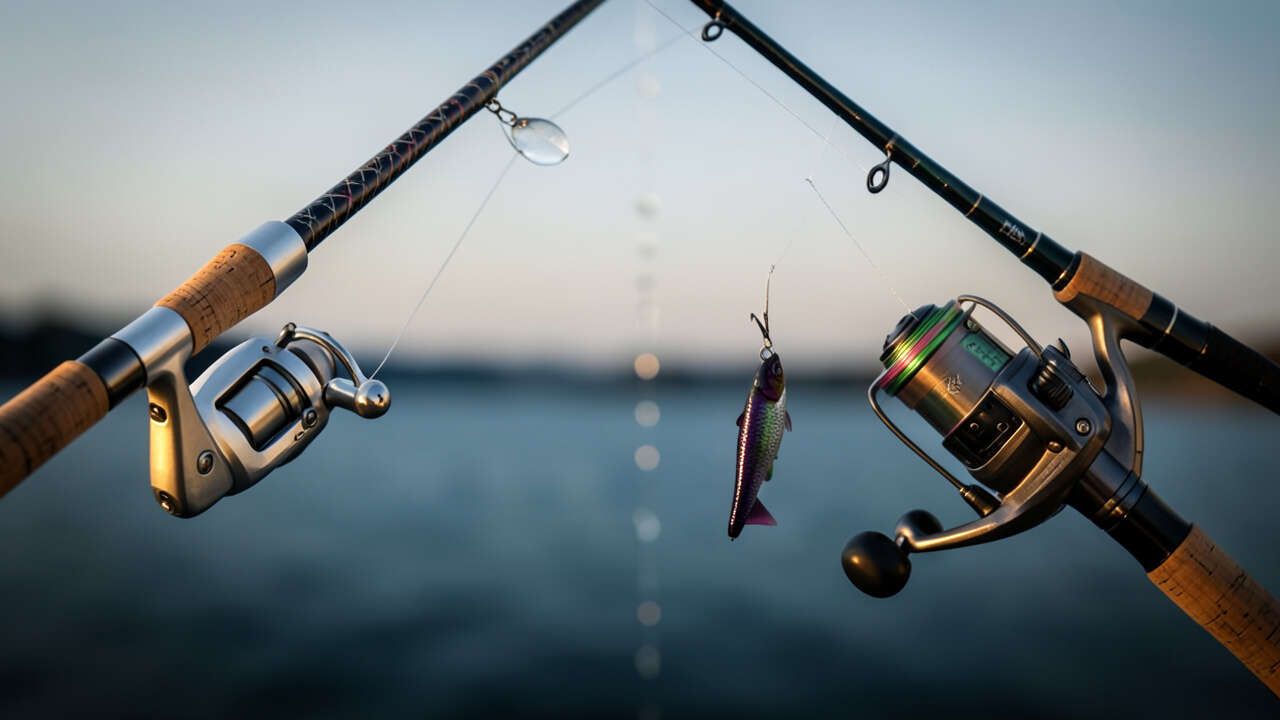
Notice how the reel sits on top for baitcasting rods and below for spinning rods—this changes casting mechanics significantly.
This setup is very forgiving and makes it easier to avoid common problems like line tangles, which is why many people consider it when thinking about Spinning Rod vs Baitcasting Rod: Which Should You Buy First.
Baitcasting rods have reels that sit on top of the rod. The spool on the reel is enclosed, and the line comes off the spool in a controlled manner. This design offers more precision and power, but it also requires more skill to use effectively.
Many anglers find baitcasters to be the better choice for specific types of fishing once they get the hang of it.
Spinning Rods: The Beginner’s Best Friend
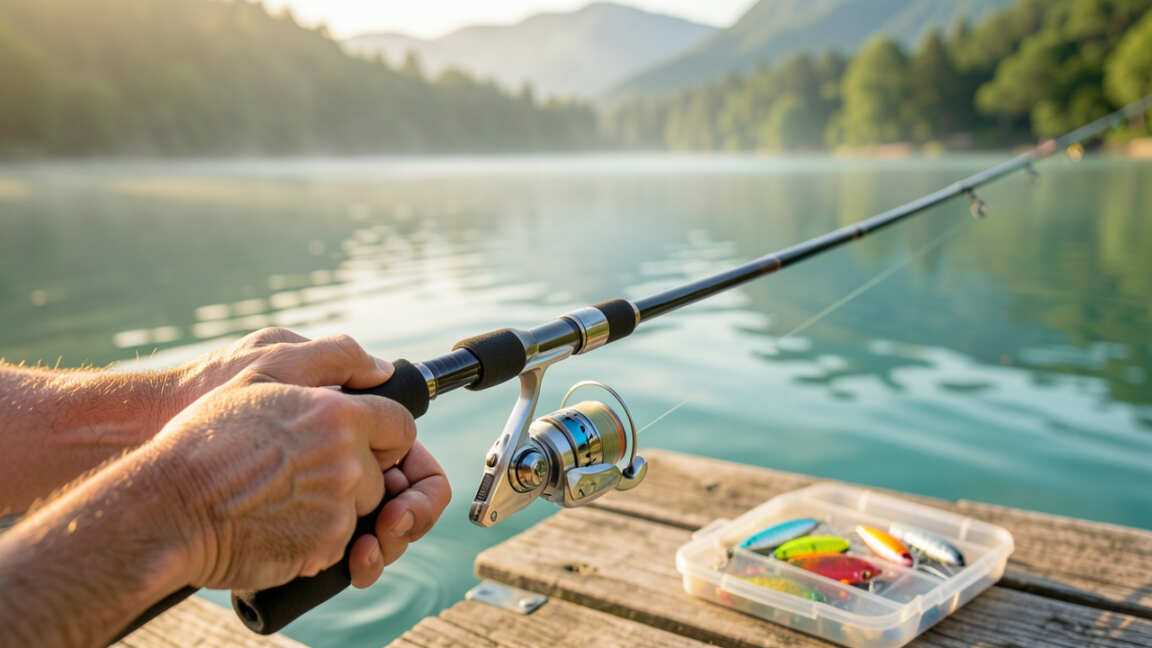
For anyone just starting out, a spinning rod is often the recommended choice. This is because they are incredibly user-friendly. The design of the reel makes casting much simpler.
You don’t have to worry as much about backlash, which is when the line gets tangled into a messy bird’s nest. This makes your initial fishing trips more enjoyable and less frustrating.
The ease of use is a major factor when considering the Spinning Rod vs Baitcasting Rod: Which Should You Buy First debate. With a spinning rod, you can focus on learning other important fishing skills, like setting the hook and reeling in a fish, without constantly battling your equipment. This allows for a smoother learning curve.
Spinning rods are also very versatile. They work well with a wide range of lure weights and fishing techniques. Whether you’re casting small, lightweight lures or slightly heavier ones, a spinning rod can handle it.
This makes it a great all-around choice for many different types of fishing, from panfish to bass.
For beginners, a spinning rod minimizes frustration due to its low risk of backlash, allowing you to focus on technique and enjoy early success.
Casting with a Spinning Rod
Casting a spinning rod is straightforward. You typically hold the rod with your casting hand. Your thumb holds the line against the rod.
You then open the bail on the reel with your other hand. After that, you swing the rod forward and release the line. The line flows off the spool easily, and you close the bail when the lure hits the water.
This simple process is a big reason why spinning rods are so popular with new anglers. The mechanics are easy to grasp. You’ll be casting accurately in no time.
This contributes to a positive early fishing experience, which is important for building confidence when you’re thinking about Spinning Rod vs Baitcasting Rod: Which Should You Buy First.
When to Choose a Spinning Rod
A spinning rod is a fantastic choice if you are new to fishing. It is also ideal if you plan to fish with lighter lures. If you are targeting smaller to medium-sized fish, a spinning rod will serve you well.
Its versatility makes it suitable for many freshwater applications like fishing for bass, trout, and crappie. If you want a rod that’s easy to pick up and use right away, a spinning rod is the way to go.
Baitcasting Rods: Precision and Power
Baitcasting rods offer a different experience. They are known for their accuracy and power. This makes them a favorite among many experienced anglers.
When you use a baitcasting rod, you have more control over your cast. You can place your lure exactly where you want it, which is a big advantage when fishing around structures like docks or submerged logs.
The power of a baitcasting setup is also noteworthy. The reel’s design allows for a strong retrieve, which is helpful when fighting larger fish. This is why many anglers choose baitcasters for heavy-duty fishing, such as targeting big bass or even saltwater species.
The debate between Spinning Rod vs Baitcasting Rod: Which Should You Buy First often comes down to these performance benefits.
However, baitcasting rods come with a learning curve. They are more prone to “backlash” or line tangles if not handled correctly. This means you’ll need to spend some time practicing to get comfortable with casting and managing the line.
But for those who master it, the rewards in performance are significant.
Baitcasting rods offer the control and power needed for heavy lures and large fish, making them a top choice for serious anglers.
Casting with a Baitcasting Rod
Casting a baitcasting rod involves a bit more technique. You hold the rod with your casting hand, usually with your index finger resting on the spool. You release the spool with a thumb bar or button.
Then, you swing the rod forward. As the lure travels, you use your thumb to control the spool’s speed. This prevents backlash as the lure lands.
This level of control is what attracts many anglers. It allows for very precise casts. You can also “pitch” or “flip” lures short distances with accuracy.
These techniques are invaluable for stealthy presentations. Mastering these skills can greatly improve your success rate, especially when considering the Spinning Rod vs Baitcasting Rod: Which Should You Buy First choice.
When to Choose a Baitcasting Rod
A baitcasting rod is a good choice if you are an angler who values precision and power. It is excellent for casting heavier lures, such as large swimbaits or topwater lures. If you plan to fish for larger, stronger fish, a baitcaster offers the leverage you need.
It’s also preferred for techniques that require precise lure placement, like flipping and pitching jigs.
Comparing the Two: A Quick Look
To help make the decision clearer, let’s look at a table comparing the key features of spinning and baitcasting rods. This comparison highlights the core differences and helps you see where each type shines. Understanding these points is vital for anyone asking Spinning Rod vs Baitcasting Rod: Which Should You Buy First.
When comparing features, prioritize ease of use for beginners versus casting accuracy for experienced anglers to match your skill level.
What Kind of Fishing Will You Do?
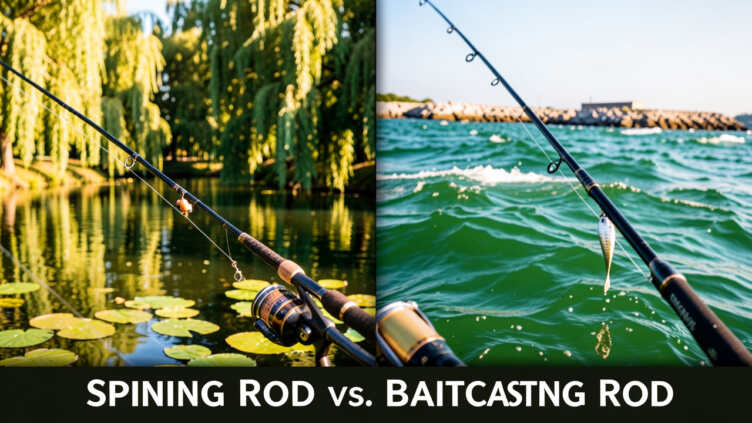
The type of fishing you intend to do is a major factor in deciding between a spinning rod and a baitcasting rod. Different fishing environments and target species call for different gear. Thinking about your typical fishing trips will guide your choice, especially when you’re trying to figure out Spinning Rod vs Baitcasting Rod: Which Should You Buy First.
Freshwater Fishing
For most freshwater fishing, especially if you’re starting out, a spinning rod is an excellent choice. It handles a wide variety of lures and techniques suitable for bass, trout, walleye, and panfish. If you’re casting small baits or fishing in open water, a spinning setup is hard to beat for its simplicity and effectiveness.
Avoid using a lightweight spinning rod for heavy lures or large fish, as it may lack the necessary power and can lead to equipment failure or lost fish.
However, if you plan to target larger freshwater species like musky or big pike, or if you want to use heavier lures for bass fishing, a baitcasting rod might be a better fit. The extra power and control of a baitcaster are beneficial for these situations. It allows for better lure control around cover and more power to pull fish out of weeds.
Saltwater Fishing
Saltwater fishing often demands more robust gear. For lighter saltwater applications, like fishing for redfish or speckled trout in shallower waters, a spinning rod can work well. They are good for casting lighter lures and can handle the corrosive nature of saltwater if maintained properly.
For heavier saltwater fishing, such as targeting larger species like striped bass, tuna, or offshore game fish, a baitcasting setup is often preferred. The strength and leverage provided by a baitcaster are crucial for fighting powerful ocean dwellers. The precision also helps when casting lures into specific spots where these fish might be holding.
Choosing the Right Reel and Line
The rod is only one part of the equation. The reel and line you choose are just as important. They work together with the rod to create your fishing setup.
When you’re deciding on Spinning Rod vs Baitcasting Rod: Which Should You Buy First, consider how the reel and line complement the rod’s strengths.
Spinning Reels
Spinning reels are designed to be paired with spinning rods. They have an open spool that allows the line to come off easily. They are available in various sizes, which correspond to the size of the rod and the types of fish you’re targeting.
Smaller reels are for lighter rods and smaller fish, while larger reels are for heavier rods and bigger fish.
Match your reel size to the line weight and fishing conditions—spinning reels with larger spools handle more line and bigger fish.
For line, monofilament or fluorocarbon lines are common choices for spinning reels. Braided line is also popular, especially for its strength and sensitivity. The line capacity of a spinning reel is important to consider, as you’ll want enough line to cast and fight fish effectively without running out.
Baitcasting Reels
Baitcasting reels are designed to sit on top of baitcasting rods. They have a level-wind mechanism that helps distribute the line evenly on the spool. Like spinning reels, baitcasting reels come in different sizes and gear ratios, which determine how fast the reel retrieves line.
Higher gear ratios mean faster retrieves, which can be useful for certain techniques.
Monofilament and fluorocarbon lines are good choices for baitcasting reels. Braided line is also used, but it can sometimes be trickier to manage on a baitcaster due to its smooth texture. Many anglers prefer baitcasters with braided line because of their strong drag systems and ability to handle tough situations.
The Cost Factor
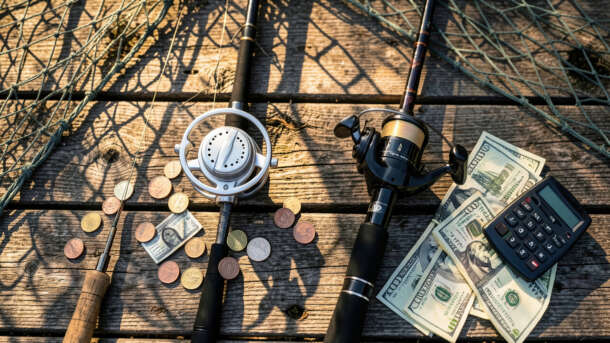
When you’re deciding on Spinning Rod vs Baitcasting Rod: Which Should You Buy First, budget is often a consideration. Generally, entry-level spinning rod and reel combos are more affordable than entry-level baitcasting setups.
You can find decent spinning combos for under $100 that will get you started fishing effectively. These are great for beginners who want to try out the sport without a huge investment. As you progress and decide to upgrade, there are countless options available at various price points.
Baitcasting reels are mechanically more complex, which is why they often come with a higher price tag than spinning reels.
Baitcasting setups, on the other hand, can be more expensive, especially for quality ones. A good baitcasting reel alone can cost as much as a complete spinning combo. This is because they are more complex mechanically.
However, there are more affordable baitcasting options available now than in the past, making them more accessible to a wider range of anglers.
Practice Makes Perfect
No matter which type of rod you choose, practice is key. If you opt for a spinning rod, you’ll likely get the hang of casting very quickly. You’ll be able to enjoy your fishing trips with minimal frustration.
Set up a casting practice area in your backyard using a target like a hula hoop to improve accuracy before hitting the water.
If you choose a baitcasting rod, be prepared to spend some time practicing your casting. It might feel challenging at first, but don’t get discouraged. There are many online tutorials and tips available to help you learn.
The feeling of mastery and the improved casting performance are well worth the effort for many anglers. This is a crucial part of the Spinning Rod vs Baitcasting Rod: Which Should You Buy First decision process.
Frequently Asked Questions
Which type of rod is easier for a complete beginner to use?
A spinning rod is generally much easier for a complete beginner to use. Its design makes casting simpler and reduces the chance of line tangles, allowing new anglers to focus on learning fishing basics.
Should I buy a spinning rod or a baitcasting rod first if I want to catch big fish?
For catching big fish, a baitcasting rod often provides more power and better line control, which can be advantageous. However, a sturdy spinning rod can also handle large fish effectively, especially if you choose the right size and line.
What is backlash, and why is it more common on baitcasting rods?
Backlash is when the fishing line tangles into a messy knot during a cast. It’s more common on baitcasting rods because the spool spins freely and can overrun if not controlled by the angler’s thumb. Spinning rods have a bail that helps manage the line release.
Can I use a spinning rod for bass fishing?
Yes, you can absolutely use a spinning rod for bass fishing. They are great for casting lighter lures and finesse techniques. For heavier lures or fishing in dense cover, a baitcasting rod might offer more advantages.
Is it worth learning to use a baitcasting rod if I’m still new to fishing?
It can be worth learning if you’re patient and willing to practice. While a spinning rod is easier to start with, mastering a baitcasting rod offers superior accuracy and power that many anglers come to prefer for certain fishing styles.
How does the lure weight affect the choice between a spinning rod and a baitcasting rod?
Spinning rods are generally better for lighter lures because the reel’s design allows for easier casting of lighter weights. Baitcasting rods are better suited for heavier lures, as they can handle the increased weight and provide more power for casting them effectively.
Final Thoughts
Deciding between a spinning rod and a baitcasting rod first depends on your goals. For an easy start and versatile fishing, a spinning rod is usually best. If you prioritize casting precision and power, and are ready for practice, a baitcasting rod offers great rewards.
Both are excellent tools for enjoying the sport.