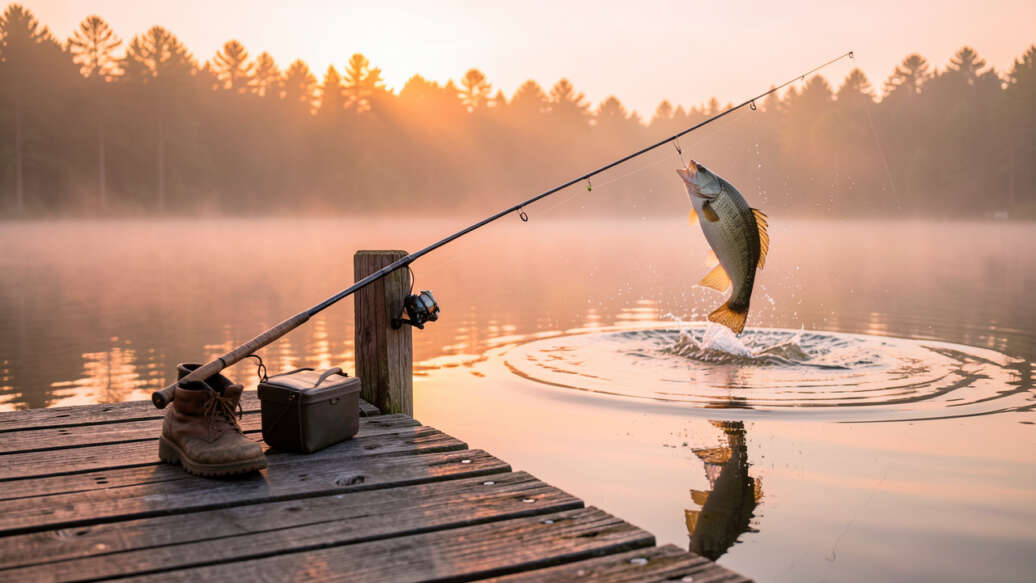
How To Catch Your First Bass: A Complete Beginner’s Guide
Catching your first bass requires selecting a location with abundant cover, such as lily pads, submerged logs, or weed beds, where bass ambush prey. Essential beginner gear includes a medium-action rod, a spinning reel spooled with 8- to 12-pound test line, and a selection of soft plastic worms, spinnerbaits, or crankbaits. Mastering a simple cast-and-pause retrieve and learning to set the hook with a firm, upward motion will significantly increase your success. Understanding that bass feed most actively during low-light periods and near structure allows you to target your efforts effectively and, if desired, release your catch safely by handling it gently and minimizing air exposure.
Getting started with fishing can feel a bit overwhelming, but catching your first bass is totally achievable with the right tips. Imagine the thrill of reeling in that first fish – it’s a feeling you won’t forget! This guide is designed to make that dream a reality, breaking down the steps so you can feel confident on the water.
We’ll cover everything you need to know to make your fishing trip a success, so you can enjoy the outdoors and bring home a great story. Here’s How to Catch Your First Bass: A Complete Beginner’s Guide.
Key Takeaways
- You’ll learn the best times and places to find bass.
- Discover the essential fishing gear every beginner needs.
- Understand how to choose and use the right bait or lures.
- Master simple casting and retrieving techniques.
- Learn how to properly set the hook and land your catch.
- Get tips on releasing fish safely if you choose to.
Finding the Right Spot for Bass
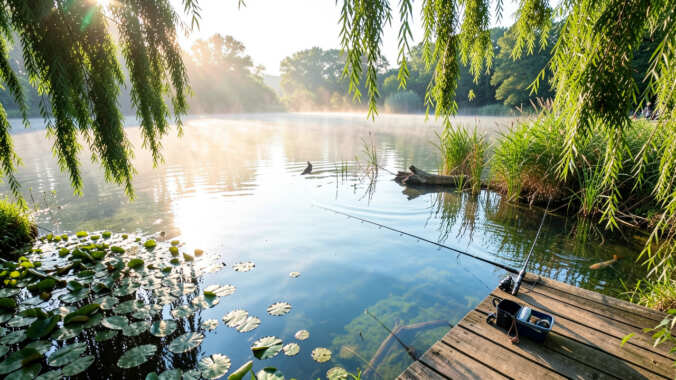
Bass love to hang out in spots where they can hide and ambush their food. Think about places with plenty of cover, like lily pads, submerged logs, or weed beds. These areas offer shade and protection for the bass, making them feel safe.
They also attract smaller fish, which are bass’s favorite snacks.
Early mornings and late evenings are often the best times to catch bass. During these cooler parts of the day, bass are more active and move closer to shore to feed. Overcast days can also be great, as the clouds provide a natural cover that makes bass less wary.
Fish on overcast days when clouds provide natural cover, making bass less wary and more likely to bite. Early mornings and late evenings are also prime times as bass move closer to shore to feed.
Avoid fishing during the hottest part of a sunny day, as bass tend to go deeper to find cooler water.
Consider the type of water you’re fishing in. Lakes, ponds, rivers, and reservoirs all hold bass, but their behavior can change based on the environment. In lakes and ponds, look for shallower areas with structure.
In rivers, bass often position themselves in slower-moving water behind obstacles like rocks or fallen trees.
Essential Gear for Bass Fishing
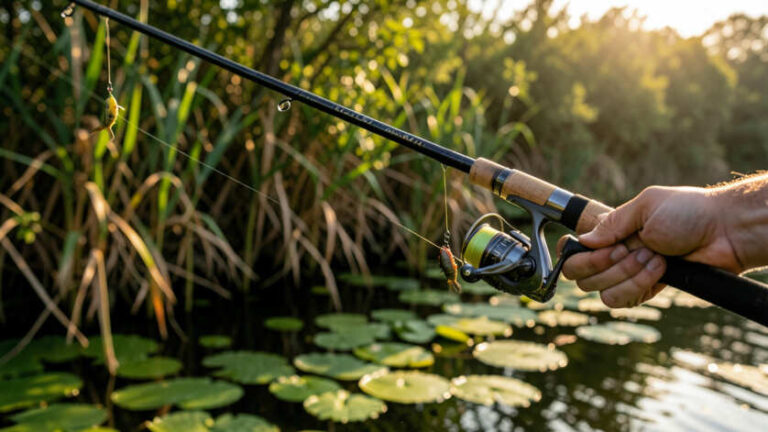
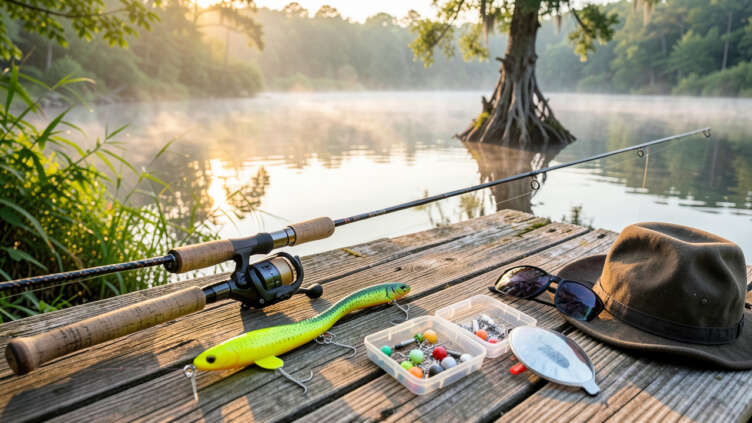
You don’t need a lot of fancy equipment to start catching bass. A good spinning rod and reel combo is perfect for beginners. Look for a rod that’s about 6 to 7 feet long, with medium power.
This length gives you good casting distance and control, and medium power is versatile for different bass fishing techniques. The reel should be smooth and easy to operate.
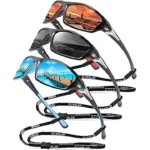
Don't forget a hat and polarized sunglasses; they protect you from the sun and help you spot bass and underwater structure.
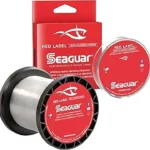
For fishing line, monofilament or fluorocarbon line in the 8-12 pound test range is a good choice. This strength is enough to handle a decent-sized bass without being too thick and visible to the fish. You’ll also need a small tackle box to keep your lures, hooks, and other small items organized.
Don’t forget a pair of needle-nose pliers for removing hooks safely and a fishing license, which is required in most places.
A comfortable hat and sunglasses are also important. The hat protects you from the sun, and polarized sunglasses help you see into the water better, spotting fish or submerged structure. A measuring tape can be useful if you want to record the size of your catches before releasing them.
Choosing Your First Bass Lures and Baits
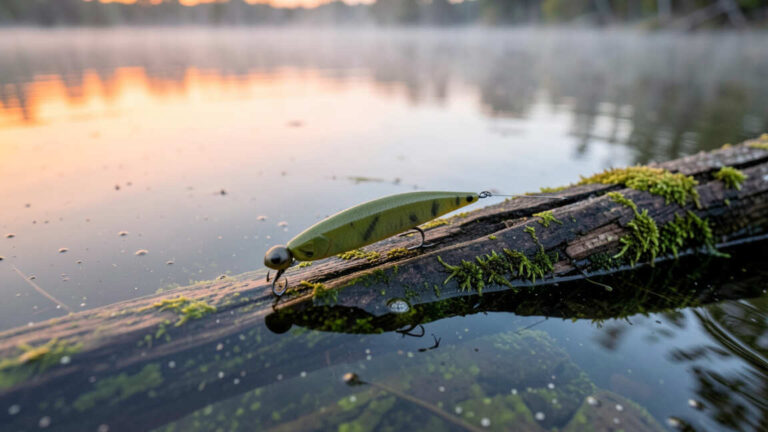
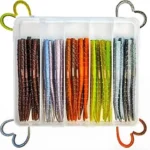
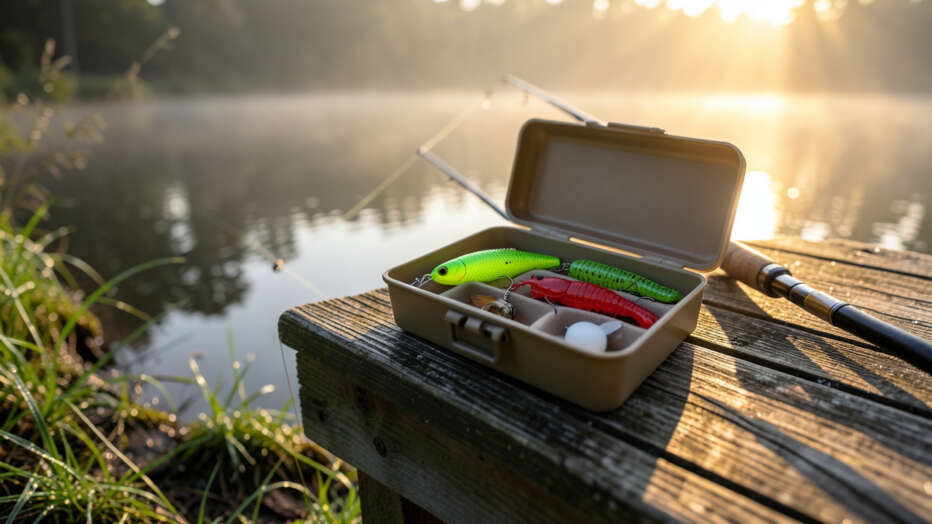
When you’re starting out, it’s best to keep your lure selection simple. Bass are attracted to things that mimic their natural food. Soft plastic baits are incredibly effective and easy to use.
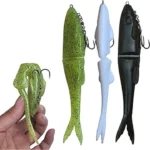
Worms, crawfish, and swimbaits are popular choices. You can rig these in various ways, but a simple Texas rig or a drop shot rig works well for beginners.
Spinnerbaits and buzzbaits are also great for covering water and catching the attention of bass. They create a lot of vibration and flash, which bass can’t resist. If you prefer live bait, nightcrawlers or minnows can be very effective.
Keep your lure selection simple: soft plastic baits like worms and crawfish are incredibly effective for beginners.
Just remember to use the right size hook for your bait and to keep your bait lively.
Matching your lure or bait to the conditions is key. On bright, sunny days, brighter colors or lures with more flash might work better. On cloudy days or in murky water, darker colors or lures with more scent can be more appealing.
Experimenting is part of the fun, and you’ll learn what works best in your local waters.
Simple Casting and Retrieval Techniques
Casting is a fundamental skill, and with a little practice, you’ll get the hang of it. For a spinning reel, open the bail, hold the line with your index finger, and bring the rod back over your shoulder. Then, swing the rod forward smoothly, releasing the line with your finger as the rod reaches the desired angle.
Aim for where you see potential bass hiding spots.
Retrieving your lure is just as important as casting it. For soft plastic baits, try a “worming” technique: cast your bait out, let it sink to the bottom, and then twitch the rod tip to make the bait move erratically. For spinnerbaits, a steady retrieve is often best, just reeling in at a consistent speed.
For soft plastic baits, try a worming technique: cast your bait out, let it sink to the bottom, and then twitch the rod tip to make the bait move erratically.
Experiment with different speeds and pauses to see what triggers a bite.
Pay attention to how your lure is behaving in the water. If it’s snagging on everything, you might need to adjust your retrieve or rigging. The goal is to make your lure look as natural as possible, enticing a bass to strike.
Don’t be afraid to vary your retrieve; sometimes a slow, steady pull works, while other times erratic movements are more effective.
Setting the Hook and Landing Your Catch
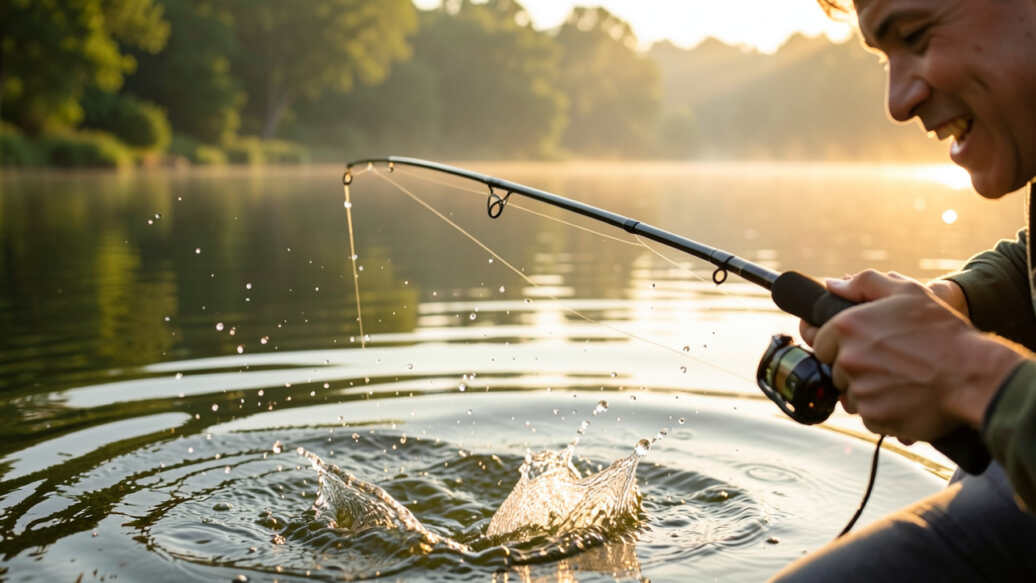
When a bass bites your lure, you’ll often feel a distinct tug or a tightening of the line. The moment you feel this, you need to “set the hook.” This means giving a quick, sharp jerk of the rod upwards. This motion drives the hook point into the bass’s mouth, ensuring it stays attached.
Once the hook is set, the real fun begins: reeling in your catch. Keep the line tight, but don’t reel too fast. Let the rod do some of the work.
Set the hook with a quick, sharp jerk upward the moment you feel a bite to ensure the hook is firmly in the bass's mouth.
If the bass makes a run, let it take some line; don’t try to muscle it in. Reeling too hard can break your line or pull the hook out of the fish’s mouth. Maintain steady pressure and reel when the fish is not pulling.
As you bring the bass closer to the boat or shore, be prepared to net it. If you’re fishing alone, try to guide the fish towards you and then scoop it up with the net. If you have a partner, they can help with the netting.
Once the fish is landed, carefully remove the hook using your needle-nose pliers. Remember, the goal is to land the fish safely and without injury, whether you plan to keep it or release it.
Understanding Bass Behavior and Feeding Habits
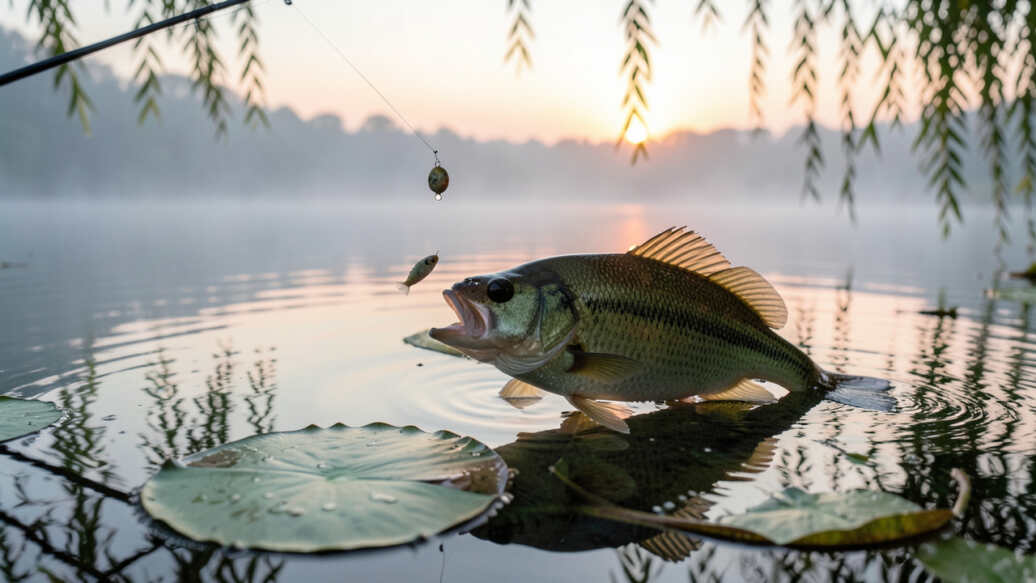
Bass are opportunistic feeders, meaning they’ll eat almost anything they can catch. Their diet primarily consists of smaller fish, crayfish, insects, frogs, and even small rodents or birds that fall into the water. This varied diet is why different types of lures and baits can be so effective.
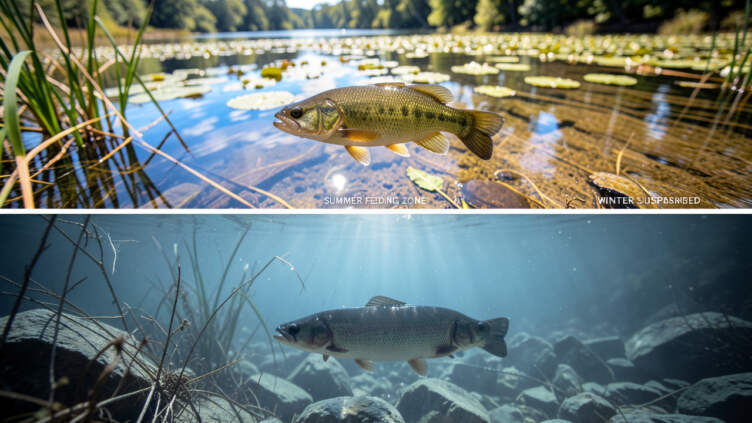
During different seasons, bass behavior changes. In the spring, they become more active as the water warms, especially for spawning. They move into shallower areas to build nests and lay eggs.
Understanding seasonal shifts, like bass moving into shallow water to spawn in spring, can significantly improve your chances of success.
After spawning, they become very aggressive as they feed to recover. In the summer, they tend to seek out cooler, deeper water or shade during the heat of the day.
In the fall, as the water cools, bass become very active again, feeding heavily to prepare for winter. They often school up in larger numbers during this time. Understanding these seasonal shifts can significantly improve your chances of success when you’re learning How to Catch Your First Bass: A Complete Beginner’s Guide.
Releasing Your Catch Safely
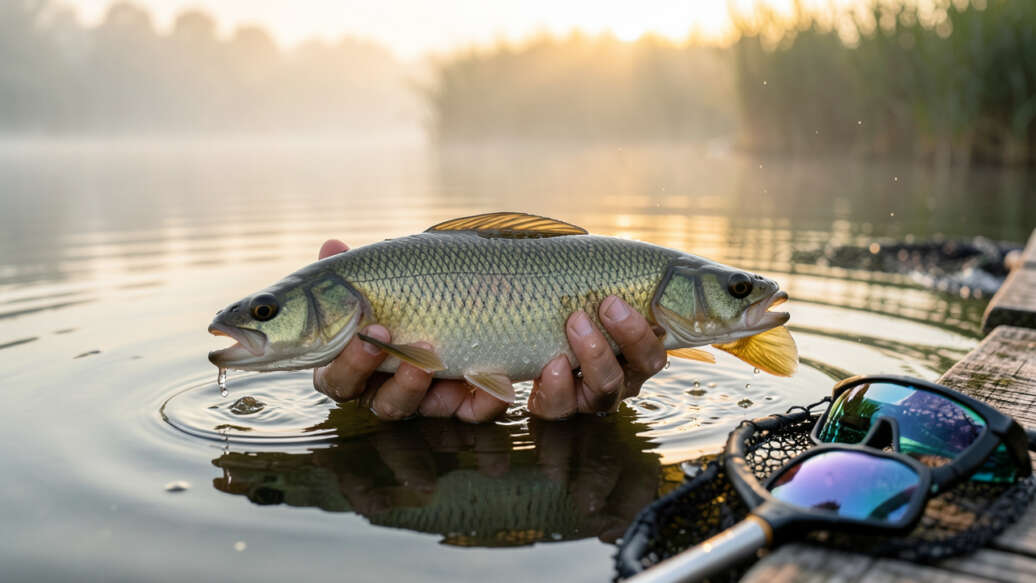
Catch and release fishing is a great way to help preserve fish populations. If you decide to release your bass, do it quickly and gently. Wet your hands before handling the fish; dry hands can remove its protective slime coating, making it vulnerable to infection. Mastering basic bass fishing techniques will help you catch your first bass.
Avoid squeezing the fish or holding it by its gills.
If the fish is not too deeply hooked, try to remove the hook with your pliers while the fish is still in the water. If it’s deeply hooked, you may need to cut the line as close to the hook as possible. Sometimes, the hook will rust away on its own.
Wet your hands before handling a bass; dry hands remove its protective slime coating, leaving it vulnerable to infection.
If you need to hold the fish to remove the hook, do so briefly and minimize handling time.
To revive a bass before release, hold it gently in the water, facing into the current if there is one. Move it back and forth slightly to help water flow through its gills. Once it starts to kick its tail and seems strong, release it. Practicing catch and release fishing helps preserve bass populations.
Watching it swim away healthy is a rewarding part of the fishing experience.
Frequently Asked Questions
What is the best time of day to try and catch my first bass?
Early mornings and late evenings are typically the best times for bass fishing. They are most active and closer to shore during these cooler periods.
Do I need a lot of expensive gear to start?
No, you don’t. A basic spinning rod and reel combo, some versatile lures, and a fishing license are all you need to begin learning How to Catch Your First Bass: A Complete Beginner’s Guide.
What kind of bait should I use for bass?
Soft plastic baits like worms or crawfish are excellent for beginners. Live bait like nightcrawlers or minnows can also be very effective.
How do I know when the bass has actually bitten my lure?
You’ll usually feel a distinct tug or a sudden tightening of your fishing line when a bass bites. This is your cue to set the hook.
Is it okay to keep the bass I catch?
You can keep bass if you plan to eat them, but always check local fishing regulations for size and bag limits. Releasing them is also a great option for conservation.
Where do bass usually hide?
Bass prefer areas with cover, such as lily pads, submerged logs, weed beds, and fallen trees. These spots provide them with protection and ambush points.
Final Thoughts
Catching your first bass is an exciting milestone. By understanding where bass like to hang out, using simple gear and lures, and practicing basic casting and hook-setting, you’re well on your way. Remember to be patient, enjoy the process, and celebrate each step as you learn How to Catch Your First Bass: A Complete Beginner’s Guide. Understanding largemouth bass feeding habits is key to selecting the right lure.