
Neko Rig Bass Fishing: The Japanese Finesse Trick Explained
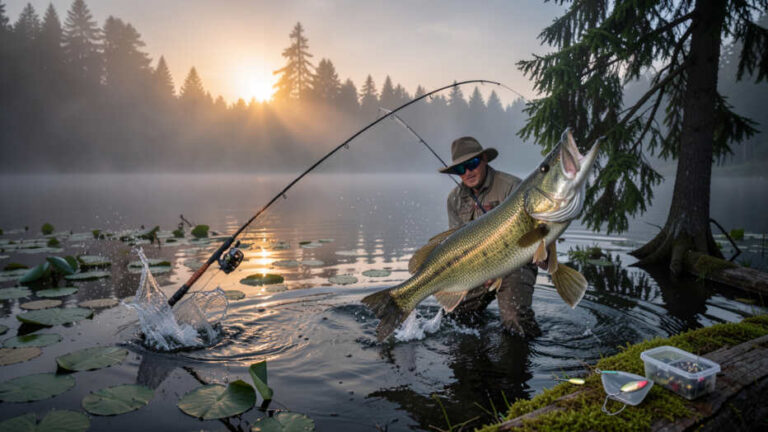
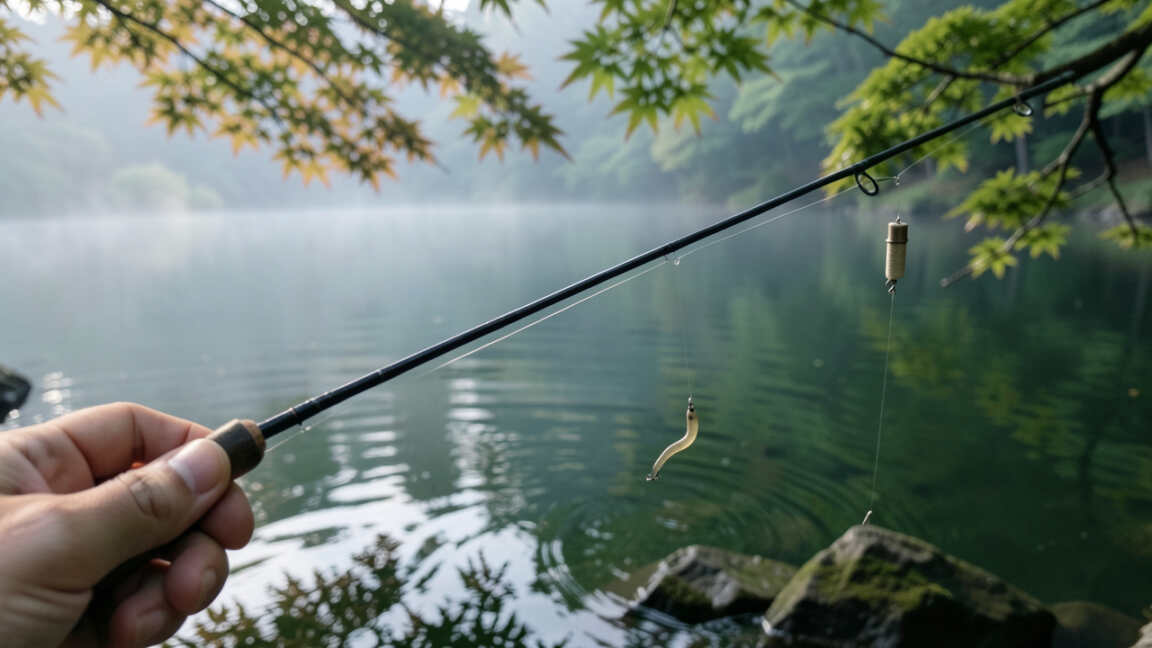
The Neko rig is a Japanese finesse technique that inserts a small nail weight into the head of a wacky-rigged soft plastic, creating a slow, quivering fall that triggers strikes from lethargic or pressured bass. This setup excels in clear water, cold fronts, and high fishing pressure where standard presentations fail to elicit bites. Proper weight placement near the bait’s nose and a subtle action allow anglers to effectively coax wary fish when a finesse approach is required.
Bass fishing can be tricky, especially when the fish are being shy or pressured. Sometimes, a totally different approach is needed to get those bites. That’s where learning about Neko Rig Bass Fishing: The Japanese Finesse Trick Explained comes in handy.
This method is a smart way to catch bass that might ignore other lures. You’ll learn exactly why it works so well and how you can start using it to catch more fish on your next outing.
Key Takeaways
- Understand the basic setup and components of a Neko rig.
- Learn why the unique action of the Neko rig entices finicky bass.
- Discover the best times and conditions to use the Neko rig for optimal results.
- Master techniques for rigging and presenting the Neko rig to bass.
- Identify the ideal soft plastics and weights to use with this finesse setup.
- Troubleshoot common issues and improve your success rate with the Neko rig.
The Neko Rig: What It Is and Why It Works
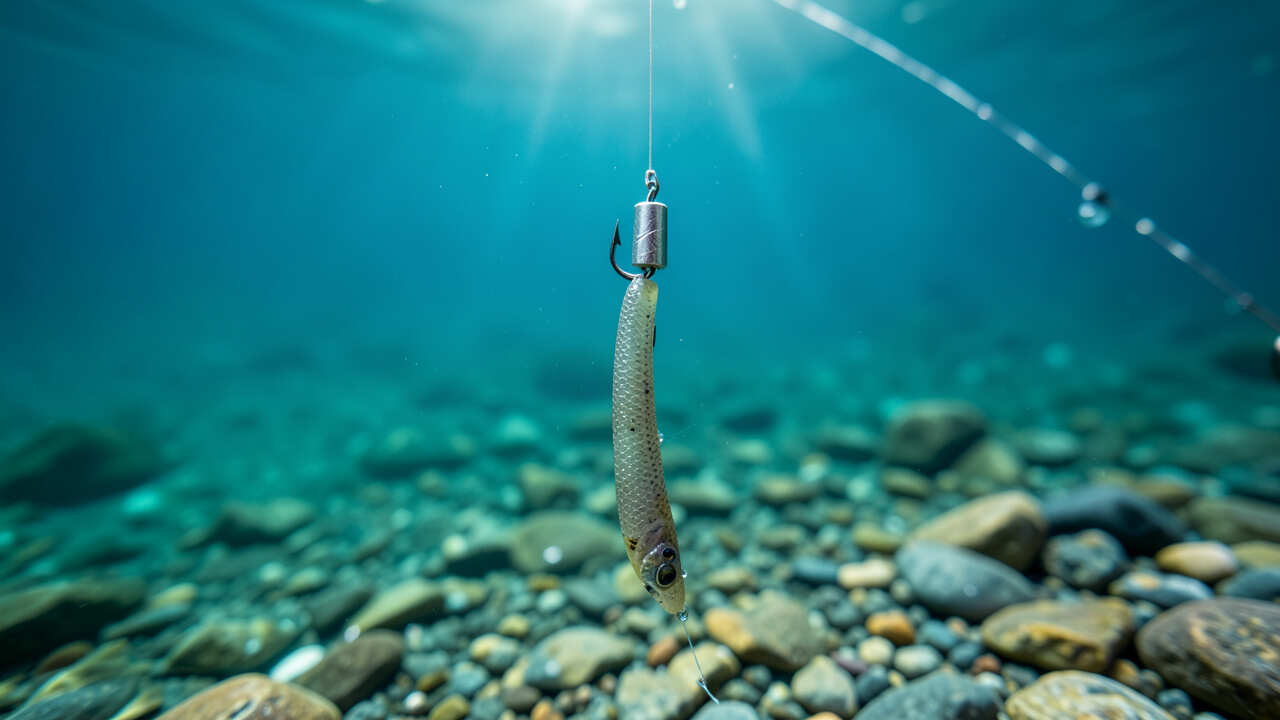
The Neko rig bass fishing: the Japanese finesse trick explained is a relatively simple setup, but its effectiveness is remarkable. At its core, it’s a variation of the Texas rig or drop shot, but with a crucial difference in how the weight is positioned. Instead of being at the nose or bottom of the bait, the weight is inserted into the head of the soft plastic worm.
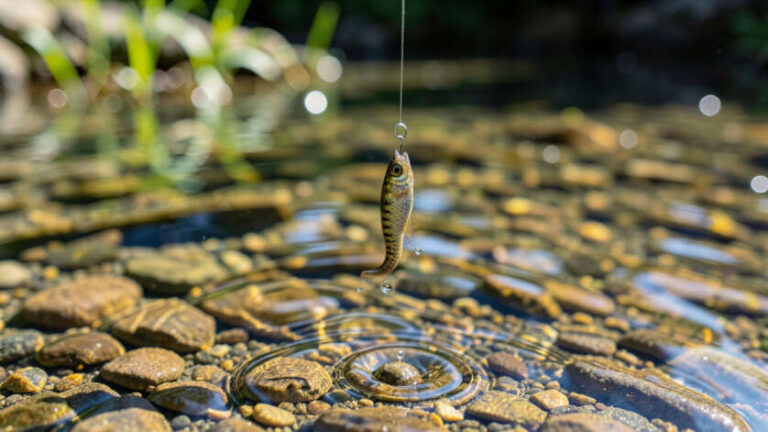
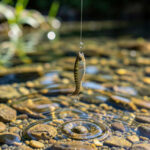
This head-weighted presentation gives the bait a unique, shimmying action as it falls or is twitched. When you pause, the worm stands up on its head, with the tail wiggling enticingly. This posture is incredibly natural-looking to bass.
They often see prey in this position, so it triggers an instinctive strike. It’s this subtle, lifelike presentation that makes the Neko rig so deadly on pressured or neutral fish.
Pause your retrieve to let the worm stand on its head, triggering strikes from hesitant bass.
Components of a Neko Rig
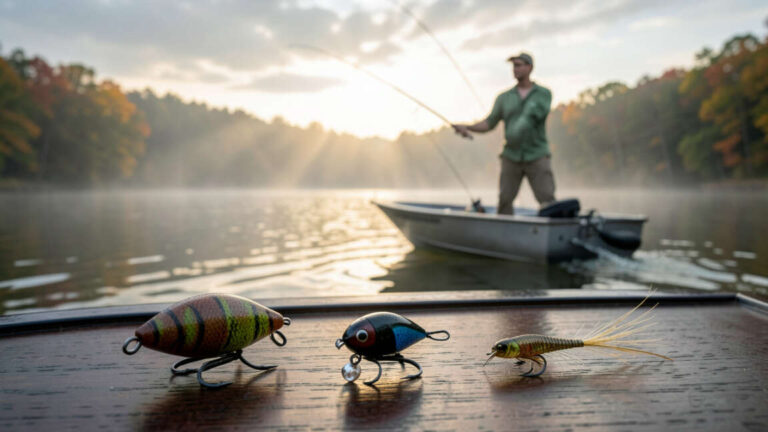
Putting together a Neko rig requires just a few key items. You’ll need a soft plastic bait, typically a worm or a creature bait with a bit of action. A small, screw-in weight is essential; these are often called nail weights or worm weights.
You also need a sharp, sensitive hook, usually a drop shot hook or a wide-gap finesse hook.
The hook is inserted through the worm from the tail end, and the screw-in weight is then placed firmly into the head of the worm. This creates a balanced bait that stands up perfectly when at rest. The simplicity of the setup is part of its charm, making it easy for any angler to assemble.
When and Where to Throw a Neko Rig
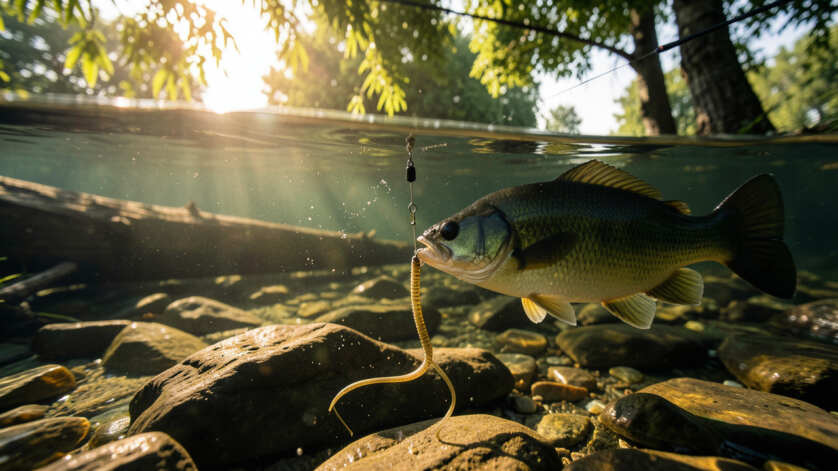
Understanding the best situations for using the Neko rig is key to unlocking its full potential. This finesse technique shines when bass are being finicky. This often happens during periods of high pressure, clear water, or when water temperatures are less than ideal for aggressive feeding.
Early mornings and late evenings can be prime time. Also, consider using it during the post-spawn period when bass might be recovering and less active. In clear water, the subtle presentation of the Neko rig is less likely to spook wary fish.
Water Clarity and Pressure
The Neko rig excels in clear water. Its subtle action and quiet entry into the water make it ideal when bass can easily see your lure from a distance. In stained or murky water, other rigs might be more effective due to their larger profile and vibration.
However, even in stained water, if bass are being particularly neutral, the Neko rig can still produce.
While often best in clear water, the Neko rig can also be effective in stained water when bass are neutral and uninterested in larger profiles.
High fishing pressure is another scenario where this rig shines. When bass have seen countless Texas rigs, shaky heads, and jigs, they can become conditioned to ignore them. The unique action and presentation of the Neko rig offer something different, often fooling even the most educated fish.
Seasonal Considerations
Throughout the year, there are specific times when the Neko rig is particularly effective. During spring, as bass move shallow to spawn, they can be aggressive. However, once the spawn is over, many bass retreat to deeper water or become more cautious.
This post-spawn period is a prime time for finesse techniques like the Neko rig.
Summer’s heat can also make bass lethargic, especially during the midday sun. They might be holding tight to cover or suspended, feeding less actively. A slow-falling, shimmying Neko rig can tempt these sluggish fish.
In the fall, as bass feed up for winter, they can be opportunistic feeders, but a well-presented Neko rig can still pick off hesitant bites.
Rigging Your Neko Rig for Success
Rigging a Neko rig correctly is simple but requires attention to detail. The goal is to create a balanced bait that stands up and wiggles. This is where the screw-in weight plays its crucial role.
You want the weight to be snug and secure in the head of your soft plastic.
The hook placement is also important. It should be positioned so the bait is weedless, but also so the hook has a good angle to set when a fish bites. This might take a little experimentation based on the specific bait you’re using.
Choosing the Right Soft Plastics
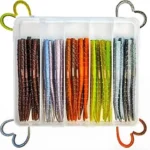
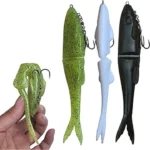
Not all soft plastics are created equal for a Neko rig. You want baits that have some inherent action and are dense enough to accept the screw-in weight without falling apart. Stick baits, finesse worms, and smaller creature baits are excellent choices.
Look for baits with a slightly thicker head section to accommodate the weight securely. A tail that has some natural flutter or wiggle when twitched will enhance the rig’s effectiveness. Some anglers even slightly trim the tail or add a small jig trailer to the hook for extra action.
Weight Selection and Placement
The weight of your Neko rig is critical. It determines how fast the bait falls and how pronounced its shimmy action is. Common weights range from 1/16 ounce to 1/4 ounce.
Choose a lighter weight for a slower, more subtle fall in clear water or when bass are extremely neutral.
Lighter weights are great for super clear water or when fish are very neutral, providing a slower, more subtle fall.
Heavier weights can be used in slightly deeper water or when you need the bait to cut through wind or current. The key is to experiment. Screw the weight firmly into the head of the worm.
It should be snug enough not to fall out during the cast or retrieve. If it feels loose, try a weight with a slightly larger screw or a different bait.
Hooking the Bait
When hooking the soft plastic, insert the screw-in weight first into the head. Then, take your hook and insert the point through the plastic, starting near the weight. You want the hook point to exit the plastic in a way that makes it weedless.
This usually means the hook point will be slightly exposed or riding just under the surface of the plastic.
A good rule of thumb is to have the hook exit the bait roughly one-third of the way down the bait’s body. This ensures that when a bass inhales the bait, the hook is in a good position to penetrate its mouth. The bait should sit straight on the hook, not twisted or crooked.
Casting and Retrieving Techniques
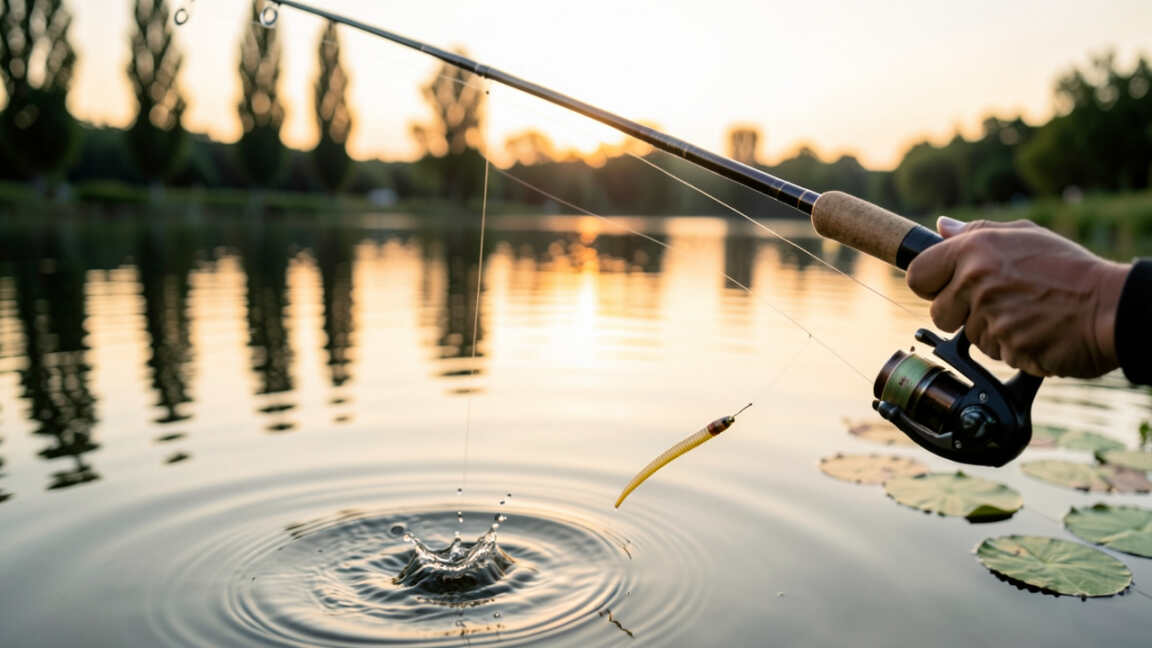
The way you present your Neko rig is as important as the rig itself. Since it’s a finesse technique, subtlety is key. You won’t be ripping this bait through the water.
Instead, you’ll be using slow, deliberate movements to mimic natural prey.
A common method is a simple, slow retrieve with occasional twitches. However, there are several variations that can be very effective. The goal is to make the bait look as natural as possible.
The “Dead Stick” and Subtle Twitches
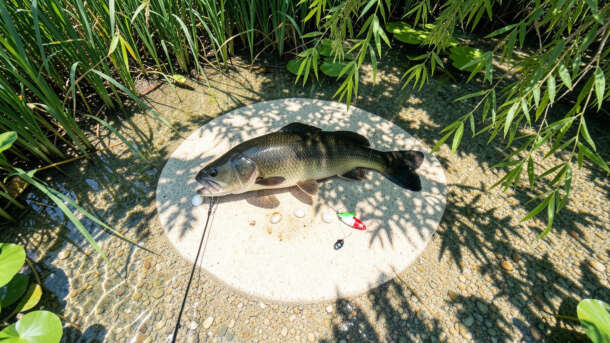
One of the most effective ways to fish a Neko rig is the “dead stick” method. You cast the rig out and let it fall to the bottom. Once it hits, you simply let it sit there.
The weight in the head causes the worm to stand straight up, and the tail wiggles with the slightest current or vibration. You might feel a subtle tap or notice your line go slack – that’s often a bite!
If the dead stick isn’t producing, try subtle twitches. Use your rod tip to gently shake the bait. This makes the tail of the worm dance and flutter.
Don’t rip it; just small, controlled movements. After a few twitches, let it sit again. This pause-and-twitch rhythm is very effective.
Lift your rod tip to make the bait hop, then let it fall; the standing worm posture excels in tight cover.
Hopping and Dragging
For areas with a bit more structure, like rocks or brush piles, hopping and dragging can be very productive. Cast your Neko rig past the structure and gently drag it over. As you drag, lift your rod tip slightly to make the bait hop, then let it fall back down.
The standing worm posture is great for getting into tight spots.
This technique is also useful when bass are holding tight to cover. The subtle movement can draw them out without spooking them. Remember to keep your line relatively slack during the fall to allow the bait to move naturally.
When you feel a bite, a swift, firm hookset is usually required.
When to Set the Hook
Setting the hook on a Neko rig can be different from other rigs. Because the bait stands up, bass often inhale it from the bottom. You might feel a light tap, a subtle tick, or simply see your line go slack.
Don’t rush your hookset.
Wait for definite pressure or a strong pull before setting the hook. A quick, sharp upward motion of the rod is usually enough. Because you’re using finesse hooks and lighter line, you don’t need to muscle the fish.
Just a firm, confident hookset will do the trick.
Advantages of the Neko Rig
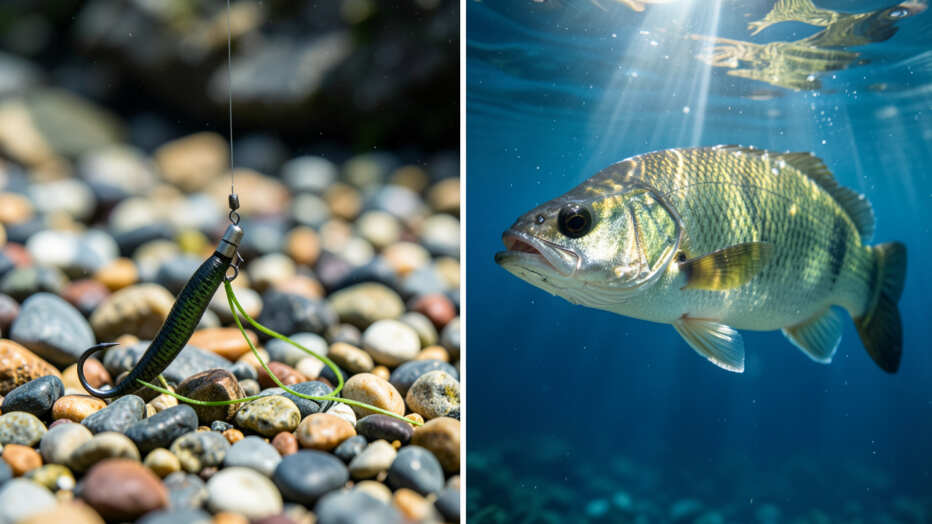
The Neko rig bass fishing: the Japanese finesse trick explained offers several distinct advantages that make it a valuable tool in any angler’s arsenal. Its ability to catch finicky fish is perhaps its greatest strength, but it also offers versatility and ease of use.
This rig can be fished in a variety of water conditions and depths, making it adaptable to many fishing scenarios. The simplicity of the setup also means less time spent rigging and more time fishing.
Catching Finicky and Pressured Bass
As mentioned, this rig excels when bass are not actively feeding. The subtle, natural action can fool even the most wary fish. When other lures are getting ignored, the Neko rig can often save the day.
This is especially true in heavily fished waters where bass have seen it all.
The head-weighted presentation makes the bait appear natural when resting on the bottom, mimicking baitfish or crawfish that are often in that vulnerable position. This natural look triggers a predatory response that other lures might not elicit.
Avoid overcomplicating the Neko rig; its simplicity is a key advantage over more complex finesse setups.
Versatility in Presentation
The Neko rig can be fished in many ways. You can let it sit motionless, give it subtle twitches, hop it along the bottom, or even drag it slowly. This versatility allows you to adapt your presentation to the mood and behavior of the bass you’re targeting.
It works well in both shallow and moderately deep water. You can also adjust the weight to change its fall rate, making it effective in different current situations and water depths. This adaptability makes it a go-to rig for many anglers.
Simplicity and Ease of Use
Compared to some other complex fishing rigs, the Neko rig is incredibly simple to put together. You only need a few basic components. This means you can quickly rig up a new bait if one gets damaged or change your setup if conditions change.
This ease of use makes it perfect for beginners and experienced anglers alike.
The straightforward nature of the rig also means less chance of tangles or rigging mistakes. This translates to more time spent actually fishing and less time fumbling with your tackle. It’s a practical setup for any angler.
Choosing the Right Gear
While the Neko rig itself is simple, using the right gear can significantly improve your success. The right rod, reel, and line will give you the sensitivity needed to detect light bites and the backbone to land fish.
Finesse fishing often requires a lighter touch, and your equipment should complement this approach. This means paying attention to the details of your tackle.
Rod and Reel Recommendations
For Neko rigging, a medium-light to medium power spinning rod is generally recommended. A length of 6’6″ to 7’3″ is ideal. This length offers good casting distance and sensitivity.
A fast or extra-fast action tip will help you detect subtle bites and make quick hooksets.
A fast or extra-fast action rod tip is essential for detecting the subtle bites common with the Neko rig and ensuring solid hooksets.
Pair this with a quality spinning reel, usually in the 2000 to 3000 size range. Smooth drag systems are important for finesse fishing, as you’ll often be using lighter fishing line. A reel that allows for precise line management is also a plus.
Line and Leader Choices
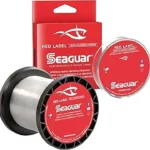
Braided line is a popular choice for spinning setups due to its sensitivity and lack of stretch. However, for finesse fishing, some anglers prefer monofilament or fluorocarbon line directly on the reel because it has less memory and can be more forgiving. If you use braid, a leader of fluorocarbon or monofilament is highly recommended.
A 6-pound to 10-pound test fluorocarbon leader is a common choice. Fluorocarbon is nearly invisible in the water, which is a big advantage when bass are wary. It also offers good abrasion resistance and sensitivity.
The length of the leader can vary, but 2 to 4 feet is a good starting point.
Common Neko Rig Mistakes to Avoid
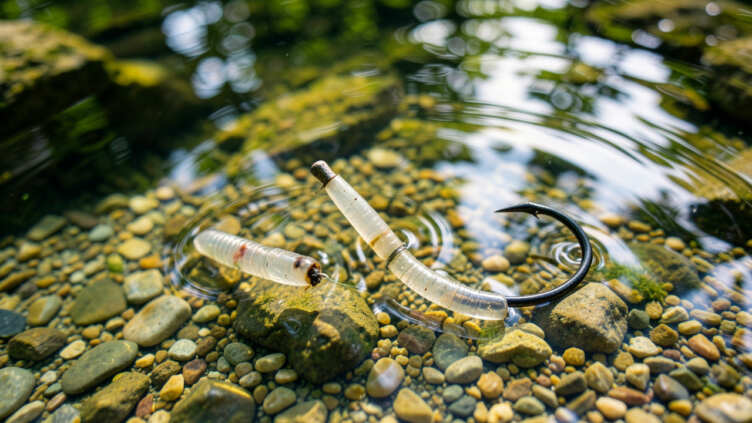
Even with its simplicity, there are a few common mistakes anglers make when using the Neko rig. Avoiding these can make a big difference in your catch rate. The key is to remember that this is a finesse technique, and it requires a different approach than power fishing.
Understanding these pitfalls will help you refine your technique and become more successful with this effective rig.
Using Too Heavy a Weight
One of the biggest mistakes is using a weight that is too heavy for the conditions. A heavy weight will make the bait fall too quickly, and it won’t have that subtle, shimmying action that attracts finicky bass. It can also make the bait look unnatural and spook fish.
Always start with the lightest weight possible for the conditions. If you’re not getting bites, you can gradually increase the weight, but often, a lighter, slower presentation is more effective for the Neko rig.
Remember: the Neko rig is a finesse technique; avoid power-fishing habits to maximize its effectiveness.
Aggressive Rod Movements
Another common error is being too aggressive with your rod movements. Jerking the bait too hard or reeling too fast can make the Neko rig look unnatural and scare fish away. Remember, this is a subtle technique designed to mimic small prey.
Stick to gentle twitches and pauses. Let the weight and the bait do the work. If you’re not feeling bites, try slowing down even more.
Patience is a virtue when finesse fishing.
Improper Hookset
Because bass often inhale a Neko rig from the bottom, a delayed or weak hookset can result in lost fish. You need to be ready to react when you feel that subtle bite. If you set the hook too early, you might pull the bait away from the fish.
Wait for a definite pull or for your line to go slack before setting the hook. Then, make a firm, upward sweep with your rod. This ensures the hook penetrates the fish’s mouth effectively.
Neko Rig vs. Other Finesse Techniques
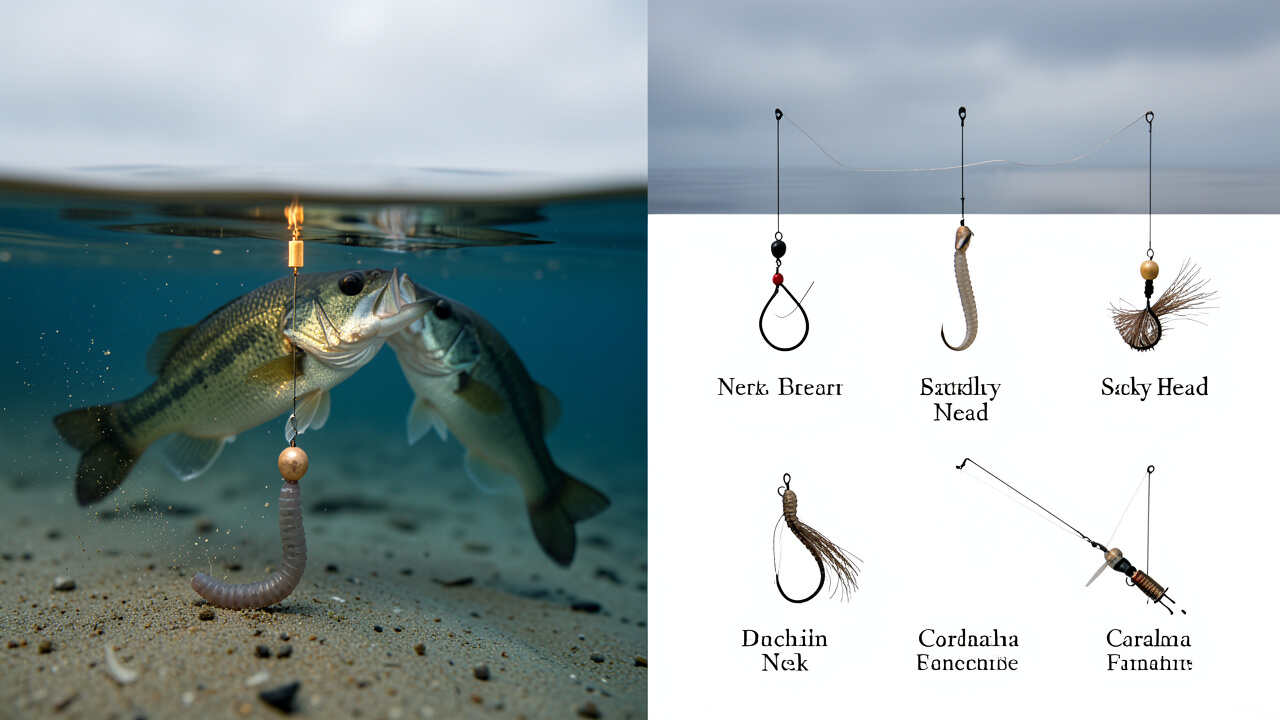
The Neko rig is one of many finesse techniques available to bass anglers. Comparing it to other popular methods highlights its unique advantages and when it might be the best choice.
Each finesse technique has its strengths, and knowing when to deploy the Neko rig can give you an edge.
Neko Rig vs. Drop Shot
The drop shot rig features a hook tied above a weight at the end of the line. This keeps the bait suspended above the bottom. The Neko rig, conversely, has the weight in the bait itself, causing it to stand up on its head.
Use the Neko rig when you want the bait to stand up on the bottom; switch to a drop shot for suspended fish or a free-floating presentation.
This difference in presentation is significant.
The Neko rig’s standing posture is excellent for enticing bass that are looking up or holding tight to cover. The drop shot is often better for targeting suspended fish or when you want a more natural, free-floating presentation.
Neko Rig vs. Texas Rig
The Texas rig is a classic for a reason, offering weedlessness and versatility. However, it typically has the weight pegged to the nose of the bait, making it fall nose-first. The Neko rig’s head-weighted design creates a completely different fall and resting posture.
While a Texas rig is great for covering water and working through heavy cover, the Neko rig is more about finesse and subtlety. When bass are hesitant to chase a bait falling nose-first, the Neko rig’s standing presentation can be far more effective.
Frequently Asked Questions
What is the main advantage of the Neko rig?
The main advantage of the Neko rig is its unique ability to catch finicky or pressured bass with its subtle, natural presentation and standing posture. It often fools fish that ignore other lures.
Can I use any soft plastic worm with a Neko rig?
While many soft plastics can work, baits with a slightly thicker head and a tail that has some natural action are best. Finesse worms and stick baits are excellent choices for Neko Rig Bass Fishing: The Japanese Finesse Trick Explained.
What kind of hook is best for a Neko rig?
A sharp, sensitive hook is crucial. Finesse EWG hooks or drop shot hooks in sizes 1 to 3/0 are commonly used, depending on the size of your soft plastic bait.
How do I know when a bass is biting my Neko rig?
Bites on a Neko rig are often subtle. You might feel a light tap, a tick, or notice your line go slack. It’s important to watch your line closely and be ready for a gentle but firm hookset.
When is the best time of year to use the Neko rig?
The Neko rig is effective year-round but truly shines during the post-spawn period, summer heat, and any time bass are showing signs of being lethargic or pressured. It’s a great tool for finesse fishing.
What weight should I use for my Neko rig?
Start with lighter weights, like 1/16 or 1/8 ounce, especially in clear water or when bass are neutral. You can increase the weight to 1/4 ounce if needed for depth or current, but always aim for the lightest possible weight that achieves the desired action.
Final Thoughts
Mastering the Neko rig bass fishing: the Japanese finesse trick explained offers a significant advantage when bass are being tough. Its unique head-weighted design creates a natural, alluring presentation that fools even the wariest fish. By understanding the right gear and techniques, you can effectively add this Japanese finesse trick to your arsenal and improve your catch rates.
Give it a try on your next trip and see the difference it makes.