
Bass Fishing In Cold Snaps: Beating Sudden Temperature Drop
When water temperatures suddenly drop, bass become sluggish and retreat to deeper, more stable areas or areas with current. Anglers should target these zones using slow presentations with smaller lures like lipless crankbaits or jigging spoons. Adjusting retrieve speed to an extremely slow, subtle cadence is critical to triggering bites in cold water. Understanding that bass feed during brief windows when water stabilizes helps maximize success during temperature drops.
When the temperature suddenly plummets, bass fishing can get tough. Understanding how these cold snaps affect bass behavior is key to continuing your success on the water. You’ll learn exactly where to find them and what lures work best when the mercury drops fast.
This guide will help you master Bass Fishing in Cold Snaps: Beating Sudden Temperature Drop, turning frustrating days into rewarding catches.
Key Takeaways
- Sudden temperature drops make bass sluggish and seek warmer water.
- Focus on deeper water or areas with current during cold snaps.
- Slower presentations and smaller lures are often more effective.
- Lipless crankbaits and jigging spoons excel in cold water.
- Understanding bass feeding patterns during temperature changes is crucial for success.
- Adjusting your retrieve speed is vital for triggering bites.
Why Bass Behavior Changes in Cold Snaps
Bass are cold-blooded creatures. This means their body temperature matches the water around them. When the water temperature suddenly drops, their metabolism slows way down.
They become less active and don’t need to eat as much. This is the primary reason why Bass Fishing in Cold Snaps: Beating Sudden Temperature Drop presents a unique challenge.
When temperatures drop, bass relocate to deeper structure with stable temperatures. Focus on drop-offs, creek channels, and current edges to find the most active fish.
During a cold snap, expect bass to conserve energy. Fish slow and focus on structure that offers stable water temperatures.
Think of it like this: if you suddenly felt very cold, you’d probably want to find a warm spot and not move around much. Bass do the same thing. They conserve energy.
Their hunting instincts decrease, and they become much more likely to stay put in areas that offer some comfort or protection from the extreme chill.
This change in their behavior means your usual fishing tactics might not work anymore. You need to adapt your approach to match their new, slower pace. Successfully navigating Bass Fishing in Cold Snaps: Beating Sudden Temperature Drop requires understanding these fundamental biological responses.
Finding Bass When Water Temperatures Plummet
When the water gets cold fast, bass will move. They typically seek out areas where the temperature is more stable or slightly warmer. This often means moving deeper.
Deeper water heats up and cools down slower than shallow water. So, look for drops-offs, creek channels, and the edges of drop-offs.
Another key location is areas with current. Even in cold water, moving water can be slightly warmer due to friction and mixing. This can also stir up baitfish, which bass will follow.
In cold water, a slow, subtle presentation mimicking a dying baitfish often triggers strikes when fast lures fail.
Look for points of land extending into the main lake, bridge pilings, or any structure that creates eddies and current breaks.
Structure is always important, but it becomes even more critical during cold snaps. Bass will hunker down near cover like submerged trees, rocks, or docks. These features can offer a slight temperature advantage and protection.
Paying close attention to structure can significantly improve your chances during Bass Fishing in Cold Snaps: Beating Sudden Temperature Drop.
Key Areas to Target
- Deep water drop-offs: These provide a more stable temperature.
- Main lake points: Often hold baitfish and offer current.
- River or creek channels: Current can make these spots warmer.
- Submerged structures: Rocks, logs, and docks offer cover and warmth.
- Areas with slower current: Bass will often hold just outside the main current.
Lures and Presentations for Cold-Water Bass
When bass are cold and lethargic, your retrieve speed needs to slow down dramatically. Fast-moving lures often get ignored. Instead, opt for lures that can be presented slowly and enticingly.
Think about lures that mimic a dying baitfish or a slow-crawling crawdad. This is a core strategy for Bass Fishing in Cold Snaps: Beating Sudden Temperature Drop.
Jigs are excellent choices. A football jig or a finesse jig can be dragged slowly along the bottom. The subtle action and realistic profile can be irresistible to a sluggish bass.
A slow retrieve is critical. Let your lure sit for a count of 5-10 after splashdown before starting the retrieve to mimic a lethargic prey.
Soft plastics on a shaky head or a drop-shot rig also work very well. These setups allow for a very slow, natural presentation near the bottom.
Lipless crankbaits can be surprisingly effective, but you must fish them differently. Instead of a steady retrieve, try a yo-yo or rip-and-pause technique. Let the bait sink slowly, then give it a sharp pull, followed by a pause.
Many strikes happen on the fall or during the pause. This method mimics wounded prey, which is a prime target for bass in cold conditions.
Effective Lure Types
- Jigs: Football jigs, finesse jigs, and flipping jigs are great for slow bottom presentations.
- Soft plastics: Shaky heads, drop shots, and Neko rigs excel at slow retrieves.
- Lipless crankbaits: Use a yo-yo or rip-and-pause retrieve.
- Spoons: Jigging spoons can be very effective when dropped vertically.
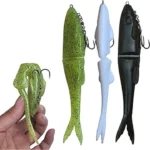
- Swimbaits: Smaller, paddle-tail swimbaits can be slow-rolled near the bottom.
Adjusting Your Retrieve Speed
This is perhaps the most critical adjustment you can make. When bass are cold, their reaction time slows. They won’t chase down a fast-moving bait like they will in warmer water.
Therefore, you must retrieve your lure much slower than you normally would. This is a fundamental principle for Bass Fishing in Cold Snaps: Beating Sudden Temperature Drop.
Try counting to five or ten after your lure hits the water before you start reeling. Then, reel in very slowly, perhaps just a few turns of the reel handle at a time. Follow this with a pause.
Be cautious not to overfish an area. During cold snaps, feeding windows are brief—often mid-morning—so target those hours precisely and use sonar to locate baitfish.
Many bites will occur during these pauses. The lure appears to be dying or struggling, which can trigger a bass’s instinct to strike.
Don’t be afraid to let your lure sit still on the bottom for a few seconds. Sometimes, a bass will just swim up and mouth it while it’s not moving. You need to feel for those subtle takes.
This patient approach is vital for success when dealing with the challenges of Bass Fishing in Cold Snaps: Beating Sudden Temperature Drop.
Retrieve Techniques
- Slow and steady: A very slow, consistent retrieve is often best.
- Pause and retrieve: Alternate between short retrieves and long pauses.
- Yo-yoing: Lift the rod tip sharply, then let the lure fall on a slack line.
- Dead sticking: Let the lure sit motionless on the bottom for extended periods.
- Feel for subtle bites: Be attentive to any change in weight or tension.
Understanding Bass Feeding Windows
Even in cold snaps, bass still need to feed. However, their feeding periods become much shorter and more specific. They are not actively hunting all day.
Instead, they tend to feed during brief windows when their metabolism allows for a burst of energy. Identifying these windows is key to successful Bass Fishing in Cold Snaps: Beating Sudden Temperature Drop.
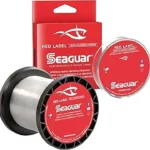
Switching to lighter fluorocarbon line improves lure presentation and sensitivity in cold water, helping you detect subtle bites.
These windows often coincide with slightly warmer parts of the day. For example, the mid-morning when the sun has had a chance to warm the shallows slightly, or late afternoon before the temperature drops again. Cloudy days can also sometimes trigger feeding, as the light is diffused and bass may feel more secure moving shallower.
Baitfish activity is another indicator. If you see baitfish schooling or moving, bass are likely to be nearby, looking for an easy meal. Your sonar can be invaluable here, showing you bait balls or individual fish that might attract bass.
When you find bait, focus your efforts in that area, especially during potential feeding times.
Timing Your Fishing
- Mid-morning: Sun can warm shallow areas slightly.
- Late afternoon: Before the evening temperature drop.
- Cloudy days: Can sometimes trigger more aggressive feeding.
- Follow the baitfish: Bass will feed where their food source is active.
- Periods of stable temperature: If the temperature holds steady for a few hours.
Gear Considerations for Cold Snaps
Your gear can also play a role in how well you adapt to cold-water bass fishing. While you don’t need a whole new setup, a few adjustments can make a difference. For instance, using lighter line can help your lures perform better and present more naturally.
This is a subtle but important part of Bass Fishing in Cold Snaps: Beating Sudden Temperature Drop.
Consider using fluorocarbon line. It sinks well, which is good for getting your lures down to where the bass are holding. It also has less stretch than monofilament, giving you better feel and hook-setting power, especially with slower presentations.
Cold snap bass fishing demands a completely different mindset: slow, deep, and deliberate—not the aggressive tactics of warmer months.
A sensitive rod is also crucial for detecting those light, cold-water bites.
When it comes to lures, having a variety of smaller sizes is beneficial. Bass might not be looking for a large meal when they’re cold. Smaller, more compact lures can be easier for them to strike and digest.
Matching the hatch, or the size of the available baitfish, becomes even more important.
Recommended Gear Adjustments
- Lighter line: Fluorocarbon or monofilament in the 6-10 lb range.
- Sensitive rod: Helps detect subtle bites.
- Spinning or baitcasting reel: Choose based on lure type and preference.
- Smaller lure sizes: Match the size of local forage.
- Color selection: Natural, darker colors often work best.
Comparison: Cold Snap Tactics vs. Warm Water Tactics
Understanding the differences between how you fish in warm water versus cold snaps is crucial. In warmer temperatures, bass are generally more active. They chase baits and strike with aggression. Understanding cold snap tactics is crucial for bass anglers facing sudden temperature drops.
In cold snaps, the opposite is true. They become much more sedentary and reactive.
This comparison highlights why adapting your strategy is essential for Bass Fishing in Cold Snaps: Beating Sudden Temperature Drop. You can’t expect the same results from the same methods. The fish are simply not in the same mindset or physical condition.
Frequently Asked Questions
What is the biggest mistake anglers make during cold snaps?
The biggest mistake is not slowing down their retrieve enough. Bass are sluggish and won’t chase fast baits.
Should I use brighter colors when bass fishing in cold snaps?
Generally, natural or darker colors like black, brown, or green pumpkin are more effective. They mimic the natural forage and are easier for bass to see in colder, often murkier water.
How much does water temperature affect bass feeding?
Water temperature significantly affects bass metabolism. A sudden drop slows them down, reducing their need and ability to feed aggressively.
Where do bass go when the water temperature drops suddenly?
Bass typically move to deeper water or areas with current, seeking more stable temperatures and a less energy-expending environment.
Is it still possible to catch bass during a cold snap?
Yes, absolutely. By adjusting your presentation, location, and lure choice, successful Bass Fishing in Cold Snaps: Beating Sudden Temperature Drop is very achievable.
Do bass bite less in cold water?
They bite less often and less aggressively. Bites become more subtle, requiring anglers to be more patient and sensitive to feel them.
Final Thoughts
When the temperature takes a sudden dive, remember to slow everything down. Focus on deeper, more stable water and present your lures with patience. Adapting your retrieve and lure choice is the key to turning a tough day into a successful outing. With patience and proper technique, you can turn a tough day into a successful outing.
You can master Bass Fishing in Cold Snaps: Beating Sudden Temperature Drop with these strategies. Anglers often switch to a lighter line during cold snaps to improve sensitivity and lure action.