

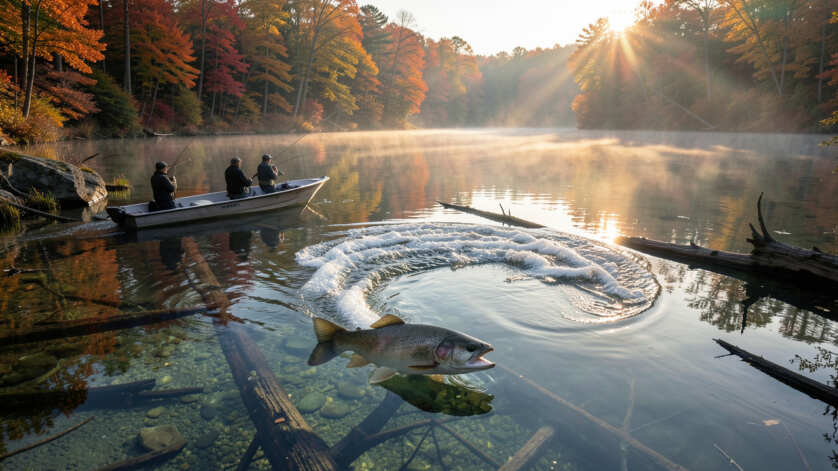
Fall Bass Fishing: The Shad Migration Pattern Decoded
Fall bass fishing success depends on decoding the shad migration pattern to predict where bass will feed. Water temperature dropping below 60 degrees triggers shad to move from open water into tributaries and main lake points. Bass follow these schools, positioning themselves near creek mouths, drop-offs, and deep water refuges. Presenting shad-imitating lures—such as crankbaits, spinnerbaits, and swimbaits—in these concentrated areas consistently produces strikes.
As the leaves begin to turn and the air gets a crisp chill, bass are on the move. They’re looking for easy meals, and one of the biggest food sources they target is migrating shad. Understanding this natural event can seriously boost your catch rates.
This is where Fall Bass Fishing: The Shad Migration Pattern Decoded becomes your secret weapon. Knowing where the shad go and why bass follow them means you’ll find more active fish, especially when they’re ready to bite. We’ll show you how to spot these patterns and make the most of this exciting fishing season.
Key Takeaways
- Bass behavior changes significantly in the fall due to shad migration.
- Locating migrating shad is key to finding active bass.
- Understanding water temperature’s role in shad movement helps predict bass locations.
- Specific baitfish imitation lures are highly effective for fall bass.
- Current and structure play vital roles in concentrating both shad and bass.
- Adjusting your fishing tactics based on shad presence is crucial for success.
Why Fall Bass Fishing: The Shad Migration Pattern Decoded Matters
Fall is a fantastic time for bass fishing. The fish are getting ready for winter. They need to eat a lot to build up their reserves.
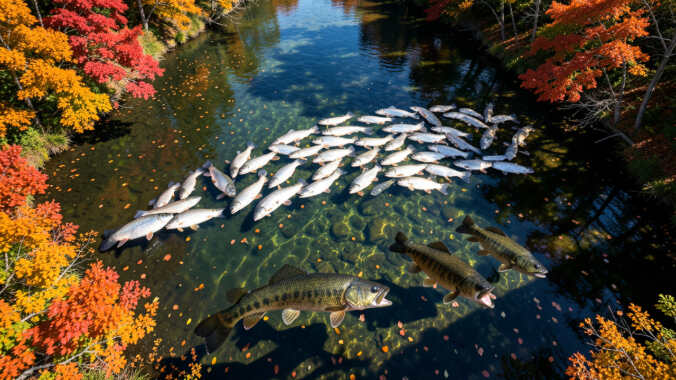
This is where the shad migration comes into play. Shad are a primary food source for many bass species. When they start to move, bass follow them closely.
Learning about Fall Bass Fishing: The Shad Migration Pattern Decoded helps you predict where the bass will be. This means less searching and more catching.
As water temperatures drop, shad seek warmer, deeper water, and bass follow. Monitoring water temperature changes can help you identify the most productive fishing zones.
When shad begin their fall migration, bass will not be far behind. Focus your efforts on areas where shad are moving to predict bass locations more accurately.
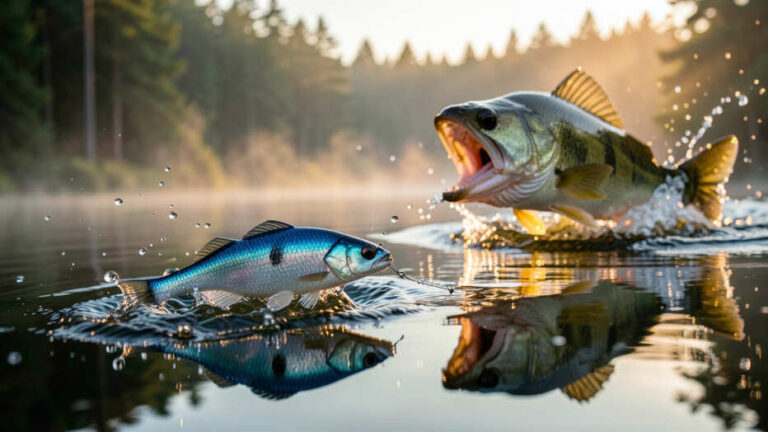
Bass are opportunistic feeders. They will position themselves to ambush their prey easily. During the shad migration, large schools of shad move to different areas.
These areas often offer more abundant food or better conditions for the shad. Bass know this. They patrol these areas, waiting for an easy meal.
Understanding this pattern helps anglers target specific locations and depths where bass are actively feeding.
How Water Temperature Influences Shad and Bass Behavior
Water temperature is a major trigger for shad migration. Shad are cold-blooded. Their activity levels depend on the water temperature.
As fall progresses, water temperatures drop. This signals to the shad that it’s time to move to warmer, deeper water. They also move to areas with more abundant food sources, which are often found in larger bodies of water.
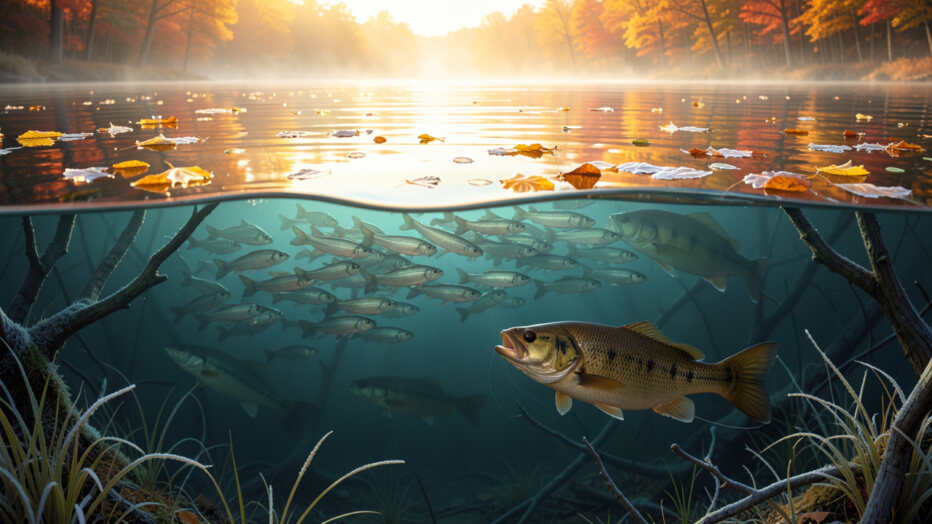
Bass are also affected by water temperature. They prefer water within a certain temperature range. When shad move to find optimal temperatures, bass follow.
This creates predictable patterns. For example, as surface temperatures drop, shad might move from shallow creeks and coves to the main lake. Bass will follow them into these larger, more stable water areas.
Knowing these temperature cues helps you pinpoint where the action will be.
Finding the Shad Schools
Locating the shad is the first step in understanding the Fall Bass Fishing: The Shad Migration Pattern Decoded. Look for signs of baitfish activity. This includes birds diving, surface disturbances, or even the sonar on your boat.
Shad often school up in large numbers. They tend to gather in areas with current or structure that provides them with safety and food.
Current-carrying points and adjacent drop-offs become prime fall hotspots as shad seek refuge and food, drawing bass into ambush positions.
First, pay attention to your electronics. A good fish finder can show you large bait balls. These are often shad.
Second, observe the water’s surface. Gulls and other birds feeding often indicate baitfish are present. Next, look for areas where shad might be congregating.
These include creek mouths, points, and submerged structure.
Bass Following the Food
Once you find the shad, you’re likely close to the bass. Bass will position themselves to take advantage of the abundant food. They might be in deeper water, holding near the bottom.
Or they could be suspended in the water column, waiting for a school of shad to swim by. The key is to understand that the bass are where the food is.
This is the essence of Fall Bass Fishing: The Shad Migration Pattern Decoded. If the shad are moving towards the main lake, the bass are likely making that same transition. If they are concentrated in a specific cove, the bass will be there too.
Your goal is to be in the right place at the right time. This often means fishing the edges of baitfish schools or areas where bass can ambush them.
Key Locations for Fall Shad and Bass
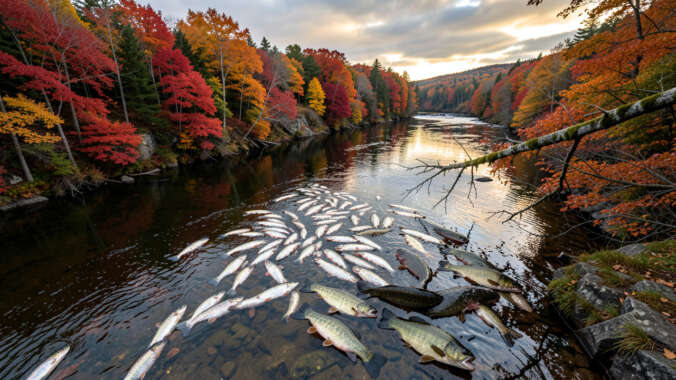
Certain areas on a lake or river become hotspots during the fall shad migration. These locations offer advantages for both the baitfish and the bass. Understanding these spots is crucial for successful Fall Bass Fishing: The Shad Migration Pattern Decoded.
Main Lake Points and Drop-offs
Points that extend into the main body of the lake are prime real estate. They often have current running past them. This current can carry food for shad.
Deeper drop-offs near these points provide refuge for shad when the surface water gets cold. Bass will patrol these edges, waiting for shad to pass by.
Look for points with structure like rocks, humps, or submerged trees. These features give bass places to hide and ambush. The shad will use the deeper water to escape colder surface temperatures.
Bass will use the structure to their advantage to catch them.
Select crankbaits that match the size and profile of fall shad, which are generally smaller and leaner, and ensure they dive to the depth where shad are holding.
River and Creek Mouths
As water temperatures drop, shad often move from smaller tributaries into larger rivers or creek arms. These larger bodies of water offer more stable temperatures and abundant food. The mouths of these creeks and rivers are natural funnel points.
Shad will gather here before moving further into the main lake. Bass will also congregate at these mouths. They can feed on the concentrated shad.
Fishing around these areas, especially during morning and evening, can be very productive.
Deep Water Refuges
When the water gets very cold, shad will seek out deeper, more stable water. These are often the deepest parts of the lake. Bass will follow them to these areas.
This is a critical aspect of Fall Bass Fishing: The Shad Migration Pattern Decoded.
Look for deep channels, large basins, or areas with submerged structure in deep water. You might need to use electronics to find these concentrations of baitfish and bass. Fishing deep can require different techniques, like using jigging spoons or deep-diving crankbaits.
Effective Lures for Targeting Migrating Shad
Once you understand the pattern, choosing the right lure is key. You want lures that imitate the size, shape, and action of the shad. This is where Fall Bass Fishing: The Shad Migration Pattern Decoded really helps you select the right bait.
Imitation Crankbaits
Many crankbaits are designed to mimic shad. Look for models that match the color and size of the shad in your local waters. Shad in the fall are often smaller and a bit leaner than in the summer.
Choose crankbaits that dive to the depth where you find the shad.
First, identify the dominant shad color. This might be silver, white, or a shad with a hint of blue or green. Next, determine the depth of the shad.
Select a crankbait that can reach that depth. Then, vary your retrieve speed. Sometimes a steady retrieve works, other times a stop-and-go action is best to trigger a strike.
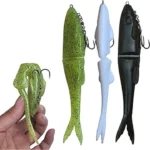
Soft Plastic Swimbaits
Soft plastic swimbaits are incredibly effective. They offer a realistic action that can fool even wary bass. You can rig them on jig heads or with weedless hooks.
This makes them versatile for different fishing situations.
Do not overlook the role of current in fall fishing. Bass often station themselves in areas where current provides easy access to food while conserving energy — ignoring current patterns can lead to missed opportunities.
Consider swimbaits that have a good tail kick. This mimics the natural movement of shad. Many anglers rig them on a weighted swimbait hook.
This allows for a steady retrieve through schools of baitfish. They can also be slow-rolled on the bottom to imitate dying shad.
Jigging Spoons
When bass are holding tight to deep bait schools, jigging spoons can be deadly. These heavy lures can be dropped quickly to the desired depth. A sharp jigging action can entice bass that are suspended or holding near the bottom.
The key is to match the size and color of the spoon to the shad. You want a lure that looks like an easy meal. Watch your line for subtle ticks or lifts that indicate a bite.
Many strikes on jigging spoons are passive, meaning the bass just sucks the lure in.
Topwater Baits (Early Fall)
In early fall, before the water gets too cold, topwater lures can still be effective. This is especially true during low-light conditions. Look for lures that mimic fleeing or injured shad.
Poppers, walk-the-dog baits, and prop baits can all work. The key is to cast them near schools of baitfish. A frantic retrieve can sometimes trigger a reaction strike from bass that are still actively feeding near the surface.
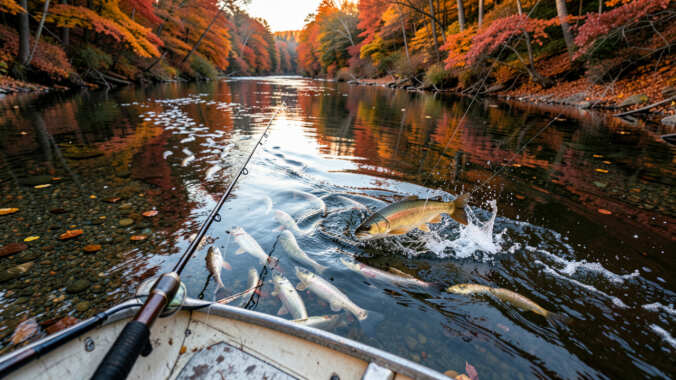
Reading the Water for Fall Bass Fishing: The Shad Migration Pattern Decoded
Successfully implementing Fall Bass Fishing: The Shad Migration Pattern Decoded involves more than just knowing where to cast. It’s about reading the water and observing the signs. The environment itself will tell you a lot about where the fish are likely to be.
Structure and Cover
Shad are attracted to structure. They use it for safety and to find food. This includes points, humps, submerged logs, and rock piles.
Bass know this. They use these same structures as ambush points.
First, identify the main lake structure. Look for areas where the bottom changes. Second, find where shad might be holding.
This could be near weeds or along a ledge. Then, position yourself to cast to these areas. Bass will often be positioned on the down-current side of structure, waiting for shad to drift by.
Current and Water Flow
Current is a major factor in fall fishing. Shad are often found where there is some current. This current helps move food and can keep them from expending too much energy.
Matching the hatch is critical in fall. Observe the size and color of the shad present in your fishing area, then select lures that closely imitate those characteristics for best results.
Bass will position themselves in areas where they can use the current to their advantage.
Look for areas where current is present. This includes river channels, creek mouths, and around points. Bass will often hold on the slack side of current or in eddies where they can rest and wait for baitfish to be swept past.
Understanding current helps you predict bass locations.
Signs of Baitfish Activity
As mentioned earlier, signs of baitfish are your best indicators. Birds feeding, baitfish jumping, or even a sudden change in water clarity can signal shad presence. Don’t ignore these natural cues.
When you see these signs, pay close attention. Are the baitfish moving in a particular direction? Are they in a specific depth?
This information is invaluable for tailoring your approach. It’s the core of understanding Fall Bass Fishing: The Shad Migration Pattern Decoded.
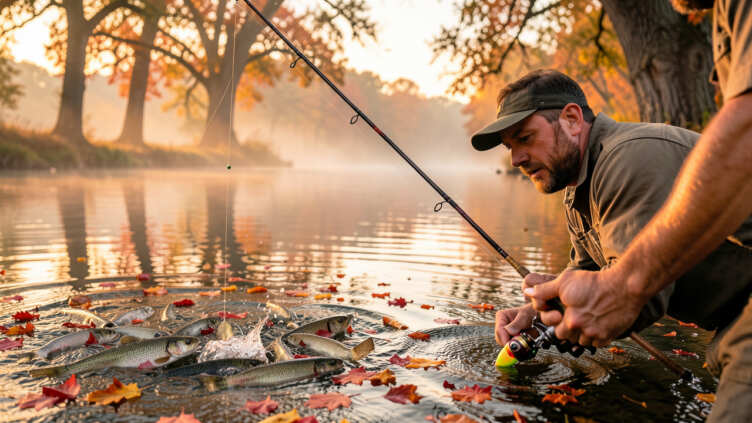
Adjusting Your Techniques for Fall Bass
Fall bass can be aggressive, but they can also be finicky. Understanding the shad migration helps you adjust your techniques to match the feeding behavior of the bass.
Matching the Hatch
This is paramount. If you see small, threadfin shad, use lures that imitate them. If you see larger gizzard shad, use larger baits.
The size and color of your lure should closely match what the bass are eating.
First, observe the shad. What size are they? What color are they?
Second, select lures that match. This might mean downsizing your baits early in the fall or going larger later. Then, experiment with different colors until you find what works best on that day.
Unlike summer patterns where bass are scattered, the fall shad migration concentrates bass into feeding frenzies, making it a prime time for anglers to target aggressive fish.
Varying Retrieve Speeds
Bass in the fall can be keyed in on moving bait. However, they can also be drawn to a slow, wounded baitfish. Experimenting with your retrieve speed is crucial.
Try a steady retrieve with crankbaits. For swimbaits and spoons, use a stop-and-go retrieve. This mimics a struggling baitfish.
Sometimes, a very slow retrieve can be more effective than a fast one, especially if the water is getting colder.
Fishing Different Depths
The shad migration means bass are not always in one predictable depth. They will move with the baitfish. This means you need to be prepared to fish shallow, mid-depth, and deep water. The American shad migration triggers aggressive bass feeding at various depths.
First, use your electronics to find the shad. This will tell you the most probable depth for bass. Second, be willing to move.
If a certain depth isn’t producing, try another. Then, use lures that can effectively reach different depths. This might include shallow crankbaits, medium-diving crankbaits, and deep-diving crankbaits or jigging spoons.
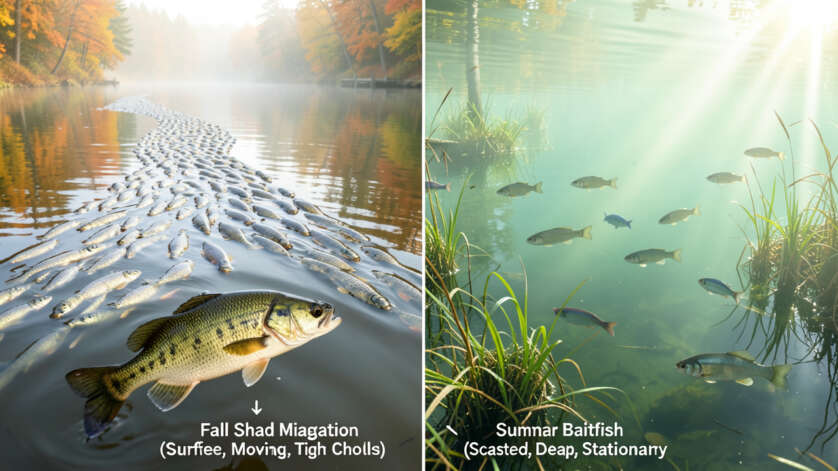
Comparison: Fall Shad Migration vs. Summer Baitfish Patterns
Understanding how fall fishing differs from summer fishing is key to success. The shad migration creates unique opportunities and challenges. Understanding shad migration patterns is crucial for fall bass fishing success.
The biggest difference is the concentration of food. In summer, baitfish might be more dispersed. In fall, they often school up tightly, and the bass follow these tight schools.
This makes finding the baitfish even more critical. The Fall Bass Fishing: The Shad Migration Pattern Decoded helps anglers capitalize on this concentrated feeding frenzy. Mastering fall bass fishing techniques improves your catch rate during the shad migration.
Frequently Asked Questions
What is the main reason bass follow shad in the fall?
Bass follow shad in the fall because shad are a primary, energy-rich food source. Bass need to feed heavily to prepare for winter, and the migrating shad provide an abundant, concentrated meal.
How does water temperature affect the shad migration?
As water temperatures drop in the fall, shad move to find more stable, warmer water. This movement is a key trigger for the migration, and bass follow this temperature-driven shift.
What are the best lures for Fall Bass Fishing: The Shad Migration Pattern Decoded?
Effective lures include crankbaits that imitate shad, soft plastic swimbaits, jigging spoons, and topwater baits (especially early fall). The key is to match the size, color, and action of the local shad.
Where should I look for shad during the fall migration?
Look for shad at main lake points, creek and river mouths, deep water refuges, and areas with current. Signs like diving birds or baitfish on your electronics are also good indicators.
Can I still catch bass on topwater lures in the fall?
Yes, especially in early fall when water temperatures are still mild. Topwater lures that mimic fleeing or injured shad can be very effective during low-light periods.
How does the shad migration impact bass feeding behavior?
The shad migration leads to concentrated bass feeding opportunities. Bass become more predictable, often positioning themselves near bait schools to ambush them, making them easier to locate and catch.
Final Thoughts
Understanding the shad migration is your key to unlocking successful fall bass fishing. By locating the baitfish and knowing why bass follow them, you can position yourself for more bites. Adjust your lures and techniques to match the feeding patterns of these active fish. NOAA Fisheries provides American shad migration data that can help determine bass depth preferences.