
Reel Line Capacity Explained: How To Read The Spec Sheet Tip
Reel line capacity is the amount of fishing line a reel can hold, listed on the spec sheet as a range of line diameters and pound test ratings. The numbers indicate how much line of a given diameter fits the spool, but actual capacity changes with line type—monofilament, fluorocarbon, and braided line have different diameters at the same pound test. Understanding this relationship allows anglers to select a reel that matches their target species and fishing style, preventing insufficient line for long casts or trolling. Properly matching capacity to your technique ensures you have enough line to fight fish effectively without overfilling the spool.
Choosing the right fishing reel is key to a great day on the water. You want to make sure your reel can hold enough fishing line for the type of fishing you do. This is where understanding reel line capacity comes in handy.
Our guide to Reel Line Capacity Explained: How to Read the Spec Sheet Tip will help you know exactly what those numbers mean. You’ll learn how to pick a reel that fits your needs perfectly, so you can spend less time worrying about your gear and more time catching fish.
Key Takeaways
- You will learn what reel line capacity actually means for your fishing.
- Understand how to find and interpret the line capacity numbers on a reel’s spec sheet.
- Discover how different line types and diameters affect how much line fits on your reel.
- Learn why matching line capacity to your fishing style prevents common problems.
- Gain confidence in selecting the right reel for your specific fishing adventures.
What is Reel Line Capacity and Why Does It Matter?
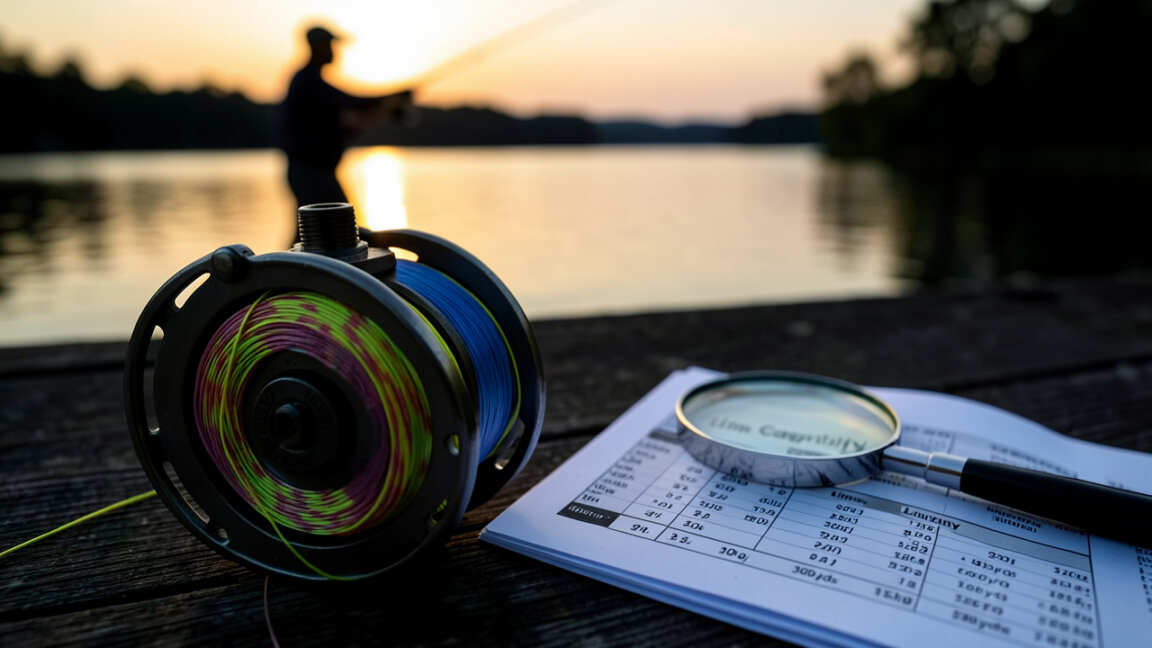
Reel line capacity tells you how much fishing line a reel can hold. It’s usually listed on the reel’s specifications. This number is important because it directly impacts your fishing experience.
If your reel doesn’t hold enough line, you might run out during a long cast or when a big fish makes a run. This can lead to lost fish and frustration. Knowing your reel’s capacity helps you avoid these issues.
Always check your reel's line capacity before heading out; running out of line mid-cast can cost you a trophy fish.
Think of it like a gas tank for your fishing line. If the tank is too small, you won’t get very far. For some types of fishing, like long-distance casting for tuna or deep-sea fishing, you need a lot of line.
For other situations, like small stream trout fishing, you might not need as much. Understanding Reel Line Capacity Explained: How to Read the Spec Sheet Tip helps you make the right choice for any scenario.
Decoding the Spec Sheet: Finding Line Capacity Numbers
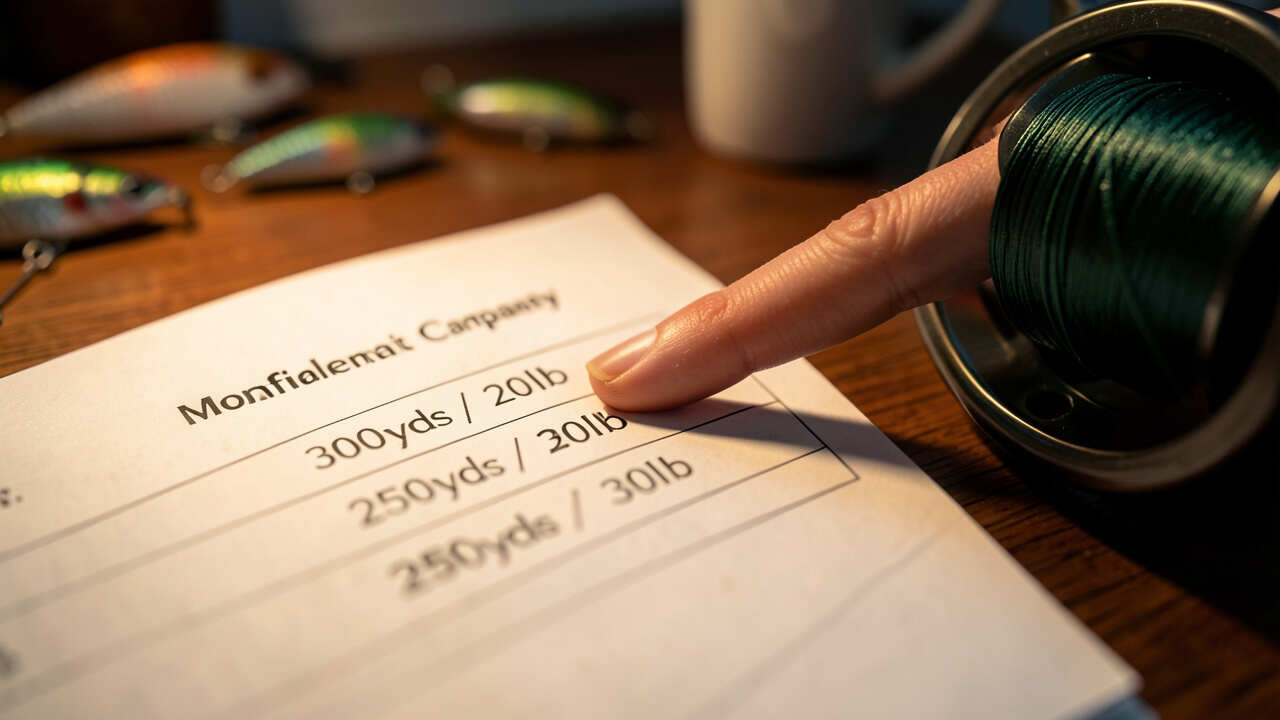
Most fishing reel manufacturers provide detailed spec sheets. You can usually find these online on the brand’s website or on the packaging. The line capacity is typically listed clearly.
It’s often shown in two ways: by diameter and by length, and sometimes by pound-test line and length. This makes it easier to understand how much of your chosen line will fit.
The most common way you’ll see line capacity is something like “12lb/200yds” or “0.30mm/180m”. The first number (12lb or 0.30mm) refers to the diameter of the fishing line. The second number (200yds or 180m) is the length of line that the reel can hold at that specific diameter.
It’s crucial to pay attention to both parts of this measurement. This is a key part of Reel Line Capacity Explained: How to Read the Spec Sheet Tip.
Line capacity on spec sheets is typically given as pound-test or diameter with length; understanding both helps you choose the right reel for your line type.
Understanding Line Diameter vs. Pound Test
Fishing lines come in various diameters and strengths, often measured in pound test. A thicker line has a larger diameter. A stronger line (higher pound test) might also have a thicker diameter, but not always.
Some modern braided lines are very strong but have a very thin diameter.
When a spec sheet lists “12lb/200yds”, it means the reel can hold 200 yards of 12-pound test monofilament line. If you switch to a 10-pound test line, which is usually thinner, you might be able to fit more than 200 yards. Conversely, if you use a 14-pound test line, which is typically thicker, you might only fit 170 yards.
This is why understanding both diameter and pound test is vital for accurate Reel Line Capacity Explained: How to Read the Spec Sheet Tip. Always check the spec sheet for the type of line it’s based on, or use the diameter measurement if provided, as it’s more universal.
How Different Line Types Affect Capacity
The type of fishing line you use significantly impacts how much fits on your reel. Monofilament, fluorocarbon, and braided lines all have different properties that influence their bulkiness. This means the stated capacity is a guide, but your actual capacity can vary.
Monofilament Line
Monofilament is a popular choice for many anglers. It’s relatively inexpensive and has good stretch. Monofilament lines have a consistent diameter for their pound test.
So, the “12lb/200yds” specification is usually quite accurate for monofilament.
Fluorocarbon Line
Fluorocarbon lines are known for their low visibility underwater and their stiffness. They are often slightly thicker in diameter than monofilament of the same pound test. This means you might fit a little less fluorocarbon line on your reel compared to monofilament.
Braid offers a capacity advantage: you can often fit significantly more braided line on a reel than the spec sheet's monofilament numbers suggest.
For example, if the spec says 200 yards of 12lb mono, you might only get 180 yards of 12lb fluoro.
Braided Line
Braided lines are incredibly strong and have a much thinner diameter compared to monofilament or fluorocarbon of the same breaking strength. This is a huge advantage for line capacity. You can often fit significantly more braided line on a reel than what the spec sheet suggests for monofilament.
If a reel says “12lb/200yds”, you might be able to fit 300 yards or more of a comparable strength braided line.
This difference is a crucial aspect of Reel Line Capacity Explained: How to Read the Spec Sheet Tip. When using braid, you can often spool up with more line, giving you an advantage in situations where long runs are common.
Why Matching Capacity to Your Fishing Style is Crucial
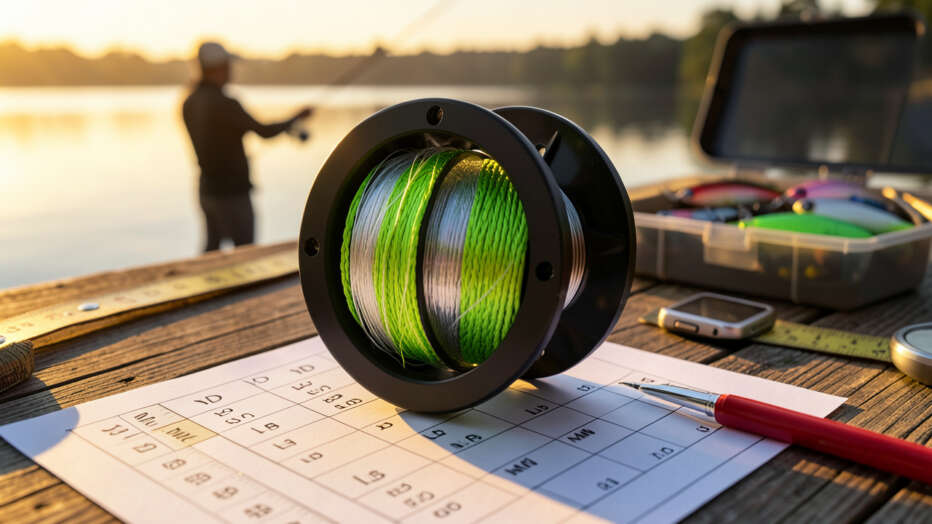
Your fishing style dictates how much line you need. A reel with insufficient line capacity can lead to problems. Conversely, a reel with far too much capacity might be unnecessarily bulky or expensive.
Surf Fishing and Trolling
For surf fishing, you often need to cast long distances to reach the fish. Trolling also requires a lot of line in case a fish strikes and runs. In these scenarios, having a reel that can hold at least 200-300 yards of line is often essential.
Running out of line means a lost fish and a broken line.
Freshwater Bass Fishing and Inshore Saltwater
Many freshwater bass fishing techniques, like casting to cover or jigging, don’t require extreme line lengths. Similarly, inshore saltwater fishing for species like redfish or speckled trout usually involves shorter casts and less intense runs. A reel holding 100-150 yards of line is often sufficient for these applications.
When matching capacity to your style, leave extra room for line you will trim over time; that spool of braid might need 20% more than the spec says.
This is where understanding Reel Line Capacity Explained: How to Read the Spec Sheet Tip saves you from overspending or using an ill-suited reel.
Trout Fishing in Small Streams
For small streams or tight creek fishing, you might only need 50-75 yards of line. The fish are often smaller, and the casting distances are short. Using a reel with a massive line capacity here would be overkill and could make the setup feel unbalanced.
The Benefit of Extra Line
Having a bit of extra line on your reel is always a good idea. It provides a buffer for unexpected runs from fish. It also accounts for line wear and tear, as you’ll eventually cut off some line when re-tying or after a fish breaks you off.
This is a practical takeaway from Reel Line Capacity Explained: How to Read the Spec Sheet Tip.
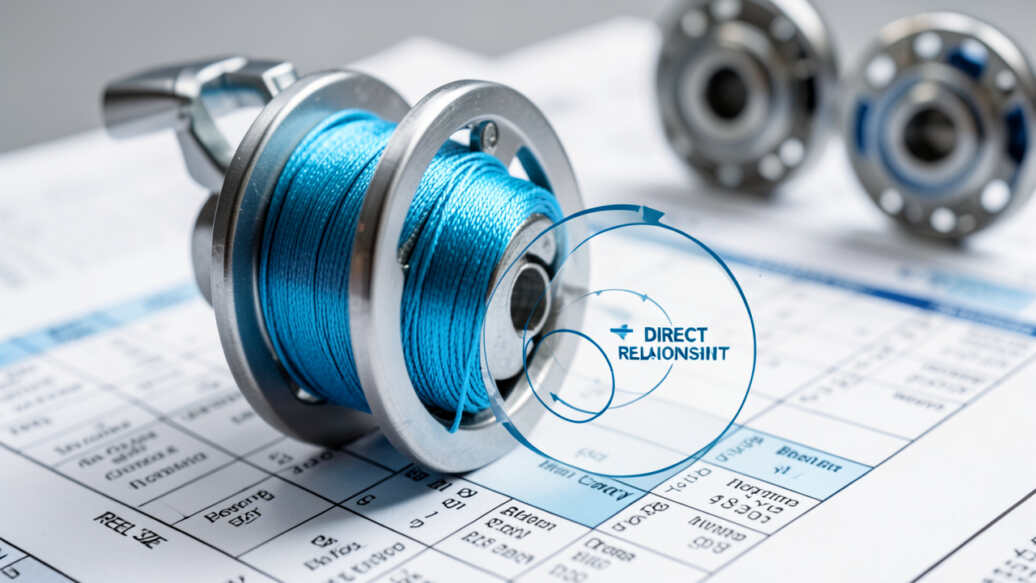
Reel Size and Line Capacity: A Direct Relationship
Generally, larger reels are designed to hold more line. The physical size of the spool on the reel determines its capacity. A reel designed for offshore fishing will be much larger than one for panfish, and it will hold significantly more line.
Spinning Reel Sizes
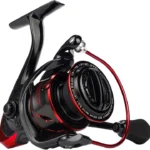
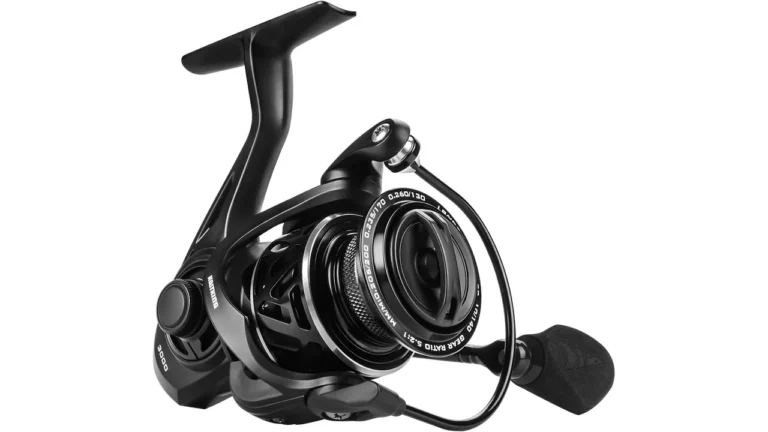
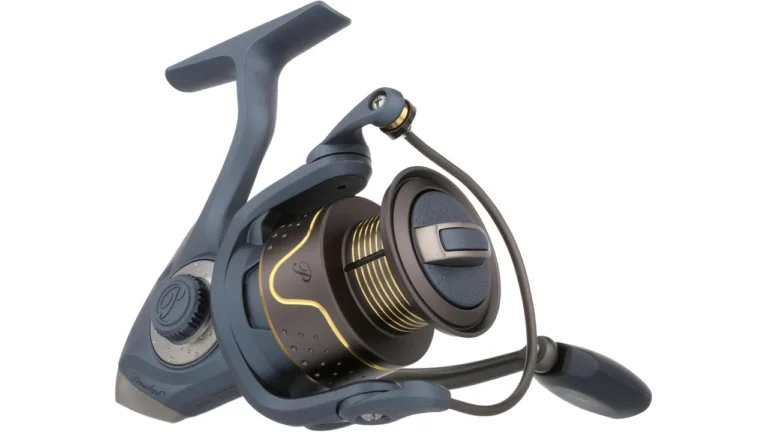
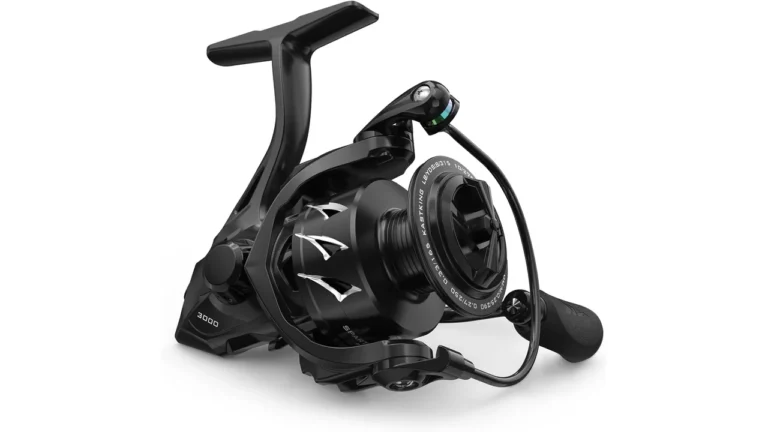
Spinning reels are often categorized by numbers (e.g., 1000, 2500, 4000, 8000). These numbers typically increase with the reel’s size and its line capacity. A 1000-size reel is very small and suited for light tackle, while an 8000-size reel is large and meant for big game.
Don't assume a reel's model number alone tells you its capacity; always verify the spec sheet because two reels of the same size can differ.
Baitcasting Reel Sizes
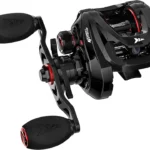
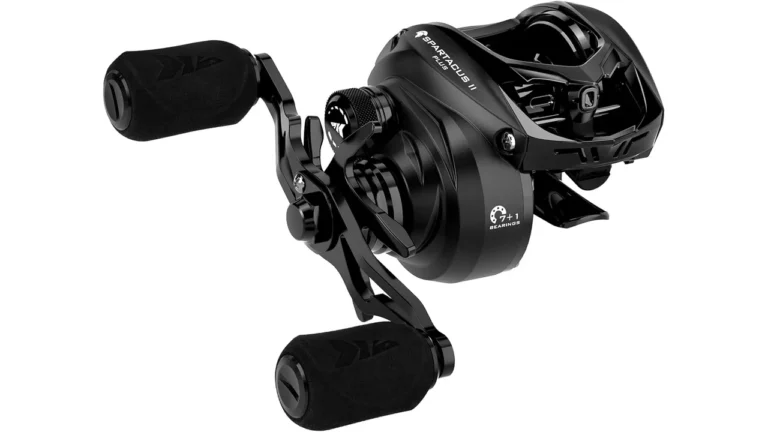
Baitcasting reels are often described by their frame size and spool width. Larger frames and wider spools can accommodate more line. Manufacturers often provide specific line capacity ratings for their baitcasting reels, similar to spinning reels.
It’s important to look at the reel’s model number and then check its specifications. This direct relationship between size and capacity is a fundamental part of Reel Line Capacity Explained: How to Read the Spec Sheet Tip.
Common Pitfalls to Avoid
When dealing with reel line capacity, there are a few common mistakes anglers make. Avoiding these will help you get the most out of your gear.
Over-Spooling Your Reel
Filling your reel with too much line can cause problems. Line can spill off the spool unevenly, leading to tangles and poor casting. It can also create friction, affecting casting distance.
A good rule of thumb is to fill the spool so the line is about 1/8 inch below the lip of the spool.
Avoid over‑spooling: leave about 1/8 inch below the spool lip to prevent tangles and maintain casting distance.
Under-Spooling Your Reel
Conversely, not putting enough line on your reel is also a problem. As mentioned, this can lead to losing fish during runs or during long casts. You want enough line to handle the demands of your fishing situation.
Ignoring Line Diameter Changes
As discussed, different line types and even different brands of the same pound test can have varying diameters. Always consider the actual diameter of your line, not just the pound test, when estimating capacity. This is a critical piece of Reel Line Capacity Explained: How to Read the Spec Sheet Tip.
Not Checking the Spec Sheet for Your Specific Line
Some manufacturers provide line capacity ratings for multiple line types. If yours doesn’t, it’s often based on standard monofilament. If you’re using braid, assume you can fit more line than stated.
It’s always best to check the manufacturer’s recommendations if available.
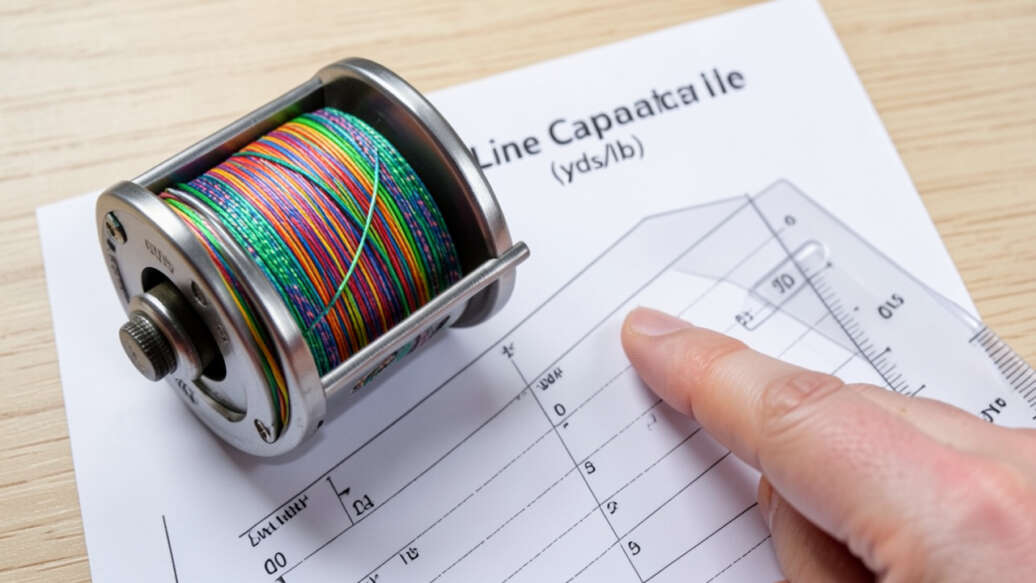
Tips for Maximizing Your Reel’s Line Capacity
While the reel’s design sets the maximum capacity, you can employ a few strategies to make the most of it or manage your line effectively.
Using a Backing Line
For reels that might not hold quite enough line for a specific application, you can use a backing line. This is a cheaper, thinner line (like basic monofilament or even old braided line) that you fill the bottom of the spool with. Then, you tie your main fishing line to the backing.
This allows you to use less of your more expensive main line while still achieving the desired total line length. This is a practical application of Reel Line Capacity Explained: How to Read the Spec Sheet Tip.
When capacity is tight, switching to braided line is often the simplest fix without buying a new reel.
Proper Spooling Technique
How you spool your line onto the reel matters. Ensure the line is coming off the line manufacturer’s spool in the correct direction (usually so the spool on your line roller spins the same way as the reel’s spool). Spool the line with consistent tension.
Avoid over-spooling or under-spooling. Many tackle shops have professional spooling machines that can do this perfectly.
Considering Line Diameter for Your Target Species
If you are targeting large, powerful fish, you will need a higher pound test line. This often means a thicker diameter line, which reduces capacity. You might need to choose a larger reel or use braided line to compensate.
This is a core concept when learning Reel Line Capacity Explained: How to Read the Spec Sheet Tip.
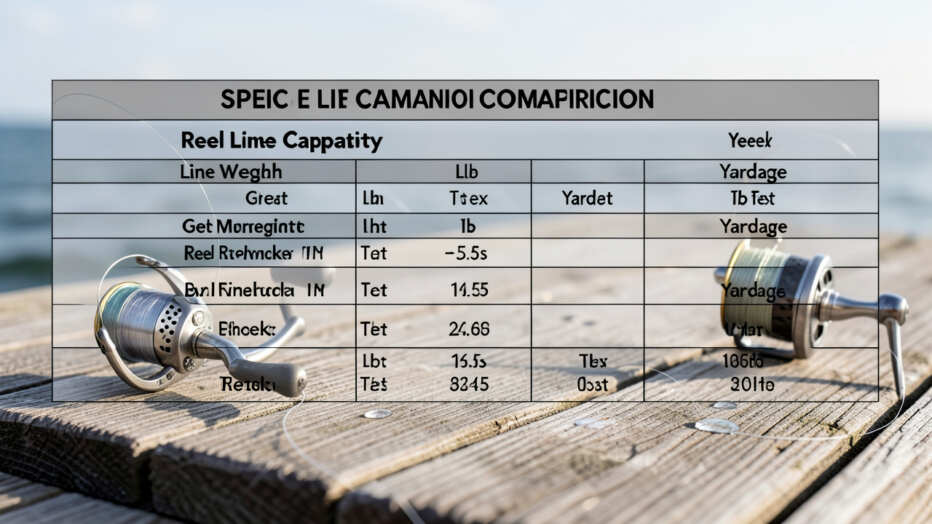
Reel Line Capacity Comparison Table
Use the comparison table to see that fluorocarbon is slightly thicker than mono, so you will get slightly less capacity; plan accordingly.
Frequently Asked Questions
What is the most common way reel line capacity is listed?
It’s usually listed as a pound test of line and the length it can hold, like “10lb/250yds”, or by line diameter and length, like “0.25mm/200m”.
Can I put more braided line on my reel than the spec sheet says for monofilament?
Yes, generally you can fit significantly more braided line because it is much thinner than monofilament of the same strength. This is a key part of Reel Line Capacity Explained: How to Read the Spec Sheet Tip.
What happens if I put too much line on my reel?
Too much line can cause tangles, poor casting, and friction. It’s best to have the line about 1/8 inch below the spool’s lip.
Does reel size directly relate to line capacity?
Yes, larger reels typically have larger spools and are designed to hold more fishing line. This is a fundamental aspect of understanding Reel Line Capacity Explained: How to Read the Spec Sheet Tip.
What is backing line used for?
Backing line is used to fill the bottom of the spool when you don’t want to use a lot of your main fishing line, helping you reach the desired total line length.
Why is fluorocarbon line often thicker than monofilament?
Fluorocarbon lines are denser and stiffer, which often results in a thicker diameter for the same pound test compared to monofilament.
Final Thoughts
Understanding reel line capacity is vital for a successful fishing trip. By knowing how to read spec sheets and considering line types, you can confidently choose the right reel. This ensures you have enough line for any situation, leading to more enjoyable fishing and fewer lost fish.

One Comment