Rod Length And Casting Distance Correlation Explained Today
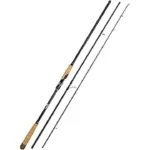
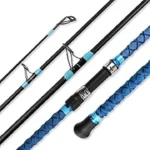
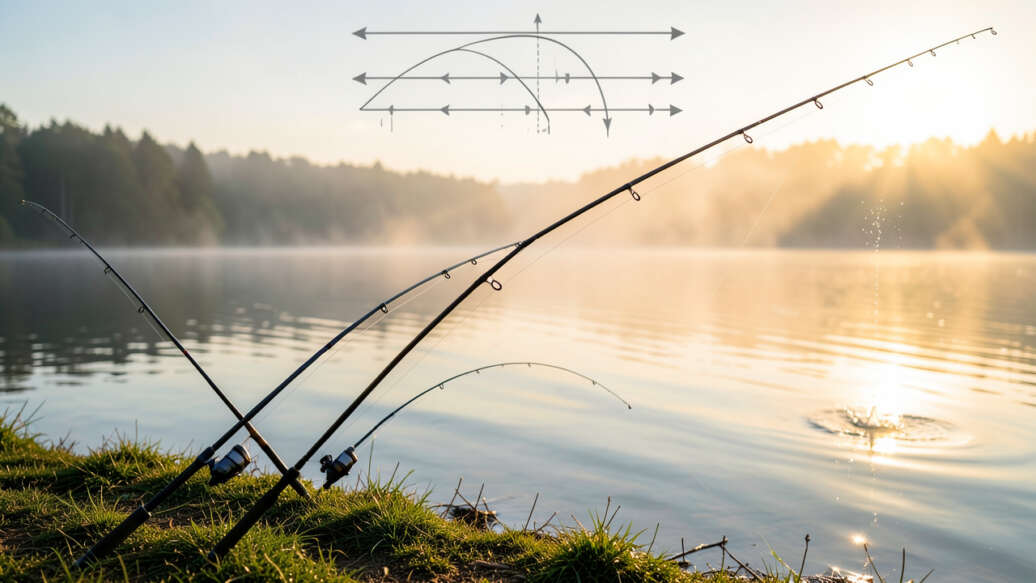
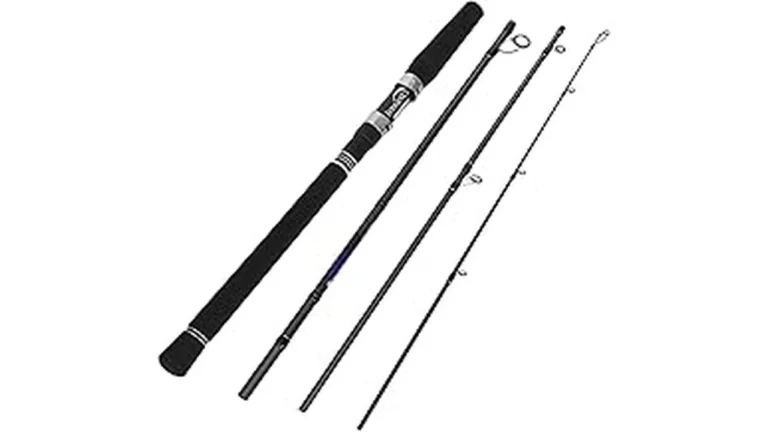
Longer fishing rods increase casting distance by providing greater leverage and generating higher line speed during the casting motion. The rod functions as a lever, where a longer shaft allows the angler to apply force over a wider arc, transferring more energy to the lure. In practical terms, a one-foot increase in rod length typically adds ten to fifteen yards to a cast, but optimal selection depends on fishing conditions, target species, and personal technique. Additional factors including rod action, power, and material also critically influence overall casting performance.
Getting the most out of your fishing rod means understanding how different parts work together. When you’re out on the water, the length of your rod plays a big role in how far you can cast your lure or bait. Knowing this connection helps you choose the right gear for your fishing style and the types of fish you’re after.
We’re going to break down the Rod Length and Casting Distance Correlation Explained Today so you can cast further and fish better. You’ll learn how to pick a rod that gives you that extra distance, making your fishing trips more successful and enjoyable.
Key Takeaways
- Longer fishing rods generally allow for greater casting distances compared to shorter ones.
- Rod length impacts casting mechanics by affecting leverage and line speed.
- The ideal rod length depends on fishing conditions, target species, and angler preference.
- Understanding the Rod Length and Casting Distance Correlation Explained Today helps anglers make informed gear choices.
- Other factors like rod action, power, and material also influence casting performance.
- Matching rod length to casting needs improves fishing efficiency and success.
How Rod Length Boosts Your Cast
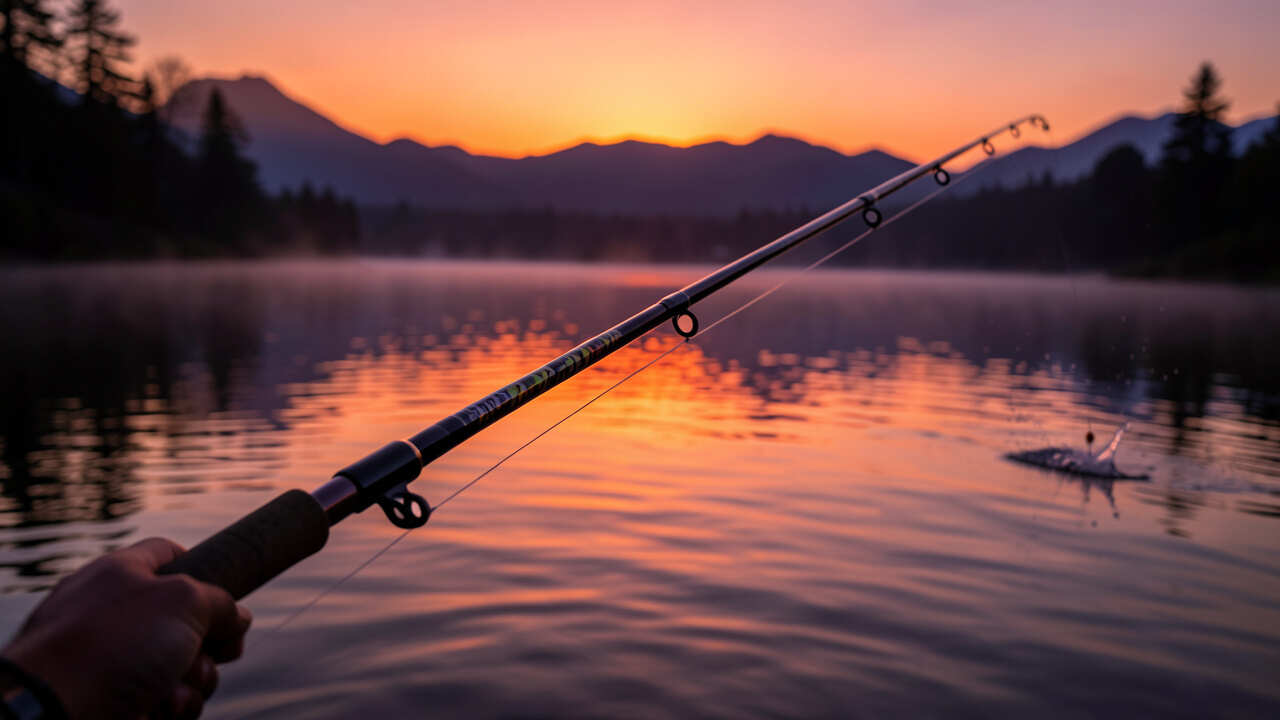
When you’re thinking about casting further, rod length is a key player. Imagine a lever; the longer the lever, the more force you can apply with less effort. A longer fishing rod acts much like that lever.
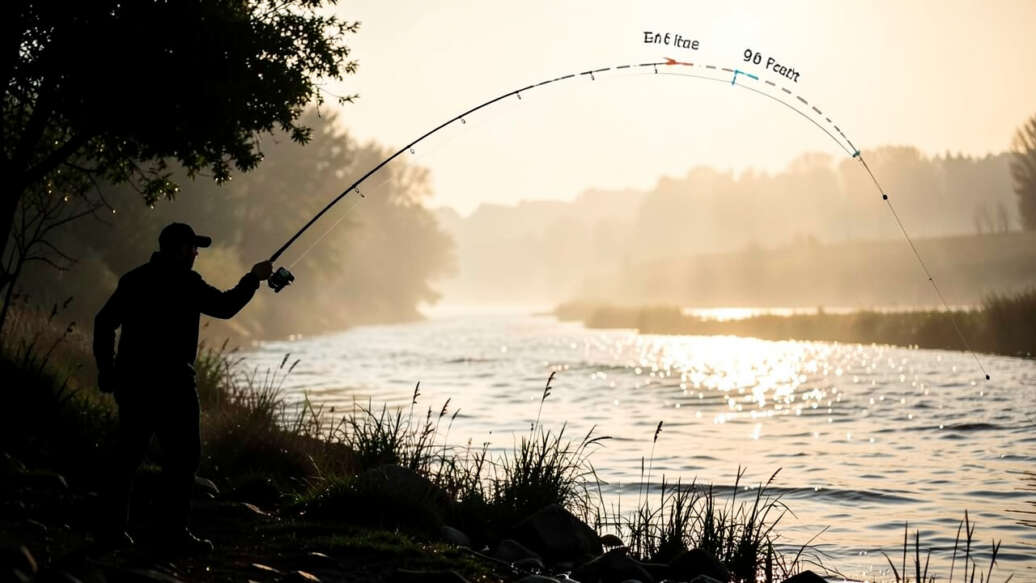
When you swing the rod back and then forward, the tip of a longer rod travels a greater arc. This increased arc helps to generate more speed for your line and lure.
Focus on a smooth, full swing that lets the rod tip trace a wide arc—this generates line speed without extra muscle.
This extra line speed is what really pushes your bait or lure out further. It’s not just about having a long rod; it’s about how that length translates into momentum. The longer the rod, the more time and space it has to build up that speed before you release your cast.
This is a fundamental part of the Rod Length and Casting Distance Correlation Explained Today.
The Physics Behind Longer Casts
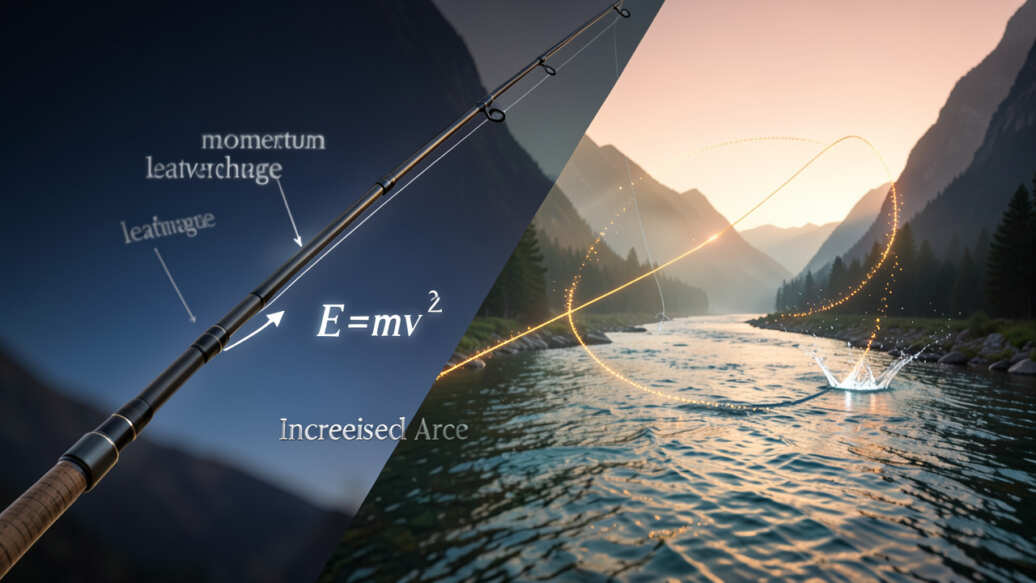
The science behind casting is all about energy transfer. When you cast, you’re loading the rod, storing energy in its bend. Then, as you release, that stored energy is transferred to the line and lure.
A longer rod can store more energy because it bends over a greater distance. This stored energy is released more powerfully.
Think about it this way: a shorter rod bends less, so it stores less energy. A longer rod bends more, storing more energy. This extra stored energy is crucial for achieving maximum casting distance.
The physics is clear: a longer rod stores more energy through greater bend, and that stored energy translates to higher tip speed at release, directly increasing cast distance.
The Rod Length and Casting Distance Correlation Explained Today is heavily influenced by these physics principles.
Furthermore, the tip speed of the rod is a major factor. A longer rod, by its nature, can achieve a higher tip speed during the casting motion. This higher tip speed directly translates into a faster moving line, which in turn propels the lure farther.
It’s a chain reaction where length is the starting point.
Why Rod Length Matters for Different Fishing Styles
Different types of fishing require different casting distances. For example, surf fishing often demands very long casts to reach where the fish might be feeding. In contrast, fishing in a small, quiet stream might only require short, accurate pitches.
Anglers who fish from a boat in open water might benefit from longer rods to cover more water with each cast. This allows them to find fish more efficiently. On the other hand, anglers targeting picky fish in clear, shallow water might need shorter, more precise casts.
For picky fish in clear water, precision often trumps distance—a shorter rod is the key to accurate, subtle presentations.
Understanding this helps in appreciating the Rod Length and Casting Distance Correlation Explained Today.
The type of lure or bait you use also plays a role. Lighter lures need more rod speed to get going, which longer rods can help provide. Heavier lures might be cast effectively with shorter rods, but longer rods can still offer an advantage in distance if used correctly.
Comparing Rod Lengths for Casting
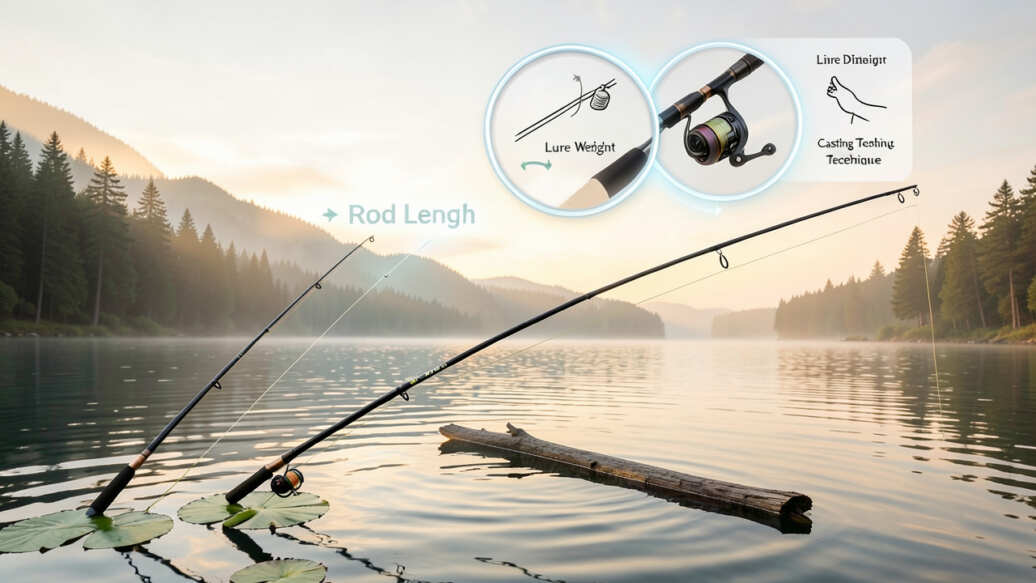
To truly grasp the Rod Length and Casting Distance Correlation Explained Today, let’s look at how different lengths perform. There isn’t a single “best” length; it’s about matching the rod to your needs. Here’s a general idea:
Start with a 7- to 8-foot rod for versatile performance across most freshwater and light saltwater conditions.
As you can see from the table, longer rods are directly linked to greater casting potential. This comparison highlights why the Rod Length and Casting Distance Correlation Explained Today is so important for anglers looking to optimize their performance.
Factors Beyond Length That Affect Casting Distance
While rod length is a major factor, it’s not the only thing that determines how far you can cast. Several other elements work together to achieve optimal distance. These include the rod’s action, power, and the material it’s made from.
Rod Action refers to where the rod bends when pressure is applied. A fast-action rod bends mostly at the tip, which is great for quick, powerful casts. A moderate or slow-action rod bends further down the blank, which can be more forgiving and help load the rod for longer casts with less effort, especially for beginners.
This is a subtle but important part of the Rod Length and Casting Distance Correlation Explained Today.
Avoid overpowering a moderate-action rod; too much force can make it unload too fast, reducing both distance and control.
Rod Power relates to the rod’s stiffness or resistance to bending. A heavier power rod is stiffer and can handle heavier lures and fight larger fish, often associated with longer casts due to better energy transfer. A lighter power rod is more flexible and suited for lighter lures and smaller fish.
The Material of the rod also matters. Most modern rods are made from graphite or fiberglass. Graphite rods are generally lighter and stiffer, offering better sensitivity and casting performance.
Fiberglass rods are more durable and flexible, often preferred for their ‘whippy’ feel, which can be good for certain casting styles.
Choosing the Right Rod Length for You
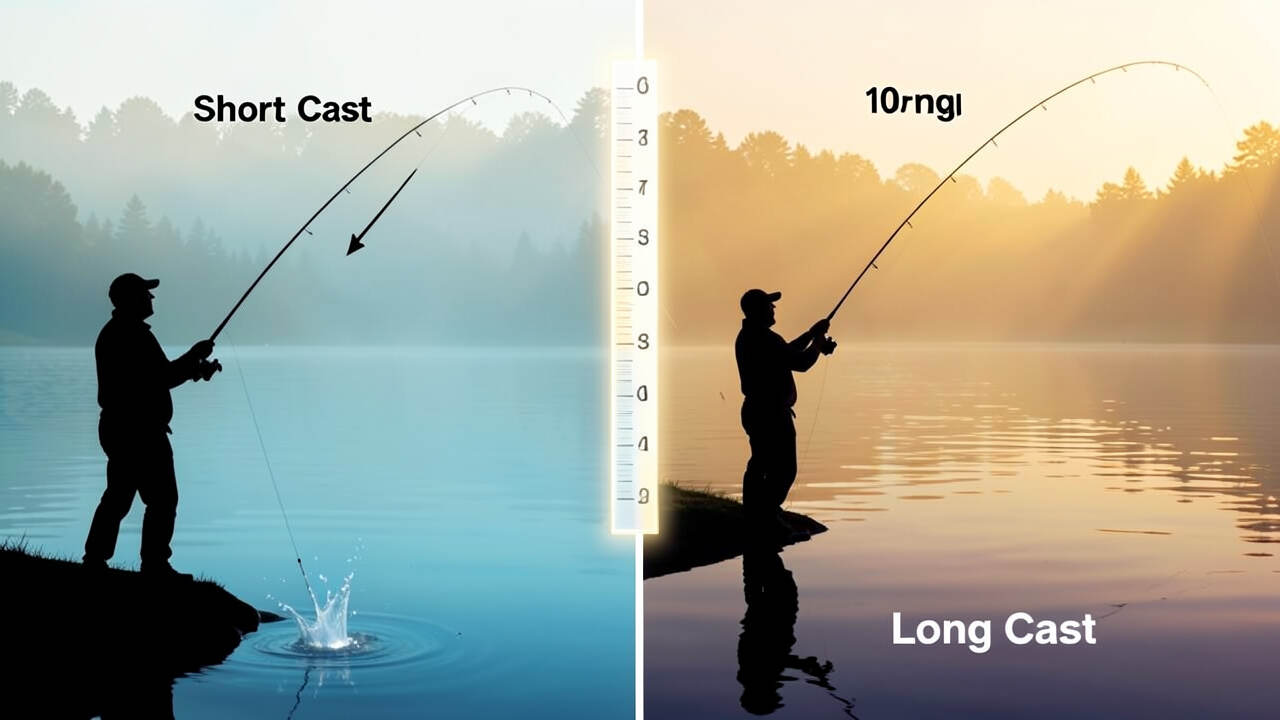
To make the best choice, consider what you’ll be fishing for and where. If you’re fishing from a small kayak or canoe, a shorter rod (5-6 feet) might be more manageable and offer better accuracy for short casts. If you’re fishing from a pier or the beach, a longer rod (9-10 feet or more) will likely be necessary to reach distant fish.
Think about the weight of the lures or bait you typically use. Heavier lures can be cast further with a rod that has enough power to handle them. Lighter lures require a rod that can load up effectively to generate the necessary speed.
Experienced anglers often favor fast-action rods for power, while beginners benefit from slower actions that forgive timing errors and still deliver good distance.
This is where the Rod Length and Casting Distance Correlation Explained Today comes into play with other rod characteristics.
Your personal casting style and experience level are also important. If you’re new to fishing, a slightly shorter, more moderate-action rod might be easier to learn with. As you gain experience, you can experiment with longer rods and faster actions to maximize your casting distance.
Maximizing Casting Distance with Technique
Even with the perfect rod, your casting technique plays a huge role. A good cast involves a smooth, controlled motion. Avoid jerky movements, which can rob your cast of power and accuracy.
First, practice your backcast. Bring the rod tip back smoothly, allowing the rod to load. Second, accelerate the rod forward in a fluid motion.
The timing of your release is critical. You want to release the line when the rod tip is at its fastest point, typically when it’s pointing towards your target.
The moment of release defines your cast—timing it when the rod tip reaches peak speed makes the difference between a long, effortless cast and a short one.
Next, follow through with your cast. This helps ensure all the energy is transferred to the line. Then, pay attention to the wind.
Casting into a strong wind can significantly reduce distance, so you might need to adjust your angle or use a heavier lure.
Finally, practice regularly. The more you cast, the better you’ll become at timing and power. Improving your technique will amplify the benefits of your rod length, making the Rod Length and Casting Distance Correlation Explained Today work for you.
Frequently Asked Questions
Does a longer rod always mean a longer cast?
Generally, yes. Longer rods provide more leverage and allow for higher line speed, which leads to greater casting distances. However, other factors like rod action and angler technique also play a significant role.
What is the best rod length for beginner anglers?
For most beginners, a rod between 6 and 7 feet with a moderate action is a good starting point. These rods are versatile, easier to cast accurately, and forgiving of minor technique flaws.
How does rod action affect casting distance?
A faster action rod bends more at the tip, allowing for quicker acceleration and potentially longer casts with a powerful swing. A slower action rod bends further down the blank, offering a more gradual load and release, which can be easier for some anglers to time for distance.
Is there a limit to how far a rod can cast regardless of length?
Yes, there are limits. While longer rods help, factors like lure weight, line type, wind conditions, and the angler’s physical ability all contribute to the maximum achievable casting distance.
Should I choose a longer rod for saltwater fishing?
Often, yes. Saltwater fishing, especially from shore or in open water, frequently requires longer casts to reach feeding fish, making longer rods beneficial. This reinforces the Rod Length and Casting Distance Correlation Explained Today for specific environments.
Can a heavy lure be cast further with a shorter rod?
Not necessarily. While a shorter rod might be easier to handle with a heavy lure, a longer rod with sufficient power can often transfer energy more effectively for a greater casting distance, assuming the angler can manage the rod’s length and weight.
Final Thoughts
Understanding the connection between your rod’s length and how far you can cast is key to better fishing. Longer rods generally help you cast further by providing more leverage and speed. By matching rod length to your fishing style and practicing good technique, you can significantly improve your casting performance and enjoy more successful days on the water.

One Comment