
When To Use Braided Line: Top Use Cases For Anglers Today Now
Braided line is best used when fishing in heavy cover, detecting subtle bites, making long-distance casts, or performing topwater and jigging techniques where direct control and sensitivity are critical. Its lack of stretch and thin diameter provide unmatched strength and bite detection, leading to fewer lost fish and more successful trips. Anglers who switch to braid in these specific scenarios consistently improve their hook-set power and overall catch rates.
Choosing the right fishing line makes a big difference in how much fun you have and how many fish you catch. Many anglers wonder When to Use Braided Line: Top Use Cases for Anglers Today Now. This line offers unique advantages that can help you catch more fish in specific situations.
Knowing when to spool up with braid means fewer lost fish, better control, and more successful fishing trips. We’ll show you exactly where braided line shines so you can make the best choice for your next outing.
Key Takeaways
- Braided line is excellent for fishing in heavy cover because of its strength and lack of stretch.
- Its sensitivity helps anglers detect subtle bites, especially in deep water or during slow fishing conditions.
- Braided line is a top choice for long-distance casting due to its thin diameter and strength.
- It’s ideal for techniques like topwater fishing and jigging where direct line control is crucial.
- Understanding when to use braided line means anglers can improve hook-setting power and fight larger fish more effectively.
- Braided line is often used as a backing for monofilament or fluorocarbon lines to save reel space and cost.
Maximize Your Catch with Braided Line: The Top Use Cases
Fishing line is a critical piece of gear for any angler. The type of line you use can dramatically affect your success on the water. While monofilament and fluorocarbon have their places, braided line offers distinct advantages that make it the go-to choice for many situations.
Understanding When to Use Braided Line: Top Use Cases for Anglers Today Now will help you unlock better performance and catch more fish.
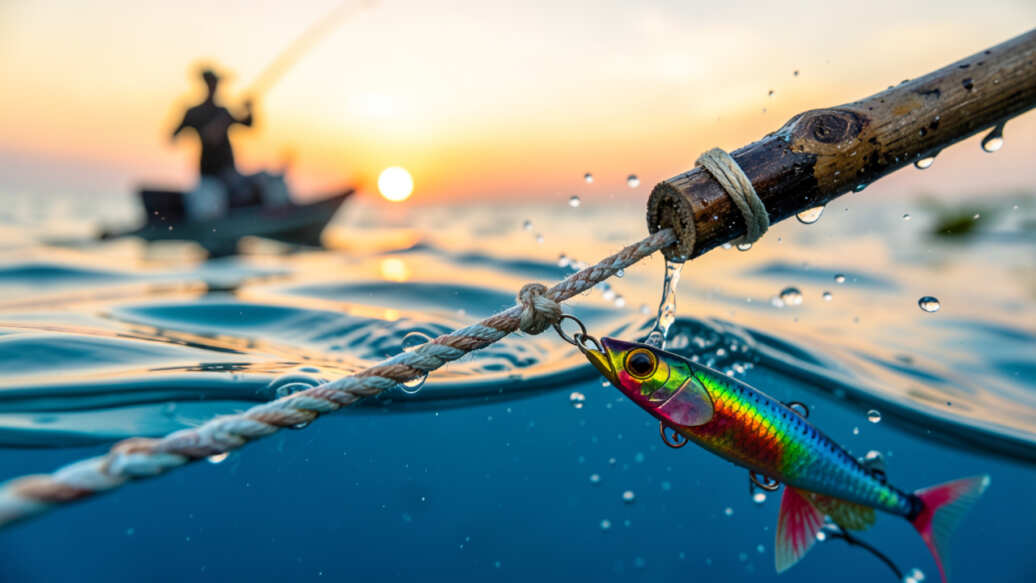
Use braided line's minimal stretch to gain immediate hook-setting power and feel every subtle tap.
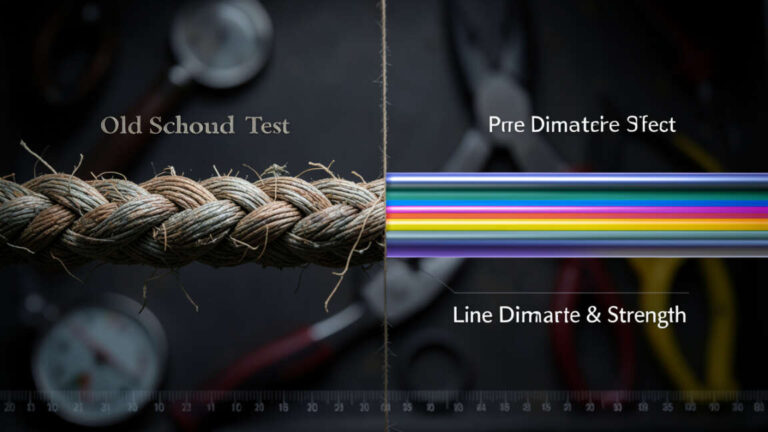
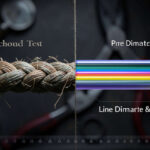
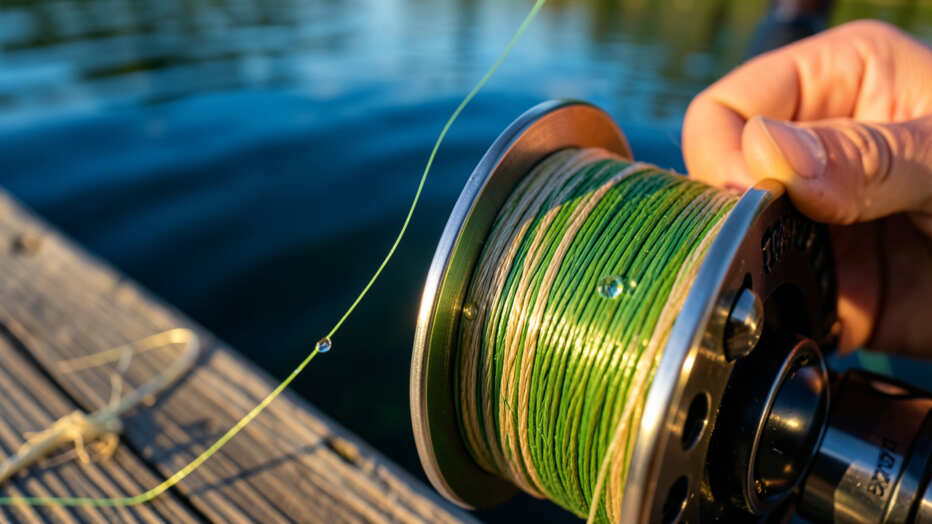
Braided fishing line is made from multiple strands of synthetic fibers woven together. This construction gives it incredible strength for its diameter. It also means braided line has virtually no stretch.
This lack of stretch is a key feature that anglers leverage for specific fishing techniques. We’ll explore the best scenarios where braided line truly shines.
Fishing in Heavy Cover: Braided Line’s Unmatched Strength
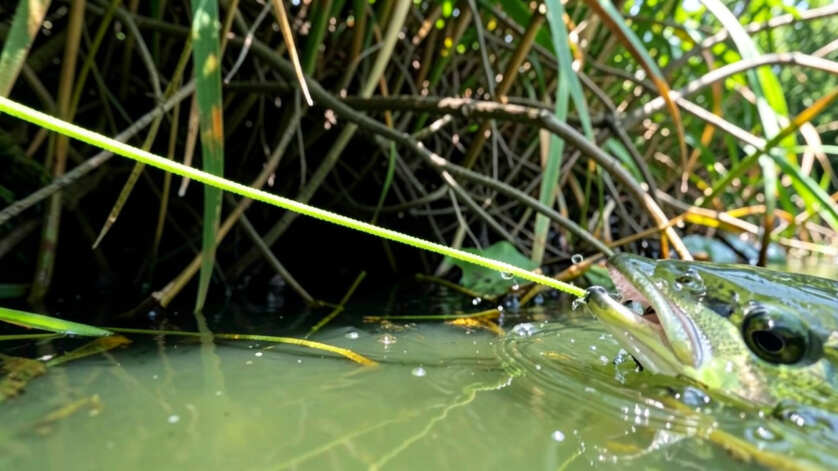
One of the most significant advantages of braided line is its sheer strength and abrasion resistance. When you’re fishing around thick vegetation, submerged logs, or other types of heavy cover, you need a line that can handle the abuse. Braided line is perfect for these tough environments.
When fishing heavy cover, braided line's lack of stretch allows you to set the hook instantly and winch a fish out before it can tangle.
Its minimal stretch allows for immediate power transfer. This means when a fish bites in dense cover, you can set the hook with authority and pull the fish out before it can bury itself or break your line on underwater obstacles. Anglers targeting bass in weed beds, pike in lily pads, or catfish in submerged brush piles often rely on braided line.
The thin diameter also helps cut through weeds and debris more effectively. This means you can cast into tight spots and still have the confidence that your line won’t fray or snap. For situations where you need brute force and the ability to drag fish out of tough spots, knowing When to Use Braided Line: Top Use Cases for Anglers Today Now is crucial.
Detecting Subtle Bites: Braided Line for Ultimate Sensitivity
Fishing is often about detecting what’s happening at the end of your line. Braided line is incredibly sensitive. Because it doesn’t stretch, every slight bump, tap, or pull is transmitted directly to your rod and into your hands.
This is a massive benefit for anglers trying to catch wary or finicky fish.
Think about fishing for walleye with jigs or finesse bass fishing techniques. These methods often involve very subtle takes. With monofilament or fluorocarbon, you might miss these light bites because of the line’s stretch.
Braided line's sensitivity transforms barely perceptible deep-water bites into detectable strikes.
Braided line eliminates that stretch, making those tiny signals unmistakable.
This sensitivity is especially important when fishing in deep water. The longer the line, the more stretch you have with traditional lines. Braided line keeps you in direct contact with your lure and the fish, no matter how deep you are.
This direct connection is a major reason why many anglers choose braid for bottom fishing or drop-shotting. Understanding When to Use Braided Line: Top Use Cases for Anglers Today Now means improving your ability to feel every bite.
Long-Distance Casting: Reaching Further with Braided Line
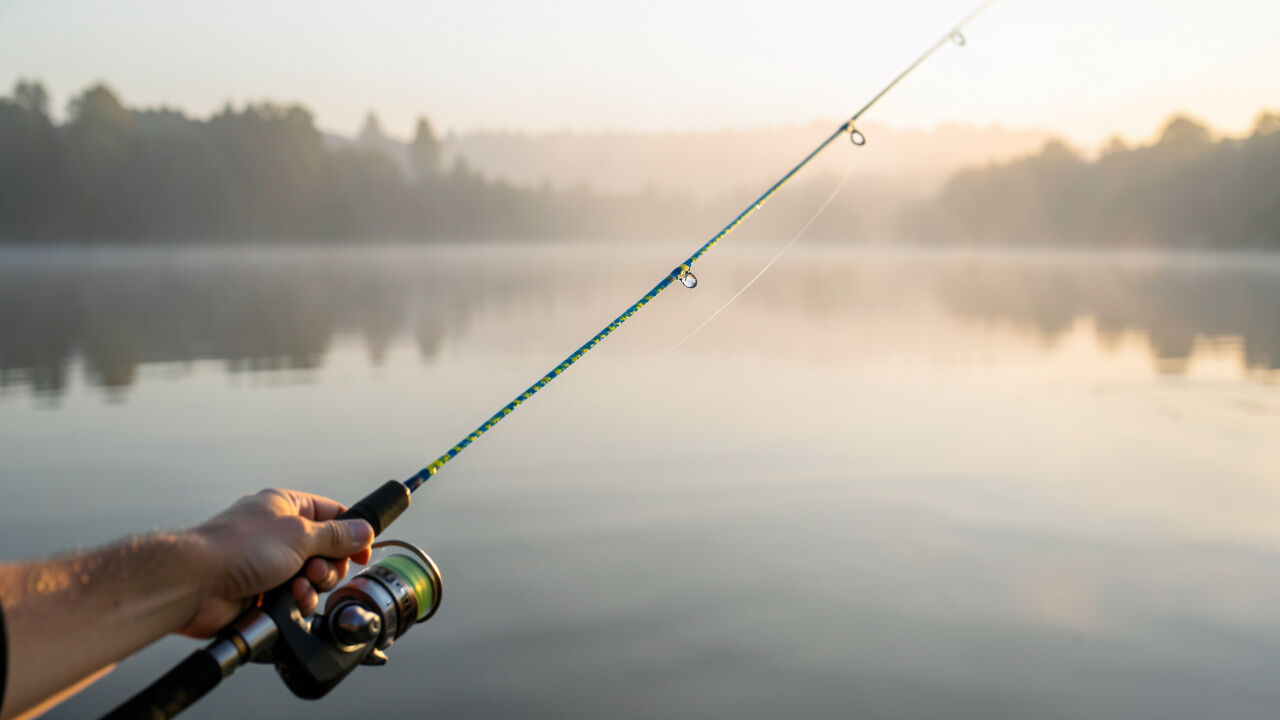
Braided line’s thin diameter is a significant advantage for casting. For its strength, it’s much thinner than monofilament or fluorocarbon. This thinner profile cuts through the air with less resistance, allowing your lure to travel further.
Downsize your lure weight with braided line to cast farther without sacrificing strength.
Anglers who need to cast long distances to reach schooling fish or cover that’s far from the boat will benefit greatly from braided line. This can be particularly useful in open water situations or when fishing large flats. The increased casting distance means you can cover more water and potentially encounter more fish.
Furthermore, the strength of braided line means you can use a lighter lure and still achieve impressive distances. This is because the line’s diameter doesn’t require a heavy lure to cast well. For anglers focused on maximizing their casting range, knowing When to Use Braided Line: Top Use Cases for Anglers Today Now is a key strategy.
Topwater and Jigging Techniques: Direct Control with Braided Line
Certain fishing techniques rely heavily on direct line control and immediate action. Braided line excels in these scenarios.
Topwater Fishing
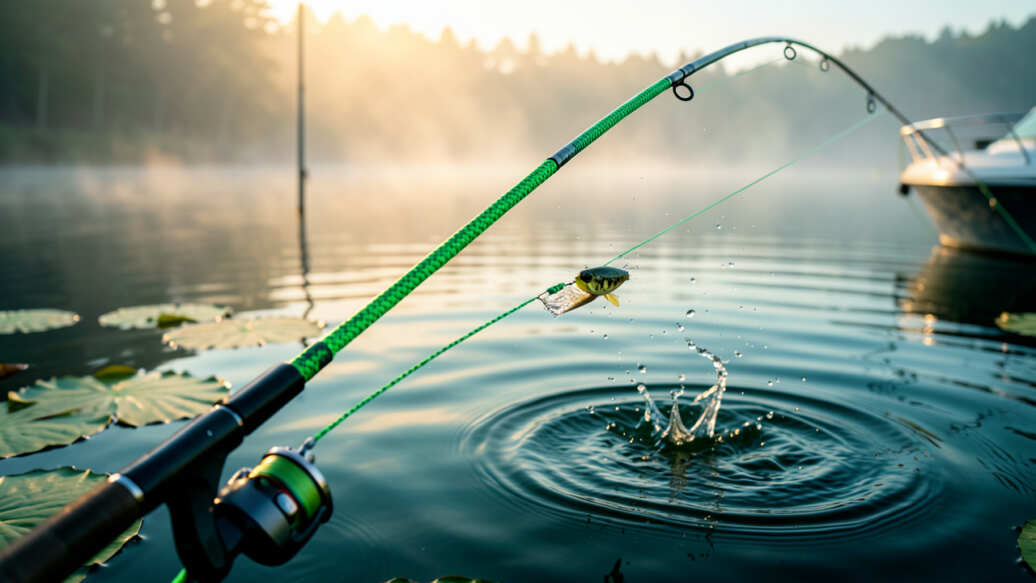
When you’re working a topwater lure, you want to be able to impart precise action to the bait. Braided line’s lack of stretch allows for quick, sharp twitches and pops that make topwater lures come alive. It also helps in setting the hook instantly when a fish strikes on the surface.
The buoyancy of some braided lines can also help keep topwater lures sitting higher on the water.
Braided line's lack of stretch can cause topwater lures to skip or pull too hard; adjust your hookset accordingly.
Jigging
Jigging, whether for walleye, bass, or other species, requires feeling the jig hit the bottom and detecting subtle bites. Braided line’s sensitivity, as mentioned before, is invaluable here. It allows you to work a jig precisely, feeling its movement and any fish interaction.
The immediate hook-set is also critical when jigging.
For techniques where you need to feel every nuance of your lure’s action and set the hook in an instant, understanding When to Use Braided Line: Top Use Cases for Anglers Today Now will significantly boost your effectiveness.
Enhanced Hook-Setting Power with Braided Line
The zero-stretch nature of braided line translates directly into superior hook-setting power. When a fish takes your bait, you need to drive the hook point into its mouth. With stretchy lines, a significant portion of your hook-set motion is absorbed by the line itself.
This means you need a stronger, more forceful sweep to ensure a good hook-up, especially at a distance.
A short, sharp hook-set with braided line is more effective than a heavy sweep, as the line doesn't absorb any energy.
Braided line, however, transfers the power of your rod sweep directly to the hook. This means a shorter, sharper hook-set is often all that’s needed. This is particularly beneficial when fishing with treble hooks, as it helps ensure all points are properly embedded.
Anglers targeting species with tough mouths, like pike or musky, find this immediate power transfer invaluable.
This increased hook-setting power can mean the difference between a fish in the boat and a fish that gets away. Knowing When to Use Braided Line: Top Use Cases for Anglers Today Now empowers you to make this critical advantage work for you.
Braided Line as Backing: A Smart Economical Choice
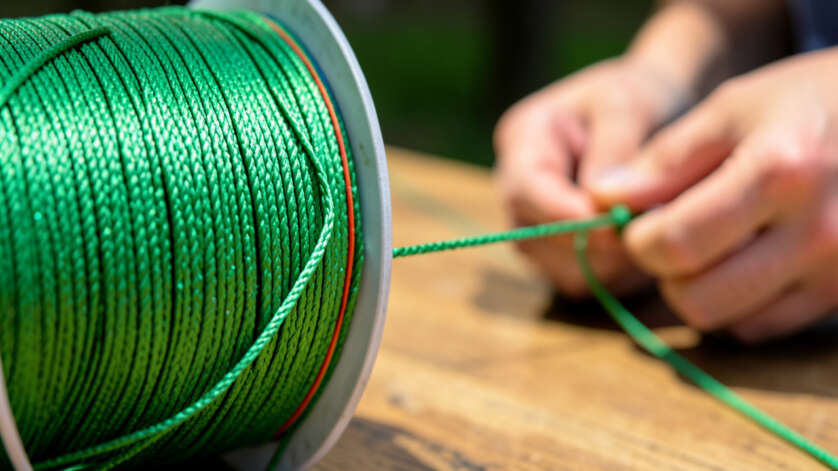
While braided line is excellent on its own, it also serves a vital role as backing on fishing reels. Most anglers don’t need to fill their entire spool with expensive braided line. Instead, they spool a generous amount of braided line onto the reel first.
First, this provides a strong foundation. Second, it saves money because braided line is typically more expensive than monofilament or fluorocarbon. Next, you then top off the spool with your chosen monofilament or fluorocarbon line.
Combining braided backing with a monofilament or fluorocarbon top shot gives you the strength of braid where it matters and cost savings where it doesn't.
This combination gives you the benefits of braided line’s strength and reduced diameter for backing, while allowing you to use a more economical line for the working portion of your spool.
This method is especially popular for saltwater fishing or when targeting large, powerful freshwater species. It ensures you have plenty of line capacity without breaking the bank. It’s a practical application of understanding When to Use Braided Line: Top Use Cases for Anglers Today Now.
Considerations When Using Braided Line
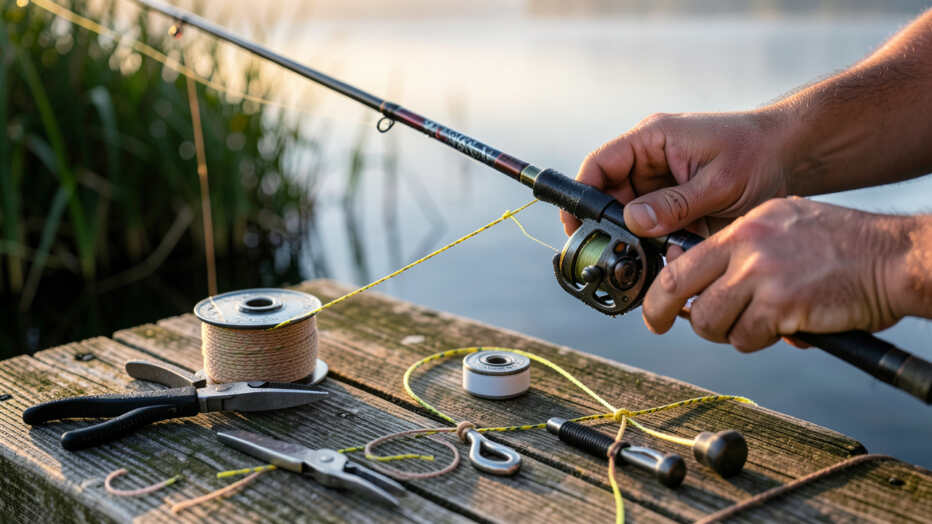
While braided line offers many advantages, it’s important to be aware of its characteristics. Because it has no stretch, it can be harder on lighter tackle if not managed properly. Also, its strength means it can cut into itself on the reel if there’s too much pressure, leading to tangles or line breakage.
Using a backing and ensuring your drag is set correctly helps mitigate these issues.
To prevent braided line from cutting into itself on the spool, use a monofilament backing and set your drag carefully.
Another point to consider is that braided line floats. This can be a benefit for topwater fishing but a drawback for techniques requiring your line to sink quickly. For those situations, a fluorocarbon leader is often used.
The sensitivity can also be a double-edged sword; you might feel more “junk” like weeds or rocks, which can be distracting if you’re not used to it.
Despite these points, the benefits of braided line in the right applications are undeniable. It’s a versatile line that, when used correctly, can significantly improve your fishing results. Mastering When to Use Braided Line: Top Use Cases for Anglers Today Now is a skill that every serious angler should develop.
Frequently Asked Questions
Question: Is braided line good for all types of fishing?
Answer: No, braided line is best for specific situations like fishing in heavy cover, long-distance casting, or techniques requiring high sensitivity. It’s not always ideal for beginners or when a sinking line is needed.
Question: Why is braided line so strong?
Answer: Braided line is made from multiple strands of super-strong synthetic fibers woven together, giving it exceptional tensile strength for its thin diameter.
Question: Do I need a leader with braided line?
Answer: Often, yes. A leader (usually fluorocarbon or monofilament) is used to add invisibility in clear water or to provide stretch for certain lures, while the braid offers strength and sensitivity.
Question: Can braided line hurt my fishing reel?
Answer: Yes, if not managed properly, the immense strength of braided line can cause it to cut into itself on the spool under heavy pressure, leading to tangles. Using a backing and a properly set drag helps prevent this.
Question: When should I NOT use braided line?
Answer: Avoid braided line when you need a line that sinks quickly (like for some bottom fishing), when you’re fishing in very clear, shallow water where visibility is a major concern without a leader, or if you’re a brand new angler who might struggle with its directness.
Question: How does braided line help with hook sets?
Answer: Braided line has virtually no stretch, meaning the force from your hook-set is transferred directly to the hook, allowing for quicker and more powerful penetration, especially at a distance.
Question: Is braided line a good choice for beginners learning When to Use Braided Line: Top Use Cases for Anglers Today Now?
Answer: While effective, the lack of stretch and sensitivity can be overwhelming for absolute beginners. It’s often better to start with monofilament and then transition to braided line as you gain experience.
Final Thoughts
Mastering When to Use Braided Line: Top Use Cases for Anglers Today Now means knowing its strengths for heavy cover, long casts, and sensitive bites. By choosing braided line when it matters most, you gain better control, stronger hook-sets, and a direct connection to your lure, ultimately leading to more successful days on the water.