




Line Memory Explained: Why Mono Coils And How To Fix Today Now
Line memory, particularly the formation of mono coils, occurs when monofilament fishing line retains its spool shape due to prolonged storage and temperature exposure. This unwanted coiling causes tangles and poor casting, but can be effectively removed using methods such as hot water soaking, line stretching, or a line straightener tool. Mastering these simple fixes allows anglers to achieve smoother casts, reduce frustrating tangles, and improve overall fishing success immediately.
Ever feel like your fishing line just won’t behave? It tangles, it coils up, and it makes casting a real chore. This can be super frustrating when you just want to enjoy your time on the water.
We’ll break down what causes this common problem, why it happens with mono coils, and give you simple, practical ways to fix it right now. Getting this right means smoother casts, fewer tangles, and more successful fishing trips.
Key Takeaways
- Understanding Line Memory Explained: Why Mono Coils and How to Fix Today Now helps improve your fishing experience.
- Mono coils happen because the line remembers its spool shape over time.
- Mono coils cause tangles and make casting harder.
- Several easy methods can help remove line memory from your fishing line.
- Proper line care extends the life of your fishing line.
- Knowing how to manage line memory leads to better fishing results.
Why Does Fishing Line Get That Annoying Coil?
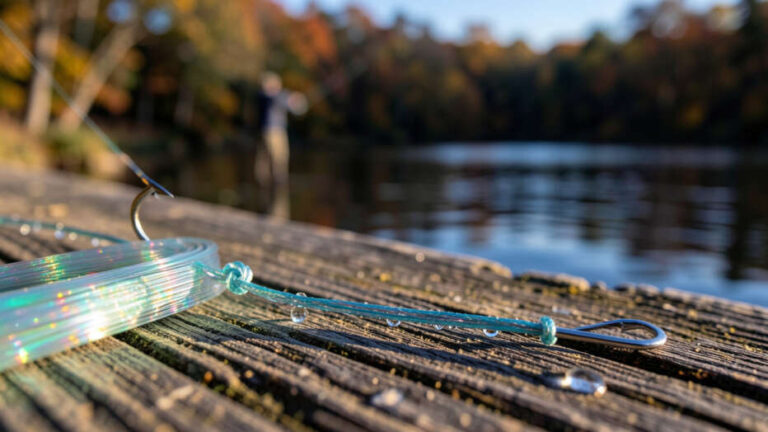
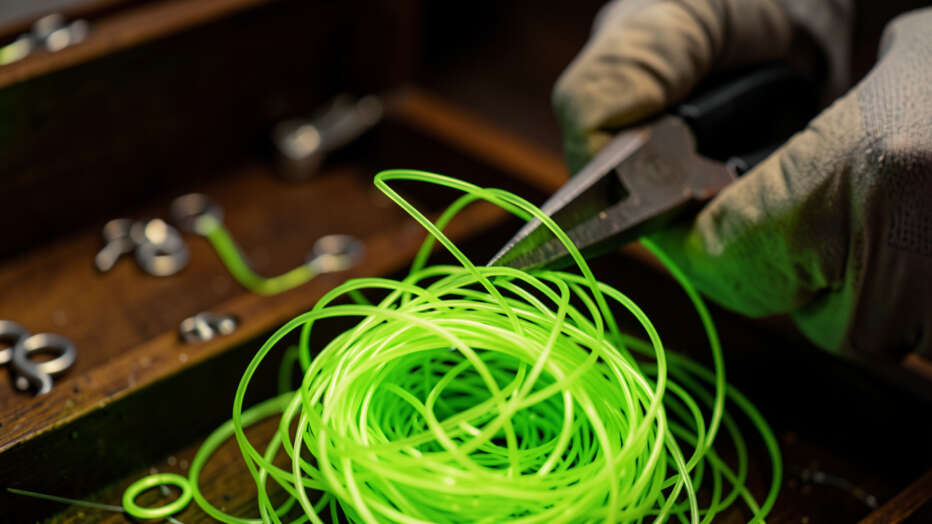
Fishing line, especially monofilament, has a tendency to “remember” the shape it was in on the spool. Think of it like a rubber band that’s been stretched for a long time. When you take it off, it tries to go back to its original coiled shape.
This is what we call line memory. It’s a natural property of many fishing lines. The longer the line stays on the spool, or the warmer the storage conditions, the more pronounced this memory can become.
Store your spools in a cool, dark place to slow down the development of line memory. The longer you leave line on the spool in warm conditions, the more pronounced the coils become.
This is a key part of Line Memory Explained: Why Mono Coils and How to Fix Today Now.
This coiling isn’t just an aesthetic issue. It directly affects how your line performs. When the line is constantly trying to spring back into coils, it doesn’t lay straight when you cast it.
This can lead to loops forming in the air or on the water, causing backlashes and tangles. For anglers, this means lost casting distance and a lot of time spent untangling instead of fishing.

The Role of Mono Coils in Line Memory
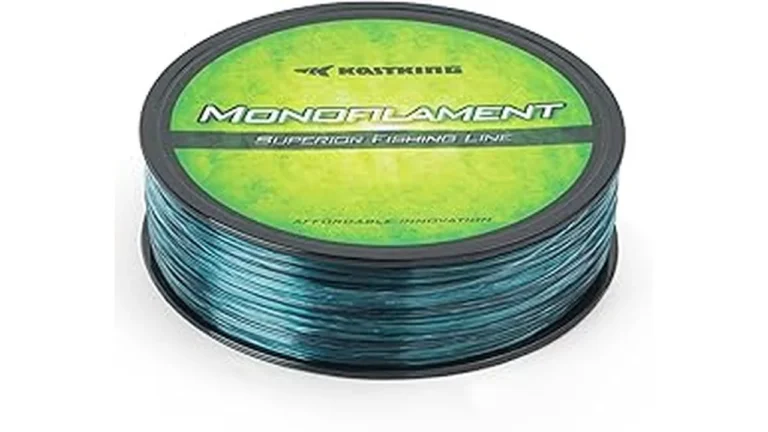
Monofilament line is particularly susceptible to line memory. This is because of its molecular structure. It’s a single strand of plastic.
When it’s manufactured, it’s extruded and then wound onto a spool. Over time, the line takes on the tight, circular shape of that spool. This is the very essence of Line Memory Explained: Why Mono Coils and How to Fix Today Now.
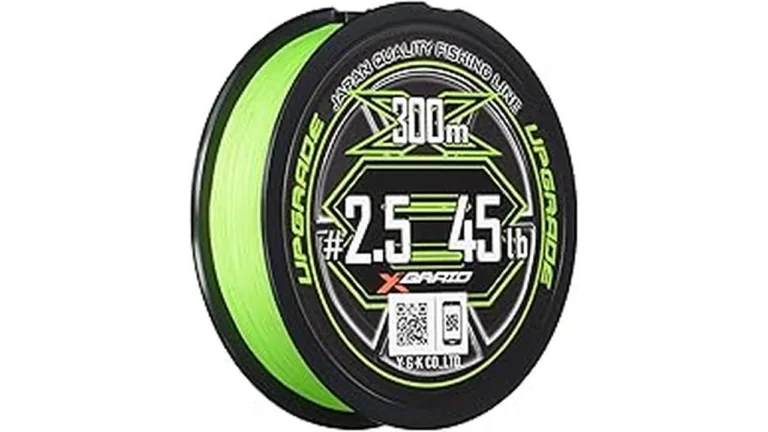
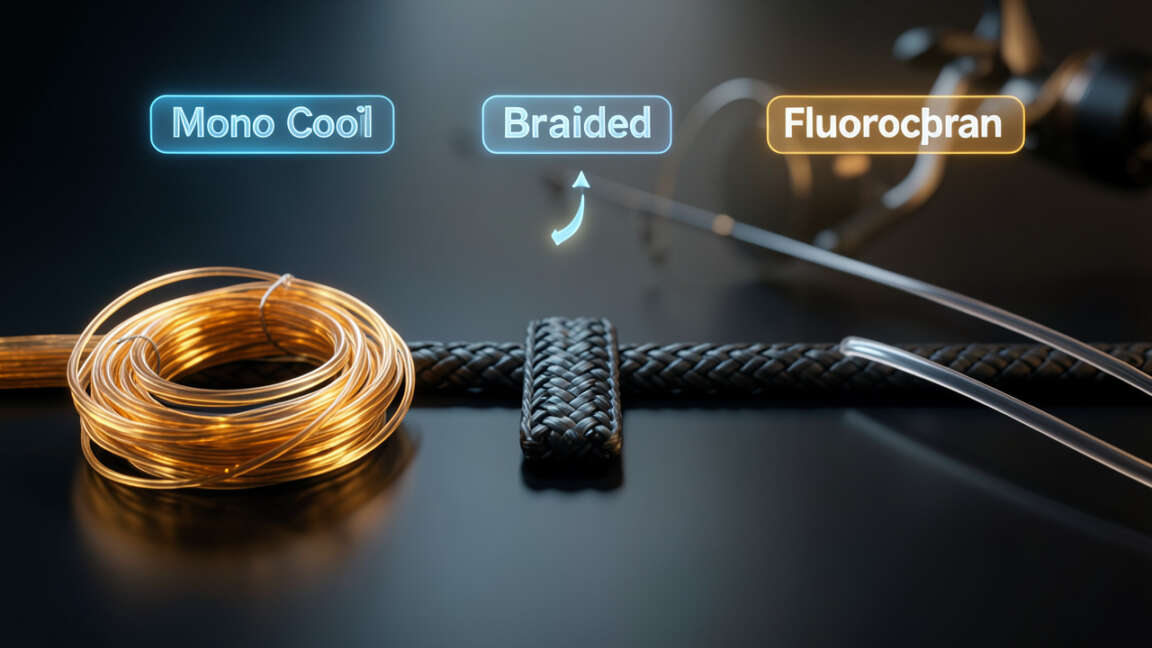
Other line types, like braided or fluorocarbon, often have less memory. Braided line is made of multiple strands woven together, which gives it more flexibility and less tendency to hold a shape. Fluorocarbon is denser and has less stretch, which can also reduce memory.
Unlike monofilament, fluorocarbon's denser molecular structure naturally resists coiling, making it a better choice for anglers who want minimal line memory.
However, monofilament is still very popular due to its affordability, buoyancy, and stretch, which can be beneficial in certain fishing situations.
The tightness of the coil can vary. Some lines might have a slight curl, while others will spring off the spool in tight circles. This tight coiling makes it difficult for the line to flow smoothly off the reel.
It can also cause the line to bunch up on the reel or create friction as it exits the guides.
Why Fixing Line Memory Matters for Every Angler
Addressing line memory is crucial for any angler who wants to fish effectively. A line that’s full of memory is a poorly performing line. It impacts your casting accuracy and distance.
It increases the chances of wind knots and tangles, which can be incredibly frustrating. This directly relates to understanding Line Memory Explained: Why Mono Coils and How to Fix Today Now.
Beyond the immediate fishing performance, persistent line memory can also weaken the line over time. Constantly fighting against the line’s natural coil puts stress on its structure. This can make it more prone to breaking when you hook a fish.
A line fighting its own memory isn't just an annoyance; it's a weak point that can cost you the catch of a lifetime.
So, fixing line memory isn’t just about convenience; it’s about maximizing your success and protecting your catch.
Imagine casting out and getting a perfect presentation every time. Imagine not having to stop and untangle a bird’s nest every few casts. That’s the benefit of managing line memory.
It allows you to focus on fishing, not fighting your equipment. This is why learning how to fix it is so important.
Methods to Remove Line Memory: Step-by-Step Solutions
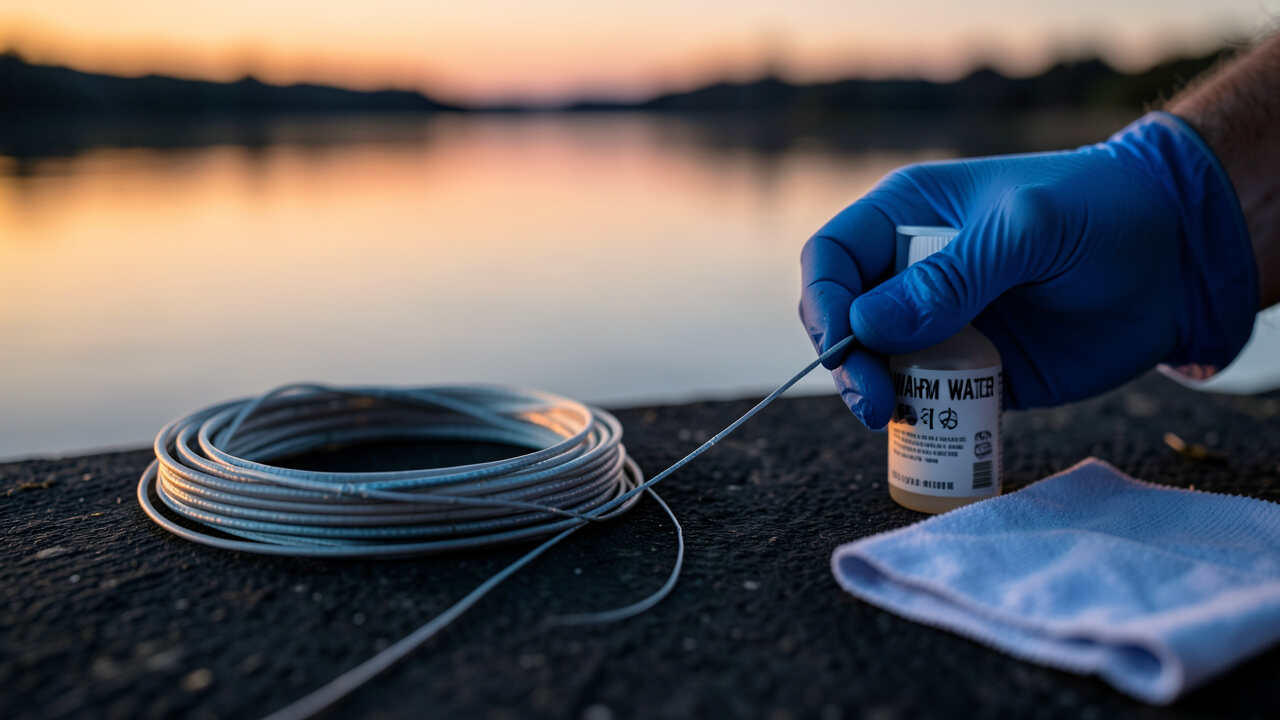
Fortunately, there are several effective ways to combat line memory. These methods are simple and can be done at home or even at the fishing spot. The goal is to relax the line and encourage it to straighten out.
Here are some of the most common and successful techniques.
The Hot Water Soak Method
This is one of the most popular and effective ways to remove line memory. The heat helps to relax the plastic molecules in the monofilament line.
- First, find a large container or bucket. A sink or bathtub can also work if you’re careful.
- Next, fill the container with hot, but not boiling, water. Tap water that’s as hot as you can comfortably get it is usually sufficient.
- Then, carefully lay the coiled fishing line into the hot water. You might need to let it sit on the reel or carefully unspool a good length. Ensure the entire section you want to treat is submerged.
- After about 10-15 minutes, carefully remove the line from the water.
- Finally, gently pull the line straight. You should notice that it is much more pliable and has less of a tendency to coil. You can then reel it back onto your reel.
This method is great for lines that have developed significant memory. It’s a gentle way to reshape the line without causing damage. Many anglers swear by this technique for fresh and saltwater applications.
Stretching the Line
Another straightforward method involves physically stretching the line. This helps to pull out the coils and reset the line’s memory.
For a quick fix on the water, simply stretch the line between your hands; the friction heat will help relax the memory.
- First, find an open area. This could be a backyard, a park, or even a long pier.
- Next, tie the tag end of your fishing line to a fixed object. This could be a tree, a fence post, or a sturdy railing.
- Then, walk away from the fixed object, letting out line. Keep a slight tension on the line as you walk. You don’t want to stretch it to its breaking point, but you do want to feel some resistance.
- After you have let out a good amount of line (e.g., 50-100 yards), gently pull on the line for about 30 seconds.
- Finally, reel the line back in slowly, maintaining a light tension.
This process can be repeated a couple of times if necessary. It’s important not to over-stretch the line, as this can weaken it. The goal is to coax the memory out, not to break it.
Using a Line Straightener Tool
For anglers who want a dedicated tool, line straightener devices are available. These tools are designed to glide over the line, applying a gentle pressure that removes coils.
- How they work: You typically thread the line through the tool and pull it through. Some tools have rollers, while others use a specific material to create friction and tension.
- Benefits: They are quick to use and can be very effective, especially for removing moderate memory. They are portable and can be used right at the fishing spot.
- Considerations: They are an additional purchase, and their effectiveness can vary depending on the tool’s design and the severity of the line memory.
Using a line straightener is a convenient option for those who frequently deal with line memory issues. It’s another way to address Line Memory Explained: Why Mono Coils and How to Fix Today Now.
The Reel Spooler Method
If you’re respooling your reel, you can use the spooling process itself to help reduce memory.
- First, set up your new line spool and your fishing reel.
- Next, place the new line spool on a rod or a spooling station so it can rotate freely.
- Then, thread the line through a damp cloth as you wind it onto your reel. The slight friction and moisture can help lay the line down smoother and reduce its tendency to coil.
- After you’ve spooled the reel, take it out and cast it a few times to help the line settle.
This method is integrated into the spooling process, making it efficient. It’s a proactive approach to managing line memory from the start.
Understanding Different Line Types and Memory
While monofilament is notorious for line memory, it’s worth noting how other popular line types compare. This context helps in understanding Line Memory Explained: Why Mono Coils and How to Fix Today Now.
Thicker fluorocarbon lines still accumulate memory over time; don't assume all fluoro is immune to coiling.
Monofilament (Mono)
- Pros: Affordable, floats well, good stretch (acts as a shock absorber).
- Cons: High line memory, stretches significantly (can reduce sensitivity), can degrade in UV light.
- Memory Impact: The most prone to line memory due to its single-strand construction and elasticity.
Fluorocarbon (Fluoro)
- Pros: Nearly invisible underwater, sinks, low stretch, good sensitivity, less memory than mono.
- Cons: Can be more expensive, less abrasion resistant than some monos, can be stiffer.
- Memory Impact: Generally has less memory than monofilament, but can still develop some, especially thicker diameter lines.
Braided Line
- Pros: Extremely strong for its diameter, no stretch (high sensitivity), no memory, floats.
- Cons: Highly visible, can cut into reel spool if not backed properly, requires different drag settings due to no stretch.
- Memory Impact: Virtually no line memory. Its woven structure prevents it from holding a coiled shape.
This comparison highlights why monofilament users often face memory issues. However, the benefits of mono often outweigh this drawback for many anglers, making line memory management a necessary skill.
Preventing Line Memory in the First Place
While we’ve discussed how to fix line memory, preventing it is even better. A few simple practices can go a long way in keeping your line performing optimally.
When spooling new line, ensure it comes off the supply spool in the same direction it winds onto your reel to reduce initial memory.
Proper Spooling Techniques
- Direction Matters: When spooling new line onto your reel, ensure the line is coming off the new spool in the same direction it will be wound onto your reel. If you have a spinning reel, the line should come off the spool in a way that it rotates in the same direction as the spool. This is crucial for minimizing memory.
- Tension Control: Spool the line with consistent, moderate tension. Too little tension can lead to loose wraps that can dig into each other and increase memory. Too much tension can actually stretch and damage the line, also contributing to memory.
Storage Solutions
- Cool, Dark Place: Store your fishing gear, especially your reels with line on them, in a cool, dark place. Heat and UV light can degrade fishing line and make it more prone to developing memory.
- Avoid Compression: Don’t store reels in places where they might be compressed or have other heavy items resting on them. This can deform the line on the spool.
Regular Line Replacement
Fishing line doesn’t last forever. Over time, it loses its strength and flexibility. Replacing your line periodically, especially if you fish frequently, is the best way to ensure you’re not dealing with old, tired line that has set in severe memory.
The lifespan of fishing line varies. Factors like how often you fish, the types of fish you target (which can cause line stress), and environmental conditions all play a role. A general guideline is to respool at least once a year, or more often if you notice significant wear or memory.
Troubleshooting Common Line Memory Issues
Sometimes, even with the best practices, line memory can be persistent. Here are a few things to consider if you’re still having trouble.
Severe Memory
If your line is extremely coiled, you might need to combine methods. For instance, you could try the hot water soak followed by stretching the line. For very stubborn memory, you might need to repeat a method a couple of times.
When no method restores your line's flexibility, brittle monofilament signals it's time for a fresh spool—not another soak.
Line Damage
If your line has been on the reel for a very long time, or subjected to harsh conditions, it might be damaged. If stretching or soaking doesn’t seem to help, or if the line feels brittle, it might be time for a complete replacement. A damaged line will never perform as well, regardless of memory.
Reel Issues
While line memory is about the line itself, a malfunctioning reel can exacerbate the problem. Ensure your reel is clean and properly lubricated. A reel that doesn’t allow the line to spool evenly can contribute to tangles and make memory seem worse than it is.
Comparing Line Memory Fixes: What Works Best?
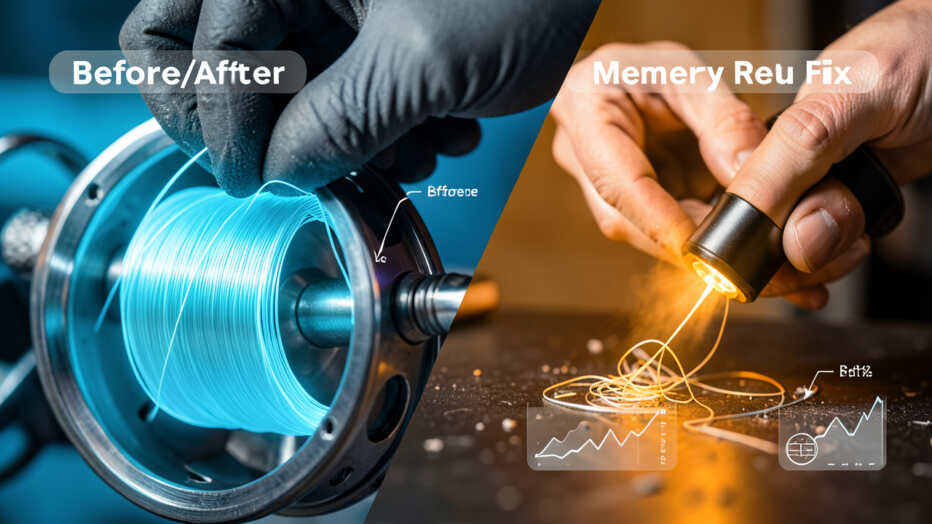
When it comes to tackling line memory, different anglers prefer different methods. It often comes down to convenience and the severity of the memory. Here’s a quick comparison:
For mild memory, stretching the line between your hands is the easiest field fix and requires no gear at all.
Understanding these options helps you choose the best approach for your situation. This is a vital part of Line Memory Explained: Why Mono Coils and How to Fix Today Now.
Frequently Asked Questions
Question: What causes my fishing line to coil up so badly?
Answer: Your fishing line coils up primarily because it’s “remembering” the shape of the spool it was wound on. This is known as line memory, especially common in monofilament lines.
Question: Is it bad if my monofilament line has a lot of memory?
Answer: Yes, a lot of line memory is bad. It leads to tangles, reduced casting distance and accuracy, and can even weaken the line over time.
Question: How often should I replace my fishing line to avoid memory issues?
Answer: It’s a good idea to replace your fishing line at least once a year, or more frequently if you fish often or notice significant wear and memory.
Question: Can I fix line memory while I’m at the fishing spot?
Answer: Yes, you can often reduce line memory at the spot by stretching the line or using a line straightener tool. The hot water method is best done before you go fishing.
Question: Does braiding line have line memory?
Answer: No, braided fishing line typically has very little to no line memory because of its construction. It’s woven from multiple strands, which prevents it from holding a coiled shape.
Question: What is the best way to fix line memory for Line Memory Explained: Why Mono Coils and How to Fix Today Now?
Answer: The hot water soak is often considered one of the most effective ways to significantly reduce line memory in monofilament lines.
Final Thoughts
Dealing with fishing line memory, especially from mono coils, can be frustrating. But by understanding why it happens and using simple fixes like hot water soaks or stretching, you can easily improve your line’s performance. Managing line memory means smoother casts, fewer tangles, and a more enjoyable time on the water, helping you catch more fish.