

Early Morning Bass Fishing: The Topwater Window Explained
The topwater window is the brief period at dawn when low light levels and cooler water temperatures trigger bass to feed aggressively on the surface. This peak feeding time typically lasts 30 to 90 minutes after sunrise, with exact duration depending on cloud cover and water clarity. Using a walking bait like a Zara Spook with a steady retrieve during this window forces reaction strikes from actively feeding fish. Anglers who identify and fish this window consistently catch more bass by matching lure selection and retrieval speed to the prevailing weather and water conditions.
Catching bass when they’re hungry and active can be incredibly rewarding. Many anglers know that the early morning hours are prime time, but understanding precisely when and how to exploit this period is key. This is where grasping the concept of Early Morning Bass Fishing: The Topwater Window Explained truly matters.
Knowing when this window opens and closes helps you focus your efforts, choose the right lures, and ultimately, land more fish. We’ll show you exactly what makes this time so special and how you can make the most of it for your next fishing trip.
Key Takeaways
- Understand the specific conditions that create the early morning bass fishing: the topwater window explained.
- Learn how light levels and water temperature influence bass behavior during this prime time.
- Discover the best topwater lures for different early morning scenarios.
- Gain insights into effective retrieval techniques for topwater baits.
- Know how to adjust your strategy based on weather and water conditions.
- Improve your chances of success by timing your trips perfectly for this feeding frenzy.

Why Early Morning Bass Fishing is Special
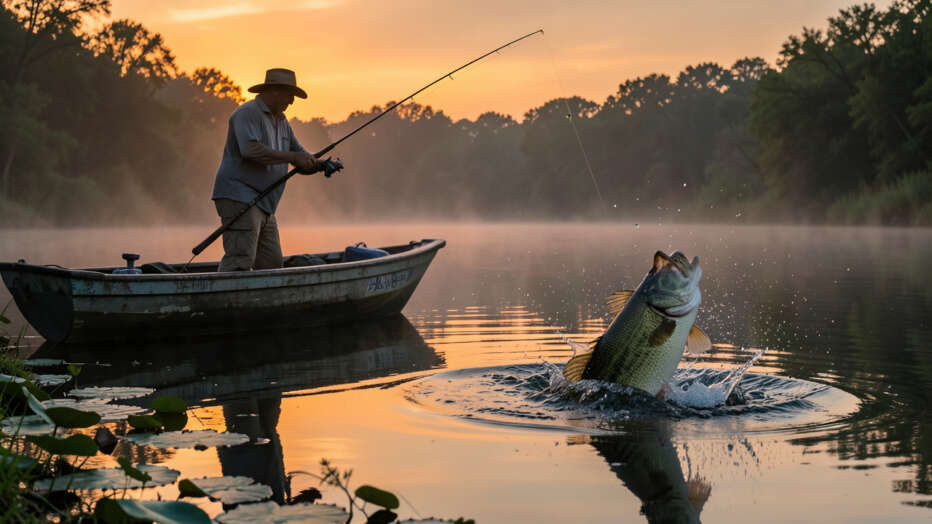
Bass are often more active and aggressive in the early morning. This is because the water is cooler, and the low light conditions make them feel more secure. They’ve had a chance to rest overnight and are ready to feed.
This combination of comfort and hunger makes them prime targets for topwater lures.
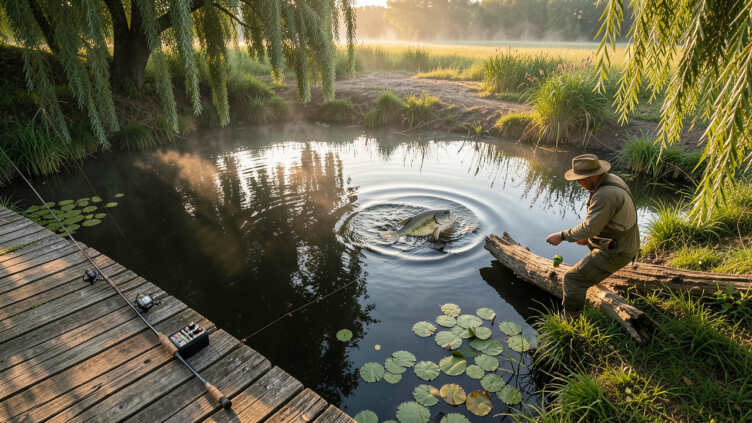
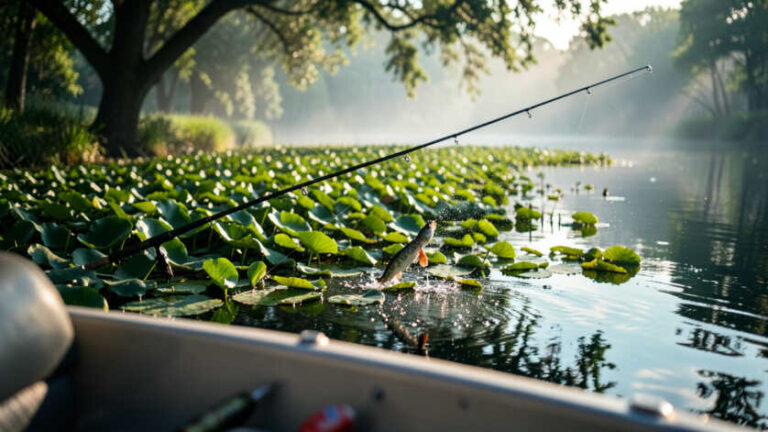
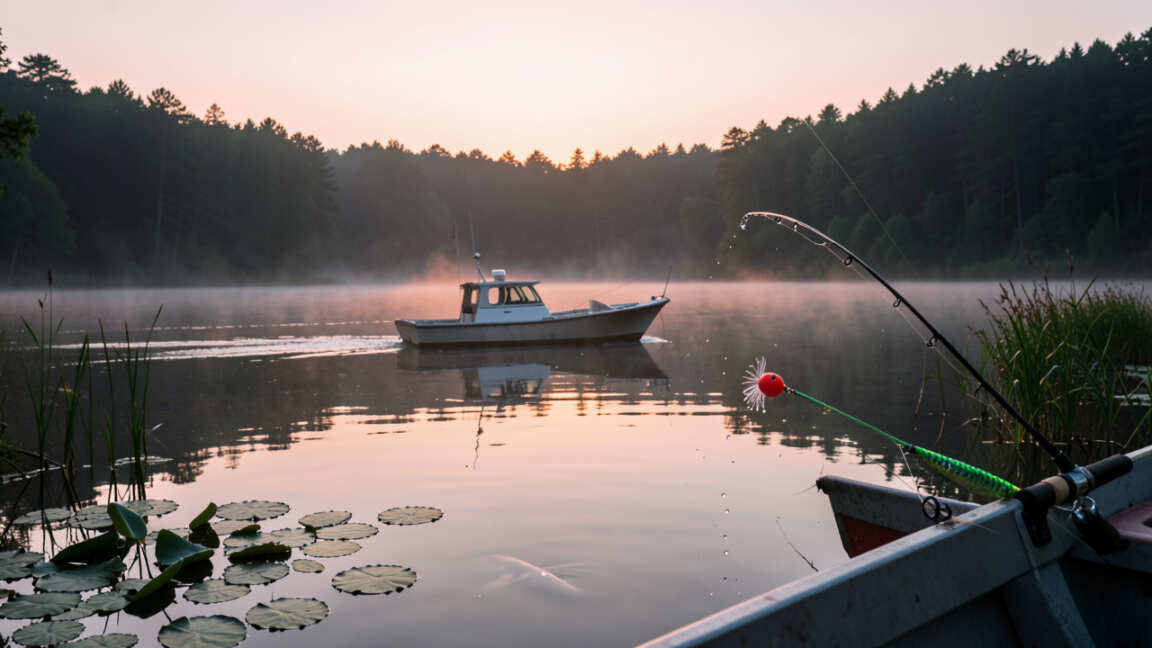
The low light of early morning lets bass move into the shallows with less risk, so focus your topwater casts along weed edges and near banks where they hunt.
The period just before and after sunrise is often referred to as the “golden hour” for fishing. During this time, the sun is low on the horizon, casting a soft light. This low light is crucial for bass.
It allows them to move into shallower waters without being overly exposed to predators or the harsh sun.
Understanding the nuances of early morning bass fishing: the topwater window explained can significantly boost your catch rates. It’s not just about being out on the water; it’s about being out there when the fish are most likely to strike your bait aggressively.
The Science Behind the Topwater Window
Several factors contribute to the creation of the topwater window. Light penetration is a major one. As the sun rises, light levels increase.
Bass, especially larger ones, prefer slightly darker conditions for feeding. They are ambush predators, and low light helps them hide.
Water temperature also plays a vital role. Cooler morning temperatures are more comfortable for bass than the heat of the midday sun. As the sun warms the surface water, bass may retreat to deeper, cooler areas.
Rising sun triggers photosynthesis that boosts oxygen, but the best topwater window closes before oxygen limits the bite, so target the first hour after sunrise.
This is why the early morning can be so productive before the heat really sets in.
Oxygen levels can also be a factor. Early mornings, especially after a still night, can sometimes have lower dissolved oxygen near the surface. However, as the sun starts to warm the water, photosynthesis begins, increasing oxygen.
The prime feeding window often occurs before oxygen levels become a limiting factor or when they are optimal.
This interplay of light, temperature, and oxygen is what defines the early morning bass fishing: the topwater window explained. It’s a brief but often intense period of feeding activity.
Identifying the Prime Time
The exact timing of the topwater window varies. It usually starts just before sunrise and can last for an hour or two after. The intensity of the bite often peaks as the sun breaks the horizon.
However, cloudy or overcast mornings can extend this window.
Consider the season. In spring and fall, when water temperatures are cooler, the topwater bite can be more prolonged. In the heat of summer, the window might be shorter and start earlier.
While the bite typically peaks at sunrise, overcast mornings can stretch the topwater window, giving you more time to tempt bass on the surface.
Winter fishing rarely involves topwater, but some warmer southern climates might see exceptions.
Pay attention to the sky. A clear sky means the sun will quickly brighten the water, potentially shutting down the topwater bite sooner. Overcast skies diffuse the light, keeping the water darker for longer and extending the feeding period.
The key is observation. Watch the water. If you see baitfish activity or hear surface disturbances, the fish are likely feeding.
This active feeding is the core of early morning bass fishing: the topwater window explained.
Choosing the Right Topwater Lures
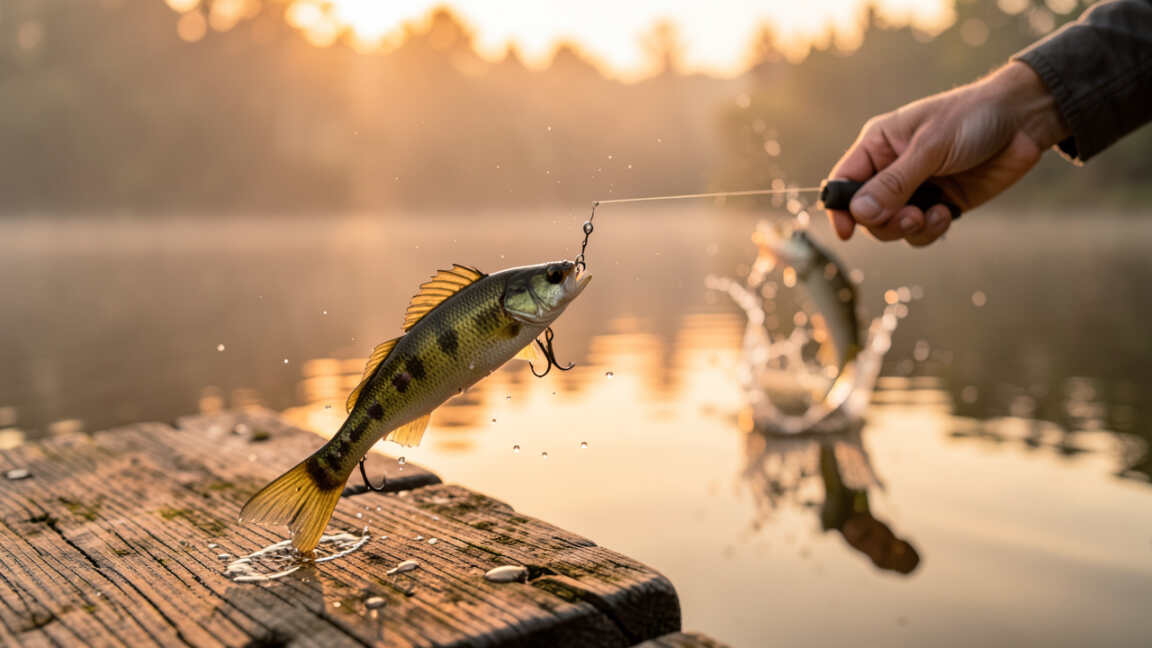
For the early morning topwater bite, a variety of lures can be effective. The choice often depends on the type of structure and the mood of the fish.
Poppers: These lures create a splashing, popping sound when twitched. They are excellent for drawing attention and triggering strikes. Use them around visible cover like lily pads or over submerged structure.
Walk-the-Dog Baits: These lures have a side-to-side swimming action when retrieved with a steady cadence. They are very effective over open water or along weed lines.
Match your topwater lure to the structure: poppers around visible cover, walk-the-dog baits over open water, and prop baits for attracting attention across a wide area.
Prop Baits: Lures with propellers on the front or back create commotion and flash. They are great for covering water and attracting aggressive bass.
Frogs and Buzzbaits: These are ideal for fishing over thick vegetation like lily pads or grass mats. They mimic natural prey struggling on the surface, which bass find irresistible.
The effectiveness of a lure is tied to how well it imitates natural prey and how much commotion it makes. Early morning is often about getting the bass’s attention, and topwater lures excel at this.
Effective Retrieval Techniques
How you work your topwater lure is just as important as the lure itself. Different lures require different retrieves to be most effective.
For Poppers: A sharp twitch of the rod tip creates the “pop.” You can vary the cadence from short, sharp pops to longer pauses. Experiment to see what triggers a strike. Sometimes, a long pause after a pop can be deadly.
Avoid a monotonous retrieve with poppers; vary your cadence with sharp pops and long pauses to trigger strikes from hesitant bass.
For Walk-the-Dog Baits: A steady, rhythmic twitch of the rod tip while reeling slowly makes these lures sashay back and forth. Keep the line slightly slack between twitches to allow the lure to glide properly.
For Frogs and Buzzbaits: These are often best fished with a steady retrieve, but occasional pauses can induce strikes, especially if the lure seems to be “struggling.” A faster retrieve can also be effective to cover water and find active fish.
The goal is to make the lure look like an easy meal that is either injured or struggling. This is a crucial part of mastering early morning bass fishing: the topwater window explained.

Reading the Water and Conditions
To maximize your success, you need to read the water and conditions accurately. Look for signs of baitfish activity. Small splashes, dimples on the water, or jumping baitfish are clear indicators that bass might be feeding.
Consider the wind. A light chop on the water can actually help your topwater bite. It breaks up your silhouette and can make your lure look more natural.
A light chop on the water benefits topwater fishing by disguising your presence, but heavy wind reduces lure control, so stick to moderate wind conditions.
Too much wind, however, can make it difficult to control your lure and present it effectively.
Structure is always important. Bass often relate to structure, even when feeding on the surface. Look for points, drop-offs, weed lines, laydowns, and other features that might attract baitfish and, consequently, bass.
The clarity of the water also matters. In clear water, bass can see your lure from farther away, but they can also see you. In stained or muddy water, you might need a lure that makes more noise and vibration to attract attention.
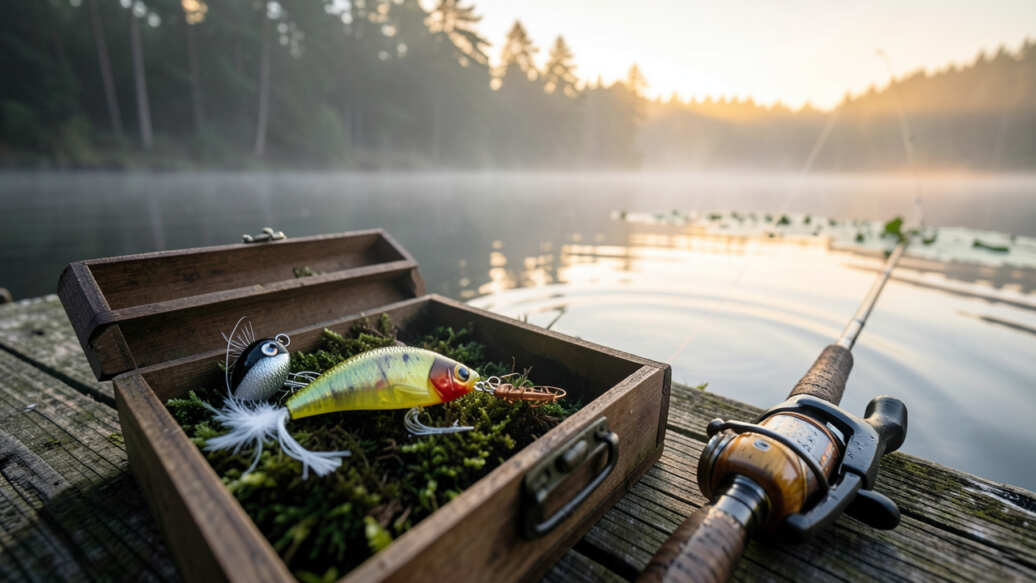
Comparing Topwater Lures for Early Morning
When you’re out for that early morning bite, different lures excel in different situations. Here’s a quick comparison to help you choose:
Hollow body frogs are indispensable for heavy cover; their weedless design lets you work over lily pads and thick vegetation where other lures would snag.
This table highlights how each lure has a role in the early morning bass fishing: the topwater window explained. Understanding these differences helps you adapt your strategy.
Adjusting for Weather and Water Conditions
Weather can dramatically influence the topwater bite. On calm, clear mornings, bass might be more wary. A subtle lure with less noise might work best.
Conversely, on windy or overcast days, a noisier lure can cut through the chop and draw attention.
On calm, clear mornings choose a subtle, quiet lure; on windy or overcast days switch to a noisy chugger or popper to grab the fish's attention.
Water temperature is a primary driver. As mentioned, cooler mornings are ideal. If the water is still very cold, bass might be a bit sluggish.
A slower retrieve can help.
Rain can also affect fishing. Light rain can sometimes turn on the bite, as it can stir up baitfish and make bass more active. Heavy rain can muddy the water and make fishing tougher, potentially shutting down the topwater bite.
Always be willing to experiment. If one lure or retrieve isn’t working, try something else. The conditions are constantly changing, and your approach should too.
When to Switch Tactics
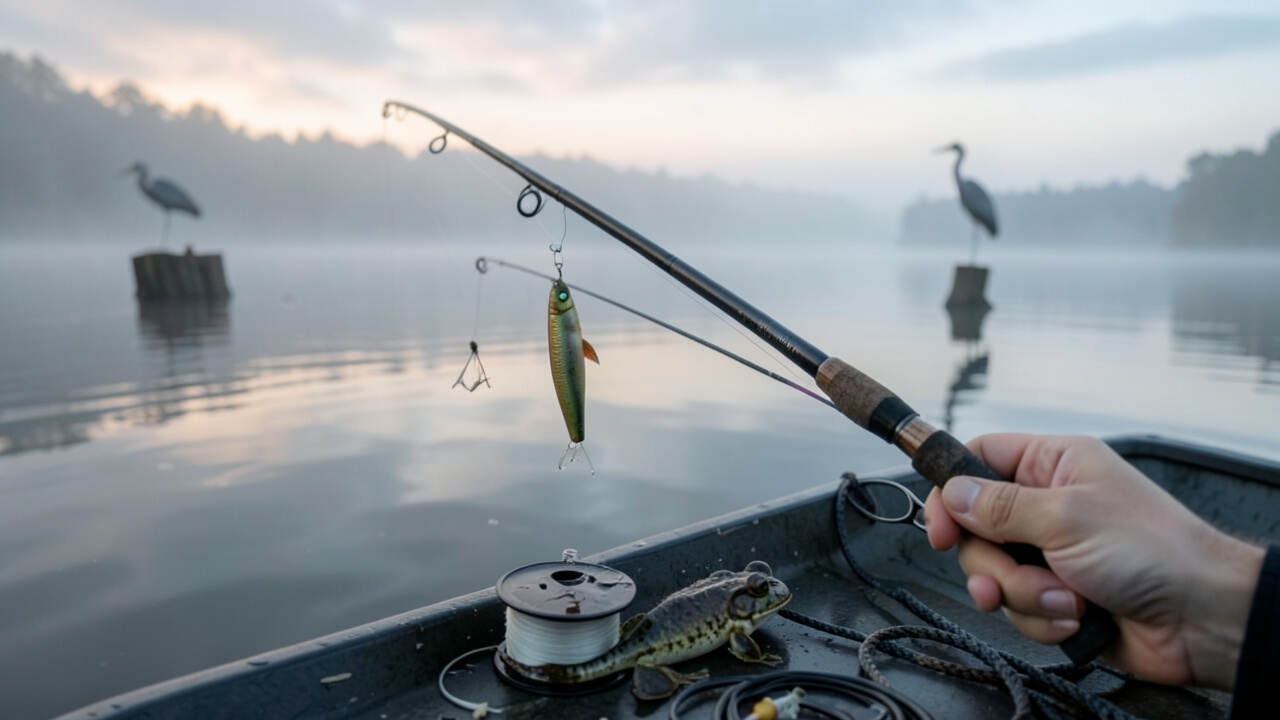
Sometimes, even the best topwater strategy won’t produce. If you’ve given the topwater bite a good effort for an hour or two with no success, it might be time to switch tactics. This often happens as the sun gets higher and the water warms up.
When the topwater bite fades, consider moving to subsurface lures. Jerkbaits, crankbaits, or soft plastics can be effective alternatives. Bass might move deeper or to shaded areas to escape the bright sun and warmer water.
Don’t get discouraged if the topwater window closes sooner than expected. The morning is still a great time to fish, and knowing when to transition is part of being a successful angler. Understanding the complete cycle is key to perfecting early morning bass fishing: the topwater window explained.
Frequently Asked Questions
What is the main benefit of understanding the topwater window?
Understanding the topwater window helps you focus your fishing efforts during the most active feeding times for bass, leading to more strikes and catches.
How does light affect the early morning bass fishing: the topwater window explained?
Low light conditions before and during sunrise make bass feel more secure, encouraging them to move into shallower areas to feed on the surface.
Should I use a noisy lure or a quiet lure in the morning?
Generally, noisier lures work well in low light and low wind to attract attention. In clearer water or with a slight chop, a less noisy lure might be better.
How long does the topwater window typically last?
The window usually starts before sunrise and can last for one to two hours after, but this varies greatly with weather and season.
What should I do if the topwater bite stops?
If the topwater bite fades, switch to subsurface lures or target deeper, shaded areas as the sun gets higher and the water warms.
Is early morning bass fishing: the topwater window explained important in all seasons?
It’s most important in spring, summer, and fall. In winter, bass are less likely to feed on the surface, though exceptions exist in warmer climates.
Final Thoughts
Mastering the early morning bass fishing: the topwater window explained is about timing and technique. By understanding light, temperature, and lure selection, you can significantly increase your success. Be ready when that prime feeding window opens, and you’ll enjoy some of the most exciting bass fishing available.