
Topwater Bass Fishing: When And How To Walk The Dog Right
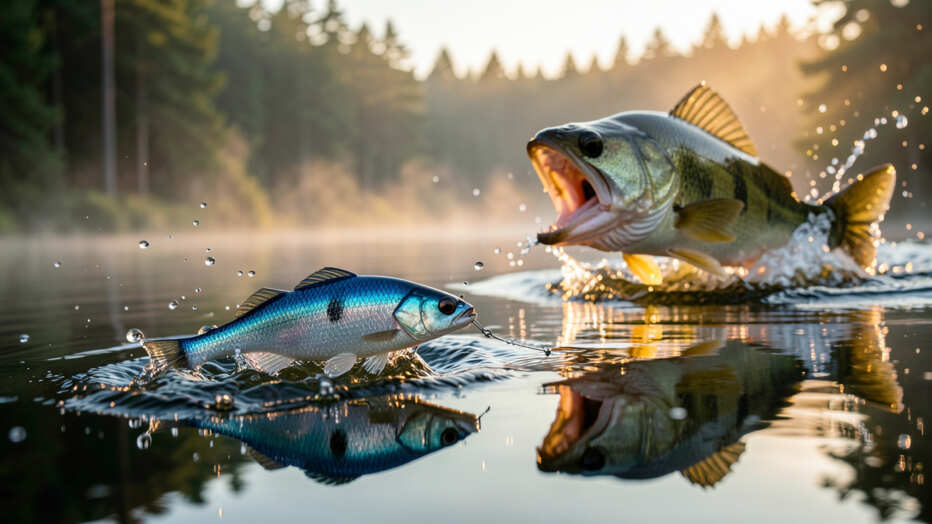
Topwater bass fishing using the walk-the-dog technique is most effective when bass are actively feeding near the surface in calm conditions with low light. Mastering the retrieve involves a rhythmic rod tip twitch with steady reel turns to create the signature side-to-side zigzag motion. Adjusting the speed, cadence, and incorporating pauses based on bass behavior and water conditions is the key to triggering explosive strikes.
Getting bass to strike on the surface can be the most exciting part of fishing. Many anglers struggle to get the right action from their lures, missing out on explosive bites. Learning the nuances of Topwater Bass Fishing: When and How to Walk the Dog Right can dramatically increase your success and put more big bass in your boat.
This technique is key for triggering aggressive strikes, especially when bass are actively feeding near the surface. We’ll show you exactly when to use it and how to make your lure dance to catch more fish.
Key Takeaways
- Understand the ideal conditions for using the walk-the-dog lure action.
- Learn the precise rod movements and reel techniques to make your lure “walk.”
- Discover how to adjust your retrieve speed for different bass behaviors.
- Identify the best types of topwater lures for the walk-the-dog action.
- Know when to pause your retrieve for maximum effectiveness.
- Recognize how environmental factors influence the success of this technique.

When to Unleash the Walk-the-Dog
The walk-the-dog lure action is a fantastic way to catch bass, but it works best under specific conditions. You want to fish this technique when bass are active and looking for a meal near the surface. Think about sunny days when the water is calm, or during low light periods like early morning and late evening.
Bass often feed aggressively during these times, and a lure that mimics a struggling baitfish can be irresistible. The Topwater Bass Fishing: When and How to Walk the Dog Right is particularly effective when bass are chasing baitfish in open water or along weed lines.
For best results, fish the walk-the-dog during low-light periods like early morning and late evening, or on calm, sunny days when bass are actively feeding near the surface.
This method works well when bass are actively hunting. If you see baitfish breaking the surface, or if you’ve had success with other topwater lures, it’s a good sign to try walking the dog. It’s less effective in very choppy water where the lure’s action is hard to see and control.
Also, consider the water temperature. Warmer water generally means more active bass willing to chase a surface bait. Cold water might require a slower approach, but the walk-the-dog can still work if done correctly.
Mastering the Walk-the-Dog Retrieve
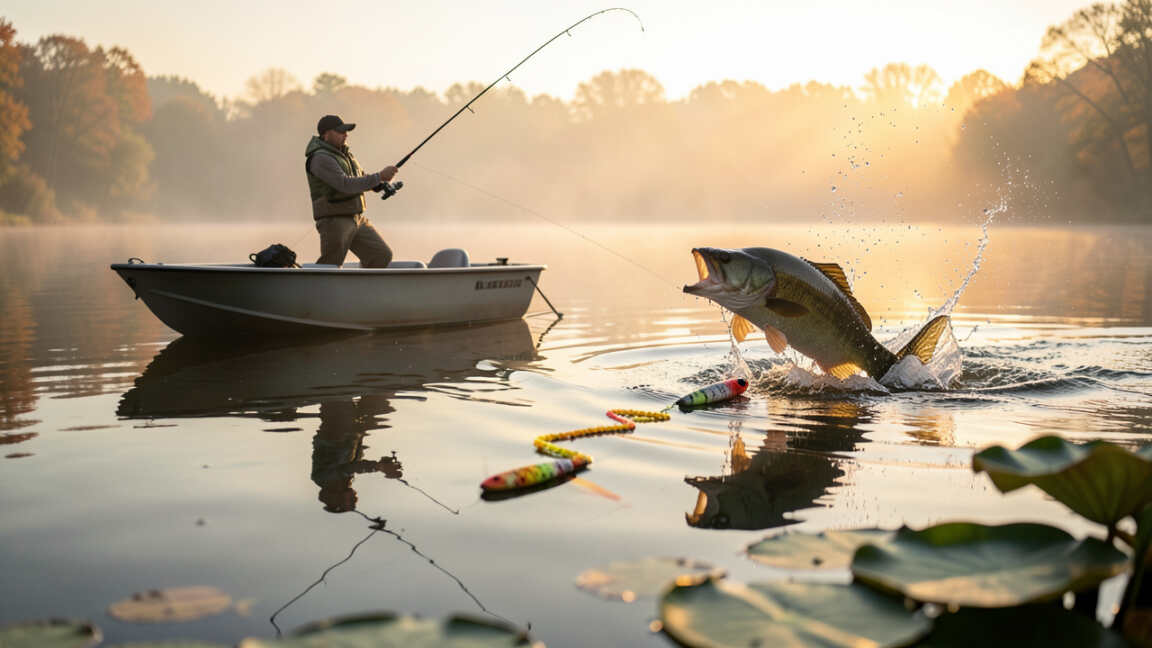
Getting the walk-the-dog action right is all about your rod tip and reel control. The goal is to make your lure dart back and forth, like a wounded baitfish. This is a skill that takes a little practice, but once you get it, you’ll see great results.
The Topwater Bass Fishing: When and How to Walk the Dog Right depends on consistent, rhythmic movements.
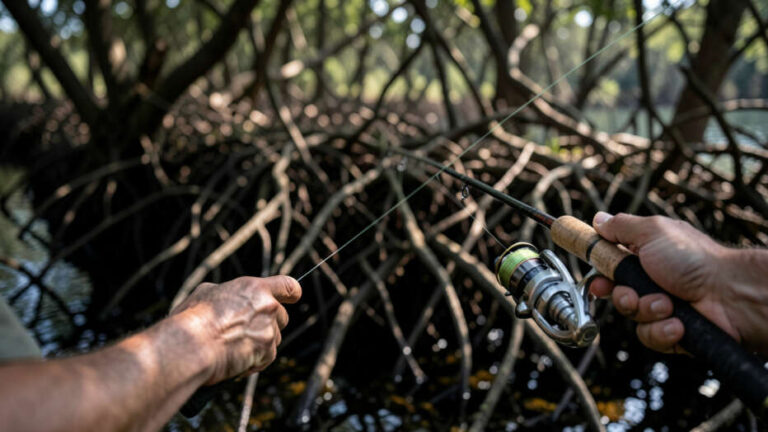
First, hold your rod tip down, generally pointing towards the water. This gives you better control over the lure. Second, use your wrist to twitch the rod tip sharply.
A sharp, short wrist twitch with the rod tip pointed toward the water is the key to creating the classic side-to-side darting action.
A quick, short twitch is usually all it takes. Next, reel in just enough line to take up the slack created by the twitch. This slight reel of the line is what pulls the lure forward after each dart.
Then, repeat the twitch-and-reel motion. The key is consistency in your rhythm. You want the lure to move side-to-side in a zig-zag pattern, not just forward.
The speed of your retrieve matters a lot. A faster retrieve can mimic a fleeing baitfish, while a slower, more deliberate walk might suggest an injured one. Experiment with different speeds to see what the bass are responding to on any given day.
Sometimes, a pause after a few good walks can trigger a strike. Bass often hit a lure when it stops moving, thinking it’s an easy meal.
Choosing the Right Lures for Walking the Dog
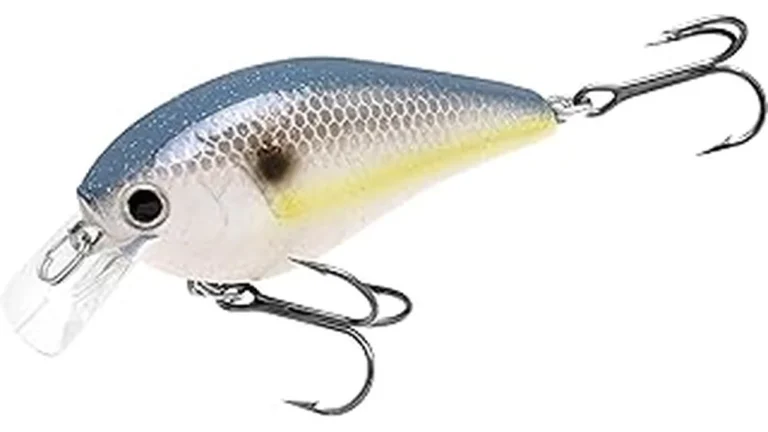
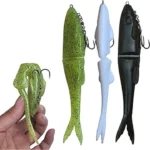
Not all topwater lures are designed to walk the dog effectively. You need a lure with a specific body shape and lip design that allows it to dart side-to-side. The most common lures for this technique are “walk-the-dog” style topwater stickbaits.
These lures are typically long and slender, with a cupped or angled face that helps them glide. Common examples include Heddon Super Spook, Lucky Craft Sammy, and Strike King Spook. The Topwater Bass Fishing: When and How to Walk the Dog Right is best achieved with these specialized lures.
When selecting a lure, consider its size and weight. Larger lures are often easier to walk because they have more surface area to catch the water. However, smaller lures can be effective for finicky bass or when fishing for smaller species.
A lure’s body shape and face design determine its ability to walk the dog, making stickbaits with a cupped or angled face the top choice.
The color of the lure is also important. Natural colors like silver, white, or shad patterns work well when bass are chasing baitfish. Brighter colors or those with a lot of flash can be good in murky water or when you want to attract attention.
The hooks on your lure are also a consideration. Ensure they are sharp and strong enough to set the hook when a bass strikes. Many anglers will upgrade the stock treble hooks on their walk-the-dog lures to slightly larger or stronger ones.
This can improve hook-up ratios, especially when bass are short-striking or just nipping at the lure.
Adjusting Your Technique for Different Conditions
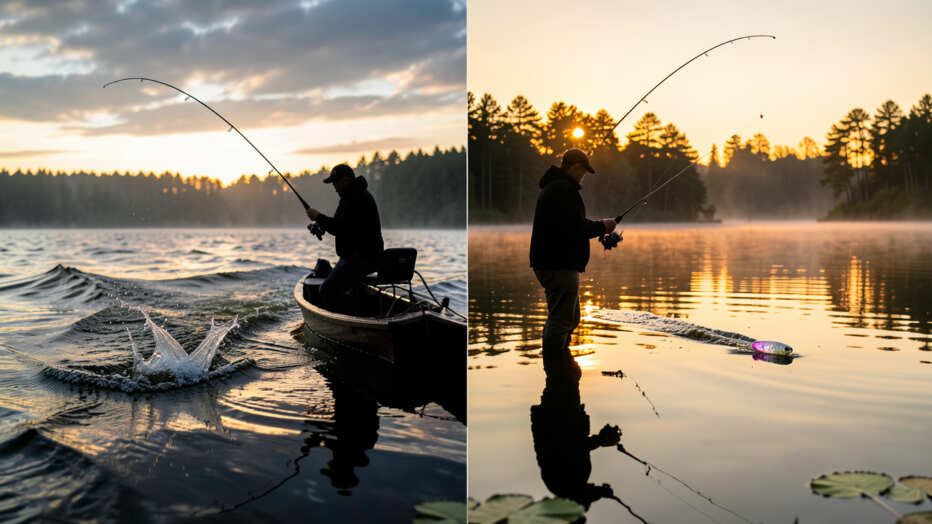
The environment can significantly change how you should approach Topwater Bass Fishing: When and How to Walk the Dog Right. Water clarity, time of day, and even wind can influence your success. Understanding these factors allows you to adapt your retrieve and lure choice.
In clear water, bass can see your lure from a distance. This means a more subtle and natural presentation might be best. Try a slower, more rhythmic walk-the-dog with longer pauses.
In clear water, slow down your retrieve and incorporate longer pauses to let the lure sit motionless and look more natural.
In stained or murky water, bass rely more on sound and vibration. A lure with rattles or a slightly faster retrieve can help them locate your bait. You might also opt for brighter or more contrasting colors that stand out in low visibility.
Wind can make it difficult to control your lure. If there’s a strong wind pushing you, try casting slightly upwind and letting the wind help push your lure back towards you. This can sometimes create a more erratic action that bass find appealing.
However, if the wind is too rough, it might be better to switch to a different technique or lure that is less affected by the chop.
The Importance of the Pause
One of the most critical elements of successful Topwater Bass Fishing: When and How to Walk the Dog Right is knowing when to pause. A lure that is constantly moving can sometimes spook a cautious bass. The pause allows the lure to sit still for a moment, mimicking a baitfish that has stopped to rest or is injured.
This stillness often triggers an aggressive strike from a bass that has been following the lure.
The ideal pause length can vary. Sometimes, a pause of just a second or two is enough. Other times, you might need to let the lure sit for five to ten seconds, especially if you notice a bass following but not striking.
Don’t keep the lure moving constantly; a well-timed pause can trigger a strike from a following bass, but you must be ready to set the hook instantly.
Pay close attention to how the bass are reacting. If they are following the lure closely but not biting, that’s a strong signal to add a pause to your retrieve. A common strategy is to walk the dog for several feet, then pause, then resume the walk.
This variation in action can be very effective.
The pause is also a moment to be ready. Many strikes on topwater lures happen when the lure is motionless. Keep your rod tip up and be prepared to react instantly when a bass commits.
Missing a strike during a pause can be frustrating, but it’s also a sign that your technique is working and you’re getting attention from the fish. Refining your pause timing is a key step to mastering this technique.
Rod, Reel, and Line Choices
The equipment you use plays a big role in your ability to execute the walk-the-dog technique. While you can catch bass with various setups, having the right gear makes it much easier and more effective. The Topwater Bass Fishing: When and How to Walk the Dog Right is best achieved with a setup that allows for precise lure control.
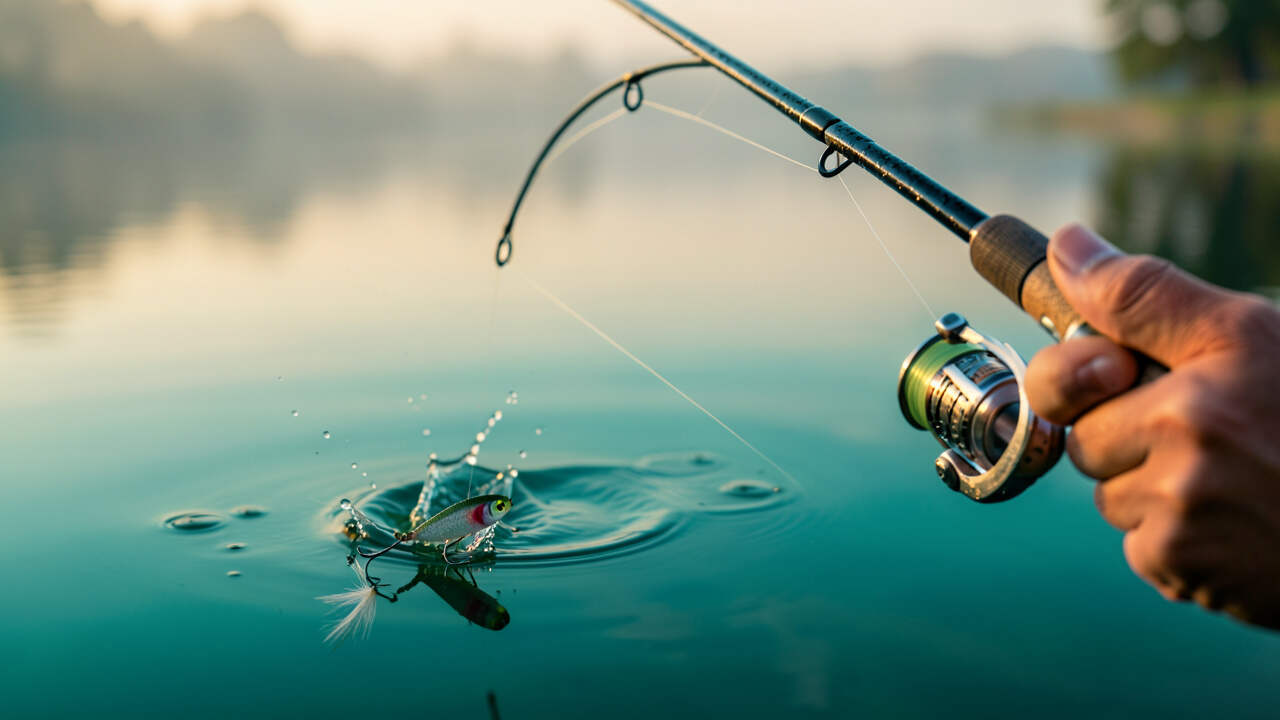
For your rod, a medium-action, fast-tip rod is ideal. A 6’6″ to 7’6″ length is versatile. The medium action provides enough backbone to cast topwater lures accurately and set the hook, while the fast tip allows for the sensitive twitching motion needed to make the lure walk.
A rod that is too stiff will make it hard to get the subtle action, and one that is too soft won’t have enough power.
A medium-action, fast-tip rod between 6’6″ and 7’6″ gives you the backbone for accurate casts and the sensitivity to impart precise lure action.
Your reel should be a spinning reel or a baitcasting reel with a good drag system. For spinning reels, a gear ratio around 6.2:1 to 7.1:1 is a good balance for retrieving slack and maintaining a steady retrieve. For baitcasting reels, a similar ratio works well.
The key is to have a reel that allows you to easily pick up slack line after each twitch without over-reeling. This smooth transition is crucial for consistent lure action.
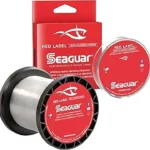
Line choice is also important. Monofilament line is often preferred for topwater fishing because it floats. This helps keep your lure up on the surface and makes it easier to impart action.
However, some anglers prefer braided line for its sensitivity and strength, especially in heavy cover. If you use braid, you might want to add a short leader of monofilament or fluorocarbon to help float the lure and reduce visibility. A 10-20 pound test line is generally suitable for most bass fishing situations.
Common Mistakes to Avoid
Even with the right lures and conditions, anglers can make mistakes that hinder their success with the walk-the-dog technique. Being aware of these common pitfalls can help you improve your results. Understanding these will refine your Topwater Bass Fishing: When and How to Walk the Dog Right.
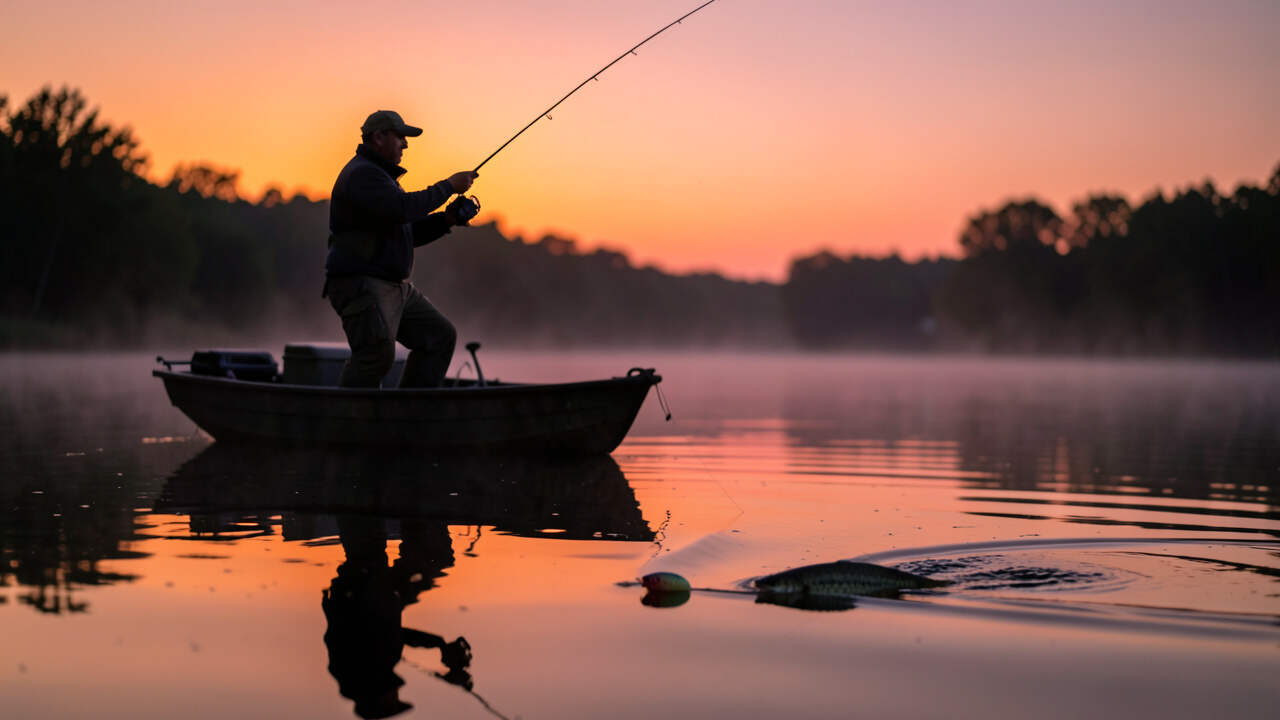
Over-reeling after each twitch pulls the lure forward too fast and ruins the side-to-side walk; only take up enough line to remove slack.
- Over-Reeling: Trying to reel too much line after each twitch. This pulls the lure forward too quickly and disrupts the side-to-side action. Remember to only reel enough to take up the slack.
- Jerking Too Hard: Using overly aggressive rod snaps. This can make the lure spin or dart erratically in ways that don’t mimic a baitfish. Smooth, controlled twitches are best.
- Not Pausing Enough: Keeping the lure moving constantly. Bass often strike when a lure stops. Incorporating pauses is crucial for triggering bites, especially from following fish.
- Fishing Too Fast: Trying to retrieve the lure too quickly. While a fast retrieve can work sometimes, a more moderate pace often allows the lure to show its full walking action and gives bass time to react.
- Ignoring Fish Behavior: Not adjusting your retrieve based on how the bass are reacting. If they are following but not striking, change your speed, add pauses, or try a different lure.
- Using the Wrong Gear: Employing a rod that is too stiff or a reel that makes it hard to manage slack line. The right equipment makes the technique significantly easier to execute.
Comparing Walk-the-Dog Lures
When you’re looking to master the walk-the-dog technique, choosing the right lure is paramount. Different lures offer subtle variations in action and performance. Here’s a look at some popular choices and what makes them effective for this style of fishing.
For the most consistent walk, choose a spook-style lure that responds sharply to rod twitches with clean lateral movement.
While the classic “Spook” and “Sammy” styles are top choices for pure walk-the-dog action, some poppers can also be worked to walk. This versatility can be an advantage. The key is the lure’s ability to respond to your rod twitches with lateral movement.
Understanding these differences helps you select the best lure for your specific fishing situation and refine your Topwater Bass Fishing: When and How to Walk the Dog Right.
Targeting Bass with the Walk-the-Dog
Once you’ve got the technique down, knowing where to throw your lure is the next step. Bass are often found in areas where baitfish congregate, making them prime targets for a walk-the-dog lure. Look for structure and cover near the surface.
Good spots include the edges of weed beds, lily pad fields, and submerged structure like points or humps. Bass will often patrol these areas, waiting for an opportunity to ambush prey. Casting your lure parallel to a weed line or dock can be very effective.
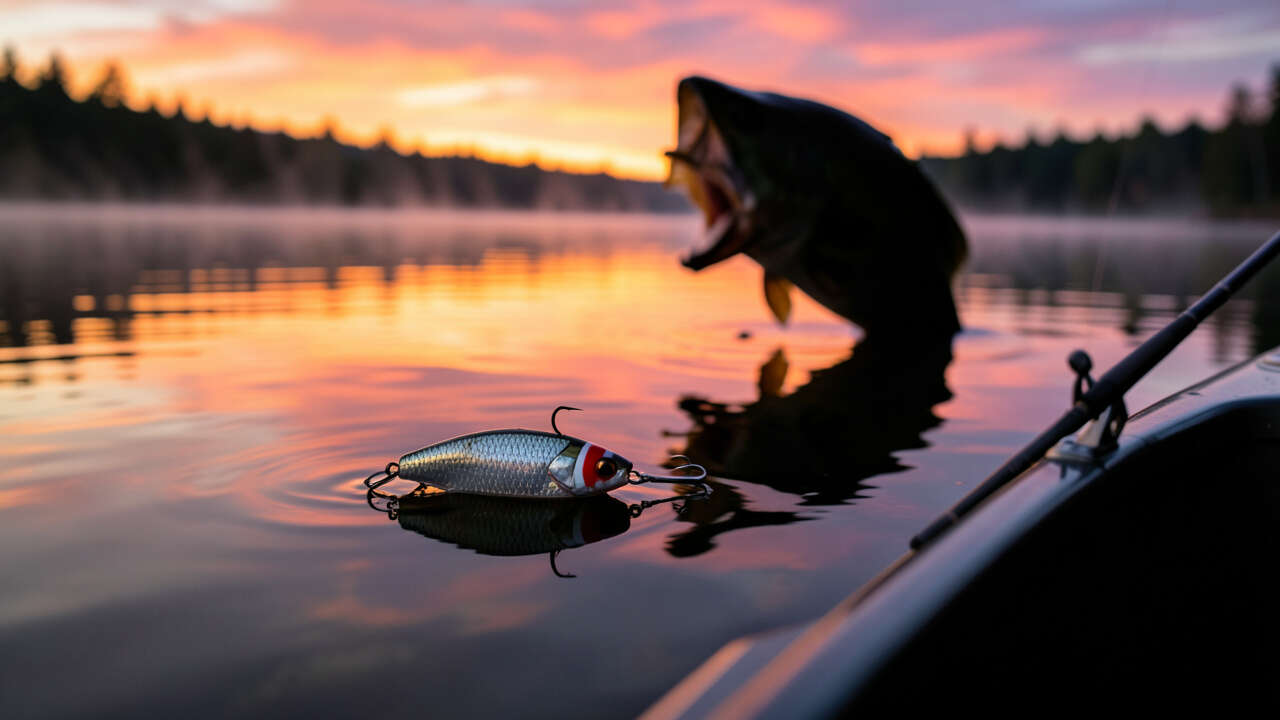
The key is to present the lure in a way that it might cross the path of a lurking bass.
Also, don’t forget about open water. If baitfish are schooling in open water, bass will be there too. Covering water with your walk-the-dog lure is a great way to find active fish.
If you get a follow but no strike, try pausing the lure. If that doesn’t work, try speeding up or slowing down your retrieve. Sometimes, changing the color or lure can also make a difference.
Frequently Asked Questions
What is the best time of day for topwater bass fishing?
The best times are typically early morning and late evening when bass are more active and feeding. Overcast days and low-light conditions can also be very productive.
How do I make a topwater lure “walk the dog”?
You make a lure walk the dog by using short, sharp twitches of your rod tip while simultaneously taking up the slack line with your reel. This causes the lure to dart back and forth in a zig-zag pattern.
Should I use monofilament or braided line for walking the dog?
Monofilament is often preferred because it floats, helping keep the lure on the surface. However, braided line offers more sensitivity and strength, and can be used with a monofilament leader.
What is the most important factor in successful Topwater Bass Fishing: When and How to Walk the Dog Right?
Consistency in your retrieve and knowing when to pause are crucial. A steady rhythm of twitches and reel-ins, combined with strategic pauses, often triggers strikes.
Can I use a walk-the-dog lure in windy conditions?
It can be challenging, but you can adapt. Try casting slightly upwind and letting the wind assist your lure’s movement. A slightly faster retrieve might also help maintain action in chop.
When should I set the hook when a bass strikes a walk-the-dog lure?
Wait until you feel the weight of the fish on your line. Bass often strike topwater lures aggressively, but sometimes they might miss. Resist the urge to set the hook too early.
Final Thoughts
Mastering Topwater Bass Fishing: When and How to Walk the Dog Right can add a thrilling dimension to your angling. By understanding the right conditions, using appropriate lures, and practicing a rhythmic retrieve with strategic pauses, you can consistently trigger explosive surface strikes. Keep experimenting with your technique and gear to find what works best on your local waters.