


When To Use Monofilament Fishing Line: Best Use Cases Today
Monofilament fishing line is best used today for topwater lures, fishing around structure, and for beginner anglers due to its buoyancy, abrasion resistance, and forgiving stretch. Its affordability makes it a go-to choice for budget-conscious anglers needing a reliable general-purpose line. The key takeaway is that monofilament excels in situations requiring floating action, impact absorption, and compatibility with sensitive rods.
Choosing the right fishing line can make a big difference in how successful you are out on the water. Many anglers wonder When to Use Monofilament Fishing Line: Best Use Cases Today, and understanding this can help you catch more fish. Monofilament is popular for a reason – it’s affordable, easy to use, and forgiving on your gear.
Learning its strengths means you can pick the best line for your fishing situation, leading to better casts, fewer break-offs, and more enjoyable fishing trips. We’ll cover exactly where it shines and why it remains a top choice for so many.
Key Takeaways
- Monofilament fishing line is a great choice for beginners due to its ease of use and affordability.
- Its stretchiness makes it forgiving, reducing the risk of pulling hooks out of fish mouths or breaking line on sudden runs.
- Monofilament floats well, making it ideal for topwater fishing techniques where you want your lure to stay on the surface.
- The line’s abrasion resistance is good for fishing around structure like rocks, docks, or weeds, preventing cuts.
- It offers excellent knot strength, ensuring your connections are secure when battling fish.
- Monofilament is a cost-effective option, especially for anglers on a budget or those who fish frequently.
Why Monofilament Fishing Line Still Matters
In the world of fishing, line choice is a big deal. You’ve got a few main types, but today we’re talking about monofilament. Even with all the new fancy lines out there, mono is still a go-to for many anglers.
It’s been around forever, and for good reason. It’s a solid, reliable choice that works well in a lot of different fishing scenarios. Understanding When to Use Monofilament Fishing Line: Best Use Cases Today will help you make smarter gear choices.
Monofilament's natural buoyancy makes it ideal for topwater lures like poppers and prop baits, keeping them on the surface for maximum action.
For beginners and versatile fishing, monofilament remains a top choice due to its forgiving stretch and easy handling.
The main reason monofilament sticks around is its balance of properties. It’s not the strongest, or the most sensitive, but it does a lot of things well. This makes it super versatile.
For new anglers, it’s often the first line they learn to use because it’s forgiving. It doesn’t dig into itself on the reel like some other lines can. This ease of use is a huge plus when you’re just starting out or even when you’re an experienced angler looking for a hassle-free option.
Understanding Monofilament’s Strengths
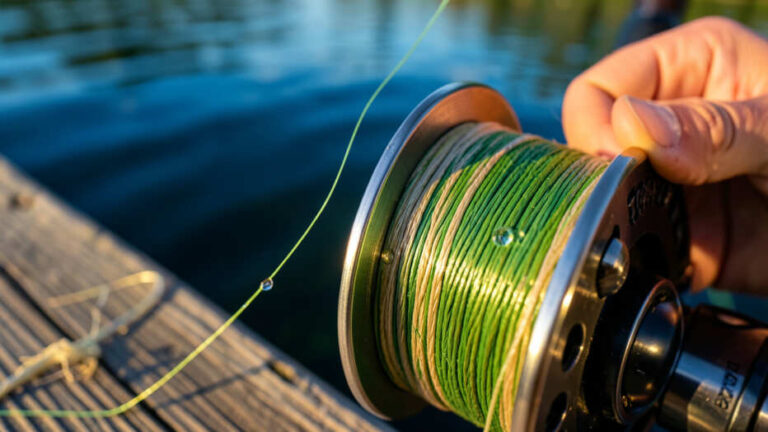
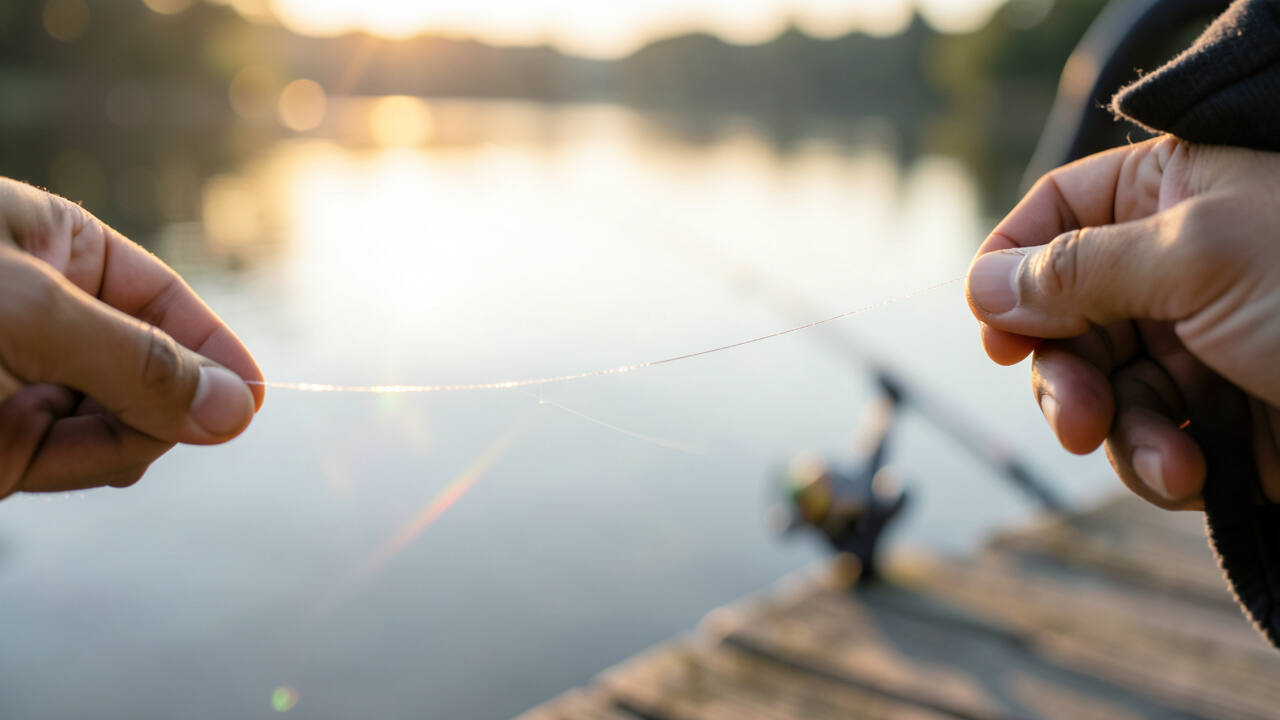
Monofilament fishing line is made from a single strand of nylon. This gives it some unique characteristics that make it great for certain types of fishing. One of its biggest advantages is its stretch.
When a fish takes your bait or makes a sudden run, the line stretches. This stretch acts like a shock absorber. It helps prevent you from pulling the hook out of the fish’s mouth.
It also reduces the chance of your line snapping under sudden pressure. This is a big deal, especially when you’re fighting a strong fish.
Monofilament's stretch acts as a shock absorber for explosive fish runs, preventing hook pulls and line breaks.
Another key benefit is its buoyancy. Monofilament floats. This is fantastic for fishing with lures that are designed to work on the surface, like poppers or prop baits.
When your line floats, it keeps your lure right where you want it, dancing on top of the water. This can be incredibly effective for enticing strikes from predatory fish that are looking for a meal on the surface. If you’re a fan of topwater action, monofilament is often your best friend.
Monofilament also has good abrasion resistance. This means it can handle rubbing against things like rocks, logs, or weeds without breaking easily. If you’re fishing in areas with a lot of structure, this is a major advantage.
It gives you more confidence to work your lure close to cover where fish often hide. While it’s not invincible, its toughness in these situations is a big plus for many anglers.
When to Use Monofilament Fishing Line: Best Use Cases Today
So, when is the best time to reach for that spool of monofilament? The answer often comes down to the type of fishing you’re doing and the conditions you’re facing. Let’s break down the top scenarios where When to Use Monofilament Fishing Line: Best Use Cases Today truly shines.
Beginner-Friendly Fishing
For anyone just getting into fishing, monofilament is the ideal starting point. It’s generally the most affordable line available, which is great when you’re learning and might lose some line to snags or knots. Its forgiving nature means it’s less likely to cause tangles or backlash on baitcasting reels.
This makes the learning process smoother and more enjoyable. You can focus on casting and retrieving without fighting your line.
Topwater Lure Fishing
As mentioned, if you love fishing with topwater lures – think buzzbaits, poppers, and walking baits – monofilament is your best bet. Its natural buoyancy keeps these lures sitting right on the surface, where they are most effective. When you’re twitching a topwater bait, you want it to dance on top, not sink.
Monofilament helps achieve this perfectly. This is a classic application for When to Use Monofilament Fishing Line: Best Use Cases Today.
Fishing Around Structure
Areas with a lot of underwater obstacles like rocks, submerged trees, docks, or weeds are perfect for monofilament. The line’s decent abrasion resistance means it can withstand some rubbing against these rough surfaces. While it won’t last forever if constantly dragged over sharp rocks, it holds up better than some other line types in these situations.
If you need maximum sensitivity for light bites, consider a braided or fluorocarbon line instead of monofilament.
This allows you to work your lure close to cover, where fish often ambush prey. Knowing When to Use Monofilament Fishing Line: Best Use Cases Today means you can fish confidently around these spots.
Budget-Conscious Anglers
Let’s face it, fishing can get expensive. Monofilament is typically the least expensive fishing line you can buy. This makes it an excellent choice for anglers who fish a lot and go through line regularly, or for those who are on a tighter budget.
You can spool up multiple reels without breaking the bank. This cost-effectiveness is a major factor in its continued popularity, and it’s a key consideration for When to Use Monofilament Fishing Line: Best Use Cases Today.
When You Need Extra Stretch
Some fishing techniques benefit from a bit of line stretch. For instance, when using treble hooks, the stretch in monofilament can prevent the hooks from tearing out of a fish’s mouth during the fight. It also helps absorb the shock of a fish making a sudden, powerful run.
If you’re targeting species known for their explosive runs or if you prefer a more forgiving feel when fighting fish, monofilament is a great choice. This is another important aspect of When to Use Monofilament Fishing Line: Best Use Cases Today.
General Purpose Freshwater Fishing
For everyday fishing in lakes, ponds, and rivers, monofilament is a fantastic all-around choice. It performs well for a wide variety of techniques, from casting crankbaits and spinnerbaits to rigging soft plastics. Its ease of use and reliability make it a dependable option for catching bass, trout, panfish, and many other freshwater species.
It’s the line you can count on for most freshwater situations.
When Monofilament Might Not Be the Best Choice
While monofilament is versatile, it’s not perfect for every single fishing scenario. There are times when other lines might serve you better. Understanding these limitations helps you make the most informed decisions about your tackle.
When Extreme Sensitivity is Needed
Monofilament has a fair amount of stretch. This stretch can absorb some of the vibrations and subtle bites from fish. If you’re fishing with very light lures or targeting fish that are known for their extremely light bites, you might want a line with less stretch.
Lines like braided or fluorocarbon are much more sensitive and transmit more feel from the lure to your hand. This allows you to detect those barely-there bites.
Avoid using monofilament near sharp underwater structures; its abrasion resistance is only moderate compared to fluorocarbon.
Fishing in Deep Water or Heavy Cover
For very deep water fishing or when you’re trying to pull fish out of thick, heavy cover, the stretch in monofilament can be a disadvantage. The stretch means it takes longer to get a solid hookset, and it can be harder to pull a fish out of dense weeds or brush. Braided line, with its near-zero stretch, offers superior hooksetting power and the strength to drag fish out of tough situations.
This is a key area where When to Use Monofilament Fishing Line: Best Use Cases Today needs careful consideration.
When You Need Maximum Strength in a Thin Diameter
While monofilament comes in various strengths, other lines can offer higher strength ratings for a given diameter. For example, braided lines often have a much thinner diameter for the same pound-test as monofilament. This thinner diameter can mean better casting distance and less line on your reel.
If you need the absolute strongest line possible in the smallest diameter, you might look elsewhere.
Comparing Monofilament to Other Line Types
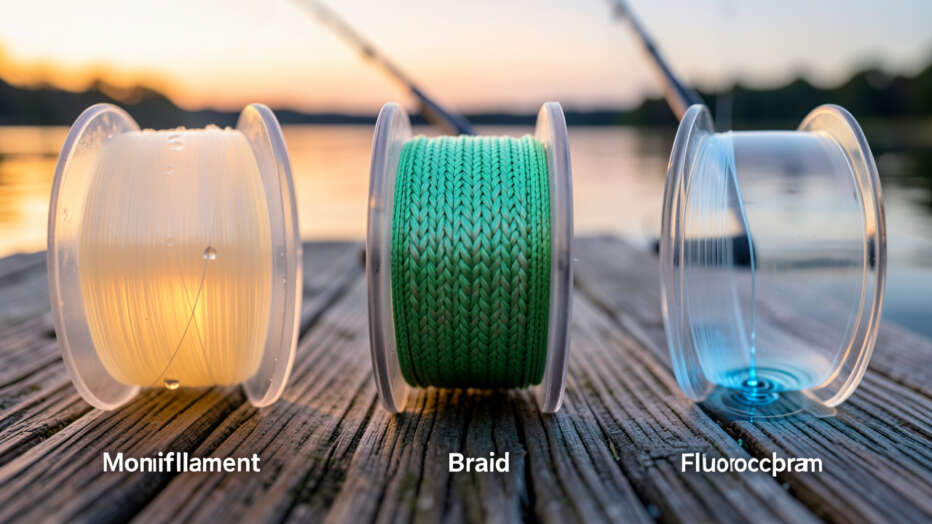
To truly understand When to Use Monofilament Fishing Line: Best Use Cases Today, it’s helpful to see how it stacks up against its main competitors: braided line and fluorocarbon line.
For monofilament, the improved clinch knot or Palomar knot provide reliable strength and are simple to master.
As you can see from the table, each line type has its own set of advantages. Monofilament’s affordability, ease of use, and forgiving stretch make it a standout for many anglers. Braided line offers superior strength and sensitivity for tough conditions.
Fluorocarbon is prized for its invisibility and sensitivity in clear water. Your choice depends on what you need most for your specific fishing situation.
Tips for Using Monofilament Effectively
To get the most out of your monofilament line, follow these simple tips. They can help improve your casting, knot tying, and overall fishing experience.
- Spooling Your Reel: When you spool your reel, don’t fill it all the way to the very top. Leave a small gap (about 1/8 inch) from the edge of the spool. This helps prevent line from spilling off your reel, which can cause tangles and backlashes, especially with baitcasting reels.
- Tying Knots: Monofilament is generally easy to tie knots with, but using the right knot is still important. Knots like the Improved Clinch Knot or the Palomar Knot are excellent choices for monofilament. Always moisten your knots before tightening them to reduce friction and prevent the line from weakening.
- Line Management: Because monofilament has memory (it tends to coil from being on the spool), it can sometimes twist. If you notice your line twisting, try tying on a good quality swivel to help reduce line twist, especially when using lures that spin.
- Checking Your Line: Regularly inspect your monofilament line for any nicks, abrasions, or weak spots. If you find any damage, it’s best to cut off the damaged section or replace the line entirely. This simple check can save you from losing a fish.
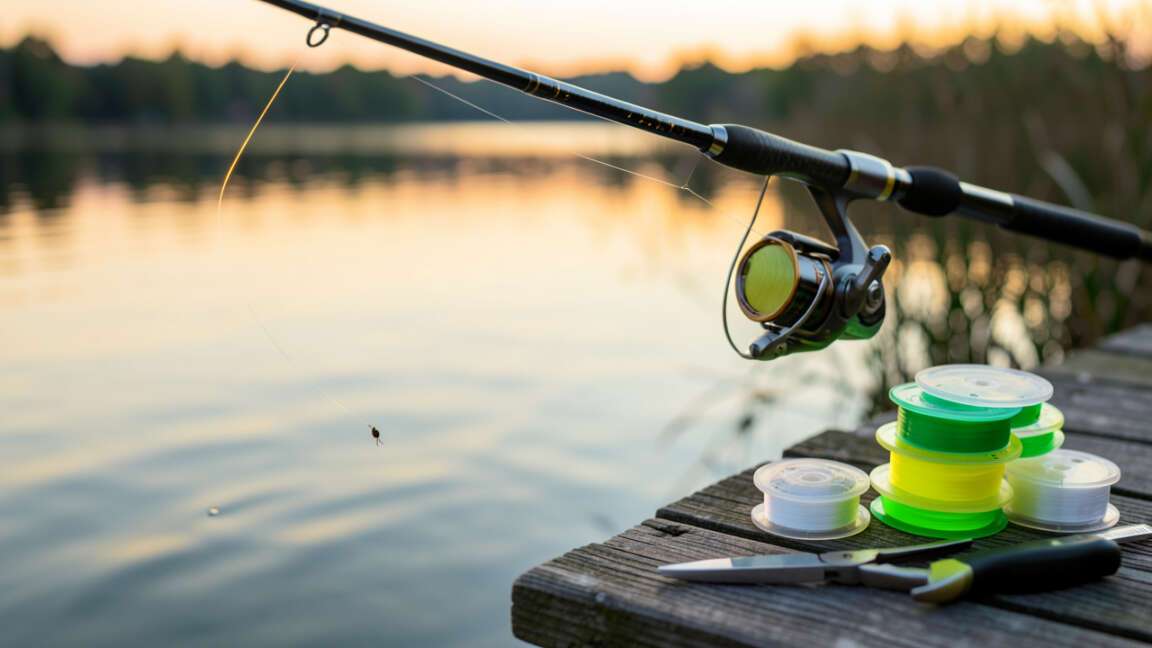
- Line Color: Monofilament comes in various colors. Clear or natural colors are good for stealth in clear water. Brighter colors like chartreuse can be easier to see for tracking your line while casting and detecting bites.
Frequently Asked Questions
What is the main advantage of monofilament fishing line?
The main advantage of monofilament is its forgiving stretch, which acts like a shock absorber, preventing hook pulls and line breakages. It’s also very affordable and easy for beginners to use.
Is monofilament good for saltwater fishing?
Yes, monofilament can be good for certain types of saltwater fishing, especially in calmer waters or when targeting species that don’t require extreme line strength. However, for saltwater, braided or fluorocarbon lines are often preferred for their strength and sensitivity.
When to Use Monofilament Fishing Line: Best Use Cases Today for beginners?
For beginners, When to Use Monofilament Fishing Line: Best Use Cases Today is almost always. It’s affordable, forgiving, and easy to handle, making it ideal for learning casting and reeling techniques without frustration.
Does monofilament float or sink?
Monofilament fishing line floats. This makes it an excellent choice for topwater fishing, as it helps keep your lures on the surface.
How does monofilament compare to braided line in terms of sensitivity?
Monofilament has more stretch than braided line, which means it transmits less subtle vibration from your lure to your hand. Braided line is much more sensitive because it has almost no stretch.
Can I use monofilament for fishing around rocks and weeds?
Yes, monofilament has good abrasion resistance and can handle fishing around structure like rocks and weeds better than some other lines. However, constant abrasion can still damage it.
Final Thoughts
Monofilament fishing line remains a top choice for many anglers because of its affordability, ease of use, and forgiving stretch. It’s particularly great for beginners, topwater fishing, and working around structure. By understanding these best use cases, you can confidently choose monofilament and improve your fishing success.