Pond Bass Fishing: The Best Tactics For Small Waters Now
Pond bass fishing in small waters demands specific tactics like stealthy approaches and topwater lures to target concentrated bass populations around limited structure. Understanding pond structure and timing trips for low-light periods—early mornings, late evenings, or cloudy afternoons—dramatically increases catch rates. Soft plastics and jigs presented with precision are essential for fooling the often pressured and sight-fishable bass that inhabit these intimate ecosystems.
Finding big bass in small ponds can be super rewarding. You don’t need a giant boat or miles of water to have a great day fishing. Knowing the right tricks for these smaller spots makes all the difference.
This guide will show you how to find and catch more bass in ponds. You’ll learn simple, effective methods for Pond Bass Fishing: The Best Tactics for Small Waters Now, turning any small pond into a hotspot for exciting catches.
Key Takeaways
- You can catch big bass in small ponds with the right approach.
- Understanding pond structure helps you find where bass hide.
- Choosing the right lures for shallow water is key.
- Fishing during the best times of day increases your success.
- Techniques like sight fishing and stealth are important for ponds.
- Proper bait presentation makes a big difference for pond bass.
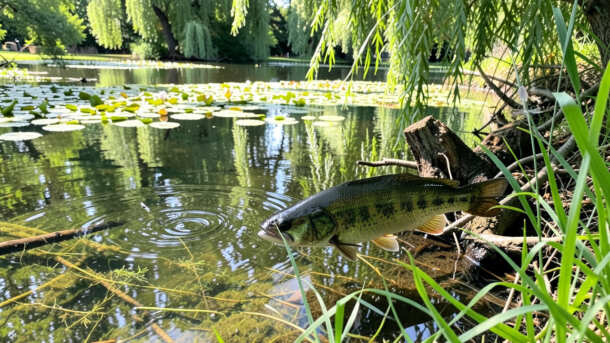
Why Ponds Offer Great Bass Fishing Opportunities
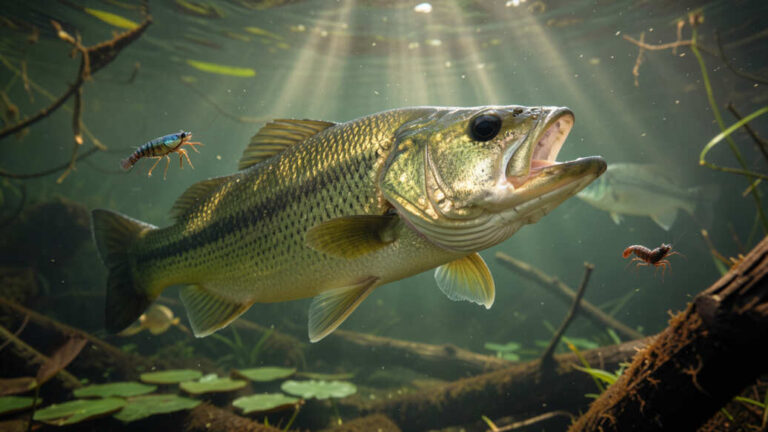
Many anglers overlook small ponds, thinking they won’t hold many or any large bass. This is often not true. Ponds are concentrated ecosystems.
They can grow surprisingly large bass if managed well. They offer a more intimate fishing experience. You can often see your target fish.
Identify the deepest part of the pond first, as bass often retreat there during hot or bright conditions.
Focus on small ponds for a more accessible and intimate bass fishing experience with less travel time and cost.
This makes the catch more exciting. For anyone looking for accessible fishing, Pond Bass Fishing: The Best Tactics for Small Waters Now is a fantastic choice.
Small waters mean less travel time and less cost. You can often fish from the bank or use a small kayak or float tube. This makes bass fishing very convenient.
It’s a perfect way to practice skills. You can try new lures and techniques without a huge commitment. The close proximity to shore means you can often spot fish.
This sight fishing adds a fun challenge.
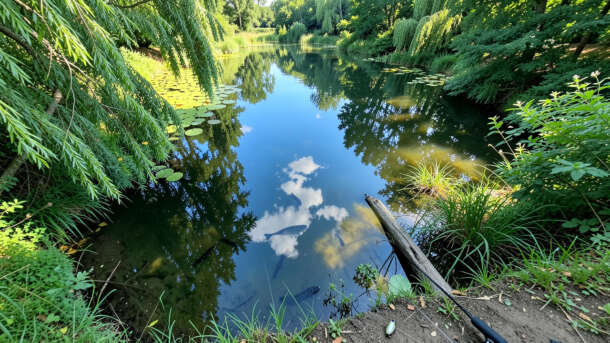
Finding Bass in Small Ponds
Bass in ponds tend to relate to structure. This is true even in small areas. Look for changes in the bottom.
These include drop-offs, humps, or rocky areas. Overhanging trees and bushes offer shade and cover. Lily pads and weed beds are also prime bass territory.
These spots provide ambush points for predators.
First, identify the deepest part of the pond. Bass often retreat to deeper water when it’s hot or bright. Then, look for any structure that leads to or from this deep water.
A simple Texas-rigged worm is incredibly effective for pond bass, allowing you to fish through cover without snagging.
Fallen trees, submerged logs, or large rocks are excellent places to start. Areas where incoming streams or ditches enter the pond can also attract bass. These spots bring in food.
Weed lines are another critical area. Bass will hide in the edges of weed beds. They wait for baitfish to swim by.
Try casting parallel to the weed line. This covers more water effectively. Don’t forget about docks.
Docks offer shade and a complex structure. Many bass will hold under them.
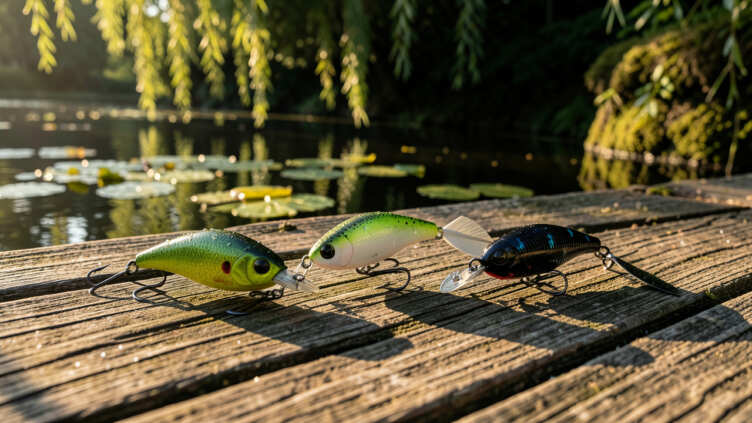
Essential Lures for Pond Bass
For Pond Bass Fishing: The Best Tactics for Small Waters Now, you want lures that work well in shallow water. Many ponds aren’t very deep. You need lures that won’t get snagged too easily.
Topwater lures are incredibly fun for ponds. A walking bait or a popper can draw explosive strikes.
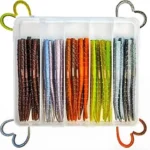
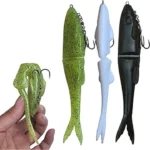
Soft plastic baits are also very effective. Worms, creature baits, and crawfish imitations work well. Rig them weedless to avoid snags.
This allows you to fish them through cover like lily pads and weeds. Jigs are another great option. A compact jig with a craw trailer can mimic a natural food source.
Small crankbaits and spinnerbaits can also be productive. Choose lures that are not too large. Bass in ponds might be smaller than those in big lakes.
They often feed on smaller prey. Matching the hatch is important. Observe what baitfish or insects are present in the pond.
Topwater Lures for Pond Bass
Topwater fishing is often the most exciting way to catch bass. In ponds, fish are often closer to the surface. This makes them more likely to attack a lure from above.
Approach pond banks quietly to avoid spooking bass; use smooth casts and avoid loud noises.
Try a walking bait like a Zara Spook. Work it with a side-to-side motion. A popper can also be very effective.
Make it “pop” and spit water.
Next, consider frog lures. Hollow-body frogs are perfect for fishing over lily pads and thick vegetation. They are weedless and can entice big bites.
Make sure to give them a bit of a pause. Sometimes, the bass need a moment to commit.
Soft Plastics and Jigs
Soft plastics are versatile. A simple Texas-rigged worm can catch a lot of fish. Use natural colors like green pumpkin or watermelon.
Creature baits with lots of appendages can attract attention. They mimic crawfish or other bottom dwellers. Rigging them with a worm hook and an offset point helps prevent snags.
Jigs are excellent for imitating crawfish. A 1/4 to 3/8 ounce jig is usually sufficient for pond bass. Pair it with a craw trailer that matches the jig color.
Dragging a jig slowly along the bottom can be irresistible. It mimics a crawfish trying to escape.
Effective Techniques for Small Waters
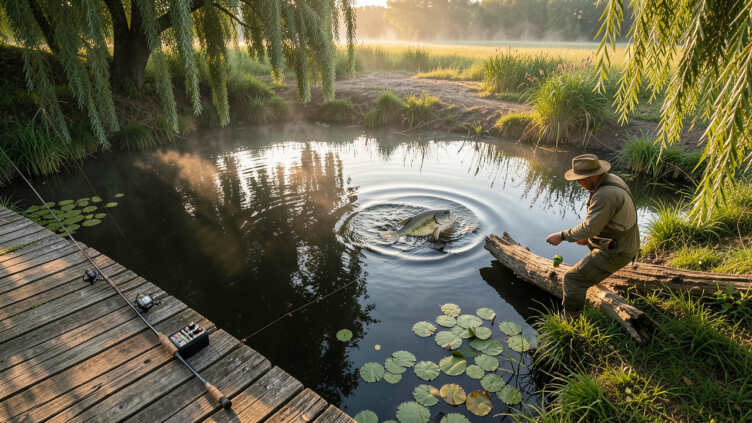
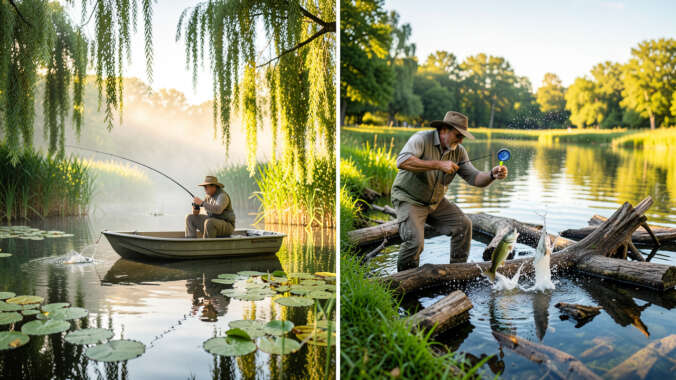
Stealth is crucial when fishing small ponds. Bass can be easily spooked by noise and movement. Approach the bank quietly.
Avoid making loud splashes or banging your gear. Try to cast with a smooth, controlled motion. If you’re in a boat or kayak, pole or paddle quietly.
Sight fishing can be a blast. If the water is clear, you might see bass. Cast your lure gently near them.
Try to make it look natural. A subtle retrieve might be all it takes. If you see a bass, don’t cast directly at it immediately.
Avoid midday sunny periods; instead focus on early morning, late evening, or overcast days when bass are more active.
Cast just in front of its path. Let it swim to your lure.
Then, consider the retrieve. For many pond lures, a slower retrieve is better. Bass in smaller bodies of water might not chase lures as aggressively.
They often ambush prey. A steady, moderate retrieve works for many baits. For jigs and soft plastics, a hop-and-drag retrieve is often best.
Fishing around cover is another key technique. Cast your lure right to the edge of lily pads or under bushes. Let it sit for a moment before retrieving.
This allows the bass to notice it. Then, give it a gentle twitch or slow pull.
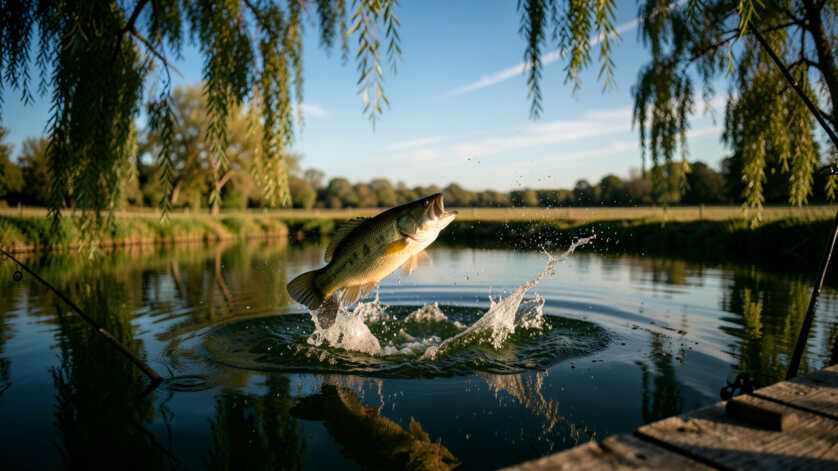
Timing Your Pond Bass Fishing Trips
The best times for Pond Bass Fishing: The Best Tactics for Small Waters Now often align with natural feeding times. Early morning and late evening are prime periods. During these times, light levels are lower.
Bass feel more secure moving into shallower areas to feed. This is when topwater lures shine.
Cloudy or overcast days can also be excellent. Bass tend to be more active throughout the day when it’s not too sunny. They can move more freely without the harsh glare.
If you fish during midday on a sunny day, focus on shaded areas. Look for overhanging trees, docks, or thick vegetation.
Water temperature plays a big role. In cooler months, bass might be more sluggish. They may prefer slower presentations.
In warmer months, they can be more aggressive. However, extreme heat can push them deeper. Understand the seasonal patterns for your local ponds.
Early Morning and Late Evening Bites
As the sun rises, bass often move into the shallows. They hunt baitfish and other small creatures. This is a perfect time for topwater lures.
A medium-action spinning rod with 8-12 pound test line offers the versatility needed for most pond bass fishing scenarios.
A buzzbait or a hollow-body frog can be deadly. The commotion on the surface can trigger aggressive strikes.
As the sun sets, the same pattern often repeats. The cooling water and reduced light levels encourage feeding. The evening bite can be just as good as the morning bite.
Be patient and work your lures methodically. Don’t be afraid to try different retrieves.
Fishing on Cloudy Days
Cloudy days offer a unique advantage. The diffused light makes it harder for bass to see you. It also makes it easier for them to see your lure.
This can extend the feeding window throughout the day. You might find success with a variety of lures.
Try spinnerbaits or crankbaits on cloudy days. These lures cover water quickly. They can draw strikes from active bass.
Soft plastics and jigs are also reliable. The key is to keep your lure moving and present it naturally.
Choosing the Right Gear for Ponds
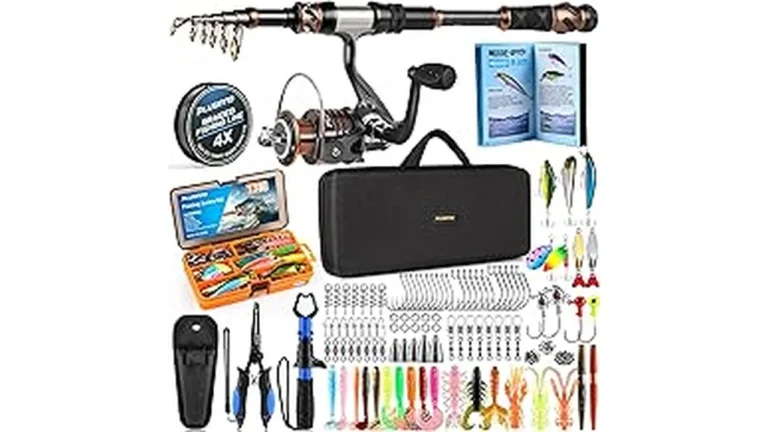
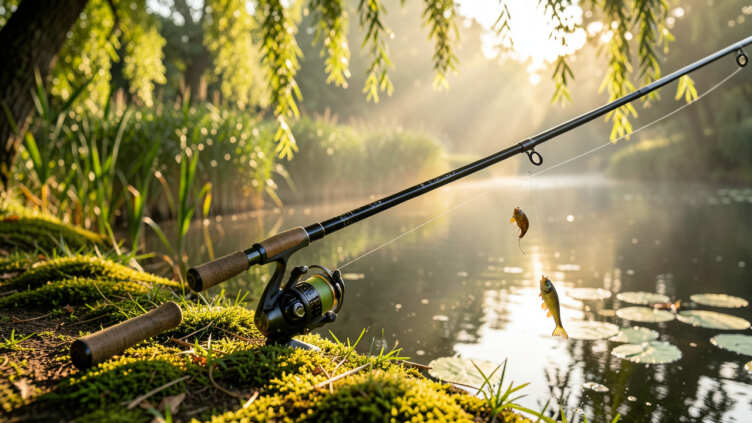
You don’t need heavy-duty gear for pond fishing. A medium-action spinning rod and reel combo is ideal. This setup is versatile.
It can handle various lures and sizes of bass. A 6 to 7 foot rod provides good casting accuracy. Use monofilament or fluorocarbon line in the 8 to 12 pound test range.
If you plan to fish around thick cover, a baitcasting setup might be better. It offers more power for setting hooks and pulling fish out of weeds. However, for most pond fishing, a spinning setup is perfectly adequate and easier to use.
Finally, consider your tackle box. Keep it simple. A few topwater lures, some soft plastics, a jig or two, and a spinnerbait will cover most situations.
Bring a pack of weedless hooks and some bullet weights for Texas rigging. A small landing net can be helpful for landing larger fish.
Pond fishing allows you to perfect your technique on a smaller scale without the overwhelming vastness of large lakes.
Rod and Reel Recommendations
A spinning rod in the 6’6″ to 7′ range with a medium action is a great starting point. It offers good casting distance and sensitivity. Pair it with a 2500 or 3000 series spinning reel.
This size reel holds enough line and has a smooth drag system.
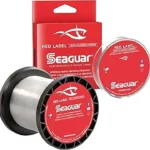
For line, 8-pound test monofilament is good for general use. It floats well, which is great for topwater. If you’re fishing near weeds or cover, 10 or 12-pound test fluorocarbon can offer more abrasion resistance.
Fluorocarbon also sinks, which is good for submerged lures.
Essential Tackle Box Items
For Pond Bass Fishing: The Best Tactics for Small Waters Now, focus on versatility. You’ll want a few key items:
- Topwater Lures: Walking baits, poppers, and hollow-body frogs.
- Soft Plastics: Senko-style worms, creature baits, and crawfish imitations.
- Jigs: Compact 1/4 to 3/8 ounce jigs with weed guards.
- Spinnerbaits: Small to medium-sized spinnerbaits in white or chartreuse.
- Hooks and Weights: Assorted weedless worm hooks and bullet weights.
- Line Cutters: Small, sharp scissors or clippers.
- Pliers: For removing hooks safely.
Pond Bass Fishing: A Comparison
To highlight the differences and similarities, let’s look at how pond bass fishing compares to fishing in larger bodies of water. While the principles are similar, the scale and approach differ.
As you can see, Pond Bass Fishing: The Best Tactics for Small Waters Now offers a more accessible and intimate experience. You can focus on perfecting your technique without the vastness of large lakes.
Frequently Asked Questions
Question: What is the best time of year for pond bass fishing?
Answer: Spring and fall are generally the best seasons for pond bass fishing. The water temperatures are moderate, and bass are very active and feeding heavily. Summer can be good in the early morning and late evening, while winter can be slower but still productive.
Question: How deep do I need to fish in a pond?
Answer: Most pond bass fishing happens in shallower water, usually 1 to 6 feet deep. However, knowing the pond’s deepest point is helpful, especially on hot days when bass might retreat to cooler, deeper water.
Question: Can I catch big bass from a pond?
Answer: Absolutely. Well-managed ponds with good forage can produce surprisingly large bass. Focusing on structure and using the right tactics, especially for Pond Bass Fishing: The Best Tactics for Small Waters Now, increases your chances of catching a trophy.
Question: What kind of bait should I use for pond bass?
Answer: Live bait like earthworms or minnows can be very effective. For artificial lures, soft plastics, topwater baits, jigs, and spinnerbaits are excellent choices. Match your lure to the forage present in the pond.
Question: Do I need a boat to fish for bass in a pond?
Answer: No, a boat is usually not necessary. Many ponds can be effectively fished from the bank. A kayak, canoe, or float tube also provides excellent access to different parts of the pond without needing a large boat.
Question: How can I avoid spooking bass in a small pond?
Answer: Be quiet and move slowly. Avoid making loud noises or sudden movements. Approach the water’s edge gently and cast smoothly.
If in a boat, use a trolling motor on a low setting or paddle very quietly.
Final Thoughts
Mastering Pond Bass Fishing: The Best Tactics for Small Waters Now means enjoying great fishing without needing complex gear or large bodies of water. By understanding pond structure, using effective lures, and employing stealth, you can consistently catch bass. Get out there and experience the thrill of pond bass fishing.