
Drop Shot For Bass: Finesse Vertical Presentation Mastery
The drop shot for bass is a finesse vertical presentation that suspends a bait above a weight to target finicky fish holding tight to cover or suspended in the water column. Setting up the rig involves tying a specific knot, attaching the weight below the hook, and selecting baits such as finesse worms or shad imitations in colors suited to water clarity. Mastering subtle rod movements and precise depth control allows anglers to present the bait directly in the strike zone, making this technique essential for pressured or lethargic bass.
When you’re out on the water and the bass just aren’t biting, you need a presentation that gets their attention. Sometimes, a slow, subtle approach is exactly what those finicky fish are looking for. Learning the art of Drop Shot for Bass: Finesse Vertical Presentation Mastery can be the key to filling your livewell when other methods fail.
This technique helps you present your bait right in the strike zone, especially when bass are holding tight to cover or suspended in the water column. You’ll gain the confidence to catch more fish by understanding how to make your bait dance and entice bites with precision.
Key Takeaways
- Understand why finesse vertical presentations are crucial for bass.
- Learn how to rig your drop shot for maximum effectiveness.
- Discover the best baits and colors for different water conditions.
- Master the subtle rod movements needed for a natural presentation.
- Know when and where to deploy the drop shot technique for bass.
- Troubleshoot common issues and improve your catch rate.
Why Finesse Vertical Presentation Matters for Bass
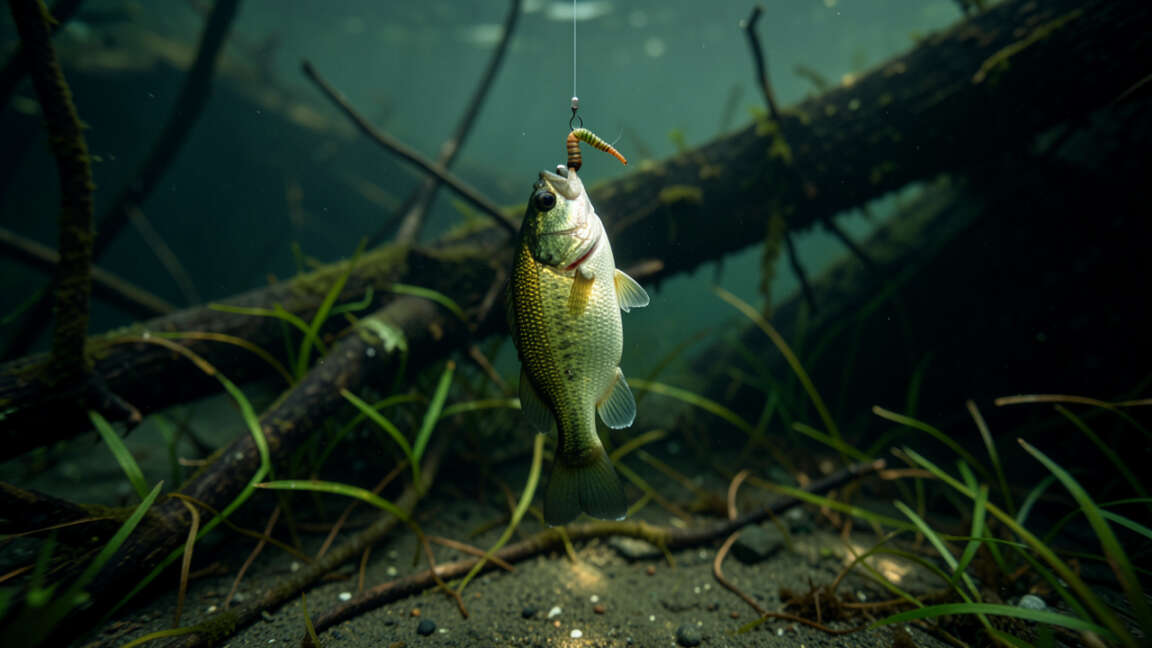
Bass can be picky eaters. They often hold in specific spots, waiting for an easy meal. When they’re not actively chasing baits, a finesse vertical presentation becomes incredibly effective.
This method allows you to place your bait directly in front of a bass, making it hard for them to ignore. It’s all about getting their attention without spooking them.
When bass are not actively chasing baits, use a finesse vertical presentation to place your bait directly in front of them, making it hard for them to ignore.
The core idea is subtlety. You’re not trying to rip through cover or cover a lot of water. Instead, you’re presenting a small, enticing meal right where the fish are.
This is especially true in tough conditions like clear water, high pressure, or when the fish are lethargic. Mastering this technique can turn a slow day into a great one.
Setting Up Your Drop Shot Rig
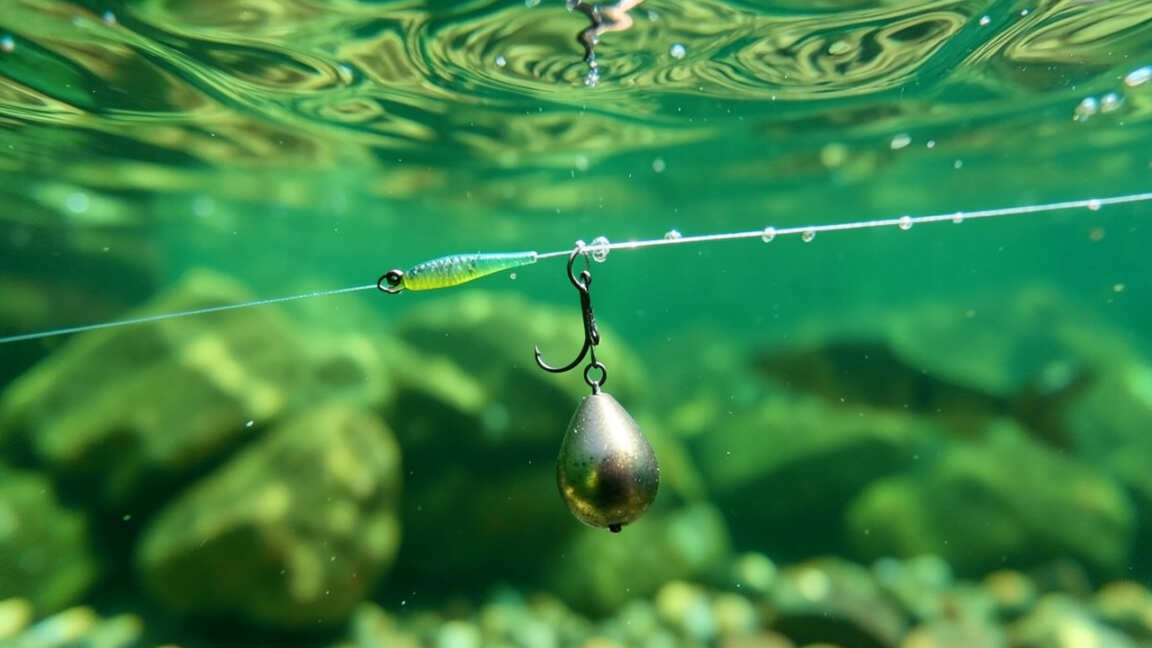
Getting your drop shot rig right is the first step to success. A properly rigged drop shot can mean the difference between a bite and a missed opportunity. It’s a simple setup, but the details matter.
Essential Components of a Drop Shot Rig
You’ll need a few key items to build your rig. Each piece plays a role in how the bait behaves in the water.
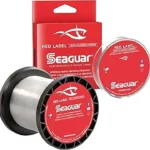
- Fishing Line:Monofilament or fluorocarbon line in lighter strengths (6-12 lb test) is ideal. Fluorocarbon offers less stretch and better sensitivity.
- Hook:Specialized drop shot hooks or small, thin-wire baitholder hooks work best. They have a long shank and an eye positioned for the leader.
- Weight:Drop shot weights are designed to slide along the bottom, keeping your bait elevated. They come in various shapes and sizes.
- Leader Line: A piece of extra fishing line, typically 18-36 inches long, connects your hook to the weight.
How to Tie the Drop Shot Knot
Tying the hook to the leader line correctly is crucial. This knot keeps the hook positioned upwards.
Essential components for a drop shot rig include lighter monofilament or fluorocarbon line in 6-12 lb test and a specialized hook to ensure proper bait presentation and sensitivity.
- First, pass your main fishing line through the eye of the hook from front to back.
- Second, bring the tag end back alongside the hook shank, leaving about 18-36 inches for your leader.
- Next, tie a standard fisherman’s knot (or palomar knot) around the main line, ensuring the tag end is inside the loop.
- Then, loop the tag end around the hook eye and through the loop you just made, creating a snug knot.
- Finally, slide the hook up the leader line to your desired position. Some anglers prefer to tie the hook directly to the main line, leaving the tag end for the weight, but using a distinct leader is more common.
Attaching the Weight
Attaching the drop shot weight is straightforward. It’s usually clipped or tied to the very end of your leader line.
Most drop shot weights have a clip or a loop. You simply attach it to the end of your leader. Make sure it’s secure so it doesn’t come off while fishing.
The weight keeps your bait suspended vertically.
Choosing the Right Baits and Colors
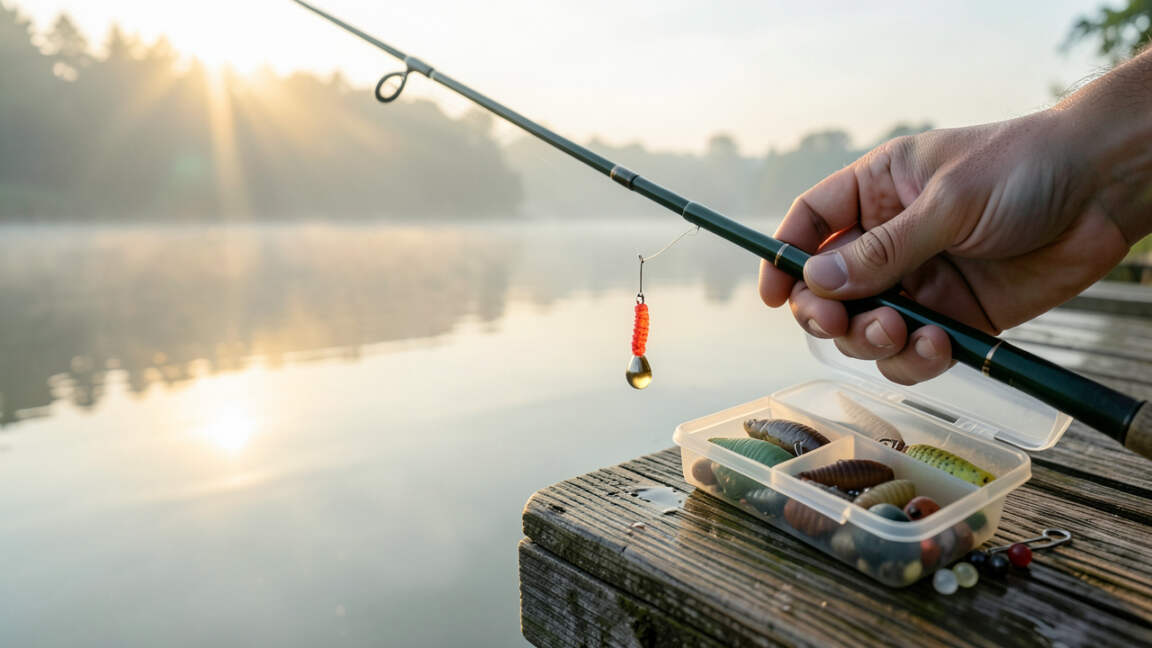
The bait you use is what attracts the bass. For finesse vertical presentations, smaller, lifelike baits work best. They mimic small forage fish or invertebrates.
Best Baits for Drop Shotting Bass
Certain bait shapes excel in a vertical presentation. They flutter and move realistically with subtle rod action.
In stained or dirty water, bright colors like chartreuse, white, or pink help bass locate your bait quickly and trigger strikes.
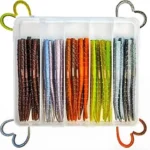
- Small Worms:Straight-tail worms, 3-5 inches long, are a classic choice. They have a natural wiggle.
- Creature Baits: Small, compact creature baits with subtle appendages can also work.
- Grubs:Small, paddle-tail grubs can add a bit more action.
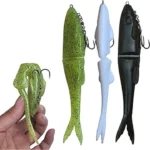
- Minnow Imitations:Small, slender minnow-shaped baits are excellent for imitating baitfish.
Color Selection for Different Water Conditions
The color of your bait should match the water clarity and the natural forage. This is a key part of Drop Shot for Bass: Finesse Vertical Presentation Mastery.
In clear water, natural colors like green pumpkin, watermelon, and shad are often best. They mimic what the bass are used to seeing. In stained or dirty water, brighter colors like chartreuse, white, or pink can help the bass locate your bait.
Sometimes, a combination of colors or a two-tone bait can be very effective.
Mastering the Vertical Presentation Technique
The way you move your rod and reel is critical for a successful drop shot presentation. It’s not just about dropping the bait; it’s about making it look alive.
Subtle Rod Movements
The key to Drop Shot for Bass: Finesse Vertical Presentation Mastery is subtle rod action. You want to impart just enough movement to make the bait dance.
Start with very small twitches of your rod tip. A slight lift and drop can make the bait flutter. You can also shake the rod tip gently.
This makes the bait look like it’s struggling or trying to escape. Avoid large, jerky movements that can scare fish.
Shake the rod tip gently to make your bait look like it’s struggling or trying to escape, which can trigger a reaction strike from bass.
Maintaining Contact with the Bottom
Keeping your weight on the bottom is important. It anchors your bait while allowing it to move naturally above it. This is a core principle of the Drop Shot for Bass: Finesse Vertical Presentation Mastery.
Feel the weight on the bottom. If you lose contact, gently reel up and drop it back down. This ensures your bait stays in the strike zone.
You want the bait to hover or dance just above the bottom structure or where you suspect bass are holding.
When to Set the Hook
Setting the hook with a drop shot is different from other techniques. Because you have slack in the line, you need to be ready.
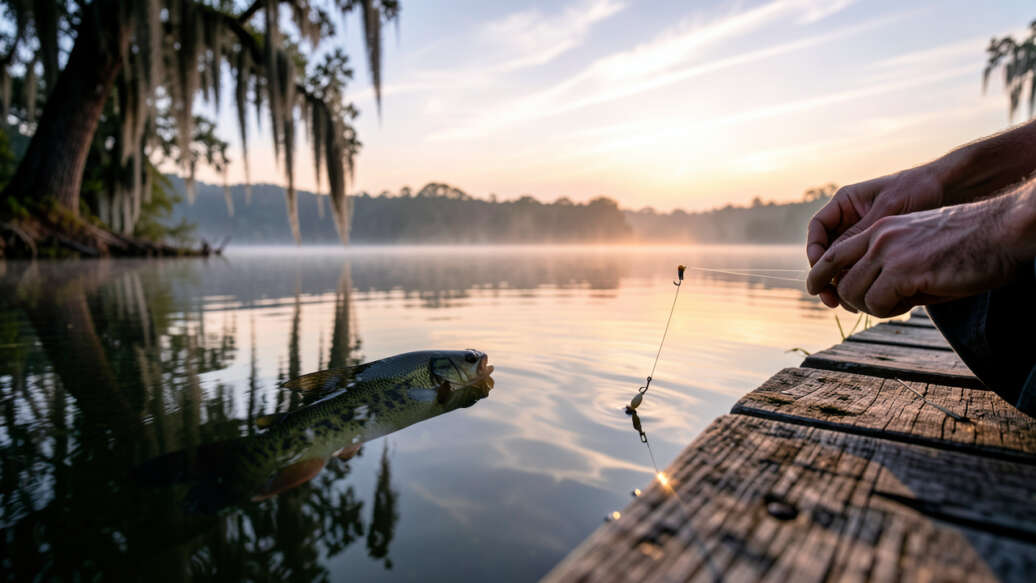
When you feel a tap or a subtle tug, lift your rod tip firmly. You don’t need a huge hook set. A smooth, solid lift is usually enough to drive the hook home.
The light wire hook will penetrate easily.
Where and When to Use the Drop Shot
The drop shot is a versatile technique. It works in many situations, especially when bass are being tough.
Targeting Bass in Cover
Bass love to hide around structure. The drop shot is perfect for presenting bait right next to it.
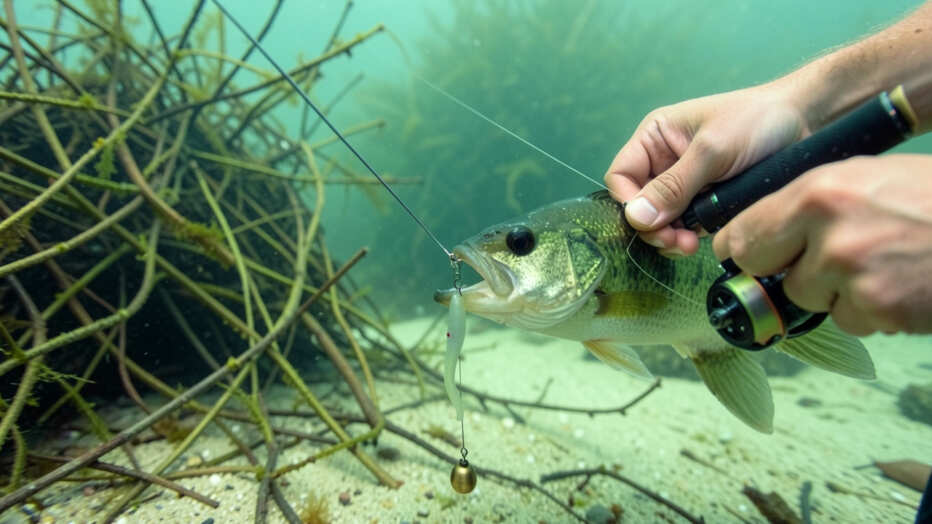
Fish around docks, submerged trees, rocks, and weed lines. You can lower your bait straight down next to a dock piling or a submerged branch. This allows you to present your bait without snagging it.
The elevated bait stays clean and looks natural.
Fishing Suspended Bass
Bass don’t always stay on the bottom. They often suspend in the water column, especially over deeper water.
Be aware that fall is a prime time for drop shotting as bass feed before winter, but even in winter a slow, subtle presentation can coax bites from stubborn fish.
Use your electronics to find schools of baitfish or suspended bass. Once you locate them, drop your rig down to that depth. The drop shot allows you to present your bait right in their face.
This is a powerful application of Drop Shot for Bass: Finesse Vertical Presentation Mastery.
Seasonal Considerations
The drop shot can be effective year-round, but it shines in certain seasons.
It’s particularly good in spring when bass are moving up to spawn and can be a bit wary. In the summer, when fish might be deeper or lethargic, it’s a great way to get bites. Fall can also be a prime time as bass feed up before winter.
Even in winter, a slow, subtle drop shot can coax bites from stubborn fish.
Troubleshooting Common Drop Shot Problems
Even with a great technique, you might run into issues. Knowing how to fix them will improve your success.
Dealing with Snags
Snags are a common problem when fishing around cover. The right weight can help.
- Use Tear-Away Weights: If you use weights with a thin line or a clip, they are more likely to break free if snagged.
- Vary Weight Size: A heavier weight might hold better in current, but a lighter one might pull free easier.
- Adjust Leader Length: Sometimes a longer leader can help the bait float over snags while the weight is caught.
Getting More Bites
If you’re not getting bites, it’s time to make adjustments.
Try changing your bait color or size. Experiment with different leader lengths. Sometimes, a longer leader makes the bait appear more natural.
Using tear-away weights with a thin line or clip helps them break free if snagged, reducing lost tackle and keeping you fishing longer.
Other times, shortening it can make it more direct. Adjusting your rod movement is also key. Try more or less action.
Hooking Bass on Light Line
Fishing with lighter line requires a bit of finesse when setting the hook.
Avoid a violent hook set. A firm, upward sweep of the rod is usually sufficient. This prevents you from breaking the light line.
Let the drag on your reel do some of the work fighting the fish.
Drop Shot vs. Other Finesse Techniques
The drop shot is a fantastic finesse technique, but it’s not the only one. Comparing it to other methods helps you understand its strengths.
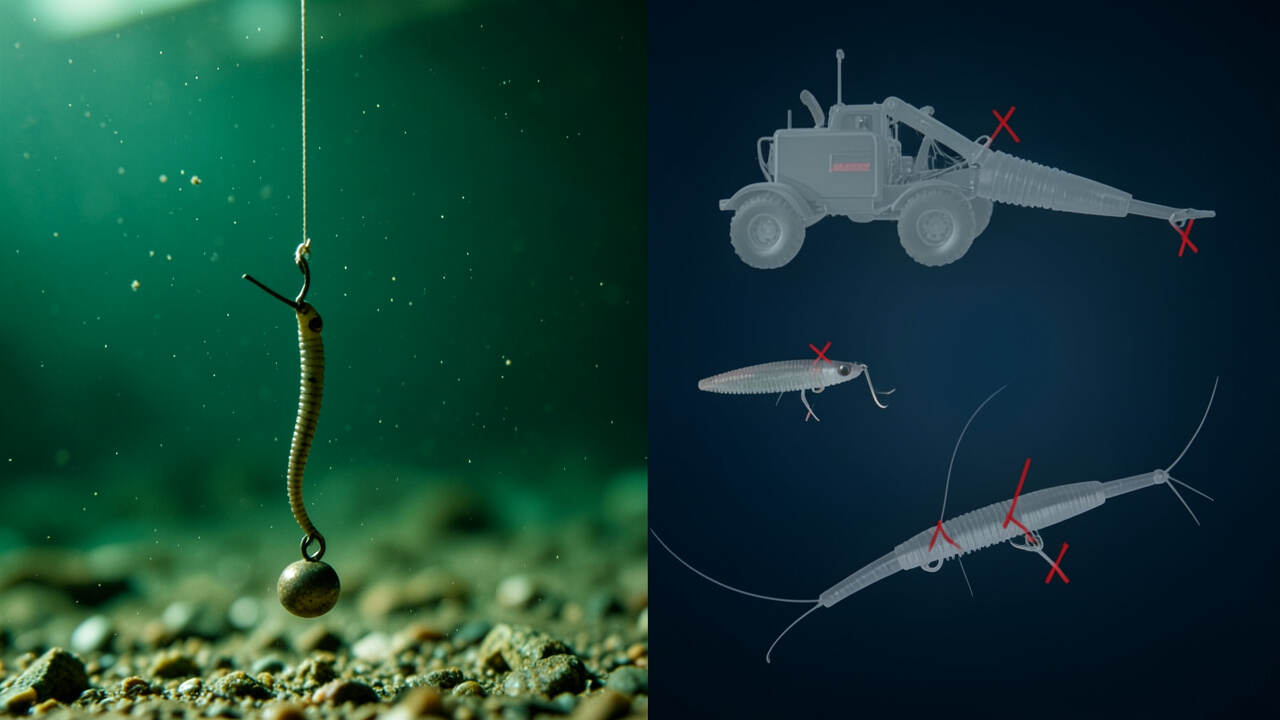
The drop shot excels when you need precise bait placement in the strike zone with minimal movement, especially vertically.
Each technique has its place. The Drop Shot for Bass: Finesse Vertical Presentation Mastery excels when you need to present a bait precisely in the strike zone without much movement, especially vertically.
Frequently Asked Questions
Question: What is the main advantage of using a drop shot rig for bass?
Answer: The main advantage is its ability to present bait precisely in the strike zone, especially vertically, making it highly effective for finicky or suspended bass.
Question: How long should the leader be on a drop shot rig for bass?
Answer: Leader lengths typically range from 18 to 36 inches, but can be adjusted based on water clarity and bass behavior. Longer leaders are often used in clear water.
Question: Can I use a regular spinning reel for drop shotting?
Answer: Yes, a spinning reel is ideal for drop shotting due to its ability to handle lighter lines and provide smooth casting and retrieves, which are essential for finesse presentations.
Question: What kind of rod is best for Drop Shot for Bass: Finesse Vertical Presentation Mastery?
Answer: A medium-light to medium power, fast-action spinning rod is generally best. It offers sensitivity to detect subtle bites and enough backbone to set the hook and fight the fish.
Question: When should I consider using a drop shot rig over other methods?
Answer: You should consider a drop shot when bass are not actively chasing baits, when they are holding tight to cover, or when they are suspended in the water column. It’s also great in clear water or high-pressure situations.
Question: How do I prevent my drop shot bait from spinning?
Answer: Ensure your hook is tied directly to the line and that the bait is rigged straight. Some baits are designed to minimize spinning. Adjusting your retrieve speed can also help.
Final Thoughts
Mastering the Drop Shot for Bass: Finesse Vertical Presentation Mastery can significantly boost your success on the water. By understanding the right rigging, bait selection, and subtle presentation techniques, you can unlock a reliable method for catching bass in various conditions. Keep practicing these finesse tactics, and you’ll find yourself filling your livewell more often.


2 Comments