Jig Fishing For Bass: Football, Flipping, And Finesse Jigs
Jig fishing for bass with football, flipping, and finesse jigs each targets specific conditions: football jigs excel in open water over rocky bottoms, flipping jigs conquer heavy vegetation and wood, and finesse jigs entice pressured bass in clear or sparse cover. Selecting the appropriate jig and trailer based on depth and cover density improves presentation effectiveness, while matching rod, reel, and line to the technique enhances control and sensitivity. Mastering these three jig styles allows an angler to adapt to diverse fishing environments and consistently produce more strikes.
Catching bass with jigs can really make your fishing trip exciting, especially when you know which jig to use and how. Different situations call for different jig styles, and mastering them means you’ll be ready for almost any bass fishing scenario. Understanding the nuances of Jig Fishing for Bass: Football, Flipping, and Finesse Jigs will help you present your bait more effectively, leading to more bites and bigger catches.
We’ll go over the best times and places to use each type, so you can step up your game and have more success on the water.
Key Takeaways
- Learn the specific purposes and best fishing conditions for football jigs.
- Understand how flipping jigs are designed for heavy cover and how to use them.
- Discover the subtle advantages and applications of finesse jigs for finicky bass.
- Identify the right jig trailers and colors to match your fishing environment.
- Gain tips on jig presentation and retrieve techniques for each jig type.
- Recognize how rod, reel, and line choices impact your jig fishing success.
Mastering the Football Jig for Open Water Success
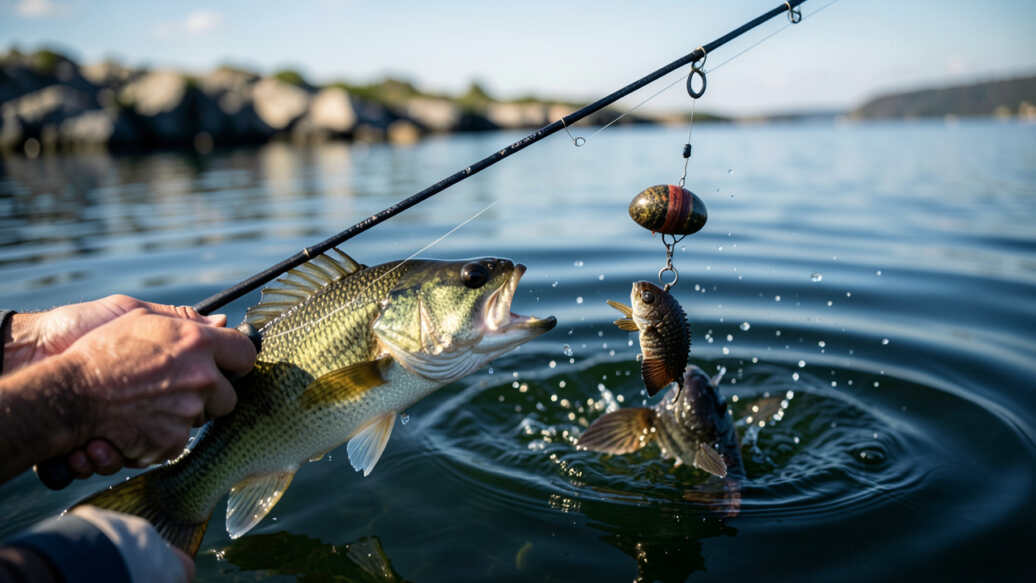
The football jig is a workhorse for bass fishing, especially when you’re targeting them in more open water or around scattered cover. Its unique head shape allows it to glide over rocks and gravel without getting snagged easily. This makes it perfect for dragging along the bottom where bass often wait to ambush prey.
When bass are suspended or holding on subtle bottom transitions, the football jig excels. It mimics a crawfish or a slow-moving baitfish, triggering strikes from bass that are looking for an easy meal. The key is a slow, steady retrieve, often with pauses to let the jig sit and entice a bite.
When to Deploy the Football Jig
This jig shines in late spring, summer, and fall. Think about areas with gravel points, humps, ledges, and shell beds. If you’re fishing a lake with clear water, the football jig can be a great choice for covering a lot of bottom and finding active fish.
Drag your football jig slowly over rocky bottoms to let the head shape work its magic and avoid snags.
It’s also effective when bass are relating to subtle changes in depth. A slow drag along a contour line can be deadly. Don’t be afraid to experiment with different speeds; sometimes a faster hop can trigger a reaction strike.
Choosing the Right Football Jig and Trailer
Football jigs come in various weights, typically from 1/2 ounce to 1 ounce or even heavier. The weight you choose depends on the depth of the water and the wind conditions. Deeper water or windy days require a heavier jig to maintain bottom contact.
The trailer is crucial for adding action and bulk. A crawfish-imitating trailer is a classic choice. Look for ones with flapping claws or a segmented tail that creates a lifelike flutter.
Colors that match or complement your jig skirt are usually best. Common trailer colors include green pumpkin, black, and crawdad patterns.
Conquering Heavy Cover with Flipping Jigs
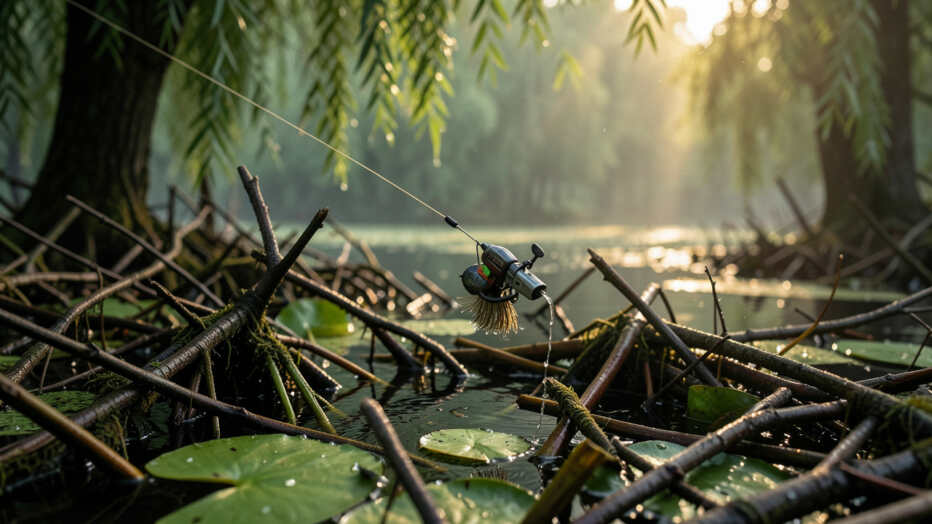
Flipping jigs are built for one purpose: getting into thick cover and pulling out bass. Their streamlined head design and weedguard are made to slip through brush piles, lily pads, docks, and laydowns. This is where the biggest bass often hide, waiting to be coaxed out.
The technique involves short, accurate pitches or flips into the target area. Once the jig lands, you let it sit or give it a subtle shake. The strike often happens when the jig is falling or just sitting still.
This style of Jig Fishing for Bass: Football, Flipping, and Finesse Jigs is all about precision and power.
Where Flipping Jigs Work Best
Anytime bass are holding tight to cover, a flipping jig is your go-to bait. This includes vegetation mats, submerged timber, and docks. They are particularly effective during the spawn when bass are guarding nests near the bank, and also in the summer when they seek shade in heavy cover.
Bass often strike a flipping jig as it falls past their cover because it triggers a reflexive predatory response.
When bass are pressured or holding very tight to structure, the flipping jig’s ability to be presented directly to them is unmatched. It’s a bait that demands confidence and accuracy, but the rewards can be huge.
Flipping Jig Anatomy and Rigging
Flipping jigs typically have a heavy-duty hook and a stout weedguard. The head is often triangular or bullet-shaped to help it penetrate cover. Skirt materials can range from silicone bands to natural fibers, offering different looks and actions.
For trailers, bulky crawfish imitations or creature baits work well. These add volume and movement, making the jig more appealing. Many anglers also add a trailer keeper to prevent the trailer from sliding down the hook.
Colors should often mimic the natural forage or contrast with the cover, like black and blue.
The Subtle Power of Finesse Jigs
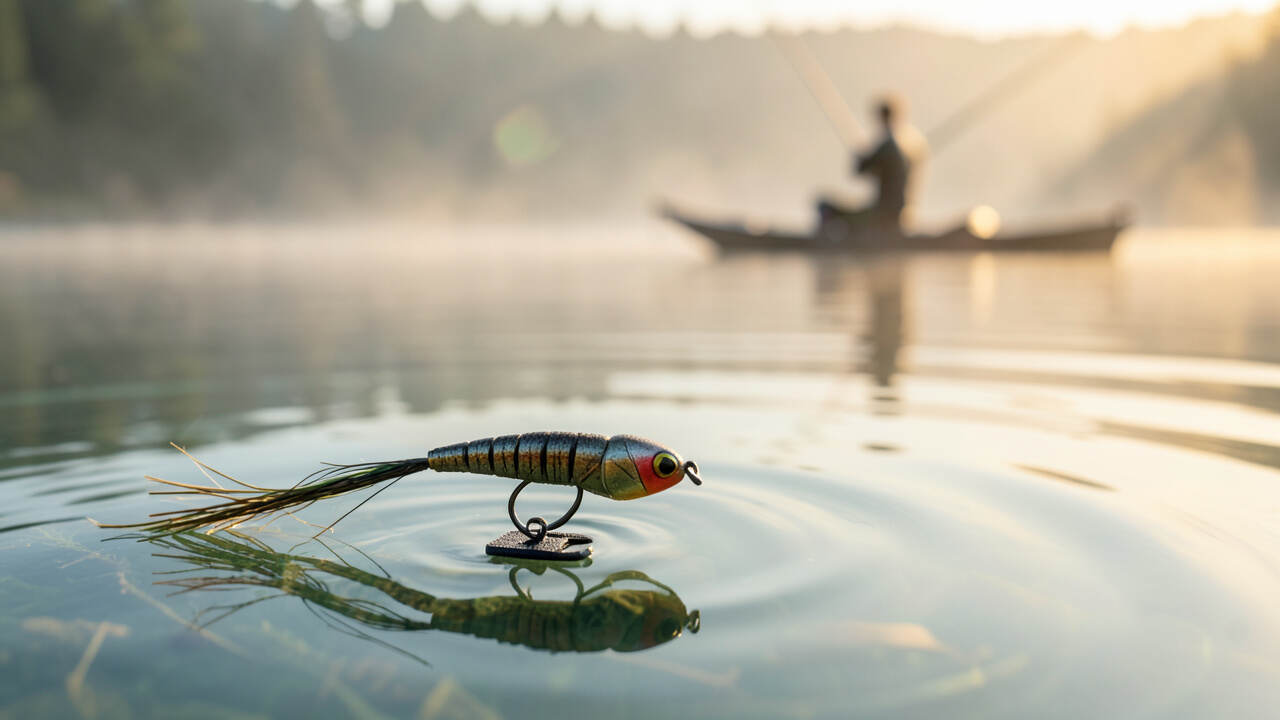
Finesse jigs are designed for situations where bass are being picky or when the water is exceptionally clear. They are smaller, lighter, and often have a more subtle action than their football or flipping counterparts. This makes them perfect for tempting wary fish.
When bass are not aggressively chasing baits, or if they’ve seen a lot of pressure, a finesse jig can be the key. They are often fished on lighter line and with a more delicate presentation. This is a critical part of Jig Fishing for Bass: Football, Flipping, and Finesse Jigs for tough days.
When to Reach for a Finesse Jig
Clear water, cold fronts, and high fishing pressure are prime times for finesse jigs. They are also excellent for targeting smaller bass or when you want to present a very natural-looking bait. Spring and fall can be excellent times, but they work year-round.
In pressured waters, a finesse jig’s subtle fall often entices strikes when aggressive baits fail.
If you’re fishing a spot and the bass aren’t biting your heavier jigs, downsizing to a finesse jig is a smart move. It can make all the difference when the fish are hesitant. The smaller profile is less intimidating and easier for them to commit to.
Finesse Jig Styles and Rigging
Finesse jigs come in many forms, including small swim jigs, mushroom heads, and weedless jigs. They typically weigh between 1/8 ounce and 3/8 ounce. The hook size is also smaller, matching the overall profile of the jig.
Trailers for finesse jigs are usually smaller as well. Small crawfish imitations, grub tails, or compact creature baits work well. The goal is to add a bit of subtle action without making the bait look too large or unnatural.
Many anglers use a small piece of soft plastic to add color and scent.
Choosing the Right Jig Trailer for Maximum Attraction
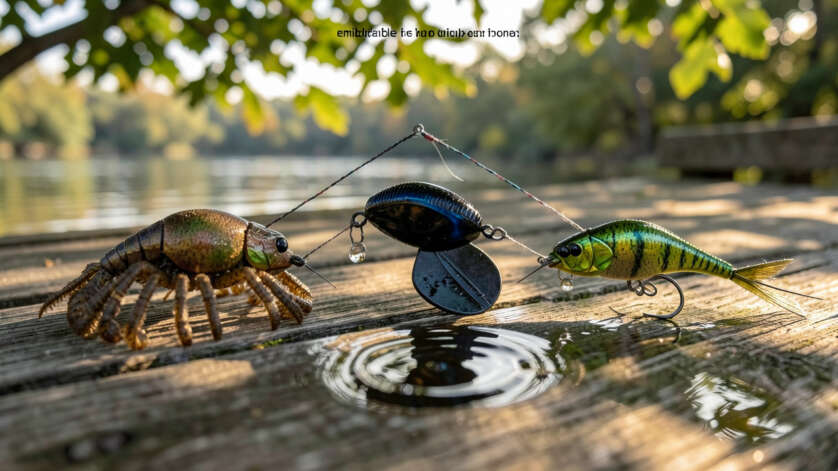
The jig trailer is more than just an accessory; it’s a vital part of your jig fishing setup. It adds action, color, and bulk, making your jig more appealing to bass. The right trailer can significantly increase your bites and the quality of those bites.
Different trailers excel with different jig types and in various fishing conditions. Understanding these differences is key to successful Jig Fishing for Bass: Football, Flipping, and Finesse Jigs.
For finesse jigs, attach a grub tail trailer to add a subtle swimming action without overwhelming the bait.
Trailer Types and Their Benefits
- Crawfish Imitations: These are classic for a reason. They mimic the natural prey of bass and offer lifelike fluttering appendages. They work well with all jig types, especially football and flipping jigs.
- Grub Tails: A simple grub tail can add a subtle swimming action to a finesse jig or a touch of bulk to a flipping jig. They are versatile and come in many sizes and colors.
- Creature Baits: These baits have multiple appendages that create a lot of water disturbance and action. They are excellent for heavy cover and can add significant attraction to flipping jigs.
- Swimbaits: Small paddle-tail swimbaits can be rigged on jigs to add a swimming action, making them ideal for swim jigs or when you want a more active presentation.
Matching Trailers to Conditions
In clear water, natural colors and subtle actions are often best. Think green pumpkin, watermelon, or shades of brown. In stained or muddy water, brighter colors like chartreuse, orange, or even black and blue can stand out.
Consider the forage in your lake. If crawfish are prevalent, a crawfish trailer is a no-brainer. If baitfish are the main food source, a baitfish-shaped trailer or a swimbait can be more effective.
Always match the trailer size to the jig size for a balanced presentation.
Jig Presentation and Retrieve Techniques
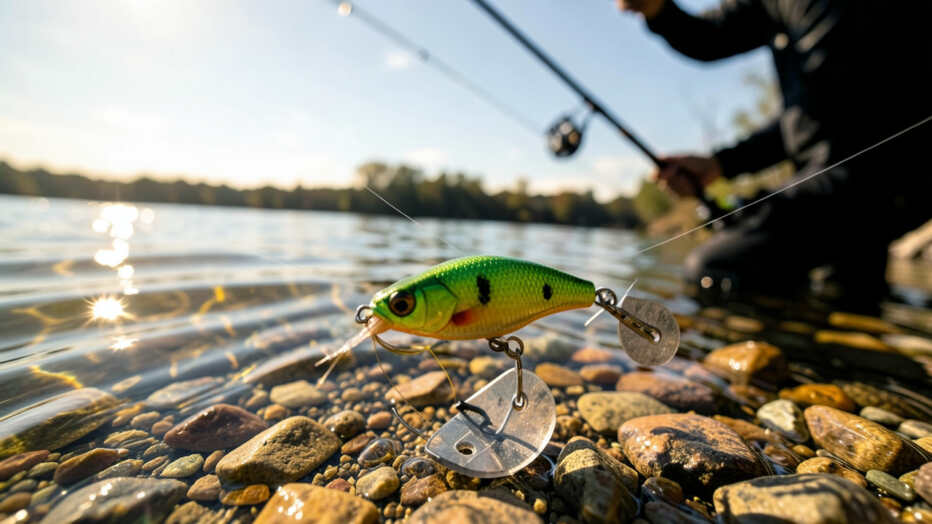
How you present your jig is just as important as the jig itself. Each type of jig has a retrieve that works best for it. Mastering these techniques will help you trigger more bites.
The goal is to make your jig look like a natural meal. This means varying your retrieve, using pauses, and understanding how the jig behaves in the water. Effective presentation is a cornerstone of successful Jig Fishing for Bass: Football, Flipping, and Finesse Jigs.
Retrieving a Football Jig
First, cast your football jig to your target area. Let it sink to the bottom. Next, begin a slow, steady drag along the bottom.
You want to feel the jig bumping over rocks and gravel. Then, pause your retrieve periodically. Let the jig sit still for a few seconds; this is often when bass will strike.
Avoid aggressive rod movements when finesse jigging; subtle twitches are more effective than wide sweeps.
Finally, if you feel a bite, reel down slightly to take up slack and set the hook firmly.
Working a Flipping Jig
First, make a precise flip or pitch directly into the cover. Let the jig fall on a semi-slack line. Next, if it doesn’t get bit on the fall, give it a few short, sharp shakes.
Then, slowly drag it a short distance or let it sit. Finally, if you get a bite, react quickly with a strong hookset. Flipping often requires a powerful hookset to pull the fish away from the cover.
Presenting a Finesse Jig
First, cast your finesse jig to where you think the bass are holding. Next, let it sink slowly. Then, use very subtle twitches of your rod tip to impart a little movement.
You can also lift and drop it gently. Finally, a steady, slow retrieve can also work, especially if the bass are following. The key is a light touch and a natural presentation.
The Right Gear for Jig Fishing Success
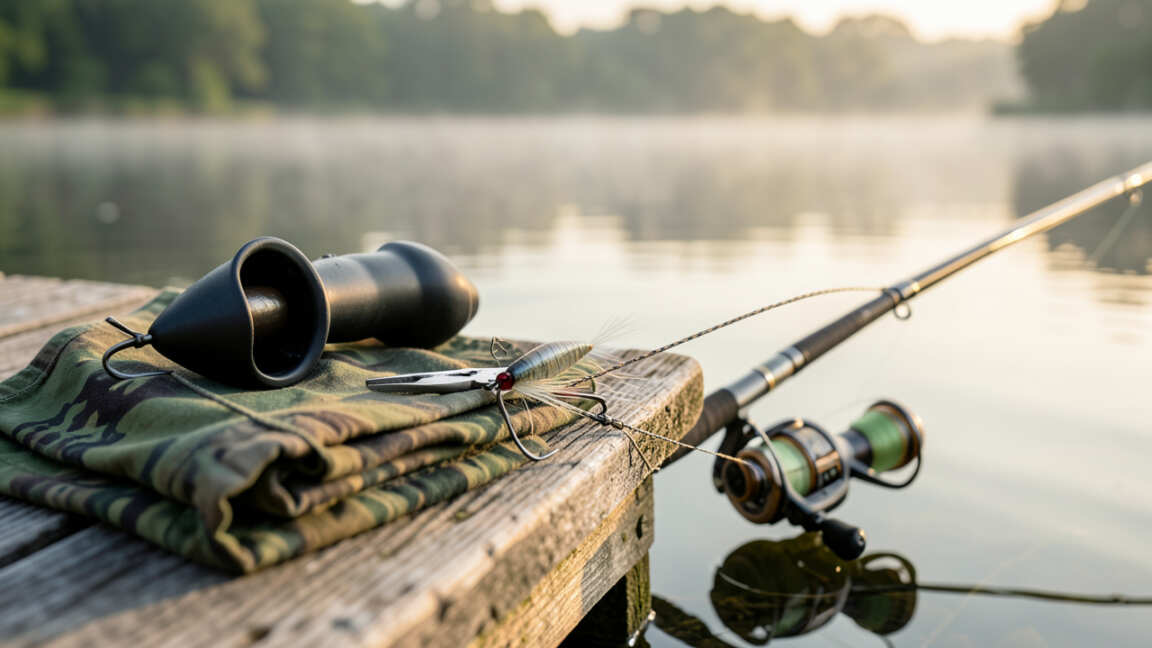
Having the right rod, reel, and line makes a huge difference in your jig fishing success. It allows you to cast accurately, feel bites, and land fish, especially when they are in cover.
Rod Selection
For flipping and football jigs, you’ll want a stout rod. A medium-heavy to heavy power rod with a fast action is ideal. This gives you the backbone to set the hook through heavy cover and control big fish.
A rod length of 7 feet to 7 feet 6 inches is common.
A medium-heavy rod with fast action provides the sensitivity to feel bites and the backbone to horse bass out of cover.
For finesse jigs, a lighter rod is better. A medium-light to medium power rod with a fast or extra-fast action will give you sensitivity for detecting light bites and the ability to cast lighter jigs accurately. A rod length of 6 feet 6 inches to 7 feet is often preferred.
Reel and Line Choices
A quality baitcasting reel is preferred for football and flipping jigs. They offer more torque and control for handling heavy line and powerful fish. Gear ratios between 6.3:1 and 7.1:1 are versatile.
For line, 17-pound to 25-pound fluorocarbon or monofilament is standard for flipping and football jigs. Fluorocarbon offers less stretch and better sensitivity. For finesse jigs, 8-pound to 12-pound fluorocarbon or monofilament is usually sufficient.
Frequently Asked Questions
Question: What is the main difference between a football jig and a flipping jig?
Answer: A football jig has a rounded head designed to glide over open bottom structures like rocks and gravel. A flipping jig has a more streamlined head and a stout weedguard, built for penetrating and fishing through thick cover like bushes and docks.
Question: When is the best time of year for Jig Fishing for Bass: Football, Flipping, and Finesse Jigs?
Answer: All three types of jigs can be effective year-round. However, football jigs excel in warmer months for open water, flipping jigs are great when bass are in heavy cover (spring through fall), and finesse jigs are ideal for tough conditions or when bass are finicky, often seen in cooler water or during high pressure.
Question: Can I use the same trailer for all types of jigs?
Answer: While you can use similar trailer styles, the size and action should be matched to the jig. Bulky crawfish or creature baits work well with flipping and football jigs. Smaller, more subtle trailers are better for finesse jigs to maintain their compact profile.
Question: How important is the color of the jig and trailer?
Answer: Color is very important and depends heavily on water clarity and light conditions. Natural colors like green pumpkin and brown work well in clear water, while black, blue, or chartreuse can be more effective in stained or muddy water. Always try to match the jig and trailer to the local forage.
Question: What kind of bass are best targeted with Jig Fishing for Bass: Football, Flipping, and Finesse Jigs?
Answer: All types of bass, including Largemouth, Smallmouth, and Spotted Bass, readily strike jigs. Flipping jigs are particularly effective for Largemouth bass in heavy cover. Football jigs are excellent for Largemouth and Smallmouth bass on open water structure.
Finesse jigs are versatile for all species, especially when they are being difficult to catch.
Question: Do I need a special rod for each type of jig?
Answer: While not strictly necessary, using different rods for different jigs improves performance. Heavy flipping and football jigs benefit from stout, medium-heavy to heavy power rods. Lighter finesse jigs are best fished with medium-light to medium power rods for better casting and bite detection.
Final Thoughts
Mastering Jig Fishing for Bass: Football, Flipping, and Finesse Jigs opens up many possibilities on the water. By selecting the right jig for the conditions and presenting it effectively, you can consistently catch more bass. Remember to match your jig, trailer, and retrieve to what the bass are doing, and you’ll see great results.


3 Comments