






Bass Fishing On Bluebird Sky Days: The Hardest Conditions
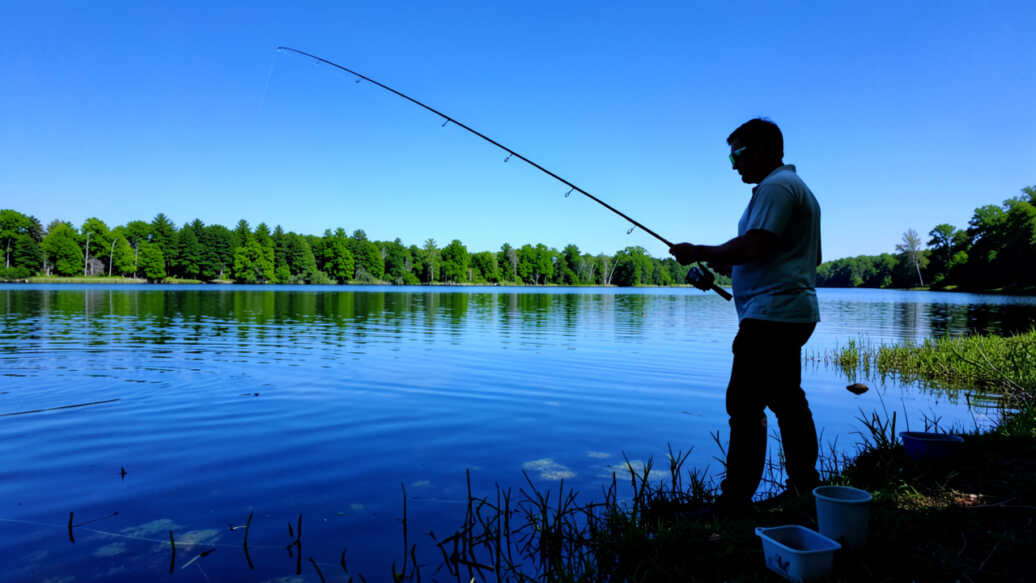
Bass fishing on bluebird sky days is the hardest conditions because bright, cloudless sunlight increases water clarity and visibility, causing bass to become spooky and retreat to deep shade or heavy cover. Anglers must target shaded structure like docks, overhanging trees, or submerged vegetation where bass ambush prey without direct light. Lure selection shifts to natural, translucent colors such as green pumpkin or watermelon, and presentations become slow and subtle with soft plastics or finesse jigs to avoid spooking wary fish. Success hinges on adjusting depth and using polarized sunglasses to spot bass in dimmer zones, turning a tough day into a rewarding challenge.
Sunny days with clear blue skies can be beautiful, but they often make bass fishing a real challenge. When the sun is high and there are no clouds, bass tend to get spooky and move to deeper, shaded areas. Understanding why this happens and what you can do about it is key to improving your success.
We’ll show you how to adapt your strategy to catch more bass even during Bass Fishing on Bluebird Sky Days: The Hardest Conditions, so you can turn those tough days into rewarding outings.
Key Takeaways
- Learn why clear skies make bass harder to catch and where they go.
- Discover the best lure colors and types for bright, sunny conditions.
- Understand how to adjust your fishing location and depth for success.
- Master techniques for presenting lures subtly to wary bass.
- Find out how to use polarized sunglasses to your advantage.
- Gain confidence in catching bass even when the conditions seem impossible.
Why Bright Skies Make Bass Fishing Tough
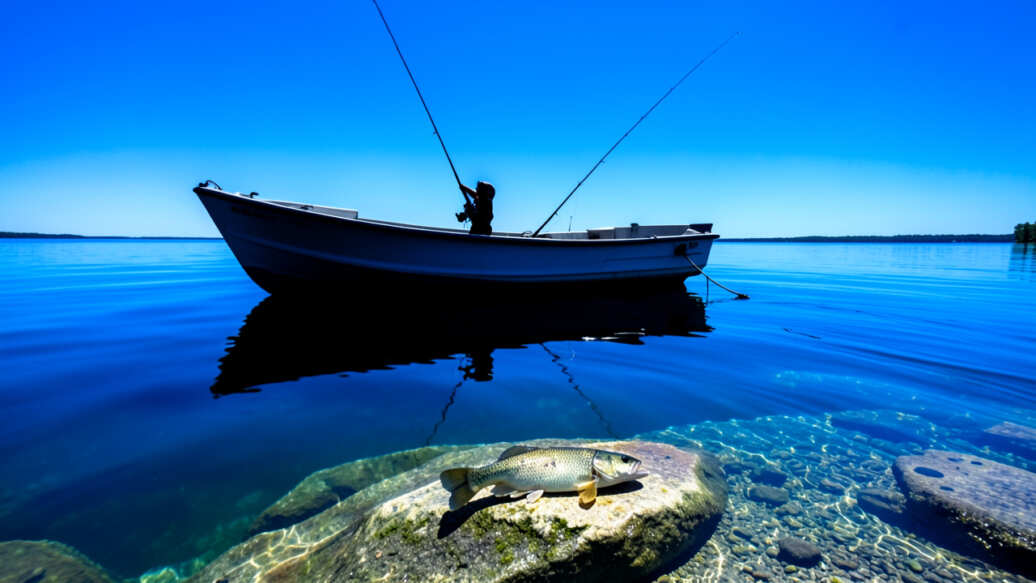
When the sun shines brightly with no clouds, it changes the underwater world significantly. Light penetrates the water more easily, making it harder for bass to hide. This increased visibility makes them more cautious of predators and anglers.
They often retreat to cover or deeper water where they can find shade and feel more secure. This is why Bass Fishing on Bluebird Sky Days: The Hardest Conditions are a common frustration for many anglers.
On bluebird sky days, focus on casting to shaded cover or deeper water because bass retreat to these areas to feel secure from increased visibility.
The lack of cloud cover also affects the behavior of baitfish. Small baitfish might scatter or move to similar shaded areas. Bass, being opportunistic feeders, will follow their food sources.
This means you often need to target areas with natural or artificial shade. Without understanding these basic principles, you might find yourself casting into empty water, wondering why the fish aren’t biting.

Finding Bass When the Sun is High
On bright days, bass seek relief from the intense sun and bright light. They look for areas that offer shade and cooler temperatures. This often means moving away from shallow, open water and seeking out structure or depth.
Learning to identify these key areas is crucial for success.
Targeting Shade and Cover
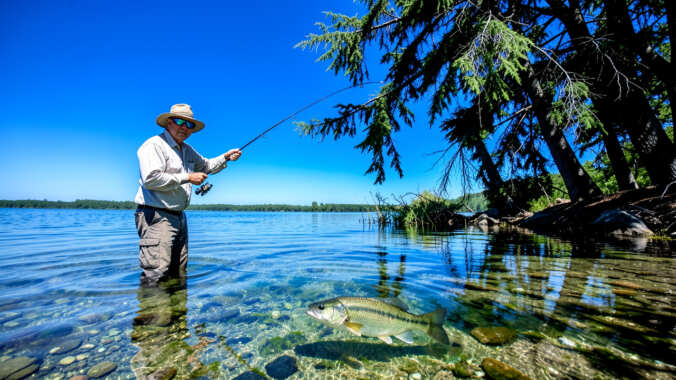
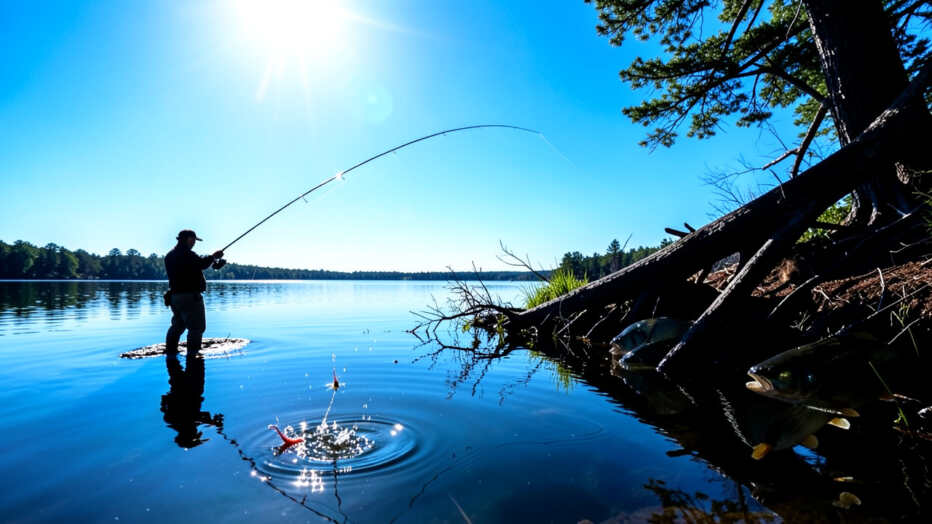
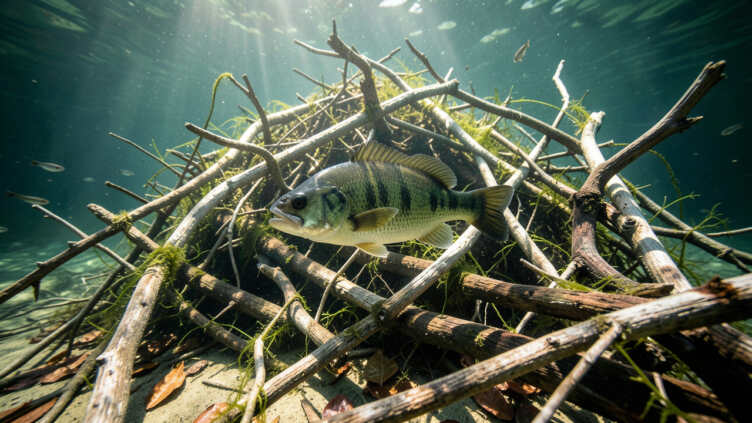
The most effective strategy is to find natural or artificial shade. This includes overhanging trees, bushes along the bank, docks, fallen logs, and bridge pilings. Any structure that casts a shadow on the water can hold bass.
Even a single lily pad can provide enough cover for a bass on a bright day.
Look for areas where the sun’s rays are blocked. This could be the shady side of a weed line or a deep drop-off that leads into darker water. Pay close attention to how the sun moves throughout the day.
Identify key areas with natural or artificial shade, such as overhanging trees, docks, or bridge pilings, as bass will seek these spots to escape the intense sun.
The shaded areas will change, so you might need to adjust your fishing spots as the sun shifts.
Exploring Deeper Water
Bass will also move to deeper water to escape the bright light and warmer surface temperatures. Look for ledges, humps, or points that drop off into deeper sections of the lake or river. These deeper areas offer more consistent shade and cooler water temperatures.
Bass will often position themselves just off the edge of these features, waiting for an opportunity to feed.
Understanding the contour of the lakebed is important here. Use your fishfinder to locate these underwater structures. Even on a bright day, bass will feed, but they’ll do it from a place of security.
Deeper water provides that security. Fishing these deeper zones requires a different approach, often with slower presentations.
Adjusting Your Lure Selection
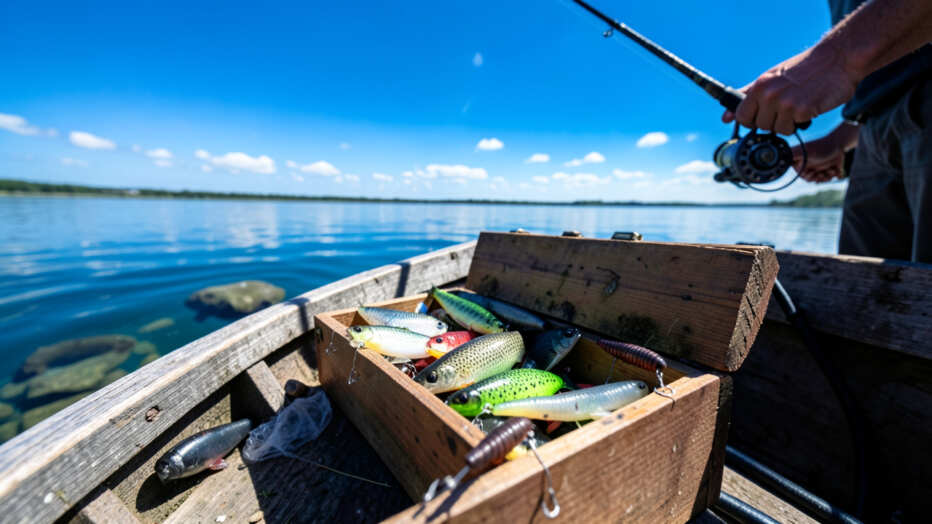
Lure choice is critical when dealing with wary bass on sunny days. You need lures that can be presented subtly and effectively in clear, bright conditions. The goal is to mimic natural prey without spooking the fish.
Color Choices for Clear Water
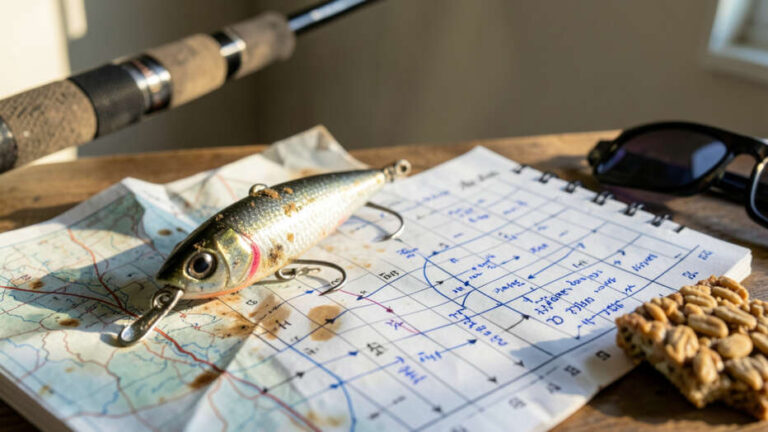
In clear water and bright sunlight, bass can see lures very well. This means bright, flashy colors might be too much. Instead, opt for natural, subtle colors that blend in with the surroundings.
Think about what baitfish look like in your local waters on a sunny day.
Lure choice is critical when dealing with wary bass on sunny days; natural, subtle colors that mimic local baitfish are often more effective than bright, flashy lures.
- Natural Hues: Shad colors, silver, white, and pearl can work well.
- Subtle Greens and Browns: These mimic crawfish and other bottom dwellers.
- Clear or Translucent Lures: They can be very effective as they look natural in the water.
Avoid overly bright or neon colors unless you are fishing in very stained water or during low-light periods. The goal is to make your lure look like an easy meal, not an alarm bell.
Lure Types That Work Best
When fishing during Bass Fishing on Bluebird Sky Days: The Hardest Conditions, it’s often best to slow down. This means using lures that can be fished at a slower pace and with a more natural action.
- Soft Plastics: Worms, lizards, and creature baits fished on a Texas rig or shaky head are excellent. They can be hopped, dragged, or twitched very slowly.
- Jigs: A finesse jig or a football jig can be effective when dragged slowly along the bottom in deeper water.
- Drop-Shot Rigs: This rig allows you to present a small bait with subtle movement right in front of the fish.
- Topwater Lures: While less common on super bright days, a subtle popper or a walking bait fished very slowly around shade can still trigger strikes.
The key is to present your lure in a way that doesn’t create too much splash or disturbance. Wary bass are easily spooked by loud noises or aggressive presentations.
Presentation Techniques for Wary Bass
How you present your lure is just as important as the lure itself, especially when bass are skittish. You need to be stealthy and patient.
Slow and Subtle is Key
On bright, clear days, bass are often less aggressive. They prefer an easy meal. This means you should retrieve your lures much slower than you normally would.
Let your soft plastics drag along the bottom. Give your jigs time to fall. Twitch your bait with subtle rod tip movements rather than aggressive jerks.
If you are using a Texas rig, try “dragging” it. This involves a very slow retrieve, just enough to move the lure. Let it sit on the bottom for a few seconds between drags.
When bass are skittish, slow down your retrieve and use subtle movements like dragging soft plastics along the bottom to avoid spooking them.
This allows bass to investigate without feeling pressured.
Casting Accuracy Matters
When casting, try to be as accurate as possible. You want to place your lure precisely where you think the bass are holding. Avoid casting too close to your target if it will spook them.
Make your casts quiet and controlled. Landing your lure softly on the water is important.
Use lighter line if possible, as it is less visible in clear water. Fluorocarbon line is a good choice because it is nearly invisible and sinks, helping with subtle presentations. This is especially true for Bass Fishing on Bluebird Sky Days: The Hardest Conditions.
Using Your Gear to Your Advantage
Your equipment can also help you overcome the challenges of sunny days. Simple tools can make a big difference.
Polarized Sunglasses: Your Best Friend
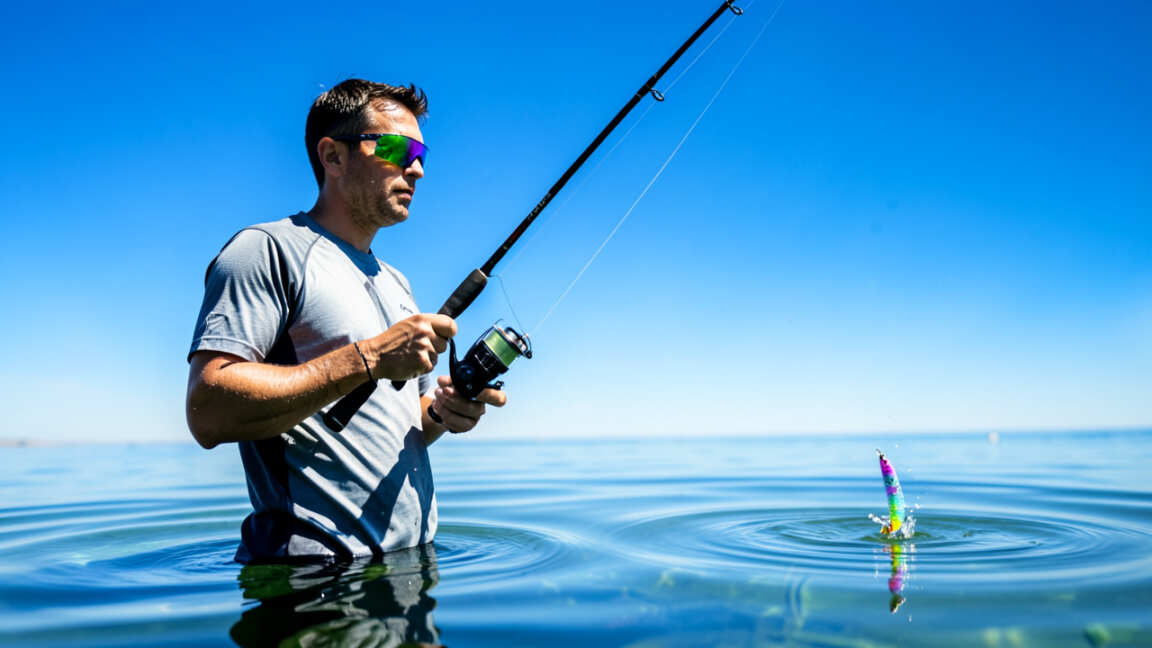
Polarized sunglasses are not just for comfort; they are essential for spotting bass in clear water on sunny days. They cut through the glare on the water’s surface, allowing you to see deeper and more clearly. You can spot submerged structure, weed beds, and even the bass themselves.
Being able to see the fish allows you to target them directly. You can also see how they react to your lure. If a bass follows your bait but doesn’t strike, you know you need to adjust your retrieve or lure.
Do not overlook polarized sunglasses; they are essential for cutting glare and spotting bass and submerged structure in clear, bright conditions.
This visual feedback is invaluable.
Choosing the Right Line
As mentioned, line visibility is a big factor. In clear water, bass can see your line. Using a thinner diameter line, like 6-8 pound test for finesse techniques, can help.
Fluorocarbon line is a great option because it has low visibility and sinks, which is good for bottom-contact lures.
If you’re fishing around heavy cover, you might need a stronger line. However, try to use the lightest line possible that will still allow you to land the fish. This is a balance you’ll learn to strike.
When to Fish During Bright Days
Even on the toughest days, there are windows of opportunity. You just need to know when to be on the water.
Early Morning and Late Evening
The best times to fish on a bright day are often the periods with lower light levels. This means the first hour or two after sunrise and the last hour or two before sunset. During these times, the sun is lower in the sky, casting longer shadows and providing less direct light.
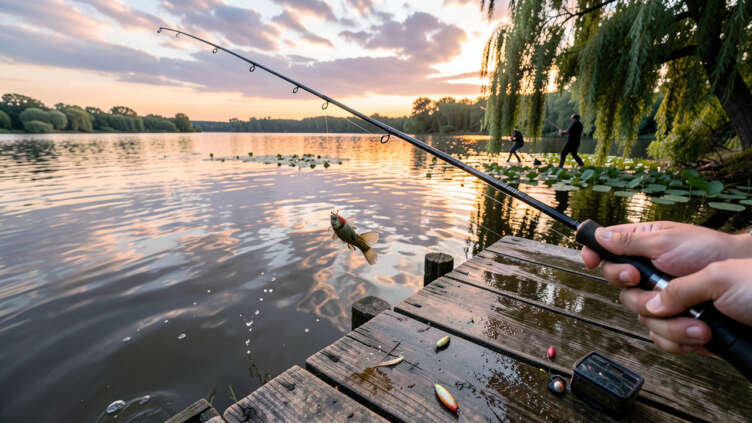
Bass are typically more active and less wary during these low-light periods. They may move into shallower areas to feed. This is when you might have success with a wider variety of lures, including some topwater options.
The best fishing windows on bright days are the first hour after sunrise and the last hour before sunset, when lower light levels make bass more active and less wary.
Overcast Conditions Can Be a Lifesaver
If you have a choice, try to fish on days with some cloud cover. Even a few scattered clouds can make a huge difference. Clouds break up the sunlight, creating more shadow patterns on the water.
This allows bass to move around more freely and feed more aggressively.
If a trip is planned for a bluebird day, try to fish early or late. If you can’t, focus on the techniques for dealing with bright sun. The ability to adapt is key to successful Bass Fishing on Bluebird Sky Days: The Hardest Conditions.
Common Mistakes to Avoid
Many anglers make the same errors when faced with clear, sunny skies. Knowing these pitfalls can help you avoid them.
Fishing Too Fast
One of the biggest mistakes is fishing too fast. Bass are not as likely to chase down a fast-moving lure when they feel exposed. Slow down your retrieve and give them time to react.
Fishing too fast is a common mistake on sunny days; bass feel exposed and are less likely to chase, so a slow, patient retrieve is crucial.
Patience is a virtue on these tough days.
Using Bright, Flashy Lures
Another common error is using lures that are too bright or flashy. While these can be effective in stained water or low light, they can scare bass in clear, sunny conditions. Stick to natural, subdued colors.
Ignoring Shade and Structure
Simply casting into open, shallow water on a bright day is often a wasted effort. Bass will be seeking shade and cover. Make sure you are targeting those specific areas.
If you don’t see any obvious cover, look for deeper water with subtle drop-offs.
Frequently Asked Questions
What is the biggest challenge of bass fishing on bluebird sky days?
The biggest challenge is that the bright, direct sunlight makes bass more visible and wary. They tend to move to deeper, shaded areas and are less likely to chase lures aggressively.
What are the best lure colors for bass fishing on bluebird sky days?
Opt for natural, subtle colors like shad, silver, white, pearl, greens, and browns. These blend in well and are less likely to spook wary bass in clear water.
Should I use a faster or slower retrieve on bluebird sky days?
You should almost always use a slower, more subtle retrieve. Bass are less aggressive and prefer an easy meal, so let your lure sit and move slowly.
How important are polarized sunglasses for bass fishing on bluebird sky days?
Polarized sunglasses are extremely important. They cut glare, allowing you to see into the water better to spot structure, baitfish, and even the bass themselves, which is crucial for Bass Fishing on Bluebird Sky Days: The Hardest Conditions.
Where do bass typically go on bright, sunny days?
Bass typically seek out shade and cover. This includes overhanging trees, docks, fallen logs, bridge pilings, and deeper water where light penetration is reduced.
Can I still catch bass using topwater lures on bluebird sky days?
Yes, but it’s less common. If you do, use subtle topwater lures with a slow retrieve, especially around shade or during early morning and late evening low-light periods.
Final Thoughts
Catching bass on bright, sunny days can be tough, but it’s definitely not impossible. By understanding where bass hide and adjusting your lure colors, presentations, and timing, you can significantly improve your chances. Focus on finding shade, fishing slower, and using natural colors.
These simple changes will help you turn those challenging bluebird days into successful fishing trips. Official government search results for Bass Fishing On Bluebird can help readers check public guidance before acting.

One Comment