




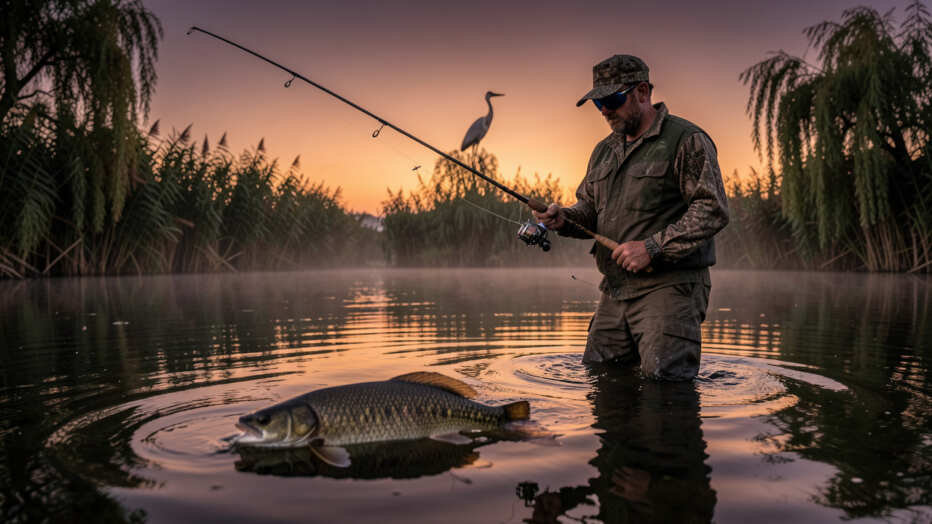
Post-Spawn Bass Recovery: How To Catch Them During Slump
Post-spawn bass recovery requires targeting transitional water zones where exhausted fish rest after spawning exertion. These bass primarily seek shade and cover near deeper structures, often suspending alongside schools of baitfish. Effective lure strategies include slow, steady presentations using soft plastics worked near cover or crankbaits that mimic crawfish and baitfish. Anglers who adapt their approach to the post-spawn slump's slower feeding rhythm and focus on these key locations can consistently catch bass.
After the bass finish spawning, they can get a bit finicky. This is a time when many anglers find it tough to get a bite. Understanding thePost-Spawn Bass Recovery: How to Catch Them During Slump is key to turning those frustrating days into successful outings.
Learning where these fish go and what they are looking for will help you find them and get them to bite, making your time on the water much more rewarding.
Key Takeaways
- Bass behavior changes significantly after spawning, leading to a common fishing slump.
- Understanding post-spawn feeding patterns helps anglers locate and catch bass.
- Adjusting lure choices and fishing techniques is crucial for success during this period.
- Key locations to target include deeper water, shade, and areas with baitfish.
- Timing your fishing trips can also improve your chances of a successful catch.
Why Bass Are Harder to Catch Post-Spawn
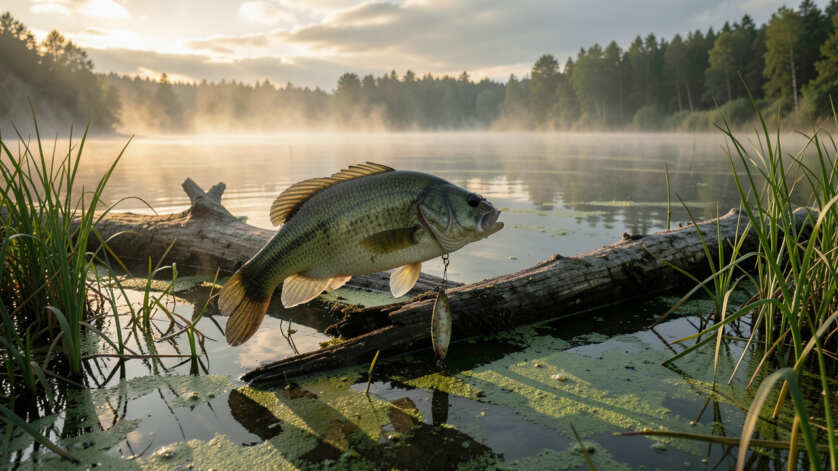
The period right after bass spawn is often called the “post-spawn slump” for a good reason. The fish have just expended a lot of energy. They were busy making beds, guarding eggs, and fighting off predators.
Now, they are tired and hungry, but they aren’t always actively chasing meals. This is a critical time to understand the Post-Spawn Bass Recovery: How to Catch Them During Slump.
Finesse presentations are effective for male bass that have become less aggressive after guarding the nest.
Female bass, especially, need to recover and rebuild their strength. They often move to areas where they can feed passively or ambush prey without using too much energy. Male bass, who guarded the nest, are also worn out and may become less aggressive.
This shift in their energy levels and priorities means they don’t respond to lures the way they might have a few weeks earlier.
Where to Find Bass During the Post-Spawn Slump
Finding bass during this slump requires thinking about what the fish need most: rest, safety, and an easy meal. They are not going to be on the shallow spawning flats anymore. Instead, they move to slightly deeper, more comfortable water.
This is where the Post-Spawn Bass Recovery: How to Catch Them During Slump really comes into play.
Transitional Water is Key
Think of transitional zones. These are areas that connect the shallow spawning grounds to deeper, more permanent water. Bass will often linger in these spots as they regroup and start feeding more actively.
Look for drop-offs, points, and submerged structure that lead away from the banks.
Transitional zones connecting shallow spawning areas to deeper water are prime locations, as bass seek rest and easy ambush points.
Seek Out Shade and Cover
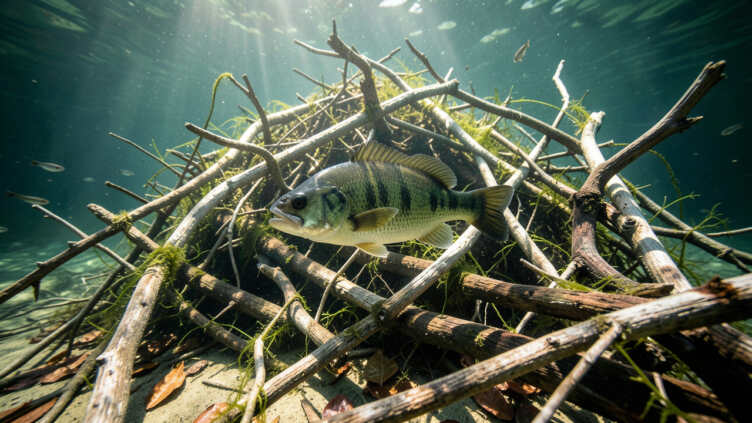
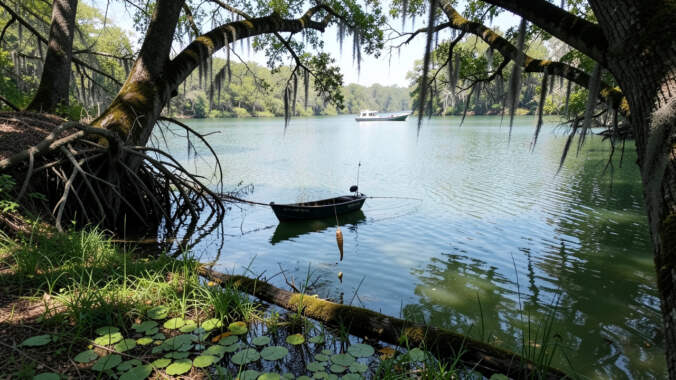
As the water warms and the sun gets stronger, bass will naturally seek out shade. This can be under docks, fallen trees, lily pads, or any other form of overhead cover. Shade offers them a cooler, more comfortable environment and a place to ambush prey.
The Post-Spawn Bass Recovery: How to Catch Them During Slump means looking for these safe havens.
Look for Baitfish Schools
Bass are opportunistic feeders, and they will go where the food is. Post-spawn is a prime time for baitfish like shad, minnows, and crawfish to become more active. If you can find schools of baitfish, you are likely to find bass nearby.
Look for signs of baitfish activity on your electronics or by observing the water’s surface.
Effective Lure Strategies for Post-Spawn Bass
Once you know where to look, you need to choose the right lures. This is where many anglers struggle. The aggressive, reaction-style bites of the pre-spawn period often disappear.
You need to switch to presentations that mimic slower, more natural prey. Mastering the Post-Spawn Bass Recovery: How to Catch Them During Slump involves smart lure selection.
Slow and Steady Wins the Race
Many post-spawn bass are looking for an easy meal. This means slower presentations are often more effective. Think about lures that can be worked slowly and enticingly.
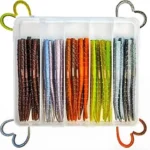
Soft plastics like worms, crawfish, and creature baits are excellent choices. They can be rigged in various ways to present a slow-moving, natural-looking target.
Post-spawn bass respond to lures fished with long pauses and subtle twitches, not aggressive retrieves.
Mimic the Baitfish
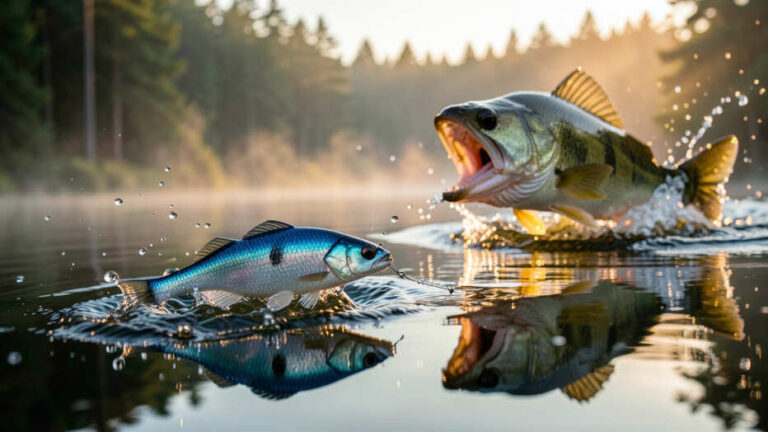
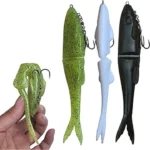
When bass are recovering, they often target schools of baitfish. Lures that imitate shad or other small baitfish can be very effective. Jerkbaits, small swimbait, and even some topwater lures can work, but they need to be fished with pauses and subtle twitches rather than constant aggressive retrieves.
This is a key part of the Post-Spawn Bass Recovery: How to Catch Them During Slump.
Crawfish Imitations
Crawfish are a staple food for bass, and they often become more active after the spawn. Lures that mimic crawfish, such as plastic craws, jigs, and bladed jigs, can be deadly. Target areas where bass might find crawfish, like rocky bottoms or areas with submerged wood.
Live Bait Option
For anglers who don’t mind using live bait, it can be a game-changer during the post-spawn slump. Live worms, minnows, or small bluegill can entice even the most lethargic bass. Presenting live bait naturally in the strike zone is highly effective when artificial lures aren’t getting bites.
Adjusting Your Fishing Techniques
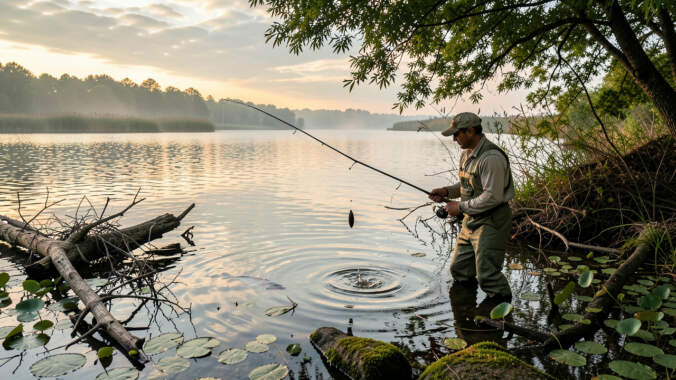
It’s not just about the lures; your fishing technique needs to adapt too. The aggressive strikes you might have experienced earlier in the season can turn into subtle taps or no bites at all. Understanding the Post-Spawn Bass Recovery: How to Catch Them During Slump means fine-tuning your approach.
Slow Down Your Retrieve
This is perhaps the most important adjustment. Bass are less likely to chase down fast-moving lures. Slow your retrieve down considerably.
Let your lure sit in the water longer. Twitch it subtly. Give the bass time to investigate and strike.
Patience is a virtue when dealing with post-spawn bass.
Work Your Lures More Thoroughly
Don’t just cast and reel. Work your lure through every piece of cover and structure. Give it extra attention in promising spots.
Slowing your retrieve is the single most important adjustment for post-spawn bass, as they rarely chase fast-moving lures.
Sometimes, a bass will follow a lure for a while before it decides to bite. Make sure your lure is presented in a way that makes it irresistible.
Pay Attention to Subtle Bites
Post-spawn bass can be very subtle when they bite. You might feel a slight tap, a change in line tension, or just a dead weight. Don’t miss these bites.
Set the hook quickly when you feel anything unusual. This is a crucial part of the Post-Spawn Bass Recovery: How to Catch Them During Slump.
Target Specific Structures
Instead of covering large areas, focus on specific pieces of structure. This could be a single submerged log, a dock piling, or a rock outcrop. Bass will often hold tight to these ambush points.
Make precise casts and work your lure right next to the structure.
Timing and Conditions Matter
The time of day and the weather conditions can also play a big role in catching bass during the post-spawn period. These factors can influence bass behavior and feeding activity. Learning to read the conditions is part of mastering the Post-Spawn Bass Recovery: How to Catch Them During Slump.
Early Morning and Late Evening
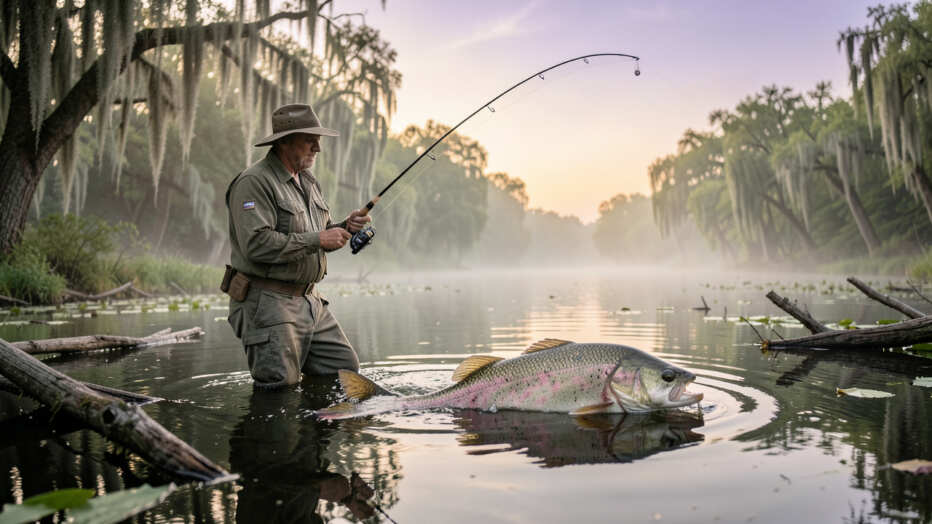
Like most times of the year, early mornings and late evenings are often the best times to fish. The lower light conditions make bass feel more secure and can increase their willingness to feed. As the sun gets higher and brighter, they may retreat to deeper or shadier spots.
Avoid fishing during bright midday hours; post-spawn bass are most active in low-light conditions like early morning and late evening.
Overcast Days
Overcast days can be fantastic for post-spawn bass fishing. The diffused light makes bass more comfortable moving around and feeding throughout the day. They don’t feel as exposed as they do on bright, sunny days.
This can lead to more consistent action.
Windy Conditions
A little bit of wind can actually be beneficial. It can help position baitfish and make it harder for bass to pinpoint them, leading to more ambush opportunities. Wind also breaks up the surface of the water, making it harder for bass to see you.
However, too much wind can make fishing difficult.
Understanding Bass Physiology Post-Spawn
To truly understand the Post-Spawn Bass Recovery: How to Catch Them During Slump, it helps to know what the fish are going through physically. After the strenuous activity of spawning, bass are in a recovery phase. They need to replenish their energy reserves and, for females, rebuild their egg potential for the next cycle.
Energy Depletion
Spawning is an energetically demanding process. Male bass expend significant energy guarding nests, and females use a lot of energy to release their eggs and then often protect them. They are not in a prime feeding state immediately after this.
They need time to refuel.
Nutrient Replenishment
During this recovery period, bass focus on high-calorie, easy-to-obtain food sources. They are not typically looking for a challenging chase. This is why slower, more natural presentations work best.
Bass experience severe energy depletion after spawning, which explains their reduced feeding aggression and preference for easy meals.
They want to maximize their caloric intake with minimal effort.
Water Temperature Influence
Water temperature plays a significant role. As water temperatures rise into the 60s and 70s Fahrenheit after spawning, bass activity levels generally increase. However, very hot water can also make them lethargic and seek out cooler, deeper water or heavy shade.
Understanding how temperature affects their metabolism is key.
Gear Considerations for Post-Spawn Bass
Your fishing gear can also be optimized for the Post-Spawn Bass Recovery: How to Catch Them During Slump. While you don’t necessarily need completely new equipment, some adjustments can make a difference.
Rod and Reel Sensitivity
Because post-spawn bites can be subtle, a sensitive rod and reel setup is beneficial. This helps you feel those light taps and changes in line pressure. A medium-light to medium power rod with good sensitivity is often ideal for finesse techniques.
A sensitive rod and reel setup is crucial for detecting the subtle bites common during the post-spawn slump.
Line Choice
Braided line can offer excellent sensitivity, especially when paired with a fluorocarbon leader. Fluorocarbon is less visible in the water and has less stretch than monofilament, which can help with detecting subtle bites and setting the hook. However, monofilament can be useful for certain topwater presentations where you want a slower sink rate.
Terminal Tackle
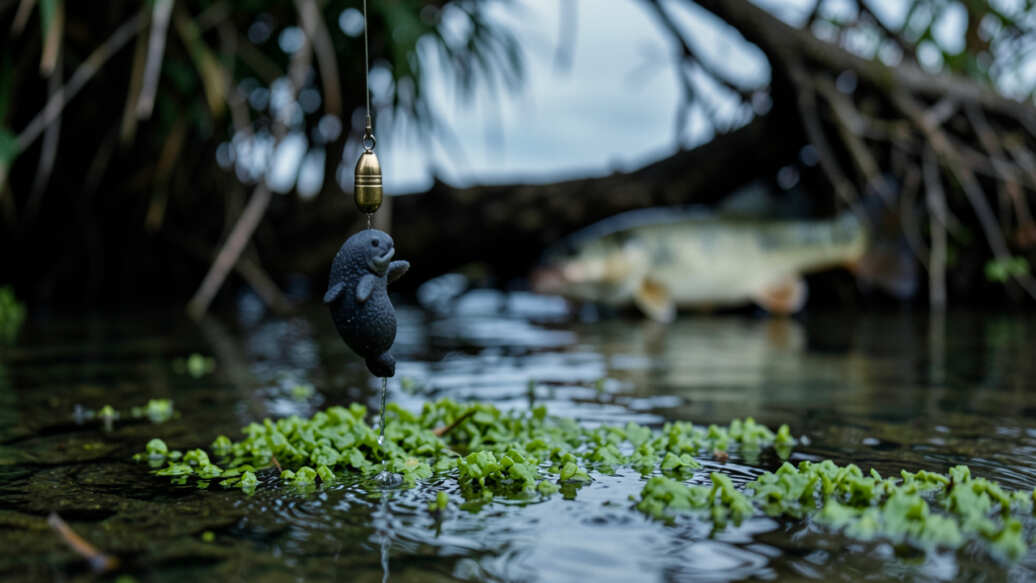
For finesse techniques like drop-shotting or Texas-rigging soft plastics, use appropriately sized hooks and weights. Lighter weights are often preferred to achieve a slower fall rate. Ensure your hooks are sharp for better hook-up ratios, especially with those tentative bites.
Common Mistakes to Avoid
Even with the right knowledge, anglers can make mistakes that hinder their success during this challenging period. Avoiding these common pitfalls is part of a successful Post-Spawn Bass Recovery: How to Catch Them During Slump strategy.
Fishing Too Shallow
One of the biggest mistakes is continuing to fish the shallow areas where bass spawned. Once the spawning activity is over, bass will move to slightly deeper water for security and to escape the intense sun. You need to follow them.
A common mistake is fishing too shallow; once spawning ends, bass move to deeper, more secure water.
Fishing Too Fast
As mentioned, aggressive, fast retrieves often fail post-spawn. Bass are tired and not in a chasing mood. Slow down your presentation to give them time to react.
Using the Wrong Lures
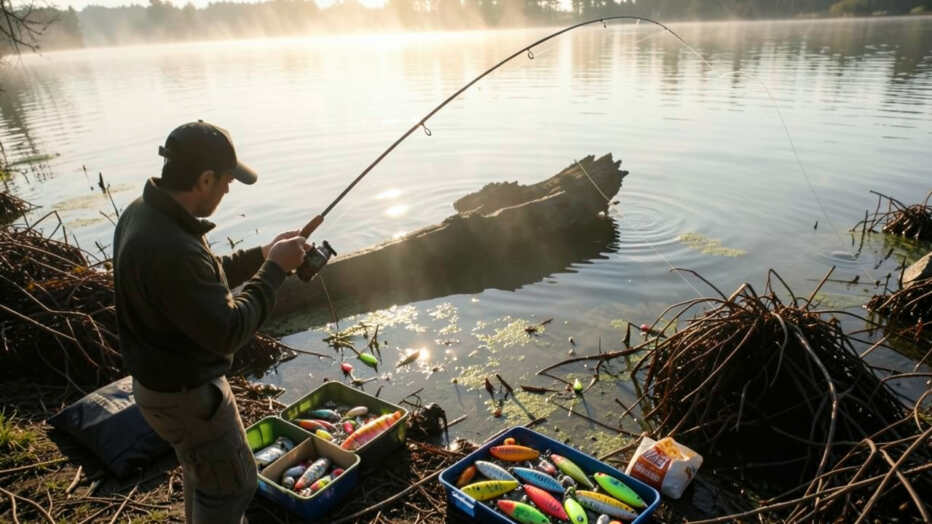
Sticking with the same lures that worked pre-spawn is a common error. You need to adapt your lure selection to match the bass’s post-spawn behavior and diet. Think slower, more natural presentations.
Ignoring Structure
Bass will often relate to specific structures for cover and ambush points. Failing to target these key areas means you might be fishing in unproductive water. Focus on points, drop-offs, ledges, and cover like docks and laydowns.
Frequently Asked Questions
Why are bass so hard to catch after they spawn?
Bass are tired from spawning and need to recover. They become less aggressive and are often looking for easy meals rather than chasing fast prey.
What are the best types of lures for post-spawn bass?
Slower moving lures like soft plastic worms, crawfish, and jigs are often most effective. Also, consider baits that mimic small baitfish or crawfish.
Where should I look for bass during the post-spawn period?
Look for transitional water, deeper areas, and any place offering shade and cover, such as docks, fallen trees, or thick vegetation.
How much should I slow down my retrieve for post-spawn bass?
Significantly. You should slow your retrieve to a crawl, allowing the lure to fall naturally and giving bass time to investigate and strike.
Does water temperature affect post-spawn bass fishing?
Yes, warmer temperatures generally increase activity, but very hot water can make them seek cooler, deeper spots or heavy shade. Understanding the temperature is crucial for the Post-Spawn Bass Recovery: How to Catch Them During Slump.
When is the best time of day to fish for post-spawn bass?
Early mornings and late evenings are typically best due to lower light conditions, but overcast days can offer good fishing throughout the day.
Final Thoughts
The post-spawn period presents a unique challenge, but by understanding bass behavior and adjusting your approach, you can still have successful fishing trips. Focus on slower presentations, target transitional and shaded areas, and pay close attention to subtle bites to master the Post-Spawn Bass Recovery: How to Catch Them During Slump.