Baitcasting Reel Anatomy: Spool, Brakes, Levelwind Explained
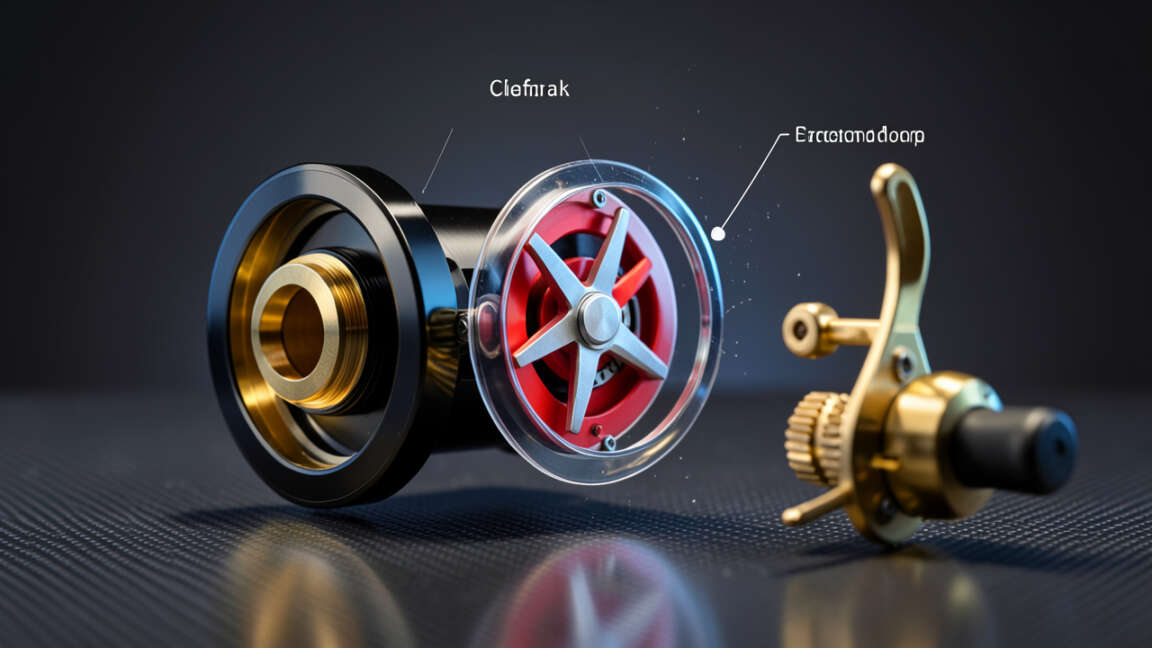
A baitcasting reel's anatomy centers on three critical components: the spool, brakes, and levelwind. The spool determines line capacity and casting distance, with material and weight influencing momentum and control. Brakes, either magnetic or centrifugal, regulate spool rotation speed to prevent backlash by applying adjustable resistance during the cast. The levelwind system ensures line lays evenly across the spool during retrieval, which reduces friction and tangles for consistent performance.
Getting your baitcasting reel to cast smoothly without tangles can feel like a puzzle. Understanding the main parts of your reel, like the spool, brakes, and levelwind, is the key to better fishing. Knowing how these components work together helps you make adjustments for longer, more accurate casts.
This guide will break down the Baitcasting Reel Anatomy: Spool, Brakes, Levelwind Explained so you can stop fighting your gear and start catching more fish. We’ll cover what each part does and why it matters for your success on the water.
Key Takeaways
- The spool holds your fishing line and its size affects how much line you can use and how far you can cast.
- Brakes on a baitcaster control line speed to prevent backlashes, with magnetic and centrifugal types being most common.
- The levelwind guides the line evenly onto the spool, ensuring a neat retrieve and preventing tangles.
- Proper adjustment of the spool, brakes, and levelwind leads to better casting distance and accuracy.
- Understanding these core components of baitcasting reel anatomy helps anglers troubleshoot and improve their fishing experience.
Why Baitcasting Reel Anatomy Matters for Your Cast
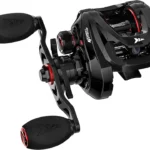
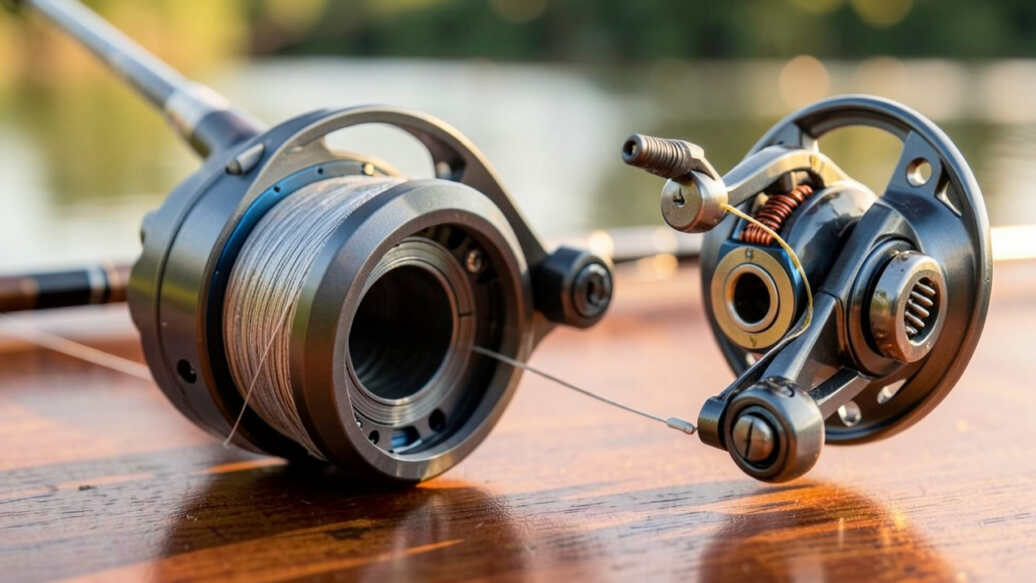
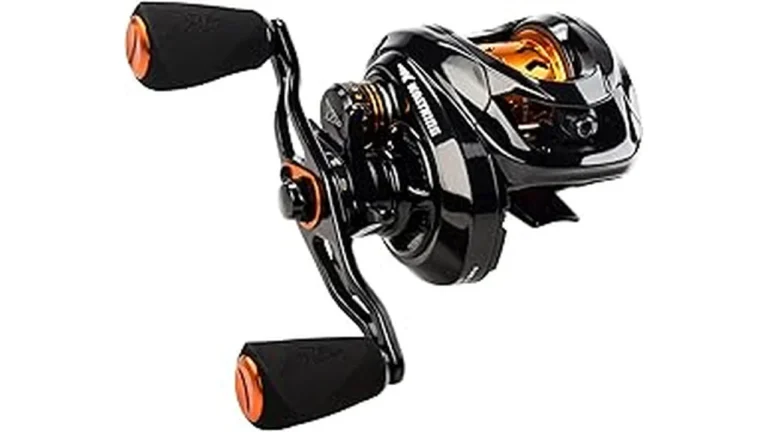
A baitcasting reel looks a bit different from a spinning reel. It sits on top of your fishing rod. This design allows for more control over your cast.
When you understand the different parts, you can make your reel work for you. This means fewer bird’s nests (tangled lines) and more fish in the boat. Knowing about the baitcasting reel anatomy: spool, brakes, levelwind explained helps you get the most out of your gear.
Larger spools have a higher moment of inertia, so they maintain spin longer; this is why they are preferred for long-distance casting and heavier lures, while smaller spools excel with lighter presentations.
Focus on understanding the spool, brakes, and levelwind first; adjusting these three components will give you the most control over your cast and reduce backlashes.
It’s like knowing how a car engine works; you can fix small issues and drive better.
The goal is to make your line come off the spool at just the right speed. Too fast, and you get a tangle. Too slow, and your cast won’t go far.
The spool, the brakes, and the levelwind all work together to achieve this balance. We will look at each of these parts closely.
The Heart of the Cast: Understanding the Spool
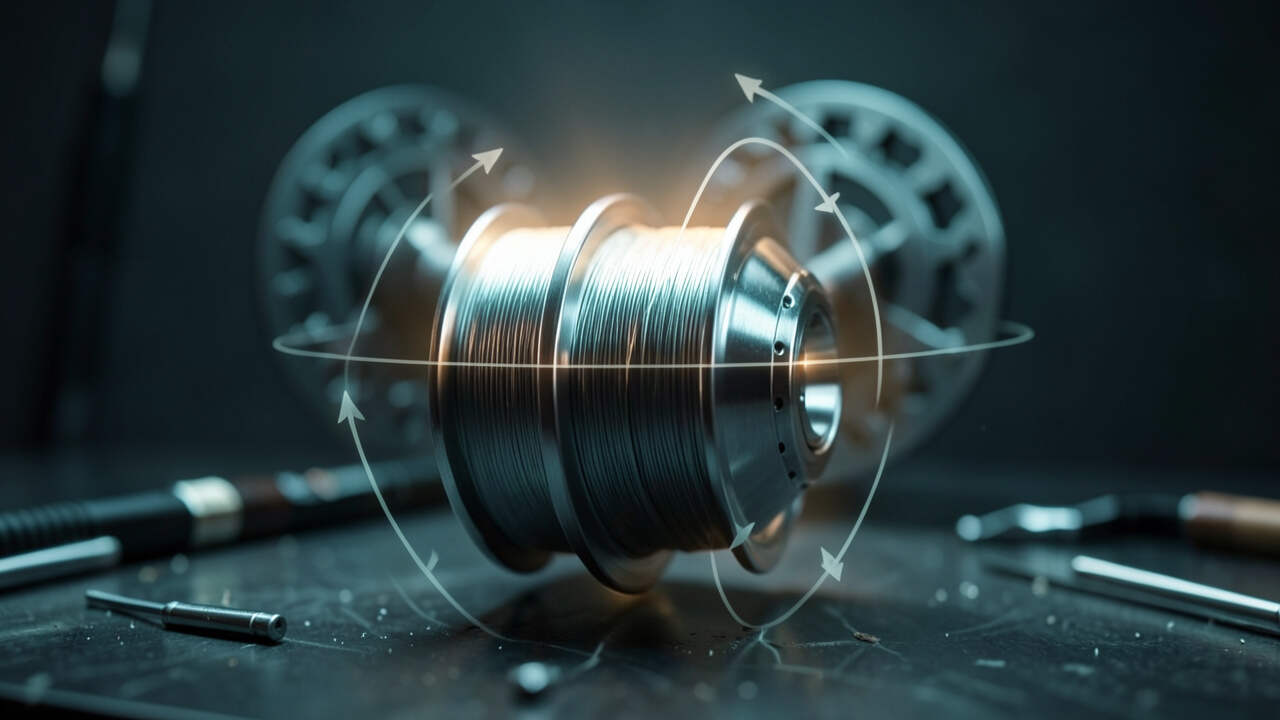
The spool is the round cylinder in the middle of your baitcasting reel. This is where all your fishing line is stored. When you cast, the line unwinds from this spool.
The speed at which the spool spins directly impacts your cast. A faster spinning spool lets out more line quickly. A slower spool lets out line more gradually.
The size of the spool matters too. Larger spools can hold more line. This is good for long casts or for fishing in deep water.
Smaller spools hold less line. They are often found on reels designed for lighter lures or finesse fishing. The material of the spool also plays a role.
Aluminum spools are common because they are lightweight and strong. Some high-end reels use different materials for even better performance.
Spool Material and Its Impact
Different materials for the spool can affect how the reel performs. Aluminum is a popular choice because it is light. This lightness helps the reel cast further.
Learning how to adjust your brakes is the most critical skill for a baitcaster angler, as it directly determines whether your casts are smooth or end in a tangled mess.
It also means the reel feels good in your hand. Some reels use graphite for their spools. Graphite is even lighter than aluminum.
However, it might not be as strong.
For serious anglers, the weight of the spool is important. A lighter spool can start spinning faster. This means it can get up to speed quickly when you cast.
It also means it can stop spinning faster. This is helpful for making accurate casts. You want the spool to stop spinning as soon as your lure hits the water.
This prevents extra line from coming off and causing a tangle.
Spool Capacity and Line Choice
The capacity of the spool is how much line it can hold. This is usually measured in yards of line at a certain diameter. For example, a reel might say “140 yards of 10lb test line.” If you use a thicker line, you will fit less of it on the spool.
If you use a thinner line, you can fit more.
Choosing the right line and filling the spool correctly is important. If you don’t put enough line on, your casts might not be as long as they could be. If you overfill the spool, the line can rub against the side plates of the reel.
This can cause friction and affect your casting. It can also lead to tangles. A good rule of thumb is to fill the spool so the line is just below the top edge.
This allows the line to flow freely.
Controlling Your Cast: The Role of Brakes
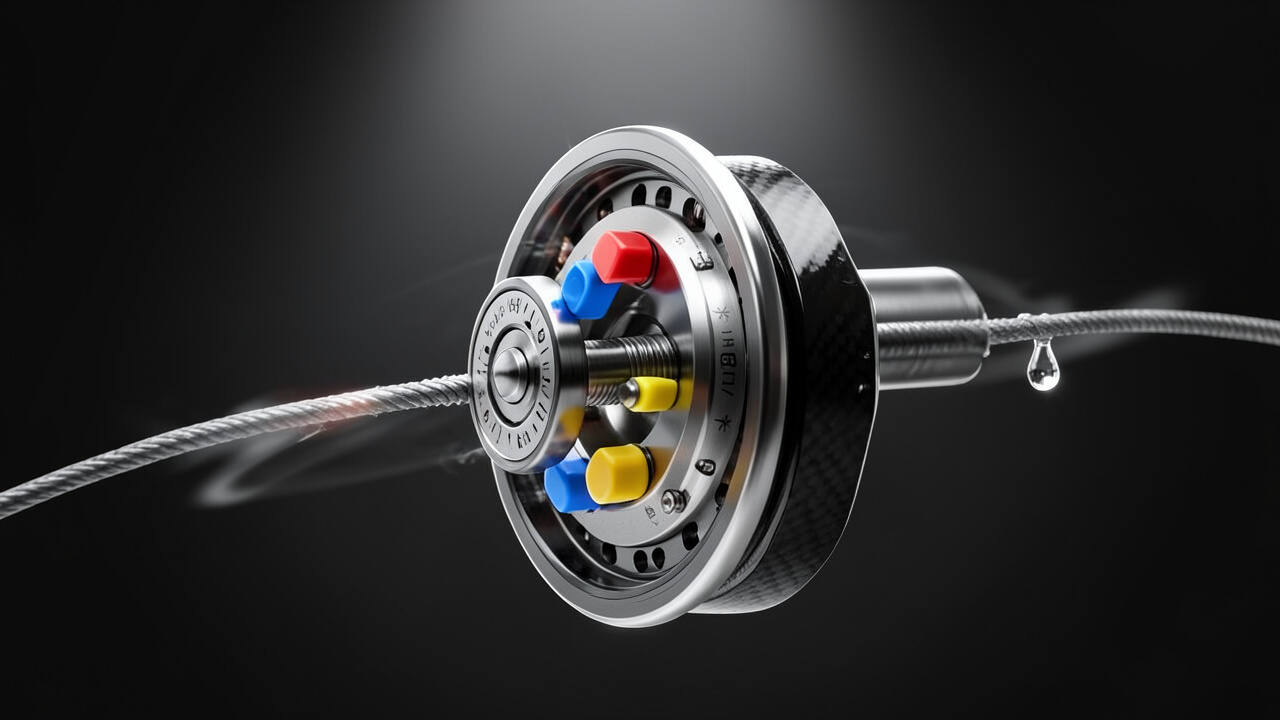
The brakes on a baitcasting reel are crucial for preventing backlashes, also known as “bird’s nests.” These are bird’s nests of tangled line. The brakes work by slowing down the spool. They engage when the spool is spinning very fast.
This happens right after you cast. By slowing the spool, they help keep the line from piling up too quickly.
There are two main types of brake systems: magnetic and centrifugal. Many baitcasting reels use one or both. Learning how to adjust these brakes is one of the most important skills for a baitcaster angler.
It directly affects how well you can cast.
Magnetic Brakes Explained
Magnetic brakes use magnets to create resistance. These magnets are usually located inside the reel’s side plate. They are positioned near a metal disc that is attached to the spool.
As the spool spins, this metal disc passes by the magnets. The magnets create a magnetic field. This field creates drag on the disc, slowing down the spool.
Magnetic brakes are often adjustable. You can usually move the magnets closer to or further from the spool. Moving them closer increases the magnetic force.
Periodically clean and lubricate the levelwind gears to prevent uneven line lay, which can cause friction and shorten your casting distance.
This means more braking power. Moving them further away reduces the force. This means less braking power.
Many reels have a dial on the side plate to adjust the magnetic brakes. This allows for quick adjustments on the fly.
Centrifugal Brakes Explained
Centrifugal brakes work using spinning weights. These are often called “pins.” They are usually located on a rotating plate connected to the spool. When the spool spins, centrifugal force pushes these weights outward.
If the weights are set to engage, they will rub against a surface inside the reel. This friction slows the spool down.
Centrifugal brakes are also adjustable. You can often turn individual pins on or off. Some reels have a system where you can adjust how far the pins extend.
This allows you to fine-tune the braking power. Centrifugal brakes are very effective at controlling the spool, especially at high speeds. They are often used in combination with magnetic brakes for the best control.
Ensuring Smooth Line Lay: The Levelwind System
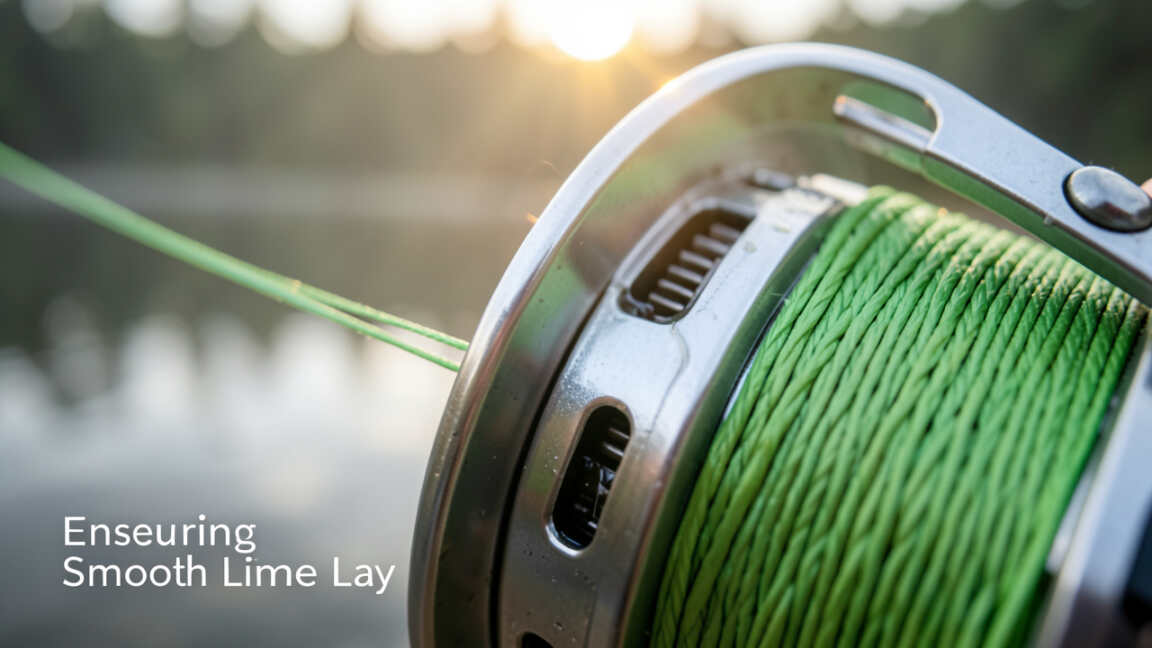
The levelwind is the part of the baitcasting reel that guides the fishing line back onto the spool evenly. It is a small, geared mechanism that moves back and forth as you reel in your line. Without a levelwind, you would have to manually guide the line with your finger.
This would be difficult and would likely result in messy line lay.
A properly functioning levelwind ensures that your line is stored neatly on the spool. This neat storage is important for several reasons. It prevents tangles when you cast.
It also helps your line come off the spool smoothly. Some levelwinds are designed to be more durable or to offer less resistance. These are often found on higher-end reels.
How the Levelwind Guides Your Line
The levelwind mechanism is connected to the reel’s gears. When you turn the handle to reel in line, the levelwind moves. It has a small opening or “eye” through which the line passes.
As the levelwind moves from one side of the reel to the other, it guides the line. It lays the line down in neat, even wraps across the spool. This process is essential for good line management.
Do not overtighten the spool tension knob; doing so reduces casting distance and can damage the internal gears over time, especially when casting heavy lures.
The speed at which the levelwind moves is determined by the reel’s gear ratio. Reels with higher gear ratios retrieve line faster. This means the levelwind will also move faster.
Some anglers prefer reels with faster levelwinds. Others don’t mind a slower one. For most people, the main benefit of the levelwind is its ability to create an organized spool of line.
Levelwind Maintenance and Troubleshooting
Like any mechanical part, the levelwind needs occasional maintenance. Over time, dirt and grime can build up. This can cause the levelwind to stick or move unevenly.
It’s a good idea to clean and lubricate your levelwind periodically. This will keep it working smoothly. Most reel manufacturers provide instructions on how to do this.
If your levelwind gets stuck, check for any debris or damage. Sometimes, a small piece of weed or a bent part can cause a problem. If the line is not laying evenly, it could be a sign that the levelwind mechanism is not functioning correctly.
This can lead to casting issues and tangles. Addressing levelwind problems quickly can save you a lot of frustration on the water. Understanding the baitcasting reel anatomy: spool, brakes, levelwind explained is key to fixing these issues.
Putting It All Together: Tuning Your Baitcaster
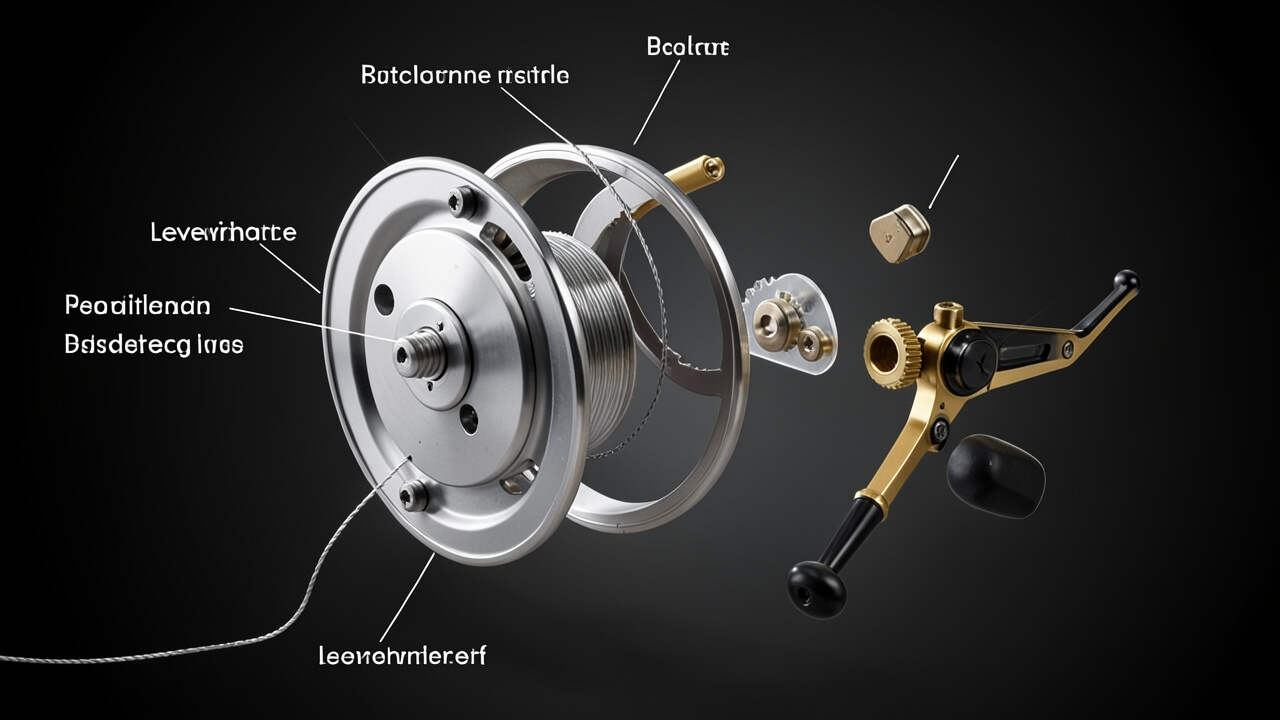
The real magic happens when you learn how to adjust the spool tension and the brakes. This is often called “tuning” your baitcaster. Every reel is a little different, and every lure you cast will behave differently.
The goal is to find the right balance for your specific setup.
First, remove any slack from your line by reeling in a bit. Then, set your spool tension knob. This knob is usually located on the handle side of the reel.
Adjust it so that when you press the thumb bar, the lure just barely falls to the ground. If it falls too fast, tighten the spool tension. If it doesn’t fall at all, loosen it.
Next, adjust your brakes. Start with most of your brakes engaged. Cast your lure.
If you get a backlash, add more brake. If your cast is too short and you feel the spool is stopping too soon, reduce the brake. You want to use as little brake as possible while still avoiding backlashes.
Then, fine-tune the spool tension. Once you have the brakes set, you can often loosen the spool tension a bit more. This will allow for longer casts.
You are looking for a smooth cast with no tangles. The levelwind will automatically guide the line back onto the spool.
Finally, practice makes perfect. The more you practice casting and adjusting your reel, the better you will become. Experiment with different lure weights and wind conditions.
You will start to get a feel for how the spool, brakes, and levelwind work together to give you the best possible cast. Understanding the baitcasting reel anatomy: spool, brakes, levelwind explained is the first step to mastering your baitcaster.
Frequently Asked Questions
What is the most important part of baitcasting reel anatomy for preventing tangles?
The brakes are the most critical component for preventing tangles (backlashes) because they actively slow down the spool rotation during a cast.
How does the spool size affect my casting distance?
A larger, lighter spool can accelerate faster, potentially leading to longer casting distances, especially when paired with appropriate brake settings.
Should I always use the levelwind when casting a baitcaster?
Yes, the levelwind is designed to guide your line evenly onto the spool, ensuring a neat lay and preventing tangles during both casting and retrieving.
Can I adjust the spool tension and brakes for different lure weights?
Absolutely. Adjusting both the spool tension and the brakes is essential for optimizing your baitcaster’s performance with different lure weights.
What happens if my levelwind gets stuck?
If your levelwind gets stuck, it can cause uneven line lay and lead to casting issues or tangles. It usually needs cleaning, lubrication, or a minor repair.
Is understanding Baitcasting Reel Anatomy: Spool, Brakes, Levelwind Explained important for beginners?
Yes, a solid understanding of Baitcasting Reel Anatomy: Spool, Brakes, Levelwind Explained is crucial for beginners to learn how to properly cast and avoid frustration.
Final Thoughts
Mastering your baitcasting reel comes down to understanding its core parts. The spool, brakes, and levelwind all work together. Knowing how to adjust them will lead to better casts and more fishing success.
Keep practicing, and you’ll soon feel confident with your baitcaster.

3 Comments