
Reel Bearings Explained: Why Ball Bearing Count Matters Today
Ball bearing count matters in fishing reels because it directly impacts smoothness, casting distance, and overall durability. More ball bearings reduce friction between moving parts, enabling longer and more accurate casts while also extending the reel's lifespan. However, the quality and type of bearings—such as shielded or sealed—can be as important as the quantity. For most anglers, a reel with five to eight high-quality bearings offers an ideal balance of performance and cost.
Choosing the right fishing reel can make a big difference in how much you enjoy your time on the water. You want a reel that feels smooth and casts well. That’s why understanding the details, like how many ball bearings a reel has, is so important.
This post, Reel Bearings Explained: Why Ball Bearing Count Matters Today, will show you exactly why this number isn’t just a number, but a key factor in reel performance. You’ll learn how more bearings can lead to a better fishing experience and what to look for when picking your next reel.
Key Takeaways
- More ball bearings generally mean a smoother, more fluid reel operation.
- Ball bearings reduce friction, leading to better casting distance and accuracy.
- The quality of the bearings matters as much as the quantity.
- Higher bearing counts often indicate a higher-quality, more durable reel.
- Understanding bearing types helps in choosing a reel suited for specific fishing conditions.
How Ball Bearings Make Your Reel Smoother
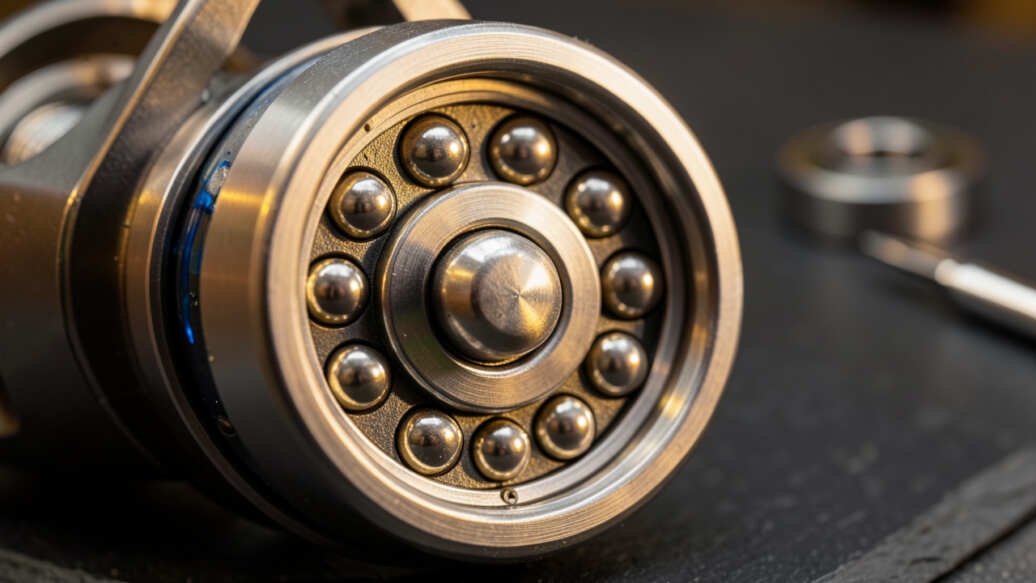
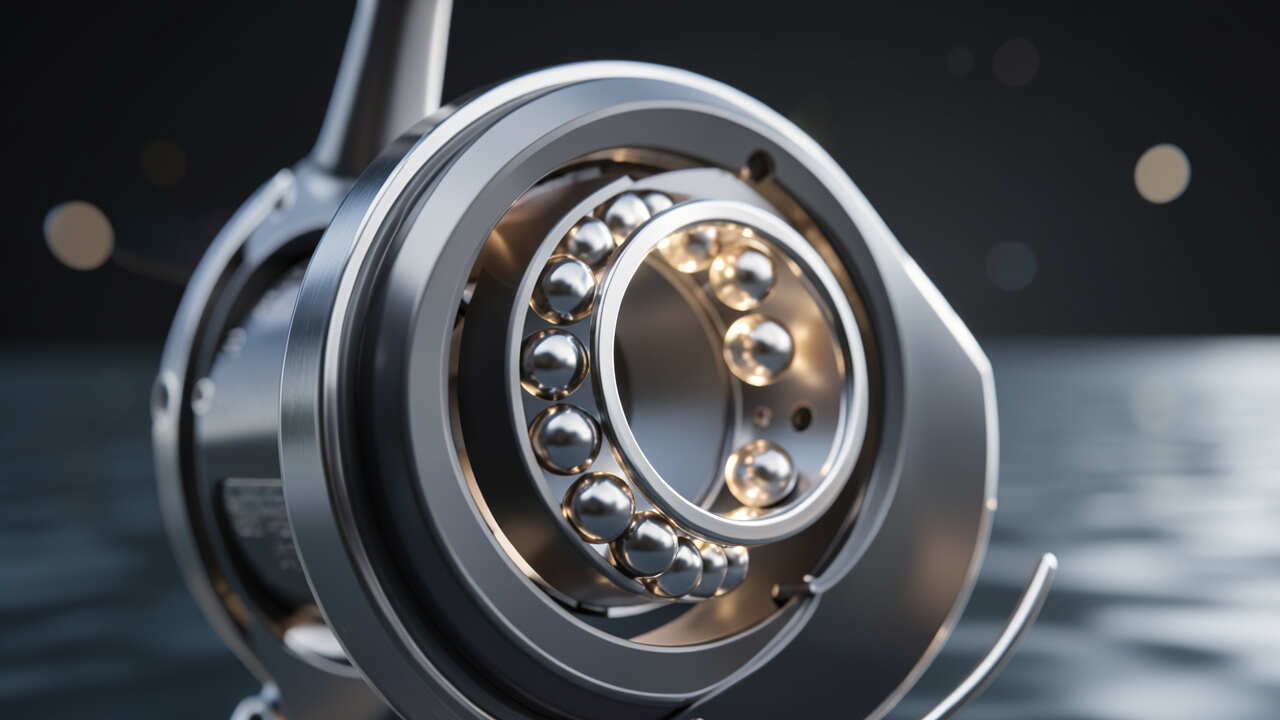
Think of your fishing reel like a well-oiled machine. Every moving part needs to work together without rubbing or catching. Ball bearings are tiny, round metal balls that sit between two rings.
They allow these rings to spin against each other with very little friction. When you cast or reel in, these bearings help everything turn smoothly. More bearings mean more contact points are supported by these low-friction components.
When evaluating reel smoothness, check the ball bearing count: more bearings support more contact points with low friction, delivering a noticeably smoother feel in your hand.
This makes the whole reel feel much smoother in your hand. It’s a direct benefit you can feel every time you use your reel.
The smoothness a reel offers is directly tied to its ball bearing count. A reel with few bearings might feel a bit rough or jerky. This is because more metal parts are rubbing directly against each other.
As the number of bearings increases, these direct contact points are reduced. They are replaced by the rolling action of the ball bearings. This creates a much more pleasant and efficient experience when you’re out fishing.
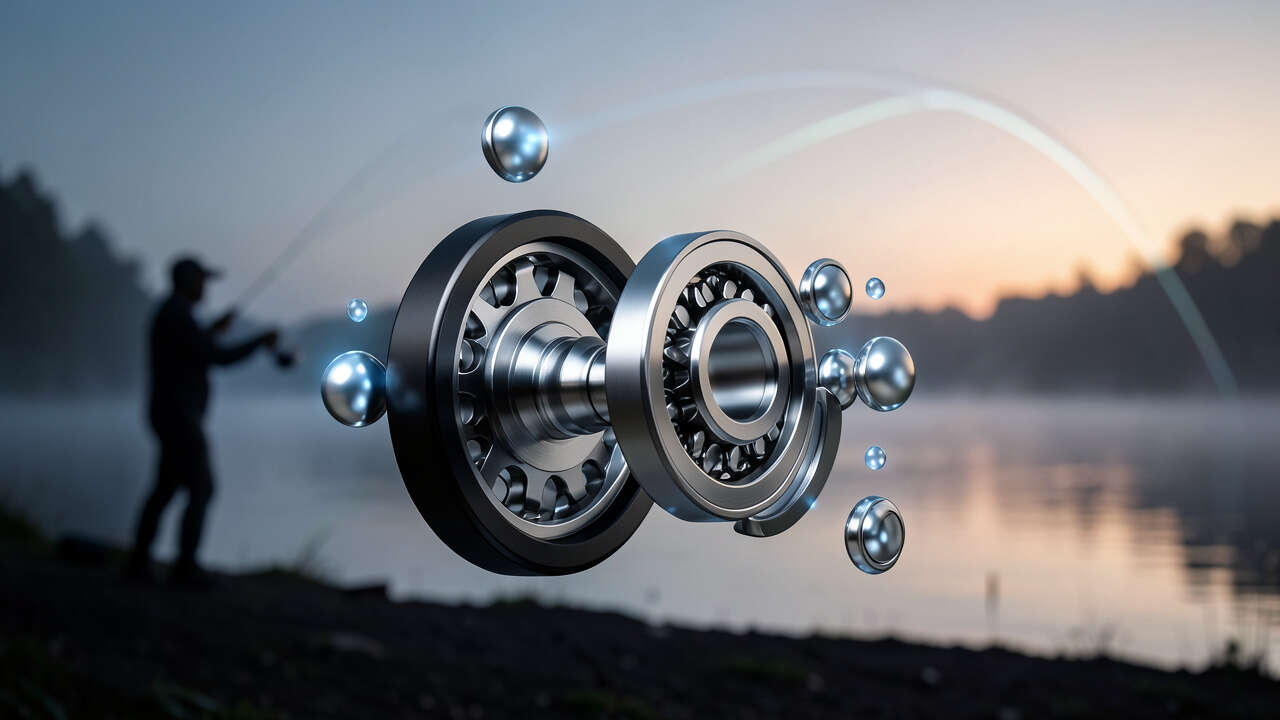
Why More Bearings Help You Cast Farther
Casting is a critical part of fishing. You need to get your lure or bait to where the fish are. Ball bearings play a big role in how far and how accurately you can cast.
When you flick your wrist to cast, the spool on your reel spins very fast. If there are many ball bearings, the spool can spin with less resistance. This means it can keep spinning for longer, pushing your line out further.
Higher bearing counts reduce spool resistance during a cast, allowing the spool to spin longer and faster, which translates into greater casting distance and accuracy.
The reduced friction allows the spool to reach higher speeds without slowing down too quickly.
For anglers, this translates directly into better fishing. Being able to cast further means you can reach spots that might be holding more fish. It also means you can cover more water more effectively.
A reel with a good number of ball bearings can help you achieve this. It’s not just about the strength of your cast; it’s about how efficiently the reel’s components allow the line to unspool. This is a key reason why understanding Reel Bearings Explained: Why Ball Bearing Count Matters Today is so important for improving your technique.
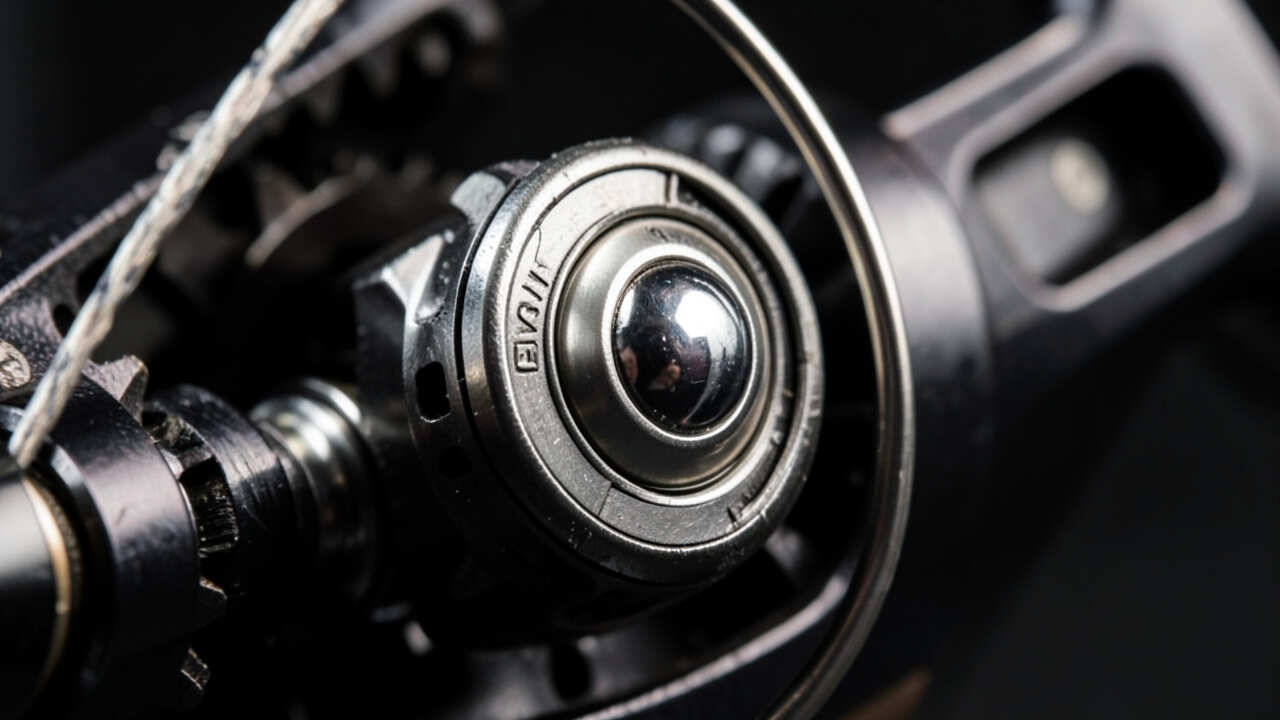
The Role of Ball Bearings in Reel Durability
Fishing gear can take a beating. Reels are exposed to water, sand, and constant use. The number and quality of ball bearings can affect how long your reel lasts.
When parts spin smoothly with less friction, they also experience less wear and tear. Imagine two parts rubbing together versus parts rolling on tiny balls. The rolling action is much kinder to the metal surfaces.
More bearings signal a commitment to building a reel that can withstand the rigors of fishing, as they are often paired with durable metals and better sealing.
Over time, this reduced friction can mean your reel stays in good working order for longer.
A reel with more, high-quality ball bearings is often built with better overall materials and precision. Manufacturers who put more bearings into their reels usually aim for a higher-performing product. This often means they use more durable metals and better sealing to protect the bearings from the elements.
So, while more bearings directly improve performance, they also signal a commitment to building a reel that can withstand the rigors of fishing.
Understanding Different Types of Reel Bearings
It’s not just the number of ball bearings that counts. The type of bearing also makes a big difference. Most fishing reels use stainless steel ball bearings.
Stainless steel is chosen because it resists corrosion, which is vital when fishing in saltwater or wet conditions. However, there are different grades of stainless steel, and some bearings are coated to offer even better protection and smoother performance.
For fishing in saltwater or wet conditions, always choose reels with stainless steel ball bearings, as they resist corrosion and maintain performance longer.
Some high-end reels might use ceramic ball bearings. Ceramic bearings are lighter and harder than steel bearings. They also don’t expand or contract as much with temperature changes.
This can lead to even smoother operation and longer life, especially in extreme conditions. While ceramic bearings can be more expensive, they offer a noticeable improvement in performance for serious anglers. Knowing about these different types helps you understand what makes a reel truly premium, going beyond just the number of bearings.

How Many Ball Bearings Are Enough?
So, what’s the magic number when it comes to ball bearings? There isn’t one single answer, as it depends on the type of reel and what you’re using it for. For basic freshwater spinning reels, 3 to 5 ball bearings might be perfectly adequate.
These reels offer a good balance of smoothness and cost. You’ll find they perform well for everyday fishing.
For more demanding applications, like saltwater fishing or casting heavier lures, you’ll want more. Reels with 6 to 9 ball bearings often provide a noticeably smoother feel and better casting performance. These are great all-around reels for many types of fishing.
Don't focus solely on bearing count; the quality of the bearings is just as crucial as the quantity, so inspect materials and construction too.
High-end baitcasting reels, designed for precision and power, can sometimes have 10 or even more bearings. This is where the term “more is better” starts to really apply. The goal is to have enough bearings to ensure smooth operation without adding unnecessary weight or cost.
It’s important to remember that the quality of the bearings is just as crucial as the quantity. A reel with 10 low-quality bearings might perform worse than a reel with 6 high-quality ones. When you’re looking at reels, don’t just focus on the number.
Consider the reputation of the brand and any information they provide about the bearing materials and construction. This holistic approach to understanding Reel Bearings Explained: Why Ball Bearing Count Matters Today will help you make a smarter choice.
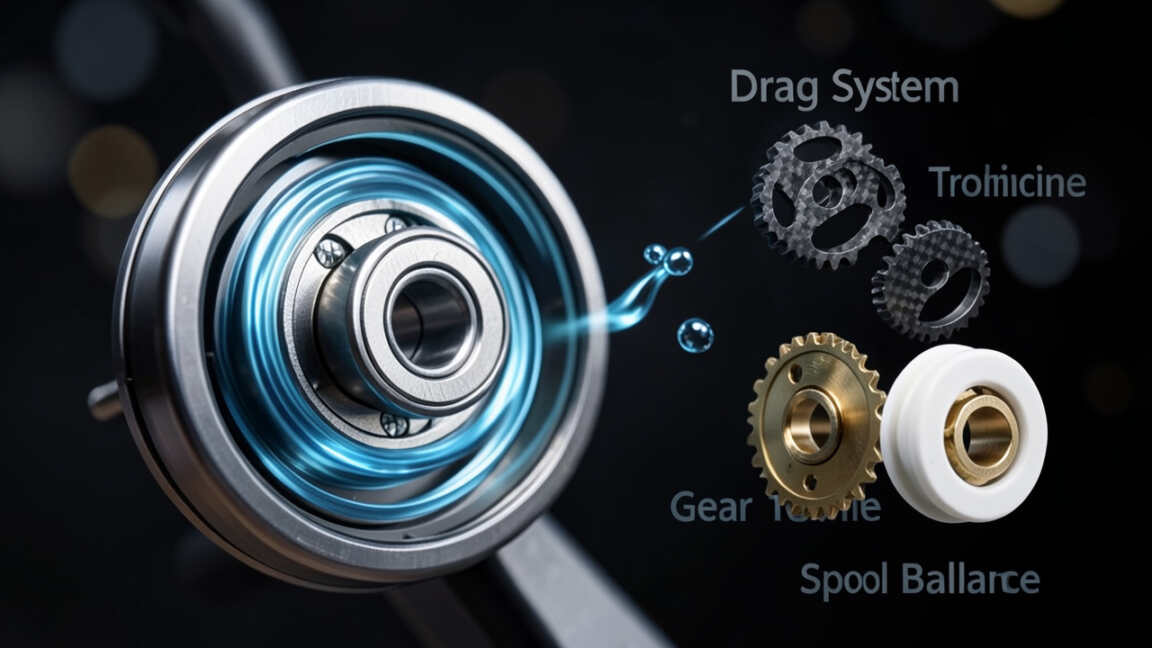
Beyond Ball Bearings: Other Factors for Smoothness
While ball bearings are a major contributor to a reel’s smoothness, they aren’t the only factor. The overall design and engineering of the reel play a significant role. The gears inside the reel, for instance, need to be precisely cut and aligned.
If the gears are rough or poorly meshed, even a reel with many ball bearings might not feel perfectly smooth.
A well-functioning drag system engages smoothly and prevents sudden jerks when a fish pulls line, making it a key contributor to overall reel feel.
The quality of the drag system also impacts the overall feel of the reel. A well-functioning drag system engages and disengages smoothly, preventing sudden jerks when a fish pulls line. Lubrication is another key element.
Even the best ball bearings need proper lubrication to perform at their best. Manufacturers use specific greases and oils to ensure all moving parts work together seamlessly. So, while ball bearings are vital, they are part of a larger system designed for optimal reel performance.
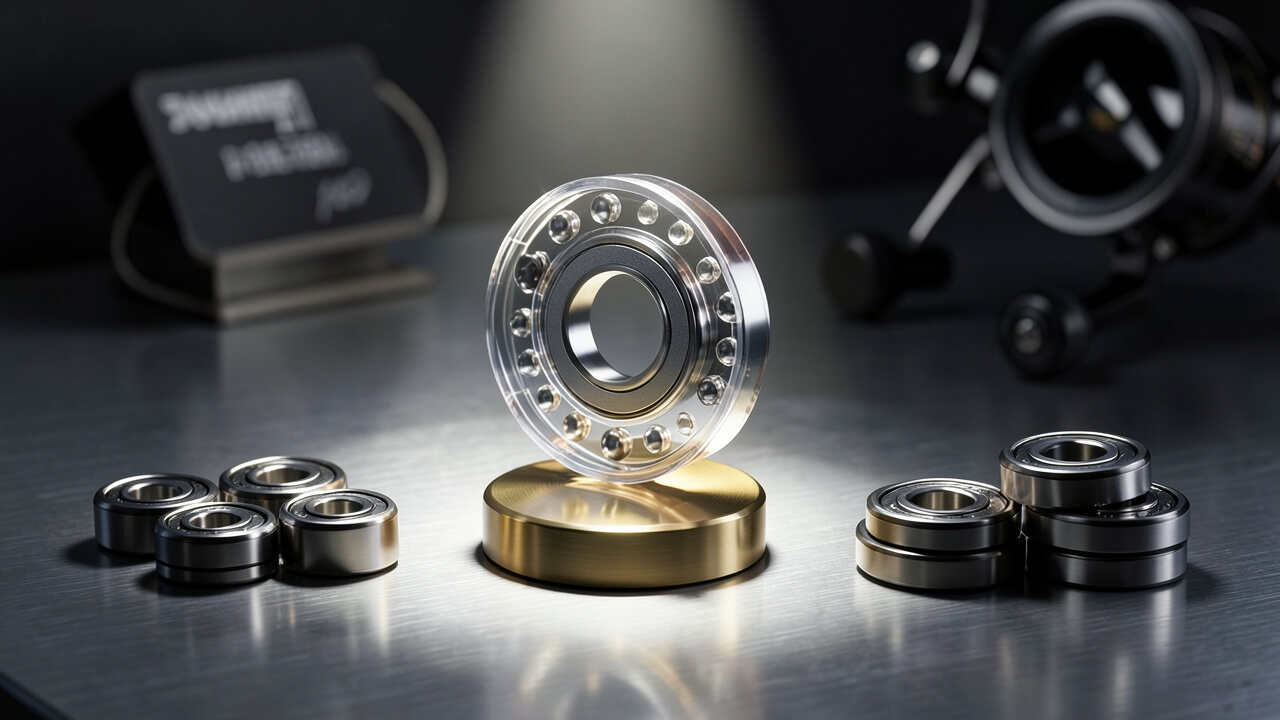
Making Your Choice: Balancing Features and Price
When you’re shopping for a new fishing reel, you’ll see a lot of different numbers and features advertised. The ball bearing count is just one piece of the puzzle. You need to balance this with other important factors like the reel’s gear ratio, weight, drag strength, and, of course, your budget.
A reel with 10 ball bearings might be fantastic, but if it’s outside your price range, it’s not the right choice for you.
Balance bearing count with gear ratio, weight, drag strength, and your budget, because the best reel for you matches your fishing style and wallet.
For casual anglers, a reel with 4-6 bearings will likely be more than sufficient and offer great value. If you’re a serious angler who fishes frequently, especially in saltwater, investing in a reel with more and better quality bearings makes sense. It’s about finding that sweet spot where performance meets your needs and your wallet.
Understanding Reel Bearings Explained: Why Ball Bearing Count Matters Today helps you justify the cost of higher-end reels by showing you the tangible benefits they offer.
Frequently Asked Questions
Does a higher number of ball bearings always mean a better reel?
Not always. While more ball bearings generally lead to smoother operation and better casting, the quality of the bearings and the overall reel construction are also very important. A reel with fewer high-quality bearings can outperform one with many low-quality bearings.
What is the ideal number of ball bearings for a fishing reel?
The ideal number varies. For basic freshwater use, 3-5 bearings are often fine. For more demanding fishing, 6-9 bearings are common, and high-end reels might have 10 or more.
Quality is key, not just the count.
Are ceramic bearings better than stainless steel bearings?
Ceramic bearings are often superior due to their lightness, hardness, and excellent corrosion resistance. They can offer even smoother performance and longer life, but they are typically more expensive than stainless steel bearings.
Can I add more ball bearings to my existing reel?
Usually, no. The number of ball bearings a reel can accommodate is determined by its design and internal structure. You cannot simply add more bearings than the reel was built to hold.
How do I maintain the ball bearings in my reel?
Proper maintenance includes rinsing your reel with fresh water after saltwater use, cleaning it regularly, and applying the correct lubricants to the bearings and other moving parts. This helps prevent corrosion and wear.
Does the ball bearing count affect the reel’s drag system?
The ball bearing count itself doesn’t directly determine the drag strength, but it contributes to the overall smoothness of the reel. A smoother reel can make a well-functioning drag system feel more consistent and responsive.
Final Thoughts
Understanding Reel Bearings Explained: Why Ball Bearing Count Matters Today shows you how these small parts create a smoother, more efficient fishing experience. More bearings often mean better casting and increased durability. Choose a reel with a bearing count that fits your fishing style and budget for the best results on the water.