
Reel Anti-Reverse Mechanism Explained: Why It Matters Daily
The reel anti-reverse mechanism prevents the handle from spinning backward, directly enabling firm hook sets and preventing line spool-off during fights. This one-way clutch system engages instantly when a fish pulls, stopping backward rotation while allowing free forward cranking. Common types include instant anti-reverse with a roller clutch and traditional spring-loaded designs, each affecting reliability and maintenance needs. Proper cleaning and lubrication ensure smooth, long-term operation, making this mechanism essential for daily casting control and consistent fishing success.
When you’re out fishing, the last thing you want is for your catch to slip away because your reel decided to go backward. That’s where understanding your reel’s anti-reverse mechanism comes in handy. It’s a small but mighty part of your fishing gear that makes a big difference in your success on the water.
Learning about the Reel Anti-Reverse Mechanism Explained: Why It Matters Daily will help you make better choices and enjoy your fishing trips more. We’ll show you how it works and why it’s so important for every angler.
Key Takeaways
- The anti-reverse mechanism stops your reel handle from spinning backward.
- It’s crucial for setting the hook firmly and preventing fish from pulling line off.
- Different types of anti-reverse mechanisms exist, each with unique benefits.
- Proper maintenance ensures your anti-reverse works reliably every time.
- A functioning anti-reverse improves casting control and reduces backlash.
- Knowing your reel’s anti-reverse helps you choose the right gear for your fishing style.
Why Your Reel Needs an Anti-Reverse
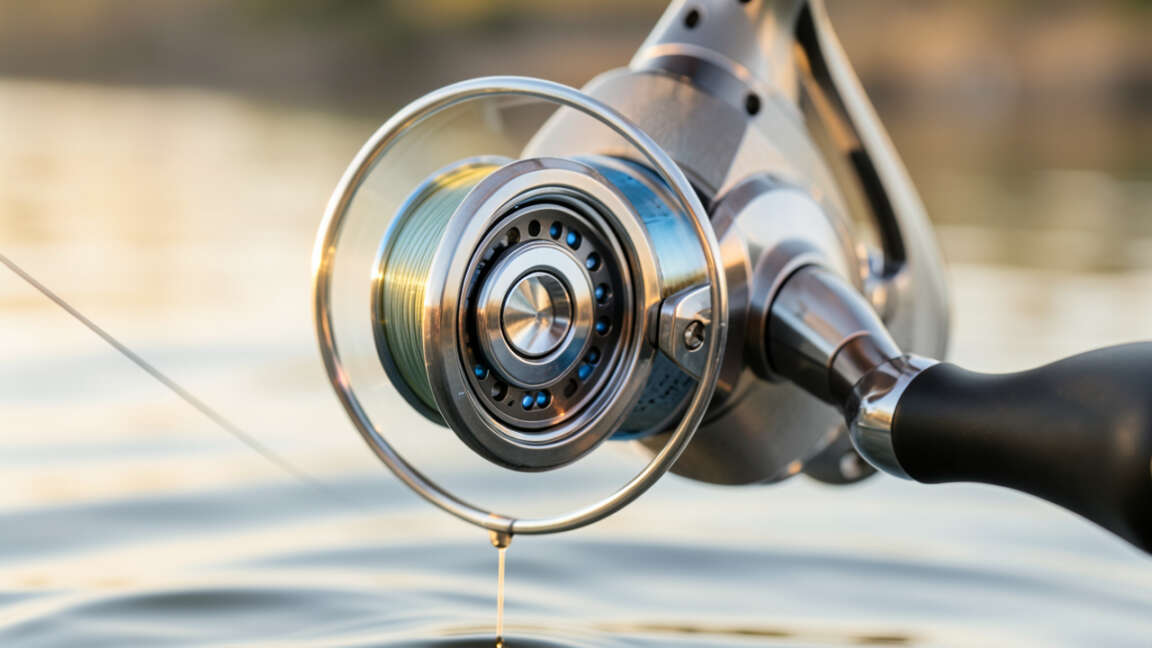
Imagine you’ve just hooked a strong fish. You reel it in, feeling the tension. Suddenly, the fish surges, and if your reel lets the handle spin backward, that precious line you gained can be lost instantly.
This is where the anti-reverse mechanism shines. It’s designed to prevent the reel handle from turning in the opposite direction. This simple function is vital for several reasons, especially when fighting a fish.
Always test your reel's anti-reverse before a fishing trip to ensure it engages properly during a fight and prevents losing ground.
Without a working anti-reverse, every time a fish pulls hard, you risk losing ground. The line can peel off your reel freely, making it difficult to control the fight. This can lead to lost catches and frustration.
For anyone serious about fishing, understanding the Reel Anti-Reverse Mechanism Explained: Why It Matters Daily is fundamental to improving their catch rate and overall experience.
How the Anti-Reverse Mechanism Works
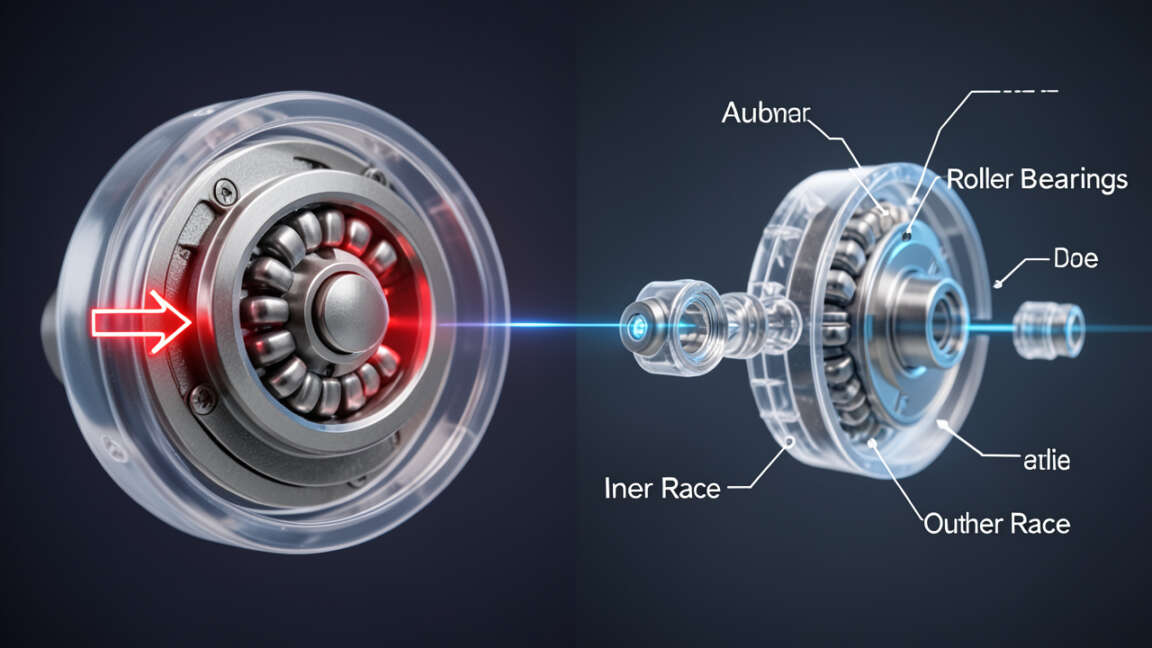
At its core, the anti-reverse mechanism is a one-way clutch. It allows rotation in one direction (forward, for reeling in) but blocks it in the other (backward). There are a few common designs you’ll find in fishing reels.
Common Types of Anti-Reverse Systems
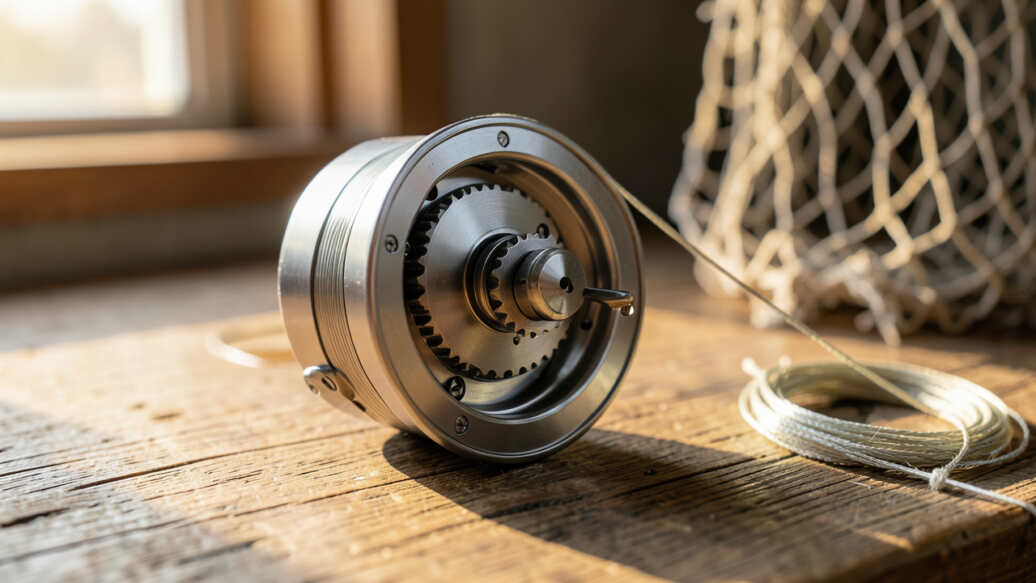
The most prevalent type is the roller bearing anti-reverse. This uses a series of tiny rollers held in place by springs within a bearing. When the handle turns forward, the rollers wedge themselves, locking the mechanism.
When you try to turn it backward, the rollers are forced into their cages, preventing any movement.
Another type is the clutch or dog anti-reverse. This system often uses a small pawl (a metal or plastic lever) that engages with a ratchet gear on the reel’s main shaft. As you reel forward, the pawl moves over the teeth of the ratchet.
The roller bearing anti-reverse uses tiny rollers that wedge to lock when backward pressure is applied, providing instant engagement and reliable stopping power.
If you try to turn the handle backward, the pawl catches on a tooth, stopping the rotation.
Some older or very basic reels might use a double dog system. This is a more mechanical setup with two pawls that work in tandem. If one fails to engage, the other is there as a backup.
However, these are less common in modern reels.
The Role of the One-Way Clutch
The concept of a one-way clutch is central to all anti-reverse systems. It’s the component that dictates the direction of permitted rotation. Think of it like a gate that only opens one way.
This is what gives you the control you need when fishing.
Why Anti-Reverse Matters for Hook Sets
Setting the hook is a critical moment in fishing. It’s when you drive the barb of the hook into the fish’s mouth. A firm, decisive hook set is often the difference between landing a fish and losing it.
This is where the anti-reverse mechanism plays a vital role.
Every hook set is only as strong as your reel's anti-reverse allows; without it, backward handle spin can weaken the drive of the hook into the fish's mouth.
When you feel a bite, you need to react quickly. You pull back on the rod to set the hook. If your reel’s handle can spin backward freely, your hook set might be weakened or ineffective.
The anti-reverse ensures that any backward movement of your rod is met with solid resistance from the reel. This solid connection helps ensure the hook penetrates properly.
A strong hook set prevents the fish from spitting out the bait or lure. It also helps ensure the hook is placed well, increasing the chances of a successful landing. Understanding the Reel Anti-Reverse Mechanism Explained: Why It Matters Daily highlights its importance in this crucial phase of the fishing process.
Preventing Line Spool-Off and Backlashes
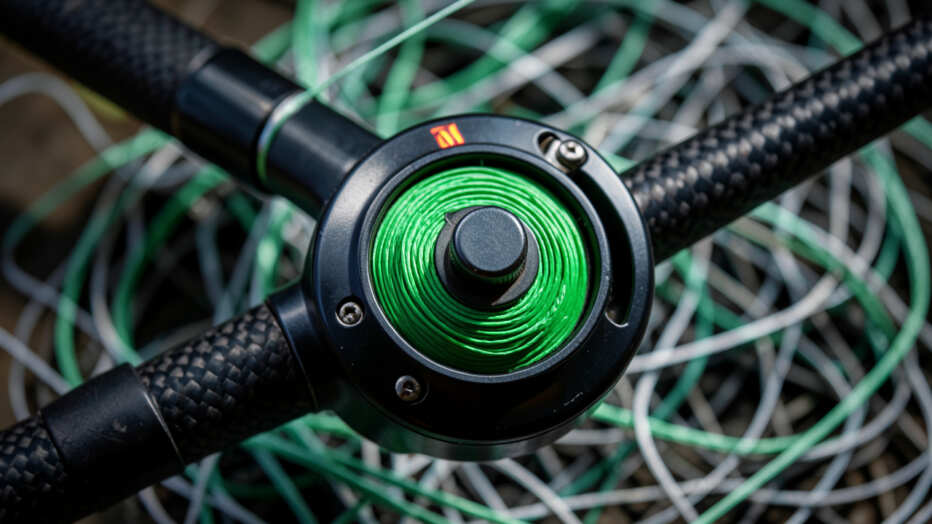
Fish don’t always cooperate. They might make sudden runs, trying to escape. A reliable anti-reverse mechanism is your first line of defense against them stealing back the line you’ve worked hard to gain.
When a fish pulls, the anti-reverse holds its ground, preventing the spool from spinning backward unintentionally.
On baitcasting reels, a strong anti-reverse is crucial to prevent backlashes during a fish's sudden run by locking the spool against backward rotation.
This is particularly important in baitcasting reels, where a lack of a strong anti-reverse can lead to backlashes, often called “bird’s nests.” A backlash happens when the spool spins faster than the line can be taken up, creating a tangled mess of line on the spool. While baitcasting reels often have a secondary brake system, a solid anti-reverse is the primary safeguard against sudden, uncontrolled spool rotation.
For spinning reels, while they are less prone to severe backlashes, a faulty anti-reverse can still allow line to peel off unexpectedly, making it harder to manage the fight. This is why the Reel Anti-Reverse Mechanism Explained: Why It Matters Daily is a topic every angler should grasp.

Improving Casting Performance
While its primary role is in fighting fish, the anti-reverse mechanism also subtly influences your casting. A well-functioning anti-reverse ensures that when you stop reeling, the spool is immediately locked. This provides a clean stop, preventing the lure from dropping prematurely or the line from getting snagged on the cast.
A worn anti-reverse can introduce slack in your line after a cast, reducing accuracy and hook-up potential; test it regularly to avoid missed opportunities.
For baitcasting reels, the anti-reverse is part of the overall braking system that helps control spool speed. A responsive anti-reverse contributes to smoother casts and better accuracy. It allows for more precise control over the lure’s trajectory and landing spot.
In spinning reels, the anti-reverse ensures that when you finish your cast and start to reel, there’s no slack or delay. This immediate engagement is key for quick lure retrieval and maintaining constant tension on your line.
Maintenance for Longevity and Reliability
Like any mechanical part, the anti-reverse mechanism needs care to perform at its best. Regular maintenance is key to ensuring its reliability, especially when you need it most.
Cleaning and Lubrication
Saltwater and dirt are the enemies of fishing reel components, including the anti-reverse. After each use, especially in saltwater, it’s good practice to rinse your reel with fresh water. Periodically, you’ll need to disassemble parts of your reel (following manufacturer instructions) to clean out old grease and debris.
Proper lubrication is also crucial. Use reel-specific oils and greases. Too much or the wrong type of lubricant can actually hinder the anti-reverse’s performance, making it sluggish.
Use only light oil on roller bearings and avoid over-lubricating, as excess grease can impede the anti-reverse clutch action and cause sluggish engagement.
A light application of oil on roller bearings and grease on gears is usually sufficient.
Inspecting for Wear and Tear
Over time, components can wear out. Roller bearings can become damaged, and pawls or ratchets can show signs of wear. Listen for any grinding or clicking sounds that aren’t normal.
Feel for any looseness or excessive play in the handle when it’s locked.
If you suspect an issue with your anti-reverse, it’s best to have it inspected by a professional or consult your reel’s manual for troubleshooting steps. A faulty anti-reverse can be a frustrating and costly problem to deal with on the water.
Choosing the Right Reel for Your Needs
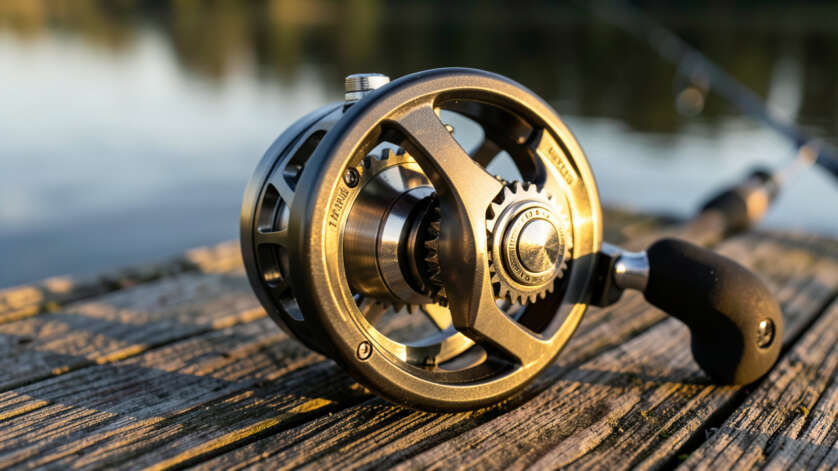
When you’re in the market for a new fishing reel, understanding the anti-reverse system is important. Different reels offer different levels of anti-reverse performance and durability. This is a key factor in the Reel Anti-Reverse Mechanism Explained: Why It Matters Daily.
Reel Types and Anti-Reverse
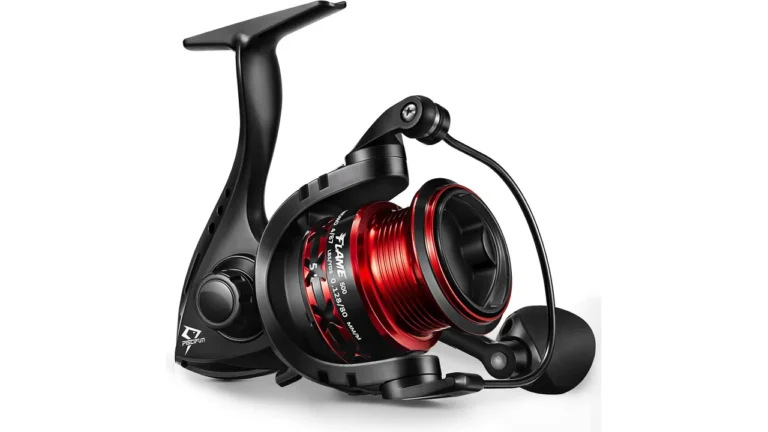
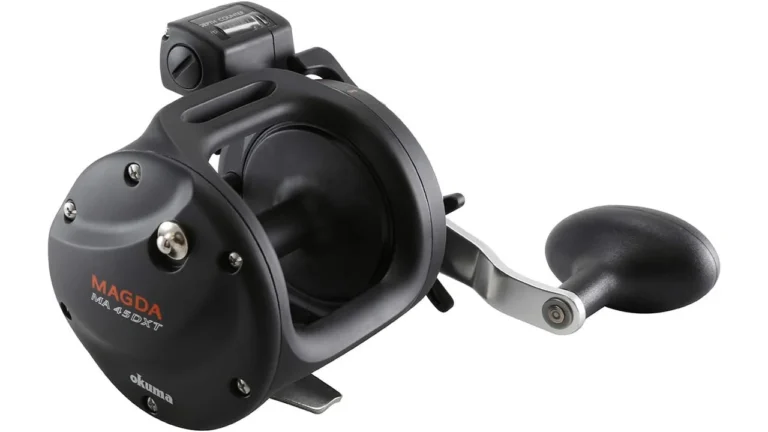
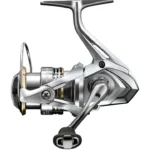
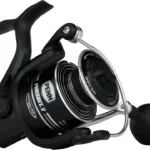
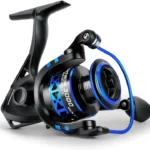
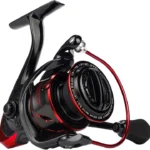
Spinning Reels: Most modern spinning reels feature a reliable roller bearing anti-reverse. They are generally very effective and low-maintenance. The anti-reverse is usually integrated into the main gear assembly.
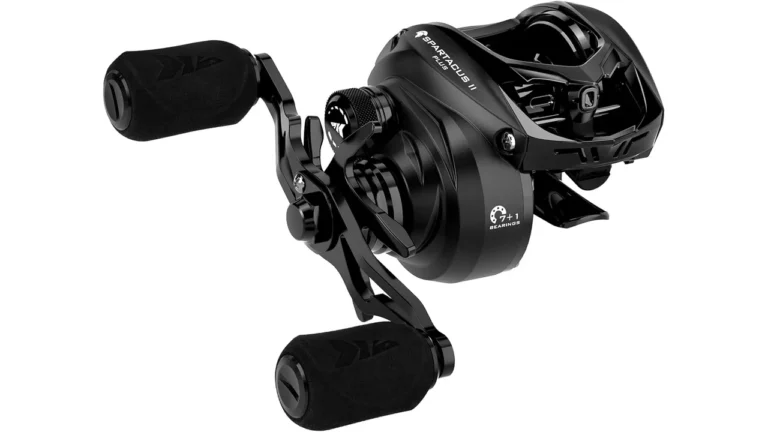
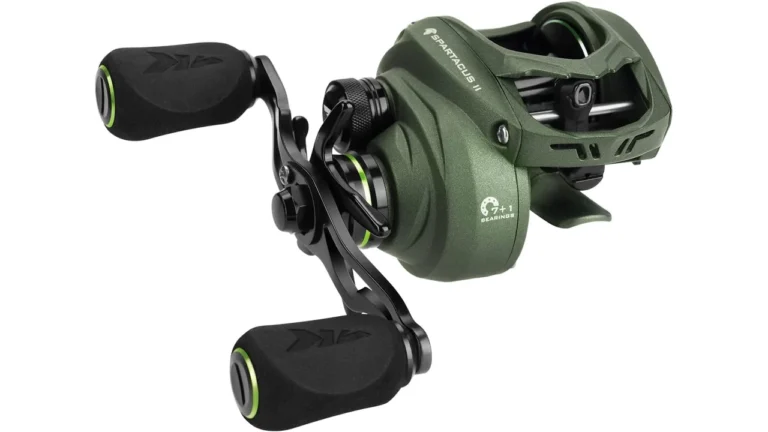
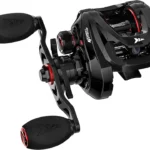
Baitcasting Reels: These reels often have more robust anti-reverse systems. Many use a multi-point roller bearing system for instant anti-reverse. Some high-end models might even offer a “silent” anti-reverse that’s almost imperceptible.
The durability and reliability of the anti-reverse system often separate a good reel from a great one when fighting persistent fish.
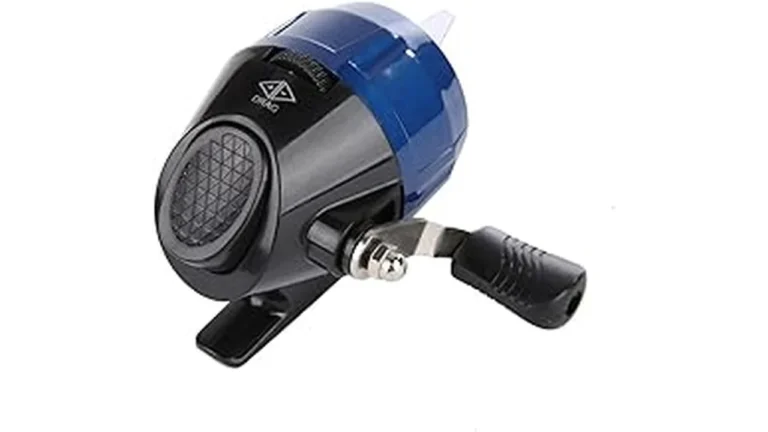
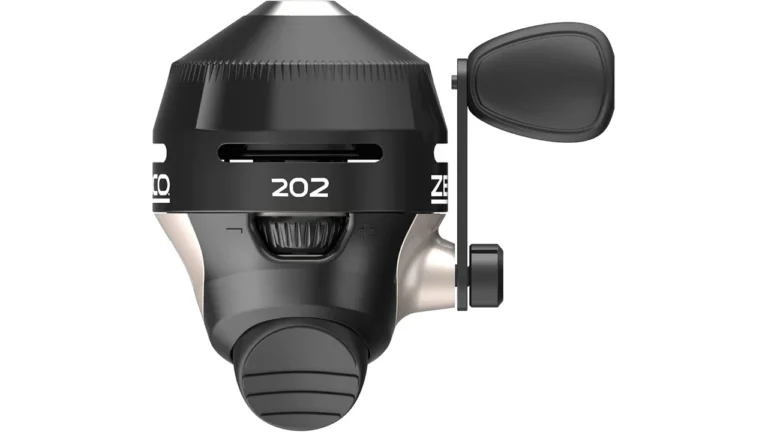
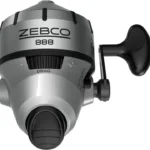
Spincast Reels: Often found in beginner kits, these reels typically have a simpler, sometimes less robust, anti-reverse mechanism. It’s usually a single dog system.
Factors to Consider
When selecting a reel, consider the type of fishing you do. If you’re targeting large, powerful fish, you’ll want a reel with a very strong and reliable anti-reverse system. For lighter freshwater fishing, a standard, well-maintained anti-reverse will likely suffice.
Also, consider the brand reputation and reviews. Companies known for quality reels often pay extra attention to the design and durability of their anti-reverse mechanisms. This attention to detail is what makes the Reel Anti-Reverse Mechanism Explained: Why It Matters Daily a practical guide for anglers.
Troubleshooting Common Anti-Reverse Issues
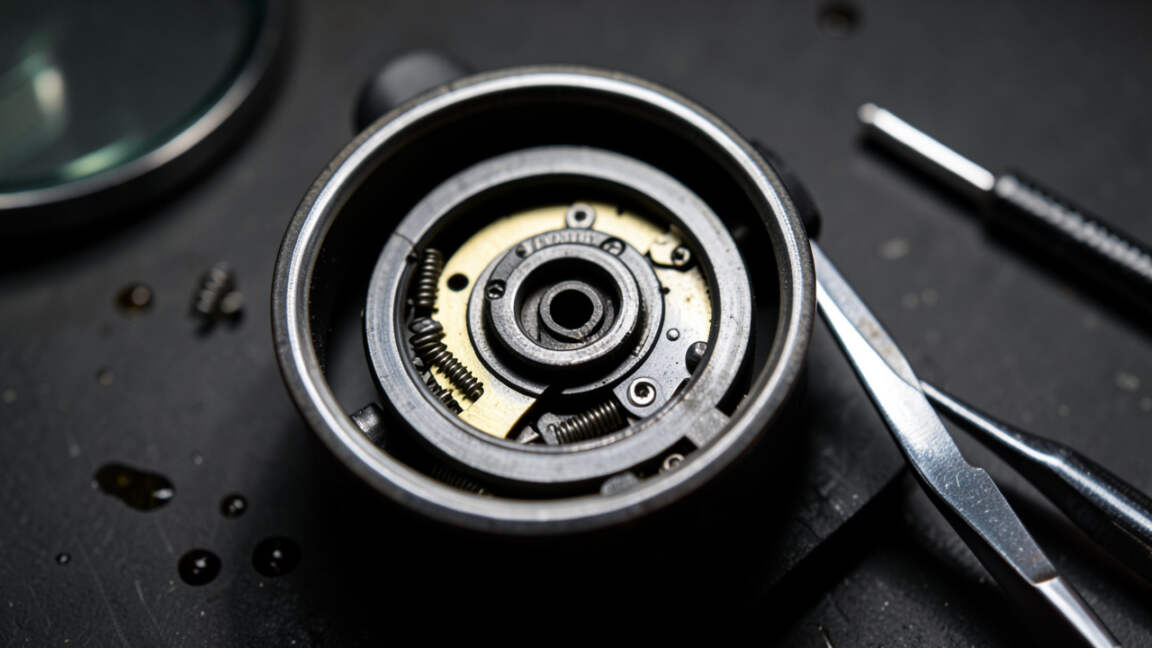
Sometimes, things go wrong. If your reel’s anti-reverse isn’t working, it can be a major problem. Here are a few common issues and what might be causing them.
Handle Spins Freely in Both Directions
This is the most obvious sign of a failed anti-reverse. It means the one-way clutch mechanism is no longer engaging. This could be due to a broken roller bearing, a dislodged pawl, or damage to the ratchet gear.
In many cases, this requires professional repair or replacement of the reel.
If you hear grinding when reeling, inspect the anti-reverse bearing for damage before the mechanism fails completely and leaves you with a free-spinning handle.
Intermittent Engagement
If the anti-reverse sometimes works and sometimes doesn’t, it’s often a sign of dirt or debris interfering with the mechanism. It could also indicate a worn part that isn’t making consistent contact. Cleaning and re-lubricating might help, but if it persists, a part might need replacing.
Grinding or Clicking Noises
Unusual noises during operation, especially when trying to reel in, can point to issues within the anti-reverse system. This could be a damaged roller bearing, a bent pawl, or a worn ratchet. These noises are often a warning sign that the mechanism is compromised and could fail completely.
Understanding the Reel Anti-Reverse Mechanism Explained: Why It Matters Daily also means knowing when to seek help. Don’t ignore these signs, as a failed anti-reverse can cost you a trophy fish.
Frequently Asked Questions
What happens if my reel’s anti-reverse stops working?
If your reel’s anti-reverse stops working, the handle will spin freely in both directions. This means you can’t set the hook properly, and fish can pull line off your reel easily. It significantly reduces your ability to control a fish during a fight.
How often should I clean my reel’s anti-reverse mechanism?
You should rinse your reel with fresh water after every use, especially in saltwater. A more thorough cleaning and lubrication of the anti-reverse components should be done at least once or twice a year, depending on how often you fish and the conditions.
Can a faulty anti-reverse cause backlashes on baitcasting reels?
Yes, a weak or failing anti-reverse can contribute to backlashes on baitcasting reels. While other braking systems help, the anti-reverse is the primary safeguard against the spool spinning uncontrollably backward. If it fails, the spool can spin much faster than the line can be retrieved.
Are all reel anti-reverse mechanisms the same?
No, there are different types, such as roller bearing and clutch/dog systems. While they all serve the same purpose of preventing backward handle rotation, their construction and reliability can vary between reel types and manufacturers.
Is it expensive to repair an anti-reverse mechanism?
Repair costs can vary. Minor issues might be fixable with cleaning and lubrication, but if a key component like a bearing or pawl is broken, it might be more cost-effective to replace the reel, especially for less expensive models. Understanding the Reel Anti-Reverse Mechanism Explained: Why It Matters Daily can help you decide if a repair is worthwhile.
Do I need to worry about anti-reverse if I only fish for small panfish?
While the stakes are lower with smaller fish, a functioning anti-reverse still provides better control for hook sets and reeling. It’s a fundamental feature that improves the overall fishing experience, even for less aggressive catches.
Final Thoughts
A reliable anti-reverse mechanism is a small but mighty part of your fishing gear. It ensures firm hook sets, prevents lost line, and gives you control during the fight. Keeping it clean and maintained means you can trust your reel when it counts.
This understanding ensures you get the most out of every cast and every catch.