
Reel Body Materials: Graphite Vs Aluminum Compared And Tested
Graphite reel bodies are significantly lighter and more affordable than aluminum, making them ideal for freshwater anglers seeking comfort and value, while aluminum reels offer superior strength and corrosion resistance for saltwater and heavy-duty use. The weight difference reduces fatigue during long fishing trips, but aluminum provides greater durability against impacts and wear. Corrosion resistance is a critical differentiator, with aluminum performing better in saltwater environments than graphite. Anglers should select based on their primary fishing conditions and budget, as both materials deliver reliable performance when matched to the appropriate application.
Choosing the right fishing reel can make a big difference in how much you enjoy your time on the water. You want a reel that feels good in your hand, works smoothly, and lasts a long time. Two common materials used for reel bodies are graphite and aluminum, and understanding their differences can help you pick the best one for your needs.
This guide to Reel Body Materials: Graphite vs Aluminum Compared and Tested will show you why this choice matters and what you gain by knowing which material is best for your fishing style.
Key Takeaways
- Graphite reels are lighter and more affordable, making them a great choice for beginners or those on a budget.
- Aluminum reels offer superior strength and durability, ideal for demanding fishing conditions and larger fish.
- The weight difference between graphite and aluminum can affect casting comfort and fatigue over long fishing trips.
- Corrosion resistance is a key factor, especially for anglers who fish in saltwater environments.
- Both materials have pros and cons that impact a reel’s performance, feel, and lifespan.
- Understanding these differences helps you make an informed decision for your specific fishing needs.
Why Reel Body Material Matters for Your Fishing
Choosing the right reel body material can significantly affect comfort and performance on long fishing days. Start by evaluating the type of fishing you do most often.

Graphite Reels: Lightweight and Budget-Friendly
Graphite reels offer a great balance of weight and affordability for freshwater anglers or those on a budget. Their lightness reduces fatigue during extended casting sessions.
Pros of Graphite Reel Bodies
- Lightweight: Reduces angler fatigue during long fishing sessions.
- Affordable: Generally costs less than aluminum reels, making them budget-friendly.
- Corrosion Resistant: Graphite does not rust or corrode easily, which is good for all water types.
- Good for Freshwater: Performs well in most freshwater fishing scenarios.
Cons of Graphite Reel Bodies
- Less Durable: Can be more prone to cracking or breaking if dropped or hit.
- Flexibility: May flex slightly under heavy load, potentially affecting gear alignment.
- Not Ideal for Extreme Conditions: Less suited for very harsh environments or heavy-duty saltwater use.
Aluminum Reels: Strength and Durability
Aluminum is known for its strength and toughness. Reels with aluminum bodies are generally more robust. They can withstand more abuse than graphite reels. If you tend to be a bit rough with your gear, or if you fish in tough conditions, an aluminum reel might be a better fit. Aluminum is also less likely to flex under heavy pressure. This means the internal gears stay aligned better, leading to smoother operation when fighting a strong fish. While aluminum reels often cost more, their durability can mean they last longer. This makes them a good investment for serious anglers.Internal gears stay aligned better in aluminum reels, resulting in smoother operation when fighting powerful fish.
Pros of Aluminum Reel Bodies
- Strong and Durable: Can withstand impacts and heavy use without damage.
- Rigid: Minimal flex under load, ensuring precise gear meshing and smooth operation.
- Saltwater Friendly: Many aluminum alloys are treated to resist saltwater corrosion.
- Long Lifespan: Often lasts longer due to its inherent toughness.
Cons of Aluminum Reel Bodies
- Heavier: Can feel heavier, potentially causing more fatigue on extended trips.
- More Expensive: Typically costs more than graphite reels.
- Corrosion Potential: Untreated aluminum can corrode, especially in saltwater.
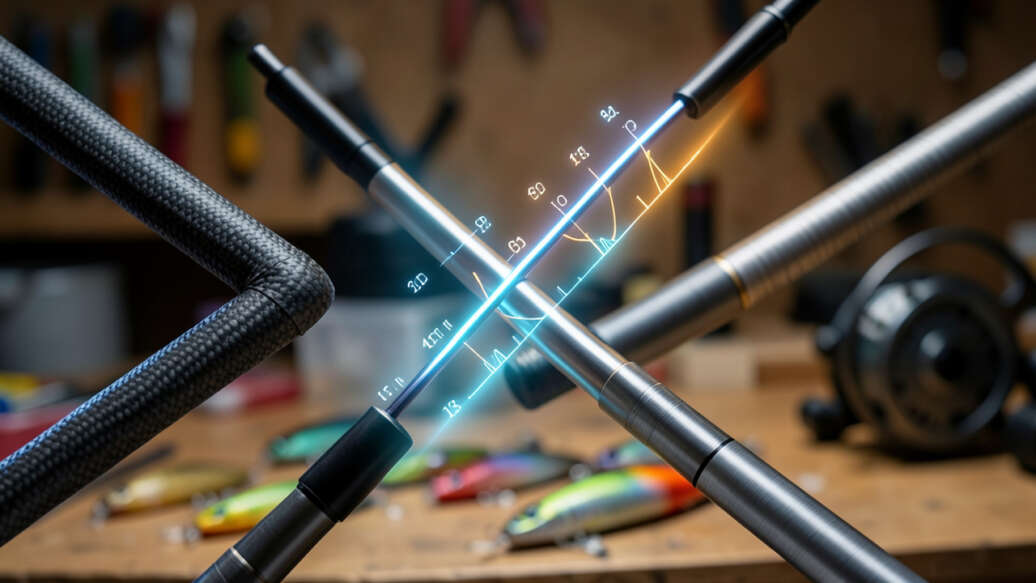
Comparing Performance: Graphite vs. Aluminum
For day-long freshwater trips, a graphite reel's light weight can reduce arm fatigue, while an aluminum reel's stability is better for heavy-duty saltwater fishing.
Performance Metrics: A Closer Look
Here’s a look at how these materials stack up in different areas:
Testing Reel Body Materials: What the Data Shows
Even high-quality graphite reels can degrade from constant saltwater exposure, so rinsing after use is critical to avoid cracks.
Who Should Choose a Graphite Reel?
Graphite reels are an ideal starting point for newcomers, combining solid performance with lower cost.
Ideal Scenarios for Graphite Reels
- Beginner Anglers: Affordable and easy to handle.
- Freshwater Fishing: Sufficient strength and durability for most freshwater species.
- Casual Anglers: Good performance for weekend fishing trips.
- Budget-Conscious Shoppers: Offers great value for money.
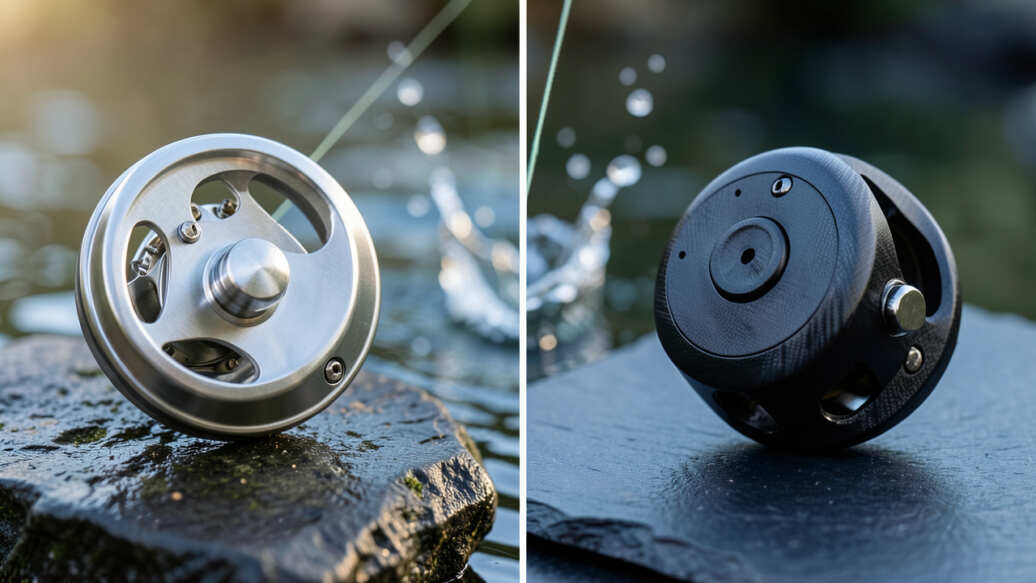
Who Should Choose an Aluminum Reel?
If you are a serious angler who demands the best performance and durability, an aluminum reel is likely for you. Anglers who fish in saltwater environments will benefit greatly from the corrosion resistance and strength of treated aluminum. This is crucial for combating the harsh effects of salt and sand. Fishermen who target larger, stronger fish will also appreciate aluminum. The rigidity of aluminum bodies means the reel’s gearing stays true under heavy load. This provides reliable drag performance when you need it most. Think about fighting a big tuna or a powerful striper. You want a reel that won’t flex or break. Furthermore, anglers who are hard on their gear or often fish in tough conditions will find aluminum reels to be a wise investment. Their superior impact resistance means they can take more abuse and keep working. This makes them a reliable companion for backcountry fishing or any situation where gear might get knocked around.Serious anglers who demand top durability and performance will find an aluminum reel to be the best choice.
Ideal Scenarios for Aluminum Reels
- Saltwater Anglers: Superior corrosion resistance and durability.
- Anglers Targeting Large Game Fish: Strength to handle powerful runs and heavy drags.
- Heavy-Duty Fishing: Built to withstand rough use and harsh conditions.
- Experienced Anglers: Value long-term performance and reliability.
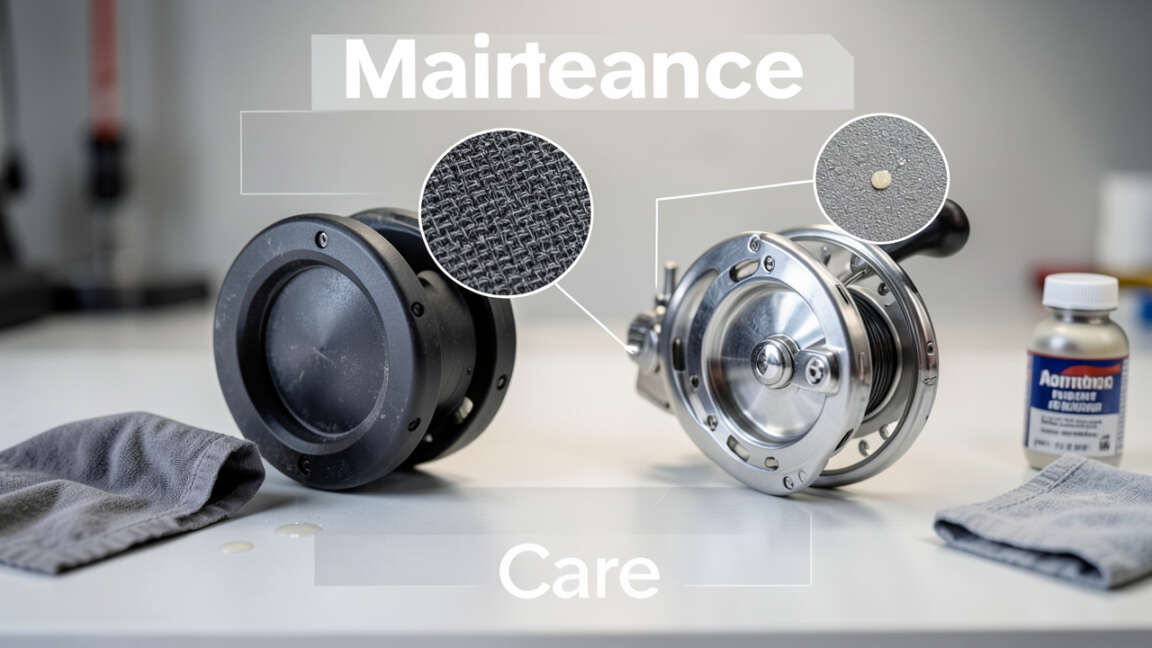
Maintenance Tips for Both Materials
After every trip, rinse your reel with fresh water and dry it thoroughly to prevent corrosion and damage.
Frequently Asked Questions
What is the main difference between graphite and aluminum reel bodies?
The main difference is weight and strength. Graphite is lighter and less expensive, while aluminum is heavier, stronger, and more durable.
Which reel body material is better for saltwater fishing?
Treated aluminum reel bodies are generally better for saltwater fishing due to their superior corrosion resistance compared to graphite.
Will a graphite reel break if I drop it?
A graphite reel is more likely to crack or break if dropped hard compared to an aluminum reel, which is more impact-resistant.
Is an aluminum reel too heavy for a full day of fishing?
While aluminum reels are heavier, many anglers find them manageable for a full day, especially if they have a well-balanced rod. The extra weight can sometimes feel more stable.
Can graphite reels handle big fish?
Yes, graphite reels can handle big fish, but aluminum reels offer more rigidity and strength, which is beneficial for fighting very powerful species.
How does the cost compare for graphite vs. aluminum reels?
Graphite reels are typically more affordable than aluminum reels, making them a more budget-friendly option for many anglers.
What is the best reel body material for beginners?
For beginners, a graphite reel is often recommended because it is lighter, more affordable, and performs well for general fishing.
Final Thoughts
Choosing between graphite and aluminum reel bodies comes down to your fishing style and priorities. Graphite offers a lighter, more affordable option perfect for freshwater and beginners. Aluminum provides unmatched strength and durability, ideal for saltwater and tough fishing conditions.
Both materials have their place, and understanding the Reel Body Materials: Graphite vs Aluminum Compared and Tested helps you pick the reel that best suits your needs for a more enjoyable fishing experience.