


Line Pound Test Explained: What Numbers Actually Mean Today
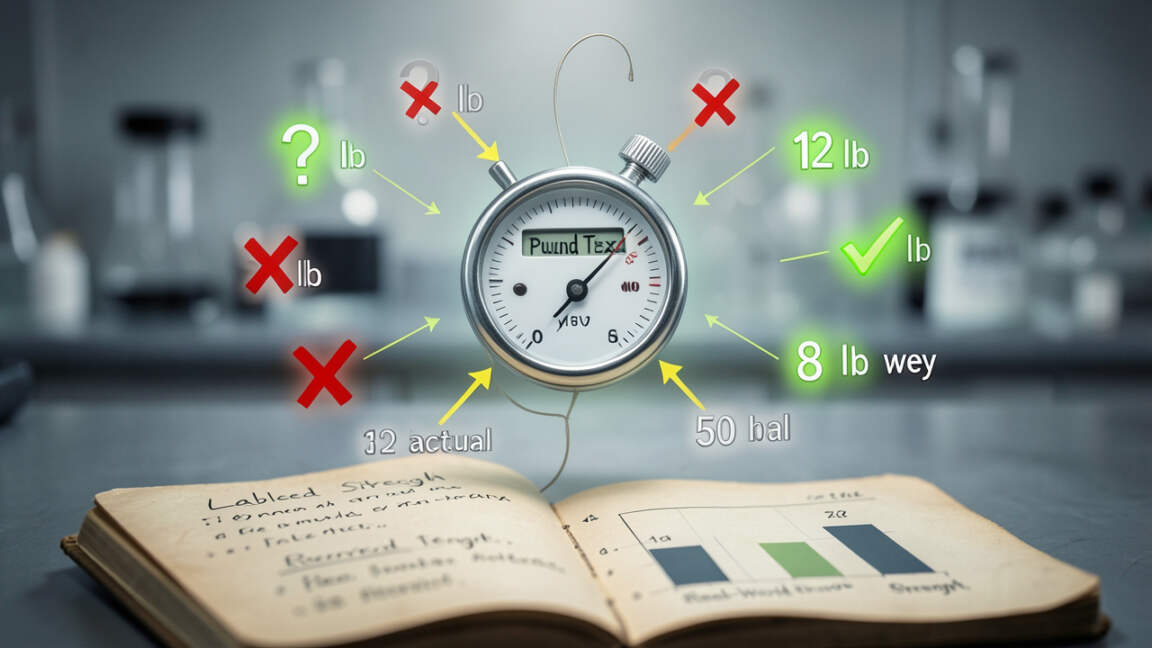
The pound test number on fishing line indicates its approximate breaking strength under ideal lab conditions, but real-world performance depends significantly on line type, diameter, and knot strength. Monofilament, fluorocarbon, and braided lines each respond differently to abrasion and stretch, altering effective strength and making the labeled number a starting point rather than a guarantee. Matching the pound test to your rod, reel, and target species ensures you optimize for both strength and casting performance while avoiding break-offs.
Choosing the right fishing line can make a huge difference in how successful your fishing trips are. You’ve probably seen numbers on the packaging, but what do they really tell you? Understanding the Line Pound Test Explained: What Numbers Actually Mean Today helps you pick the best line for your gear and the fish you’re after.
It’s not just about strength; it’s about making smarter choices on the water so you can land more fish and have more fun. Let’s break down what those numbers truly signify and how they impact your angling experience.
Key Takeaways
- The pound test number on fishing line indicates its approximate breaking strength under ideal conditions.
- Different types of fishing line (monofilament, fluorocarbon, braided) have unique properties that affect their real-world performance.
- Factors like knot tying, abrasion, and line diameter significantly influence the actual breaking strength you achieve.
- Matching your line’s pound test to your fishing rod, reel, and target species is crucial for effective angling.
- Understanding line pound test helps prevent break-offs and ensures you are prepared for the fish you encounter.
What the Pound Test Number Really Tells You
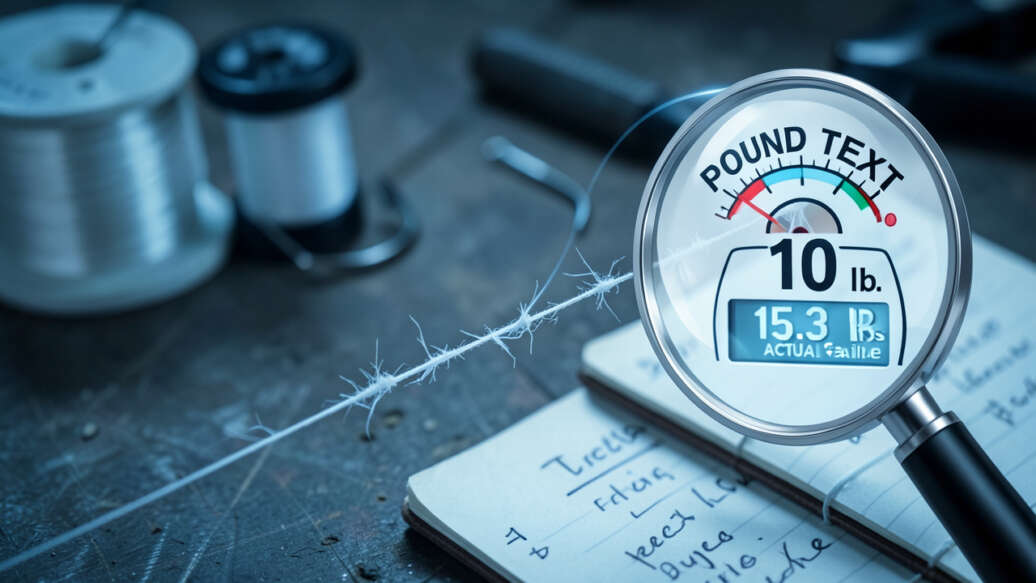
The number you see on a spool of fishing line, often referred to as the “pound test,” is a measurement of its strength. It tells you the maximum weight the line can hold before it snaps, assuming it’s under a steady pull in a controlled environment. For example, a 10-pound test line is designed to break if you pull it with more than 10 pounds of force.
This is a helpful starting point for anglers. It gives a general idea of how strong the line is. Knowing this helps you select the right line for your needs.
Fluorocarbon line often matches monofilament in pound test but offers superior abrasion resistance, making it a better choice for fishing around rocks and structures.
Remember that the pound test rating is an average; always test your line's strength after use, especially if it's been exposed to sun or saltwater.
However, it’s important to remember that this is an average. The Line Pound Test Explained: What Numbers Actually Mean Today isn’t always a direct, perfect reflection of real-world performance. Many things can affect how much weight the line can actually handle when you’re out on the water.
It’s a standardized test, but fishing is rarely standard. Understanding these nuances will help you avoid frustrating line breaks and lost fish.
Why Line Type Matters More Than You Think
Not all fishing lines are created equal, even if they have the same pound test rating. The material the line is made from plays a huge role in its actual performance. This is a key part of Line Pound Test Explained: What Numbers Actually Mean Today.
Different types have different strengths, diameters, and behaviors in the water.
Monofilament Lines
Monofilament is a popular choice for many anglers. It’s known for its stretch, which can be forgiving when a fish makes a sudden run. This stretch helps absorb shock, preventing the line from snapping.
However, monofilament can also have a larger diameter for its pound test compared to other lines. This means it can be more visible in the water and might affect casting distance.
Even minor abrasion can cause a line to break at far below its rated pound test.
Fluorocarbon Lines
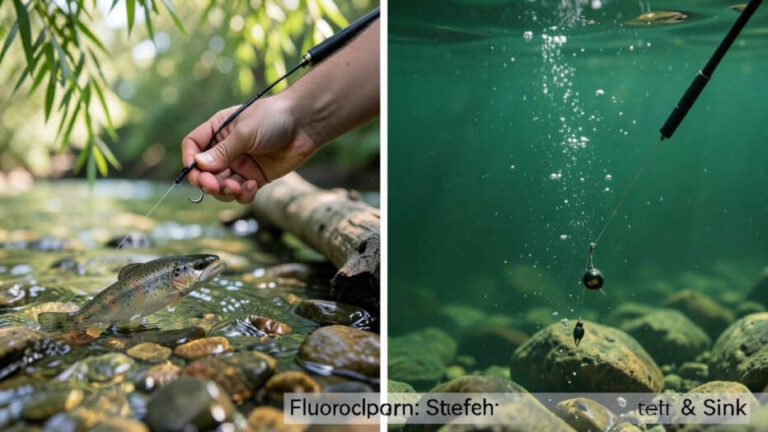
Fluorocarbon lines are denser and sink faster than monofilament. They are also less stretchy and nearly invisible underwater, making them great for finicky fish. While fluorocarbon often has a similar pound test to mono, it can be more abrasion-resistant.
This means it can handle rubbing against rocks or structure better. The Line Pound Test Explained: What Numbers Actually Mean Today for fluorocarbon is usually quite accurate, but its stiffness can make it a bit harder to handle for beginners.
Braided Lines
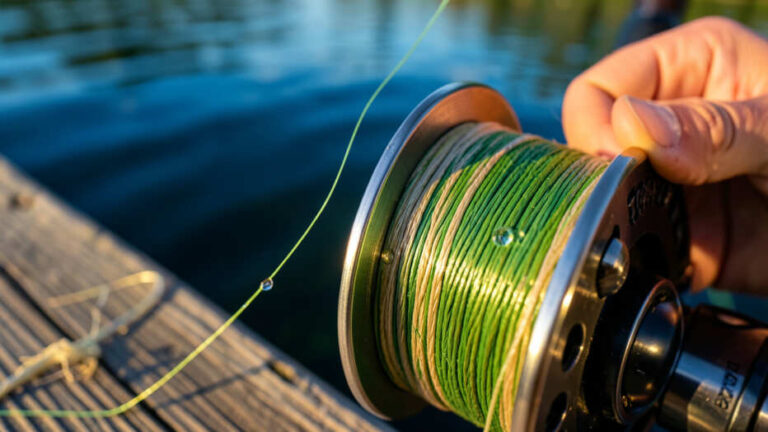
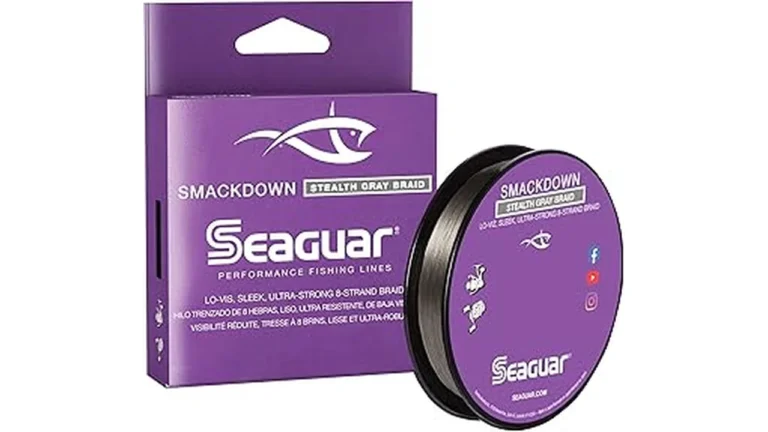
Braided line is made from multiple strands woven together, usually from materials like Dyneema or Spectra. It has virtually no stretch and is incredibly strong for its diameter. This means you can use a much lower pound test braided line that is thinner than mono or fluoro, allowing for longer casts and more line capacity on your reel.
Because there’s no stretch, braided lines offer excellent sensitivity for detecting bites. However, the lack of stretch means you need a reel with a good drag system to absorb the fish’s power.
The Impact of Diameter and Abrasion
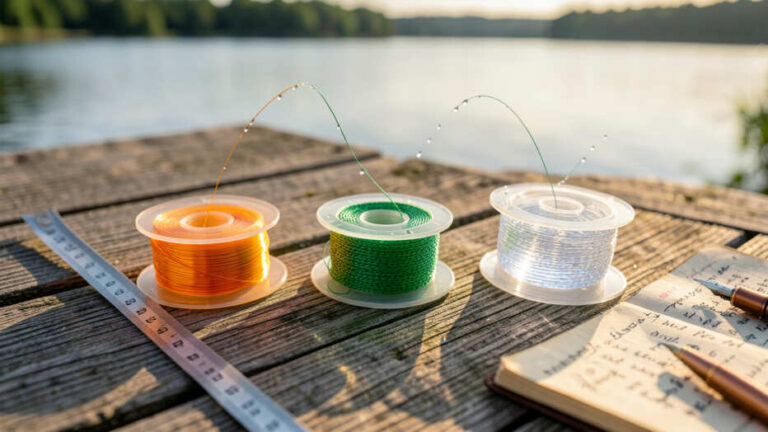
The physical thickness, or diameter, of a fishing line is a critical factor that goes hand-in-hand with its pound test. Generally, for the same material, a thicker line will be stronger. However, manufacturers often use different manufacturing processes, so a 10-pound test monofilament might be thicker than a 10-pound test braided line.
This difference in diameter affects how much line you can fit on your reel and how easily it cuts through the water.
For braided lines, avoid the Improved Clinch knot; use a Palomar or Uni knot instead to maintain strength.
Abrasion is another major enemy of fishing line strength. When your line rubs against rocks, submerged logs, boat hulls, or even the teeth of a fish, it weakens. A line that has experienced even minor abrasion can break at a much lower pound test than its rating.
This is why inspecting your line regularly and replacing it when it looks worn is so important. The Line Pound Test Explained: What Numbers Actually Mean Today assumes a perfect, smooth pull on pristine line. Real-world conditions are far less forgiving.
Consider this: a line might be rated for 20 pounds, but if it’s been dragged over a rough reef, it might snap with only 5 pounds of pressure. Always factor in the type of environment you’ll be fishing in. If you’re fishing in rocky areas or around heavy cover, you might want to step up your line’s pound test to account for potential abrasion.
Knots: The Weakest Link?
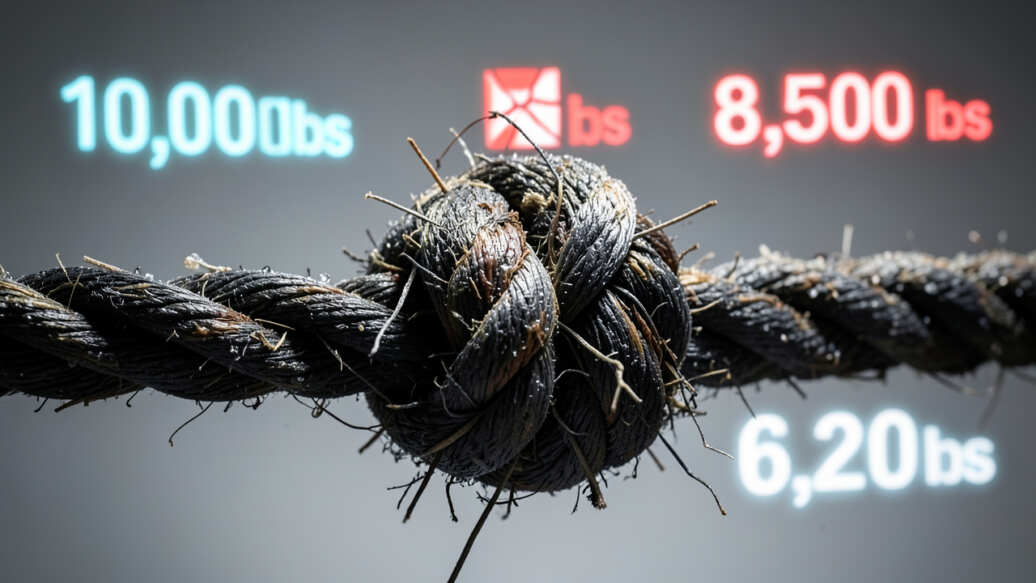
Perhaps one of the most significant factors affecting the actual breaking strength of your fishing line is the knot you tie. No matter how strong the line is rated, a poorly tied knot can drastically reduce its strength. Some knots are known to weaken the line by 50% or more.
This is a crucial point when discussing Line Pound Test Explained: What Numbers Actually Mean Today. The test is done on a smooth section of line, not one cinched down in a knot.
Different knots are better suited for different types of line. For instance, a Palomar knot is a very strong and reliable knot for braided lines. An Improved Clinch knot is a classic for monofilament and fluorocarbon, though it can sometimes slip with braided lines.
Using a line too heavy for your reel can reduce line capacity and cause casting issues; always check your reel's line capacity before spooling.
It’s essential to learn and practice a few reliable knots for each line type you use. Always moisten your knot before cinching it down; this reduces friction and heat, which can damage the line and weaken the knot.
Testing your knots before you go fishing is a smart practice. Give them a firm tug to ensure they hold. If a knot slips or the line breaks near the knot, you know you need to adjust your technique or try a different knot.
A strong knot is just as important as a strong line when it comes to landing your catch.
Matching Line to Your Gear and Target
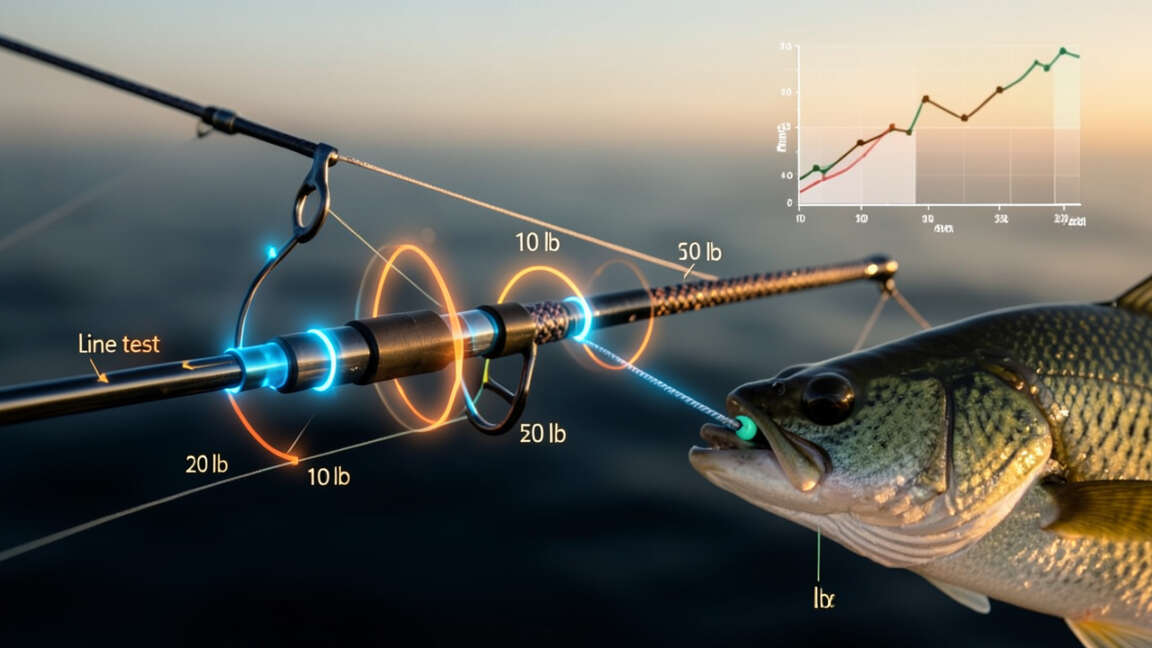
Selecting the right pound test line isn’t just about the fish you’re targeting; it’s also about your fishing rod and reel. Your rod has a specific line weight rating, and your reel has a line capacity. Using a line that is too heavy for your rod can put excessive stress on it, potentially leading to a break.
Conversely, using a line that is too light might not be strong enough to handle the fish.
First, consider your rod. Most fishing rods have a recommended line weight range printed on them. For example, a medium-action rod might be rated for 6-12 pound test line.
Sticking within this range ensures optimal performance and prevents damage to the rod. Second, think about your reel. A reel’s line capacity tells you how much of a certain diameter line it can hold.
For wary fish in clear water, choose a clear or natural-colored line to reduce visibility and increase strike rates.
If you plan on fishing for large, strong fish that make long runs, you’ll want a reel that can hold plenty of line of the appropriate pound test.
Next, identify your target species. Are you fishing for small panfish, medium-sized bass, or large, powerful game fish like tuna or salmon? Each requires a different approach to line selection.
For small panfish, a 2-6 pound test line might be sufficient. For bass, 8-17 pound test is common. For larger, stronger fish, you might need 30, 50, or even 80-pound test line.
The Line Pound Test Explained: What Numbers Actually Mean Today is most useful when you apply it to your specific fishing situation.
A good rule of thumb is to use a line that is strong enough to handle the fish but light enough to allow for good casting and presentation. If you’re unsure, it’s often better to err on the side of slightly stronger line, especially if you’re fishing in an area with a lot of structure where break-offs are likely.
Beyond the Number: Practical Considerations
While the pound test is a starting point, there are other practical aspects to consider. The Line Pound Test Explained: What Numbers Actually Mean Today becomes much clearer when you think about how you actually fish.
Line Memory and Stiffness
Some lines have more “memory” than others. This means they tend to coil up tightly from being on the spool. High memory lines can be more prone to tangles and may affect casting.
Stiffness also plays a role. Stiffer lines can be more durable but harder to cast. Softer lines cast more easily but might be more susceptible to nicks and cuts.
UV Resistance and Longevity
Fishing line degrades over time, especially when exposed to sunlight (UV rays), heat, and chemicals. Monofilament and fluorocarbon are generally more susceptible to UV damage than braided lines. Regularly replacing your fishing line, even if it hasn’t broken, is a good practice to ensure consistent performance.
A higher pound test doesn't always mean a better line; balance strength with diameter, abrasion resistance, and stretch for optimal performance.
An old, degraded line, regardless of its original pound test, will be weaker.
Line Color and Visibility
The color of your fishing line can impact your success. Brightly colored lines, like yellow or chartreuse, are highly visible to the angler, making it easier to track your line and detect subtle bites. However, these colors can also spook wary fish.
Clear or natural-colored lines, like smoke or green, are less visible underwater, which can be advantageous when fishing for educated or easily frightened fish.
The Line Pound Test Explained: What Numbers Actually Mean Today is just one piece of the puzzle. Your choice of line color should complement your fishing environment and the behavior of your target species. For example, if you’re fishing in clear water for bass, a low-visibility line might be your best bet.
In murky water or when targeting active feeders, a more visible line can be beneficial.
Common Misconceptions About Line Strength
Many anglers fall into traps when interpreting line strength. One common mistake is assuming that a higher pound test always means a better line. While strength is important, it needs to be balanced with other factors like diameter, abrasion resistance, and stretch.
A super-strong line that is too thick might not cast well or fit on your reel.
Another misconception is that the pound test is an absolute guarantee. As we’ve discussed, knots, abrasion, and line condition all play significant roles. The number is a guideline, not a definitive promise.
Start by knowing your target fish and environment, then choose a line that balances pound test with the practical demands of your fishing scenario.
The Line Pound Test Explained: What Numbers Actually Mean Today is about understanding that guideline and its limitations.
Some anglers also believe that “premium” lines are always worth the extra cost. While higher-quality lines often perform better, they aren’t always necessary for every situation. For casual fishing, a good quality standard line might be perfectly adequate.
The key is to choose a line that matches your fishing style, your target species, and your budget.

Putting It All Together: Making the Right Choice
So, how do you make the best choice when faced with all these options? It starts with a clear understanding of what the pound test number signifies and what influences it. The Line Pound Test Explained: What Numbers Actually Mean Today is about practical application, not just abstract numbers.
First, know your target fish and their habits. Are they strong fighters? Do they live near structure?
Second, consider your fishing environment. Are you fishing in clear, open water or around weeds, rocks, and wood? Third, evaluate your fishing gear.
What is your rod rated for? How much line does your reel hold? Finally, practice your knots and inspect your line regularly.
Don’t be afraid to experiment with different lines and pound tests. What works best for one angler might not work for another. Keep a log of what lines you use and how they perform.
This will help you build experience and make more informed decisions in the future. The goal is to have reliable gear that helps you enjoy your time on the water and increases your chances of success.
Frequently Asked Questions
What is the actual breaking strength of fishing line?
The pound test number is an approximate breaking strength under ideal, controlled conditions. Real-world breaking strength can be lower due to knots, abrasion, and line condition.
Does line diameter affect pound test?
Yes, generally, for the same material, a thicker line (larger diameter) will have a higher pound test. However, different line types have varying diameters for the same pound test.
How does tying a knot affect line strength?
Tying a knot can significantly weaken fishing line, sometimes by 50% or more, depending on the knot and the line type. This is a critical factor in the Line Pound Test Explained: What Numbers Actually Mean Today.
Is a higher pound test line always better?
Not necessarily. While a higher pound test offers more strength, it’s important to balance it with factors like diameter, castability, and your rod’s rating. The Line Pound Test Explained: What Numbers Actually Mean Today shows strength is just one part.
How often should I replace my fishing line?
It’s recommended to replace your fishing line at least once a year, or more often if it shows signs of wear, abrasion, or has been exposed to prolonged sunlight and heat.
Can braided line be used for all types of fishing?
Braided line is versatile but its lack of stretch requires a good drag system. It excels in situations where sensitivity and strength are paramount, but might not be ideal for beginners in all scenarios.
Final Thoughts
Understanding the Line Pound Test Explained: What Numbers Actually Mean Today empowers you to choose the best line for your fishing adventures. Remember that the number is a guide, and factors like line type, knots, and abrasion all play a role in its real-world performance. Make informed choices and enjoy more successful days on the water.