Reel Spool Materials: Aluminum, Graphite, Forged Compared Now
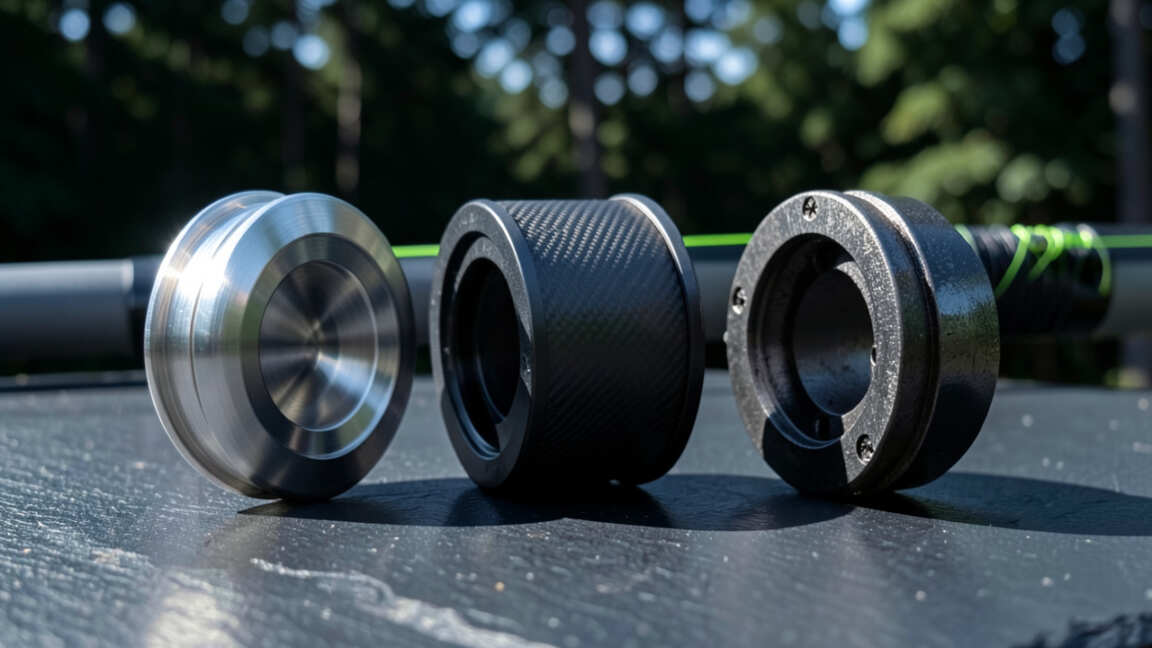
Comparing aluminum, graphite, and forged aluminum fishing reel spools reveals distinct trade-offs in weight, durability, and corrosion resistance. Aluminum spools offer a balanced mix of strength and affordability, making them a popular freshwater choice. Graphite spools are the lightest option and resist corrosion well, ideal for reducing reel weight and combating saltwater conditions. Forged aluminum spools provide the highest strength and longevity due to their compressed grain structure during manufacturing.
Choosing the right fishing reel spool can make a big difference in how smoothly you cast and how well your reel performs over time. You want a spool that’s strong, light, and won’t corrode, especially if you fish in saltwater. Understanding the differences between common Reel Spool Materials: Aluminum, Graphite, Forged Compared Now helps you pick the best one for your needs.
This knowledge means you’ll get more enjoyment from your fishing trips and your gear will last longer. We’ll break down what each material offers so you can make a smart choice.
Key Takeaways
- Aluminum spools offer a good balance of strength and affordability, making them a popular choice for many anglers.
- Graphite spools are very lightweight and corrosion-resistant, ideal for reducing reel weight and combating saltwater.
- Forged aluminum spools provide superior strength and durability due to their manufacturing process.
- The choice of spool material impacts casting distance, reel weight, and overall lifespan of your fishing reel.
- Understanding the pros and cons of each material helps you match your reel spool to your specific fishing style and environment.
Why Reel Spool Material Matters for Your Fishing
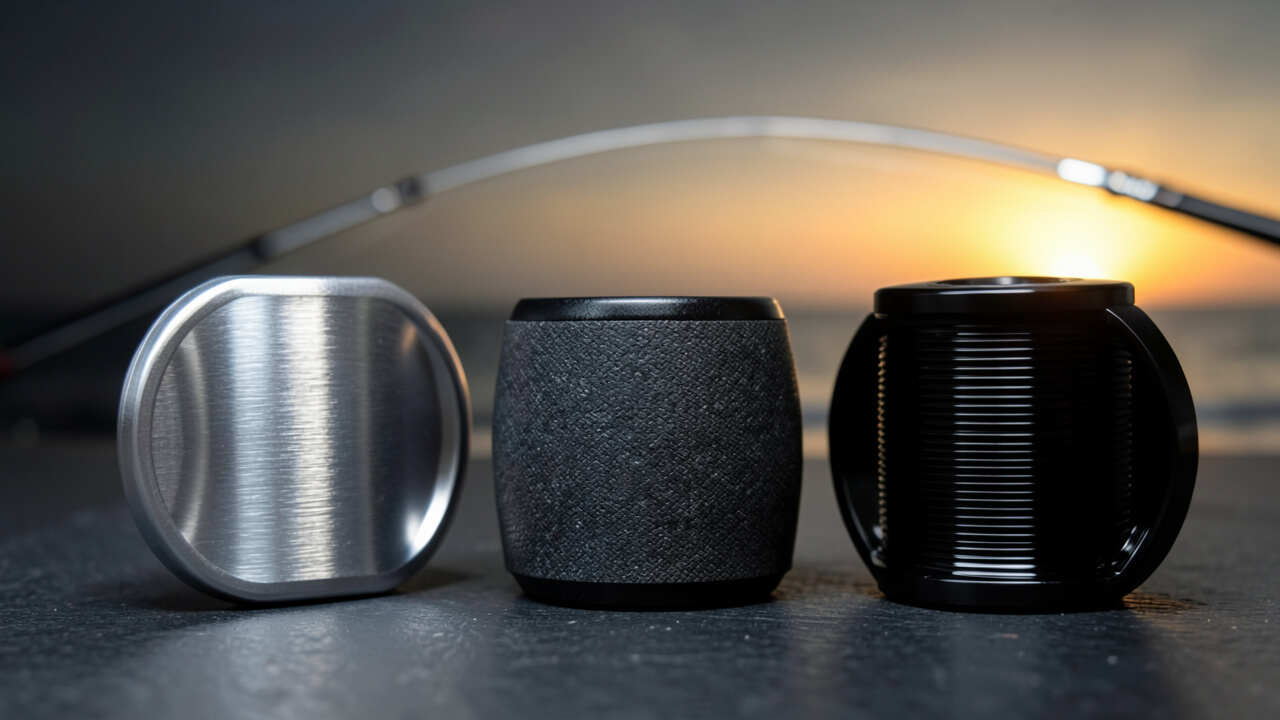
The spool on your fishing reel is more than just a place to hold line. It’s a critical component that directly affects how your line is released during a cast and retrieved. The material it’s made from dictates its weight, strength, resistance to wear and tear, and even how it handles different line types.
If you’ve ever struggled with backlashes or wished your reel felt lighter in your hand, the spool material could be a key factor. Making an informed decision about Reel Spool Materials: Aluminum, Graphite, Forged Compared Now ensures you get the best performance and value for your money.
Match your spool material to your line type and casting style—it directly affects backlashes and casting smoothness.
When you’re out on the water, the last thing you want is equipment that fails you. A spool that’s too heavy can cause fatigue during long fishing days. A spool that’s not strong enough might bend or warp, leading to poor line lay and casting issues.
Conversely, a spool that’s highly resistant to corrosion will last much longer, especially if you fish in saltwater environments. Knowing the characteristics of each material helps you avoid common pitfalls and choose gear that enhances your fishing experience. We’ll explore the main options available.
Aluminum: The Versatile Workhorse
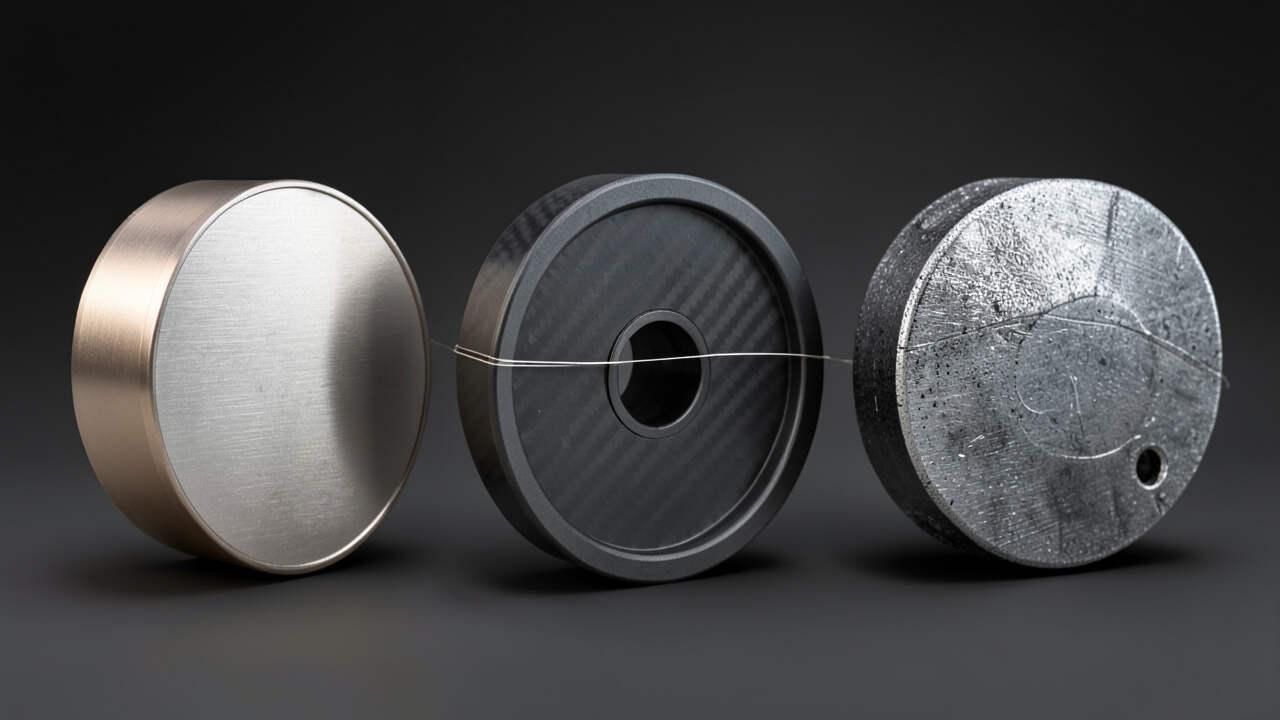
Aluminum is a very common material for fishing reel spools, and for good reason. It offers a great combination of strength, durability, and a relatively low cost. Most anglers will encounter aluminum spools at some point in their fishing journey.
They are sturdy enough to handle the stress of casting and retrieving various types of fish. This makes them a reliable choice for a wide range of fishing applications.
One of the biggest advantages of aluminum is its balance. It’s strong enough to resist bending or cracking under pressure, which is essential when fighting a strong fish. At the same time, it’s not excessively heavy, so it doesn’t add too much bulk to your reel.
This makes it suitable for both freshwater and light saltwater use. Many beginner and intermediate reels feature aluminum spools because they provide excellent performance for their price point.
Aluminum spools offer a trusted balance of strength and affordability, making them a solid choice for most freshwater and inshore fishing.
Pros of Aluminum Spools
- Good Strength: Resists bending and breaking under normal fishing conditions.
- Durability: Stands up well to regular use and the elements.
- Affordability: Generally less expensive than other high-performance materials.
- Good Casting Performance: Provides a smooth surface for line release.
Cons of Aluminum Spools
While aluminum is a great material, it does have some drawbacks. The primary concern for anglers who fish in saltwater is corrosion. If not properly maintained and rinsed after use, aluminum can corrode over time, especially in contact with salt.
This can lead to pitting and a rough surface that affects line smoothness. Also, while strong, it can be scratched or dented if dropped or mishandled.
Another point to consider is weight. While not the heaviest option, aluminum is heavier than graphite. For anglers who prioritize ultra-light setups or spend many hours casting, this added weight might become noticeable.
However, for most general-purpose fishing, the weight of an aluminum spool is perfectly acceptable and doesn’t detract from the overall experience.
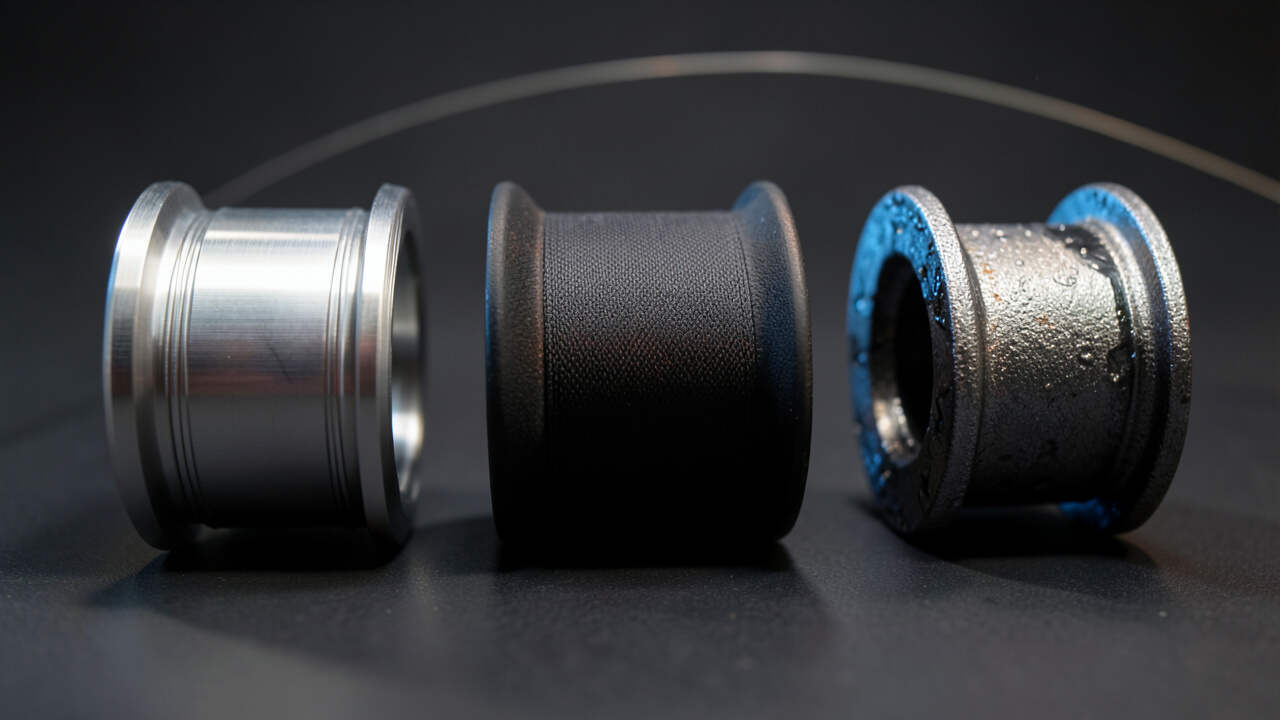
Graphite: Lightweight and Corrosion-Resistant Champion
Graphite, often referred to as carbon fiber or composite, is a material that has gained significant popularity in fishing gear due to its incredible lightness and strength-to-weight ratio. When it comes to reel spools, graphite offers a compelling alternative, especially for anglers who want to reduce the overall weight of their setup or fish in harsh environments. Its inherent properties make it stand out.
The most significant benefit of graphite spools is their weight. They are considerably lighter than aluminum spools. This can make a huge difference for anglers who cast all day, reducing fatigue and improving comfort.
A lighter reel can also feel more sensitive, allowing you to better detect subtle bites. This is particularly important in finesse fishing techniques where light bites are common.
A lighter graphite spool reduces fatigue during long casting days and improves sensitivity for detecting subtle bites.
Benefits of Graphite Spools
- Extreme Lightweight: Significantly reduces the overall weight of the reel.
- Corrosion Resistance: Does not rust or corrode, making it ideal for saltwater fishing.
- Durability: Despite being light, it is strong and can withstand fishing pressures.
- Smooth Casting: Offers a slick surface that allows line to flow freely.
Considerations for Graphite Spools
While graphite offers many advantages, it’s not without its considerations. One potential issue is its rigidity. While strong, graphite can be more brittle than aluminum.
This means that a hard impact, like dropping the reel on rocks, could potentially cause it to crack or shatter, unlike aluminum which might dent. Proper care and handling are important to ensure its longevity.
Another aspect is how it interacts with certain line types. Some anglers find that certain monofilament lines can dig into graphite slightly under extreme pressure, though this is less common with modern reel designs and line materials. For the most part, graphite spools provide a fantastic experience, especially for those seeking a lighter, more corrosion-proof reel.
The discussion around Reel Spool Materials: Aluminum, Graphite, Forged Compared Now often highlights graphite’s modern appeal.
Forged Aluminum: The Strength Upgrade
Forged aluminum represents an evolution of the standard aluminum spool. Instead of being cast, the metal is shaped under intense pressure, a process that aligns the metal’s grain structure. This results in a spool that is significantly stronger, denser, and more resistant to deformation than a cast aluminum spool.
For anglers who demand the utmost in durability and resilience, forged aluminum is an excellent choice.
The primary advantage of forged aluminum is its enhanced strength. This makes it highly resistant to bending or cracking, even under the most demanding fishing conditions. When you’re battling a large, powerful fish, the spool needs to withstand considerable force.
Forged aluminum spools are built to handle this stress without compromising their integrity. This superior strength means they are also less likely to get damaged from accidental drops or impacts.
Opt for a forged aluminum spool when targeting large, powerful fish that demand maximum spool rigidity and durability.
Advantages of Forged Aluminum Spools
- Exceptional Strength: Significantly stronger and more durable than cast aluminum.
- High Rigidity: Resists bending and warping under extreme pressure.
- Corrosion Resistance (Anodized): Often anodized for added protection against the elements.
- Precision Machining: Allows for tighter tolerances and smoother operation.
When Forged Aluminum Shines
Forged aluminum spools are particularly well-suited for heavy-duty applications. Think of scenarios where you might encounter large game fish, use braided lines that can exert significant pressure, or fish in environments where gear is subjected to rough handling. The increased strength and rigidity mean that the spool will maintain its shape and integrity, ensuring consistent line release and retrieval.
This translates to better casting accuracy and more reliable performance when it matters most.
While forged aluminum is incredibly strong, it’s important to note that it is still a type of aluminum. Therefore, while often treated with anodizing for corrosion resistance, it can still be susceptible to salt damage if not properly cared for. However, the inherent density and structure of forged aluminum make it more resilient than its cast counterpart.
The comparison of Reel Spool Materials: Aluminum, Graphite, Forged Compared Now shows forged aluminum as a premium option for toughness.
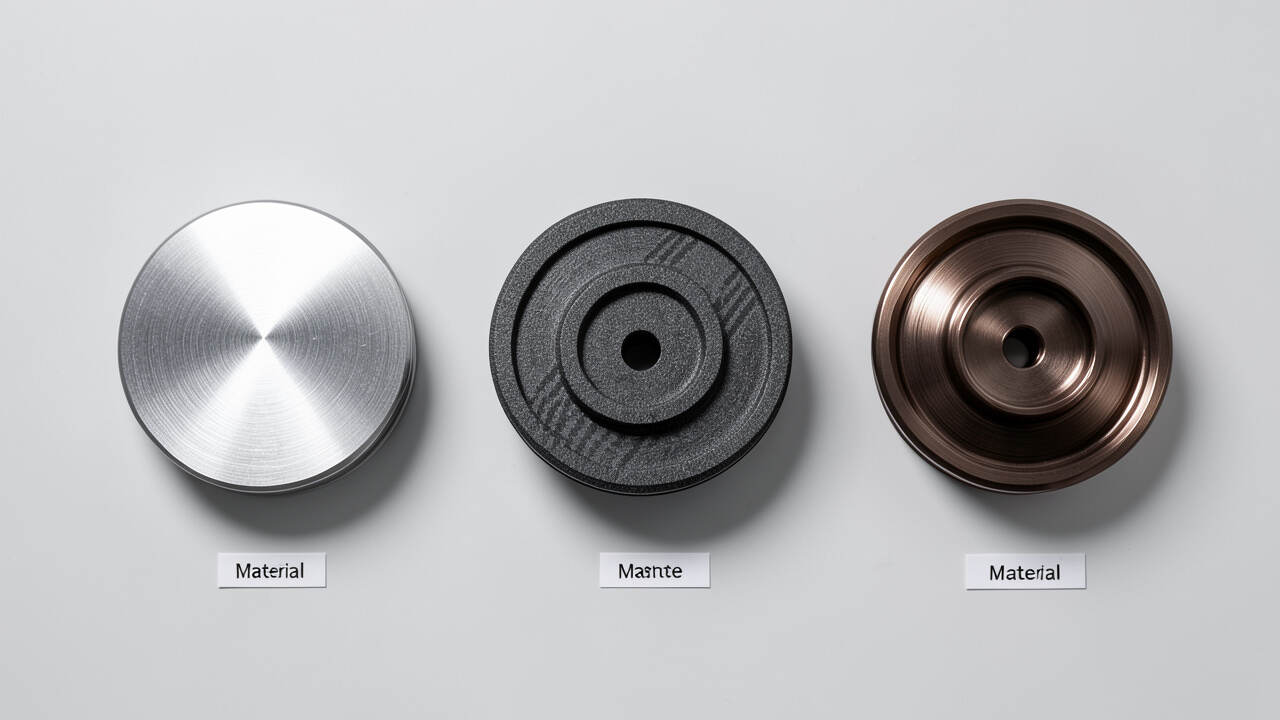
Comparing Reel Spool Materials Side-by-Side
To make the decision easier, let’s look at how these materials stack up against each other in a direct comparison. Each has its unique strengths and weaknesses that cater to different fishing needs. Understanding these differences is key to selecting the best spool for your fishing style and environment.
Graphite spools are lightweight but can be brittle—avoid dropping your reel or applying excessive force to prevent cracking.
This table highlights the main points.
As you can see from the table, each material offers a distinct set of benefits. If you’re on a budget and primarily fish in freshwater, a standard cast aluminum spool is a solid, reliable choice. For those who want the lightest possible reel or frequently battle the corrosive effects of saltwater, graphite is an excellent contender.
And if you need the absolute toughest spool for hard-fighting fish or rough use, forged aluminum is likely your best bet. The continuous evolution in Reel Spool Materials: Aluminum, Graphite, Forged Compared Now means anglers have more options than ever.
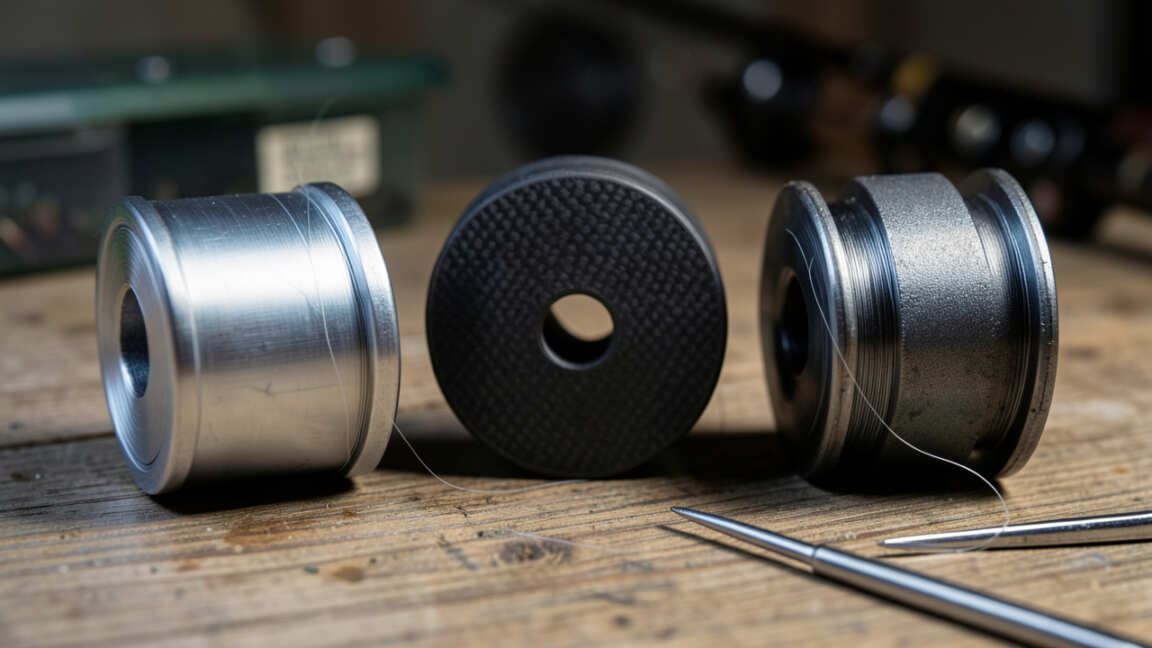
Choosing the Right Spool for Your Fishing Style
Your personal fishing habits and preferences play a huge role in determining which spool material is best for you. Think about where you fish most often and what types of fish you target. This will help you narrow down the choices effectively.
Freshwater Angler Considerations
If you spend most of your time fishing in lakes, rivers, or ponds, freshwater conditions are generally less harsh than saltwater. This means that corrosion is less of a concern. Standard cast aluminum spools are often perfectly adequate and provide great value.
However, if you’re building a very lightweight setup for long days of casting or prefer the feel of a lighter reel, graphite can still be a good option. Forged aluminum is usually overkill for typical freshwater scenarios but can be beneficial if you’re targeting very large, powerful freshwater species.
Saltwater Angler Considerations
Saltwater is a demanding environment for fishing gear. The salt can accelerate corrosion and wear on metal components. Therefore, for saltwater fishing, corrosion resistance is a top priority.
For freshwater anglers on a budget, standard cast aluminum provides excellent performance and great value without overcomplicating your setup.
Graphite spools excel here because they are naturally resistant to salt. Forged aluminum spools, especially those with good anodizing, also perform very well and offer the added benefit of superior strength. While standard aluminum can work, it requires diligent rinsing and maintenance to prevent damage.
The ongoing advancements in Reel Spool Materials: Aluminum, Graphite, Forged Compared Now are particularly beneficial for saltwater enthusiasts.
For the Serious Angler and Tournament Competitor
Anglers who compete in tournaments or spend countless hours on the water often prioritize performance and comfort above all else. For these individuals, the weight of the reel can significantly impact their stamina and casting accuracy throughout the day. Graphite spools are highly favored for their ability to reduce fatigue.
However, for certain techniques requiring extreme line control and power, such as heavy jigging or live bait fishing for large predators, the robustness of a forged aluminum spool might be preferred.
Maintenance Tips for Your Reel Spools
No matter which material you choose, proper maintenance will extend the life of your reel spool and ensure it performs at its best. Even the most durable materials benefit from a little care.
First, always rinse your reel with fresh, clean water after fishing in saltwater. This is crucial for all materials, but especially for aluminum, to remove salt residue that can cause corrosion. Gently wipe down the spool and reel body with a soft, damp cloth.
Rinsing your reel with fresh water immediately after saltwater use is the most effective way to prevent corrosion and extend spool life.
Second, inspect the spool for any signs of damage, such as dents, scratches, or pitting. Address any issues promptly. Next, if your reel manual suggests it, apply a light coating of reel oil or grease to any moving parts associated with the spool, such as the bearings, to ensure smooth operation.
Then, store your reel properly when not in use. Keep it in a cool, dry place, ideally in a protective reel case. Avoid storing it in humid environments or where it might be exposed to extreme temperatures.
Finally, if you notice any significant performance issues, such as rough casting or retrieval, it might be time for a more thorough cleaning or a professional service for your reel. Understanding the nuances of Reel Spool Materials: Aluminum, Graphite, Forged Compared Now is only part of the equation; diligent care is the other.
Frequently Asked Questions
What is the lightest reel spool material?
Graphite is generally the lightest material used for fishing reel spools, offering significant weight reduction for your setup.
Which reel spool material is best for saltwater fishing?
Graphite is excellent due to its inherent corrosion resistance. Forged aluminum with good anodizing is also a very strong choice for saltwater.
Can aluminum reel spools corrode?
Yes, standard aluminum spools can corrode, especially in saltwater environments, if not properly cleaned and maintained.
Is forged aluminum stronger than graphite?
Forged aluminum is typically stronger and more resistant to impact damage than graphite, which can be more brittle.
Should I choose graphite or aluminum for my first spinning reel?
For a first spinning reel, a cast aluminum spool offers a great balance of performance, durability, and affordability for general use.
How does reel spool material affect casting distance?
Lighter spools, like those made from graphite, can potentially allow for longer casting distances due to reduced inertia. The smoothness of the spool’s surface also plays a role.
Is it worth paying more for a forged aluminum spool?
If you are a serious angler targeting large fish or fishing in demanding conditions, the increased strength and durability of a forged aluminum spool can be well worth the extra cost.
Final Thoughts
Selecting the right reel spool material-be it aluminum, graphite, or forged aluminum-directly impacts your fishing experience. Each offers unique benefits in weight, strength, and corrosion resistance. Understanding these differences helps you choose gear that suits your fishing style and environment, ensuring better performance and longer-lasting equipment.
Make the choice that best fits your needs on the water.

One Comment