


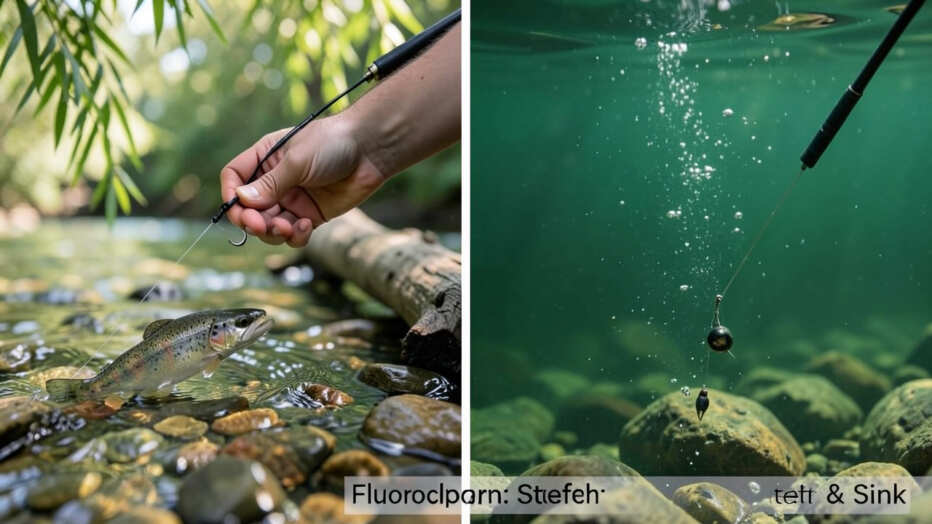
When To Use Fluorocarbon Line: Stealth And Sink Use Cases
Fluorocarbon line should be used when stealth and faster sinking are critical, such as in clear water conditions or when targeting pressured, wary fish. Its near-invisible underwater profile and higher density allow lures and baits to reach deeper zones quickly while reducing slack for better feel and hooksets. Additionally, its superior abrasion resistance makes it the reliable choice for fishing around sharp structure like rocks and docks where line protection matters most.
Fishing line can make a big difference in how many fish you catch. Sometimes, you need your line to be super hard for fish to see, or you need it to sink fast. This is where a special kind of line comes in handy.
Learning When to Use Fluorocarbon Line: Stealth and Sink Use Cases will help you catch more fish by being sneaky and getting your bait down quickly. We’ll show you why this matters and what you’ll gain by knowing these tips.
Key Takeaways
- Fluorocarbon line is nearly invisible underwater, making it ideal for clear water and wary fish.
- This line sinks faster than monofilament, helping to present your bait or lure deeper and with less slack.
- It offers excellent abrasion resistance, protecting your line from sharp rocks and fish teeth.
- Fluorocarbon has low stretch, providing better feel and hook-setting power.
- Knowing when to use fluorocarbon line can significantly increase your catch rates in specific situations.
- It excels in situations requiring stealth, such as finesse fishing or targeting pressured fish.
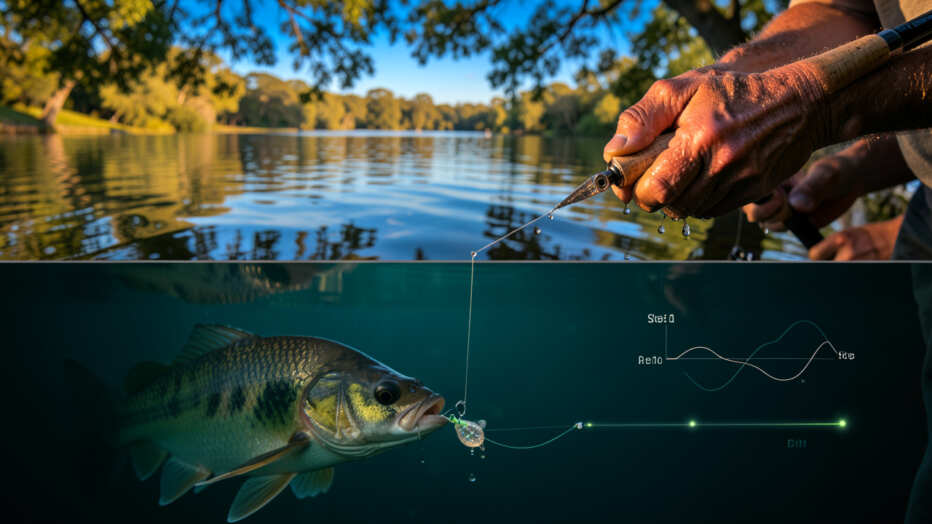
Why Fluorocarbon Line is a Game Changer
Many anglers wonder about different fishing lines. Each type has its own strengths. Fluorocarbon line stands out for a couple of big reasons.
It’s known for being tough and almost disappearing underwater. This means fish have a harder time spotting your line. It also sinks well.
Fluorocarbon's near-invisibility underwater makes it an excellent choice for clear-water presentations where fish are easily spooked.
This helps get your bait right where the fish are. Understanding When to Use Fluorocarbon Line: Stealth and Sink Use Cases is key to improving your fishing success.
This line is made from a material called polyvinylidene fluoride. It’s different from nylon monofilament. This makes it behave in ways that can really help you catch more fish.
It’s not just about being strong; it’s about being sneaky and efficient. We will explore the specific scenarios where fluorocarbon truly shines.
Achieving Stealth: The Invisible Advantage
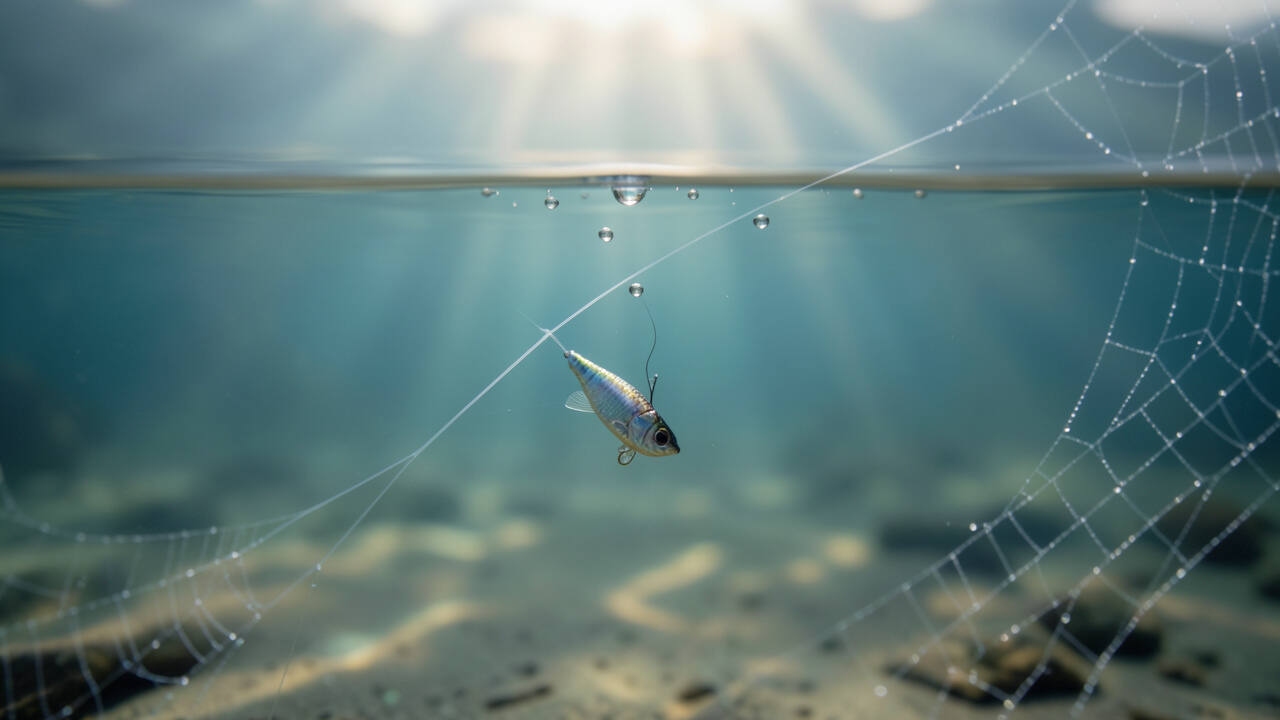
One of the biggest benefits of fluorocarbon line is its stealth. Fish have sharp eyes. In clear water, they can easily see regular fishing line.
This can spook them before they even get close to your lure. Fluorocarbon line has a refractive index very close to that of water. This makes it much harder for fish to detect.
This is a major reason for learning When to Use Fluorocarbon Line: Stealth and Sink Use Cases.
Imagine you’re fishing in a clear lake or a calm river. The water is so clear you can see the bottom. If you use a bright or highly visible line, the fish will see it.
They might avoid your bait altogether. Using fluorocarbon in these situations gives you a huge advantage. It allows your bait or lure to approach the fish without the line giving away your presence.
Targeting Wary Species
Some fish are naturally more cautious. They are often called “educated” fish because they have seen a lot of fishing pressure. Species like trout, bonefish, permit, and even some bass can be very line-shy.
In clear water conditions where visibility extends deep, the refractive index of fluorocarbon matches water closely, reducing line detection by wary fish.
For these fish, using a super-stealthy line is often the difference between catching them and going home empty-handed.
When you’re casting to a finicky trout in a shallow stream, every detail matters. You want your fly to look natural. A visible line can ruin that illusion.
Similarly, when sight-fishing for bonefish on a flat, the line must be as invisible as possible. Fluorocarbon’s near-invisibility makes it the top choice for these scenarios.
Fishing in Clear Water Conditions
Water clarity is a major factor in fishing success. On calm, sunny days, water can be very clear. Visibility can extend many feet down.
This is when line visibility becomes a critical issue. If you’re fishing in a clear mountain lake or a tropical flat, fluorocarbon is your best friend.
Even in lakes that aren’t always crystal clear, there can be times and places where visibility is high. Areas near the surface or where the bottom is sandy and bright can show off your line. Knowing When to Use Fluorocarbon Line: Stealth and Sink Use Cases means understanding these environmental factors.
The Power of Sinking: Getting Down Faster
Beyond its stealth, fluorocarbon line also sinks. This is another important aspect of When to Use Fluorocarbon Line: Stealth and Sink Use Cases. Most fishing lines, like monofilament, float or sink very slowly.
This can be a problem when you need your bait or lure to reach the strike zone quickly.
When your line floats, it can create a “belly” or curve in the line. This slack can cause a delay in feeling a bite. It also makes setting the hook harder.
Fluorocarbon’s sinking nature helps to keep your line tighter. This improves sensitivity and hook-setting power. It also means your bait gets to where the fish are holding faster.
Presenting Lures and Baits Effectively
Many popular fishing lures are designed to be fished at specific depths. Crankbaits, jigs, and soft plastics often work best when they are moving naturally through the water column. If your line floats, it can keep these lures from reaching their intended depth.
The sinking nature of fluorocarbon line eliminates line belly, improving bite detection and hook-set power in deep water.
It can also cause them to rise unnaturally.
For example, if you’re using a drop-shot rig, you want your bait to sit naturally on the bottom or just above it. A floating line can lift your bait off the bottom, making it less appealing. Fluorocarbon’s sinking quality ensures your bait stays where you want it.
This is a critical part of understanding When to Use Fluorocarbon Line: Stealth and Sink Use Cases.
Fishing in Current and Wind
Current and wind can easily push a floating line around. This creates slack and makes it hard to control your lure. It can also lead to false “bites” as the current tugs on your line.
Fluorocarbon’s density helps it cut through the water and resist being blown around by wind or current.
When you’re fishing a river with a moderate current, you want your bait to drift naturally. A floating line can snag on rocks or weeds on the riverbed. The sinking nature of fluorocarbon helps it stay in contact with the bottom.
This allows for a more natural presentation and better feel of the bottom structure.
Durability and Abrasion Resistance
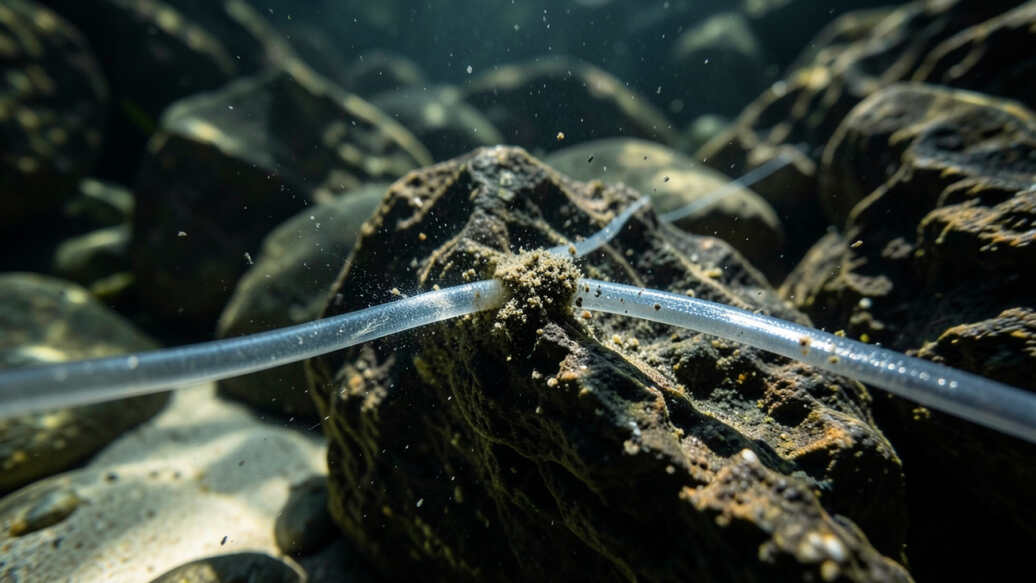
Fluorocarbon line is also very durable. It’s more resistant to abrasion than monofilament. This is important when fishing around structures like rocks, submerged trees, or oyster beds.
These rough surfaces can quickly fray and weaken monofilament line. Fluorocarbon holds up much better against these abrasive elements.
This durability means you can fish with more confidence in challenging environments. You’re less likely to lose a fish due to line failure caused by rubbing against cover. This added toughness is another strong reason for knowing When to Use Fluorocarbon Line: Stealth and Sink Use Cases.
Protecting Your Line from Structure
When you’re fishing near the bottom, your line is constantly in contact with the structure. Rocks, gravel, and even sharp shells can damage your line. Fluorocarbon’s tough outer layer provides a good defense against this wear and tear.
It can often withstand repeated contact with rough surfaces better than other lines.
When fishing around rocks, timber, or oyster beds, fluorocarbon’s abrasion resistance helps prevent line failure from sharp edges.
This is especially true for bottom-fishing techniques. Think about jigging for walleye or bass fishing with Texas-rigged worms near cover. The line is constantly being dragged over the bottom.
Fluorocarbon’s abrasion resistance helps ensure your line stays strong throughout the fight.
Fighting Fish Near Cover
Sometimes, you hook a fish right next to a snag or a rocky area. You need to be able to steer that fish away from danger quickly. A strong, abrasion-resistant line is crucial for this.
Fluorocarbon provides that strength and resilience. It gives you a better chance of landing a fish that tries to run into cover.
This is where the combination of stealth, sinking, and strength truly pays off. You can present your bait unseen, get it down quickly, and then have the confidence that your line can handle a tough fight near structure.
Low Stretch for Better Feel and Hooksets
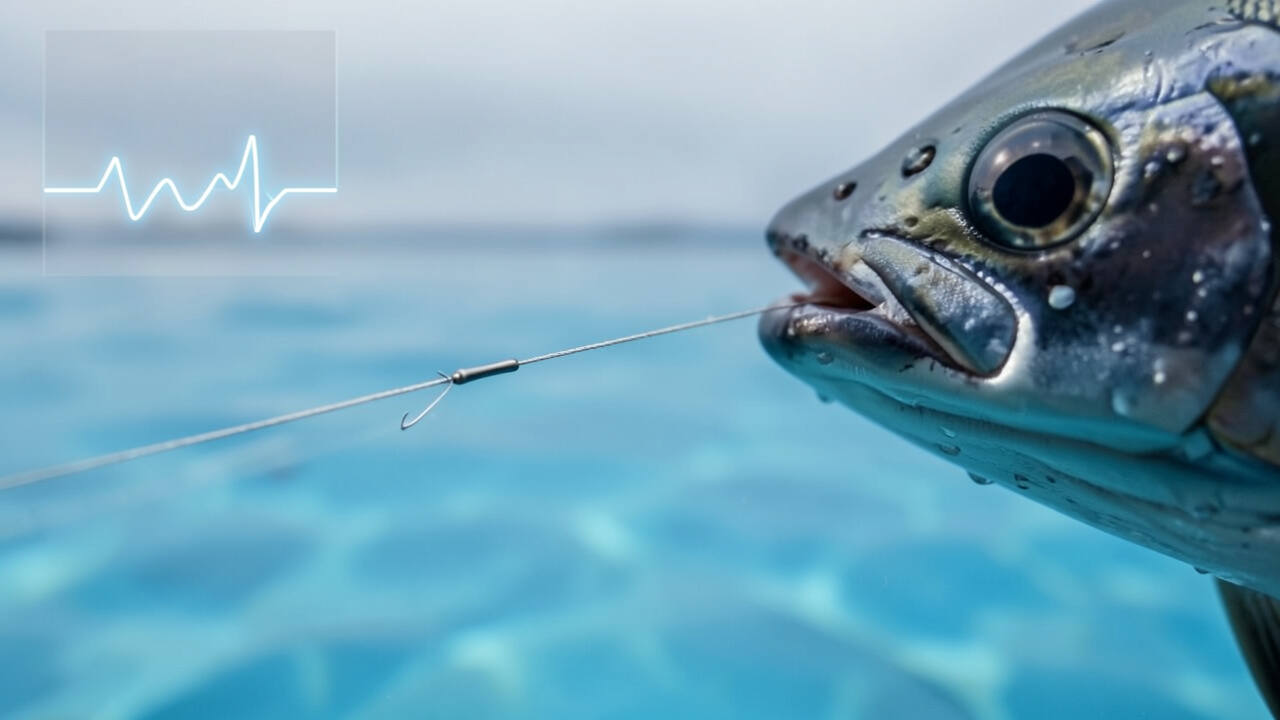
Another key characteristic of fluorocarbon line is its low stretch. Monofilament line is more elastic. It stretches quite a bit.
While some stretch can be good for absorbing shock, too much can be a disadvantage.
Fluorocarbon’s low stretch means that when a fish bites, you feel it almost instantly. This improved sensitivity helps you detect subtle bites. It also allows for a more direct and powerful hookset.
This is particularly important when fishing with single hooks or when fish are short-striking.
Detecting Subtle Bites
Many strikes, especially from smaller fish or when fish are not aggressively feeding, can be very light. A fish might just gently mouth a bait. With a stretchy line, these subtle tugs can be easily missed.
Fluorocarbon transmits vibrations directly from your lure to your hand.
Be cautious with low-stretch fluorocarbon on hooksets: its lack of stretch can lead to pulled hooks if you use excessive force or a stiff rod.
This allows you to feel the smallest tick, tap, or drag. This is invaluable for finesse fishing techniques. It helps you react quickly and accurately to every potential bite.
This enhanced feel is a significant benefit of using fluorocarbon.
Ensuring Solid Hooksets
A solid hookset is essential for landing fish. When you have a bite, you need to drive the hook point into the fish’s mouth. A stretchy line absorbs some of the force of your hookset.
This can result in the hook not penetrating deeply enough. This leads to lost fish.
Fluorocarbon’s low stretch ensures that the force of your hookset is transferred directly to the hook. This provides a more efficient and effective penetration. It increases your chances of getting the hook set firmly.
This is a crucial advantage, especially when targeting species with tough mouths.
Comparison: Fluorocarbon vs. Monofilament vs. Braided Line
To truly understand When to Use Fluorocarbon Line: Stealth and Sink Use Cases, it helps to see how it compares to other popular lines. Each line type has its place in an angler’s arsenal.
Compared to monofilament and braid, fluorocarbon offers the best combination of invisibility, sink rate, and abrasion resistance, making it the go-to for finesse and structure fishing.
As you can see from the table, fluorocarbon offers a unique combination of stealth and sinking properties. Monofilament is a good all-around line, especially for beginners, due to its low cost and ease of use. Braided line offers extreme strength and no stretch, making it ideal for power fishing and long casts, but its high visibility and floatation can be drawbacks in certain situations.
When to Choose Fluorocarbon: Specific Scenarios
Now that we’ve covered the benefits, let’s get specific about When to Use Fluorocarbon Line: Stealth and Sink Use Cases. These are the times when fluorocarbon truly shines and can make a significant difference in your catch.
Scenario 1: Clear Water, Wary Fish
This is the classic scenario. If you’re fishing in a lake, river, or ocean where the water is exceptionally clear, and the fish are known to be spooky, fluorocarbon is your go-to line. This applies to trout in clear streams, bass in clear lakes, or bonefish on the flats.
In clear water with spooky fish, switching to fluorocarbon can be the difference between a blank day and a memorable catch.
- Clear Lakes and Ponds: When you can see the bottom clearly, fish will see your line.
- Trout Streams: Especially for fly fishing or with live bait, line shy trout are a major concern.
- Saltwater Flats Fishing: Targeting permit, bonefish, or redfish requires the utmost stealth.
Scenario 2: Finesse Fishing Techniques
Techniques like drop-shotting, shaky heads, and small jig presentations demand sensitivity and precise lure control. Fluorocarbon’s low stretch and sinking nature are perfect for these methods.
- Drop-Shot Rigs: Keeps your bait presented naturally off the bottom.
- Shaky Heads: Offers sensitivity to detect subtle bites when the lure is stationary.
- Small Jigs and Plastics: Ensures the lure sinks quickly and stays in the strike zone.
Scenario 3: Fishing Near Structure
When fishing around rocks, submerged wood, or other abrasive cover, fluorocarbon’s toughness is a lifesaver. It can withstand the friction that would damage other lines.
- Bass Fishing Near Rocks: Texas rigs, Carolina rigs, and jigs all benefit from abrasion resistance.
- Walleye Jigging: Dragging jigs along rocky bottoms requires a durable line.
- Inshore Saltwater Fishing: Navigating oyster beds or pilings demands a tough line.
Scenario 4: When You Need a Faster Sink Rate
Sometimes, you just need your bait to get down to the fish faster. This could be because the fish are holding deep, or you want to avoid surface disturbance.
- Deep Water Fishing: For anglers targeting fish in deeper parts of lakes or reservoirs.
- Fast Current Presentations: Helps keep your bait in the desired depth and prevent drag.
- Vertical Jigging: Ensures your jig gets to the bottom quickly.
Tips for Using Fluorocarbon Line
While fluorocarbon line offers many advantages, it’s important to use it correctly. A few tips can help you get the most out of this versatile line.
Choosing the Right Diameter
Fluorocarbon line is generally thicker than monofilament line of the same strength rating. This is because it’s denser. When selecting line, consider the pound test you need, but also how the diameter will affect your casting and presentation.
For finesse applications, you might opt for a lighter pound test to achieve a thinner diameter.
Tying Reliable Knots
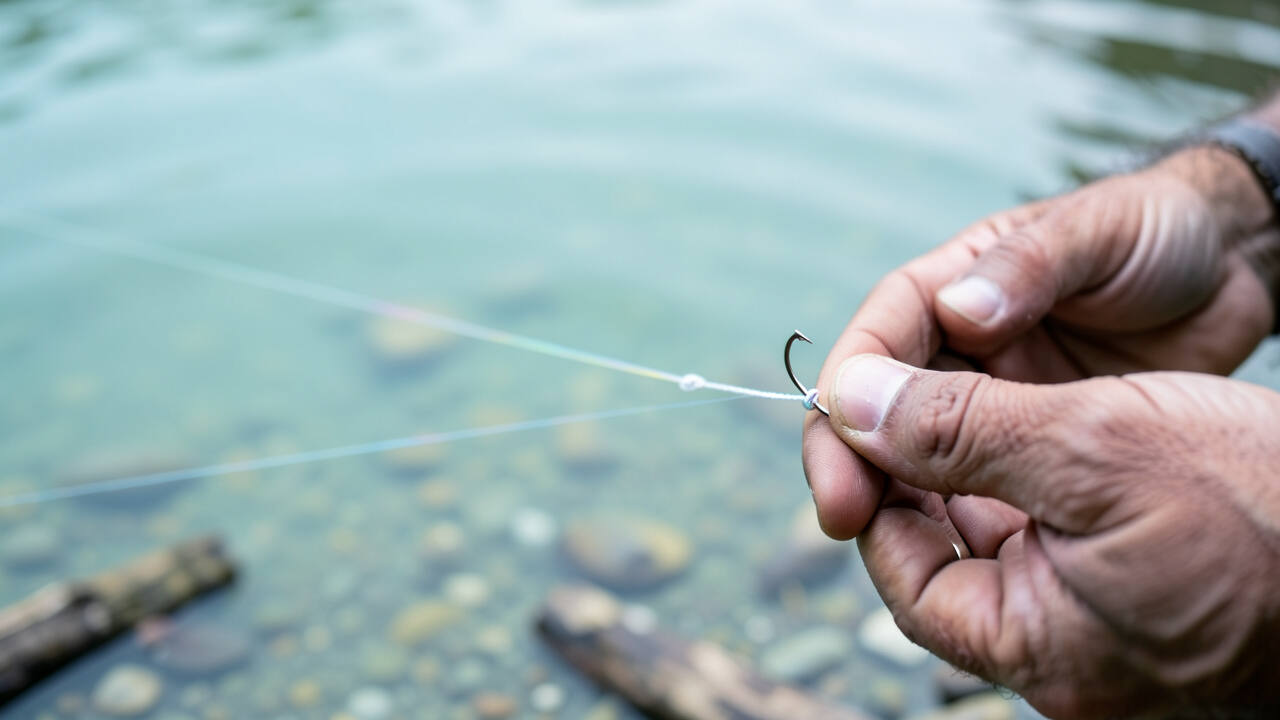
Fluorocarbon can be a bit stiffer than monofilament. This means some knots might slip if not tied correctly. Always use knots that are proven for fluorocarbon, such as the improved clinch knot, palomar knot, or uni knot.
Because fluorocarbon is denser than monofilament, use a lower-pound test to achieve a thinner diameter for finesse presentations without sacrificing strength.
Wetting the knot before tightening is also crucial to prevent friction damage.
Casting and Handling
Due to its sinking nature and stiffness, fluorocarbon can sometimes be more prone to “memory” or coiling. Using a quality reel and proper line spooling techniques can help. Some anglers also use line conditioners to make it more manageable.
When casting, be mindful of its lower stretch for a controlled retrieve.
When NOT to Use Fluorocarbon
While excellent, fluorocarbon isn’t always the best choice. If you’re fishing in very shallow, murky water where line visibility isn’t an issue, monofilament might be sufficient and more cost-effective. For extremely long casts where line buoyancy is desired, or when fishing with topwater lures, a floating line like monofilament or braid might be preferred.
Also, its higher cost can be a factor for casual anglers.
Frequently Asked Questions
Question: Is fluorocarbon line always the best choice for clear water?
Answer: Fluorocarbon line is an excellent choice for clear water because it’s nearly invisible. However, if the fish are not particularly line-shy or if you are using very small lures where line visibility is less of a concern, monofilament might also work and be more cost-effective.
Question: How much faster does fluorocarbon line sink compared to monofilament?
Answer: Fluorocarbon line sinks significantly faster than monofilament. Its density is higher, allowing it to cut through the water and reach deeper presentations more quickly, which is a key benefit for When to Use Fluorocarbon Line: Stealth and Sink Use Cases.
Question: Can I use fluorocarbon line for all types of fishing?
Answer: While versatile, fluorocarbon line is not ideal for every situation. For topwater lures, where line buoyancy is important, or for very murky waters where visibility is not an issue, other lines might be better suited.
Question: Does fluorocarbon line stretch?
Answer: Fluorocarbon line has very low stretch. This provides excellent sensitivity for detecting bites and a strong hookset, but it also means you need to be careful not to overpower a fish, especially when using lighter pound tests.
Question: What is the biggest advantage of using fluorocarbon line for stealth?
Answer: The biggest advantage is its refractive index, which is very close to that of water. This makes the line extremely difficult for fish to see, greatly increasing your chances of a strike when fish are wary.
Question: When should I consider using braided line instead of fluorocarbon?
Answer: Braided line offers superior strength for its diameter and virtually no stretch, making it ideal for power fishing, long casts, and fishing in heavy cover. However, it is more visible and floats, which are disadvantages in stealthy or deep-water situations where fluorocarbon excels.
Final Thoughts
Understanding When to Use Fluorocarbon Line: Stealth and Sink Use Cases gives you a powerful tool. This line’s near invisibility helps you fool wary fish, while its sinking property gets your bait down fast. Its toughness also protects against snags.
Mastering these applications will boost your success.