

Monofilament Vs Braided Vs Fluorocarbon: Full Comparison Now
Monofilament, braided, and fluorocarbon fishing lines each offer distinct trade-offs in stretch, strength, visibility, and abrasion resistance. Monofilament provides high stretch and versatility, braided line delivers maximum strength and sensitivity with zero stretch, and fluorocarbon excels in near-invisibility and abrasion resistance underwater. By matching these specific properties to your fishing technique and environment, you can improve casting distance, lure presentation, and bite detection on every trip.
Choosing the right fishing line makes a big difference in how much fun you have and how many fish you catch. Each type of line has its own strengths and weaknesses, affecting how your lure moves, how far you can cast, and how well you can feel a bite. Understanding the differences between monofilament, braided, and fluorocarbon lines will help you pick the perfect one for your next fishing trip.
This Monofilament vs Braided vs Fluorocarbon: Full Comparison Now will show you why it matters and what you will gain by knowing the best line for every situation.
Key Takeaways
- You will learn the basic properties of monofilament, braided, and fluorocarbon fishing lines.
- Discover how each line type performs in terms of strength, stretch, visibility, and abrasion resistance.
- Understand which line is best suited for different fishing techniques and environments.
- Gain insights into how line choice impacts casting distance and lure presentation.
- Learn how to make informed decisions to improve your fishing success.
Understanding the Basics: Monofilament, Braided, and Fluorocarbon
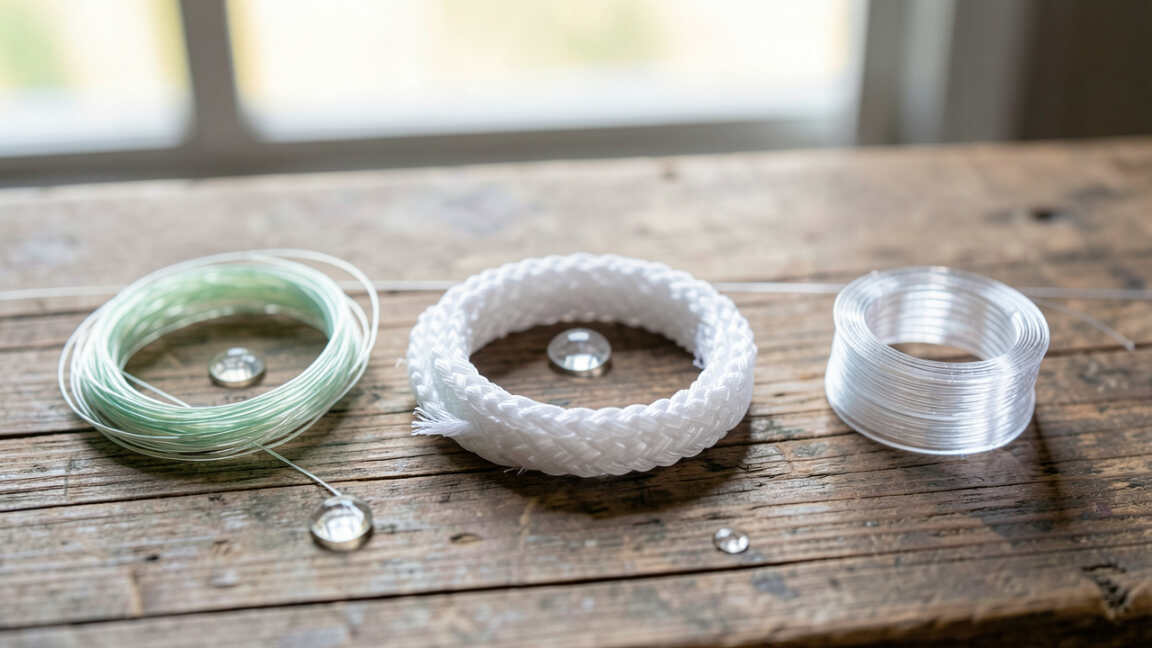
Fishing lines are the direct link between you and the fish. The type of line you use affects everything from casting to setting the hook. Let’s break down the three main types: monofilament, braided, and fluorocarbon.
Knowing their core features is the first step to picking the right one for your needs. This Monofilament vs Braided vs Fluorocarbon: Full Comparison Now will help clear things up.
Monofilament: The Classic Choice
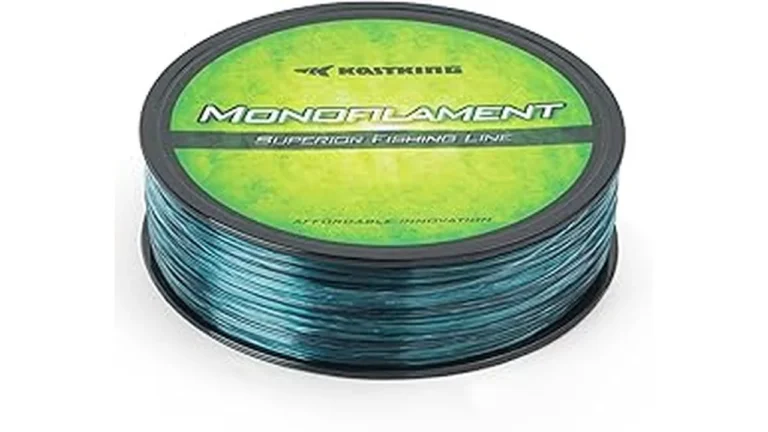
Monofilament line has been around for a long time. It’s made from a single strand of nylon. This makes it flexible and easy to work with.
It also has some stretch, which can be helpful for absorbing shock when a fish pulls hard.
One of the biggest advantages of monofilament is its buoyancy. It floats well, which is great for topwater lures. It’s also relatively inexpensive and comes in many colors.
However, it can be more prone to nicks and abrasions than other lines. It also stretches more, which can make it harder to feel subtle bites or set hooks quickly.
Braided Line: Strength and Sensitivity
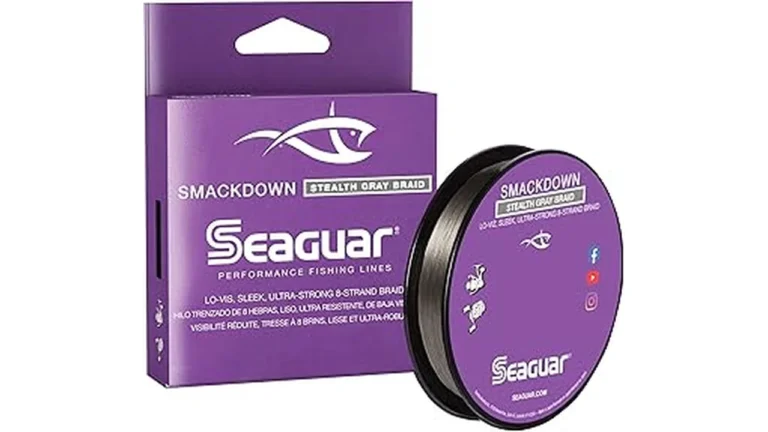
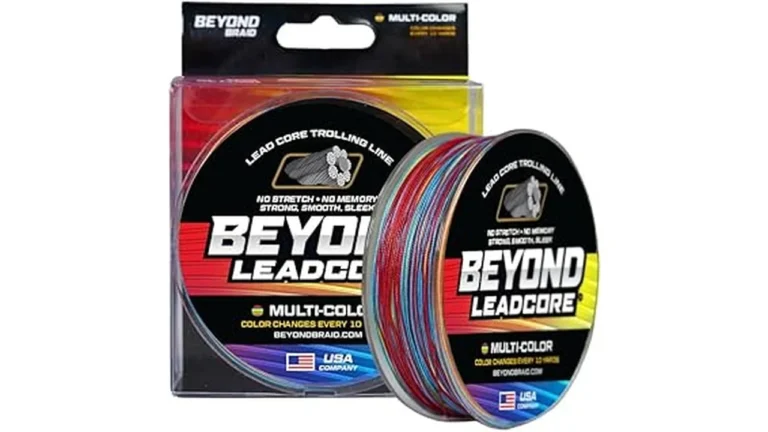
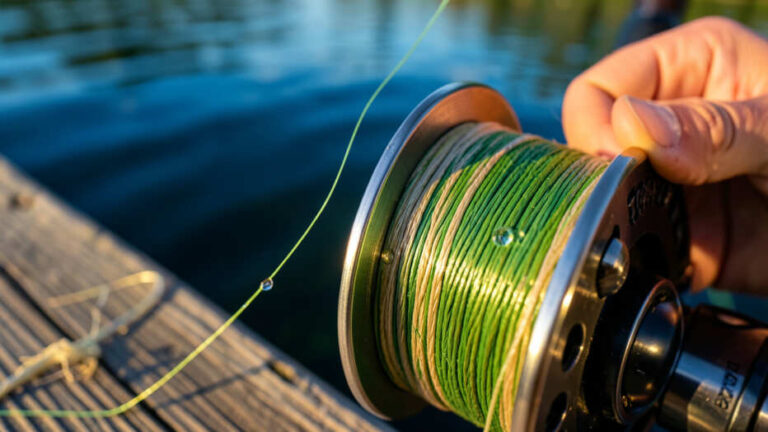
Braided fishing line is made from multiple strands woven together. These strands are usually made from high-strength materials like Dyneema or Spectra. This construction gives braided line incredible strength for its diameter.
For beginners, monofilament is forgiving and its stretch helps prevent hook pulls on hard strikes.
It also means braided line has very little stretch.
The lack of stretch makes braided line very sensitive. You can feel the slightest nibble from a fish. It’s also great for pulling fish out of heavy cover.
Because it’s so thin, you can fit more line on your reel. A downside is that braided line can be more visible in clear water. It also doesn’t float as well as mono and can cut into itself on spinning reels if not spooled correctly.
Fluorocarbon: The Near-Invisible Expert
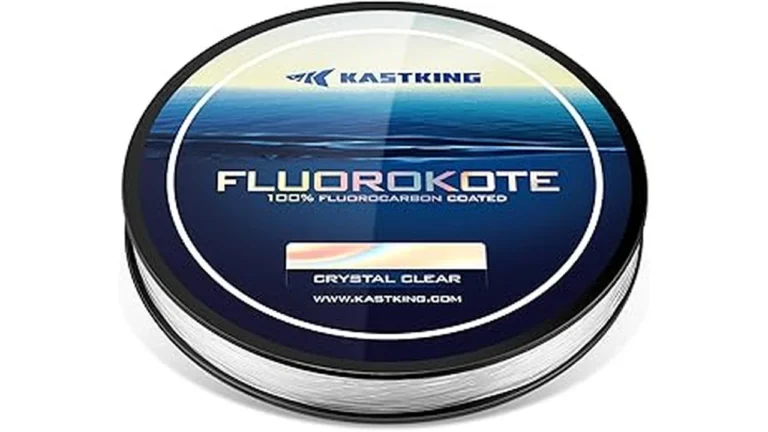
Fluorocarbon line is a newer option that has become very popular. It’s made from a different type of plastic than monofilament. A key feature is that it’s much less visible in the water.
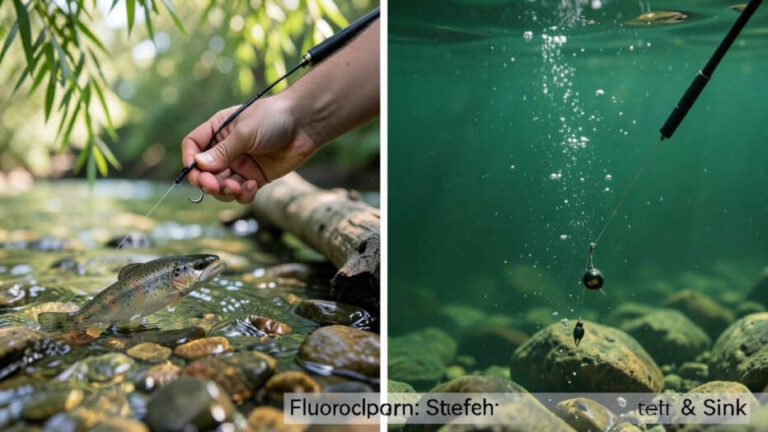
It sinks well, which is good for getting lures down deeper.
Fluorocarbon is also very strong and abrasion-resistant. It has less stretch than monofilament, giving you better feel and hook-setting power. It’s also less affected by UV rays and harsh chemicals.
The main drawback is that it can be stiffer than mono and sometimes more expensive. It also doesn’t have the same shock absorption as monofilament.
Comparing Performance: Strength, Stretch, and Visibility
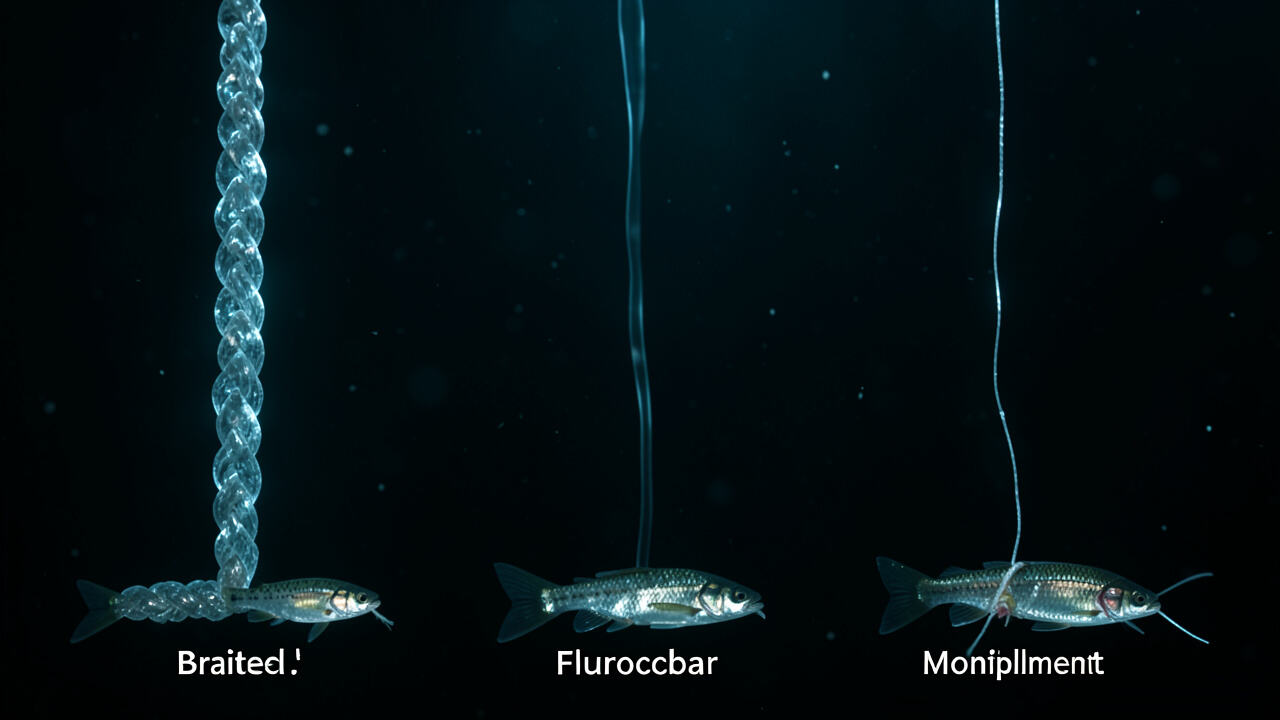
When you’re deciding between these lines, think about how they perform in key areas. Strength, stretch, and visibility are crucial factors that affect your success on the water. This Monofilament vs Braided vs Fluorocarbon: Full Comparison Now highlights these differences.
Strength and Diameter
Braided line generally offers the highest strength-to-diameter ratio. This means you can use a thinner braid that is as strong as a thicker monofilament or fluorocarbon line. For example, 20-pound test braided line might be as thin as 6-pound test monofilament.
This is important for casting distance and line capacity. A thinner line cuts through the water better, allowing for longer casts. It also lets you fit more line on your reel, which is beneficial when fighting large fish or fishing in deep water.
Stretch Factor
The amount of stretch in a fishing line is a big deal. Monofilament has the most stretch, often around 10-25%. This stretch acts like a shock absorber.
It can prevent your line from breaking when a fish makes a sudden run.
Braided line has almost no stretch, usually less than 5%. This makes it extremely sensitive, allowing you to feel every vibration. However, this lack of stretch means you need to be careful when setting the hook.
Braid's superior strength-to-diameter ratio lets you spool more line and cast farther, ideal for deep water or long drifts.
You don’t want to pull too hard and rip the hook out of the fish’s mouth.
Fluorocarbon is in the middle. It has less stretch than monofilament, typically around 5-15%. This gives you a good balance of sensitivity and shock absorption.
It’s a good compromise for many fishing situations.
Visibility in Water
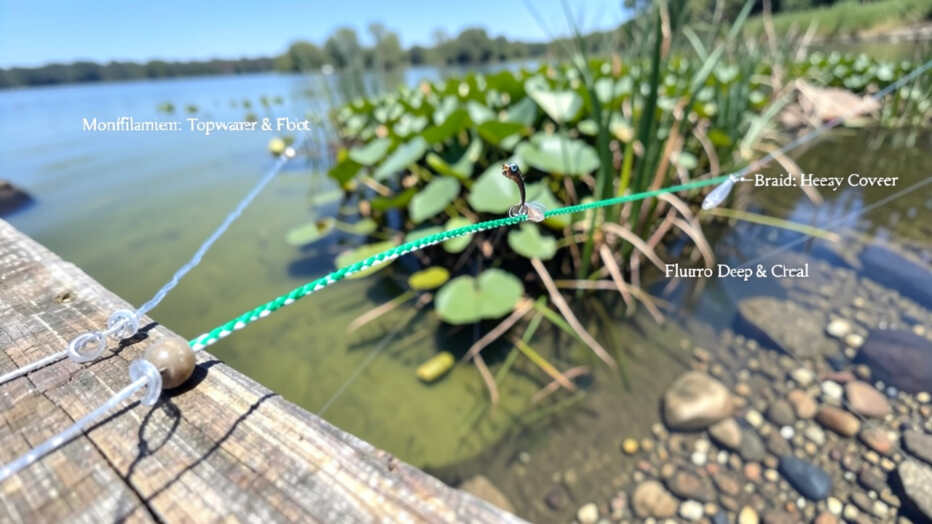
How visible your line is can spook fish. Monofilament comes in many colors, including clear, but it can still be somewhat visible. Some anglers use monofilament with a fading color or tie on a leader to make it less noticeable.
Fluorocarbon is known for its low visibility. It has a refractive index very close to that of water, making it appear nearly invisible. This is why it’s a favorite for clear water fishing or when fish are line-shy.
Braided line is often more visible than the other two, especially in bright colors. However, it’s common practice to tie a fluorocarbon or monofilament leader to the end of braided line. This leader segment is what the fish sees, keeping the more visible braid out of the strike zone.
When to Use Each Line Type: Technique and Environment
The best fishing line depends heavily on what you’re doing and where you’re fishing. Each line type excels in specific scenarios. This Monofilament vs Braided vs Fluorocarbon: Full Comparison Now offers practical advice.
Monofilament: Versatile and Forgiving
Monofilament is a great all-around line. It’s a good choice for beginners because it’s forgiving and easy to tie knots with. Its stretch makes it suitable for a wide range of techniques, from casting crankbaits to trolling.
No single line type dominates every situation; matching your line to the technique and environment is the key to success.
It’s especially good for:
- Topwater fishing: Its buoyancy helps keep topwater lures on the surface.
- General casting: It handles well on most reel types.
- Beginner anglers: Its forgiving nature helps prevent line breakage and frustration.
- Fishing in weeds or structure: The stretch can help absorb sudden pulls.
Braided Line: Power and Precision
Braided line is the go-to for situations where strength and sensitivity are paramount. Its lack of stretch allows for instant hook sets and excellent feel. This makes it ideal for fishing in heavy cover or when you need to detect very subtle bites.
Braided line shines in:
- Flipping and pitching: You need to set the hook quickly and pull fish out of thick cover.
- Jig fishing: Feeling light bites is crucial for success.
- Deep water fishing: The lack of stretch helps transmit bites from far below.
- Saltwater fishing: Its strength and durability are vital for large, powerful fish.
Fluorocarbon: Stealth and Durability
Fluorocarbon is often chosen for its stealth and toughness. Its low visibility makes it perfect for finicky fish. Its abrasion resistance means it can handle rough environments like rocky bottoms or submerged wood.
Consider fluorocarbon for:
- Clear water fishing: When fish are easily spooked by line.
- Texas rigging and Carolina rigging: For soft plastics where sensitivity is key.
- Trolling: Its sinking nature helps keep lures deeper.
- Fishing around structure: Its abrasion resistance protects against snags.
Comparing Key Features: A Side-by-Side Look
To make your choice even clearer, let’s look at a direct comparison. This table breaks down the main differences between monofilament, braided, and fluorocarbon lines. Understanding these points is vital for your Monofilament vs Braided vs Fluorocarbon: Full Comparison Now.
Refer to the comparison table to quickly identify which line properties align with your fishing conditions, such as stretch for shock absorption or low visibility for clear water.
Advanced Considerations: Leaders, Knots, and Reel Spooling
Beyond the basic line types, there are other factors that influence your fishing. Using leaders, tying the right knots, and spooling your reel correctly can all improve your line’s performance. This knowledge complements your Monofilament vs Braided vs Fluorocarbon: Full Comparison Now.
The Power of Leaders
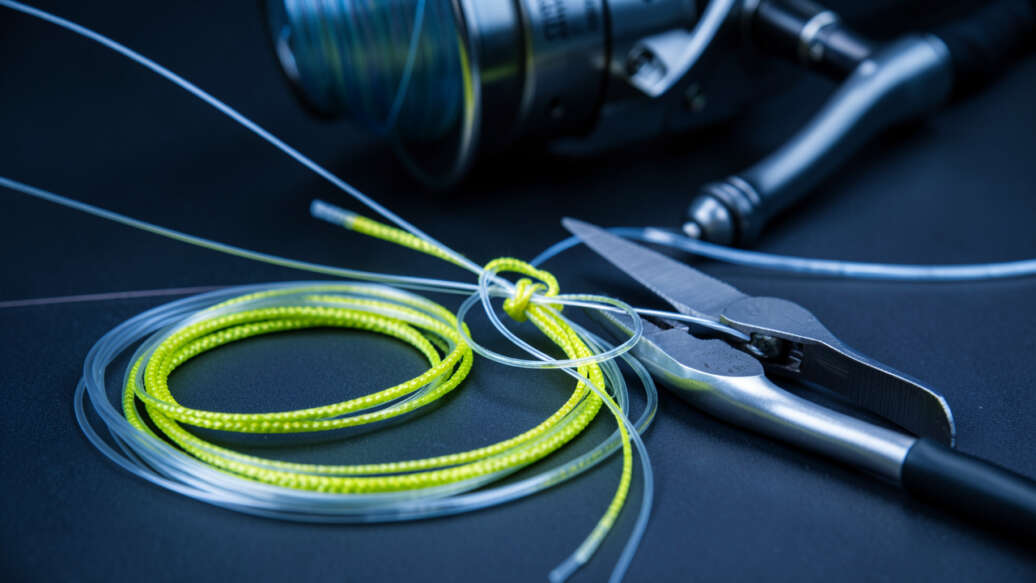
A leader is a short piece of fishing line tied to the end of your main line. It’s often used with braided line to reduce visibility or with monofilament or fluorocarbon to add abrasion resistance. For instance, a fluorocarbon leader tied to braided main line is a very popular setup.
Leaders help in several ways:
- Reduce visibility: A nearly invisible fluorocarbon leader can fool wary fish when your main line is more visible.
- Increase abrasion resistance: Using a tougher leader material can protect your main line from sharp rocks or toothy critters.
- Change buoyancy: You might use a floating leader with sinking line, or vice versa, to control lure depth.
Tying the Right Knots
The knot you tie is critical. A poorly tied knot can be the weakest point in your entire setup, leading to lost fish. Each line type can have specific knots that perform best.
Braided line requires a knot that grips firmly, like the Palomar or FG knot, to prevent slippage under load.
- Monofilament: Palomar knots and improved clinch knots are common and reliable.
- Braided Line: The Uni knot, FG knot, and Palomar knot are popular choices. Braided line can sometimes slip, so using a knot that bites down well is important.
- Fluorocarbon: The improved clinch knot, Trilene knot, and Palomar knot work well. Fluorocarbon can be a bit stiffer, so ensuring your knots are cinched down properly is key.
Always test your knots before casting. A strong knot ensures your line’s rated strength is what you actually get.
Spooling Your Reel Correctly
How you put line on your reel matters. Overfilling or underfilling can cause casting problems. With braided line, especially on spinning reels, backing your braid with monofilament can prevent slippage on the spool.
- Avoid overfilling: Too much line can lead to backlashes or tangles.
- Use backing: For braided line, add a layer of cheaper mono first. This saves expensive braid and provides grip.
- Spool evenly: Make sure the line is wound on smoothly without twists.
Proper spooling helps maintain line integrity and improves casting performance.
Making Your Final Line Choice
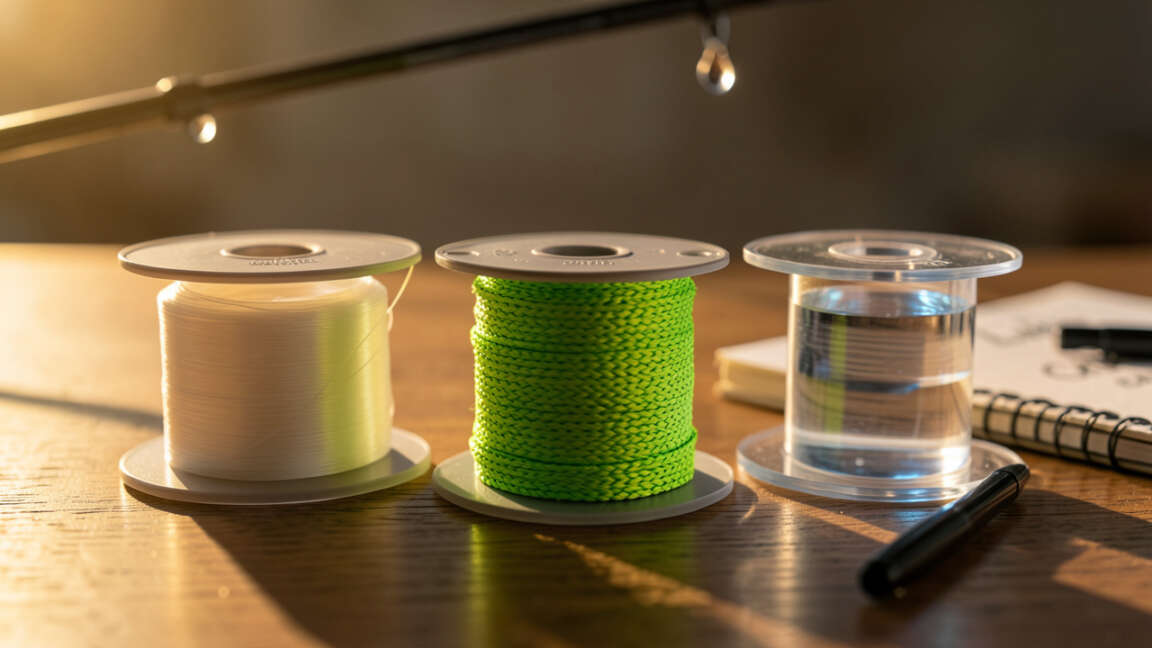
Deciding on the right line is a blend of understanding the options and knowing your fishing style. There isn’t one “best” line for everything. The ideal choice depends on the species you’re targeting, the water conditions, and your personal preferences.
This Monofilament vs Braided vs Fluorocarbon: Full Comparison Now aims to equip you with this knowledge.
For topwater lures, choose monofilament for floatation; for finesse presentations, opt for braid or fluorocarbon to feel subtle bites.
Consider these questions when making your decision:
- What kind of fish am I targeting? Larger, stronger fish might need the power of braid.
- What is the water like? Clear water often calls for less visible line like fluorocarbon.
- What is the environment? Fishing around sharp rocks or heavy cover benefits from abrasion-resistant lines.
- What is my fishing technique? Topwater lures work best with floating lines, while finesse techniques might need sensitive, low-stretch lines.
- Am I a beginner or experienced angler? Monofilament is often more forgiving for newcomers.
Many anglers find success by using a combination of lines. For instance, braided main line with a fluorocarbon leader is extremely versatile. This allows you to take advantage of the strengths of each line type.
Frequently Asked Questions
Question: Which fishing line is the strongest for its diameter?
Answer: Braided fishing line is generally the strongest for its diameter, meaning you can get very high pound tests in a thin line.
Question: Is fluorocarbon line good for all types of fishing?
Answer: Fluorocarbon is very versatile, especially for clear water and when fish are line-shy due to its low visibility and good abrasion resistance. However, its sinking nature might not be ideal for all topwater applications.
Question: Why is braided line so popular for bass fishing?
Answer: Braided line offers excellent strength, sensitivity, and hook-setting power, which are crucial for fishing in heavy cover and detecting subtle bites common in bass fishing.
Question: Can I use monofilament for everything?
Answer: While monofilament is versatile and forgiving, its stretch can be a disadvantage for detecting subtle bites or for quick hook sets in deep water. For some situations, other lines might perform better.
Question: What is the main advantage of fluorocarbon over monofilament?
Answer: The primary advantage of fluorocarbon over monofilament is its significantly lower visibility in water, making it ideal for catching wary fish.
Question: Do I need to use a leader with braided line?
Answer: While not always mandatory, using a leader, often made of fluorocarbon or monofilament, with braided line is highly recommended to reduce visibility and improve abrasion resistance at the lure.
Final Thoughts
Choosing the right fishing line among monofilament, braided, and fluorocarbon makes a real difference. Each type offers unique benefits for strength, visibility, and feel. By understanding these differences and considering your fishing conditions, you can pick the best line to improve your casting, detect more bites, and ultimately catch more fish.