How To Set Drag On A Spinning Reel: Quick Field Method Today
Setting drag on a spinning reel using the quick field method means adjusting the drag pressure by pulling line directly from the spool to match roughly one-third of the line's breaking strength, a practical technique requiring no tools. Proper drag setting prevents broken lines and lost fish by acting as a controlled release when a fish pulls hard, directly influencing landing success. The method allows anglers to test and adjust drag on the water quickly, ensuring the reel is ready for varying fish sizes and fighting conditions. Understanding this field adjustment gives immediate confidence to control fish during the fight without risking equipment failure.
Getting your fishing reel set up right can make a big difference. When your drag is properly adjusted, it helps you land fish without breaking your line or losing your catch. This is super important for a good fishing trip.
You’ll learn exactly How to Set Drag on a Spinning Reel: Quick Field Method Today so you can fish with more confidence. We’ll cover simple ways to get it done right out there on the water.
Key Takeaways
- Proper drag setting prevents broken lines and lost fish.
- A quick field method allows for immediate drag adjustment.
- Understanding drag helps you control fighting fish better.
- You’ll learn to test drag easily without special tools.
- This method ensures your reel is ready for action anytime.
Why Your Spinning Reel Drag Matters So Much
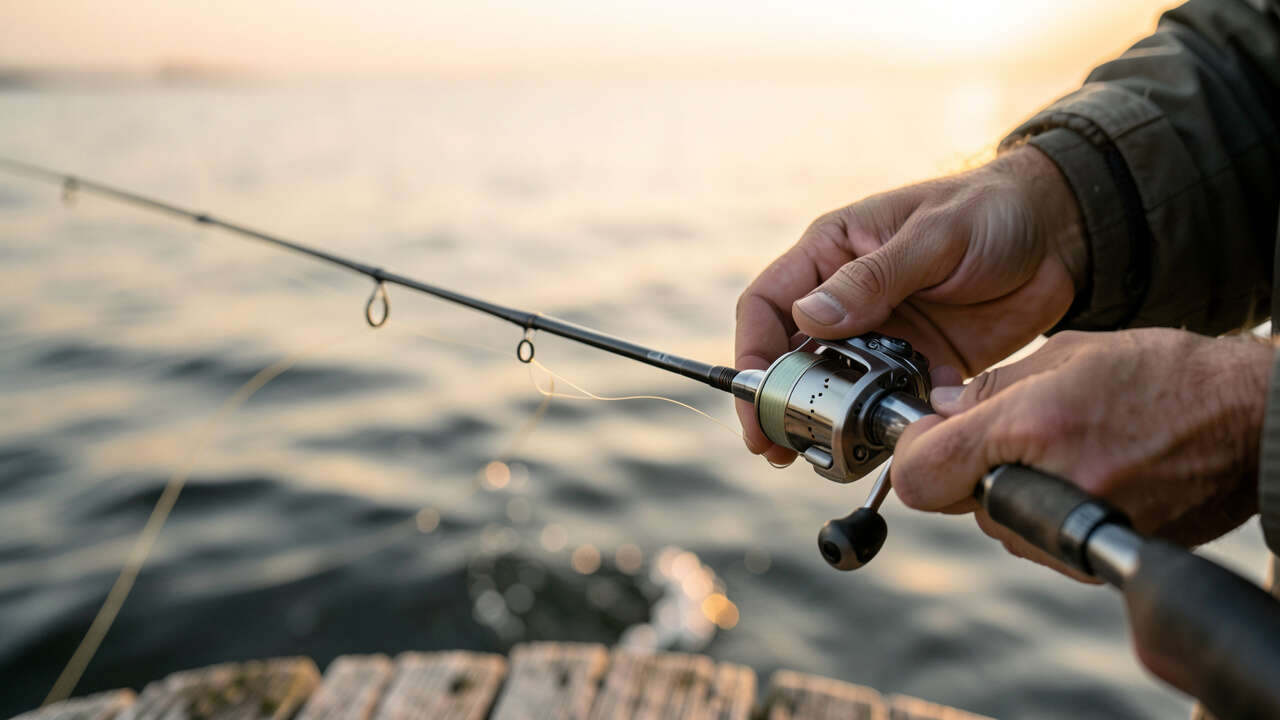
The drag system on your spinning reel is like a safety valve for your fishing line. When a fish pulls hard, the drag lets out line at a controlled rate. This stops your line from snapping.
It also wears out the fish. A reel with no drag or poorly set drag can lead to frustration and lost fish. You want to feel in control, not like the fish is in control of you.
Drag resistance is measured in pounds, representing the force required to pull line from the reel, a key factor in selecting appropriate settings for your target species.
Always start with a slightly looser drag to prevent line snap on the first run.
Learning How to Set Drag on a Spinning Reel: Quick Field Method Today puts that control back in your hands.
Think of it this way: a fish is a powerful opponent. Your fishing rod and reel are your tools to manage that power. The drag is a key part of that management.
If the drag is too tight, the first strong pull from a fish will likely break your line. If it’s too loose, the fish will pull out too much line, making it hard to reel it in and potentially allowing it to get into snags. Finding that sweet spot is what good drag setting is all about.
Understanding the Basics of Reel Drag
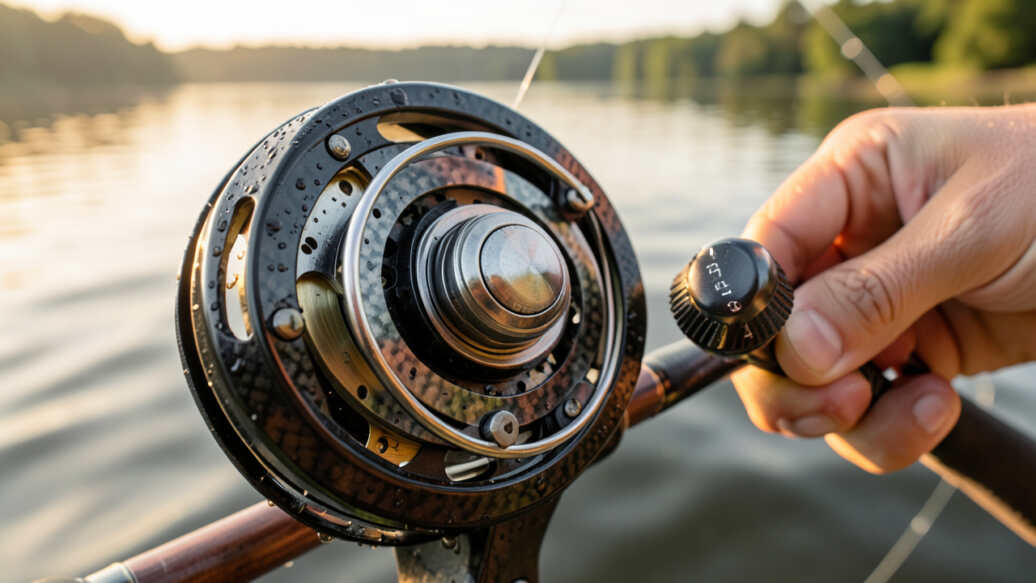
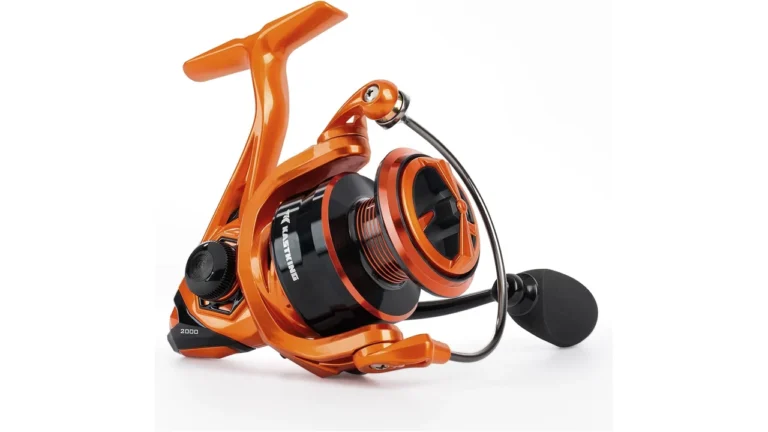
Before we get to the quick field method, let’s cover what drag actually is. Drag refers to the resistance your reel applies when the fishing line is pulled out under tension. This resistance is created by a series of washers, usually made of carbon fiber, Teflon, or other materials, stacked inside the reel.
When you tighten the drag knob, you squeeze these washers together, increasing friction and resistance. When you loosen it, they have more freedom to spin, reducing resistance.
A proper drag setting requires only enough resistance to feel the line taut, not brute force.
The primary goal of drag is to tire out a fighting fish. Instead of your line breaking, the drag will slip, giving the fish line and letting it run. This is especially important when you’re using lighter line or targeting larger, stronger species.
The amount of drag is usually measured in pounds or kilograms, indicating how much force it takes to pull line out. However, for quick field adjustments, we don’t need exact measurements.
The Quick Field Method: Setting Drag on the Spot
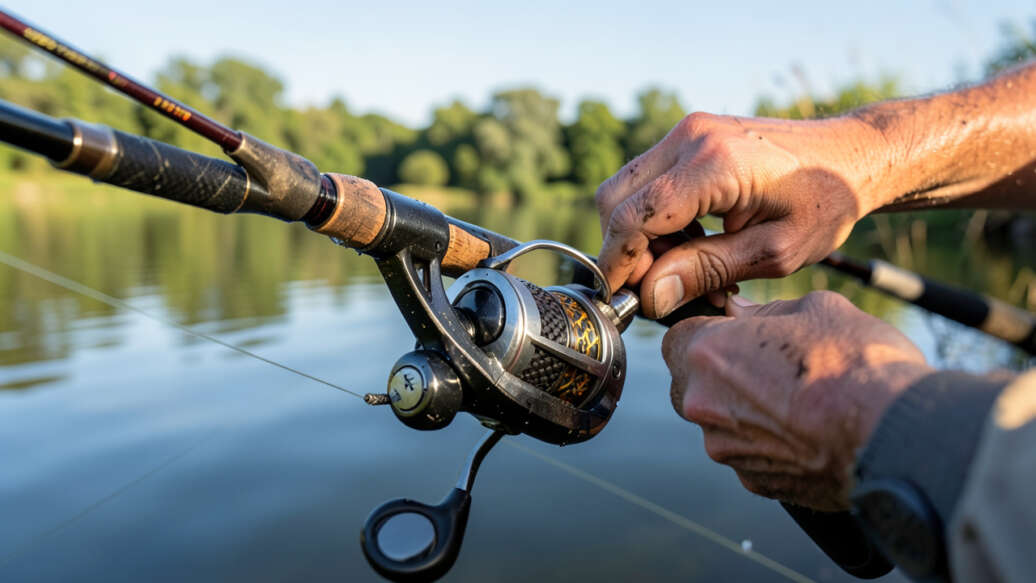
This method is designed for when you’re already out fishing and need to adjust your drag quickly. You don’t need any fancy scales or tools. It relies on a bit of feel and common sense.
This is the core of How to Set Drag on a Spinning Reel: Quick Field Method Today. It’s about getting a working drag setting fast.
First, make sure your reel is spooled with line and your drag knob is snugged down completely. This is your starting point. Then, grab your fishing rod.
You’ll use the rod to apply pressure, simulating a fish pulling on the line. This is a much more intuitive way to feel the drag setting than just pulling the line with your hand.
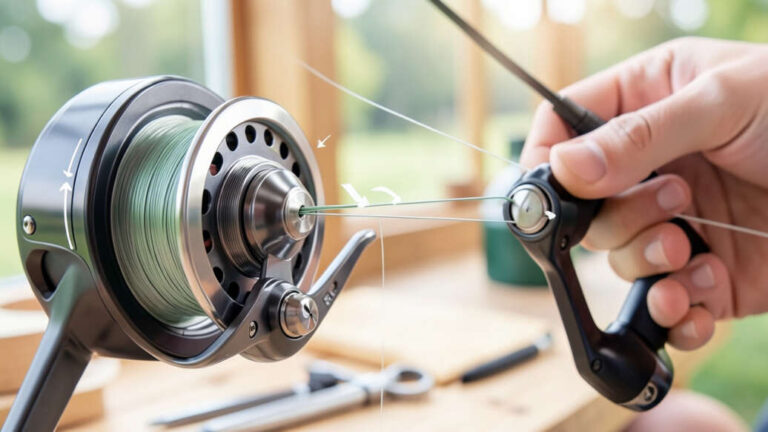
Second, hold the rod tip up and point it away from you. Gently pull back on the fishing line with your other hand. You don’t need a lot of force here, just enough to feel some tension on the line.
You should feel the drag knob start to turn slightly, or at least feel resistance building up.
When in doubt, err on the side of a lighter drag; you can tighten it later, but a broken line ends the fight.
Next, begin to loosen the drag knob slowly. Turn it counter-clockwise a little at a time. As you loosen it, continue to apply gentle pressure on the line.
You are looking for the point where the line begins to peel off the spool steadily under that gentle pressure. This is the sweet spot for setting your drag.
Then, once you have a setting where the line is coming out with a steady pull, give the line a firmer, short tug. The drag should still let out line, but with a bit more resistance than before. It shouldn’t be so loose that line pours off with the slightest touch.
It also shouldn’t be so tight that it feels like the line is locked down.
Finally, this setting is your baseline. You’ve just learned How to Set Drag on a Spinning Reel: Quick Field Method Today. This should be strong enough to hold a fish but loose enough to prevent line breakage on a sudden run.
You can always make minor adjustments as you fish.
Testing Your Drag in Different Situations
The quick field method is a great starting point, but you might need to fine-tune your drag based on what you’re fishing for and the conditions. For lighter tackle and smaller fish, you might want a slightly looser drag. For heavier tackle and larger fish, you’ll want it a bit tighter.
Consider the type of fish you are targeting. A small panfish requires much less drag pressure than a powerful offshore game fish. If you’re fishing in open water with no snags, you can often afford to run a slightly lighter drag because there’s less chance of a fish diving into cover.
If you’re fishing near structure like rocks or weeds, a slightly tighter drag might be beneficial to keep the fish from reaching those snags.
Be cautious when adjusting drag mid-fight; turning the knob too quickly can loosen it excessively, giving the fish too much line.
The strength of your fishing line is also a critical factor. Always set your drag to be lighter than your line’s breaking strength. A common rule of thumb is to set your drag to about 20-30% of your line’s breaking strength.
For example, if you’re using 10-pound test line, you’d want your drag to start slipping somewhere between 2 and 3 pounds of pressure. The field method helps you approximate this without needing a scale.
Testing the drag with a firm tug is key. You want to feel that controlled give. If you’re unsure, it’s always better to set your drag a little lighter than too heavy.
You can always tighten it up if needed, but once your line breaks, the fish is gone.
Adjusting Drag While Fighting a Fish
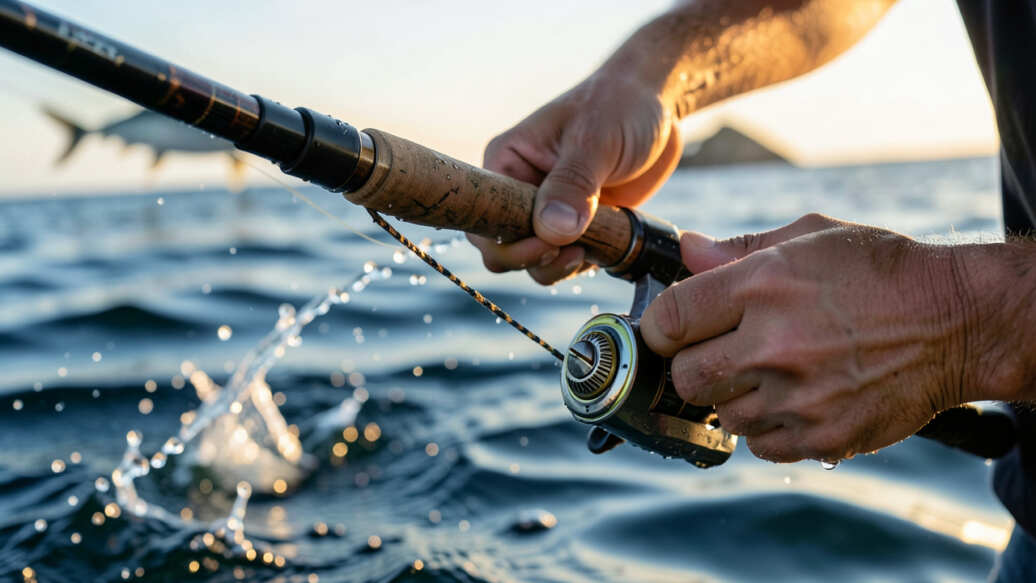
Sometimes, even with a good starting drag setting, you’ll need to make adjustments while a fish is on the line. This is where experience really comes into play. The quick field method provides the initial setup, but real-time adjustments are part of mastering How to Set Drag on a Spinning Reel: Quick Field Method Today.
If a fish is making a long, powerful run and you’re worried about your line breaking, you can momentarily loosen the drag by turning the knob counter-clockwise. Be careful not to loosen it too much. As the fish slows down, you’ll want to tighten the drag back up by turning the knob clockwise.
This helps you gain line back and wear the fish down.
Always test your drag after adjustment by pulling line manually; this confirms your setting and prevents surprises.
Conversely, if a fish isn’t running much and you’re struggling to gain line, you might need to tighten the drag slightly. Be cautious here. A small turn can make a big difference.
Always make these adjustments smoothly and deliberately. Jerky movements can startle the fish or put undue stress on your line.
Many anglers find it helpful to keep one hand on the drag knob while fighting a fish. This allows for very quick, subtle adjustments. It takes practice, but it’s a valuable skill for landing tougher fish.
The field method gives you the confidence to start, and then you build on that knowledge.
Common Mistakes to Avoid When Setting Drag
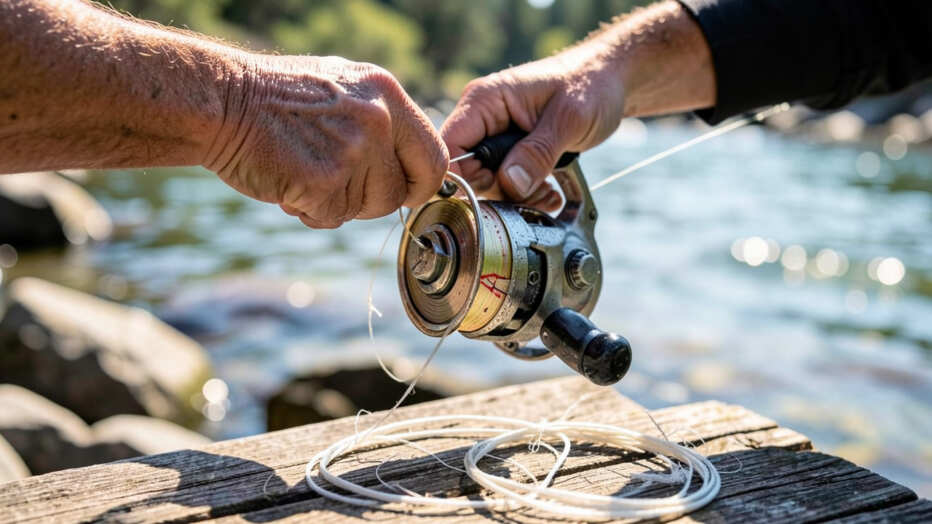
Even with simple methods, there are a few common pitfalls that can lead to problems. Understanding these mistakes will help you avoid them and ensure your drag is set effectively.
Water resistance can mimic a tighter drag, so always factor in current and depth when assessing your drag performance.
- Setting drag too tight: This is the most common mistake. It leads to snapped lines and lost fish, especially on the initial strike. Always err on the side of a slightly looser drag.
- Setting drag too loose: While less common, a drag that is too loose means the fish can run too much line. This can lead to the fish getting into snags or tiring itself out too much, which might be undesirable if you plan to release it.
- Not testing the drag: Skipping the simple test after adjusting means you might not actually know how tight or loose your drag is. Always perform the quick tug test.
- Forgetting to adjust for conditions: Assuming one drag setting works for every situation is a mistake. Always consider your line strength, the species you’re targeting, and the environment.
- Over-tightening the drag knob: Some reels have a maximum drag setting. Forcing it beyond that can damage the drag washers or the reel itself.
Remembering these points will help you get the most out of your drag system. Mastering How to Set Drag on a Spinning Reel: Quick Field Method Today involves not just knowing the steps but also understanding what can go wrong.
When to Re-evaluate Your Drag Setting
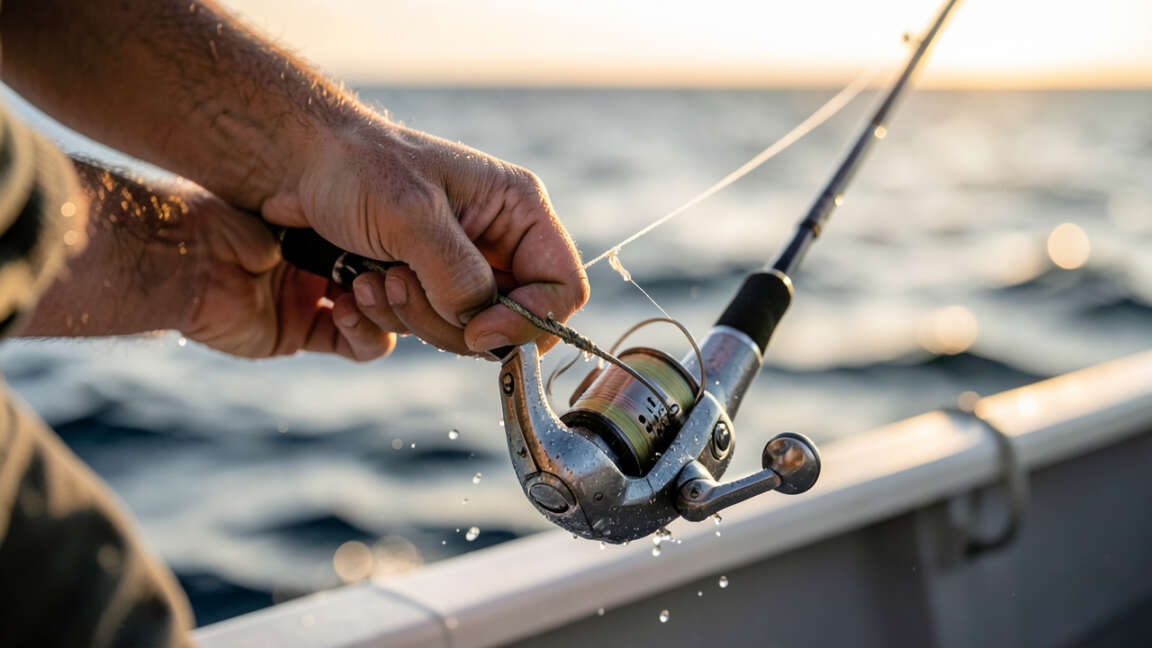
Your drag setting isn’t necessarily a one-time adjustment. There are several situations where you should consider re-evaluating your drag. This ensures you’re always prepared for whatever the water throws at you.
First, if you change your fishing line, you should re-check your drag. Different lines have different breaking strengths, even if they are rated for the same pound test. Thicker monofilament might be weaker than thinner fluorocarbon of the same rating, for example.
So, your previous drag setting might be too tight or too loose for the new line.
Second, if you switch to a different type of lure or bait, it might be worth a quick check. Some lures create more drag when retrieved than others. While this is less about the reel’s drag and more about water resistance, it can sometimes feel like your drag is tighter than it is.
Third, if you’re moving to a different fishing location with different conditions, adjust accordingly. Fishing in a fast-moving river with heavy currents is different from fishing in a calm lake. The currents can put a lot of pressure on your line, and you might need a slightly looser drag to compensate.
Fourth, if you’ve just landed a large or particularly powerful fish, it’s a good idea to inspect your drag system. Sometimes, a hard fight can wear down the drag washers slightly, or debris could have gotten into the system. A quick check and re-adjustment after a big fight is wise.
Finally, if you notice any unusual sounds or inconsistent performance from your drag, it’s time for a thorough check. This could indicate worn-out washers or a problem with the reel’s drag mechanism. Regular checks ensure your reel is always ready.
Frequently Asked Questions
How tight should the drag on my spinning reel be?
A good starting point is to set your drag so that it slips when a fish pulls with about 20-30% of your line’s breaking strength. The quick field method helps you estimate this by feel.
Can I set my drag without a scale?
Yes, absolutely. The quick field method described in this article relies on using the rod to apply pressure and feeling the line peel off the spool. This is a practical way to learn How to Set Drag on a Spinning Reel: Quick Field Method Today.
What happens if my drag is too tight?
If your drag is too tight, your fishing line is much more likely to break when a fish makes a strong run. This often results in losing the fish and your lure.
What happens if my drag is too loose?
A drag that is too loose allows the fish to take out a lot of line. This can make it difficult to reel the fish in, and the fish might swim into snags or structures where it can break free.
How often should I check my drag setting?
You should check your drag setting before each fishing trip. It’s also wise to re-evaluate it if you change your line, target different species, or fish in significantly different environments.
Is it okay to adjust my drag while fighting a fish?
Yes, it is often necessary and beneficial to adjust your drag while fighting a fish. This allows you to compensate for the fish’s runs and wear it down effectively.
What are the best drag settings for bass fishing?
For bass fishing, a good starting point for your drag is around 20-30% of your line’s breaking strength. You might want to set it a bit tighter if you are fishing in heavy cover where you need to control the fish, or slightly looser in open water.
Final Thoughts
Learning How to Set Drag on a Spinning Reel: Quick Field Method Today gives you the power to adapt on the water. A well-set drag prevents line breaks and helps you land more fish. Use the simple rod-tug test to get it right quickly.

One Comment